
Saga Prefecture: 15 Best Places to Visit, from Grand Shrines and Gardens to Sea Caves and Hot Springs
15 places · Japanese version
Saga Prefecture sits in the northwest of Kyushu. Its climate is fairly mild, flowers bloom from spring to autumn and there is skiing in winter, so it is worth a visit in any season. Long exchanges with the rest of Asia left many historic buildings, and there are plenty of hot springs and good things to eat. Here are 15 classic sights, grouped by area: the Karatsu coast, the Takeo and Kashima area, and Saga City with its surroundings.
Karatsu and the Genkai coast
Hamanoura Rice Terraces Genkai
Hamanoura in Genkai is one of the best-known rice terraces in Japan: 283 paddies large and small step down 11.5 hectares of slope toward a small bay. Mostly Koshihikari rice is grown. The paddies are flooded from around mid-April and planting ends in early May, and this is the best time to see them. It is about 30 minutes by car from JR Karatsu Station, with free parking.
Karatsu Castle Karatsu
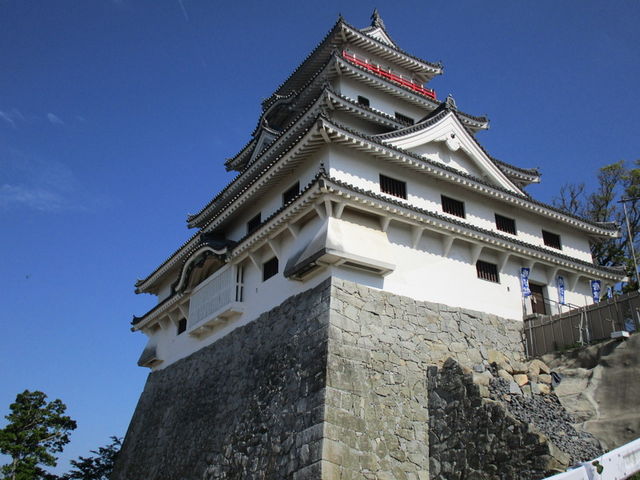
From the keep of Karatsu Castle you can look out over Niji no Matsubara, Mount Kagami and the Matsuragata coast. You can climb the stone steps or take an elevator. Inside, a local history museum shows old maps of Karatsu and Karatsu ware. The castle is lit up every night. Also called Maizuru Castle, it is lovely with cherry blossoms and wisteria in spring, and the big Karatsu Kunchi festival is held every year from November 2 to 4.
Nanatsugama Caves Karatsu
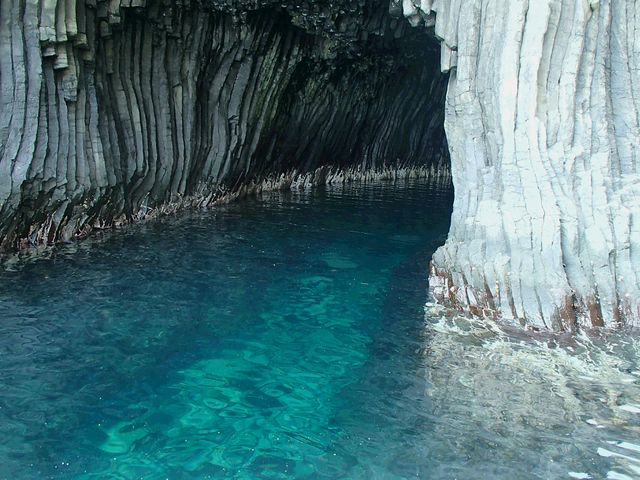
Nanatsugama is a scenic stretch of coast carved by the waves of the Genkai Sea, with turquoise water and mysterious sea caves. Sightseeing boats take you into the caves, which children and adults both enjoy. The top of the cliffs is grassland with an observation deck and walking paths, so you can watch the rough waves up close. Seeing it from both the sea and the land is the best way to enjoy it.
Hado Misaki Cape Karatsu
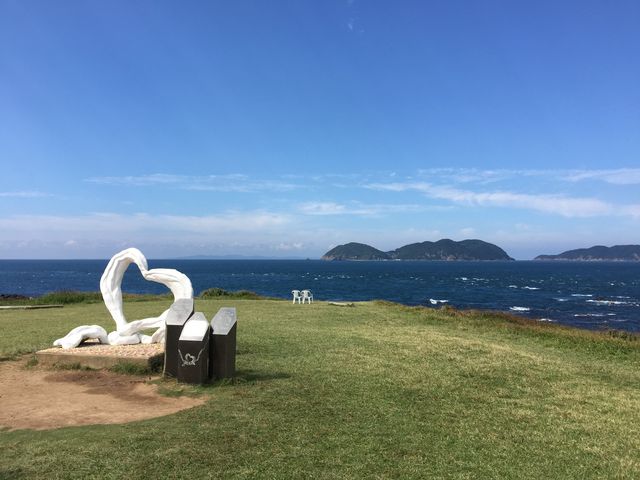
At the northern tip of the Higashimatsuura Peninsula, Hado Misaki offers views of Iki and Tsushima on clear days and is known for its sunsets. There are places for fishing, camping and hiking nearby. The cape has an undersea observation tower, said to be the only one on the Sea of Japan side, where you can watch tropical fish from a room 7 meters below the surface. Stalls nearby serve turban shells grilled in their shells.
Yobuko Morning Market Yobuko, Karatsu
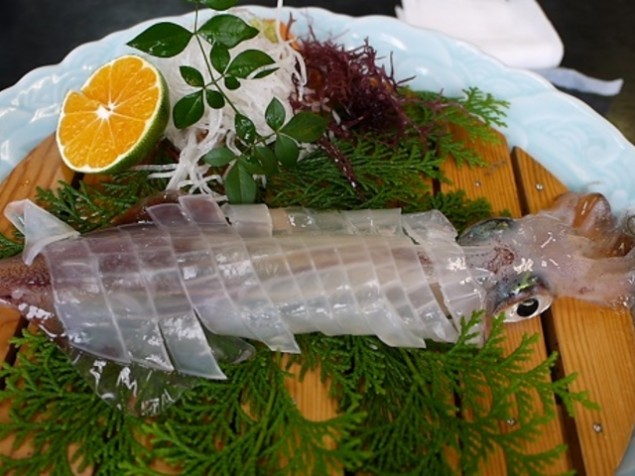
Yobuko is famous for squid, and on its morning market street nearly 50 stalls set up every morning to sell fresh seafood and vegetables. The market runs daily except New Year's Day until about noon. Holidays get crowded, so go early if you want something in particular. Try squid sashimi served live at one of the town's restaurants, and pick up dried squid as a souvenir.
Niji no Matsubara Karatsu
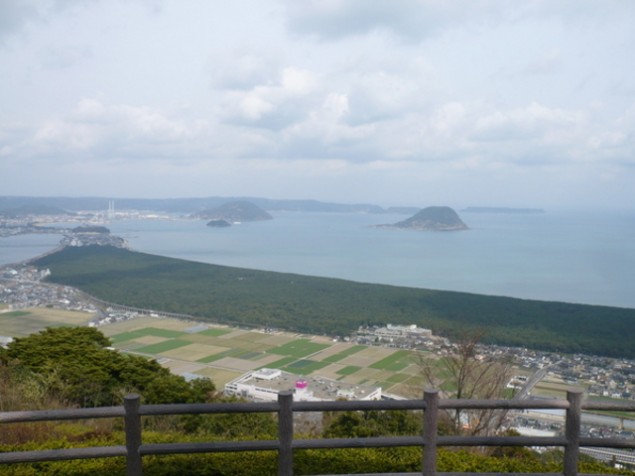
Niji no Matsubara is a forest of about one million black pines that runs for about 4.5 kilometers along the shore of Karatsu Bay. It is designated a national Special Place of Scenic Beauty. Prefectural Road 347 passes through the pines and is a popular scenic drive. For a view from above, head to nearby Karatsu Castle.
Takeo, Ureshino and Kashima
Yutoku Inari Shrine Kashima
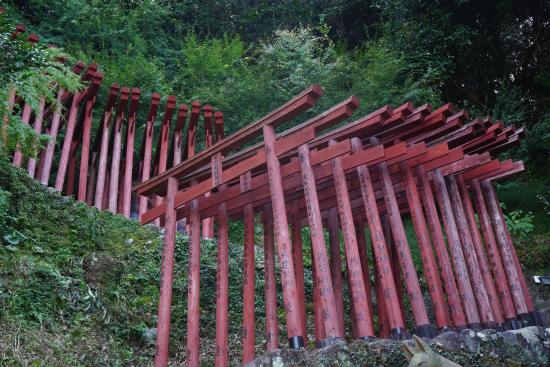
Counted with Fushimi Inari in Kyoto and Kasama Inari in Ibaraki as one of Japan's three great Inari shrines, Yutoku Inari draws more than three million visitors a year. Its ornate tower gate and main hall recall Nikko Toshogu, and the Japanese garden has flowers all year. The inner shrine stands on the hilltop, about 30 minutes on foot from the main hall through a tunnel of torii gates. Benches at its lookout face the town and the Ariake Sea.
Mifuneyama Rakuen Takeo
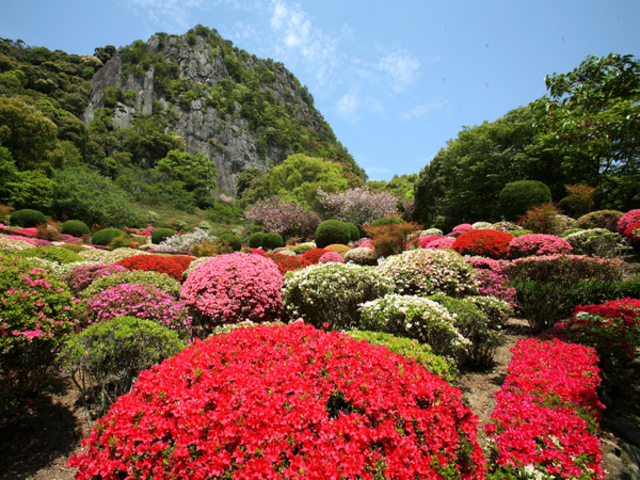
If you visit Takeo Onsen, stop at Mifuneyama Rakuen nearby. This stroll garden was created by Nabeshima Shigeyoshi, the 28th lord of Takeo, and covers an area about the size of ten Tokyo Domes. Each spring 200,000 azaleas bloom and are lit up at night, and autumn leaves are lit up in fall. Check the bloom status on the official website before you go.
Ureshino Onsen Ureshino
Ureshino Onsen is one of the must-sees of Saga. Its clear, colorless water is a sodium bicarbonate spring said to be good for the skin, and it is counted among Japan's three great hot springs for beautiful skin. Long-established ryokan line the streets, and the old hot spring town is pleasant to walk. It is about five minutes by car from Ureshino IC on the Nagasaki Expressway.
Takeo Onsen Takeo
Takeo Onsen has a history of 1,300 years and was visited by famous figures such as Date Masamune, Miyamoto Musashi and Siebold. Its symbol is the vermilion tower gate designed by Saga-born Tatsuno Kingo, the architect of Tokyo Station. The retro streets glow with lights at night. Besides fine inns, there are affordable public baths and private baths such as Horaiyu with a jet bath and Saginoyu with a sauna. It is 15 minutes on foot from JR Takeo-Onsen Station.
Saga City and around
Kiyomizu Falls Ogi
Also known as Tamasudare Falls, this waterfall is 75 meters high and 13 meters wide, on the Kiyomizu River, chosen as one of Japan's 100 best waters. It is a cool escape in summer, and restaurants nearby serve carp dishes. The temple Hochi-in stands here, and the well-kept approach makes for a pleasant walk under the trees. It is about 15 minutes by taxi from Ogi Station on the JR Karatsu Line.
Yoshinogari Historical Park Yoshinogari
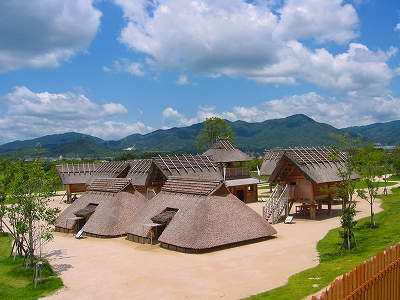
Yoshinogari is one of Japan's largest moated settlements from the Yayoi period. The park has four zones, and you can step inside rebuilt pit dwellings; the Ancient Forest zone offers weaving and farming activities. Plan a full day and use the park bus. The restaurant serves set meals with ancient red rice and croquettes of Saga beef. It is about 12 minutes on foot from Yoshinogari-koen Station.
Kunenan Kanzaki
Kunenan is a sukiya-style villa and garden built by Itami Yataro, a businessman of the Meiji era. It opens to the public only for a short time each year: about three days in spring, when the fresh green appears, and about a week in autumn, when the maples turn deep red around the house. No booking is needed, but it gets crowded from early morning, so check the dates online and arrive early for an entry ticket.
Chikugo River Lift Bridge Morodomi, Saga
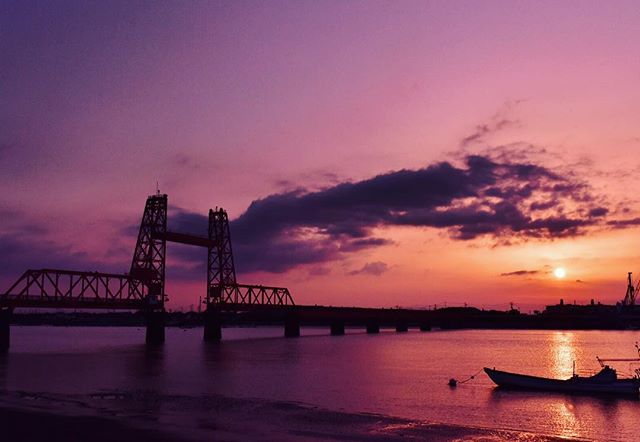
This railway lift bridge once linked Okawa in Fukuoka with Saga City and is a national Important Cultural Property, among the few of its kind in the world. After the line closed in 1987 it became a walkway with a park nearby. It is lit up in the evening, its silhouette at dusk is beautiful, and in summer photographers come for the fireworks over the Chikugo River.
Saga Balloon Museum Saga City
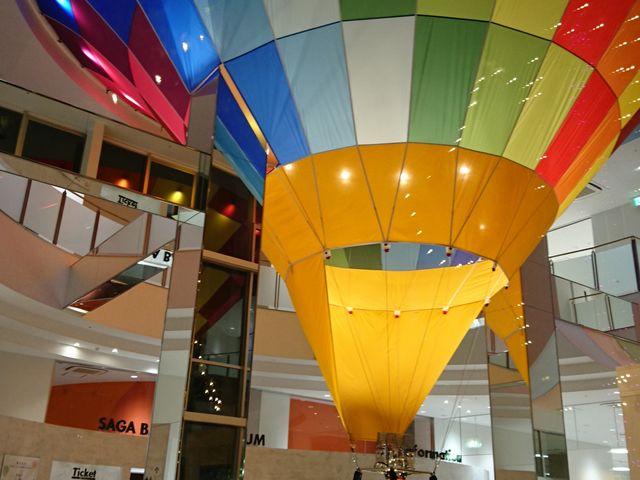
Saga is a city of hot-air balloons, and the Saga International Balloon Fiesta, held every year from late October to early November, draws more than 800,000 spectators. At the museum, about 17 minutes on foot from Saga Station, a 280-inch theater, a flight simulator and a full-size balloon bring you close to the sport in any weather. The ground-floor shop, free to enter, sells balloon goods, Arita ware and local sake.
The places on a map
Hours, prices and events change. Check each place's official website before you go.
More travel guides
 Tokyo Sightseeing by Area: 40 Classic Sights and Lesser-Known Spots from Asakusa to Odaiba40 placesTokyo has much more to see than Skytree, Tokyo Tower and Asakusa. This guide works through six of the city's main…
 Nagoya: 40 Best Places to Visit, from Nagoya Castle and Atsuta Jingu to Osu40 placesNagoya is one of Japan's biggest cities, yet many visitors don't know how much it has to see. Alongside its famous…
 Chichibu: 40 Best Places to Visit, from Nagatoro River Boats and Mitsumine Shrine to Moss Phlox and Icicles40 placesChichibu, the largest city in Saitama Prefecture, is about 90 minutes from central Tokyo. Most of the area is national…
 Niigata Prefecture: 40 Best Places to Visit, from Classic Sights to Hidden Gems40 placesNiigata Prefecture stretches a long way from north to south, and each area has its own scenery, climate and food. The…
 Nagasaki Prefecture: 40 Best Places to Visit, from Unzen Hot Springs to Hirado and Nagasaki City40 placesNagasaki grew up as a port open to the outside world, and the culture of those days still shapes its streets, churches…
 Fukuoka Prefecture: 40 Places to Visit in Kitakyushu, Chikuho and Around Fukuoka City40 placesFukuoka Prefecture is roughly divided into four areas, Kitakyushu, Chikuho, Fukuoka and Chikugo, and each has its own…