
Shimane: 16 Must-See Places, from Izumo Taisha and Matsue Castle to Iwami Ginzan
16 places · Japanese version
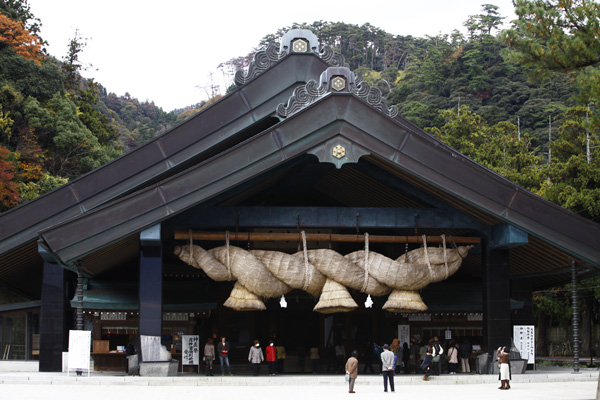
When people think of Shimane, Izumo Taisha comes to mind first. But the prefecture has much more: shrines tied to old myths, art museums with famous gardens, a World Heritage silver mine, singing-sand beaches and quiet gorges. Here are 16 places not to miss on a trip to Shimane, grouped by area: Izumo, Matsue and Yasugi, and the Iwami region along the western coast.
Izumo
Izumo Taisha Izumo
Shimane's best-known sight is a shrine tied to many myths and loved as the home of the god of good relationships and marriage. Every year in the tenth month of the old lunar calendar, the gods of all Japan are said to gather here. Look for the 46 rabbit statues around the large grounds. Note the way to pray: bow twice, clap four times and bow once, instead of the usual two claps.
The shrine opens early in the morning, and the air is clear and quiet then. It is about 5 minutes on foot from Izumo Taisha-mae Station on the Ichibata Railway, and free parking is close by.
Susa Shrine Izumo
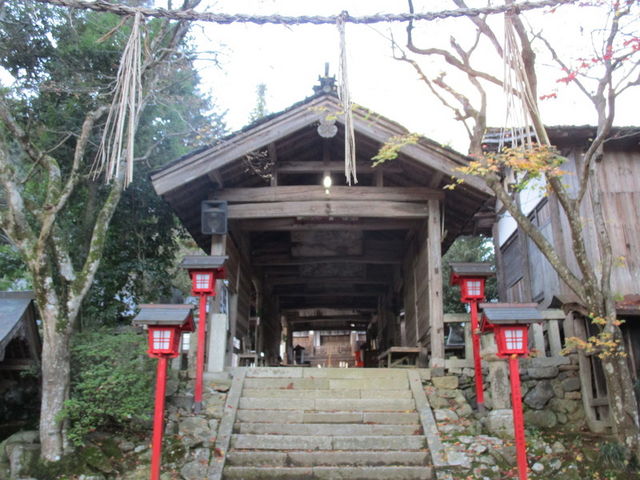
Susa Shrine honors gods who appear in the legend of the slaying of the eight-headed serpent Yamata no Orochi, which makes it a good stop on a tour of Shimane's power spots. People come to pray for family safety, business, safe travel, exams and childbirth. Behind the main hall stands a great cedar estimated to be 1,300 years old. If you collect goshuin shrine stamps, bring your book.
Inasa Beach and Bentenjima Izumo
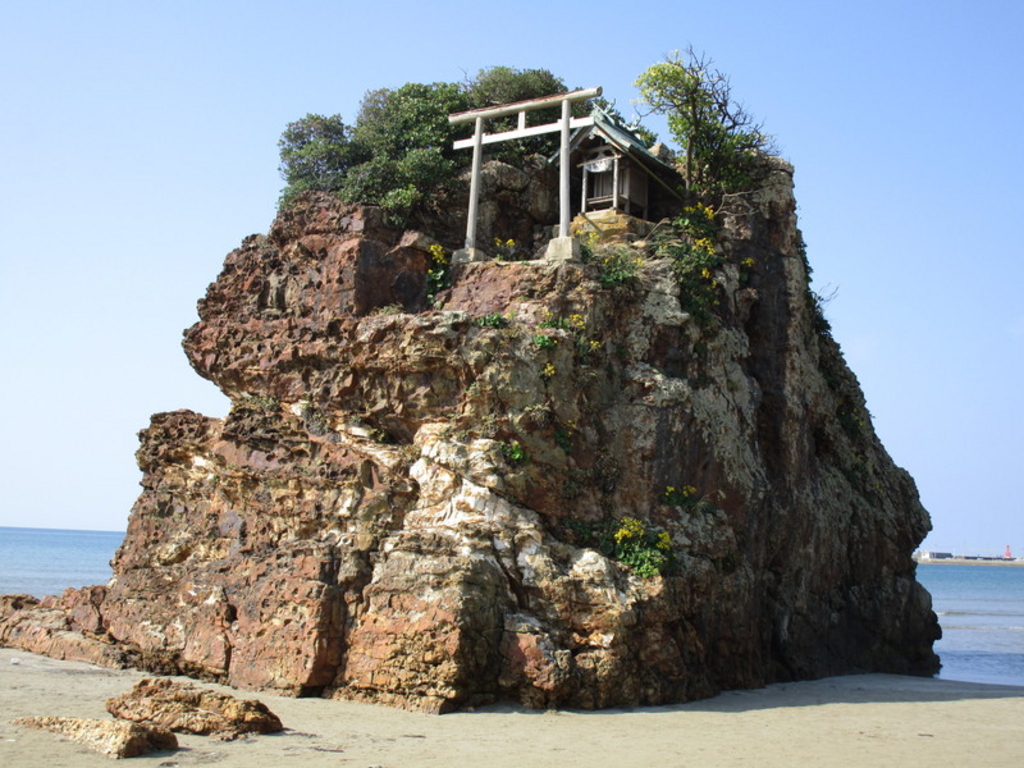
About 1 kilometer west of Izumo Taisha, this beach is the stage of the Izumo myth of the handing over of the land. It faces west, so the sunsets are superb, and it is listed among Japan's 100 best beaches, busy with swimmers in summer. The rock with a torii gate on the beach is Bentenjima, said to bring good luck. It is about 15 minutes on foot or 2 minutes by car from the shrine.
Hinomisaki Lighthouse Hinomisaki, Izumo
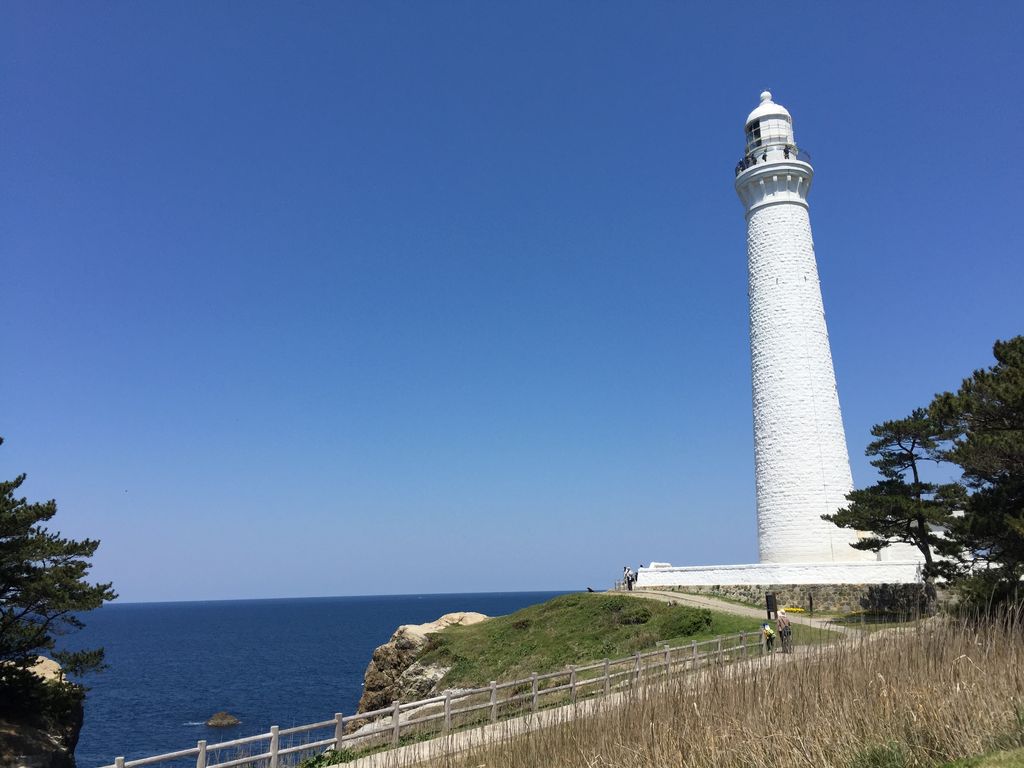
About 20 minutes by car from Inasa Beach, Hinomisaki Lighthouse is 43.65 meters tall, the tallest in Japan. Its observation deck looks out over the Sea of Japan and the coast around it, with 360-degree views on clear days. A walking path leads to the lighthouse along the sea, and nearby restaurants serve fresh local seafood. It is well worth the short trip from Izumo Taisha.
Shimane Winery Izumo
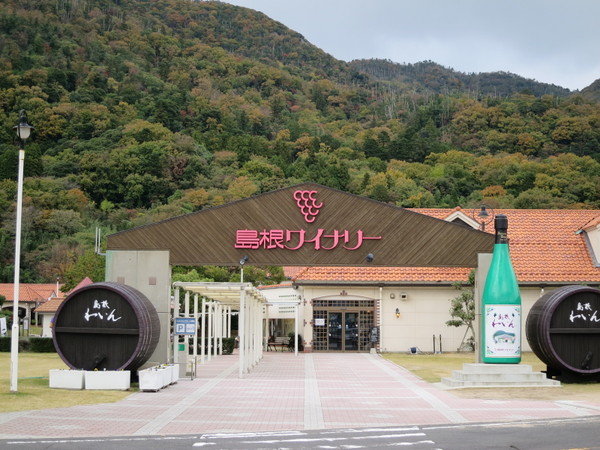
About 5 minutes by car from Izumo Taisha, Shimane Winery lets you taste nine wines and soft drinks for free and see how the wine is made, also for free. Grape juice made from Shimane grapes keeps children happy. The restaurant serves Shimane wagyu beef for lunch, you can make a one-of-a-kind bottle with a label you choose, and the souvenir shop has one of the largest selections in Izumo.
Tachikue Gorge Izumo
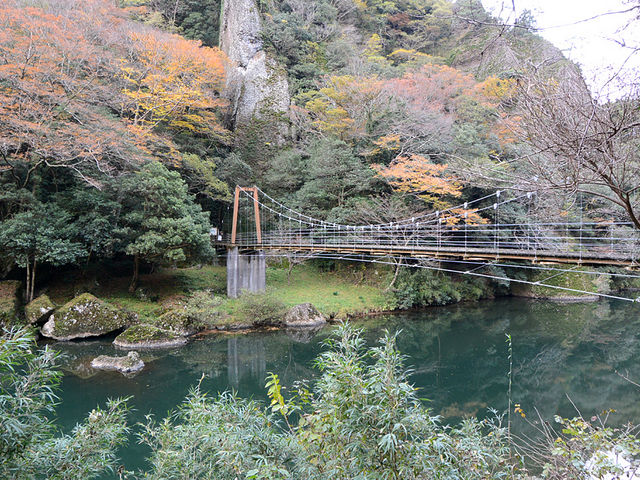
A gorge about 2 kilometers long, carved out of volcanic rock and named a national Place of Scenic Beauty. Rock pillars and cliffs 100 to 200 meters high are impressive, and a walking path loops around in about 30 minutes. Mountain cherries bloom in spring, the woods are green in summer, the leaves turn in autumn, and in winter the snowy gorge looks like an ink painting. A nearby hot spring ends the day well.
Matsue and Yasugi
Matsue Castle Matsue
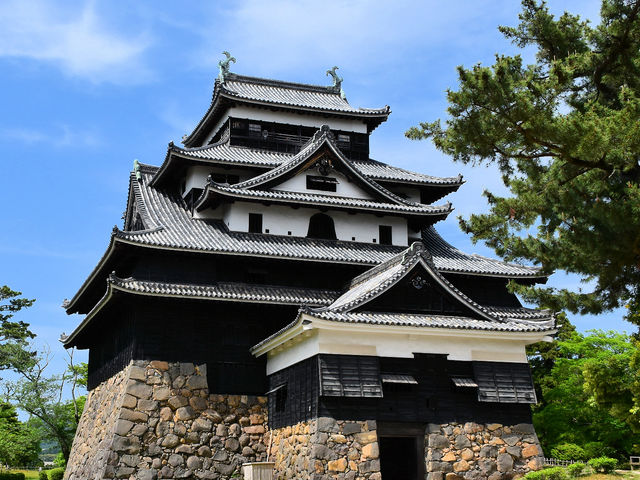
Built by Horio Yoshiharu in the Edo period, Matsue Castle has one of only 12 original castle keeps in Japan, and the only one in the San'in region. Its heavy black walls stand out, and the top floor looks over the old town and Lake Shinji. Before going through the main gate, view the castle across the moat. Sightseeing boats circle the moat and pass under 16 bridges; at each one the boat's roof lowers so you just squeeze under.
Matsue Horikawa Beer Hall Matsue
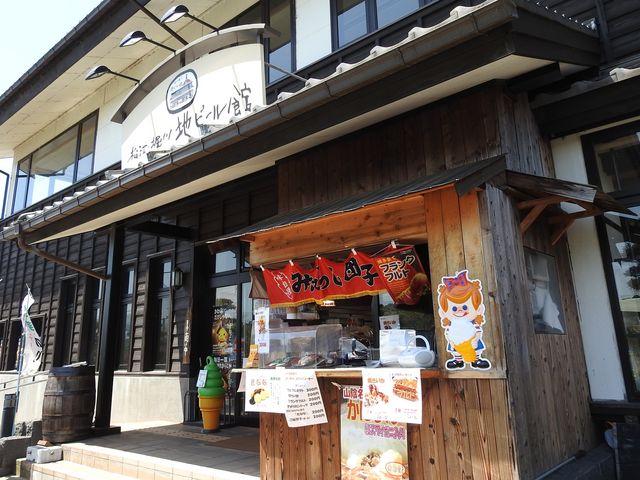
Around Matsue Castle are samurai houses, the Matsue History Museum and the former home of Koizumi Yakumo, so take time to walk the area. About 10 minutes on foot from the castle, this beer hall serves Shimane wine, Shimane wagyu and other local food from lunch to dinner, and sells about 800 Shimane products, good for souvenirs. Behind the counter is the brewery, so you can watch the beer being made and drink it fresh.
Tamatsukuri Onsen Matsue
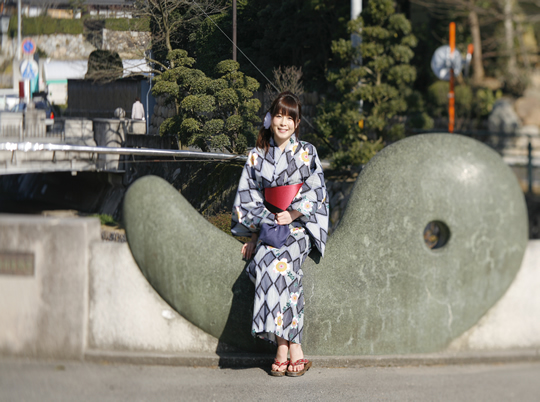
Once you are in Matsue, stop at Tamatsukuri Onsen. This old hot spring appears in The Pillow Book and is known as a bath for beautiful skin. The ancient Izumo no Kuni Fudoki praised it as the water of the gods, and it has been valued for its effect on the skin since the Nara period.
Tamatsukuriyu Shrine Tamatsukuri Onsen, Matsue
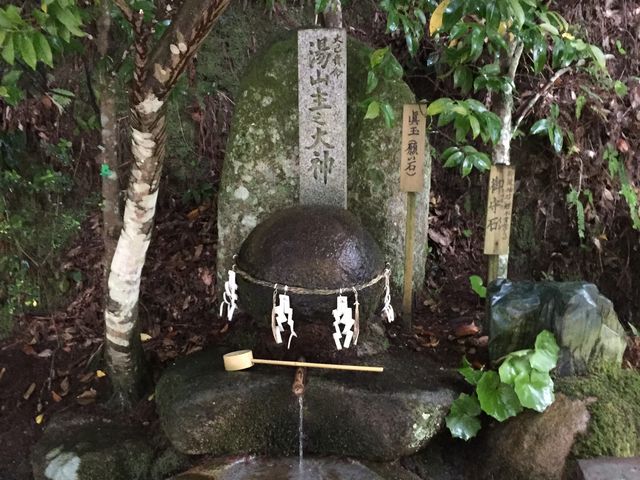
The hot spring town has shops selling beauty sweets and cosmetics, and Tamatsukuriyu Shrine, a power spot famous for help in love. Fine inns line the Tamayu River, a good base after praying for good relationships at Izumo Taisha. When your feet get tired, rest at the footbath.
Shimane Art Museum Matsue
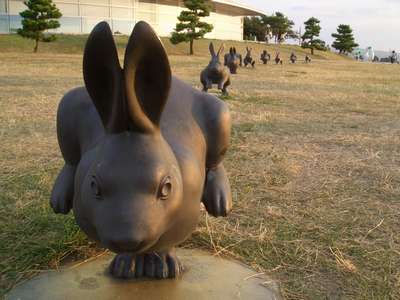
One of the largest art museums in the San'in region, showing paintings from Japan and abroad. It is about 16 minutes on foot from Matsue Station. From the glass-walled lobby you can watch the sun set over Lake Shinji, which makes it a good date spot. The lobby is open to everyone, so you can drop in any time.
Adachi Museum of Art Yasugi
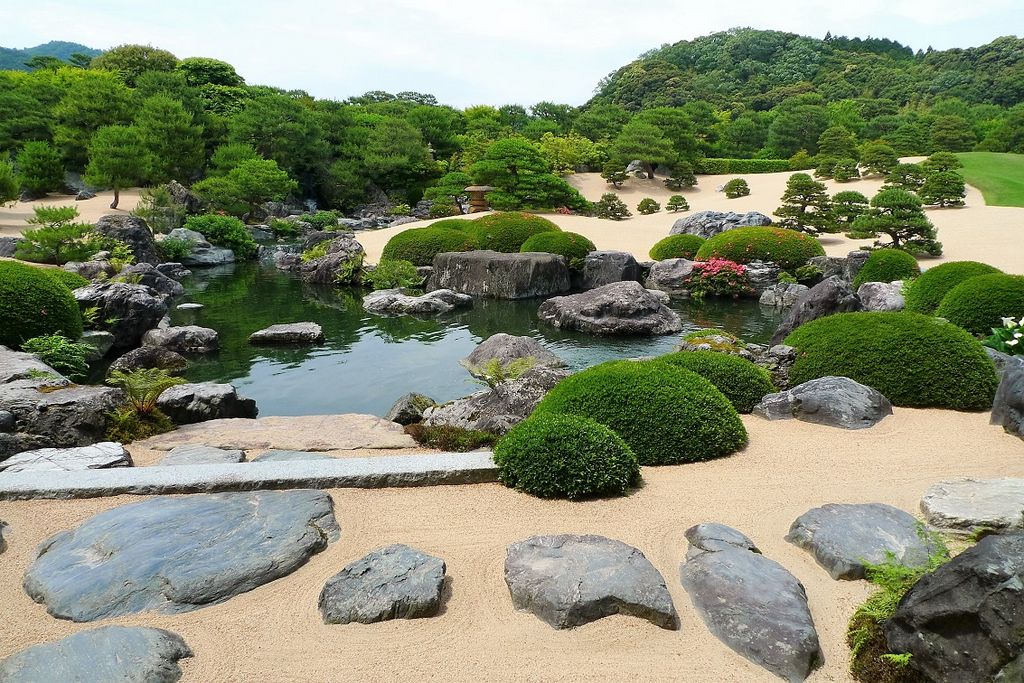
Founded by local businessman Adachi Zenko, this museum holds many masterpieces of modern and contemporary Japanese art. Its biggest draw is the Japanese gardens, given three stars in the Michelin Green Guide Japan and praised by an American journal of Japanese gardens. The six gardens change with every season, and you view them from inside the building, so rain is no problem. A tearoom looks onto the garden. A free shuttle bus runs from JR Yasugi Station.
Iwami: the western coast
Iwami Ginzan Silver Mine Oda
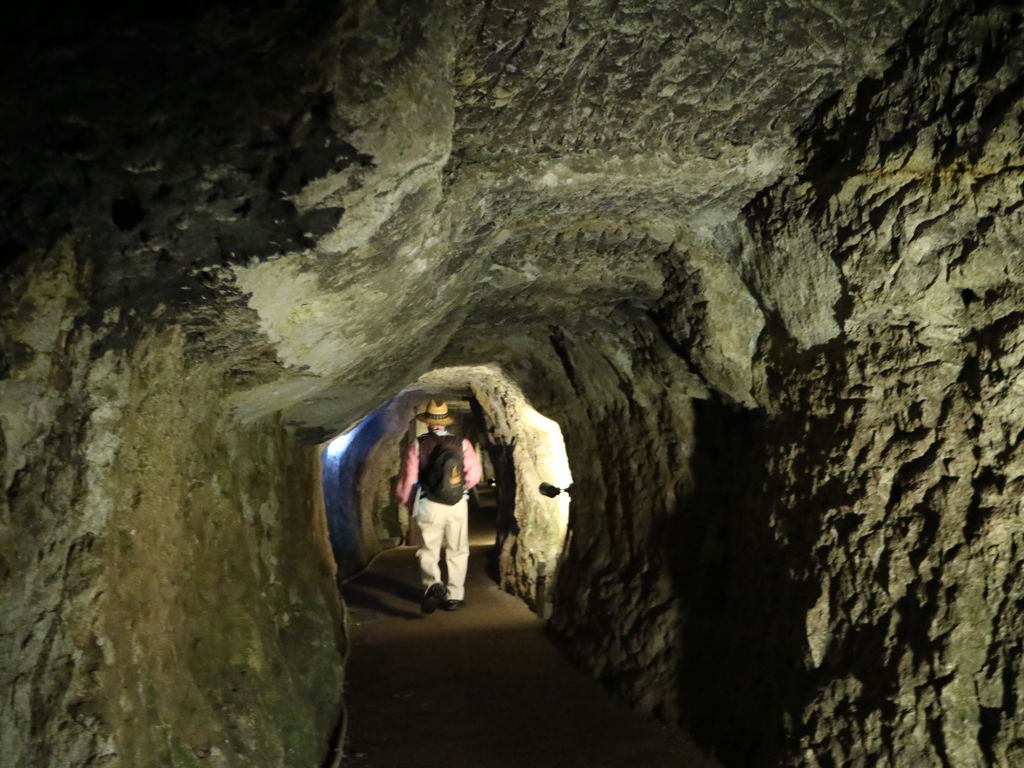
This World Heritage site once produced about a third of Japan's silver, and it was listed for mining without clearing the forests. Stop first at the Iwami Ginzan World Heritage Center to learn the history. The main sight is Ryugenji Mabu, a real mine tunnel you can walk into, and the area keeps Edo-period samurai houses and the site of the magistrate's office. Cafes and restaurants in old houses make it easy to spend a whole day.
Shimane Aquarium AQUAS Hamada
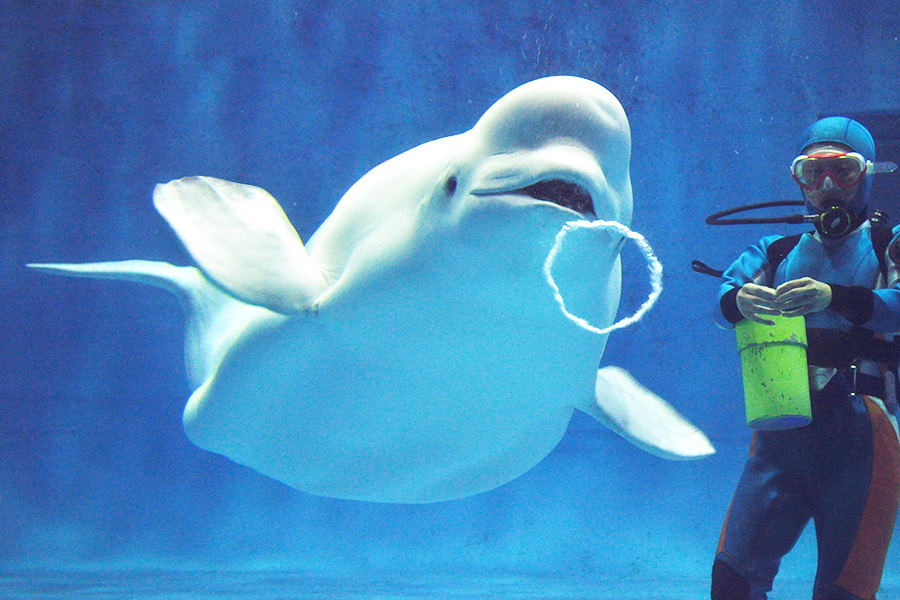
A good choice with children, AQUAS in Hamada is one of the largest aquariums in the Chugoku and Shikoku regions. Its belugas perform shows, and the highlight is watching them blow bubble rings and swim through them. About 400 species and 10,000 sea creatures live here as well. It is about 10 minutes on foot from JR Hashi Station.
Kotogahama Beach Oda
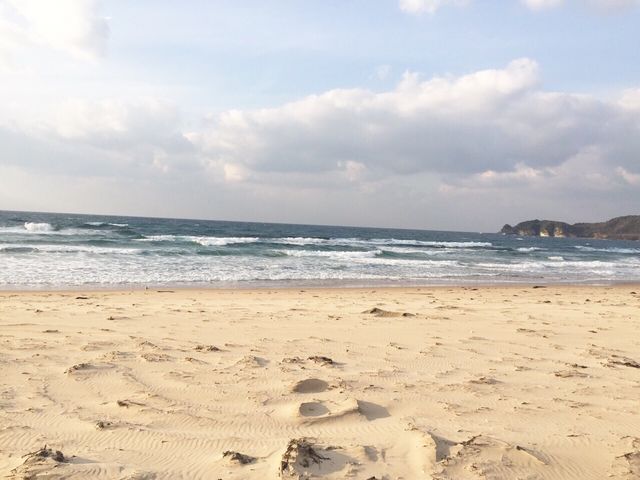
On the way back from AQUAS, stop at Kotogahama, also called the singing-sand beach because the sand squeaks under your feet. Even a little dirt stops sand from singing, so beaches clean enough to keep the sound are rare in Japan. The sand only sings when it is dry, so come on a sunny day.
Nima Sand Museum Oda
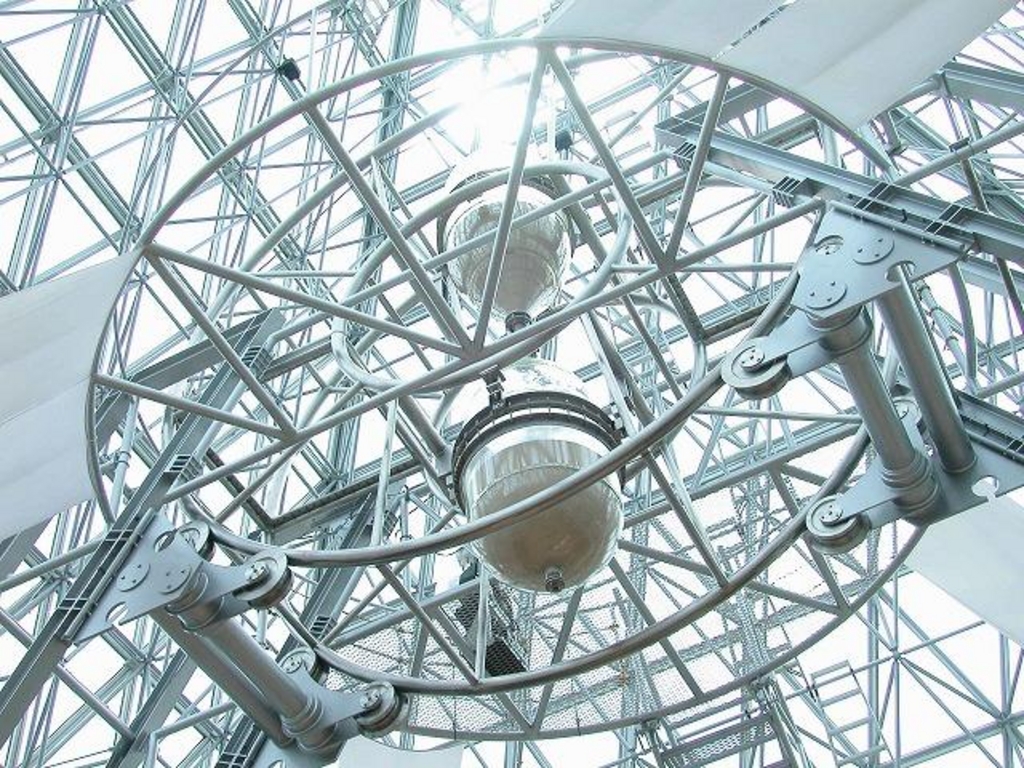
Near Kotogahama, this sand museum sits in a group of glass pyramids and has been used as a film location. Learn the secret of singing sand and see sand art and huge sand timers. The star is Sunagoyomi, 5.2 meters tall and 1 meter across, certified by Guinness as the largest sand timer in the world. It is about 9 minutes on foot from Nima Station.
The places on a map
Hours, prices and events change. Check each place's official website before you go.
More travel guides
 Tokyo Sightseeing by Area: 40 Classic Sights and Lesser-Known Spots from Asakusa to Odaiba40 placesTokyo has much more to see than Skytree, Tokyo Tower and Asakusa. This guide works through six of the city's main…
 Nagoya: 40 Best Places to Visit, from Nagoya Castle and Atsuta Jingu to Osu40 placesNagoya is one of Japan's biggest cities, yet many visitors don't know how much it has to see. Alongside its famous…
 Chichibu: 40 Best Places to Visit, from Nagatoro River Boats and Mitsumine Shrine to Moss Phlox and Icicles40 placesChichibu, the largest city in Saitama Prefecture, is about 90 minutes from central Tokyo. Most of the area is national…
 Niigata Prefecture: 40 Best Places to Visit, from Classic Sights to Hidden Gems40 placesNiigata Prefecture stretches a long way from north to south, and each area has its own scenery, climate and food. The…
 Nagasaki Prefecture: 40 Best Places to Visit, from Unzen Hot Springs to Hirado and Nagasaki City40 placesNagasaki grew up as a port open to the outside world, and the culture of those days still shapes its streets, churches…
 Fukuoka Prefecture: 40 Places to Visit in Kitakyushu, Chikuho and Around Fukuoka City40 placesFukuoka Prefecture is roughly divided into four areas, Kitakyushu, Chikuho, Fukuoka and Chikugo, and each has its own…