
Hokkaido Road Trip: 30 Scenic Stops by Area, from Sapporo and Furano to Shiretoko
30 places · Japanese version
Hokkaido is a land of wide open nature, with sea and mountain views that draw travelers all year. Many visitors from abroad rent a car and enjoy the scenery and the rich local food on the way. Here are 30 stops for a drive, grouped into seven areas: Sapporo and Ishikari, Furano and Biei, Hakodate, eastern Hokkaido around Kushiro and Tokachi, the Hidaka coast, the far north around Wakkanai, and the Okhotsk side with Shiretoko. Hot springs are plentiful too, so pack a towel.
Sapporo and Ishikari
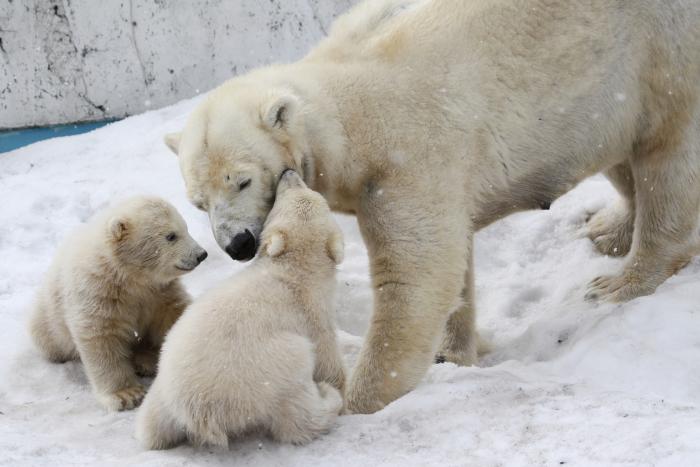
Sapporo Maruyama Zoo Maruyama, Sapporo
The oldest of the four zoos in Hokkaido sits inside Sapporo, about 15 minutes by car from the city center. The large grounds are full of greenery, with benches all around so you can rest whenever you like. It is a place that children and adults can both enjoy.
Atsuta Observatory Atsuta, Ishikari
A viewpoint in the Atsuta district of Ishikari known for beautiful sunsets. It was the first place in Hokkaido chosen as a Lovers' Sanctuary, a project that picks spots fit for couples to make a promise. There is a large Bell of Vows and a fence where couples lock padlocks. It is open at all times and free, about an hour's drive from Sapporo.
Horomi Pass Night View Parking Bankei, Sapporo
A parking lot made just for night views, about 20 minutes by car from central Sapporo. It is part of the Horomi Pass Lavender Garden, where 7,000 lavender plants spread across the slope, with all of Sapporo laid out beyond the field. After dark you can watch the city lights through the windshield without leaving your car. It is open from April to November, with a fee.
Sapporo Hitsujigaoka Observation Hill Toyohira, Sapporo
Taking a photo in the same pose as the statue of Dr. Clark is a Sapporo classic, and this hill is the place to do it. It is about 30 minutes from the city center. Below you stretches the wide Ishikari Plain, and flocks of sheep graze on the grass, a scene that tells you that you have really arrived in Hokkaido.
Furano and Biei
Farm Tomita Nakafurano
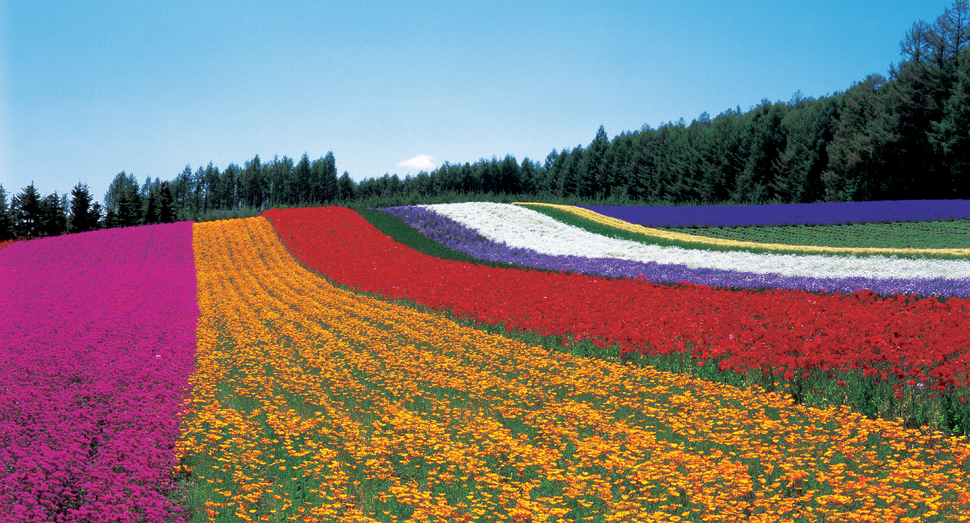
Furano means lavender fields, and this is the most famous of them. Besides purple lavender, flowers in red, yellow, white and blue bloom in colorful rows. The shops sell original goods such as potpourri and oils. It is known all over Japan, so it gets very busy with photographers, but the flower views are worth seeing at least once. Entry is free.
Shirogane Blue Pond Shirogane, Biei
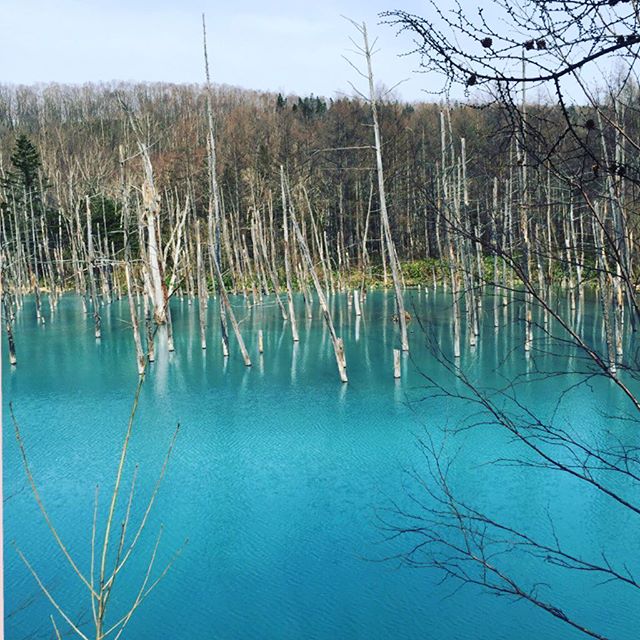
The water of this strange pond looks blue, as if someone had dissolved paint in it. Larch trees still stand dead in the water, creating a dreamlike scene. It is lovely in summer, and in winter the pond is lit up at night. If the surface is not frozen, the blue water contrasts with the white snow and snow-covered larches. Entry is free.
Zerubu Hill Biei
Fields of lavender, sunflowers, pansies and other flowers spread across the hill. The name comes from the last sounds of three Japanese words for wind, scent and play. From the lookout you can see the Ken and Mary Tree, and you can ride a buggy around the grounds. There is also a restaurant and a stand selling vegetables. Open from mid-April to mid-October, free to enter.
Hitsuji no Oka Nakafurano
This restaurant serves Genghis Khan, Hokkaido's grilled lamb dish, made with Suffolk, a black-faced breed raised for meat. Few places in Hokkaido serve Suffolk lamb, so even locals rarely get to try it. The meat has none of the usual gamey smell and has a refined taste. Fresh milk and soft serve are good too. At night the campground lights go out and the sky fills with stars. Lunch is served from May to September.
Tokachidake Bogakudai Shirogane, Biei
A mountain viewpoint on the way to the Blue Pond, so it is easy to find. You look out at beautiful peaks around 2,000 meters high, and on clear days you can see as far as Mount Asahi, Mount Biei and Kamifurano. In autumn it is a popular place for fall colors, and at night it is a little-known spot for stargazing. Closed in winter, from early November to late April.
Fukiage Open-Air Bath Kamifurano
A free, mixed-gender outdoor hot spring that became famous after it appeared in the TV drama Kita no Kuni kara (From the North). Since it is free, it gets crowded on weekends and holidays. The water is clear and has no smell. There is no changing room, so women may want to wear a swimsuit or wrap a towel.
Hakodate
Hakodate Tropical Botanical Garden Yunokawa, Hakodate
A place for the whole family, with rare tropical plants and a monkey mountain. In snowy Hokkaido, about 3,000 palms, rubber trees, orchids and other plants grow thick inside the greenhouse, including unusual ones such as the ice cream bean tree and the breadfruit tree. From December until the early May holidays, you can watch the monkeys soak in a hot spring.
Mount Hakodate Observatory Hakodate
The famous lookout over the night view of Hakodate, always busy with visitors from Japan and abroad. As it gets darker and more lights come on, people say you can spot the Japanese word suki, meaning love, in the lights, which makes it a favorite with couples. The road up is closed to private cars in the evening and in winter, so check before you drive, or take the ropeway.
Onuma Quasi-National Park Nanae
Surrounded by forest, the park has three lakes with their own character: Onuma, Konuma and Junsainuma. More than 100 small islands float on Onuma, and you can rent a rowboat for a slow trip across the water or rent a bicycle to ride around the shore. Onuma dango, rice dumplings in three flavors, sweet syrup, sesame and soy sauce, have loyal fans.
Goryokaku Tower Goryokaku, Hakodate
Goryokaku is famous for its six-pointed star shape and is wrapped in history. The tower beside it stands 107 meters high. From the observation deck you can see the streets of Hakodate, and on clear days you can look across the Tsugaru Strait to the Shimokita and Tsugaru peninsulas in Aomori. Staff give guided talks on Goryokaku's history, and the fort is also known for cherry blossoms in spring.
Eastern Hokkaido: Kushiro, Nemuro and Tokachi
Lake Mashu Teshikaga
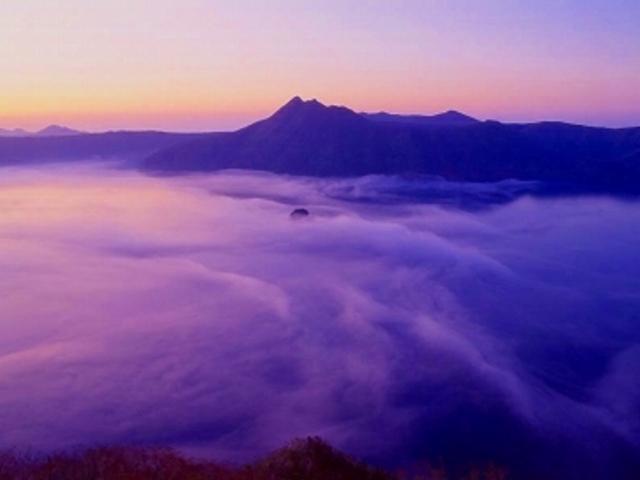
Famous as the lake of mist and listed as a Hokkaido Heritage, Lake Mashu is a caldera lake with deep blue water that seems to pull you in. It lies 351 meters above sea level and is about 20 kilometers around. The water has almost no impurities, and its clarity feels mysterious. The starry sky here is romantic, and many people now visit it as a spiritual power spot.
Nusamai Bridge Kushiro
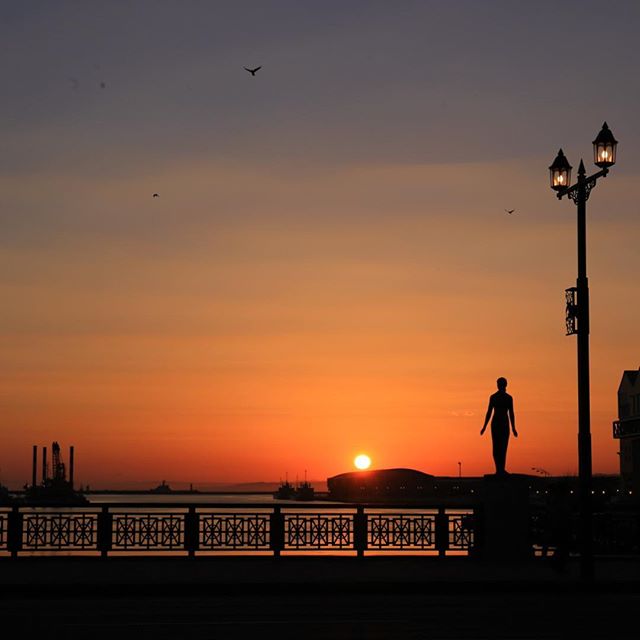
The place to watch the sunset in Kushiro. With Toyohira Bridge in Sapporo and Asahi Bridge in Asahikawa, it is one of the three great bridges of Hokkaido, and the Kushiro sunset is counted among the three best in the world. Around the spring and autumn equinoxes, the sun sets right in the middle of the bridge, like a painting. There is paid parking by the river.
Butadon Ippin Obihiro Obihiro
Obihiro in Tokachi is known for butadon, grilled pork on rice. The town has many butadon shops, each with its own sauce and method. Ippin is run by a Hokkaido company that sells butadon sauce. You can order the amount of rice and pork you like, and even ask for more or less sauce or a different cut of meat.
Lake Akan Akan, Kushiro
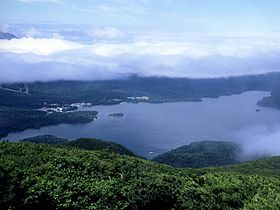
A famous spot for autumn leaves that draws as many as 10,000 visitors in high season. The lake is known for marimo, round green balls of algae protected as a Special Natural Monument. It is the fifth-largest freshwater lake in Hokkaido. In winter it freezes over, and you can try smelt fishing on the ice, skating, snowmobiling and other winter sports.
Pacific Seaside Line Kushiro to Nemuro coast
A coastal road through the towns of Kushiro, Akkeshi and Hamanaka, also called the Cape and Flower Misty Road. Odd-shaped rocks, cliffs and capes carved by wind and waves over long years make it one of the best drives in eastern Hokkaido. Many place names are Ainu words written with Japanese characters and hard to read, and following the signs that explain them is part of the fun.
Hidaka Coast
Lake Toyoni Erimo
A small heart-shaped lake hidden in the mountains of Erimo. It also looks like a horseshoe, so it is also called Horseshoe Lake. You cannot see the heart shape from the shore; it only shows clearly from a helicopter or plane. The water is a pretty emerald green, and a romantic legend says a dragon from the sea comes here to play. Parking is free.
Cape Erimo Wind Museum Erimo
Cape Erimo is one of the windiest places in Japan, with winds of 10 meters per second or more on over 260 days a year. At the Kaze no Yakata, or Wind Museum, you can feel a wind of 25 meters per second, and the glass-walled viewing area gives a panoramic view of the cape. The cape is also the largest home of Kuril harbor seals in Japan, and in spring you may see mothers with their pups.
Michi-no-Eki Jukai Road Hidaka Hidaka
A roadside station right where Route 274, toward Sapporo and Obihiro, splits from Route 237, toward Asahikawa and Tomakomai. With a rest area, a Japanese and Western restaurant, a soba shop and a local products shop, it is an ideal place for a break during a drive. The Hidaka Mountains Museum is here too.
Kurobeko Biratori
A restaurant serving Biratori wagyu, beef raised in the town of Biratori in southwest Hokkaido. The cattle get through the town's bitter cold, which is said to concentrate the flavor and give the meat a rich taste. The menu includes sirloin and fillet steaks, rib roast and even grilled chicken.
Niikappu Onsen Niikappu
A hot spring in Niikappu, a town known for thoroughbred horses and records. The panoramic view takes in the sun setting over the Pacific, with the Hidaka Mountains behind. The outdoor bath is a rock pool, a little on the hot side. In front of it spreads a grassy pasture, and you may see horses grazing. Day bathing is available.
The Far North: Soya
Nakatonbetsu Limestone Cave Nature Park Nakatonbetsu
This town park has the first limestone cave found in Hokkaido, a Hokkaido Natural Monument. Guides can walk you through and explain how the cave was formed. Many plants and animals live in the park, and all six walking routes are free. The park is open from May to October only.
Cape Soya Park Wakkanai
By the sea stands the monument marking the northernmost point of Japan, the top of the country. Sakhalin lies just 43 kilometers away and can be seen from here. It is the best-known sight of northern Hokkaido. The area around the cape is a park; up the stairs on the hill are a lighthouse and historic monuments, and the Guest House Armeria rest stop serves lunch.
Rishiri Ramen Miraku Rishiri Island
A ramen shop on Rishiri Island whose signature bowl is grilled soy sauce ramen. The highlight is the soup, made with plenty of Rishiri kombu kelp. If you make it to Rishiri, try the original at its home shop.
Okhotsk Coast and Shiretoko
Shiretoko Five Lakes Utoro, Shari
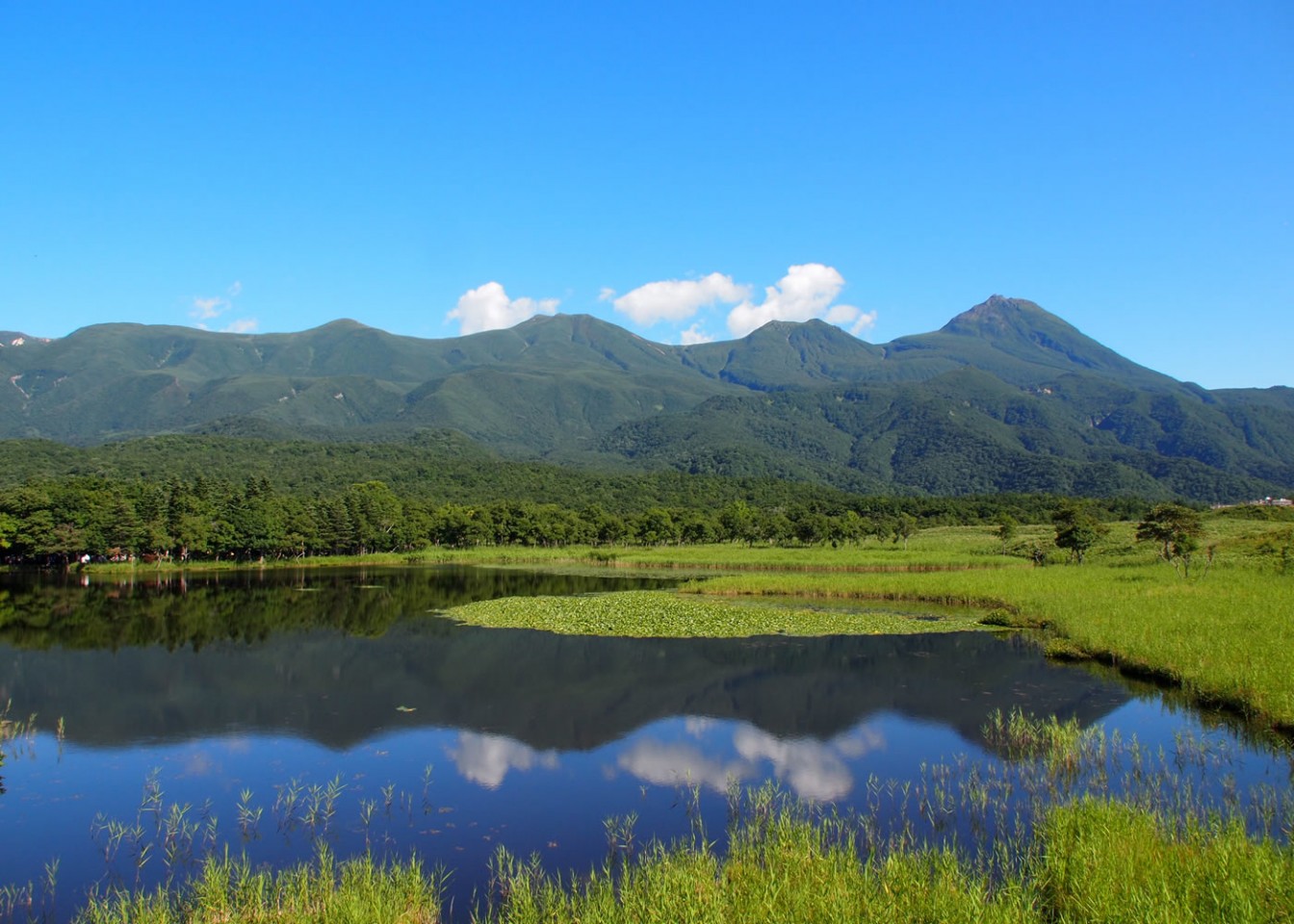
Five mysterious lakes in a vast virgin forest, with the Shiretoko mountains behind them. This untouched nature is home to many wild animals, and its scale makes people feel small. A free elevated boardwalk can be walked safely all season, while the ground-level trails need a guide, and their rules change with the season. It is part of the Shiretoko World Natural Heritage site. Open from late April to late November.
Higashimokoto Shibazakura Park Ozora
In May the huge grounds are covered in blooming moss phlox, or shibazakura, a stunning view. The Shibazakura Festival is held while the flowers bloom, a taste of Hokkaido's late spring. With stalls serving local food, a fishing pond, a day-use hot spring and a shrine, you can easily spend a whole day here.
Kaminoko Pond Kiyosato
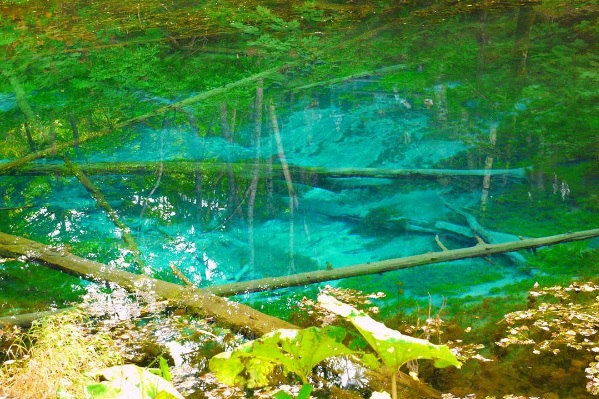
A mysterious pond hidden in the mountains of eastern Hokkaido. Follow a forest road and a small pond appears, so clear you can see the bottom, with cobalt-blue water. Fallen trees of unknown age lie in the water. The water is said to be from Lake Mashu, called the Lake of the Gods in Ainu, flowing underground, which is how the pond, Child of the Gods, got its name. Open from early June to late October.
Tips for your drive
Distances in Hokkaido are long. Furano is about two hours by car from Sapporo or New Chitose Airport, Hakodate about four hours from Sapporo, and Lake Mashu, Shiretoko and Cape Soya five hours or more. Plan a few nights and pick one or two areas rather than trying to see everything.
Many spots in the mountains, such as Tokachidake Bogakudai, Shiretoko Five Lakes and Kaminoko Pond, are only open or reachable from spring to autumn, so check the season before you set out.
The places on a map
Hours, prices and events change. Check each place's official website before you go.
More travel guides
 Tokyo Sightseeing by Area: 40 Classic Sights and Lesser-Known Spots from Asakusa to Odaiba40 placesTokyo has much more to see than Skytree, Tokyo Tower and Asakusa. This guide works through six of the city's main…
 Nagoya: 40 Best Places to Visit, from Nagoya Castle and Atsuta Jingu to Osu40 placesNagoya is one of Japan's biggest cities, yet many visitors don't know how much it has to see. Alongside its famous…
 Chichibu: 40 Best Places to Visit, from Nagatoro River Boats and Mitsumine Shrine to Moss Phlox and Icicles40 placesChichibu, the largest city in Saitama Prefecture, is about 90 minutes from central Tokyo. Most of the area is national…
 Niigata Prefecture: 40 Best Places to Visit, from Classic Sights to Hidden Gems40 placesNiigata Prefecture stretches a long way from north to south, and each area has its own scenery, climate and food. The…
 Nagasaki Prefecture: 40 Best Places to Visit, from Unzen Hot Springs to Hirado and Nagasaki City40 placesNagasaki grew up as a port open to the outside world, and the culture of those days still shapes its streets, churches…
 Fukuoka Prefecture: 40 Places to Visit in Kitakyushu, Chikuho and Around Fukuoka City40 placesFukuoka Prefecture is roughly divided into four areas, Kitakyushu, Chikuho, Fukuoka and Chikugo, and each has its own…