
Japan's Most Photogenic Spots: 40 Picks from Hokkaido to Okinawa
40 places · Japanese version
Which places in Japan make the best photos? This guide picks one standout spot from most of Japan's 47 prefectures, based on the places people share most on social media. Three kinds of places stand out. Soft, pale scenes, such as an all-white marble garden in Hiroshima, are a long-running favorite. Places that feel out of the ordinary, like a porcelain park modeled on a German palace, make people wonder where a photo was taken. And art museums, built to show off art, have become photo spots in their own right. Here is a selection of 40, from Hokkaido to Okinawa.
Hokkaido and Tohoku
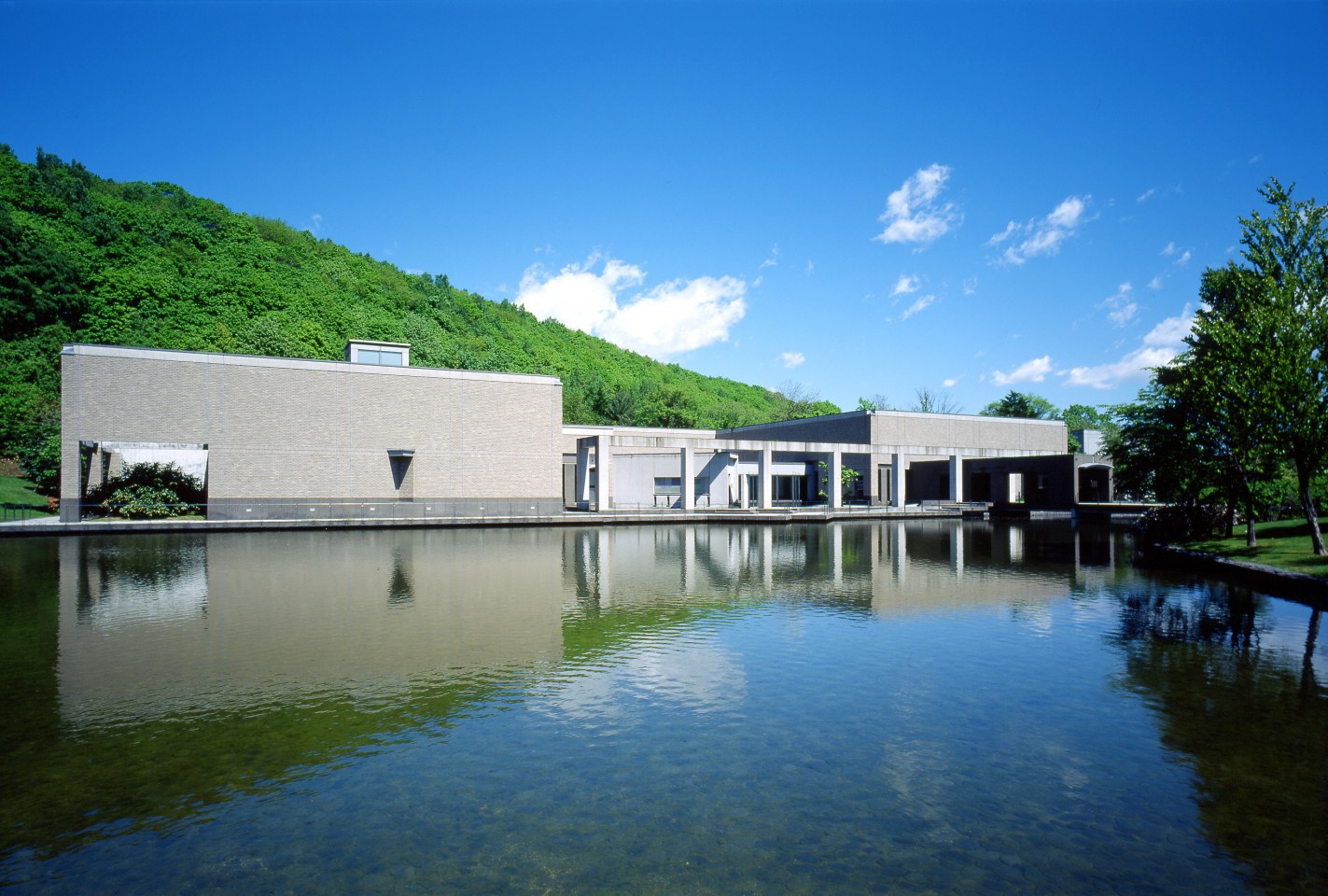
Sapporo Art Park Museum of Art Sapporo, Hokkaido
This museum in the Sapporo Art Park shows work by outstanding artists from Sapporo and the rest of Hokkaido. The favorite photos are taken outdoors, posing with the artworks displayed in the open air.
Towada Art Center Towada, Aomori
A museum full of striking works. The star is Ron Mueck's Standing Woman, a giant sculpture of a woman whose scale really shows when you stand next to it for a photo. As the core of the Arts Towada project, the whole place is an artistic space and a favorite on social media.
Miyazawa Kenji Fairy Tale Village Hanamaki, Iwate
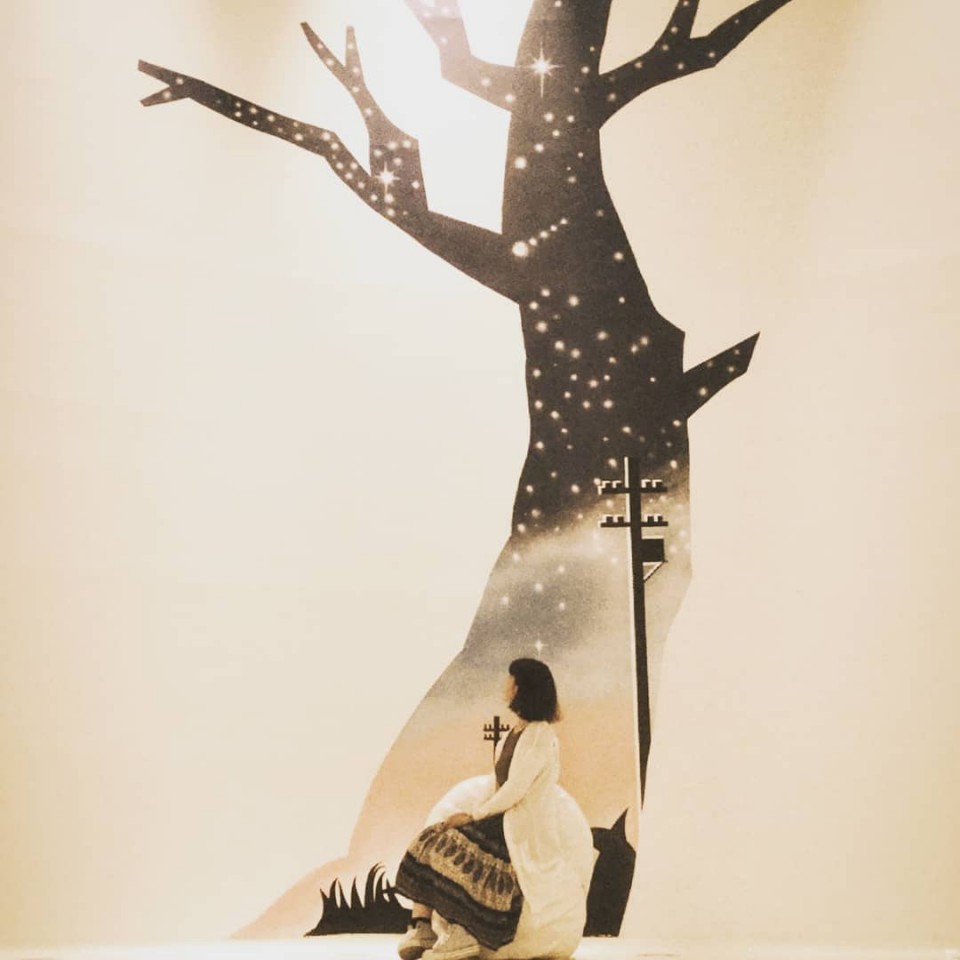
A park where you can step into the world of Kenji Miyazawa's children's stories, spread over several areas. The highlight is the Fantastic Hall in the main building, the School of Kenji: a mostly white room with striking illustrations that feels like wandering into a storybook.
Former Kosaka Mine Office Kosaka, Akita
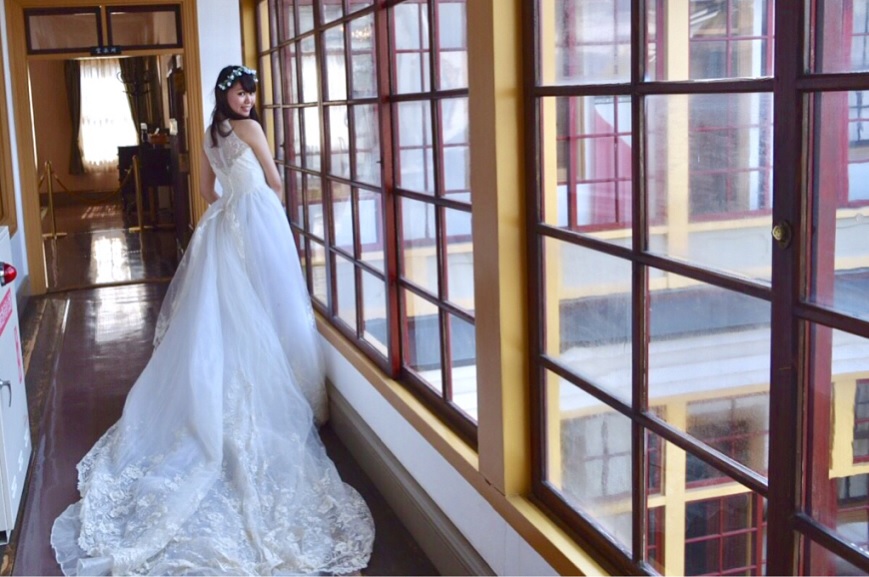
The head office of the Kosaka Mine, built in 1905 at the mine's peak, with a Renaissance-style exterior and a veranda porch. Kosaka was counted among Japan's three great mines with Ashio and Besshi, and in its heyday a modern town grew up in the mountains, with Akita's biggest hospital and the largest theater in Tohoku. Used as an office until 1997, the building is a national Important Cultural Property.
Bunshokan Yamagata, Yamagata
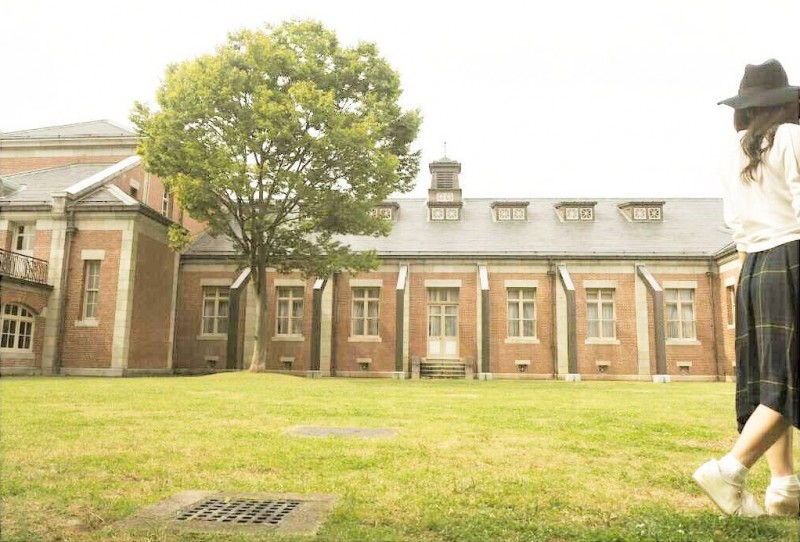
The former Yamagata Prefectural Office and Assembly Hall, built in 1916 and restored as a local history museum. Its brick buildings in the English Renaissance revival style are often used as a backdrop for photos and filming, and an appearance in the Rurouni Kenshin films brought it even more attention.
Kanto
Hoshiimo Shrine Hitachinaka, Ibaraki
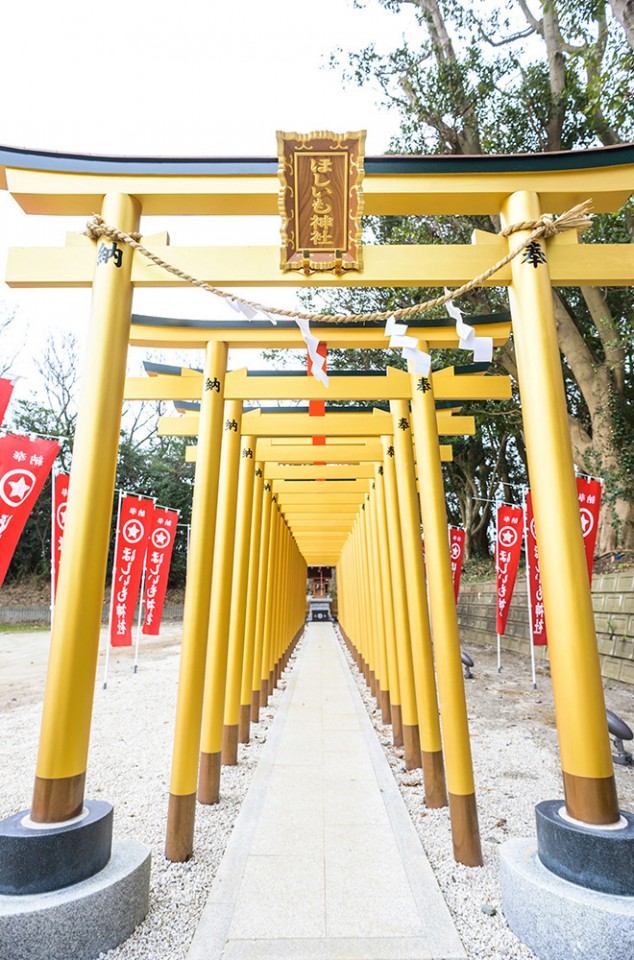
A shrine named after hoshiimo, the dried sweet potato Ibaraki is famous for. The name is a play on hoshii mono, the things you want, and the shrine is said to help you get everything you wish for. Its row of sweet-potato-colored torii gates is a well-known photo spot.
Lockheart Castle Takayama, Gunma
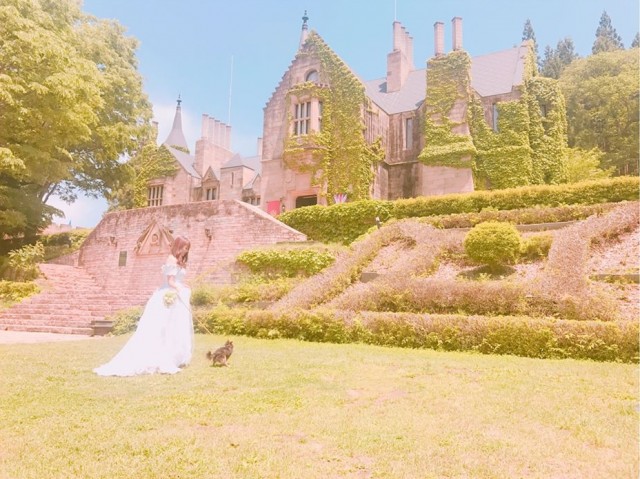
A castle of the Lockhart family, moved from Scotland to Japan and often used in TV dramas. Its large grounds also hold restaurants, shops selling European goods and stone buildings such as a church, so it feels like a trip to Europe. You can rent a dress or tuxedo for a fee for princess-style photos, and dogs can dress up too.
Kadokawa Musashino Museum Tokorozawa, Saitama
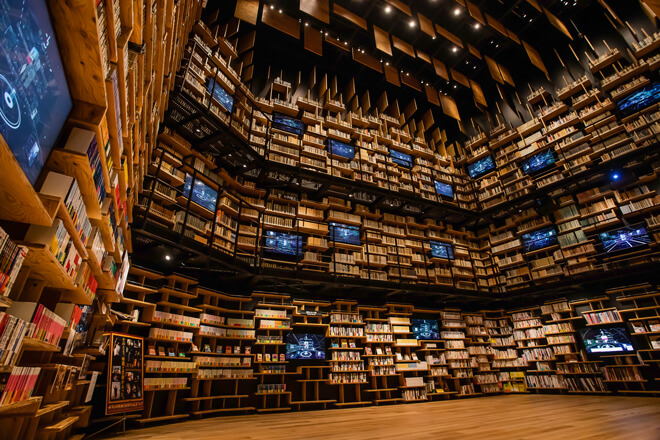
A cultural complex in Tokorozawa Sakura Town that combines a library, an art museum and a museum. Its best-known space is surrounded by bookshelves about 8 meters high. Photos also often feature the dramatic building itself, designed to look like a giant rock.
Kurkku Fields Kisarazu, Chiba
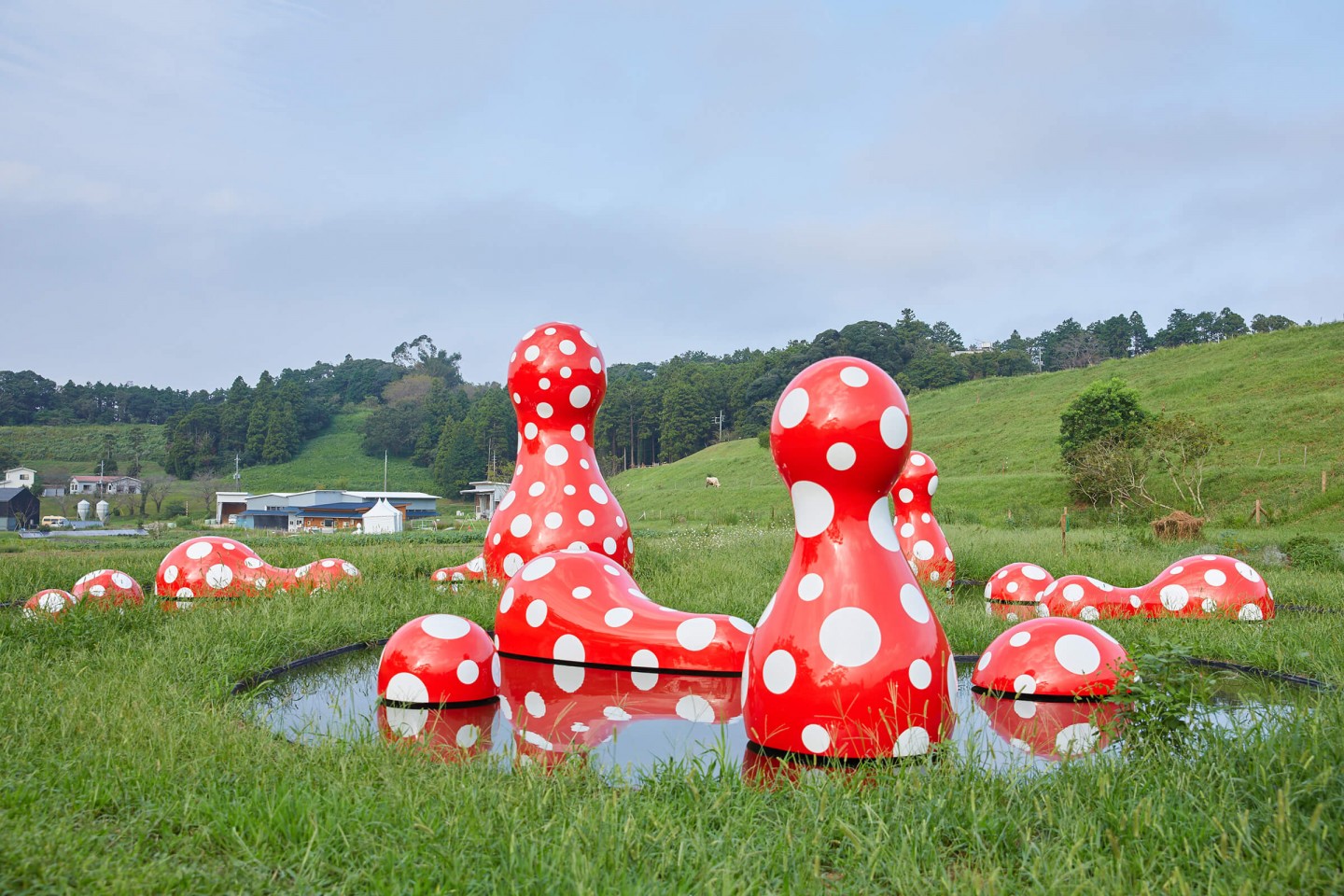
A sustainable complex that links people, farming, food and art, with restaurants, places to stay and hands-on activities. Artworks are set outdoors across the site, including a colorful piece by Yayoi Kusama and a work by Camille Henrot based on the shape of a hole, and they appear in many visitors' photos.
Shibuya Sky Shibuya, Tokyo
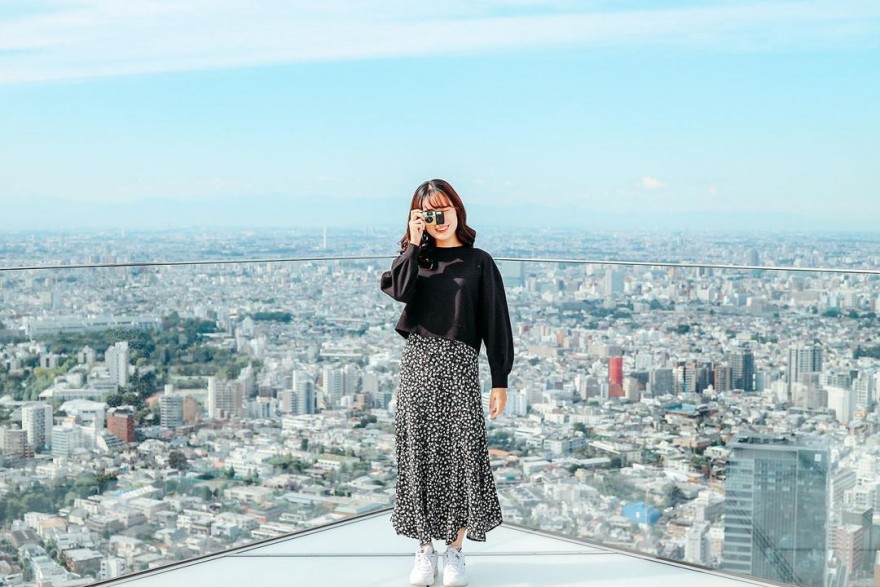
The observation deck on the roof of Shibuya Scramble Square. A high-speed elevator takes you from the entrance on the 14th floor to the 46th, where a 360-degree panorama of Shibuya and the rest of Tokyo opens up. Glass walls that seem to have no railing, hammocks and the Shibuya Sky sign are favorite backdrops. It is open on rainy days too, which makes for a different kind of visit.
Hakone Open-Air Museum Hakone, Kanagawa
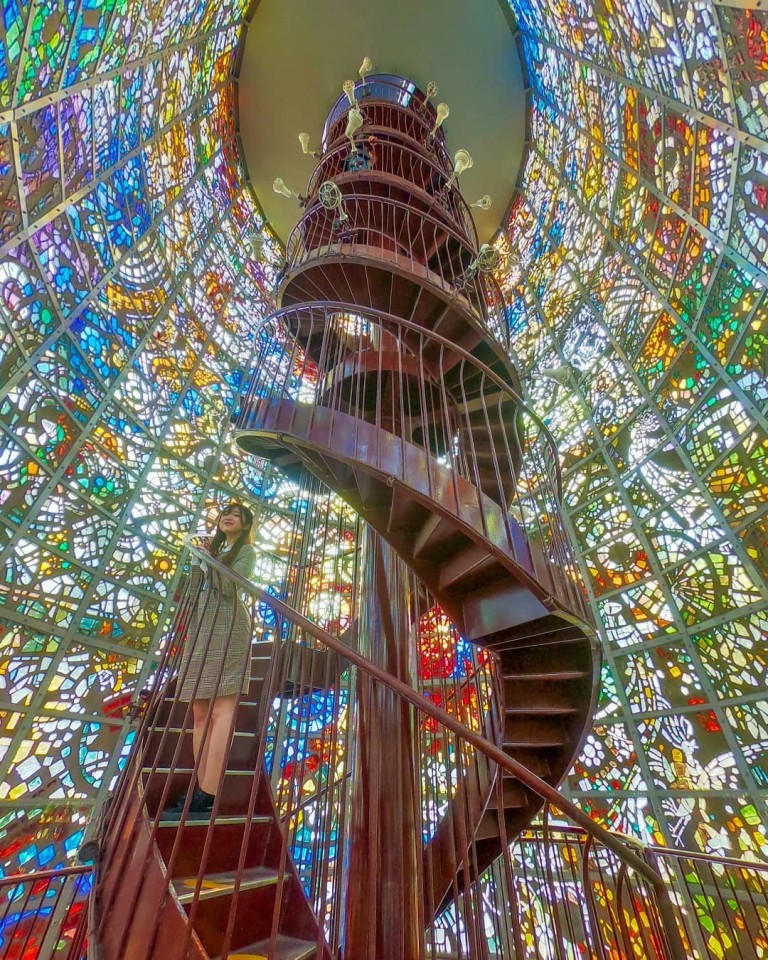
Japan's first open-air museum dedicated to sculpture, with a Picasso Pavilion on the grounds. Art waits around every corner, so you will keep reaching for your camera. The top pick is the stained glass tower, about 18 meters tall. From a distance it looks like an ordinary lighthouse, so do not walk past it.
Chubu: Niigata, Hokuriku, the Alps and Tokai
Kiyotsu Gorge Tunnel Tokamachi, Niigata
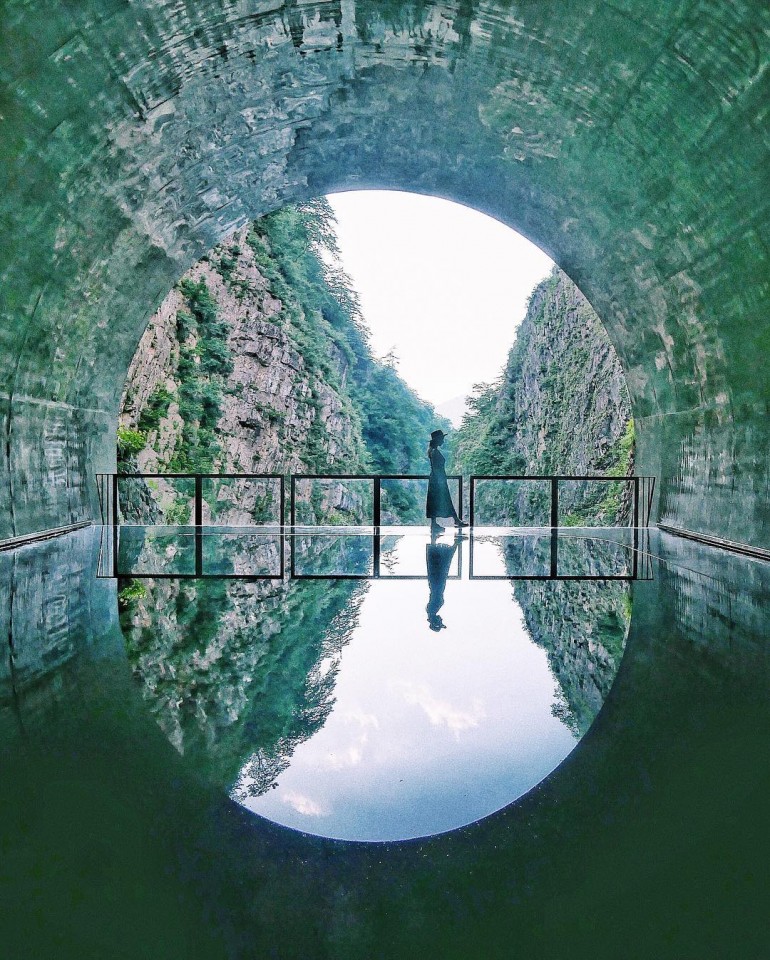
Kiyotsu Gorge is said to be one of Japan's three great gorges. In autumn the forest above it turns red, and in winter snow gives it a dreamlike look. The tunnel lets you see the gorge up close, with art that makes the most of the tunnel and the views, and there is a cafe at the entrance.
Michi-no-Eki Amaharashi Takaoka, Toyama
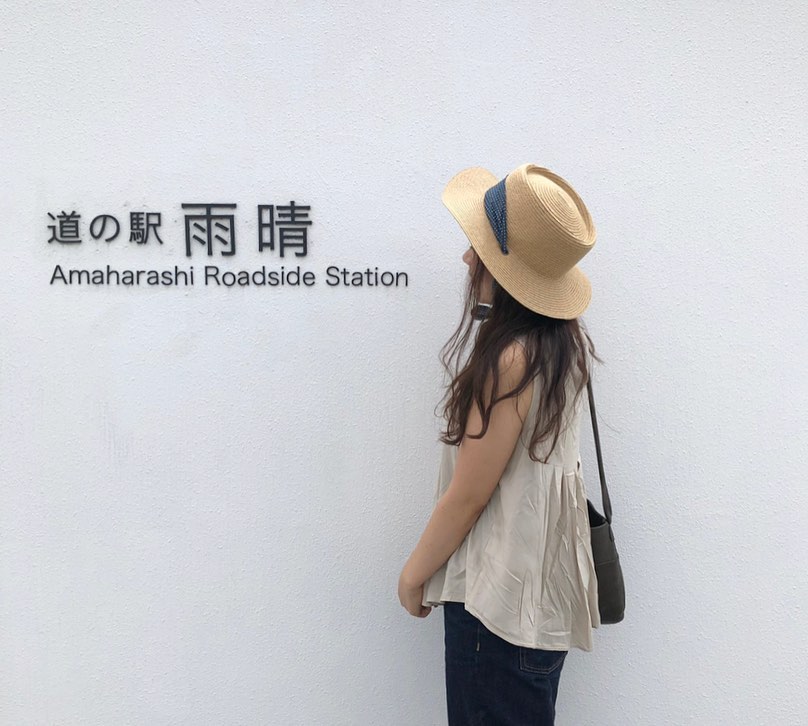
Roadside stations, or michi-no-eki, are found all over Japan, and this one is among the most popular. The modern building is stylish, but the real draw is the view from the cafe terrace across Toyama Bay to the Tateyama mountains. It draws sightseers as well as drivers. Parking is limited, so expect crowds in busy seasons.
21st Century Museum of Contemporary Art, Kanazawa Kanazawa, Ishikawa
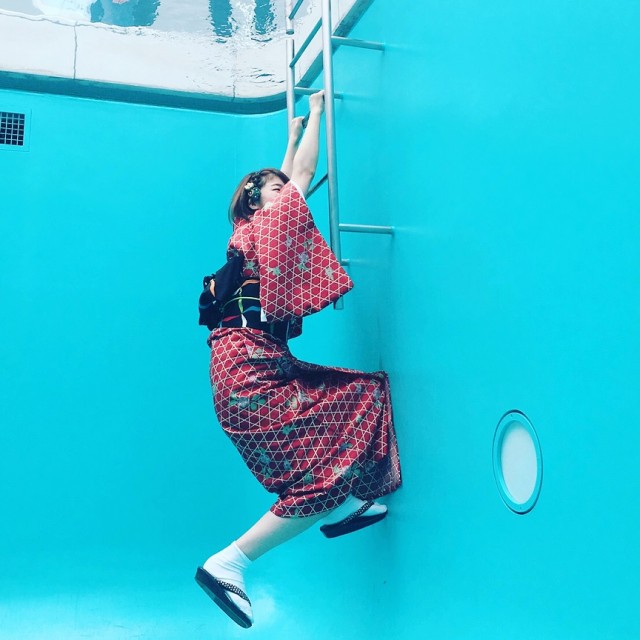
A museum opened in 2004. Its most popular work is Leandro Erlich's The Swimming Pool: from above you spot people who seem to be underwater, and from below you look up through the water. One work, two experiences, and both make fun photos.
Takefu Knife Village Echizen, Fukui
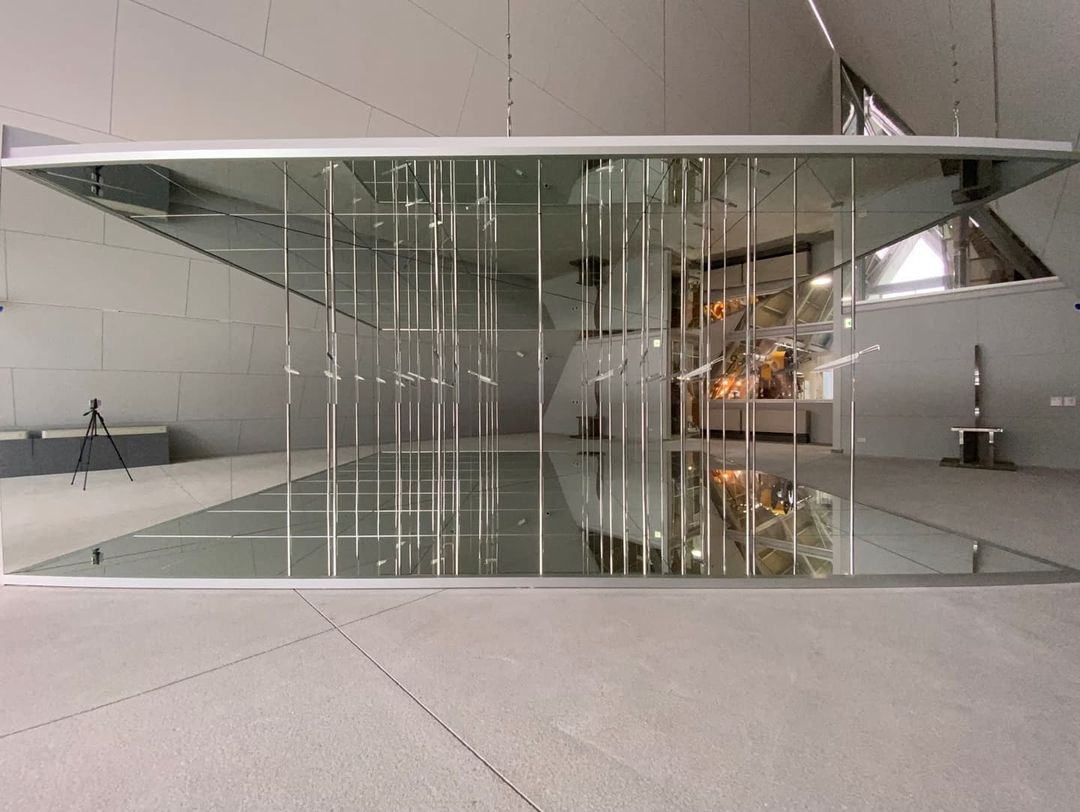
A complex run by the local cutlery cooperative, with a shop, offices and workshops where you can watch craftsmen at work. Its permanent art display, which uses mirrors and knives that seem to float in the air, is a hit on social media.
Kiyosato Terrace Hokuto, Yamanashi
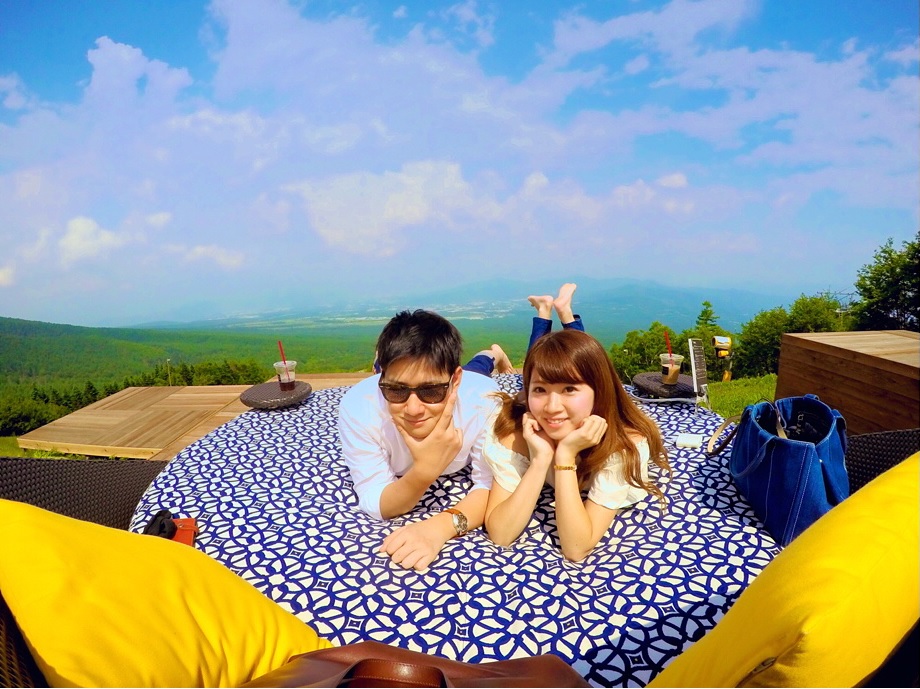
A terrace at 1,900 meters at Sun Meadows Kiyosato, a ski area in winter that opens as Kiyosato Terrace in summer. Near the top, big sofas wide enough for adults to stretch out invite you to relax, and the view reaches all the way to Mount Fuji. A must for a summer trip to Kiyosato.
Hakuba Mountain Harbor Hakuba, Nagano
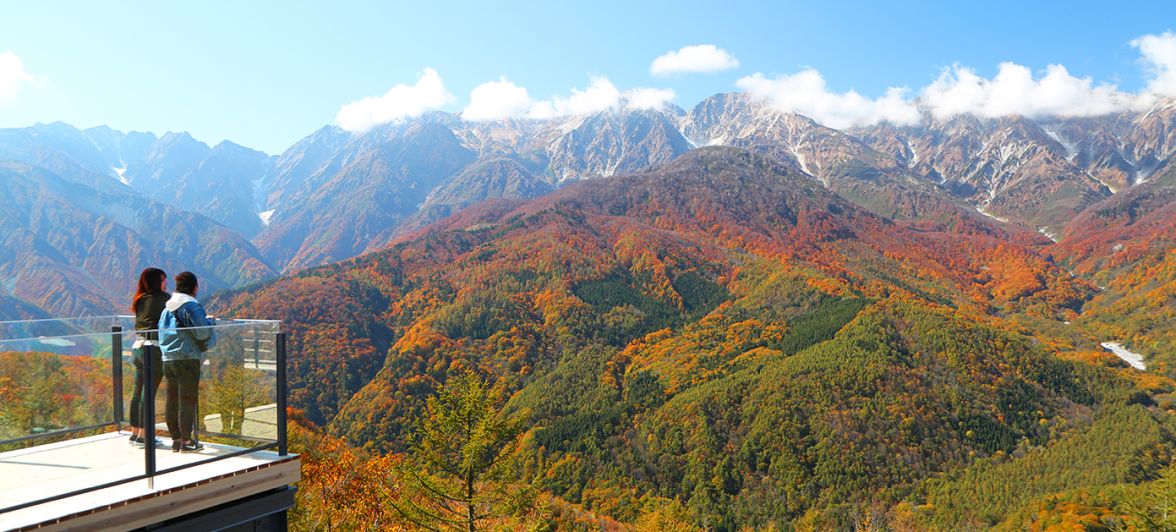
An observation terrace on a 1,289-meter summit with sweeping views of the Northern Alps, popular with visitors from Japan and abroad. The glass-walled deck juts out into the air, so your photos look as if you are floating.
Site of Reversible Destiny Yoro, Gifu
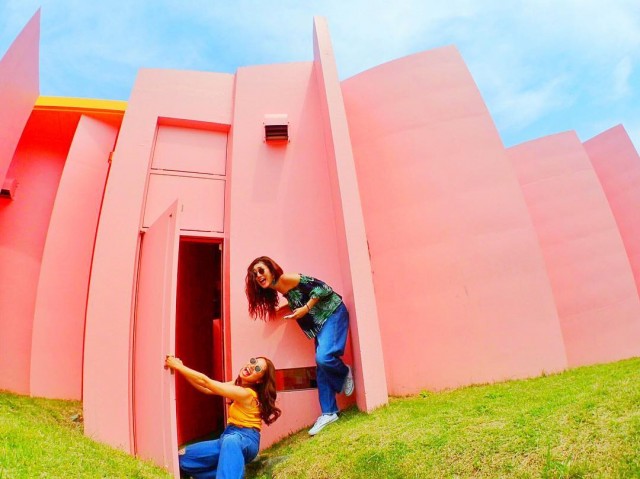
A park of modern art you walk through, conceived by Shusaku Arakawa and Madeline Gins, made of two works: a house and an elliptical field. In the field, five Japanese archipelagos of different sizes appear, floors turn into walls and the ground rolls up and down. Inside the house, desks, walls and ceilings ignore up and down entirely. Expect photos unlike anywhere else.
ACAO FOREST Atami, Shizuoka
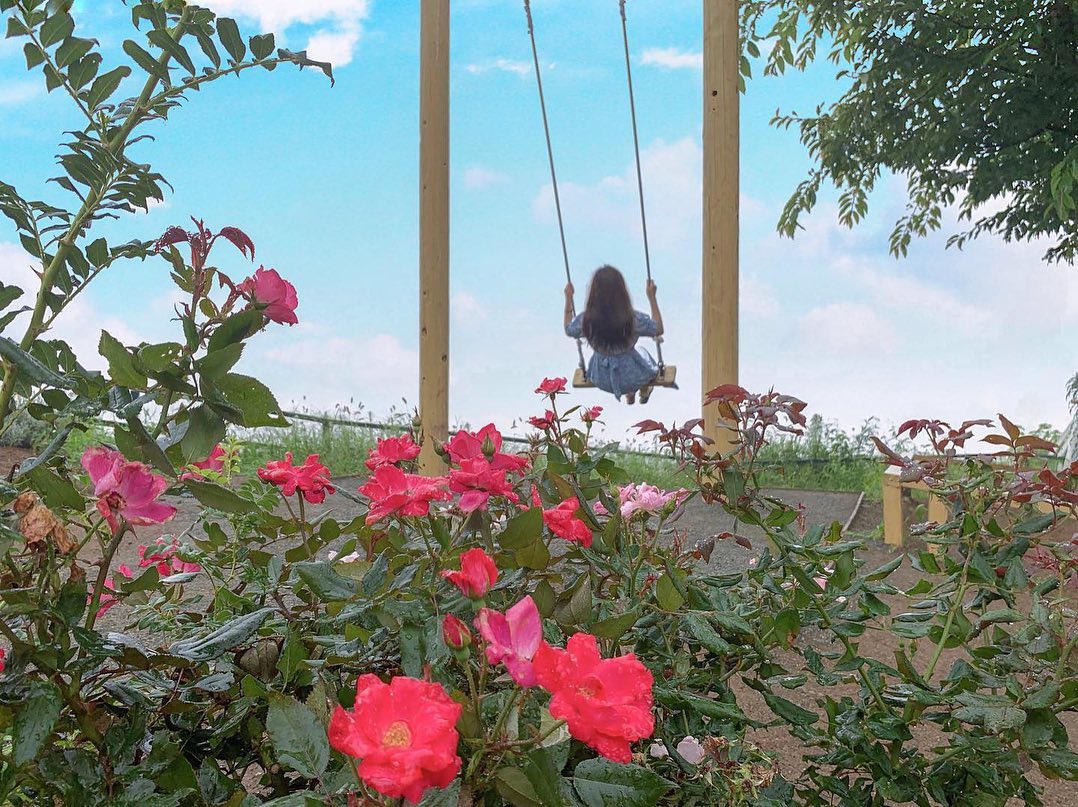
A vast hillside garden of roses and herbs gathered from around the world, made up of 11 landscape gardens, plus a Japanese garden known for a giant bonsai pine. Rose tea and lavender soft-serve on the terraces are popular. The favorite shot is the swing that seems to fly out over the sea from a small point. There is only one, so expect a line.
Mikawa Craft Glass Museum Nishio, Aichi
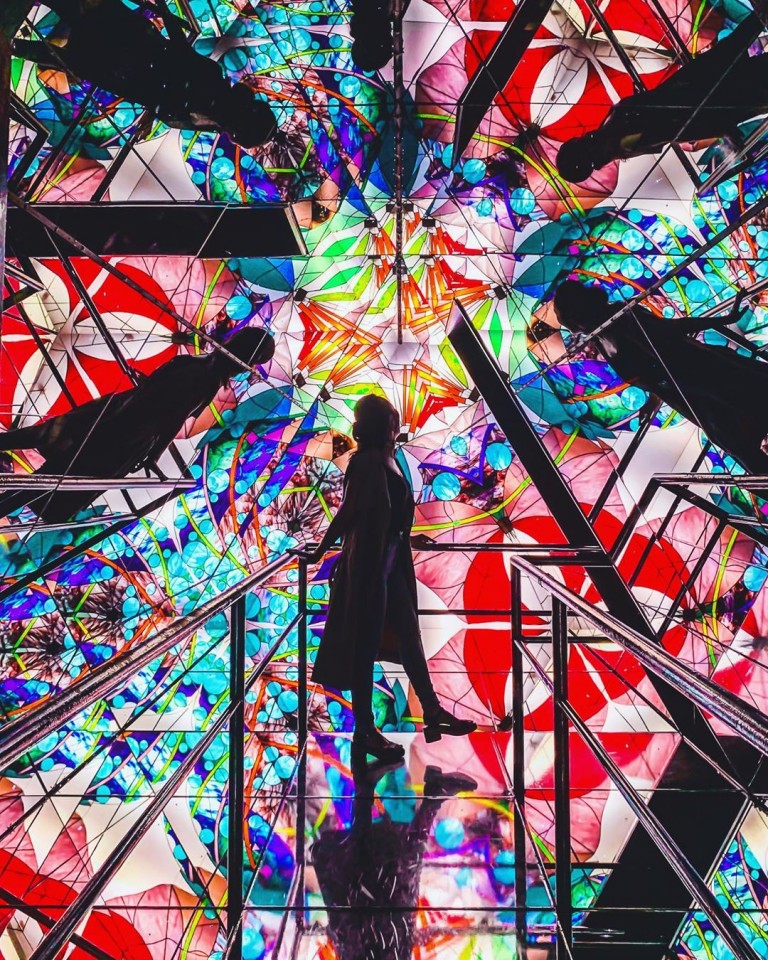
Home to a giant kaleidoscope certified by Guinness World Records. Stepping into the kaleidoscope room, filled with bright colored light, feels like entering another world. The museum also shows many glass artworks, and you can join glass workshops (reservations get priority).
Kansai
Shima Mediterranean Village Shima, Mie
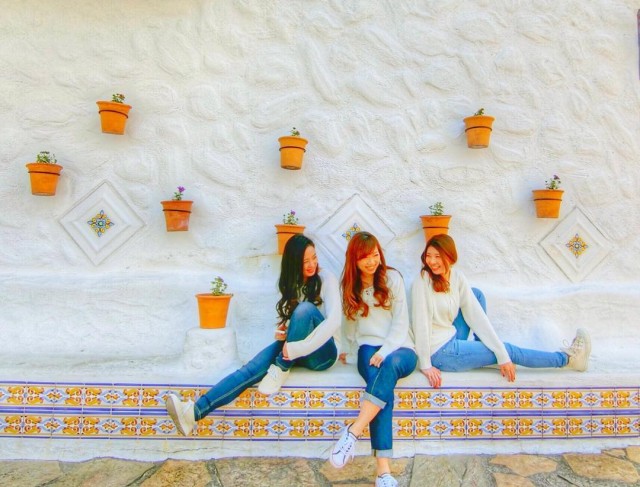
A resort with a Spanish feel. Its large grounds hold villa-style rooms, restaurants, a cafe, shops and a craft studio, with cruises and fishing on offer. White walls everywhere make it easy to take photos that look like a Mediterranean town.
Biwako no Mieru Oka Takashima, Shiga
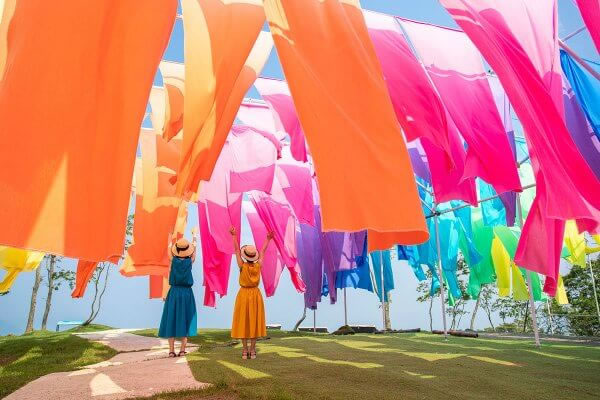
A lookout at 630 meters with a sweeping view centered on Lake Biwa. Its Rainbow Curtain is made of chijimi, a crepe fabric woven in Takashima for more than 200 years, dyed in bright colors. It was put up because rainbows often appear in this area, and it has become one of Shiga's best-known photo spots.
Yasaka Koshin-do Higashiyama, Kyoto
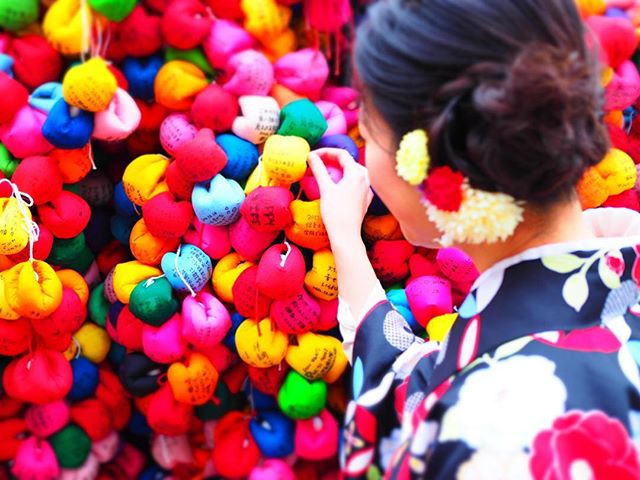
A temple famous for the many colorful cloth balls hanging across its grounds. They are kukurizaru, charms shaped like a monkey with its hands and feet tied. They stand for holding back your desires, and it is said that if you hold back one desire, one wish will come true. Hang one with a wish, then take a photo with the rainbow of charms behind you.
Hoshi no Buranko Katano, Osaka
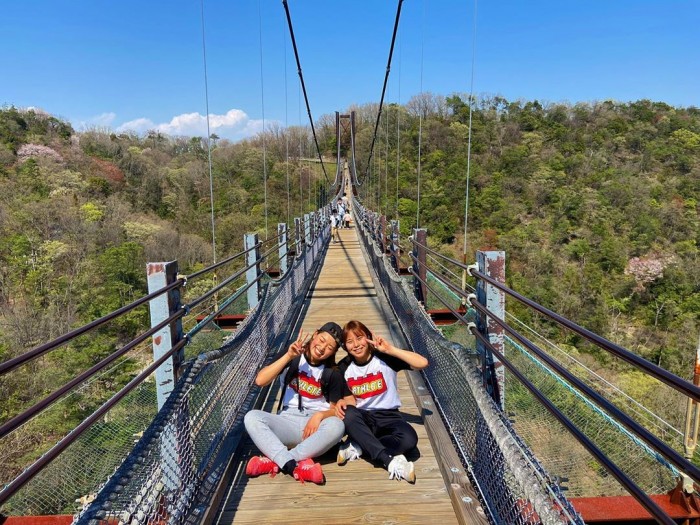
One of the largest suspension bridges in Japan, 280 meters long and 50 meters high. Its name, the swing of the stars, comes from the way it spans the valley like a bridge over the Milky Way. Romantic name aside, crossing it is a real thrill.
Platon Decorative Arts Museum Kitano, Kobe
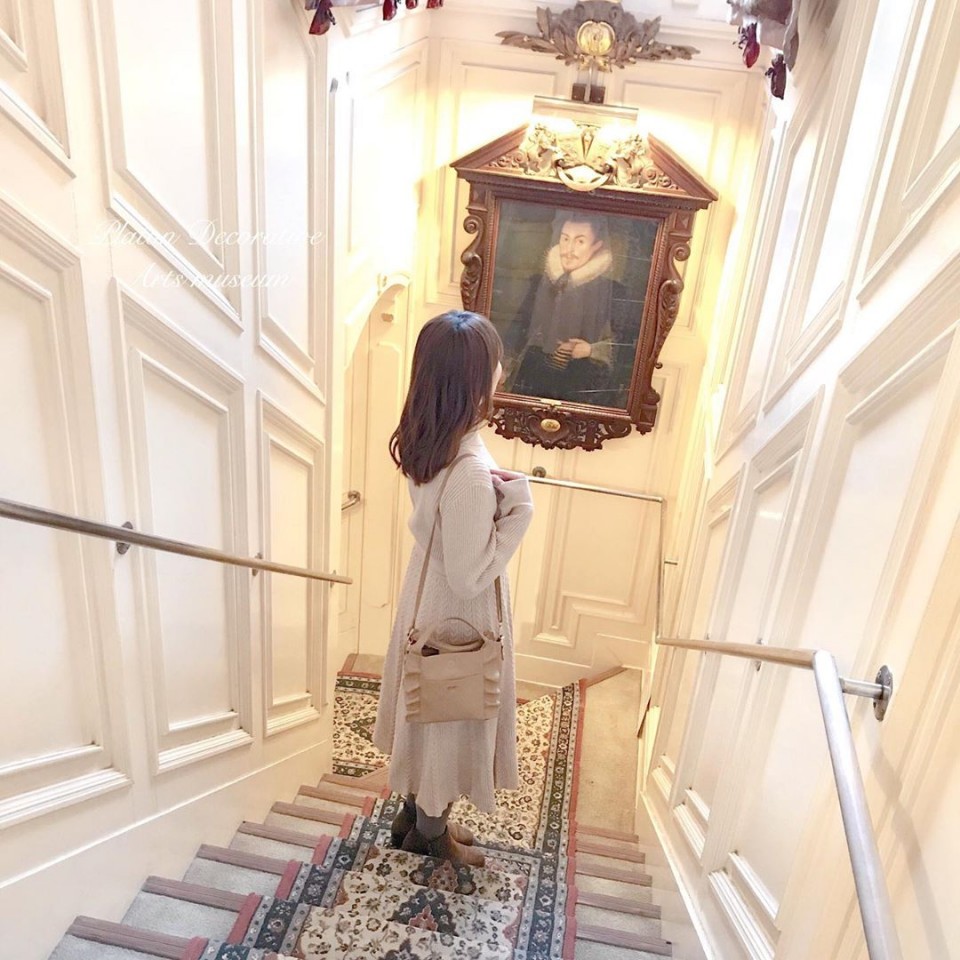
A museum of European antiques from the 18th and 19th centuries: furniture and furnishings, sculptures and paintings. The building itself is a historic structure from the early Taisho era with an elegant look, and its poolside cafe is a popular place to linger.
Muro Art Forest Uda, Nara
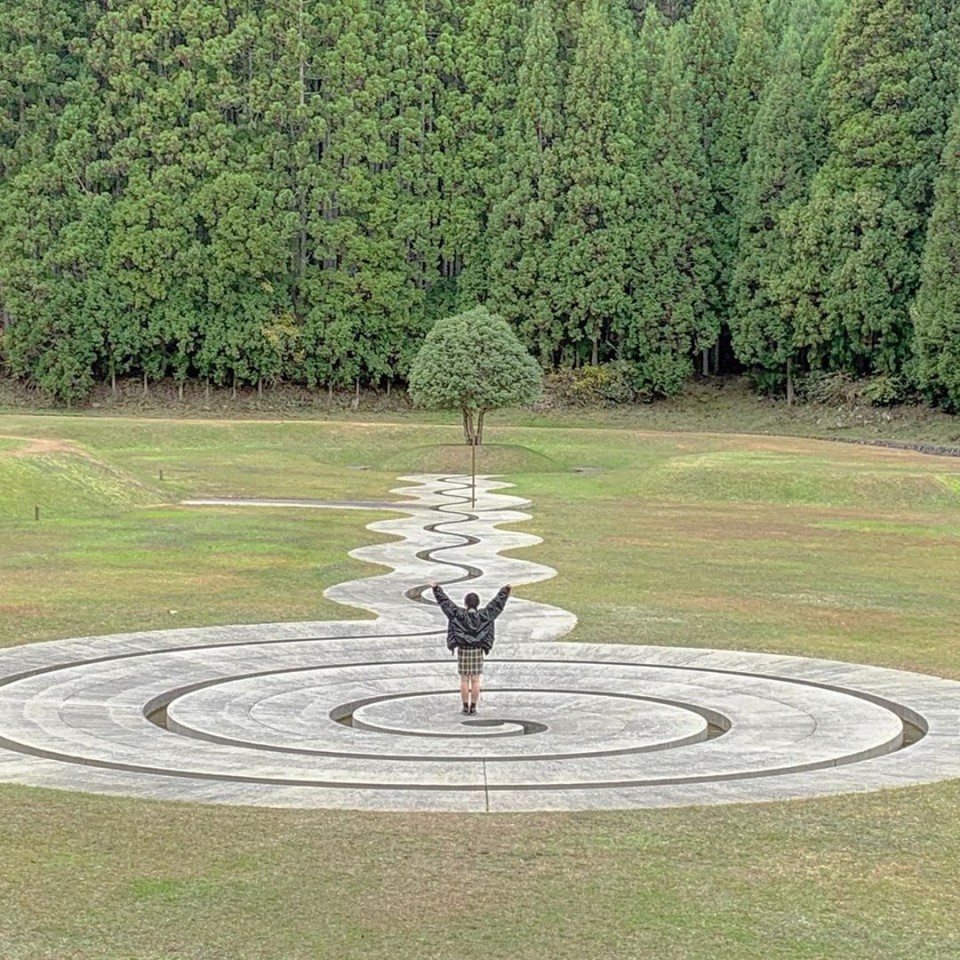
A park on high ground overlooking Muro-ji Temple, with public art designed by the artist Dani Karavan. Across about 7.8 hectares, the works are shaped around the land itself, and photogenic corners are everywhere. Picnics are allowed, so on a sunny day it makes a pleasant outdoor walk.
Chugoku
Enchoen Chinese Garden Yurihama, Tottori
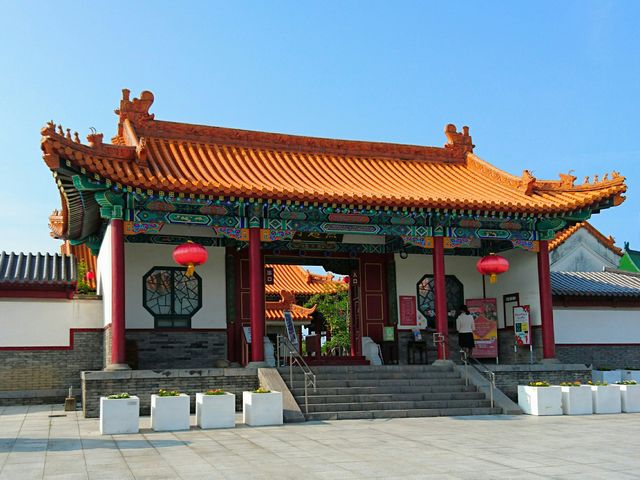
One of the largest Chinese gardens in Japan, built in the style of the imperial gardens of China's emperors, with 28 scenic views to discover. A symbol of friendship between Tottori and Hebei Province in China, its buildings were designed by Chinese engineers, test-built in China and then rebuilt in Japan. Chinese costume contests are held in spring and autumn.
Matsue Vogel Park Matsue, Shimane
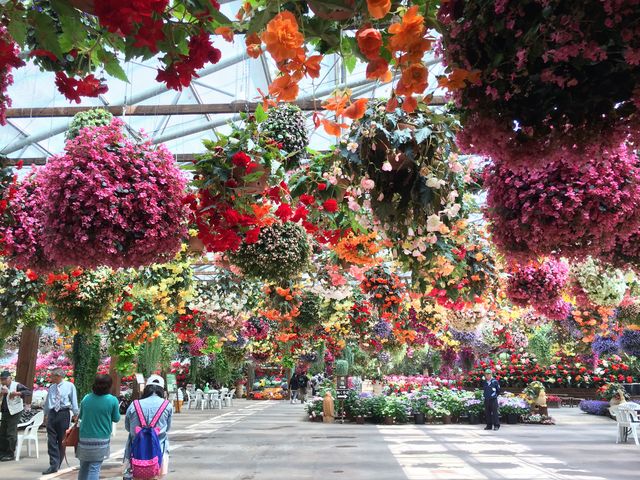
One of the largest indoor gardens in the world, a paradise of flowers and birds whatever the weather or season. About 10,000 flowers such as begonias and fuchsias bloom at all times, alongside about 800 birds of some 90 species. Bird shows feature owls, falcons and hawks, but the favorite is the penguin walk. You can also feed birds and let toucans perch on your hand.
Nagi Museum of Contemporary Art Nagi, Okayama
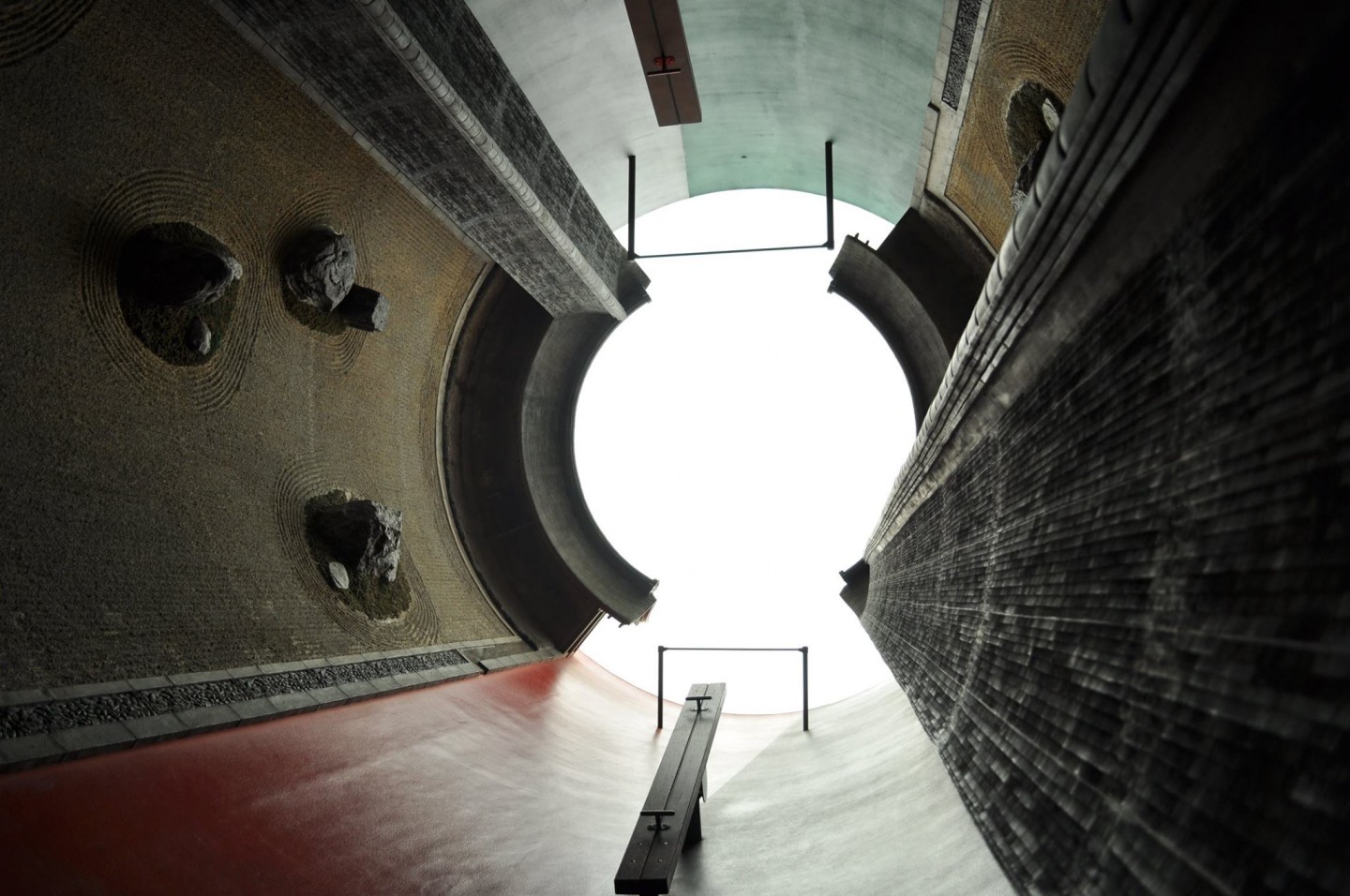
A museum built around huge works commissioned from three artists, with the architecture shaped to fit each work. Its galleries are named Sun, Moon and Earth, and their bold use of space makes them very photogenic.
Miraishin no Oka Onomichi, Hiroshima
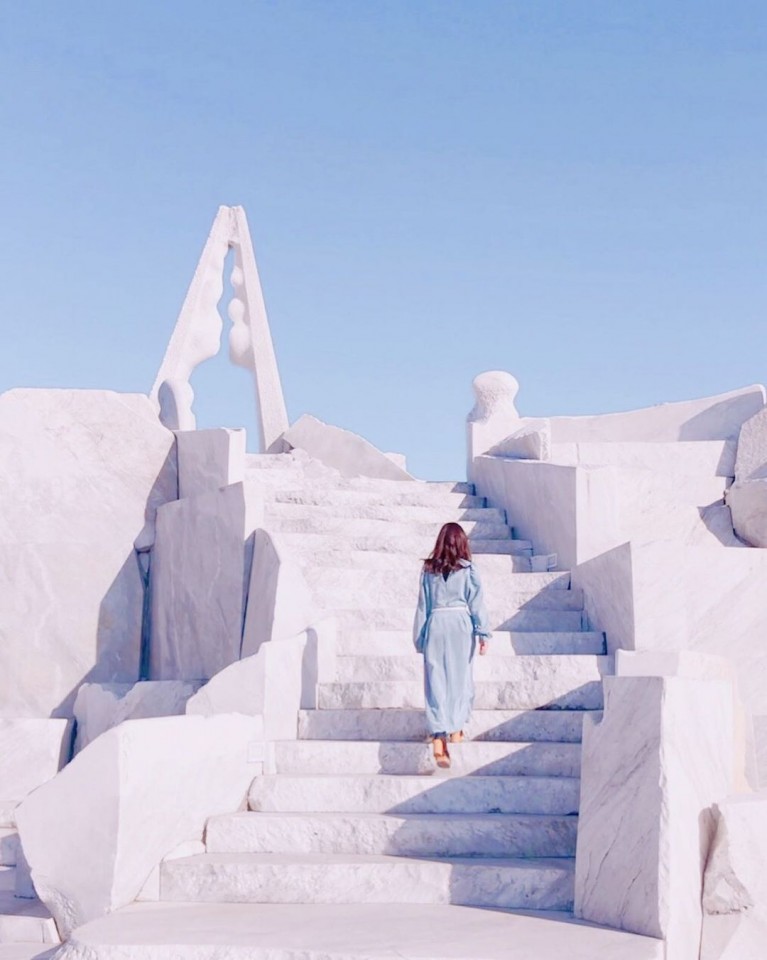
A 5,000-square-meter garden of white marble that brings to mind Santorini in Greece. Its towers and paths were created by the sculptor Itto Kuetani, each with its own meaning. Cafe Cuore, also made of marble, is a calm place for a break. Admission includes Kosan-ji Temple and its Kongo-kan gallery, so leave time for the temple's art collection too.
Dakeyama Observatory Suo-Oshima, Yamaguchi
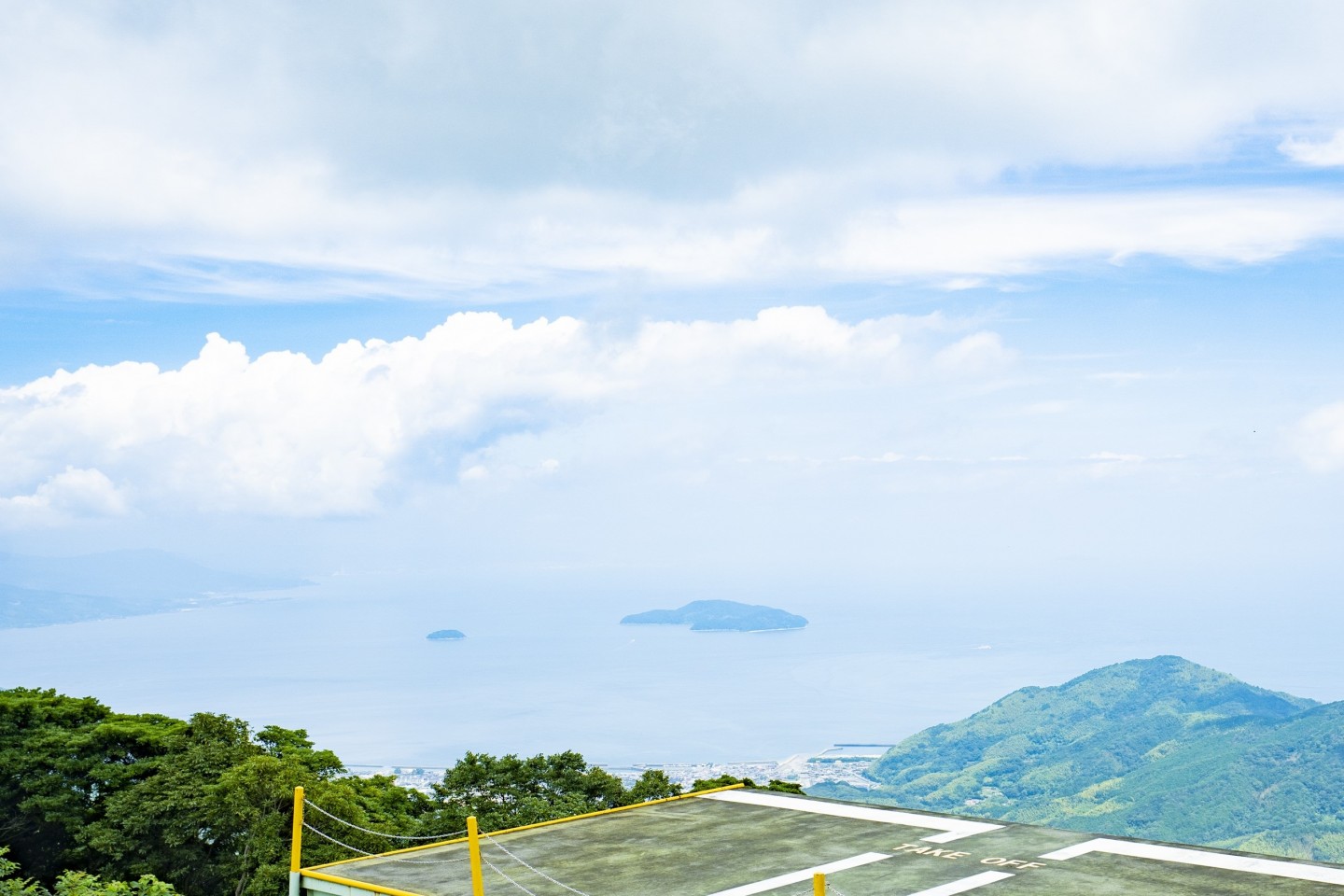
Stand in front of the sign reading TAKE OFF and the view opens up behind you, so your photo looks as if you are about to fly off into the sky. From here you can see most of the eastern part of the island and the many islands of the Seto Inland Sea.
Shikoku
Otsuka Museum of Art Naruto, Tokushima
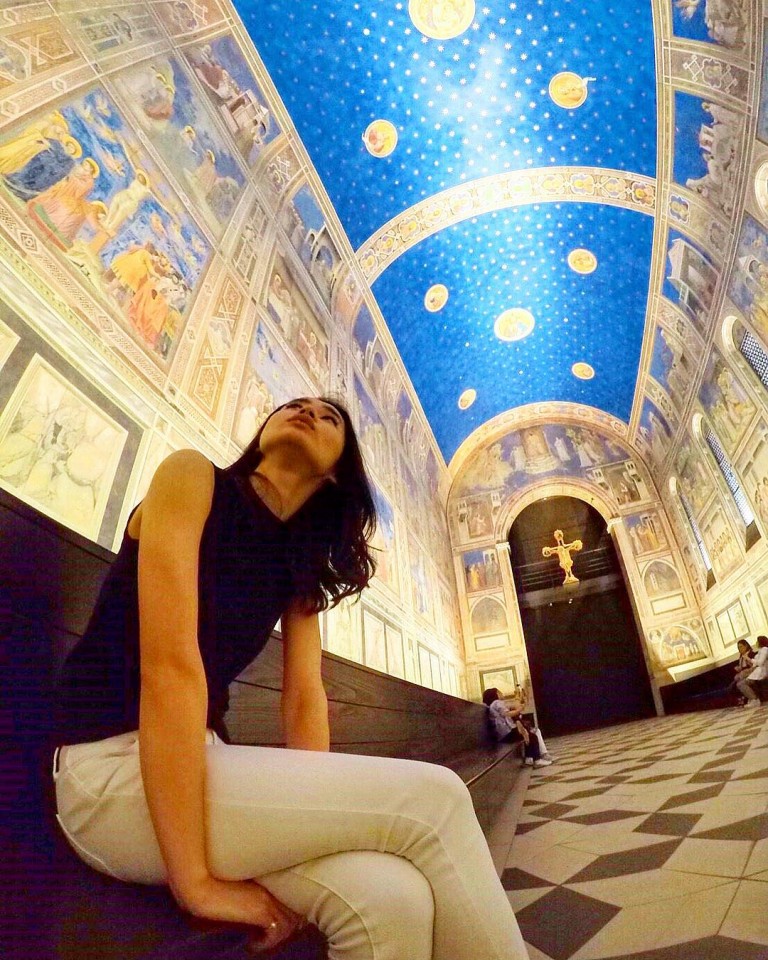
The second-largest art museum in Japan, in Naruto Park, founded by Otsuka Pharmaceutical. Famous paintings from around the world are reproduced on ceramic panels, and you may photograph and even touch them. Rooms such as the reproduction of the Sistine Chapel are overwhelming in scale and widely shared online.
Shodoshima Olive Park Shodoshima, Kagawa
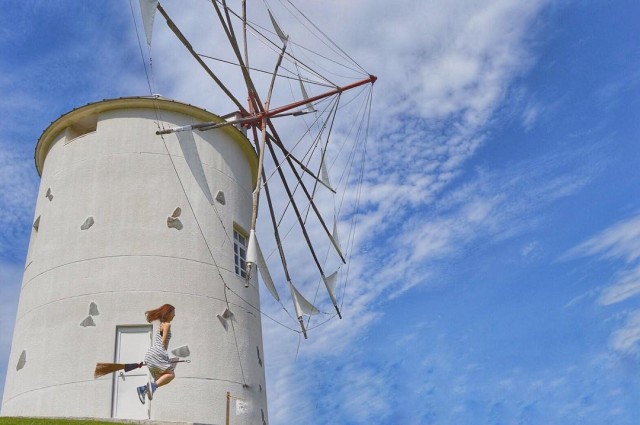
A hands-on park about the history and appeal of olives, with Greek-style buildings among the olive trees. The Olive Memorial Hall lends out a magic broom for free, perfect for a flying-witch photo. With a souvenir shop, a cafe, a hot spring with a restaurant, olive fields, a herb garden, a Greek windmill and lodging, you can easily spend the whole day.
Enman-ji Temple Dogo, Matsuyama, Ehime
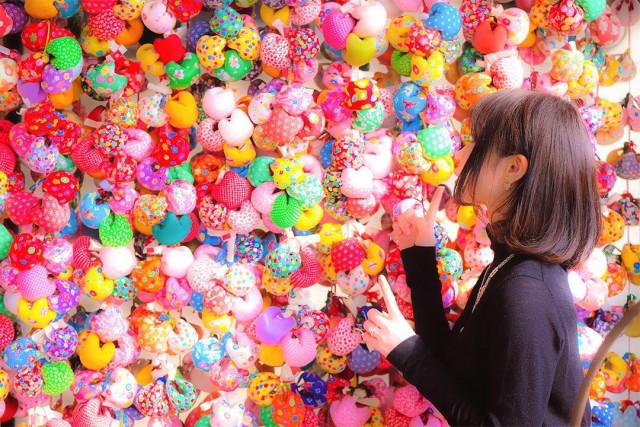
A temple popular for love, hung with long strings of colorful omusubi-dama balls. Its main image is a white Jizo statue 3.67 meters tall. Once worshiped for protection from fire, it is now believed to bring love, a happy marriage and even to keep partners from straying.
Kyushu and Okinawa
Arita Porcelain Park Arita, Saga
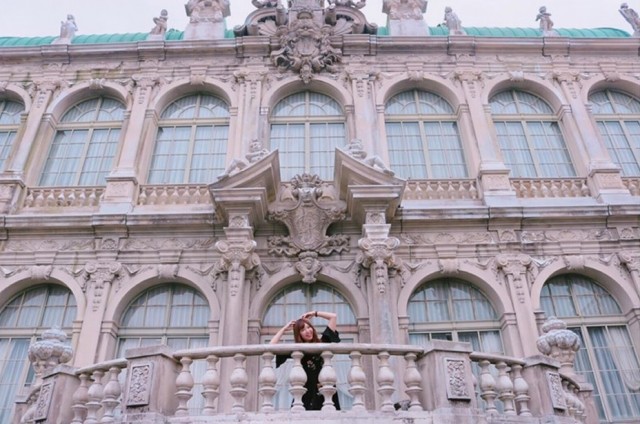
A theme park of sake and porcelain centered on a Zwinger Palace modeled on the palace in Germany. Pose in front of it and your photos look like Europe. Around it are wide gardens, an Arita ware workshop, a climbing kiln, an exhibition hall, restaurants and souvenir shops.
Fruit Bus Stops Konagai, Isahaya, Nagasaki
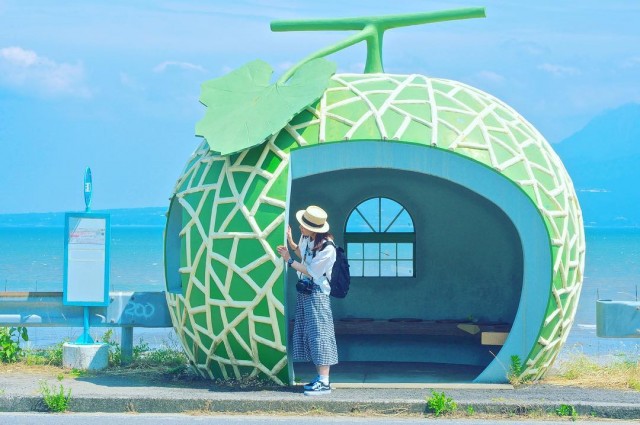
Bus stops shaped like strawberries, tomatoes, melons, watermelons and oranges, made for the Nagasaki Travel Expo in 1990 to welcome visitors. There are 16 in all: 14 along National Route 207 and two on the prefectural road up to Sazanka Kogen. The favorite is the melon stop at Izaki, with the sea behind it.
Yufuin Floral Village Yufuin, Oita
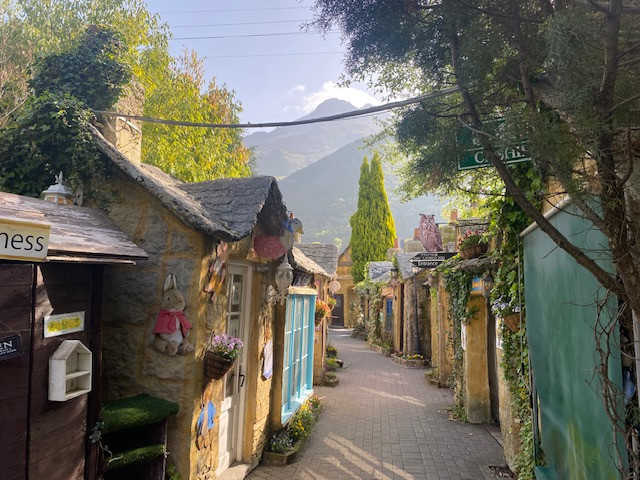
A small theme park recreating a village of the Cotswolds in England, a region famous for its beautiful villages. Lodgings, restaurants and shops line the lanes, all styled to match, so your photos look as if you have traveled abroad.
Sun Messe Nichinan Nichinan, Miyazaki
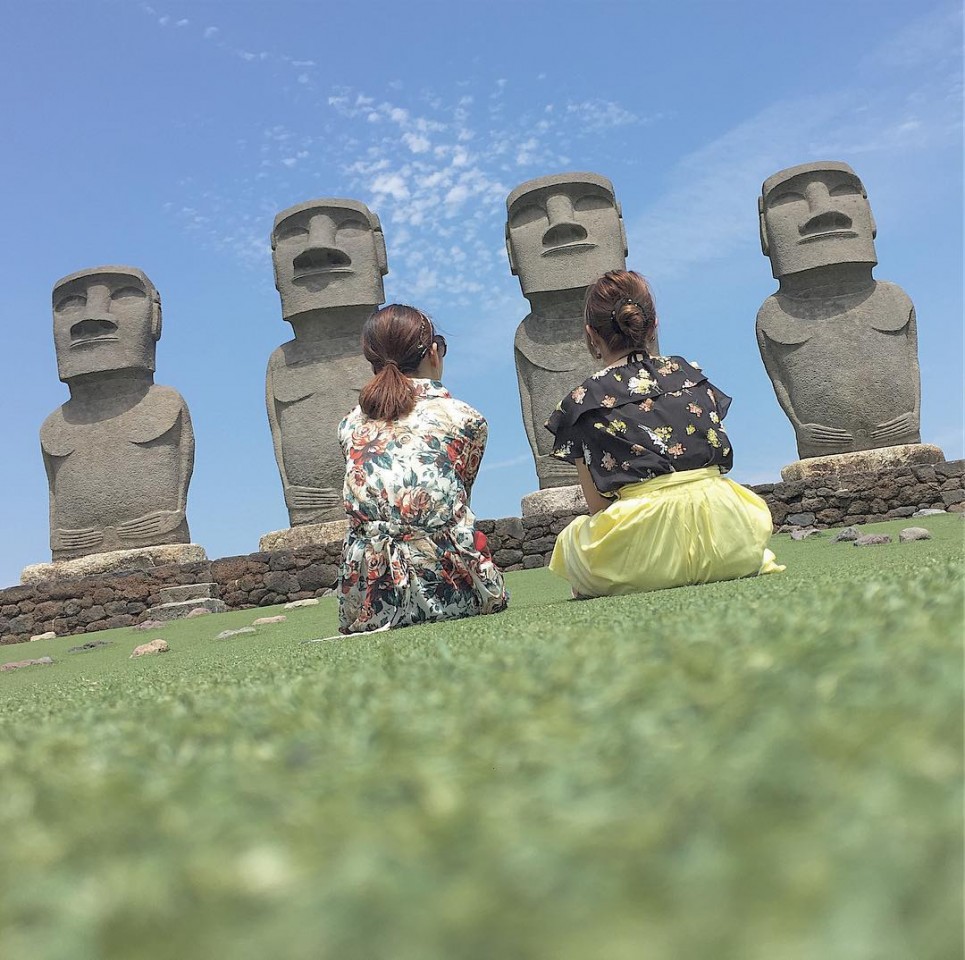
A park famous for its moai statues, the only replicas in the world made with the permission of Easter Island's council of elders. They stand as a sign of friendship, since Japan helped restore moai toppled by an earthquake in Chile. There are also shops and restaurants, where dairy products from Jersey cows are a favorite. Many people come early in the morning for the sunrise.
Kirishima Open-Air Museum Yusui, Kagoshima
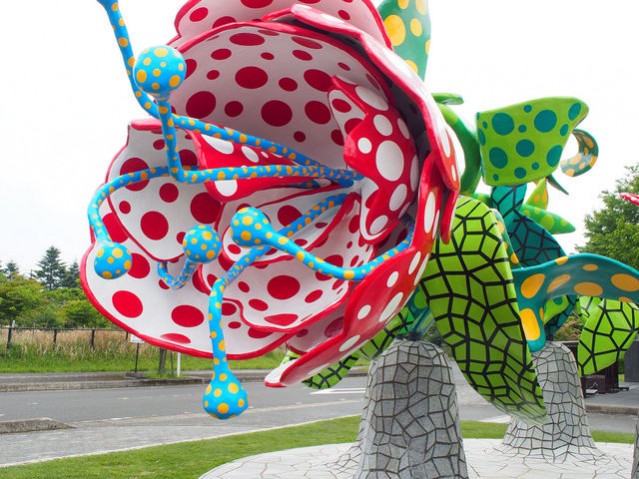
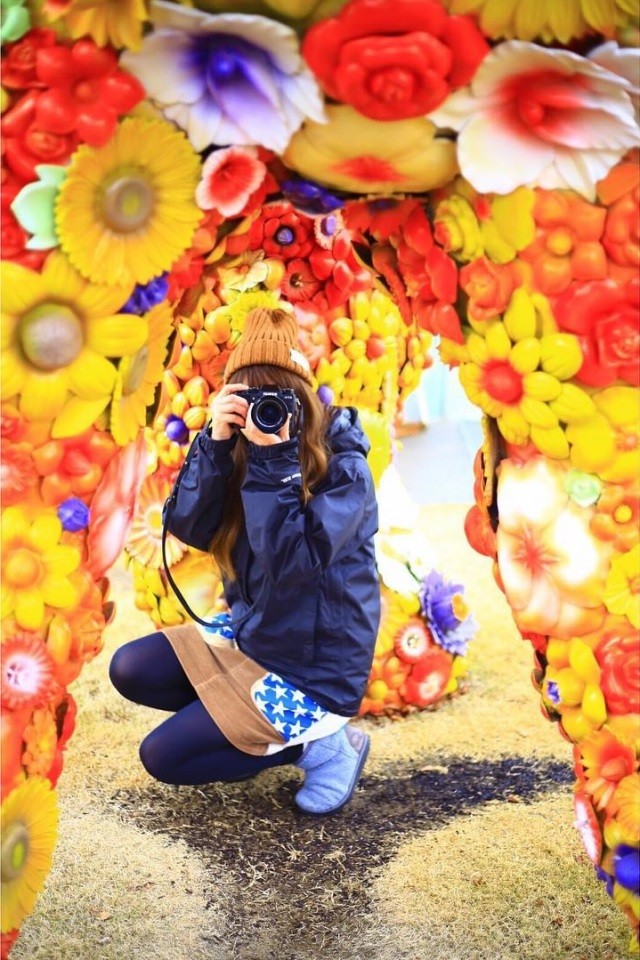
A full-scale open-air museum with works by Yayoi Kusama and other well-known artists. Along a course of about 2 km you can touch some works and even climb on them. Kusama's flower sculpture Shangri-La no Hana greets you at the entrance, and many visitors post selfies taken here.
Mihama American Village Chatan, Okinawa
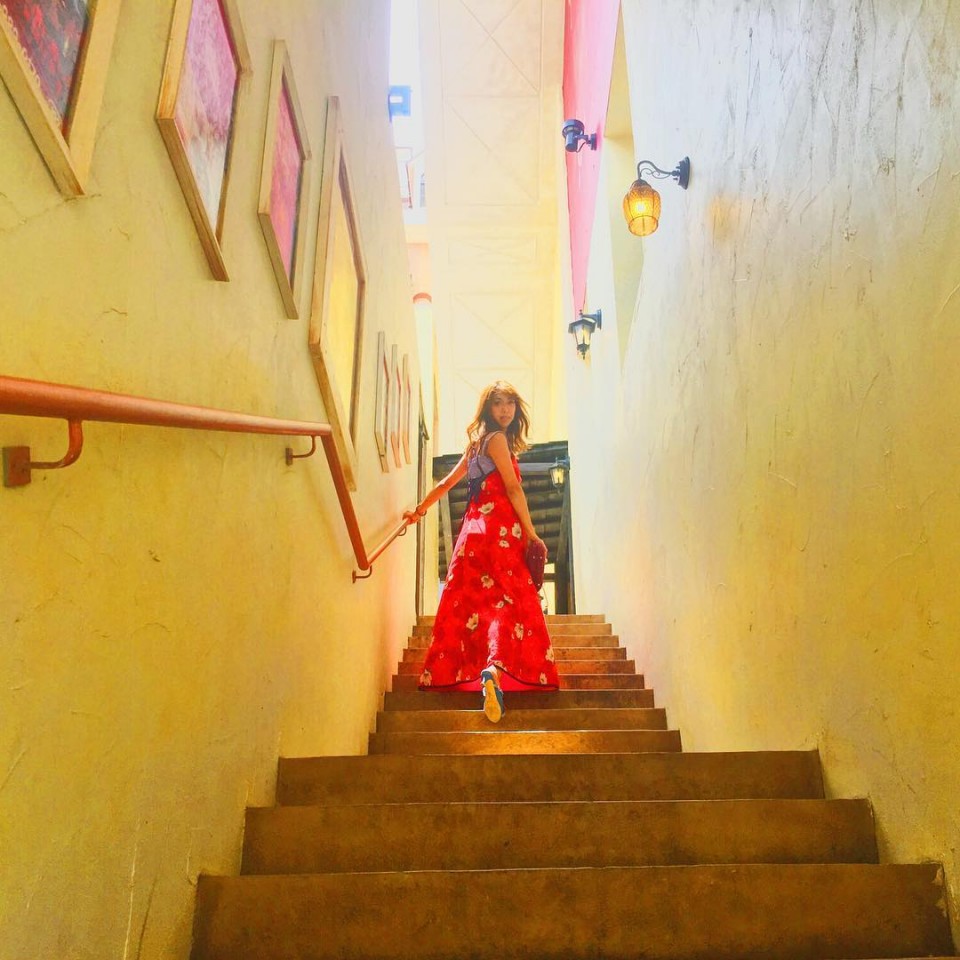
A complex of restaurants, shops and hotels built on the site of a former US military base, so it has an American look and plenty of photo spots. It makes a good stop on a trip to northern Okinawa.
The places on a map
Hours, prices and events change. Check each place's official website before you go.
More travel guides
 Tokyo Sightseeing by Area: 40 Classic Sights and Lesser-Known Spots from Asakusa to Odaiba40 placesTokyo has much more to see than Skytree, Tokyo Tower and Asakusa. This guide works through six of the city's main…
 Nagoya: 40 Best Places to Visit, from Nagoya Castle and Atsuta Jingu to Osu40 placesNagoya is one of Japan's biggest cities, yet many visitors don't know how much it has to see. Alongside its famous…
 Chichibu: 40 Best Places to Visit, from Nagatoro River Boats and Mitsumine Shrine to Moss Phlox and Icicles40 placesChichibu, the largest city in Saitama Prefecture, is about 90 minutes from central Tokyo. Most of the area is national…
 Niigata Prefecture: 40 Best Places to Visit, from Classic Sights to Hidden Gems40 placesNiigata Prefecture stretches a long way from north to south, and each area has its own scenery, climate and food. The…
 Nagasaki Prefecture: 40 Best Places to Visit, from Unzen Hot Springs to Hirado and Nagasaki City40 placesNagasaki grew up as a port open to the outside world, and the culture of those days still shapes its streets, churches…
 Fukuoka Prefecture: 40 Places to Visit in Kitakyushu, Chikuho and Around Fukuoka City40 placesFukuoka Prefecture is roughly divided into four areas, Kitakyushu, Chikuho, Fukuoka and Chikugo, and each has its own…