
Kyoto in October: 19 Night Light-Ups, Special Openings and Festivals, Plus What to Wear
19 places · Japanese version
October is a comfortable month for sightseeing in Kyoto. The summer heat eases, temples start lighting up their gardens in the evening, and many open halls and treasures that are closed the rest of the year. It is also a month of shrine festivals, from quiet rites to lively portable shrine parades. Below are 19 places worth planning around, grouped into light-ups, special openings and festivals, followed by notes on the weather and what to pack. Dates shift a little each year, so check before you go.
Evening light-ups and early autumn leaves
Kodai-ji Higashiyama
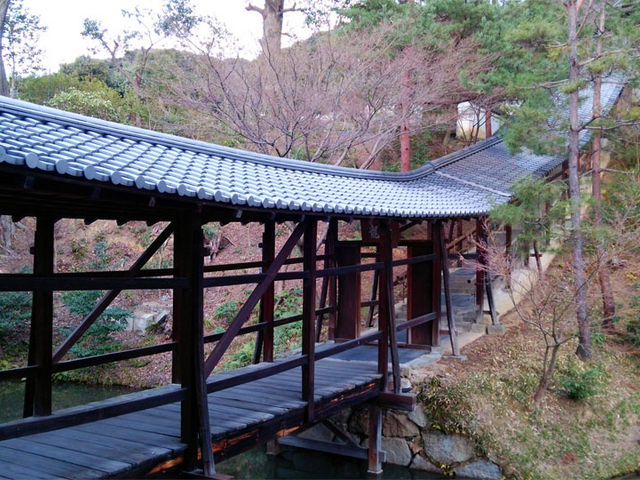
Kodai-ji is a temple tied to Toyotomi Hideyoshi and his wife Nene, and visitors love the Garyochi pond and the Garyoro, a corridor shaped like a dragon's back. Every year from late October the temple and the trees around it are lit up after sunset, and if the leaves have started to turn, it becomes a night viewing of autumn colors. It is about 12 minutes on foot from Kiyomizu-Gojo or Gion-Shijo Station.
Kitano Tenmangu Kitano
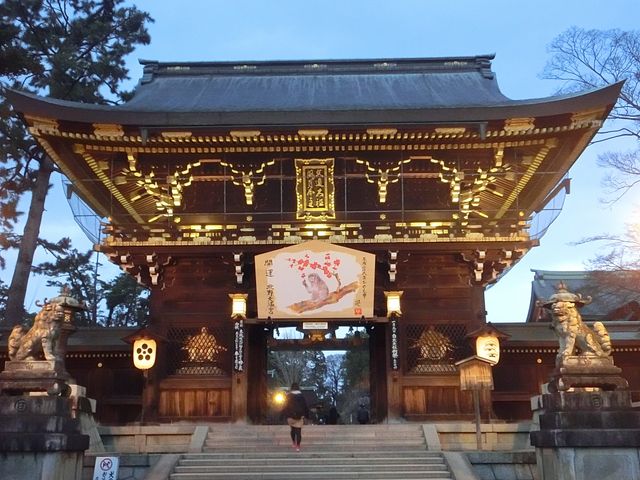
Every year from around late October, Kitano Tenmangu opens its Momiji-en, a maple garden that is lit up after dark. It tends to be less crowded than other light-ups, so you can take your time. The entry fee includes tea and a sweet to enjoy while you look at the leaves. It is a five-minute walk from Kitano-Hakubaicho Station on the Randen line.
Shoren-in Higashiyama
Shoren-in is a Tendai temple of high rank whose head priests long came from the imperial family, and it is known for the National Treasure painting called the Blue Fudo. During its autumn night viewing, from late October to early December, more than 1,000 lights illuminate the halls and trees, and many people come back every year. It is five minutes on foot from Higashiyama Station, with cafes and restaurants nearby for after.
Hogon-in Arashiyama
During its autumn special opening, from early October to early December, Hogon-in opens and lights up its Shishiku garden, with pines, trees and buildings beautifully lit. Leaves peak in November, but late October has a beauty of its own. The grounds are well laid out and easy to walk, and it is known for not getting crowded, so you can enjoy the colors in peace. It is 15 minutes on foot from JR Saga-Arashiyama Station.
Hakuryuen Kurama
Hakuryuen is a little-known garden that people who know Kyoto well praise as a secret spot for autumn leaves. During its autumn special opening only 100 visitors a day are let in. Tickets cannot be booked ahead, so the best plan is to line up before they go on sale at 9:00 in the morning. It is about seven minutes on foot from the Ninose stop.
Special autumn openings
Ginkaku-ji (Silver Pavilion) Higashiyama
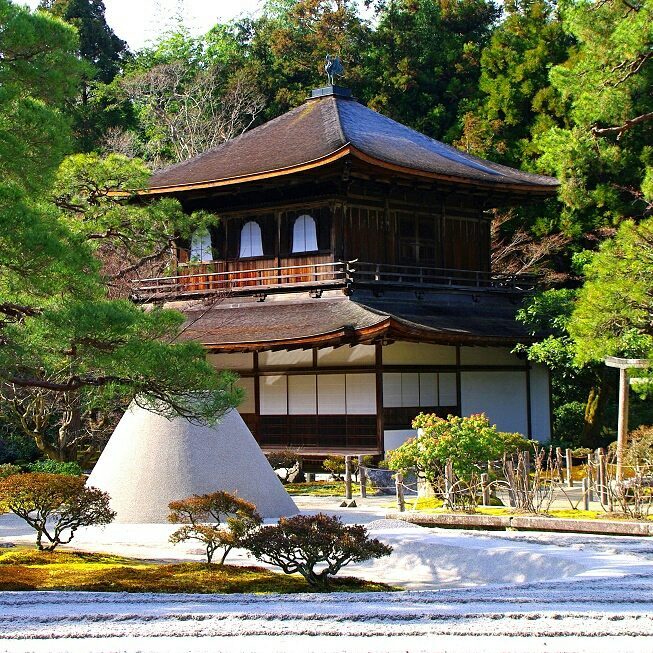
Ginkaku-ji is a World Heritage temple and one of the symbols of Kyoto. In its autumn special opening, from early October to early December, it shows the Togu-do hall, which holds statues of Amida Buddha and of Ashikaga Yoshimasa, and the Dojinsai study that Yoshimasa used. Whether or not you love history, it is worth seeing if you visit at this time. It is about 30 minutes on foot from Demachiyanagi Station.
Ninna-ji Omuro
Ninna-ji is a World Heritage temple of high rank, famous for cherry blossoms and autumn leaves. In autumn, from early October to late November, its Reihokan treasure hall shows temple treasures, National Treasures and Important Cultural Properties, including paintings and calligraphy seen only during the display. Ryoan-ji, known for its rock garden, and the Togetsukyo Bridge are among the sights in the wider area. It is five minutes on foot from Hanazono Station on the JR Sagano line.
Shogo-in Okazaki
From mid-September to late November, Shogo-in opens more than 100 painted screens and walls, its shoin hall and its main hall. The shoin, said to have been built by Emperor Go-Mizunoo, is an Important Cultural Property and very popular, though photos are not allowed. Visitors can receive a goshuin stamp shaped like a conch shell, said to ward off evil. Take city bus 206 from Kyoto Station to Kumano-jinja-mae; it is 160 m from the stop.
Shokoku-ji Imadegawa
Shokoku-ji is famous for its crying dragon: clap your hands in the Hatto lecture hall and the sound echoes off the painted ceiling. The hall is normally closed and opens only during the spring and autumn special openings, the autumn one running from late September to mid-December. The Kaisan-do and the Hojo are open too. It is fairly quiet compared with other sights, and about five minutes on foot from Imadegawa.
Choraku-ji Higashiyama
From mid-October to late November, Choraku-ji shows treasures such as seated statues that are Important Cultural Properties, a must for anyone interested in old art. Another favorite is a statue of Kannon said to have been carved by Saicho himself. In October you can hear the trees rustle in the wind, making it a quiet spot for people who want to enjoy nature slowly. It is about ten minutes on foot from the Gion bus stop.
October festivals
Nagaoka Tenmangu Annual Festival Nagaokakyo
Nagaoka Tenmangu, also called Tenjin-san, enshrines Sugawara no Michizane and is known for the god of learning. Its annual festival, the most important rite of the year, is held on October 9 from 11:00, with purification and the reading of Shinto prayers. Even if you only come to pray and enjoy the greenery, it is a pleasant visit. It is about ten minutes on foot from Nagaoka-Tenjin Station on the Hankyu Kyoto line.
Imamiya Shrine Annual Festival Murasakino
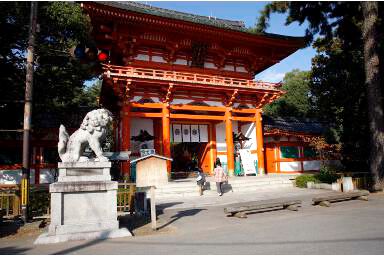
Every October, Imamiya Shrine holds its annual grand festival, with chrysanthemum sake drunk to ward off misfortune and Shinto prayers read. As the most important rite of the year it is held on a large scale, with the ninchomai dance offered on the evening before. The festival is on October 9 from 10:00 and is free. Funaoka Onsen, a registered cultural property, and Kinkaku-ji are nearby. The shrine is right by the Imamiya-jinja-mae bus stop.
Kasuga Festival at Sai-in Kasuga Shrine Saiin
The Kasuga Festival is said to date back 1,200 years and prays for good health and a rich harvest. Food stalls line the streets and a portable shrine is carried through the area. It is held around October 10 and 11 and does not get crowded, so you can enjoy it at your own pace, though there are few other sights nearby. It is about three minutes on foot from Saiin Station on the Hankyu Kyoto line.
Awata Shrine Festival Higashiyama
Awata Shrine is said to have been founded by the Awata clan to honor their guardian god. Its festival, called the biggest festival of October, prays for the safety of the people. Many visitors and locals gather, but it is not packed. It is usually held the day before the Sports Day holiday in October, so check the date before you go. The shrine is about seven minutes on foot from Higashiyama Station.
Hoei Festival at Rokuson-o Shrine Minami
The Hoei Festival, held on October 10, is split into morning and afternoon. Shinto rites take place in the morning, and in the afternoon portable shrines of the guardian gods of the four directions are carried through the neighborhood. Take time to see the shrine's corridor and main hall, designated buildings of Kyoto City. There are places to eat nearby. It is about two minutes on foot from the Rokusonno-jinja-mae bus stop.
Kyorai Festival at Rakushisha Sagano
Haiku lovers will enjoy the Kyorai Festival, held on October 10 with a haiku gathering led by scholars of Matsuo Basho. Rakushisha, where it takes place, is a historic site of Japanese literature. It is small and there are no big sights right around it, but some people come every year. It is a good choice if you want somewhere quiet. It is about seven minutes on foot from the Saga-shogakko-mae bus stop.
Imahie Jingu Annual Festival Higashiyama
This festival marks the day Emperor Go-Shirakawa was enshrined at Imahie Jingu. After the Shinto prayers comes a ceremony of offerings with music. It is not widely known, but as the most important rite of the year it is held with real energy. It is held on October 16 from 10:30 and is usually not crowded, but it starts early, so check train and bus times. It is about seven minutes on foot from Higashiyama-Shichijo.
Funaoka Festival at Kenkun Shrine Murasakino
Kenkun Shrine is linked to Oda Nobunaga, and the Funaoka Festival on October 19 marks the day he first entered Kyoto, backing Ashikaga Yoshiaki. Demonstrations of matchlock guns draw cheers from the crowd, and many people come back every year. There are cafes and souvenir shops nearby. The shrine is about three minutes on foot from the Kenkun-jinja-mae bus stop.
Tenmon Festival at Daishogun Hachi Shrine Kitano
The Tenmon Festival, held on October 18, is the shrine's annual main festival and one of its most important of the year. On the eve, rice cakes shaped like a great serpent are offered with prayers for good health. On the day, a women's portable shrine and children's portable shrines are carried through the area to shouts of wasshoi. It is about seven minutes on foot from Kitano-Hakubaicho Station.
Weather and what to wear
The average temperature in Kyoto in October is around 20 degrees Celsius, but the gap between day and night is large. Some days still pass 30 degrees, while mornings and evenings can drop to near 10 degrees. The start and end of the month also feel quite different, so check the forecast for your dates.
In early October the average is 23 to 24 degrees, and short sleeves are fine on many days. Many events are held in the evening, though, when it gets cool, so bring a cardigan or long-sleeved shirt. Typhoons usually calm down in October, but a folding umbrella is still worth carrying.
By late October many days feel cool all day long, so plan on long sleeves and long pants or skirts. At night it gets properly cold, and in higher places it falls below 10 degrees. Layers, warm socks and hot drinks will help you stay comfortable.
Many temples and shrines hold limited openings in autumn, so try to match your plans to their dates. If you travel by train and bus, look up times in advance to make the most of your day.
The places on a map
Hours, prices and events change. Check each place's official website before you go.
More travel guides
 Tokyo Sightseeing by Area: 40 Classic Sights and Lesser-Known Spots from Asakusa to Odaiba40 placesTokyo has much more to see than Skytree, Tokyo Tower and Asakusa. This guide works through six of the city's main…
 Nagoya: 40 Best Places to Visit, from Nagoya Castle and Atsuta Jingu to Osu40 placesNagoya is one of Japan's biggest cities, yet many visitors don't know how much it has to see. Alongside its famous…
 Chichibu: 40 Best Places to Visit, from Nagatoro River Boats and Mitsumine Shrine to Moss Phlox and Icicles40 placesChichibu, the largest city in Saitama Prefecture, is about 90 minutes from central Tokyo. Most of the area is national…
 Niigata Prefecture: 40 Best Places to Visit, from Classic Sights to Hidden Gems40 placesNiigata Prefecture stretches a long way from north to south, and each area has its own scenery, climate and food. The…
 Nagasaki Prefecture: 40 Best Places to Visit, from Unzen Hot Springs to Hirado and Nagasaki City40 placesNagasaki grew up as a port open to the outside world, and the culture of those days still shapes its streets, churches…
 Fukuoka Prefecture: 40 Places to Visit in Kitakyushu, Chikuho and Around Fukuoka City40 placesFukuoka Prefecture is roughly divided into four areas, Kitakyushu, Chikuho, Fukuoka and Chikugo, and each has its own…