
Things to Do Near Tokyo Station: 12 Sights Within a 15-Minute Walk, by Exit
12 places · Japanese version
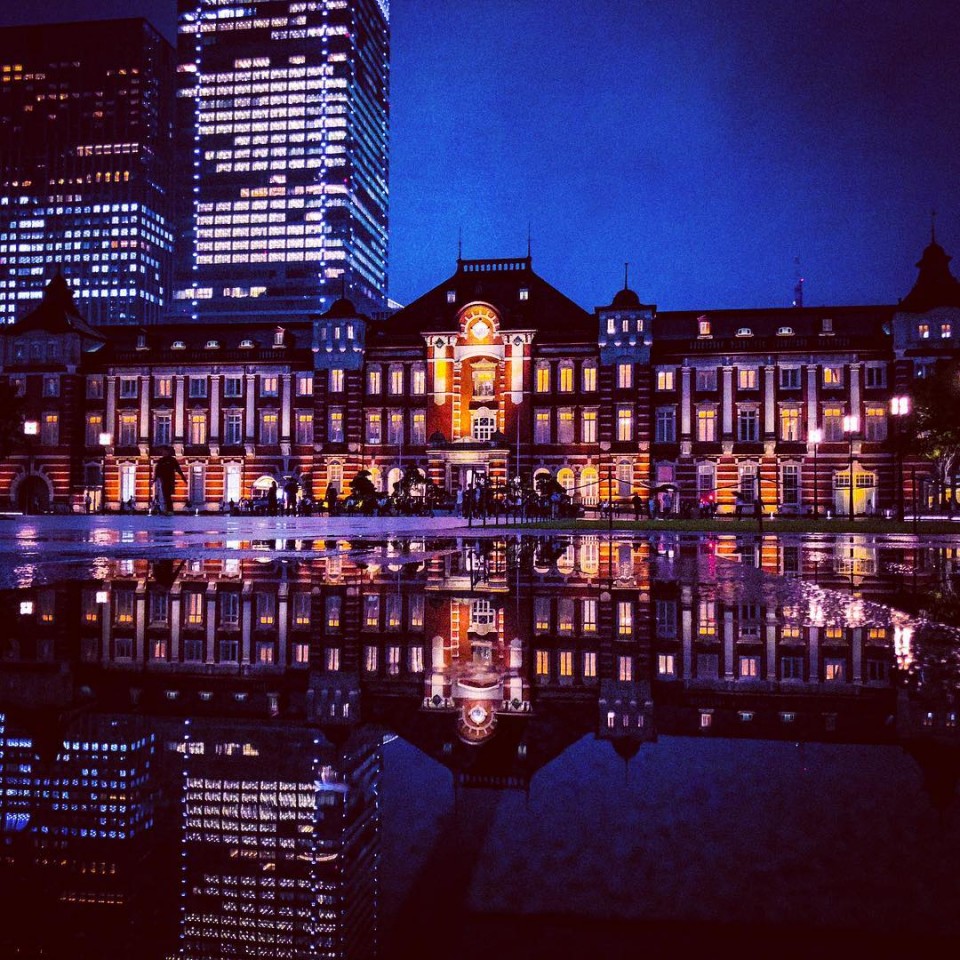
Tokyo Station is fun to explore on its own, but a short walk takes you much further. These 12 sights are all within about 15 minutes on foot, so they fit into a gap between trains, a business trip or a free hour. They range from well-known landmarks like the red brick station building and the Imperial Palace grounds to quieter finds such as a free police museum and a monument to the Dutchman who gave Yaesu its name. Each one is listed under the exit that gets you there fastest, with the walking time.
Finding your exit
Tokyo Station has two sides to remember: the Marunouchi side to the west and the Yaesu side to the east. Each side has a North, a Central and a South exit, so check which one is closest to where you are going before you leave the gates.
Marunouchi Central Exit
Tokyo Station Marunouchi Central Exit, right outside
The red brick station building is the face of Tokyo Station: a three-story Renaissance-style building topped with octagonal domes, restored to the way it looked when it was built in the early Taisho era. Besides the view from the front, try the 6th-floor terrace of KITTE, Gyoko-dori avenue and the 7th-floor deck of the Shin-Marunouchi Building. Inside, the decoration of the domes is stunning.
Wadakura Fountain Park Marunouchi Central Exit, 5 min walk
The large fountain was built in 1961 to mark an imperial wedding, and the park was redesigned in 1995 for another. A fountain shooting 8.5 meters high and a cascade 5.5 meters high and 30 meters wide are linked by a channel of flowing water over 40 meters long. The fountains are lit up at night until 9 p.m., and it is a cool place to rest in summer. Entry is free.
Kokyo Gaien Marunouchi Central Exit, 10 min walk
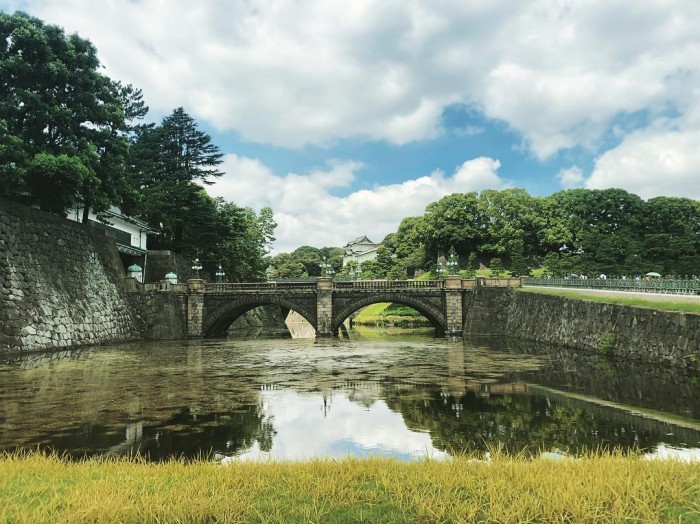
Few people realize the Imperial Palace grounds are within walking distance of the station. Walk down Gyoko-dori and you reach a wide lawn with about 2,000 black pines, a calm place far from the noise of the city. Do not miss Nijubashi, the bridge that is the classic view of the palace. Running around the palace and Palace Cycling are also popular.
Marunouchi North Exit
Tokyo Station Gallery Marunouchi North Exit, in front of the gates
An art museum inside the Marunouchi station building, known for its galleries with red brick walls. Because it wraps around the Marunouchi North dome, the route takes you along a 2nd-floor balcony where you can watch travelers passing through the station below, a view only a station museum can offer. The museum shop sells original goods with a red brick motif. It is closed on Mondays.
Marunouchi South Exit
KITTE Marunouchi South Exit, 1 min walk
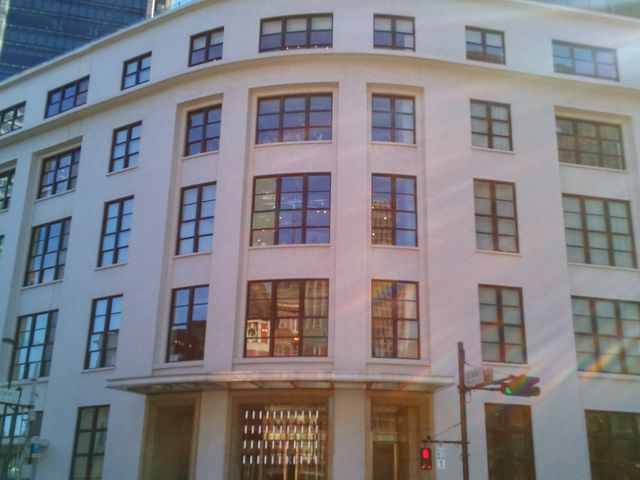
A shopping complex run by Japan Post, on seven floors from the basement to the 6th floor. It gathers well-made goods and regional specialties from Hokkaido to Okinawa, along with long-loved local food shops. On the 2nd and 3rd floors, Intermediatheque displays academic specimens from the University of Tokyo. The KITTE Garden on the 6th floor looks over the station building and the trains, a view train lovers could watch all day.
Marunouchi Naka-dori Marunouchi South Exit, 1 min walk
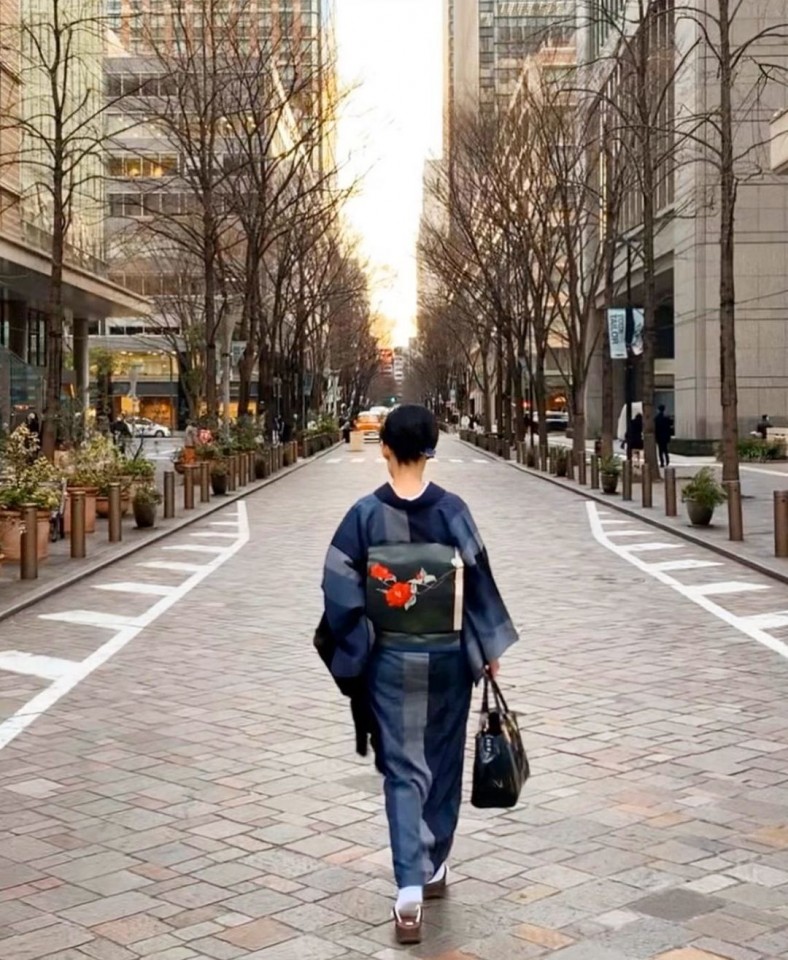
The main street of Marunouchi runs about 1.2 kilometers between Yurakucho and Otemachi. Along the tree-lined, stone-paved street stand 17 buildings, including the Marunouchi Building, the Marunouchi Park Building and the Shin-Tokyo Building, with luxury brand shops, restaurants and cafes. The winter illuminations are a seasonal favorite.
Marunouchi Brick Square Marunouchi South Exit, 5 min walk
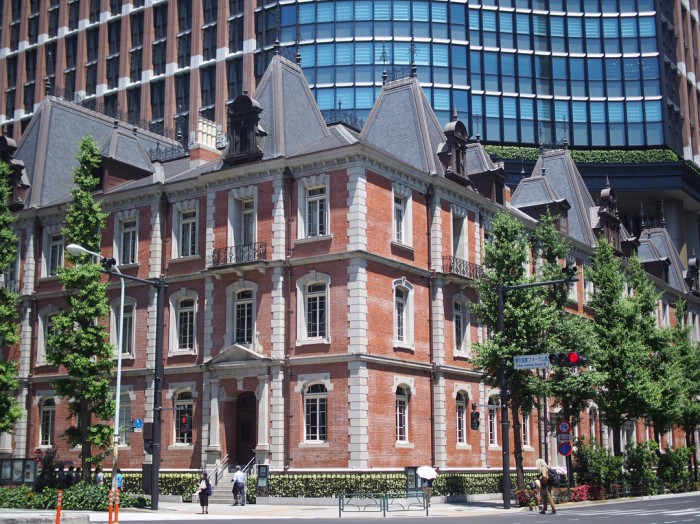
A shopping complex on Naka-dori made up of the Marunouchi Park Building, the Mitsubishi Ichigokan and Ichigokan Square. The square, with roses and other plants, a fountain and an open-air cafe, is an oasis in the city that feels like somewhere abroad. Benches are set around it, so it is a good place to rest during a walk along Naka-dori.
Mitsubishi Ichigokan Museum Marunouchi South Exit, 5 min walk
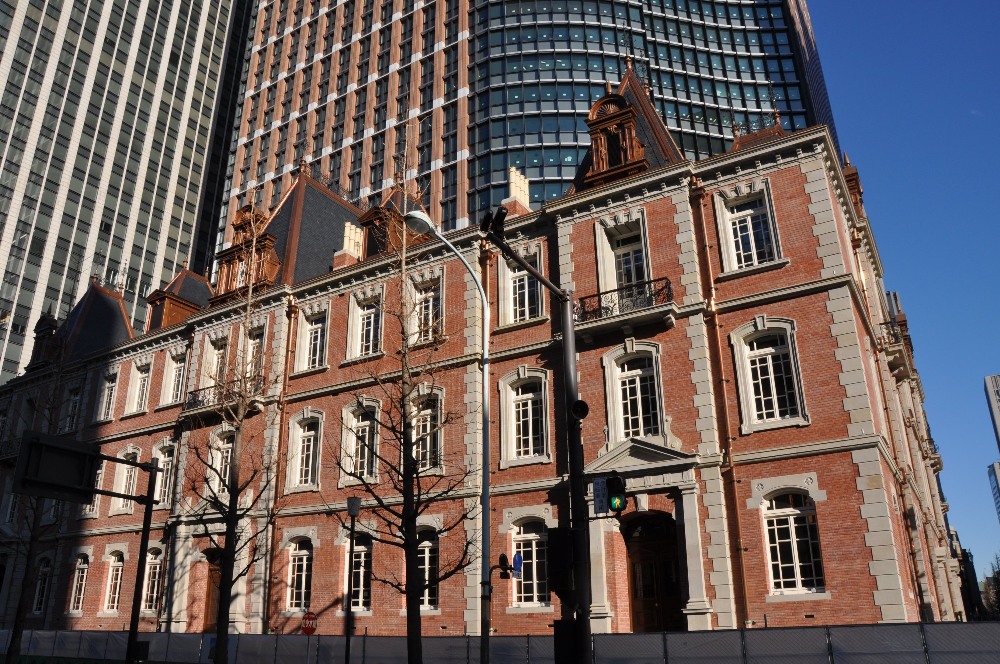
The Mitsubishi Ichigokan was the first brick office building in Marunouchi, designed in the Meiji era by the British architect Josiah Conder. It was torn down in 1968, rebuilt in 2009 and opened as a museum in 2010. Its exhibitions focus on modern art of the 19th century, the same period as the building. It is closed on Mondays, except holidays.
Yaesu South Exit
Police Museum Yaesu South Exit, 12 min walk
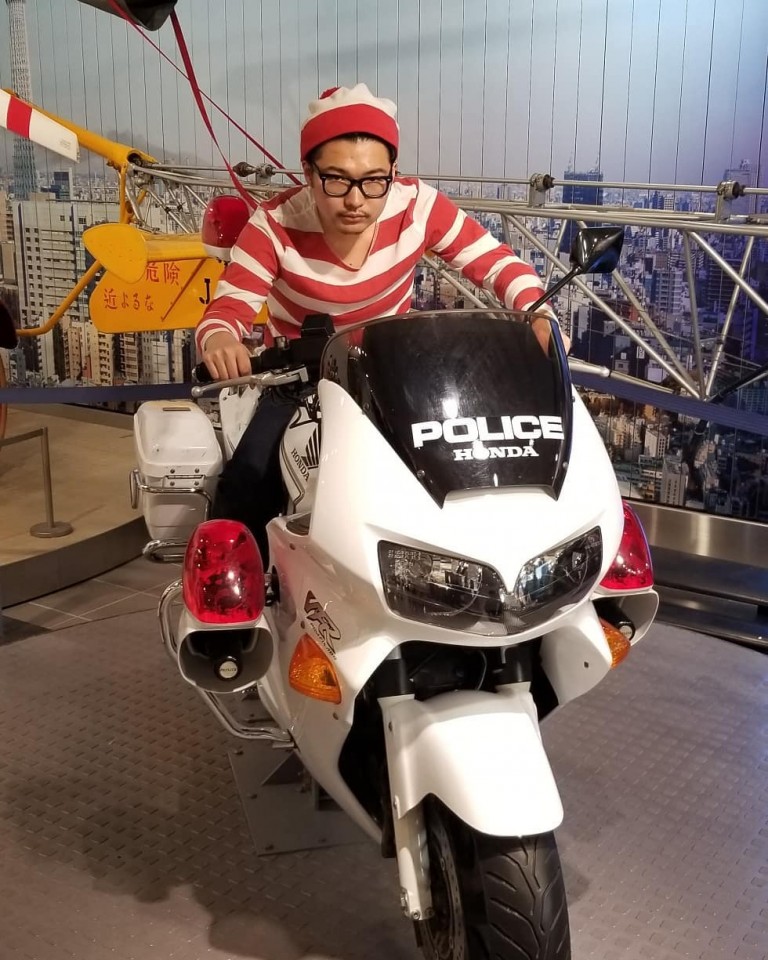
On the site of the old Kyobashi Police Station, this museum shows many materials on the history and work of the Tokyo Metropolitan Police. There is a driving simulator, and children aged 3 to 12 can put on a police officer's or motorcycle officer's uniform for a photo. Admission is free, which makes it a hidden gem for children and adults alike. It is closed on Mondays.
Yaesu Central Exit
Jan Joosten Memorial Yaesu Central Exit, 4 min walk
Yaesu takes its name from Jan Joosten, a Dutchman who became an interpreter for Tokugawa Ieyasu and was given a residence here. His Japanese name, Yayosu, became the name of the riverbank by his house, which in time turned into Yaesu. The ship on the right of the monument is De Liefde, which brought him to Japan. Find it in the median strip of the Nihonbashi 3-chome intersection, where Yaesu-dori meets Chuo-dori, next to the Peace Bell.
Artizon Museum (formerly Bridgestone Museum of Art) Yaesu Central Exit, 5 min walk
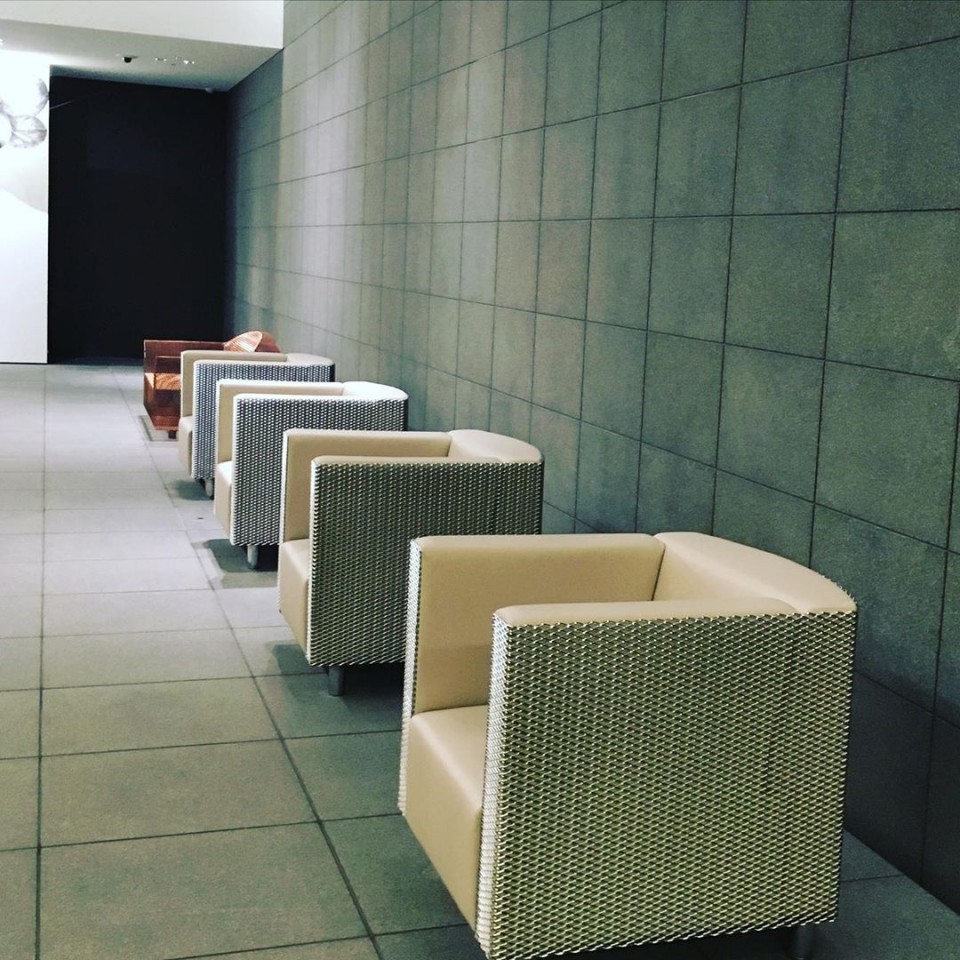
A museum built on the collection of its founder, Shojiro Ishibashi. It collects and shows modern European art centered on the Impressionists, together with Western-style paintings by Japanese artists from the Meiji era onward.
Yaesu North Exit
Bank of Japan Head Office Yaesu North Exit, 8 min walk
The central bank's Main Building, completed in 1896 of stone and brick with three floors above ground and one below, was Japan's first full-scale stone building and is an Important Cultural Property. Free tours take you through the old vault area, the old banking hall and the history exhibition room, plus the banking floor of the New Building. Tours run on weekdays only, last about an hour and must be booked between three months and one week ahead.
The places on a map
Hours, prices and events change. Check each place's official website before you go.
More travel guides
 Tokyo Sightseeing by Area: 40 Classic Sights and Lesser-Known Spots from Asakusa to Odaiba40 placesTokyo has much more to see than Skytree, Tokyo Tower and Asakusa. This guide works through six of the city's main…
 Nagoya: 40 Best Places to Visit, from Nagoya Castle and Atsuta Jingu to Osu40 placesNagoya is one of Japan's biggest cities, yet many visitors don't know how much it has to see. Alongside its famous…
 Chichibu: 40 Best Places to Visit, from Nagatoro River Boats and Mitsumine Shrine to Moss Phlox and Icicles40 placesChichibu, the largest city in Saitama Prefecture, is about 90 minutes from central Tokyo. Most of the area is national…
 Niigata Prefecture: 40 Best Places to Visit, from Classic Sights to Hidden Gems40 placesNiigata Prefecture stretches a long way from north to south, and each area has its own scenery, climate and food. The…
 Nagasaki Prefecture: 40 Best Places to Visit, from Unzen Hot Springs to Hirado and Nagasaki City40 placesNagasaki grew up as a port open to the outside world, and the culture of those days still shapes its streets, churches…
 Fukuoka Prefecture: 40 Places to Visit in Kitakyushu, Chikuho and Around Fukuoka City40 placesFukuoka Prefecture is roughly divided into four areas, Kitakyushu, Chikuho, Fukuoka and Chikugo, and each has its own…