
Mie Travel Guide: 19 Classic Places to Visit, from Ise Grand Shrine to Nagashima
19 places · Japanese version
Mie Prefecture is best known for Ise Grand Shrine, but there is much more to see. Near the shrine you can snack your way along an old-style shopping lane and visit the Wedded Rocks at Futami. Families can choose from aquariums, theme parks and Suzuka Circuit, while hikers can walk part of the Kumano Kodo or ride a ropeway up Mount Gozaisho. There are also waterfalls with a ninja legend, a cafe terrace with sea views, a hot spring resort and a chance to dress in Heian-period court costume. Here are 19 classic places, grouped by theme.
Ise Grand Shrine and around
Ise Grand Shrine (Naiku) Ise
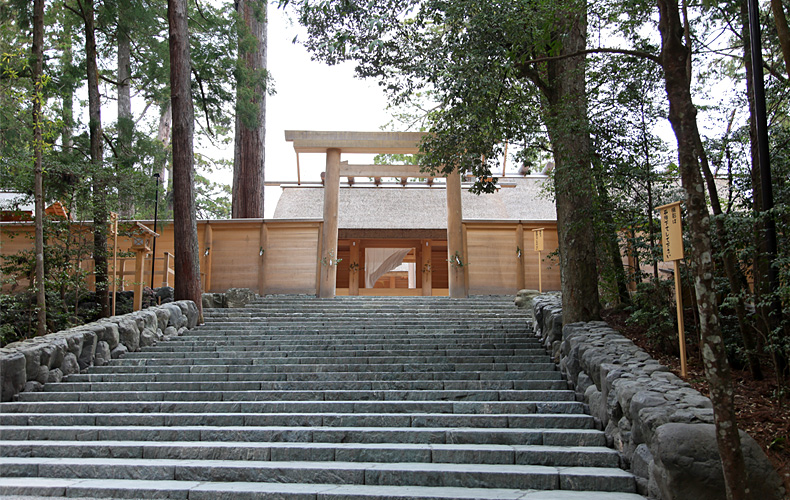
No trip to Mie should miss Ise Grand Shrine. Its two main shrines stand apart: the Naiku, or Inner Shrine, for Amaterasu, and the Geku, or Outer Shrine, for Toyouke. Visiting both is called Oise-mairi, and the traditional order is the Geku first. Pilgrims have come since the Edo period, and warlords such as Oda Nobunaga and Toyotomi Hideyoshi are said to have worshipped here. Look for the power tree and the Fumanu-ishi, a stone you must not step on.
Okage Yokocho Ise
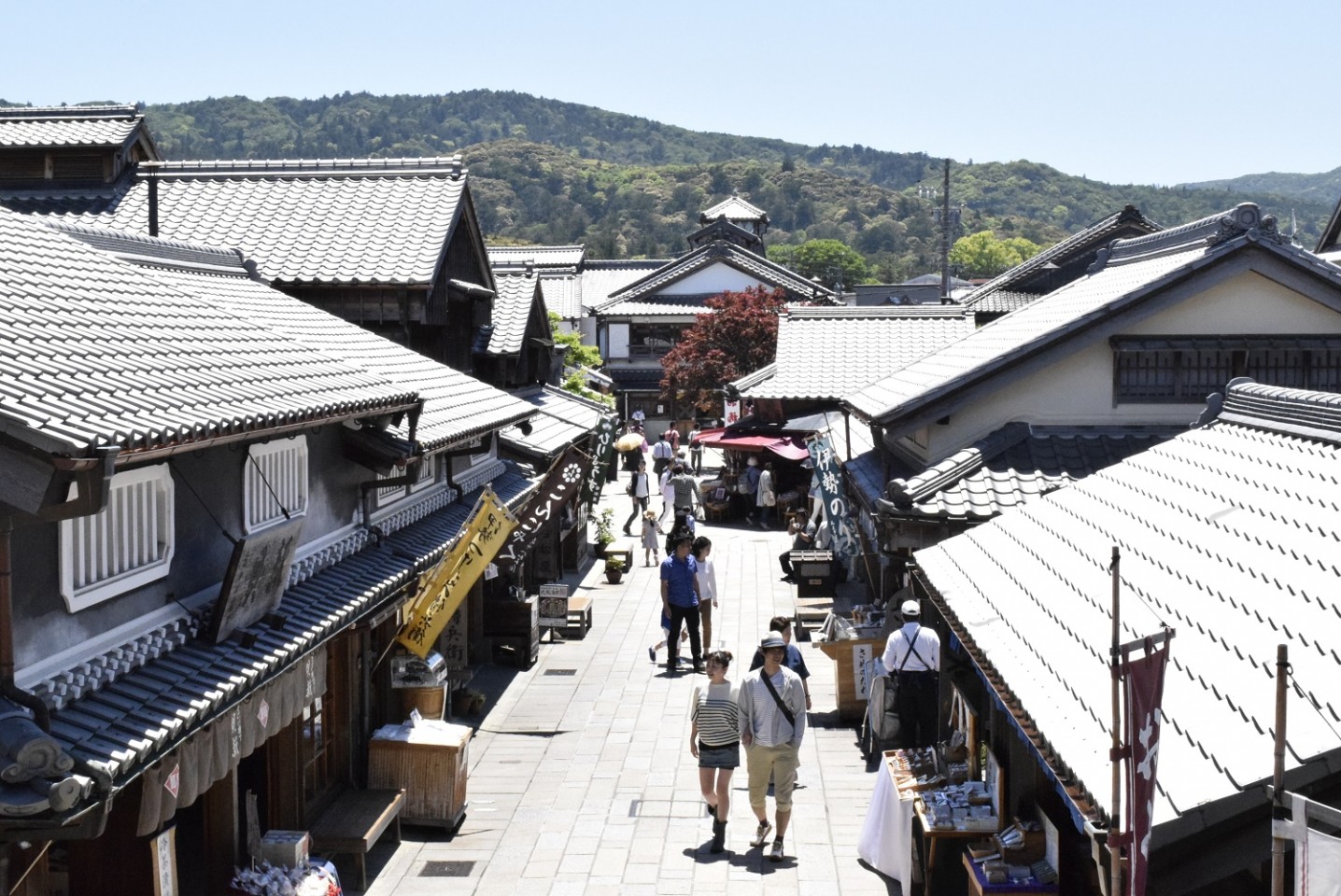
On the approach to the shrine, Okage Yokocho is a charming old-style street packed with small shops. It is a favorite for souvenirs and for snacking as you walk. Try Ise udon, tekone-zushi, rice with grated yam and Akafuku mochi. Shops also sell accessories and cute small goods, and workshops let you try old-fashioned toys or paint your own maneki-neko lucky cat.
Meoto Iwa (Wedded Rocks) Futami, Ise
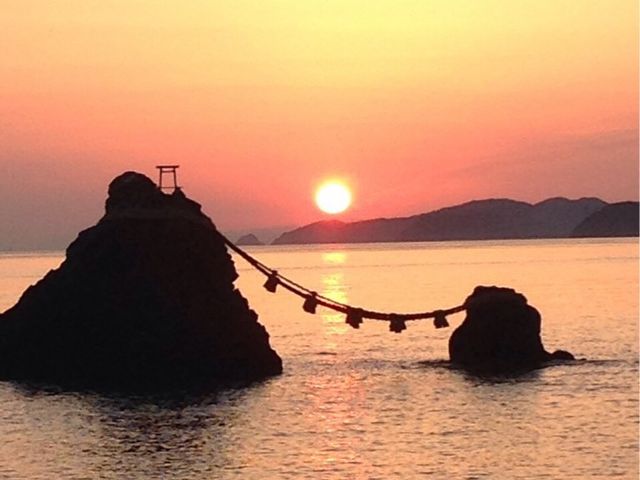
These two rocks in the sea stand close together like a married couple. The larger male rock and smaller female rock are joined by a thick rope, and they are a symbol of a happy marriage and of finding a partner. The sun or a full moon can rise between the rocks, drawing many photographers, but this depends on the season. From November to January the sun does not rise between them, so check before you go.
Sarutahiko Shrine Ise
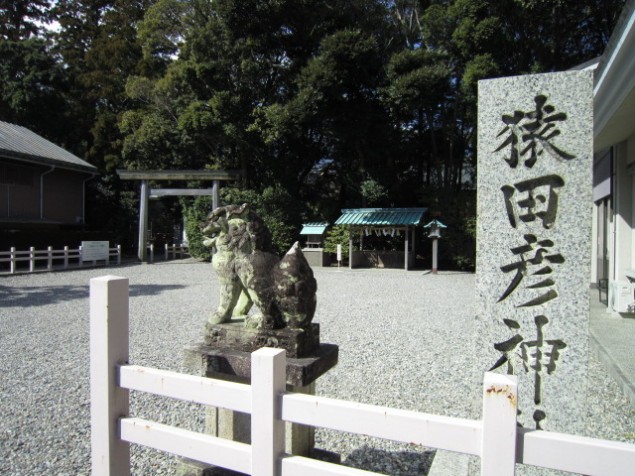
Many people visit this shrine together with Ise Grand Shrine. It enshrines Sarutahiko and his descendants, and people pray here for prosperity in business and for traffic safety. Sarutahiko is a god who appears in the Kojiki and Nihon Shoki, described as tall, with a long nose and a fearsome face. The shrine is not as busy as Ise Grand Shrine and is loved as a quiet, calm sacred place.
Itsukinomiya Historical Experience Hall Meiwa
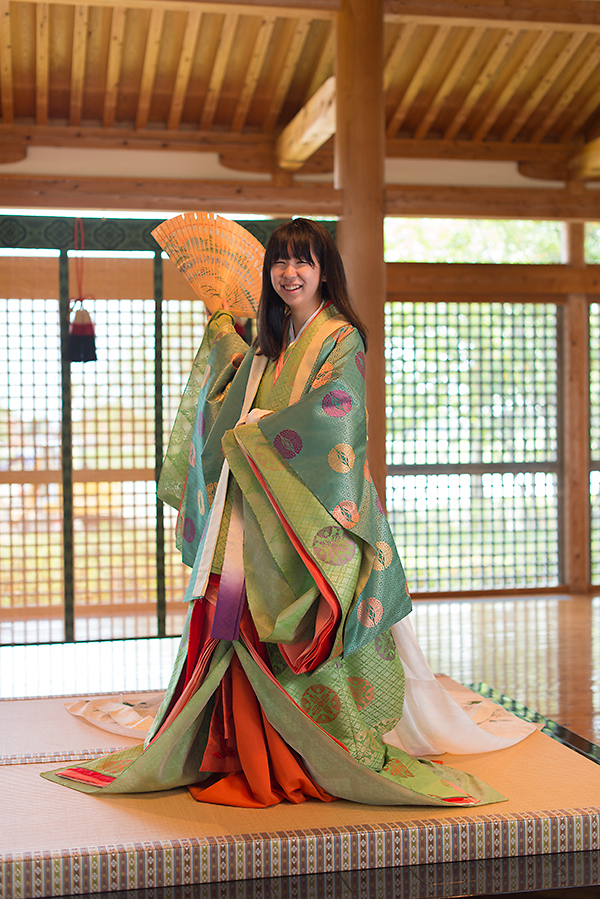
At this hall you can experience the Heian period. Exhibits and games show how people lived at the time, and the most popular activity is trying on the clothing of Heian nobles, including the colorful layered junihitoe robes, something few people ever get to wear. It is about 30 minutes by car from Ise Grand Shrine.
Aquariums, theme parks and shopping
Toba Aquarium Toba
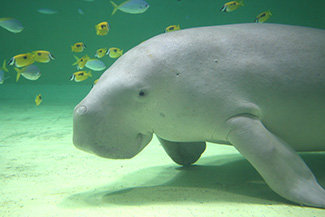
Toba Aquarium keeps more species than any other aquarium in Japan, about 1,200, so come when you have plenty of time. There is no set route, which lets you wander freely, but it is easy to run out of time. Dolphin, sea lion and walrus shows are held too, so check the times and places. Do not miss the dugong, the only one kept in Japan.
Ise Sea Paradise Futami, Ise
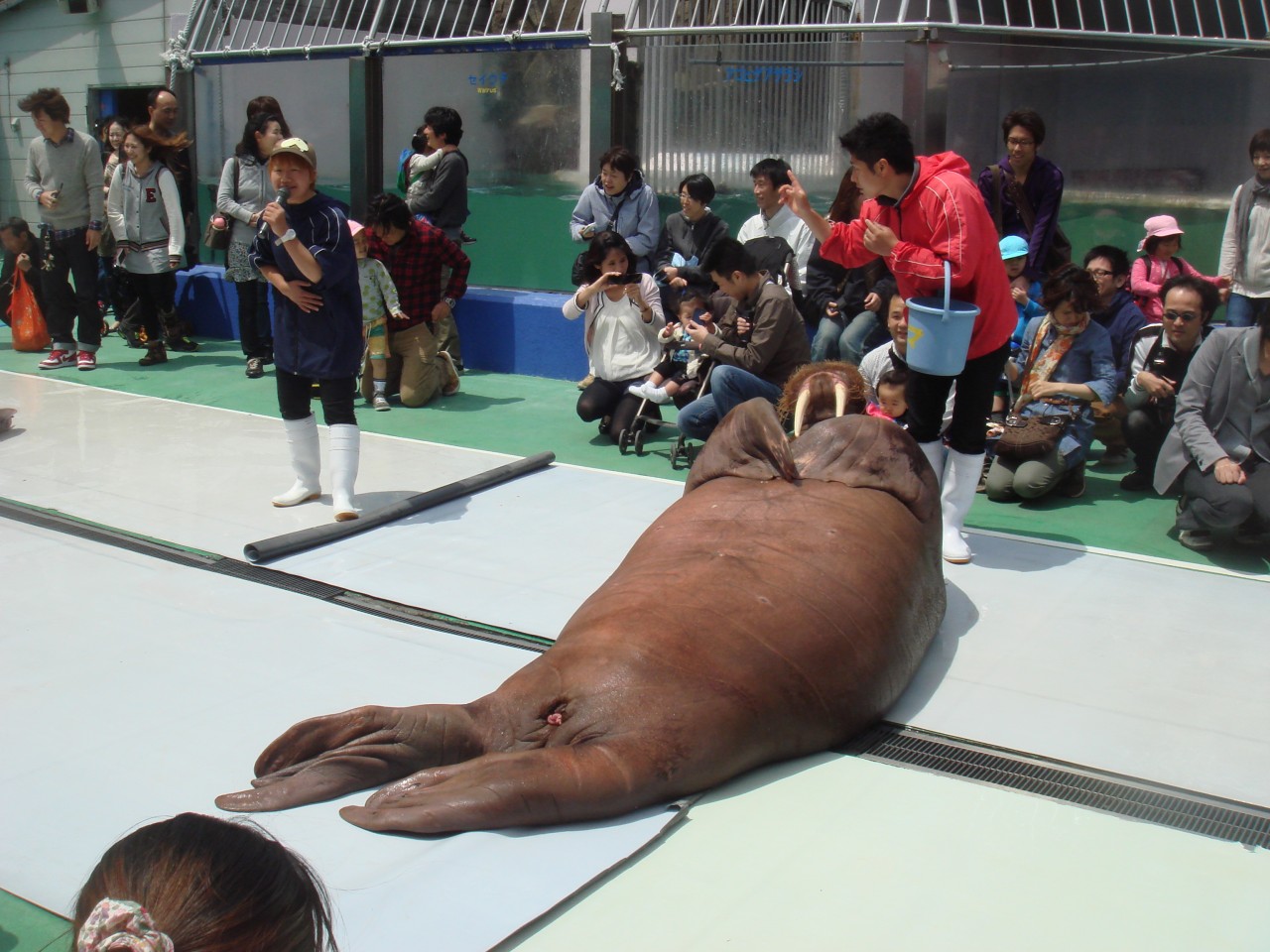
If you worry that small children will get bored at the shrines, this is a place the whole family can enjoy. Its charm is how close you can get to the animals. During the walrus walk you can touch a walrus's body, tusks and whiskers and take a photo together. Shaking hands with clawless otters through a hole in a clear wall is another favorite, and it is safe for children.
Shima Spain Village (Parque Espana) Shima
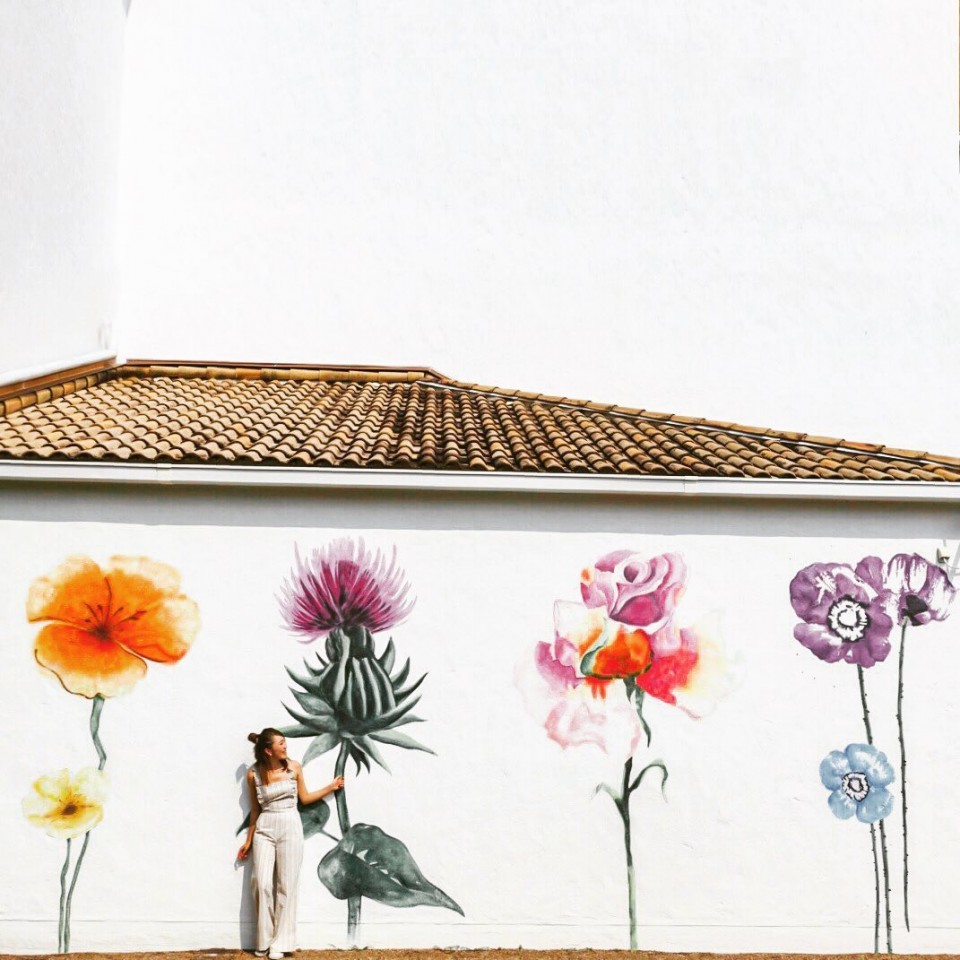
This theme park lets you feel like you are in Spain, with grounds that look like a real Spanish town and plenty of photo spots. Besides thrill rides and rides for children, there are shows such as flamenco and events you can join, so you can spend the whole day. The restaurants serve authentic Spanish food. It suits families, couples and groups of friends alike.
Suzuka Circuit Suzuka
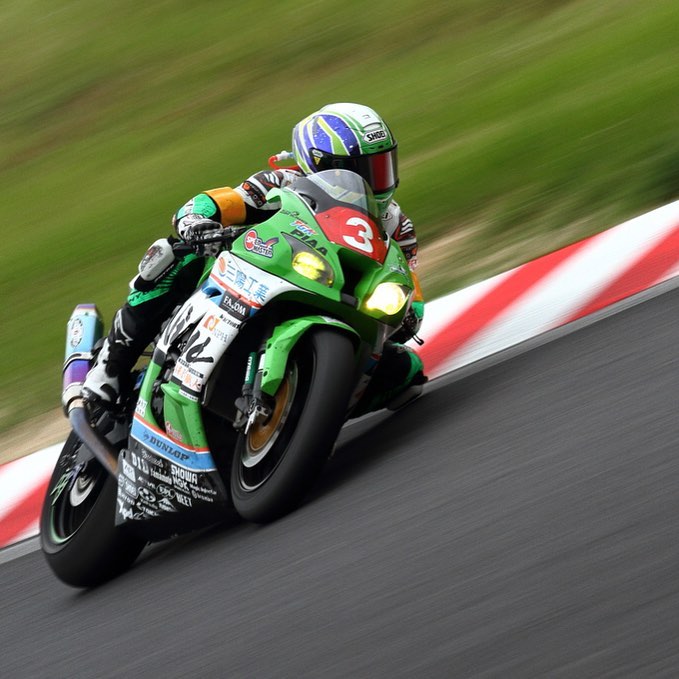
Suzuka Circuit is a leisure park built around rides, where you can also watch races. On days without races, you can drive a go-kart on part of the course. There are many kinds of rides, including some small children can ride alone, and many are set up as missions to clear, so kids want to go again and again. Adults and children can enjoy it together.
Nagashima Spa Land Nagashima, Kuwana
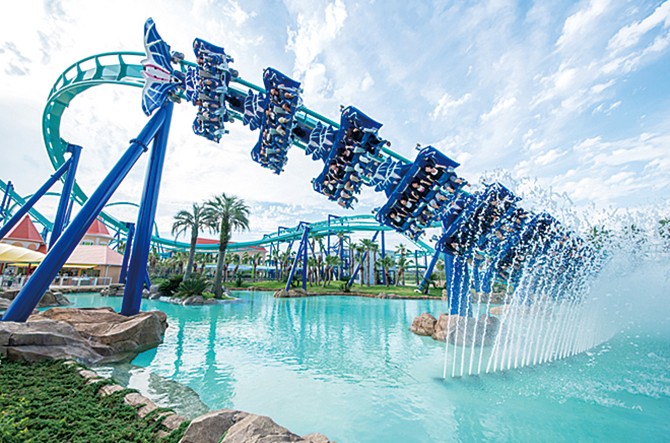
Nagashima Spa Land is famous for thrill rides, so much so that fans speak of Fuji-Q in the east and Nagashima in the west. It is known for its many roller coasters, but there are gentle rides for small children too. At night the park is lit up, and in summer you can also enjoy the pools.
Nabana no Sato Nagashima, Kuwana
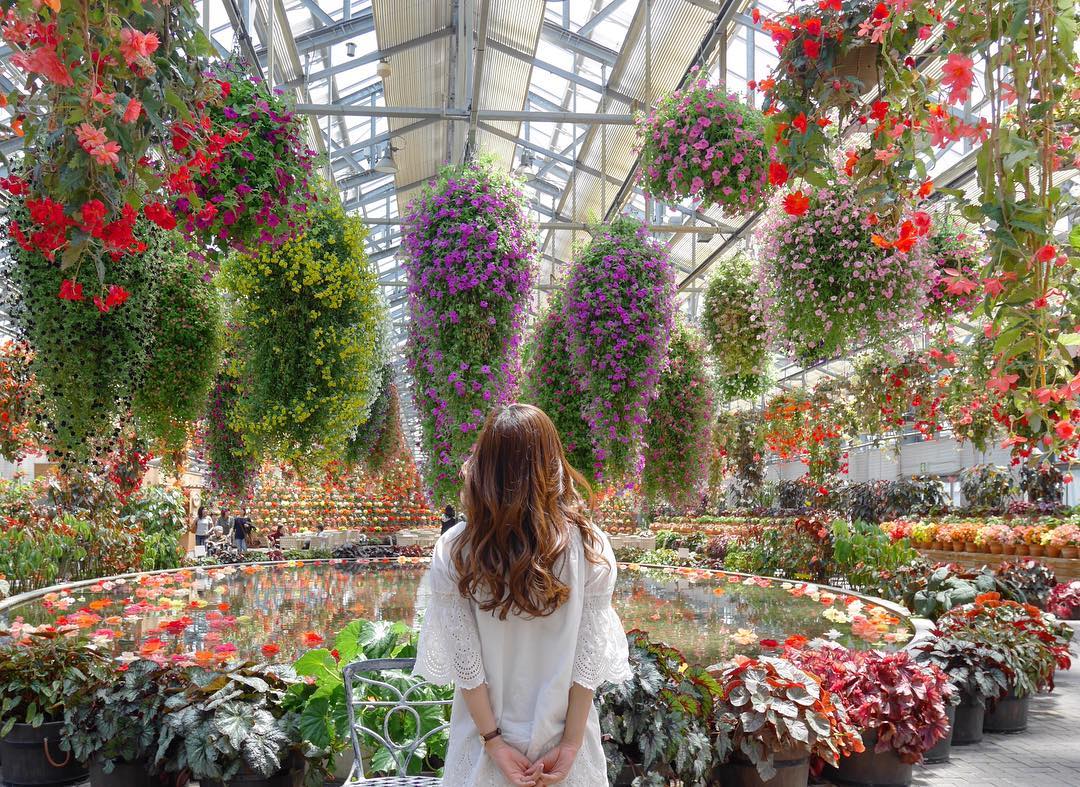
If you visit Mie in winter, do not miss the illumination at Nabana no Sato, one of the largest in Japan. It runs from autumn to spring with a new theme every year, along with autumn leaves lit up in autumn and cherry blossoms lit up in spring. The best-known sight is a 200-meter tunnel of light made with petal-shaped LEDs that wrap you in gold. Winter nights are cold, so dress warmly.
Mitsui Outlet Park Jazz Dream Nagashima Nagashima, Kuwana
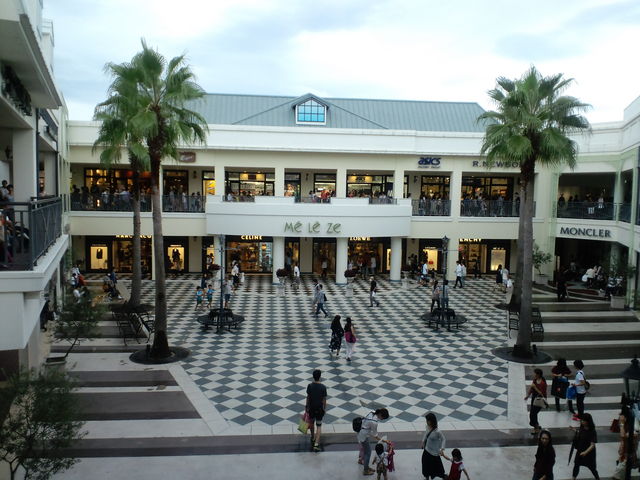
One of the largest outlet malls in the Tokai region, with many specialty shops in colorful buildings inspired by jazz and carnivals. Because Nabana no Sato and Nagashima Spa Land are nearby, it tends to get crowded from late afternoon into the evening, so come in the morning to shop at a relaxed pace. Some areas welcome pets, and there are pet-friendly places to eat.
Mountains, coast and nature
Kumano Kodo Iseji route
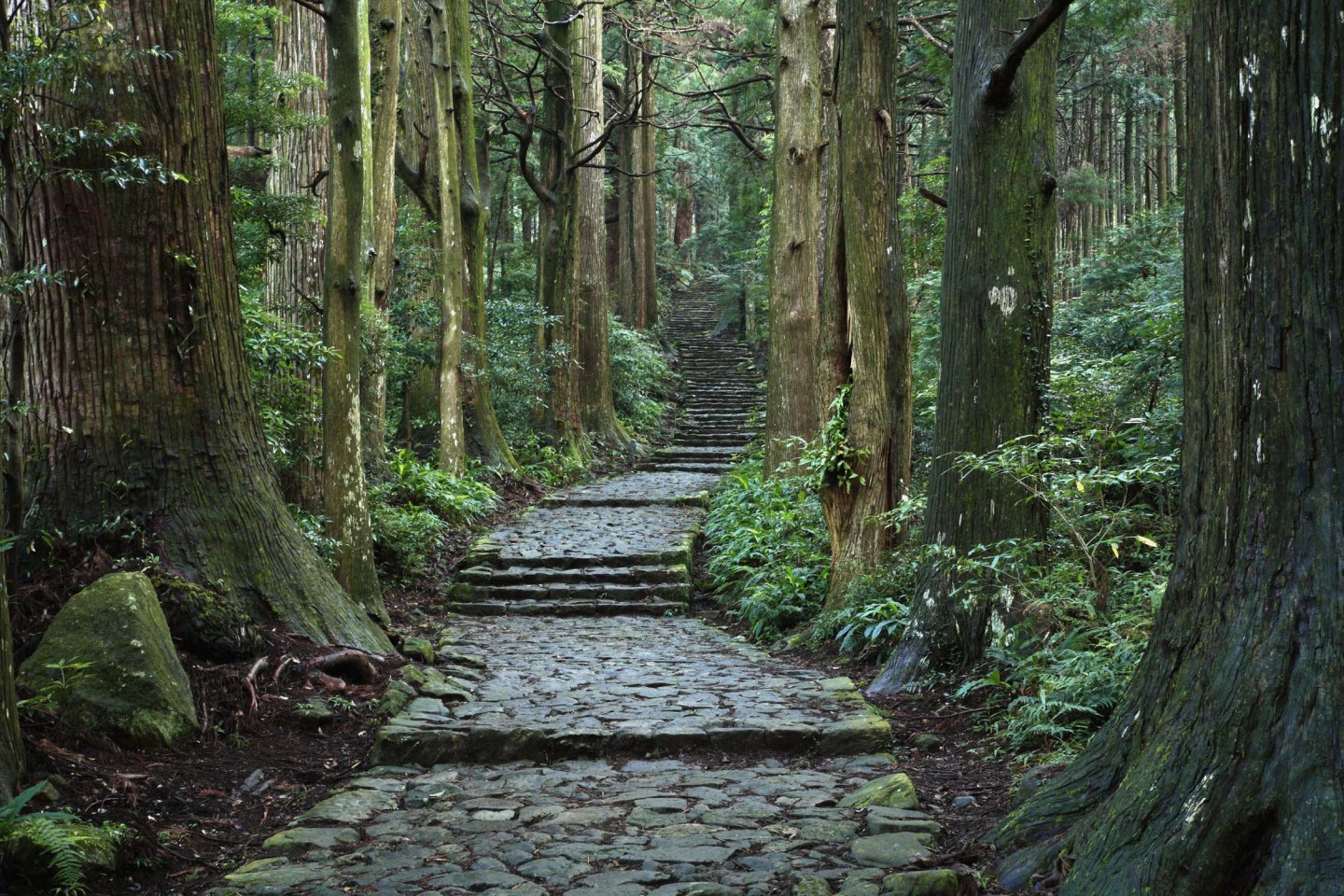
The Kumano Kodo, a World Heritage pilgrimage route, spans Wakayama, Mie and Nara, and its Iseji route links Ise Grand Shrine with the three Kumano shrines. Magose Pass, about 90 minutes by car from Iseshi Station, is a good taste of it: a stone-paved climb of about two and a half hours past sites such as the Yonaki Jizo. Trails continue to Mount Tengura and Mount Binseki, and Magose Park below is known for spring cherry blossoms. The walk is demanding, so judge your fitness first.
Mount Gozaisho Komono
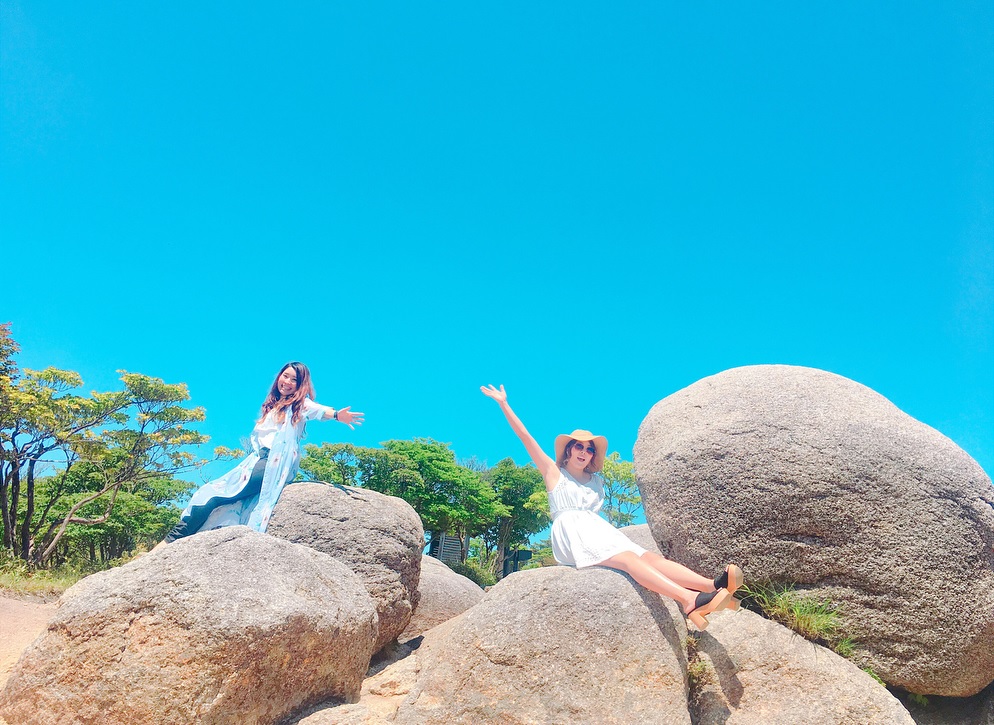
The summit of Mount Gozaisho is a wide grassland with a park and observation decks and superb views. There are proper hiking trails, but you can also ride up by ropeway and chairlift. The single-seat lift and the ropeway with a partly see-through floor are thrilling, and the views on the way up are wonderful too. Many trees turn red and yellow, making autumn especially beautiful. On the trails you can find plants you will not see from the lifts.
Yokoyama Observatory Shima
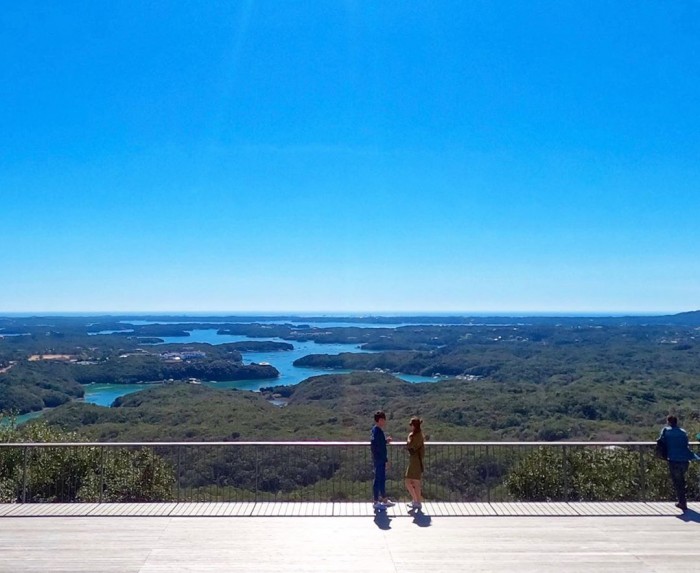
This stylish observatory looks out over deep blue sea dotted with small green islands. Its cafe terrace is built of hinoki cypress and blends into the landscape. Climb the terrace to the cafe Mirador Shima, where you can relax over a drink while you take in the view. The menu uses ingredients from Ise-Shima.
Shichiri Mihama
For a view of open blue sea, come to Shichiri Mihama, where a long, gently curving shore faces the Pacific. The white beach is actually made of small pebbles, so watch your step, and swimming is not allowed. Depending on the season, you may see huge carp streamers on display or fireworks from the Kumano fireworks festival. On a clear day, the blue of the sky and sea is wonderfully calming.
Akame 48 Waterfalls Nabari
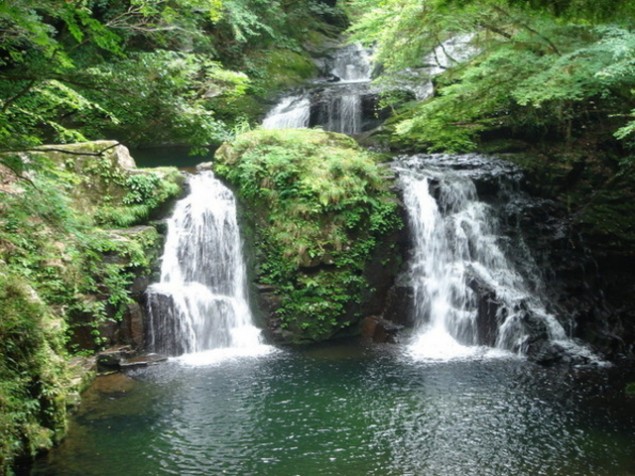
This series of waterfalls is a fine place for a hike through the seasons, and it also has a ninja side. Iga in Mie has long been called the birthplace of the ninja. Legend says a ninja training at these falls met the deity Fudo Myoo riding a red-eyed cow, which gave the falls the name Akame, or red eye. At Akame 48 Waterfalls Ninja no Kuni you can try 90-minute ninja training that children enjoy too.
Suzuka Forest Garden Suzuka
This garden is a research farm for passing on the skills of growing plum trees, so it is not usually open. Only during the plum blossom season are its carefully tended weeping plum trees shown to the public. More than 200 trees bloom, mainly a deep pink variety called Kurehashidare, along with white and pale pink ones, a lovely sign that spring is coming.
Aqua Ignis Kataoka Onsen
After a busy trip, relax at Aqua Ignis Kataoka Onsen, a complex built around healing and food. You can stay overnight or come for a day bath. The hot spring flows straight from the source and is known as a beauty bath. The lodging, designed around an organic concept, is set a little apart from the baths. The food is a highlight too, with sweets, stone-oven bread, Italian and Japanese cuisine.
Tips for your trip
At Ise Grand Shrine, the traditional order is to visit the Geku, the Outer Shrine, before the Naiku. Okage Yokocho is on the approach to the Naiku, so plan to eat or shop there after your visit.
Nagashima Spa Land, Nabana no Sato and Jazz Dream Nagashima are close together and easy to combine. The outlet gets busy toward evening, so shop in the morning and save Nabana no Sato for after dark.
If you hope to photograph the sunrise between the Wedded Rocks, check the season first. From November to January the sun does not rise between them.
The places on a map
Hours, prices and events change. Check each place's official website before you go.
More travel guides
 Tokyo Sightseeing by Area: 40 Classic Sights and Lesser-Known Spots from Asakusa to Odaiba40 placesTokyo has much more to see than Skytree, Tokyo Tower and Asakusa. This guide works through six of the city's main…
 Nagoya: 40 Best Places to Visit, from Nagoya Castle and Atsuta Jingu to Osu40 placesNagoya is one of Japan's biggest cities, yet many visitors don't know how much it has to see. Alongside its famous…
 Chichibu: 40 Best Places to Visit, from Nagatoro River Boats and Mitsumine Shrine to Moss Phlox and Icicles40 placesChichibu, the largest city in Saitama Prefecture, is about 90 minutes from central Tokyo. Most of the area is national…
 Niigata Prefecture: 40 Best Places to Visit, from Classic Sights to Hidden Gems40 placesNiigata Prefecture stretches a long way from north to south, and each area has its own scenery, climate and food. The…
 Nagasaki Prefecture: 40 Best Places to Visit, from Unzen Hot Springs to Hirado and Nagasaki City40 placesNagasaki grew up as a port open to the outside world, and the culture of those days still shapes its streets, churches…
 Fukuoka Prefecture: 40 Places to Visit in Kitakyushu, Chikuho and Around Fukuoka City40 placesFukuoka Prefecture is roughly divided into four areas, Kitakyushu, Chikuho, Fukuoka and Chikugo, and each has its own…