
Okinawa: 17 Classic Places to Visit, from Churaumi Aquarium and Shuri Castle to Ishigaki and Taketomi
17 places · Japanese version
Most people picture clear blue sea and Kokusai Street when they think of Okinawa, but there is much more to see. These 17 classic sights are grouped by area: the north of the main island, the central area, the south around Naha, Ishigaki Island and the outer islands. Together they cover aquariums and theme parks, gardens and markets, sacred sites and war memorials, beaches, caves and island villages.
Northern Okinawa
Okinawa Churaumi Aquarium Motobu
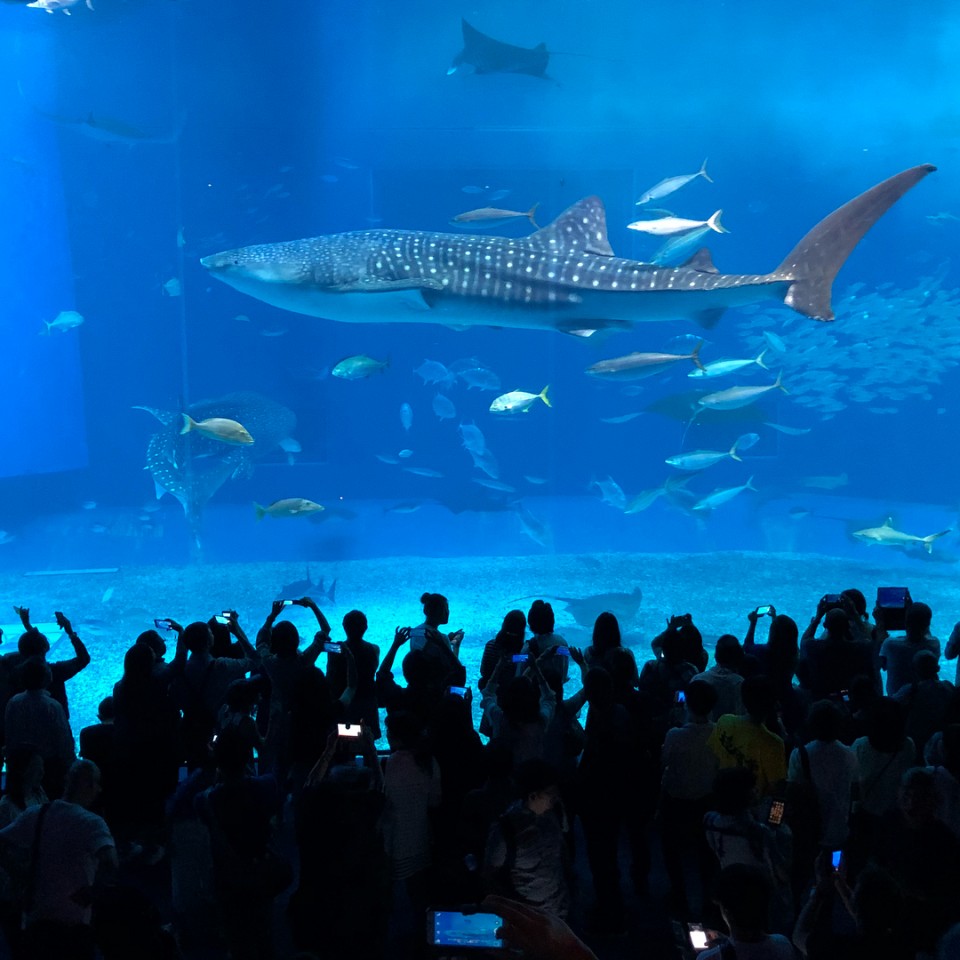
A good choice even on a rainy day, inside Ocean Expo Park on the Motobu Peninsula. Displays cover coral reefs, the deep sea and the Kuroshio Sea, one of the largest tanks in the world, where the stars are whale sharks and manta rays. The aquarium was the first in the world to keep whale sharks for a long time, and the whale shark is its mascot. In the park you can also watch the dolphin show at Okichan Theater.
Nago Pineapple Park Nago
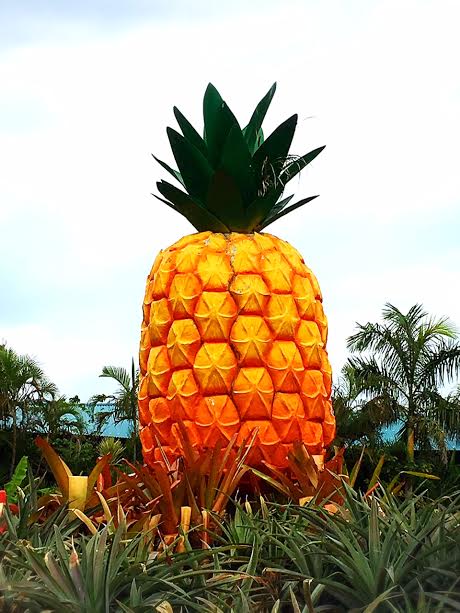
A theme park of pineapples and other subtropical plants in Nago, in the north of the main island. Walk among tropical plants such as ananas and giant tree ferns, and try pineapples and pineapple sweets. A classic is riding the Pineapple-go, a self-driving cart that tours the subtropical forest and pineapple fields with an audio guide. There are also souvenir shops and a restaurant.
Central Okinawa
Bios no Oka Uruma
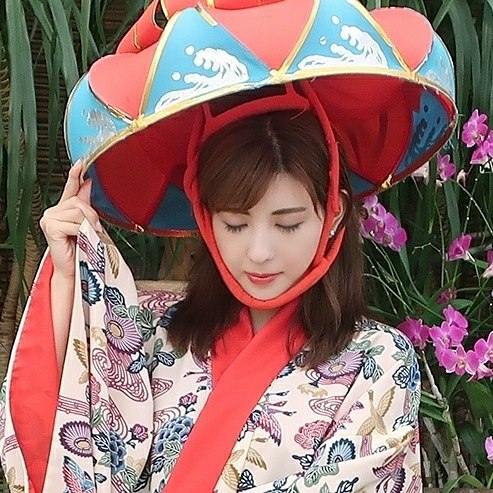
A botanical garden in Uruma with subtropical flowers, Okinawan orchids and ferns through the seasons. You can walk an island goat, meet mini pigs and chickens, paddle a canoe, and ride a water buffalo cart or a boat on the lake. There is also a play area, a place to make toys, a shop and a tea house, so it suits all ages.
Cape Zanpa Yomitan
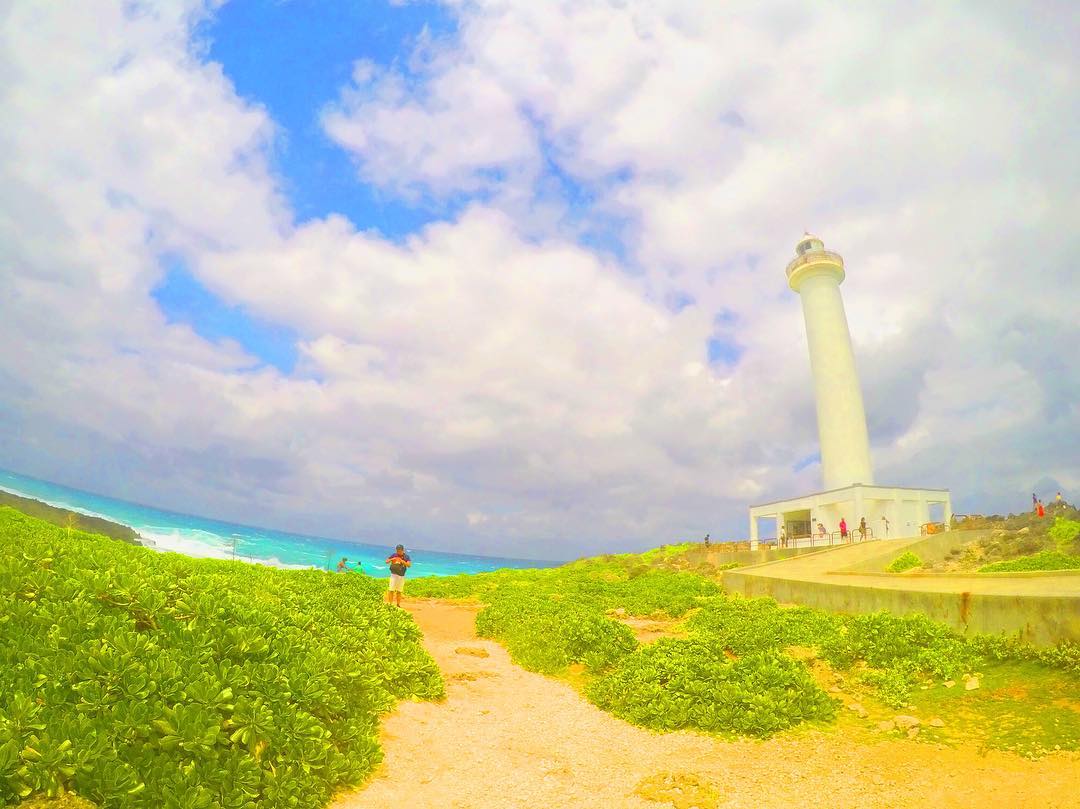
Known as the last place on the main island to see the sun set, this cape faces the East China Sea at the island's western tip. Cliffs about 30 m high run for about 2 km, part of Okinawa Kaigan Quasi-National Park. On the cliff stands the 31 m Zanpa Lighthouse, which you can climb for views as far as the Kerama Islands and Aguni Island. The area is also used for rock fishing and diving, and nearby there is a swimming beach and a park with barbecue space.
Ryukyu Mura Onna
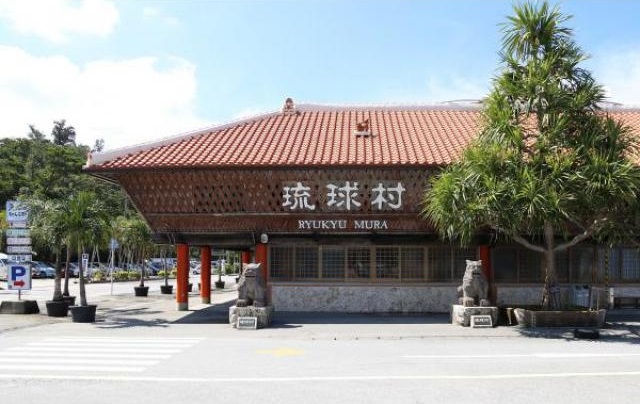
A theme park of Okinawan culture in Onna, near Cape Maeda. Old houses with red tile roofs line the paths, showing how Okinawan villages once looked. A parade combines folk songs, Ryukyu performing arts and Eisa dancing, and at the finale the audience joins the kachashi dance with the performers. You can also try pottery painting, sanshin lessons and traditional Ryukyu costumes.
Naha and southern Okinawa
Shuri Castle Naha
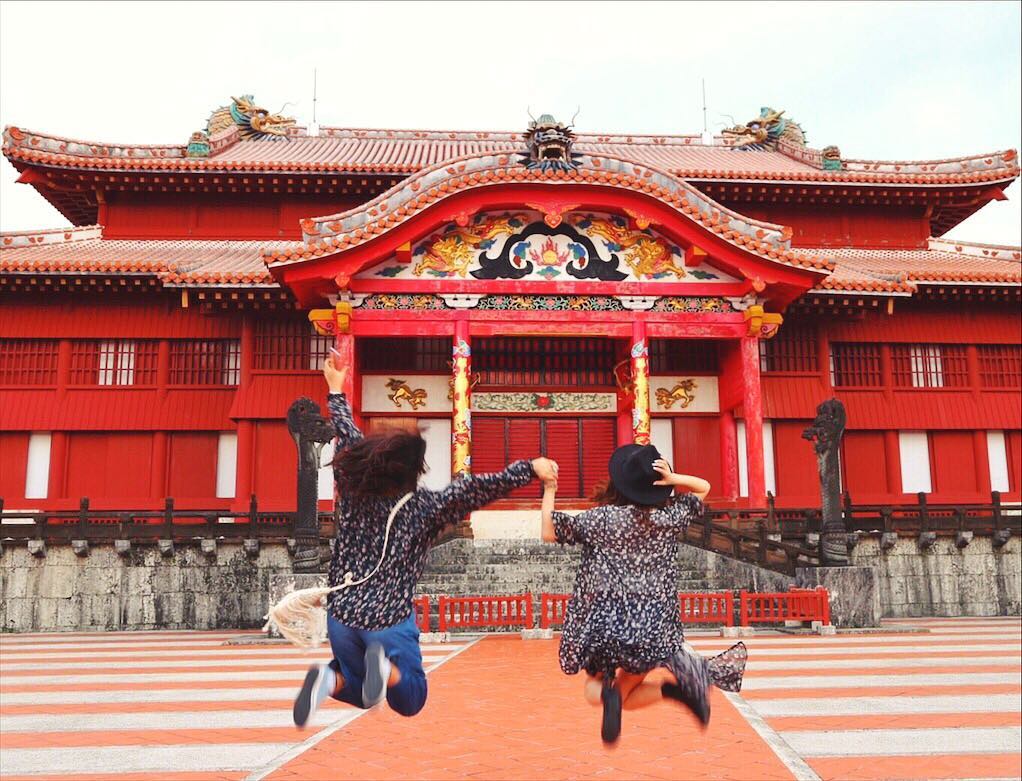
A gusuku castle site in Shuri, Naha, said to have been the largest castle in Okinawa in the days of the Ryukyu Kingdom. After Sho Hashi united the three kingdoms of Nanzan, Chuzan and Hokuzan and founded the kingdom, it became the royal residence. Its architecture blends Chinese and Japanese castle styles. The first thing you meet is Shureimon, the entrance gate, and several more gates lead to the heart of the castle around the Una, a courtyard with red stripes where retainers gathered and envoys from China were received.
Daiichi Makishi Public Market Naha
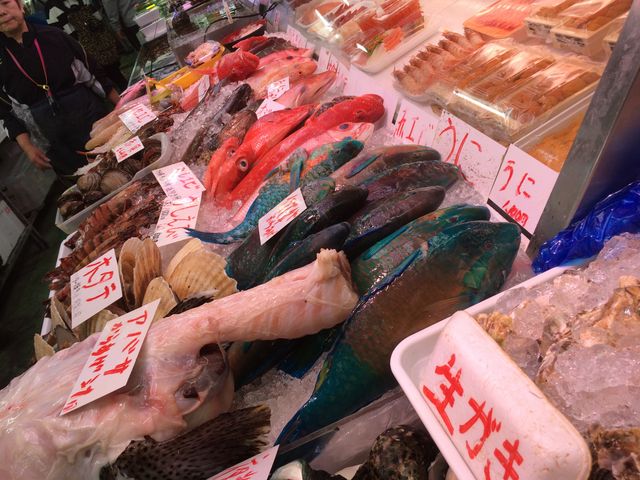
Known as the kitchen of Naha, this market next to Kokusai Street first opened in 1951, just after World War II. Stalls sell brightly colored fish, pigs' feet, goya, shima rakkyo, loofah and other Okinawan foods, and the voices of sellers and shoppers make it feel like a festival. Besides souvenir hunting, a classic is eating upstairs, where restaurants serve Okinawa soba, fried gurukun fish and yushi tofu.
Fukushuen Garden Naha
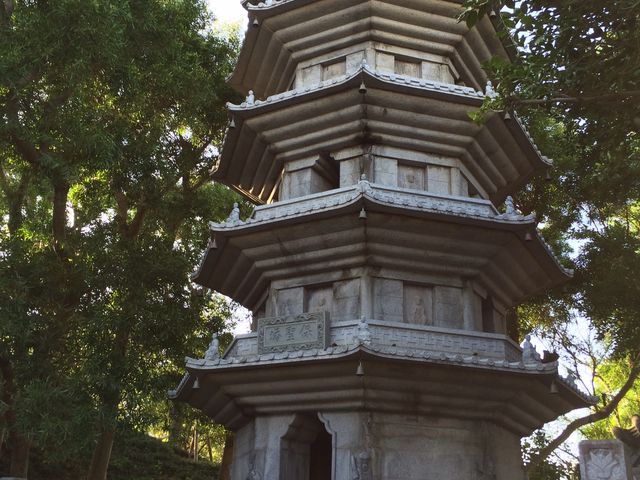
A Chinese garden in Kume, Naha, built to mark the friendship between Naha and the Chinese city of Fuzhou. Craftsmen from Fuzhou designed and built it, and its 8,500 square meters recreate famous Fuzhou scenes with hills, pagodas and a stream. Each seasonal area has an artificial waterfall you can walk behind, and a few plum trees, rare in Okinawa, bloom in early spring.
Ryukyu Glass Village Itoman
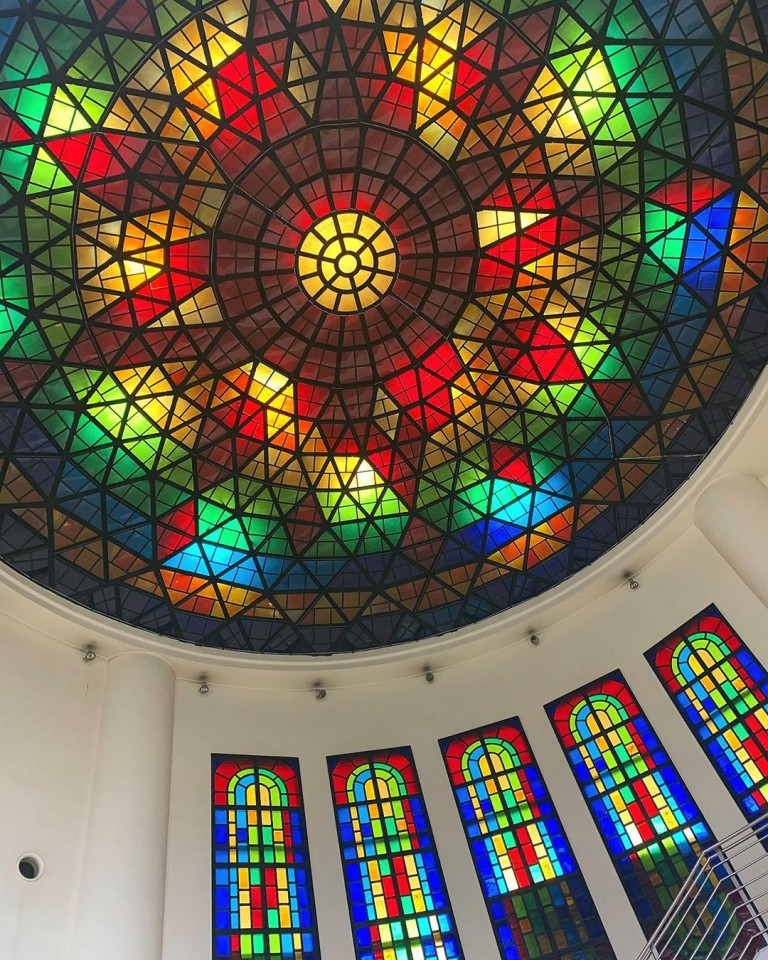
The largest handmade glass workshop in Okinawa, in Itoman. Even the outside walls are covered in colorful Ryukyu glass tiles. In the workshop you can watch certified craftsmen work at a furnace heated to 1,300 degrees C and see every step of making Ryukyu glass, and you can try making a glass yourself. The shop sells one of the widest selections of Ryukyu glass in Okinawa, including items you can only buy here.
Sefa-utaki Nanjo
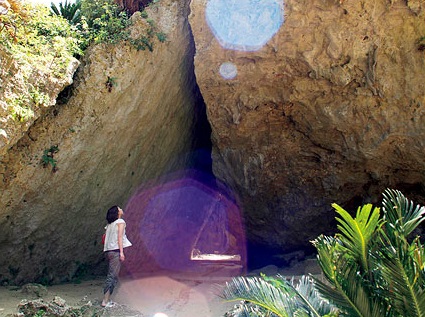
Known as the most sacred site of the Ryukyu Kingdom, in Nanjo, and registered as a UNESCO World Heritage site in 2000 as part of the Gusuku Sites and Related Properties of the Kingdom of Ryukyu. It is surrounded by forest with rare plants, and the quiet green space draws many visitors as a power spot. Inside are six prayer sites called ibi, three of which share their names with rooms in Shuri Castle, a sign of the close ties between the two.
Kokusai-dori Yatai Mura Naha
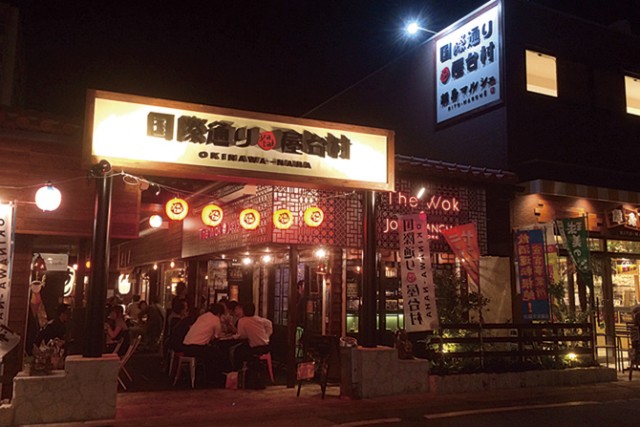
A food village of small stalls about 30 m from Kokusai Street and about 4 minutes on foot from Makishi Station on the Yui Rail. Stalls serve Okinawan food as well as sushi, teppanyaki, tempura and kushiage, and some stay open past 11 pm. A stage hosts island songs and local dances from the main island and the outer islands, so check the event schedule before you go.
Himeyuri Monument Itoman
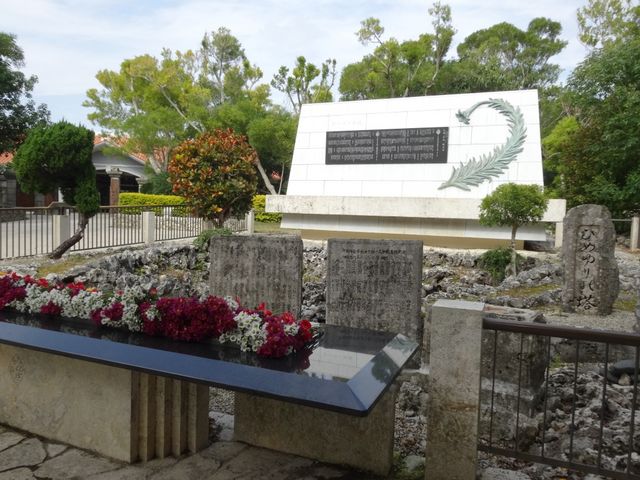
A memorial built in 1946 for the Himeyuri Student Corps, schoolgirls and teachers sent to the battlefield as nursing staff in the Battle of Okinawa. It stands as a symbol of how harsh the battle was, in which about 150,000 Okinawans, a quarter of the population, died. Next to it, the Himeyuri Peace Museum shows records and films of that time and is a place to learn about peace.
Senagajima Island Tomigusuku
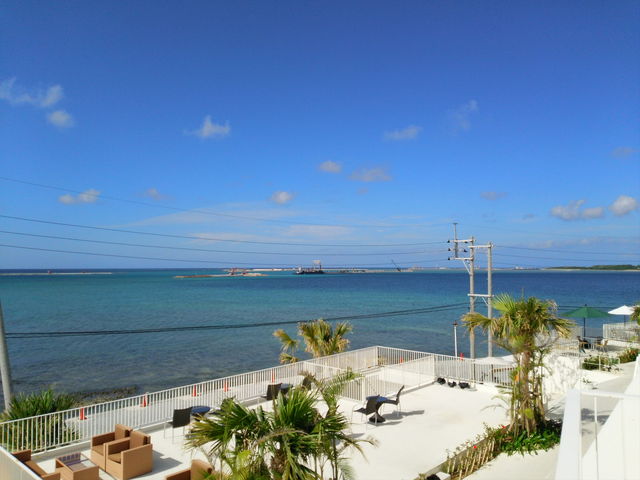
A small island close to Naha Airport, linked to the main island by a road over the sea, so you can go right after you land. The most popular spot is Umikaji Terrace, a resort-style shopping and dining area of white buildings and palm trees. Ryukyu Onsen Ryujin no Yu in the Senagajima Hotel has an open-air bath facing the sea, an aroma sauna and lie-down baths.
Ishigaki Island
Kabira Bay Ishigaki
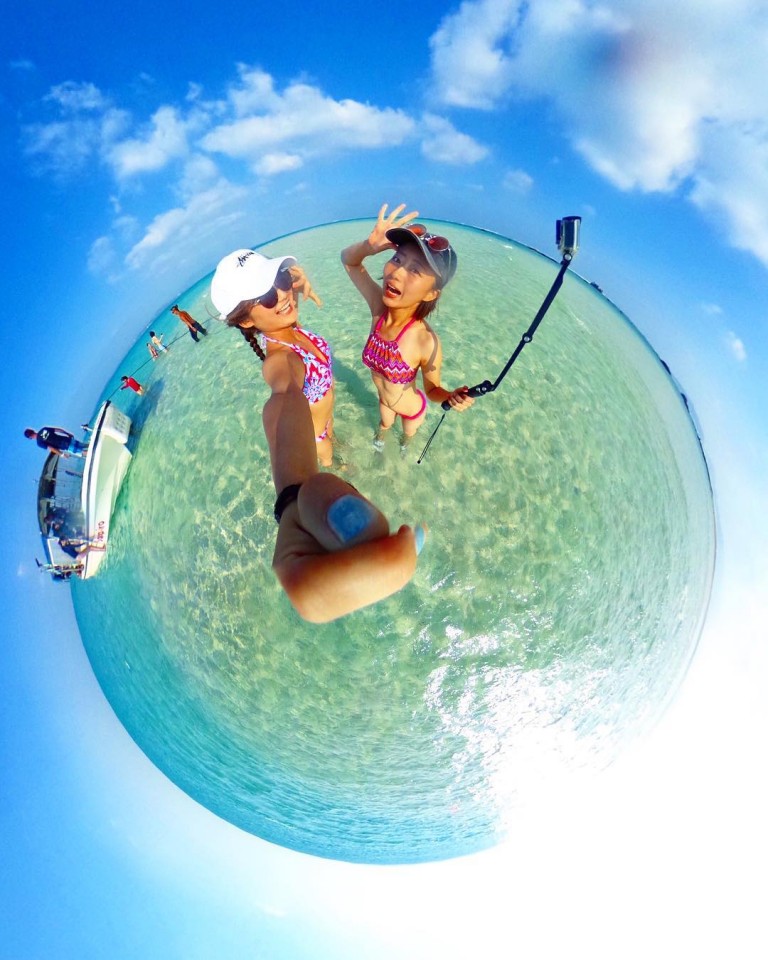
Ishigaki's best-known view, with beautiful emerald-green water that changes color with the light and the tide. It is a national Place of Scenic Beauty and is said to look even better from a little way off; nearby Kabira Park gives a view over the whole bay. Strong currents mean swimming is not allowed, but glass-bottom boats take you out to see coral and tropical fish.
Ishigaki Island Limestone Cave Ishigaki
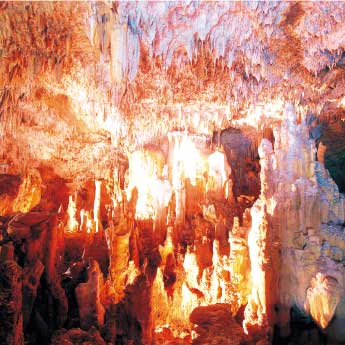
The largest limestone cave on Ishigaki, formed over some 200,000 years from coral reef lifted up from the sea floor. The cave is about 3.2 km long, and about 660 m of it is open to walk. In the great hall known as the Forest of the Gods' Sculptures, 40 m long and 6 m high, you see a huge stone pillar 10 m around and countless stalagmites. Formations that look like popular characters and the illuminations inside the cave are also popular.
Outer islands
Taketomi Island Taketomi
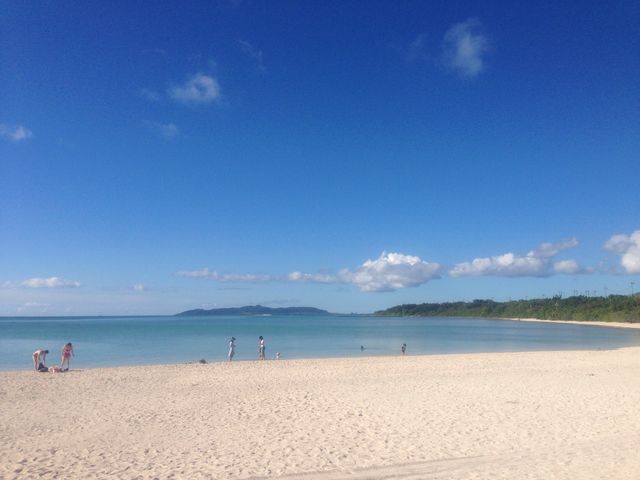
An island of the Yaeyama group about 10 minutes by ferry from Ishigaki. Red-tiled Okinawan houses sit among rich nature, and just looking at the beaches is relaxing. The favorite way to see the island is a water buffalo cart, a slow ride of about 30 minutes behind buffalo whose ancestors came from Taiwan in the early Showa era to work the fields. Other classics are the Nagomi Tower, a registered tangible cultural property, and Kondoi Beach in Iriomote-Ishigaki National Park.
Sesoko Beach Motobu

Sesoko Island lies west of the Motobu Peninsula and is reached from the main island over the 762 m Sesoko Bridge. Its most popular spot is Sesoko Beach, about 800 m long on the west side of the island, with white sand and very clear water for swimming and snorkeling among tropical fish on the rocks. The emerald sea is lovely by day, and at sunset Ie Island glows across the water. Anchi Beach, right under the bridge on the Sesoko side, is just as beautiful.
The places on a map
Hours, prices and events change. Check each place's official website before you go.
More travel guides
 Tokyo Sightseeing by Area: 40 Classic Sights and Lesser-Known Spots from Asakusa to Odaiba40 placesTokyo has much more to see than Skytree, Tokyo Tower and Asakusa. This guide works through six of the city's main…
 Nagoya: 40 Best Places to Visit, from Nagoya Castle and Atsuta Jingu to Osu40 placesNagoya is one of Japan's biggest cities, yet many visitors don't know how much it has to see. Alongside its famous…
 Chichibu: 40 Best Places to Visit, from Nagatoro River Boats and Mitsumine Shrine to Moss Phlox and Icicles40 placesChichibu, the largest city in Saitama Prefecture, is about 90 minutes from central Tokyo. Most of the area is national…
 Niigata Prefecture: 40 Best Places to Visit, from Classic Sights to Hidden Gems40 placesNiigata Prefecture stretches a long way from north to south, and each area has its own scenery, climate and food. The…
 Nagasaki Prefecture: 40 Best Places to Visit, from Unzen Hot Springs to Hirado and Nagasaki City40 placesNagasaki grew up as a port open to the outside world, and the culture of those days still shapes its streets, churches…
 Fukuoka Prefecture: 40 Places to Visit in Kitakyushu, Chikuho and Around Fukuoka City40 placesFukuoka Prefecture is roughly divided into four areas, Kitakyushu, Chikuho, Fukuoka and Chikugo, and each has its own…