
Shiga Prefecture: 16 Best Places to Visit, from Lake Biwa and Hikone Castle to Old Temples and Island Shrines
16 places · Japanese version
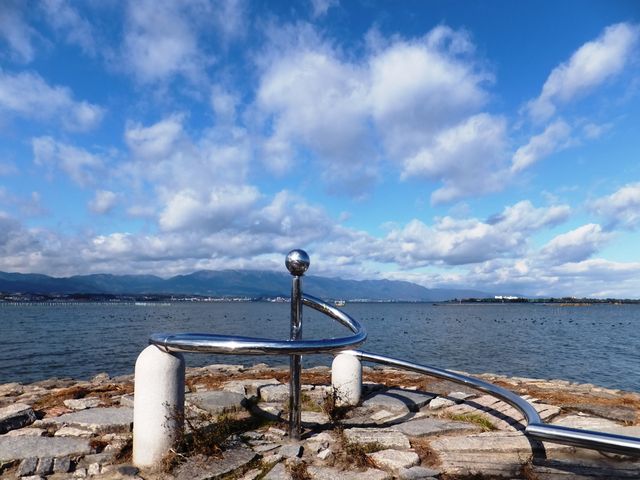
Shiga Prefecture is rich in nature, with Lake Biwa at its center, and it also has a great many temples and shrines, so you can enjoy it in any season. Here are 16 classic sights, grouped by area: the lake itself and the mountain above it, the old merchant town of Omihachiman, Hikone, the temples and shrines of Otsu, the quieter west and north shores around Takashima, and Nagahama with the island of Chikubu-shima.
Lake Biwa
Lake Biwa Shiga
Lake Biwa is the largest lake in Japan and the symbol of Shiga. Each season brings something new, and its fresh water makes for pleasant swimming in summer. Driving all the way around takes five to six hours, with beautiful scenery the whole way. The lake is known for its sunsets, every summer it hosts the biggest fireworks display in the prefecture, and high-rise hotels on the shore let you watch it from your room.
Biwako Valley Otsu
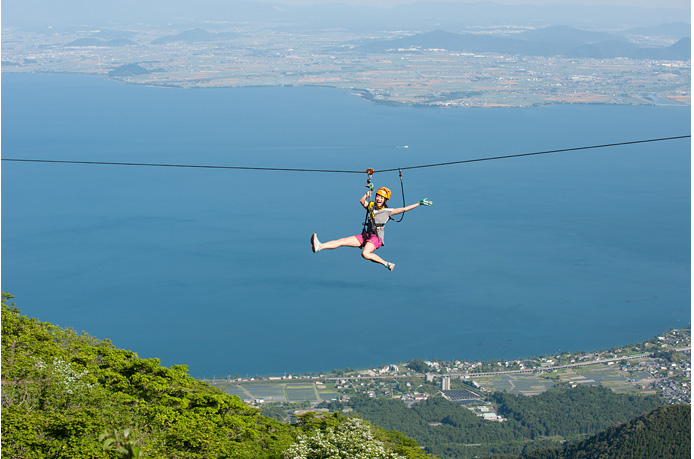
Biwako Valley is a resort at the top of Mount Horai, 1,100 meters high, in Otsu. A glass-walled ropeway carries you up with views all the way, and the wooden terrace at the top looks out over Lake Biwa, framed by colored leaves in autumn. There are athletic courses and hiking trails for all ages, and an indoor cafe serves its own coffee blend and curry bread. It is about 40 minutes by car from the Kyoto-Higashi interchange.
Omihachiman and Azuchi
Shinmachi-dori Street Omihachiman
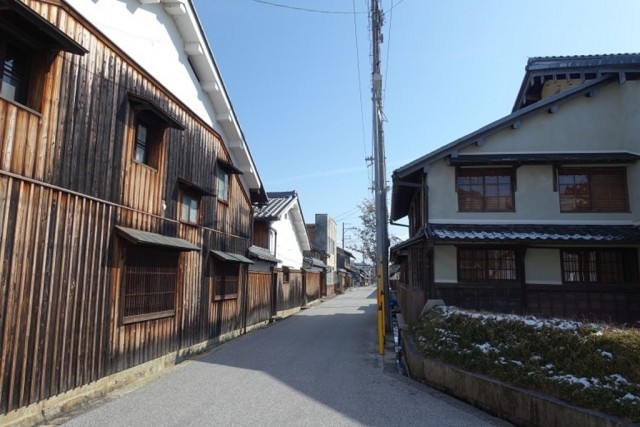
Omihachiman, on the east side of Lake Biwa, began as a castle town laid out by Toyotomi Hidetsugu, and Shinmachi-dori still keeps its neat grid of old streets. It is a national Preservation District for Groups of Traditional Buildings, and walking here feels like traveling back in time. Japanese-style cafes and lunch spots are dotted around town for a break.
Hachiman-bori Canal Omihachiman
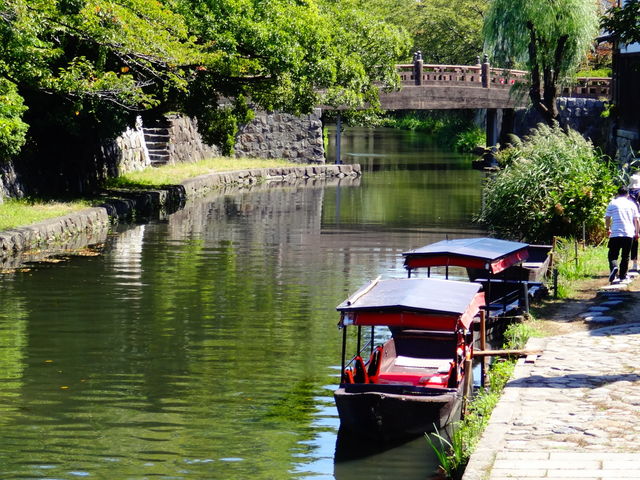
Hachiman-bori is a man-made waterway about 6 kilometers long. It often appears in films and TV dramas and draws many visitors every year. A ride on a roofed boat along the canals is a local specialty and a relaxing way to take in the old-town atmosphere.
Azuchi Castle Ruins Azuchi
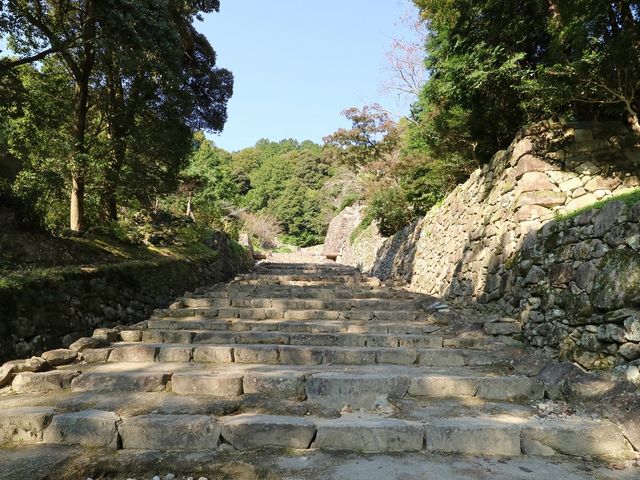
Azuchi Castle was the last castle of Oda Nobunaga. The keep and main enclosure burned down, but the stone walls and foundation stones remain as they were. The ruins sit on Mount Azuchi by Lake Biwa, about 200 meters above sea level, so the visit feels like a short hike, and the hill is a cherry blossom spot in spring. Nearby, the Nobunaga no Yakata museum displays a reconstruction of the top of the castle keep.
Hikone
Hikone Castle Hikone
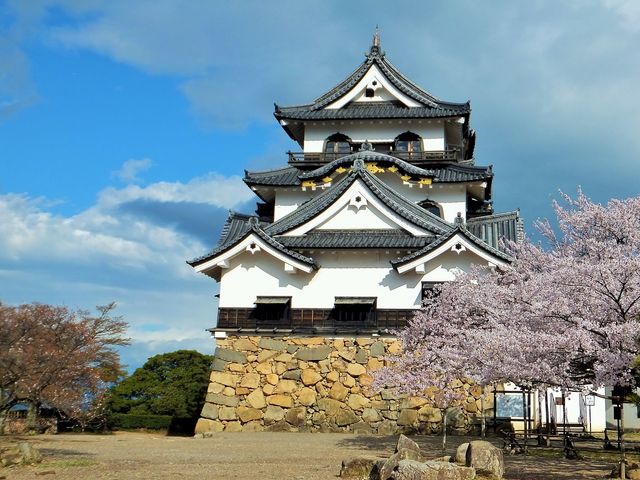
Hikone Castle on the east shore of Lake Biwa was the seat of the Ii family and is a National Treasure, like Himeji and Matsumoto castles. Its keep has never burned down since it was built, which is rare. You can go inside, the lake view from the third floor is superb, and boats tour the moat. It is home to Hikonyan, the mascot that started Japan's local mascot boom. It is a 15-minute walk from JR Hikone Station.
Genkyuen Garden Hikone
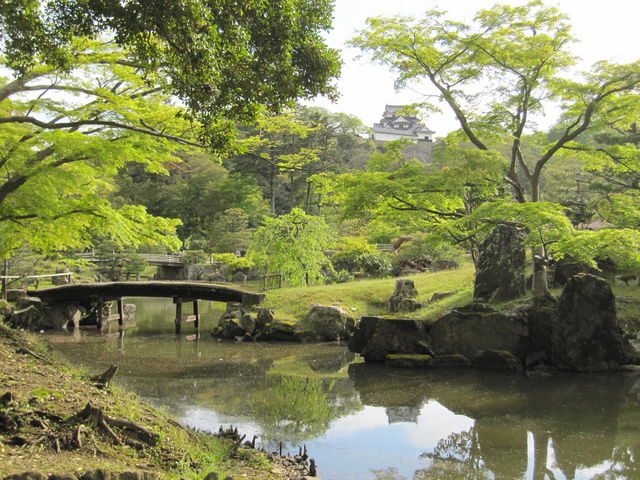
Genkyuen, next to Hikone Castle, is a strolling garden designated a national Place of Scenic Beauty. Its pavilions, Rinchikaku and Hoshodai, seem to jut out over the pond. During the autumn leaf season the garden is lit up at night, giving it a very different look from the daytime.
Otsu: Temples and Shrines
Mii-dera Otsu
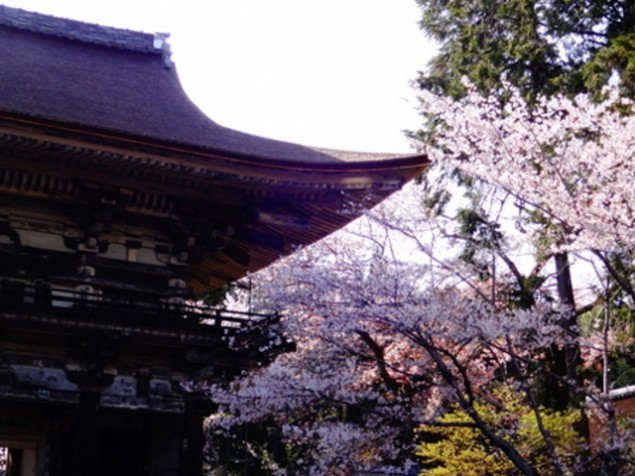
Mii-dera in Otsu has a history of more than 1,100 years and is about six minutes on foot from Miidera Station. Its large grounds hold many halls, such as the Kannon-do and Shaka-do, and more than 100 National Treasures and Important Cultural Properties. Climb the stairs to the lookout for views of Lake Biwa and the streets of Otsu. Autumn is especially beautiful, with the leaves lit up at night.
Enryaku-ji on Mount Hiei Otsu
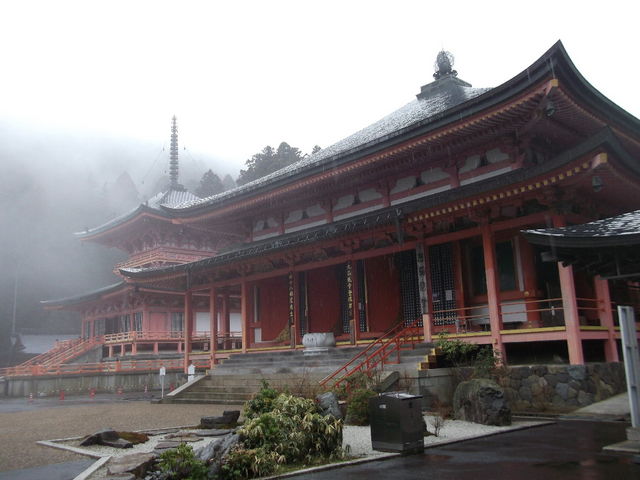
Enryaku-ji, founded in 788 by the monk Saicho, is often called the sacred mountain of Japanese Buddhism and is a World Heritage site. On Mount Hiei, on the Kyoto-Shiga border, it overlooks Lake Biwa and Kyoto. It is divided into three areas, Todo, Saito and Yokawa, linked by shuttle buses and walking routes, so you can spend a whole day. At around 800 meters it is about 5 degrees cooler than the city, and the Hieizan Driveway has many viewpoints.
Ishiyama-dera Otsu
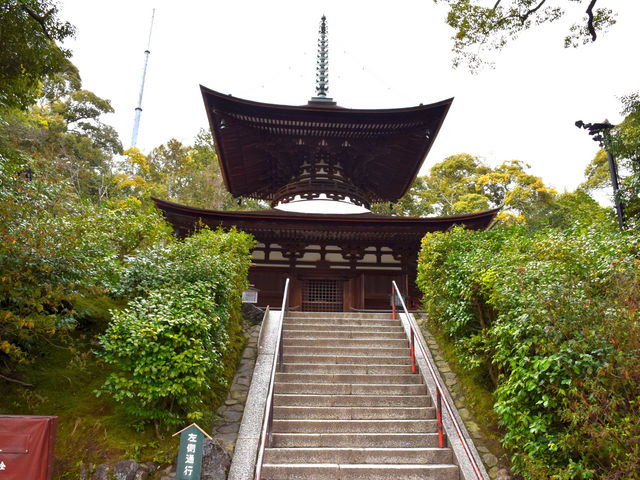
Ishiyama-dera has more than 1,300 years of history and is famous as the place where Murasaki Shikibu planned The Tale of Genji; legend says the idea came to her as she watched the full moon over the lake. The main hall, East Gate and Tahoto pagoda are among its historic buildings. Plum, cherry, azalea and iris bloom through the year, earning it the name Temple of Flowers. Matsuo Basho and Shimazaki Toson loved it too.
Omi Jingu Shrine Otsu
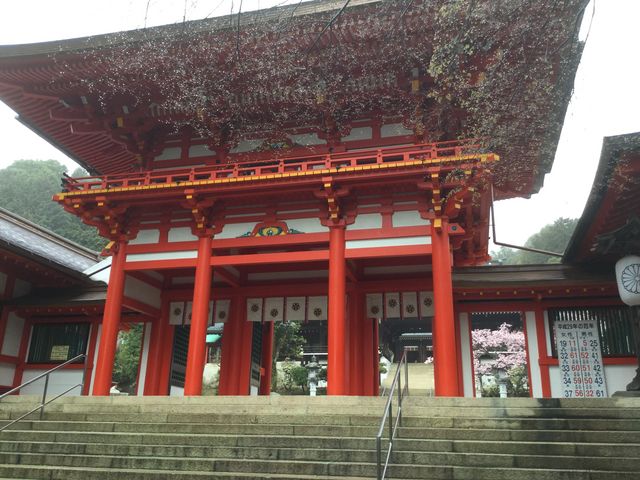
Omi Jingu, founded in 1940, is dedicated to Emperor Tenji, whose poem opens the Hyakunin Isshu anthology, so the shrine hosts competitive karuta games every January. The manga and film Chihayafuru, set here, made it famous across Japan. Tenji is said to have made Japan's first water clock, and a museum on the grounds shows clocks, including replicas of a water clock and an ancient fire clock. It is five minutes on foot from Omi-jingu-mae Station.
Takashima and the North Shore
Metasequoia Avenue (Makino) Takashima
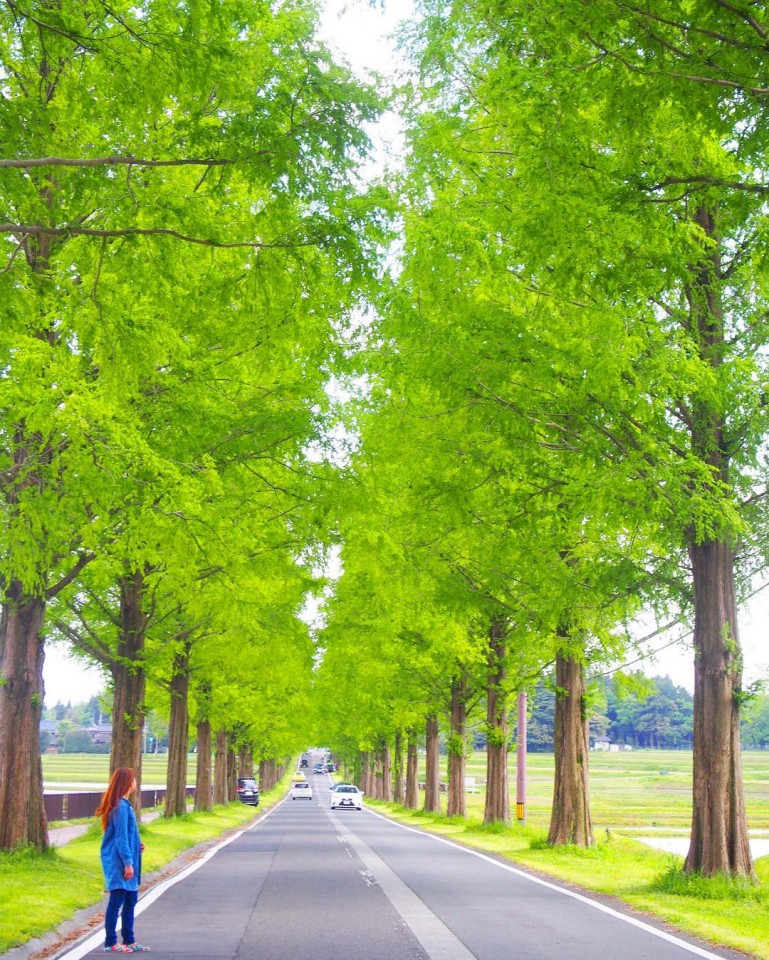
In Makino, in the northwest of Shiga, about 500 metasequoia trees line a road for about 2.4 kilometers. The avenue looks different in every season: deep green in summer, red and brown in autumn and dusted with snow in winter. It is a wonderful drive by car or motorbike. It takes about 70 minutes from the Kyoto-Higashi interchange, but it is well worth the trip.
Shirahige Shrine Takashima
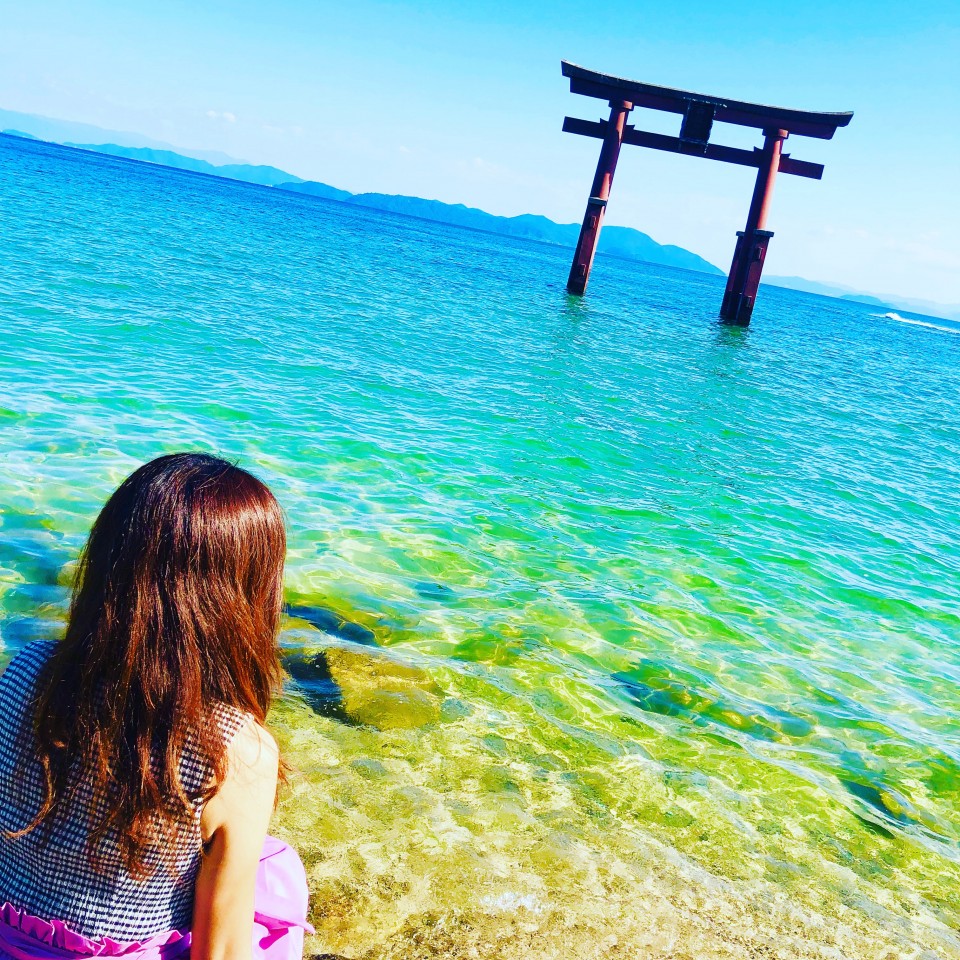
Shirahige Shrine faces Lake Biwa and is said to have been founded 1,900 years ago. It is the head shrine of all the Shirahige shrines in Japan, and its great vermilion torii standing in the lake recalls Itsukushima Shrine. The shrine's god is worshiped for long life, and also for good fortune, matchmaking and children. It is in the same city of Takashima as Metasequoia Avenue, so you can easily visit both.
Kaizu Osaki Takashima
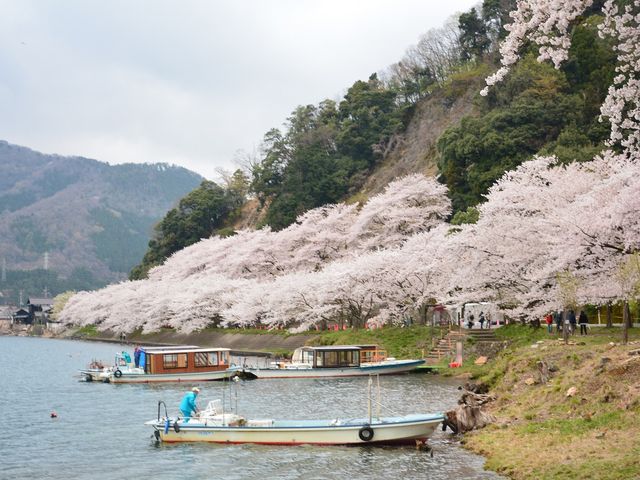
Kaizu Osaki on the north shore of Lake Biwa is famous for its cherry blossoms: about 800 trees bloom along the shore every spring. A nature trail lets you walk slowly under the blossoms, or you can enjoy them from the car. It is one of the Eight Views of Lake Biwa, so the scenery of the quiet northern lake is lovely in other seasons too. It is about five minutes by car from JR Makino Station.
Nagahama and Chikubu-shima
Kurokabe Square Nagahama
Kurokabe Square is a stylish area around JR Nagahama Station, with glass shops, a music box shop and other unique stores along old streets that feel like a trip back in time. There are galleries, restaurants and cafes, enough to fill a day, and some places let you try glassmaking, which children enjoy too.
Chikubu-shima Island Nagahama
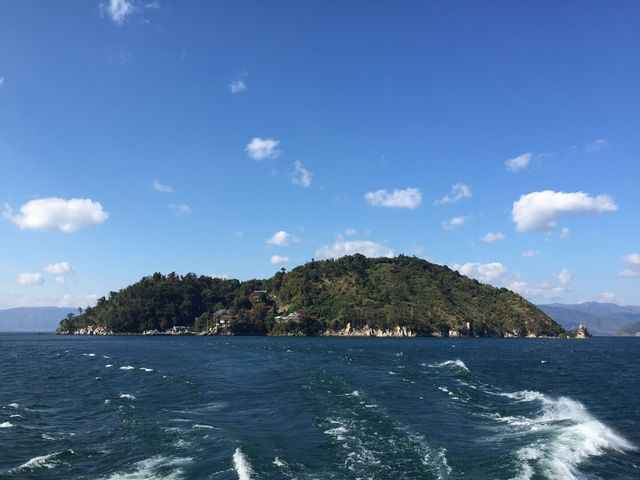
Chikubu-shima, a small island in the north of Lake Biwa about 30 minutes by boat, is one of the Eight Views of Lake Biwa. No one lives there, but it has many Important Cultural Properties, such as Hogon-ji temple and its Karamon gate. At Hogon-ji, put a written wish inside a happiness daruma doll as an offering. Seeing the whole island takes at least an hour, and there are many stairs, so go in daylight and wear comfortable shoes.
The places on a map
Hours, prices and events change. Check each place's official website before you go.
More travel guides
 Tokyo Sightseeing by Area: 40 Classic Sights and Lesser-Known Spots from Asakusa to Odaiba40 placesTokyo has much more to see than Skytree, Tokyo Tower and Asakusa. This guide works through six of the city's main…
 Nagoya: 40 Best Places to Visit, from Nagoya Castle and Atsuta Jingu to Osu40 placesNagoya is one of Japan's biggest cities, yet many visitors don't know how much it has to see. Alongside its famous…
 Chichibu: 40 Best Places to Visit, from Nagatoro River Boats and Mitsumine Shrine to Moss Phlox and Icicles40 placesChichibu, the largest city in Saitama Prefecture, is about 90 minutes from central Tokyo. Most of the area is national…
 Niigata Prefecture: 40 Best Places to Visit, from Classic Sights to Hidden Gems40 placesNiigata Prefecture stretches a long way from north to south, and each area has its own scenery, climate and food. The…
 Nagasaki Prefecture: 40 Best Places to Visit, from Unzen Hot Springs to Hirado and Nagasaki City40 placesNagasaki grew up as a port open to the outside world, and the culture of those days still shapes its streets, churches…
 Fukuoka Prefecture: 40 Places to Visit in Kitakyushu, Chikuho and Around Fukuoka City40 placesFukuoka Prefecture is roughly divided into four areas, Kitakyushu, Chikuho, Fukuoka and Chikugo, and each has its own…