
Tokushima Prefecture: 18 Must-See Places, from the Naruto Whirlpools to the Iya Valley
18 places · Japanese version
Tokushima, on the island of Shikoku, is a place of wild nature and living tradition, from the roaring whirlpools of Naruto to the deep mountain valleys of Iya and the famous Awa Odori dance. Here are 18 of its best sights, grouped by area: Naruto and Tokushima City in the northeast, the Iya and Oboke valleys and old towns of the west, and the waterfalls, rice terraces and turtle beach of the south.
Naruto
Naruto Whirlpools Naruto
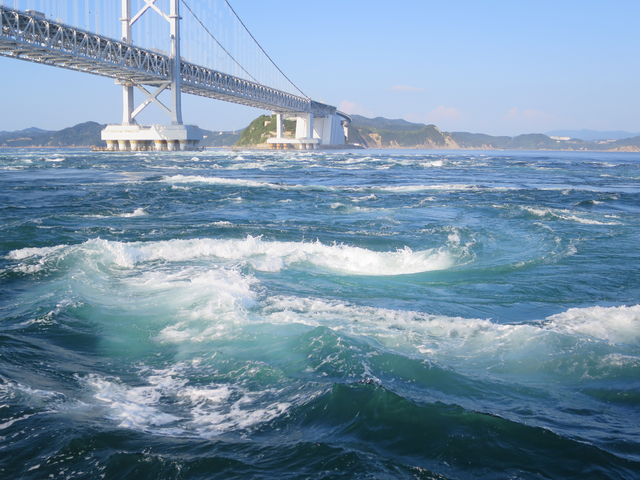
In the Naruto Strait, between Naruto and Awaji Island, the tides create whirlpools. The current here is the fastest in Japan and counts among the three great tidal currents of the world. At spring tides the whirlpools can reach up to 30 meters across. They appear only for about an hour before and after high and low tide. Watch from sightseeing boats, from either shore, or through the glass floor of Uzu no Michi under the Onaruto Bridge.
Otsuka Museum of Art Naruto
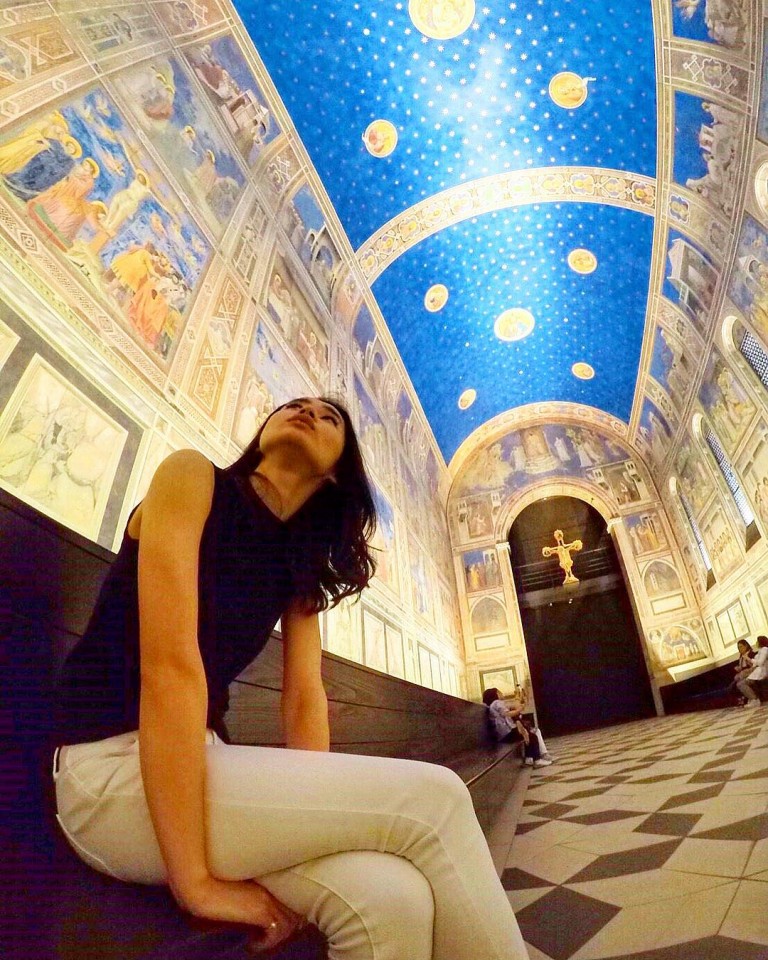
This museum shows more than 1,000 Western masterpieces from about 190 museums in 25 countries, all reproduced at full size on ceramic panels. You can see the Mona Lisa and The Last Supper, Van Gogh's Sunflowers and Munch's The Scream in one visit. It stands in Naruto Park and is said to be one of the largest private museum buildings in Japan. The viewing route runs about 4 kilometers, from the third basement floor up to the second floor.
Naruto German House Naruto
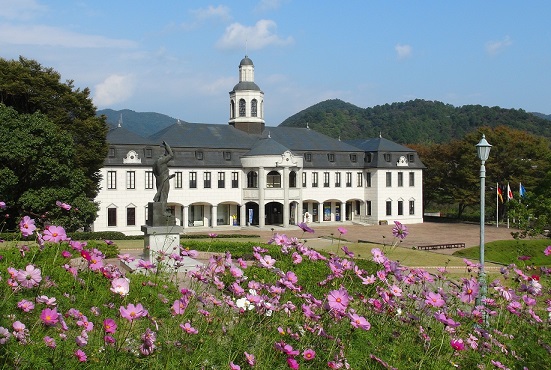
During World War I, German soldiers taken prisoner by Japan were held at the Bando prisoner of war camp, and this museum tells their story. The prisoners were allowed to run their own lives, put their skills to work and made friends with local people. Exhibits and films show their daily life and ties with the community. Nearby you can walk to the German Village Park on the old camp site and the German Bridge built by the soldiers.
Ryozen-ji Naruto
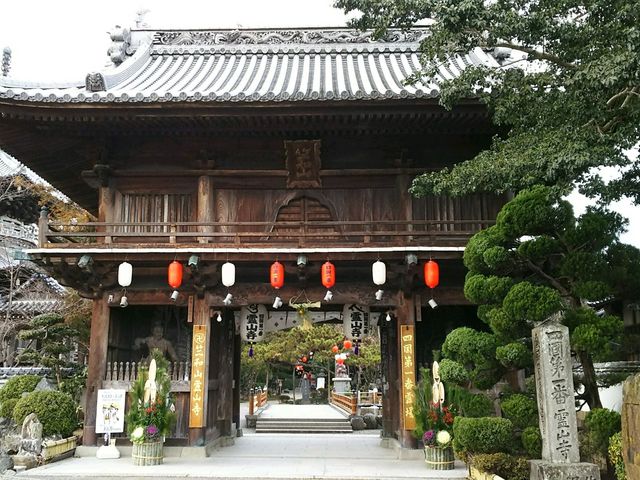
Shikoku is famous for the pilgrimage to 88 temples linked to the monk Kukai, and Ryozen-ji in Naruto is Temple No. 1, fondly called Ichiban-san. It was founded in the Nara period at the wish of Emperor Shomu, and Kukai is said to have trained here for 21 days. Pilgrim gear such as sedge hats, walking staffs and stoles is on sale, a fitting start for the pilgrimage.
Asutamu Land Tokushima Itano
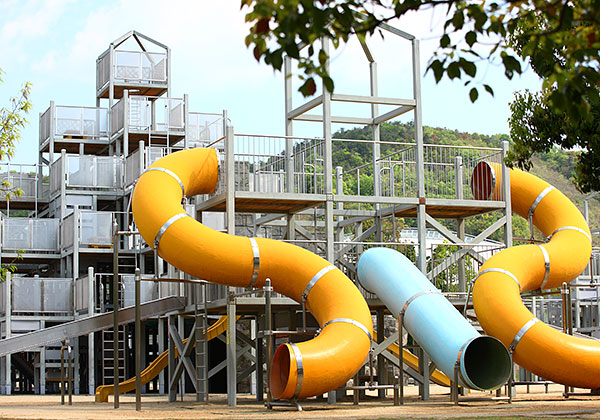
A large park in Itano built around a children's science museum. Exhibits on space and the earth, life and the environment, and science and people include machines and experiments you can try for yourself. There is also a planetarium, indoor workshops and outdoor play areas, plus a restaurant, cafe and shop, so kids and adults can spend the whole day here.
Tokushima City
Mount Bizan Tokushima City
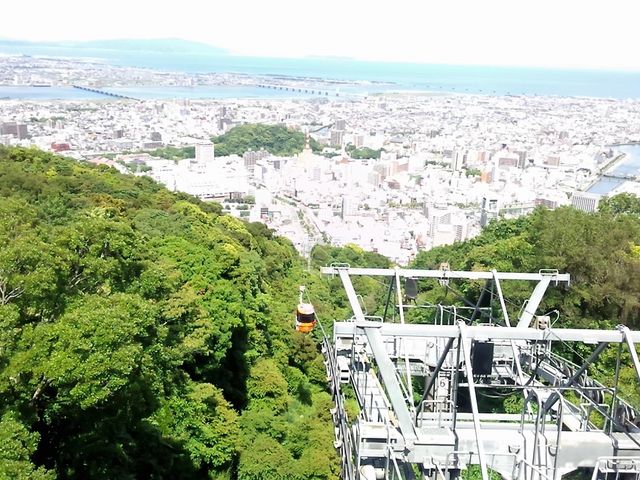
The symbol of Tokushima City, Bizan was praised in the Manyoshu, Japan's oldest poetry collection, and is named for looking like an eyebrow from every direction. It offers cherry blossoms in spring, green in summer, red leaves in autumn and snow in winter. The night view from the top is said to be the best in Shikoku. There are hiking trails and a scenic drive, or ride the ropeway up over the city.
Awa Odori Kaikan Tokushima City
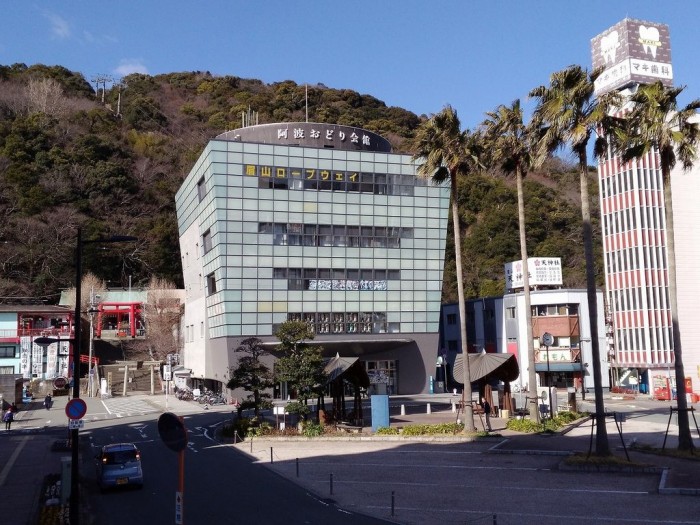
Awa Odori is a dance tradition with about 400 years of history, and the main festival is held every August during the Obon holidays. If you cannot come then, this hall stages the dance all year round, and after the show you can join in. It also has the Awa Odori Museum on the dance's history and a shop with Tokushima souvenirs.
Tokushima Zoo Tokushima City
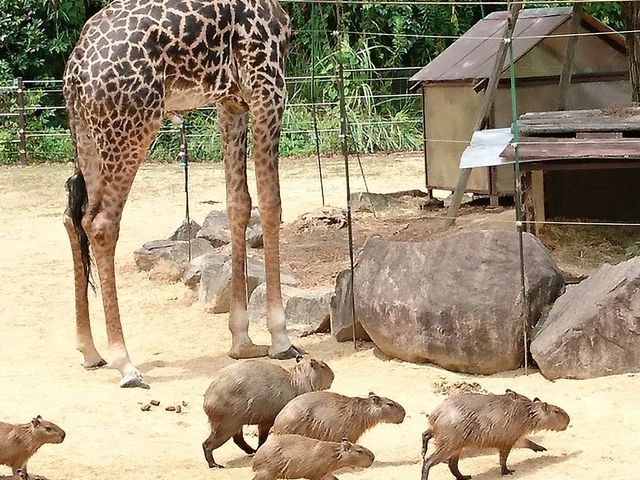
Part of a large zoo and botanical park, this is one of the biggest zoos in Shikoku. It is divided into five zones: tropical, temperate, savanna, cold and a children's zoo. Look for red pandas, meerkats, Masai giraffes, zebras and polar bears. In the children's zoo kids can meet rabbits, guinea pigs and sheep, along with Humboldt penguins, squirrel monkeys and ponies.
Iya, Oboke and western Tokushima
Iya Kazurabashi Vine Bridge Miyoshi
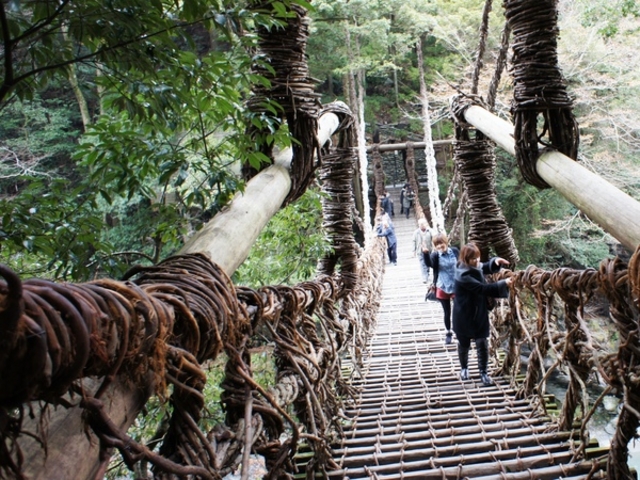
One of Tokushima's classic sights and one of Japan's three unusual bridges. This suspension bridge is 45 meters long, 2 meters wide and about 14 meters above the water, woven from some 5 tons of shirakuchi-kazura vines,. About 30 kilometers away are the Oku-Iya double vine bridges, a male and a female bridge side by side, and a hand-pulled cable car called the yaen that carries you across the gorge.
Iya Valley Miyoshi
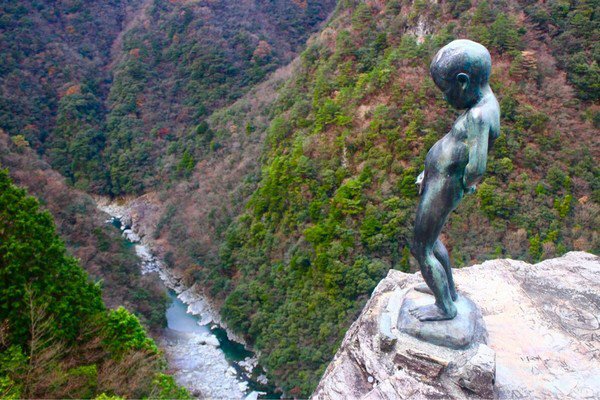
The Iya Valley is counted among the three great hidden regions of Japan, a deep V-shaped gorge with houses clinging to the mountainsides. On a rock high above the gorge stands a small statue of a peeing boy, made in 1968 after local children who once stood on the same rock to test their courage. Drive or walk through the valley as you look for the statue, and try Iya soba, the local buckwheat noodles.
Oboke and Koboke Gorges Miyoshi
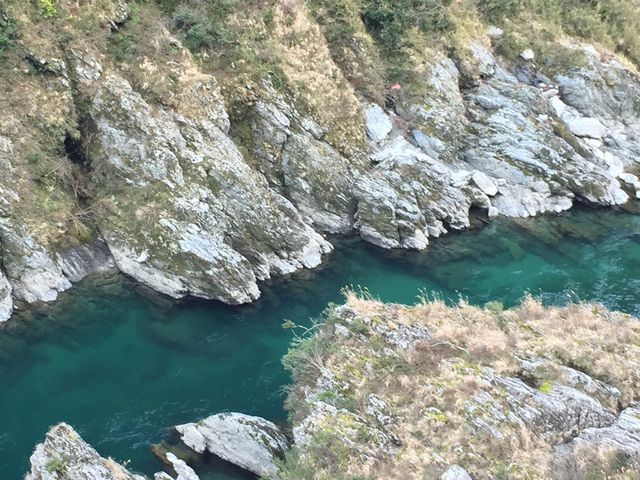
The rushing Yoshino River carved these gorges as it cut through the Shikoku mountains, and the sheer rock walls are said to look like marble sculpture. Oboke lies on the middle reaches of the river, with Koboke a few kilometers downstream. The name may come from hoki, an old word for cliff, or from the danger of walking here with big steps. Take a sightseeing boat, running for over 100 years, or try rafting.
Togenkyo Iya no Yamazato Higashi-Iya
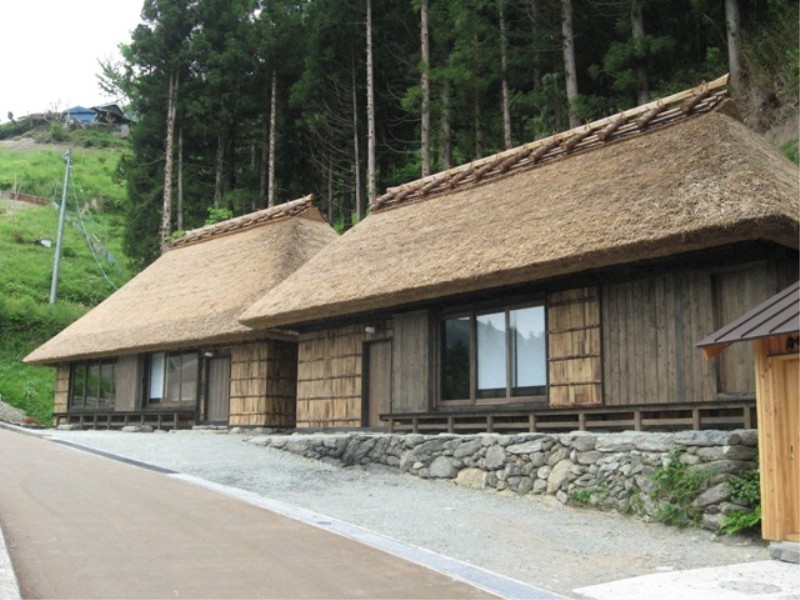
Thatched farmhouses more than 100 years old in the Ochiai hamlet of Iya, which you can rent whole for the night. They are popular with guests from Japan and abroad. Ochiai keeps houses built in the middle to late Edo period, along with old paths, stone walls and fields, and is a nationally protected historic district. There are about eight houses, each with its own look.
Mount Tsurugi Naka
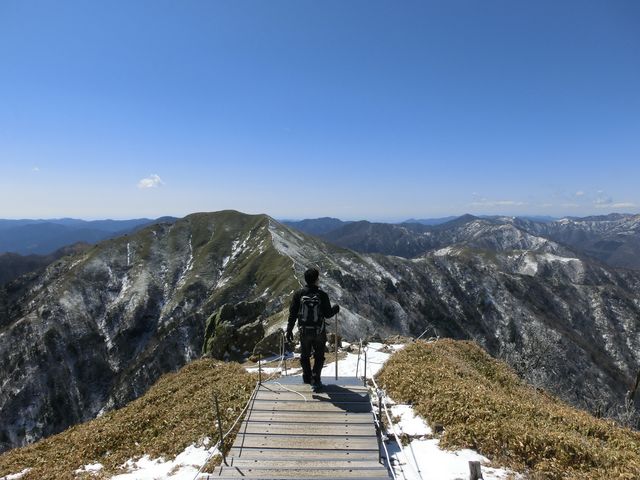
At 1,955 meters, Tsurugi is the highest mountain in Tokushima. The broad, gentle summit feels like a plateau and gives wide views. It has long been a mountain of Shugendo practice, with difficult training spots near the top, and several shrines and temples of mountain worship. A legend says the treasure of King Solomon lies hidden here, which makes it a mystery spot too.
Udatsu Townscape of Wakimachi Mima
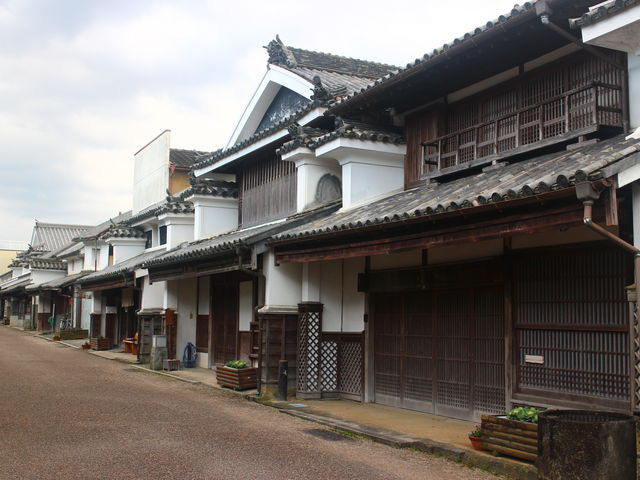
Wakimachi grew rich on the indigo trade, and its merchant houses still line the street. Udatsu are firewalls raised between neighboring houses. They were expensive to build, so they became a sign of wealth. Houses with udatsu stand along about 430 meters of street, the oldest dating from 1707, with latticed mushiko windows and other old details. The street is a nationally protected historic district.
Southern Tokushima and Kamikatsu
Todoroki Falls Kaiyo
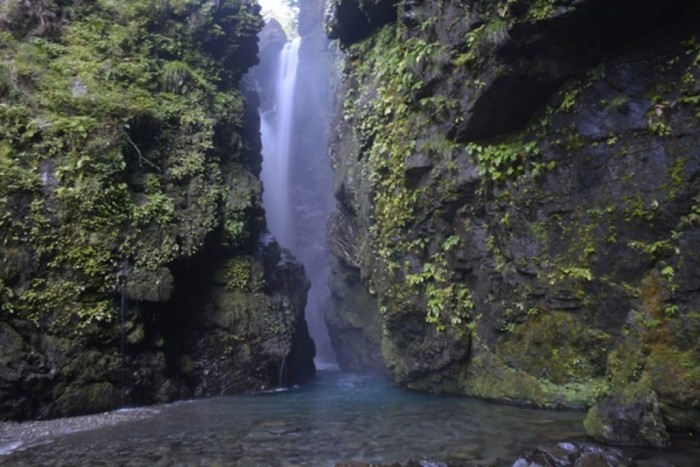
On the upper Kaifu River in Kaiyo, Todoroki Falls drops about 58 meters, the biggest drop in Shikoku, and is one of Japan's 100 best waterfalls. Above the main fall a chain of large and small falls, together called the Todoroki Ninety-Nine Falls, turns the whole mountain into a corridor of water. A path leads about 1,500 meters from the main fall to the top, an easy two-hour round trip. Many call it a power spot.
Ohama Beach Minami
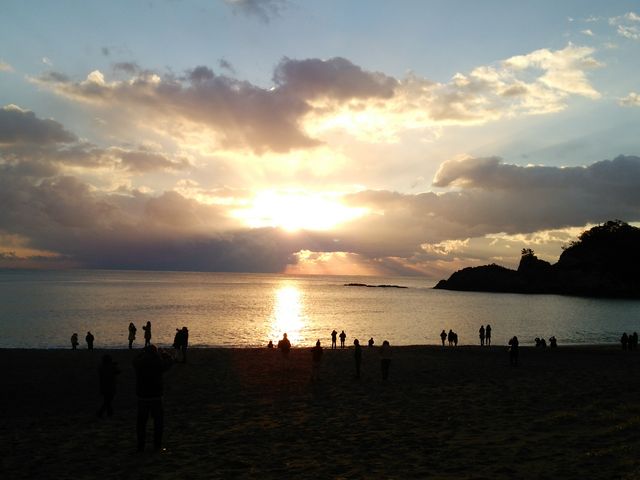
A beach of about 500 meters in Minami, known as a nesting ground for sea turtles. The turtles and their nesting site are a national natural monument. Loggerhead turtles come ashore to lay eggs every year from May to August, and in that season the beach is closed at night. At the nearby Hiwasa sea turtle museum, Caretta, you can see exhibits and live turtles.
Kamikatsu Rice Terraces Kamikatsu
Kamikatsu has several rice terraces. The largest, at Kashihara, climbs a slope 500 to 700 meters high in beautiful curves. It is one of Japan's 100 best rice terraces and the first Important Cultural Landscape in Tokushima. Other terraces in town show seasonal scenery of their own, including Ichiu, where buckwheat flowers bloom at 600 meters, and the curving Yaeji terraces.
Kanchogataki Falls Kamikatsu
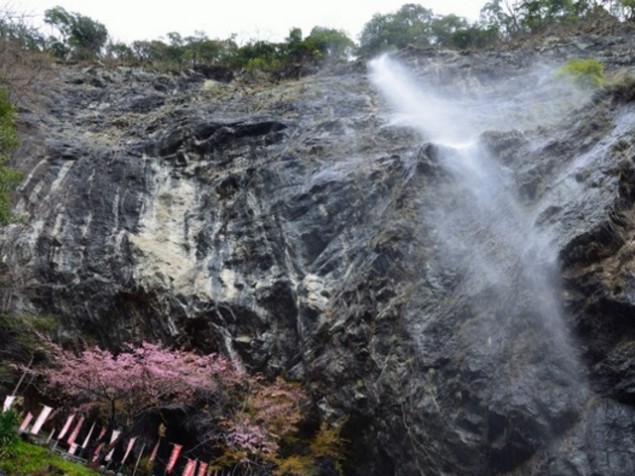
This 80-meter fall in Kamikatsu drops without touching the rock face, and in the wind it sways and spreads like mist, often compared to a celestial maiden's robe. Kobo Daishi is said to have trained here. On sunny days between 8 and 10 a.m. a rainbow may appear in the spray, which is why it is also called Asahi no Taki, the Morning Sun Falls. A parking area lets you drive close enough to see the basin.
The places on a map
Hours, prices and events change. Check each place's official website before you go.
More travel guides
 Tokyo Sightseeing by Area: 40 Classic Sights and Lesser-Known Spots from Asakusa to Odaiba40 placesTokyo has much more to see than Skytree, Tokyo Tower and Asakusa. This guide works through six of the city's main…
 Nagoya: 40 Best Places to Visit, from Nagoya Castle and Atsuta Jingu to Osu40 placesNagoya is one of Japan's biggest cities, yet many visitors don't know how much it has to see. Alongside its famous…
 Chichibu: 40 Best Places to Visit, from Nagatoro River Boats and Mitsumine Shrine to Moss Phlox and Icicles40 placesChichibu, the largest city in Saitama Prefecture, is about 90 minutes from central Tokyo. Most of the area is national…
 Niigata Prefecture: 40 Best Places to Visit, from Classic Sights to Hidden Gems40 placesNiigata Prefecture stretches a long way from north to south, and each area has its own scenery, climate and food. The…
 Nagasaki Prefecture: 40 Best Places to Visit, from Unzen Hot Springs to Hirado and Nagasaki City40 placesNagasaki grew up as a port open to the outside world, and the culture of those days still shapes its streets, churches…
 Fukuoka Prefecture: 40 Places to Visit in Kitakyushu, Chikuho and Around Fukuoka City40 placesFukuoka Prefecture is roughly divided into four areas, Kitakyushu, Chikuho, Fukuoka and Chikugo, and each has its own…