
Toyama: 17 Best Places to Visit, from Kurobe Dam and the Snow Wall to Gokayama
17 places · Japanese version
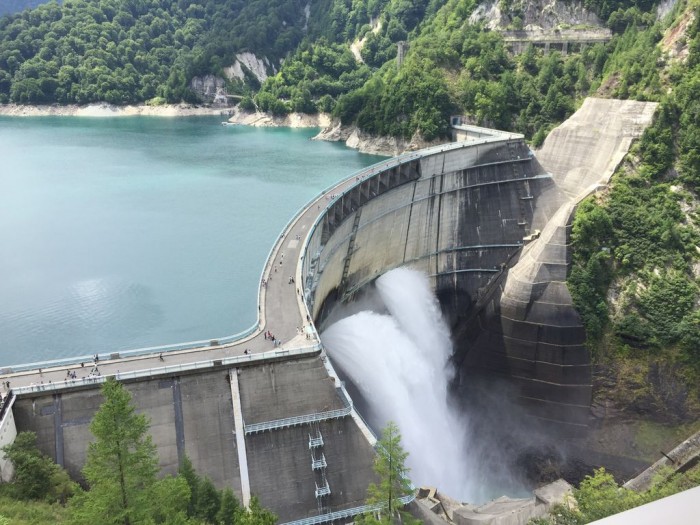
Toyama is best known for the huge Kurobe Dam, but the prefecture has many more classic sights worth a stop. This guide covers 17 of them, grouped by area: the Tateyama Kurobe Alpine Route and Kurobe Gorge in the mountains, Toyama City with its canal-side park and art museums, Takaoka and the coast of Toyama Bay, and the thatched-roof villages of Gokayama and the tulip park in Tonami to the southwest. On clear days, the Tateyama mountains are a backdrop to much of the trip.
Tateyama, Kurobe Dam and Kurobe Gorge
Kurobe Dam Tateyama
This huge dam on the Kurobe River is used only for hydroelectric power. It took seven years to build and is a highlight of the Tateyama Kurobe Alpine Route, open to visitors from mid-April to the end of November. From Kurobe Dam Station, 220 steps lead up to an observation deck looking down on the dam. The sightseeing water release, from late June to mid-October, is the main event, often with a rainbow, and boats cruise Kurobe Lake.
Tateyama Snow Wall (Yuki-no-Otani Walk) Tateyama
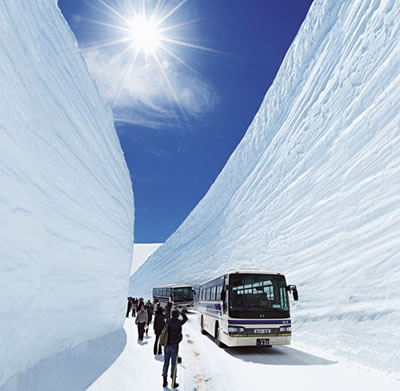
Near Murodo Terminal on the Tateyama Kurobe Alpine Route, at 2,450 m in one of the snowiest areas in the world, the road is cleared each spring, leaving snow walls that can reach 20 m. Bulldozers take about a month to dig out the corridor, about 500 m long. The Yuki-no-Otani Walk is open from mid-April, right after the Alpine Route fully opens, to mid-June, and walking it is free.
Shomyo Falls Tateyama
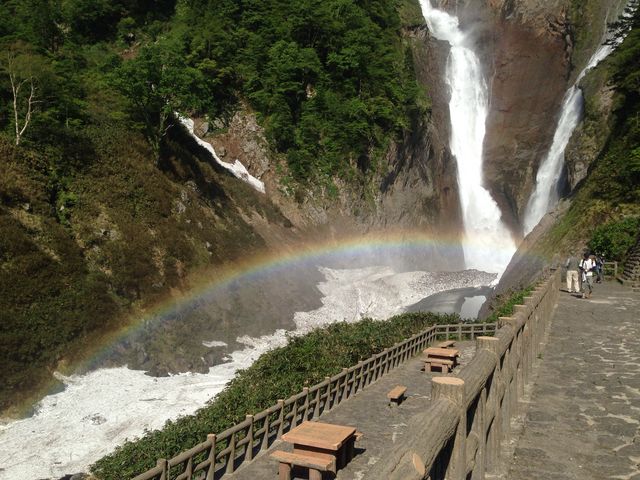
Fed by the Tateyama mountains, Shomyo Falls is known as the tallest waterfall in Japan, dropping 350 m from the Midagahara plateau in four stages. It is a national Natural Monument. One story says the monk Honen heard its roar as the chanting of the nembutsu prayer, giving the falls their name. From Tateyama Station on the Toyama Chiho Railway, take the Shomyo Falls bus for about 15 minutes, then walk about 30 minutes.
Kurobe Gorge Kurobe
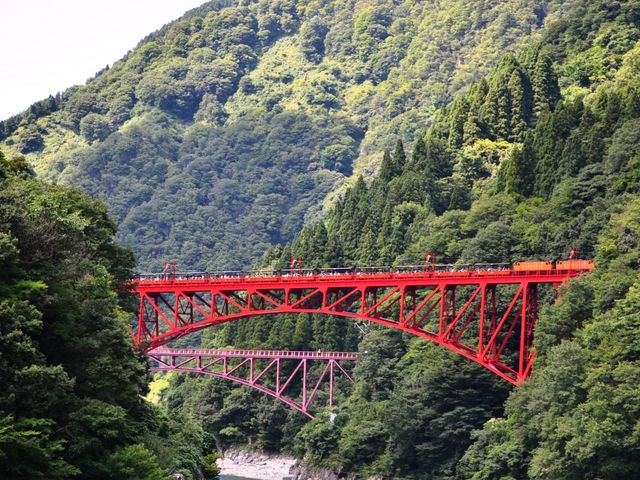
Along the middle and upper Kurobe River, Kurobe Gorge is one of Japan's three great gorges. Its most famous views lie where only experienced climbers can go, but the Kurobe Gorge Railway lets anyone see the valley without much effort. The trolley train, nicknamed Kurotetsu, is a line of open cars pulled by an electric locomotive. It runs only from April to November and gets crowded in summer and in the autumn leaves season.
Unazuki Onsen Kurobe
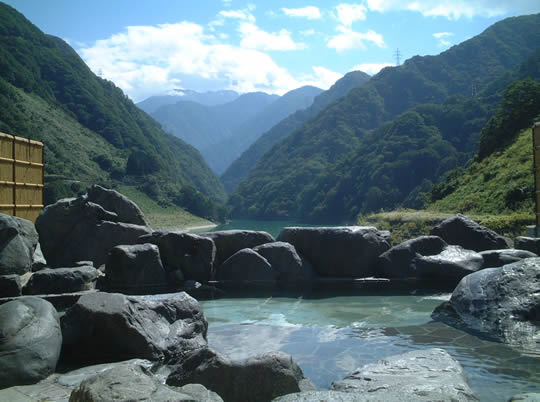
At the entrance to Kurobe Gorge, Unazuki Onsen is the largest hot spring town in Toyama and handy for the Kurobe Gorge Railway. Many people stay overnight, but day bathing is possible too. The water is piped from Kuronagi Onsen further up the Kurobe River, where it comes out at over 90 degrees. Next to the town is a ski area with five courses and views over the town and Toyama Bay.
Toyama City
Fugan Canal Kansui Park Toyama City
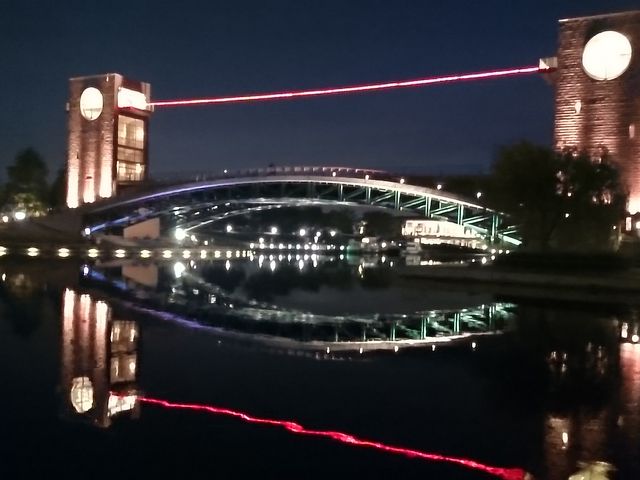
Close to Toyama Station, this 9.7-hectare park has paths and grassy slopes along the water. Its Starbucks, often called the most beautiful in the world, sits by the pond with a glass-walled interior and a terrace. Seasonal light-ups show Tenmon Bridge after dark, and there is a French restaurant facing the canal, a bird sanctuary and the Fugan Suijo Line canal cruise. It is about 16 minutes on foot from the station's north exit.
Toyama Prefectural Museum of Art Toyama City
Now inside Fugan Canal Kansui Park, this museum is worth a look when you visit the park. It shows works by 20th-century masters such as Picasso and Chagall. Kids can play on the rooftop, called the Onomatopoeia Rooftop, with its original play equipment and a bouncy dome. The rooftop is open from spring to autumn and is free.
Toyama Family Park Toyama City
Toyama City's zoo park is a relaxed place where you can feed animals and have a barbecue, and some animals can be touched in the children's zoo. The many animals on show include red pandas, timber wolves, Tsushima leopard cats, Japanese martens, flying squirrels, capybaras, Eurasian otters, meerkats, Amur tigers, reticulated giraffes and flamingos.
Toyama Castle Toyama City
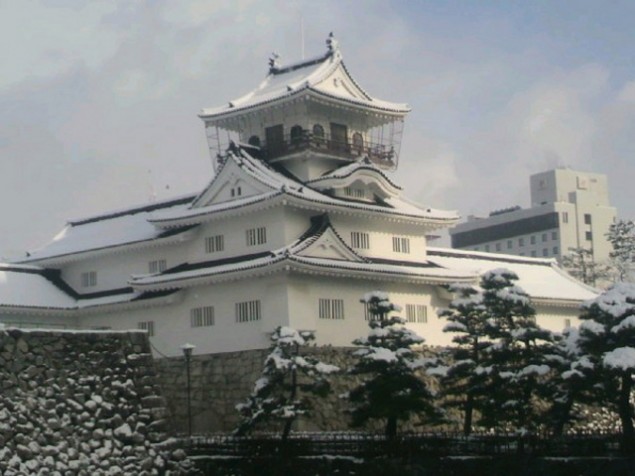
About a 10-minute walk from Toyama Station, Toyama Castle was built in 1543 and abandoned in 1873, leaving only walls and stone walls. The keep was built in 1954 and houses a local history museum. The park around it is a favorite with locals, with cherry blossoms in spring. The grounds also hold an art museum founded by Toyama businessman Sato Sukekuro, with a tea room and more than 1,000 pieces of East Asian art.
Toyama Glass Art Museum Toyama City
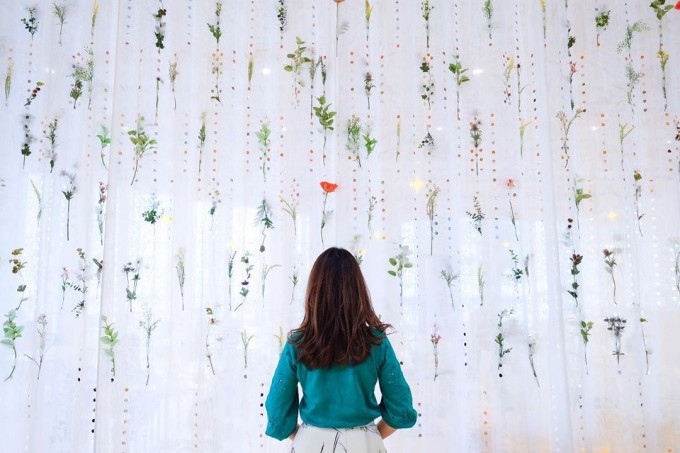
This museum focuses on contemporary glass art, fitting for a city that has long trained glass artists and built up a glass industry. The building, designed by Kengo Kuma, glitters outside with glass, stone and aluminum, while the inside is finished in Toyama cedar, with glass and mirrors in soft light. Glass works sit on shelves of glass, cedar and washi paper, and colorful contemporary pieces are on permanent display.
Toyama City Hall Observation Tower Toyama City
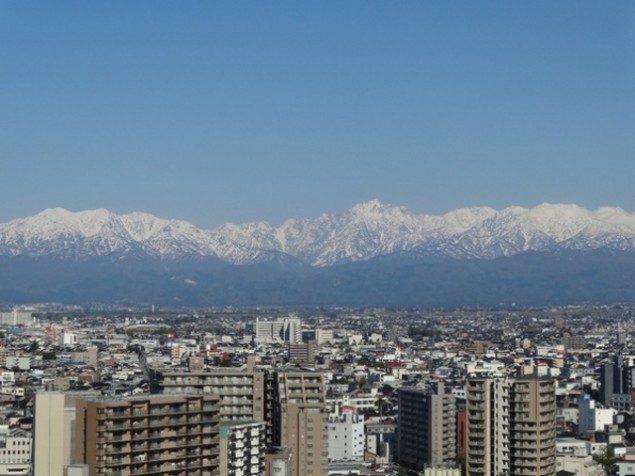
Several places in Toyama City have views of the Tateyama mountains, and this tower on the city hall building is one of the best. From 70 m up you get a free 360-degree panorama over the city to the mountains, with two telescopes that have audio guides. In winter you can also see the White Illumination Toyama, about 1 km of lights from Toyama Station to Toyama Castle Park. It is within a 10-minute walk of the station.
Takaoka and Toyama Bay
Zuiryu-ji Takaoka
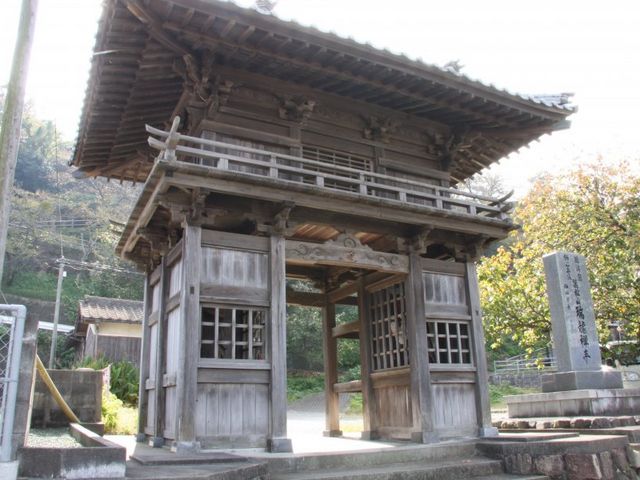
This temple in Takaoka is the family temple of Maeda Toshinaga, second lord of the Kaga domain, and was built by the third lord, Toshitsune. Its buildings show the Zen style of the early Edo period and the great wealth of Kaga. The Buddha hall, lecture hall, gates and corridors are National Treasures or Important Cultural Properties, and it is the only National Treasure in Toyama. It is lit up for a few days each in spring, summer and winter.
Takaoka Daibutsu Takaoka
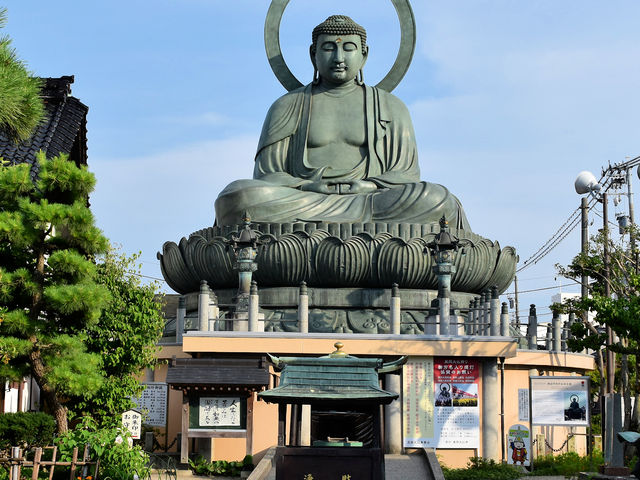
A 10-minute walk from Takaoka Station, this is one of Japan's three great Buddha statues. The bronze Amida Buddha is about 16 m tall, half the size of the Great Buddha of Nara, and took 26 years to build from 1907. Earlier statues were lost to two great fires, and this one was completed thanks to strong local wishes. It is lit up in the evening, and you can enter the corridor under the pedestal.
Amaharashi Coast Takaoka
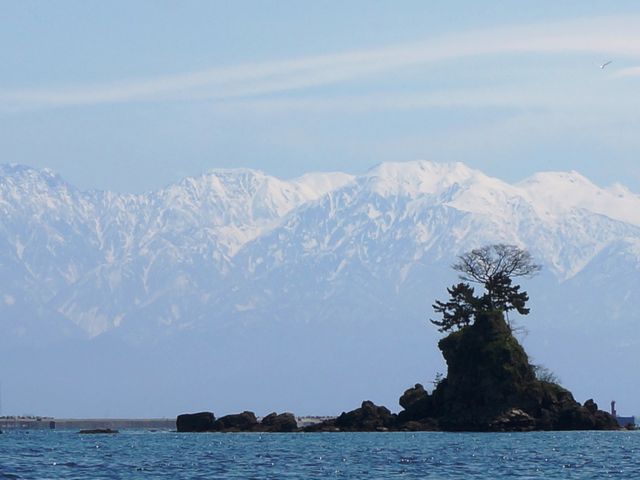
This coast in northern Takaoka is part of Noto Peninsula Quasi-National Park. On clear days the Tateyama mountains rise across the sea, and in winter many photographers gather here. The JR Himi Line runs right along the shore, a favorite with railway photographers. Near Amaharashi Station stands Yoshitsune Rock, where legend says the warrior Yoshitsune sheltered from a sudden shower, which gave the place its name.
Kaiwomaru Park Imizu
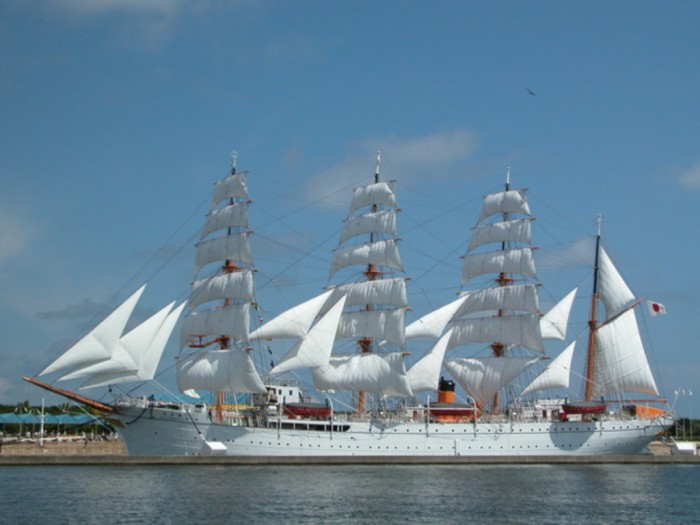
The park is home to the Kaiwomaru, a sailing ship of over 2,200 tons launched in 1930 to train merchant marine students. Over about 60 years it sailed the equivalent of 50 times around the Earth, and its white hull earned it the name Lady of the Sea. You can go aboard. The park also has a bird park, picnic and play areas, sightseeing boats and places to eat, so families can spend a whole day here.
Gokayama and Tonami
Gokayama Nanto
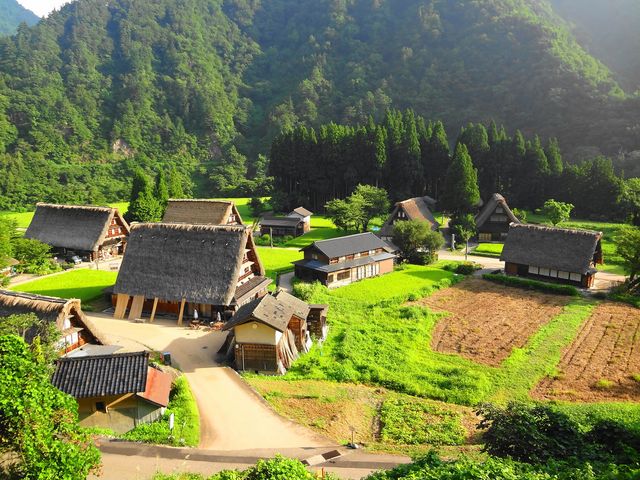
Gokayama, in Nanto City, is the name for five groups of villages lived in since ancient times. Ainokura, with 20 thatched gassho-zukuri houses, and Suganuma, with 9, became UNESCO World Heritage Sites in 1995. The Iwase family house, built 300 years ago, is the largest in Gokayama and open inside. Both villages have places to eat, souvenir shops and inns, so you can spend the night in a gassho-zukuri house.
Tonami Tulip Park Tonami
The highlight of this city park is the Tulip Fair in spring, but it has events in other seasons too, such as a canna festival in summer. Flowers bloom through the year, and in winter there is an LED illumination. It is a 15-minute walk from Tonami Station.
The places on a map
Hours, prices and events change. Check each place's official website before you go.
More travel guides
 Tokyo Sightseeing by Area: 40 Classic Sights and Lesser-Known Spots from Asakusa to Odaiba40 placesTokyo has much more to see than Skytree, Tokyo Tower and Asakusa. This guide works through six of the city's main…
 Nagoya: 40 Best Places to Visit, from Nagoya Castle and Atsuta Jingu to Osu40 placesNagoya is one of Japan's biggest cities, yet many visitors don't know how much it has to see. Alongside its famous…
 Chichibu: 40 Best Places to Visit, from Nagatoro River Boats and Mitsumine Shrine to Moss Phlox and Icicles40 placesChichibu, the largest city in Saitama Prefecture, is about 90 minutes from central Tokyo. Most of the area is national…
 Niigata Prefecture: 40 Best Places to Visit, from Classic Sights to Hidden Gems40 placesNiigata Prefecture stretches a long way from north to south, and each area has its own scenery, climate and food. The…
 Nagasaki Prefecture: 40 Best Places to Visit, from Unzen Hot Springs to Hirado and Nagasaki City40 placesNagasaki grew up as a port open to the outside world, and the culture of those days still shapes its streets, churches…
 Fukuoka Prefecture: 40 Places to Visit in Kitakyushu, Chikuho and Around Fukuoka City40 placesFukuoka Prefecture is roughly divided into four areas, Kitakyushu, Chikuho, Fukuoka and Chikugo, and each has its own…