
12 Must-See Places in Yamanashi: Mount Fuji, the Lakes, Gorges and Takeda Clan History
12 places · Japanese version
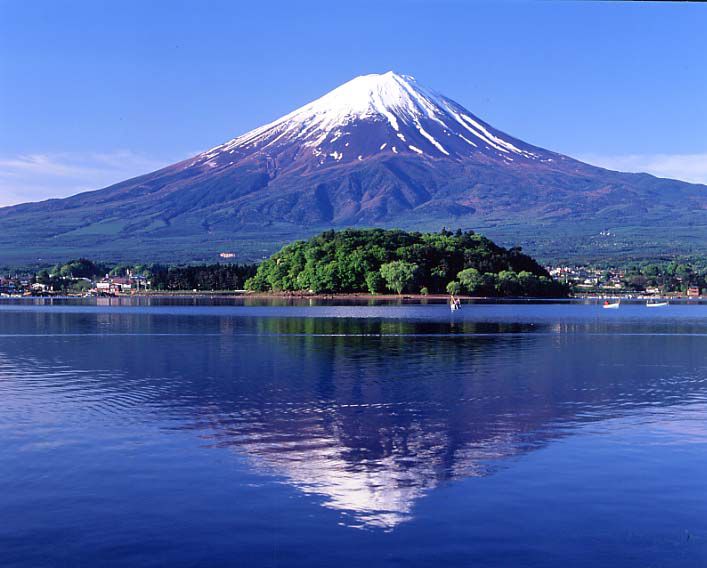
Yamanashi Prefecture is ringed by high mountains, from Mount Fuji to the Yatsugatake range and the Southern Alps, and its big landscapes hold plenty to see. Once known as the province of Kai, it is also rich in history, with castle ruins, temples and shrines. These 12 classic spots cover both sides: drives and lakes at the foot of Mount Fuji, spring water ponds and ice-cold lava caves, a deep gorge, places linked to the warlord Takeda Shingen, and flower gardens in the cool highlands.
Mount Fuji and the Fuji Five Lakes
Fuji Subaru Line Mount Fuji
If you have never climbed a mountain, driving the Fuji Subaru Line is an easy way to see Mount Fuji. This toll road runs about 30 kilometers from the Kawaguchiko Interchange to the Fifth Station on the north side, at 2,305 meters. From there you can see the Southern Alps, Yatsugatake and the Chichibu mountains, with the Fuji Five Lakes and the Aokigahara forest below. Hours vary by season, so check before you go.
Lake Kawaguchi Fujikawaguchiko
Of the Fuji Five Lakes, Lake Kawaguchi has the longest shoreline. Ride the Mt. Fuji Panoramic Ropeway up Mount Tenjo, known as Kachi Kachi Yama, for views of the lake and town from 1,075 meters, and do not miss the lights of the lakeside hotels at night. A sightseeing bus loops past Oishi Park with its lavender, the Kawaguchiko Music Forest, the Kawaguchiko Ohashi Bridge and the maple tunnel, a favorite spot for photos of Fuji reflected in the lake.
Oshino Hakkai Oshino
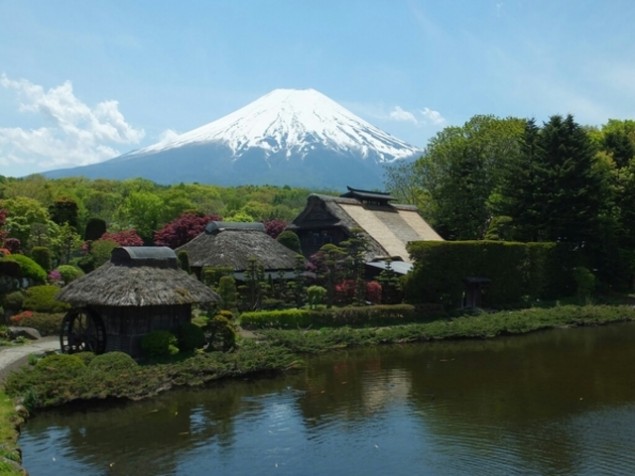
Snowmelt from Mount Fuji soaks into the ground and comes out here as clear spring water in eight ponds. A national natural monument and part of the Mount Fuji World Heritage site, it is a favorite with foreign visitors. In the Edo period, Fuji pilgrims purified themselves at the ponds in a set order. Wakuike, the pond with the most water, hides an underwater cave about 55 meters long. Thatched farmhouses and fields give the area a nostalgic feel.
Yamanakako Hananomiyako Park Yamanakako
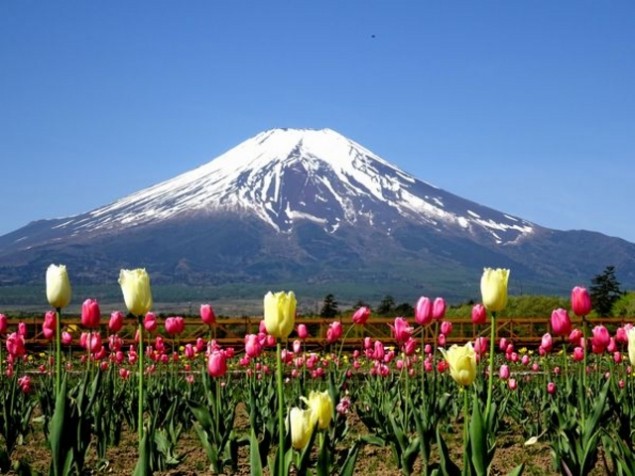
A wide, open park of about 300,000 square meters where seasonal flowers bloom with Mount Fuji behind them. Tulips fill the park in late April, poppies bloom in early July, and in mid-August sunflowers open, with a sunflower maze for kids. The restaurant serves local dishes, including hoto noodles flavored with Yamanashi wine. For photos of the flowers with Fuji, come when there are few clouds; the park website shows bloom updates and a live view of the mountain.
Narusawa Ice Cave Narusawa
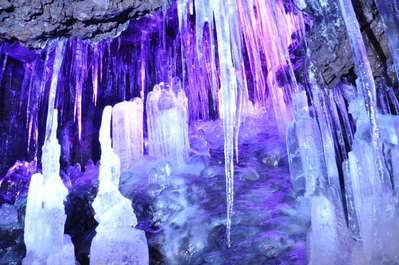
Narusawa Ice Cave and the nearby Fugaku Wind Cave are lava caves formed by an eruption of Mount Fuji about 1,200 years ago, and both stay cold all year. Narusawa is a 153-meter vertical cave at 0 to 3 degrees Celsius. Fugaku is a 201-meter horizontal cave that displays silkworm specimens from the days of local silk farming. Ice pillars and blocks fill both. Each takes about 15 minutes, and the Aokigahara forest next door is good for a hike.
Fuji-Q Highland Fujiyoshida
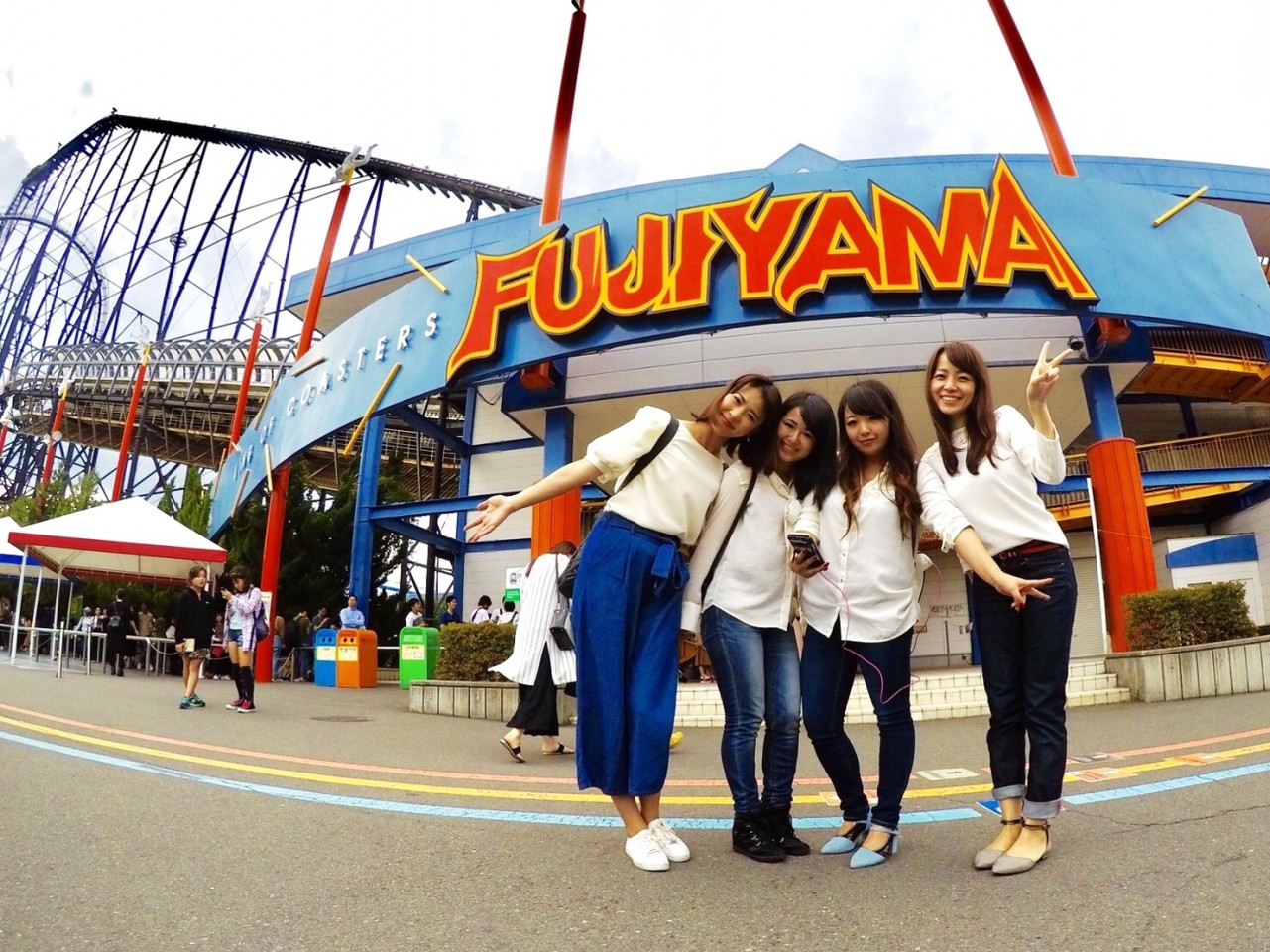
Yamanashi's best-known amusement park is famous for four big thrill rides: Fujiyama, Do-Dodonpa, Takabisha and Eejanaika. Families can head to Thomas Land, with more than ten rides of its own, and Lisa and Gaspard Town. Restaurants, cafes and a food court mean you can spend the whole day, and the views of Mount Fuji are superb, especially from the taller rides. There is a large parking lot, or arrive by the Fujikyu Line.
Fujisan Museum Fujiyoshida
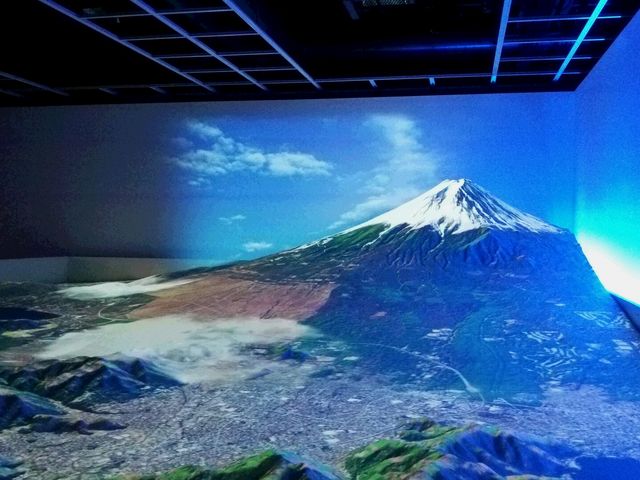
If you want to understand Mount Fuji beyond climbing and photos, visit this museum in Fujiyoshida. It covers the history and culture of the mountain, a World Heritage site, and the customs and industries of the town that grew up around it. Inside the checkered, Fuji-shaped building are ten themed areas with historical materials and CG reconstructions. An audio guide is available, and guided tours can be booked in advance.
Kofu area: Shosenkyo and Takeda clan history
Shosenkyo Gorge Kofu
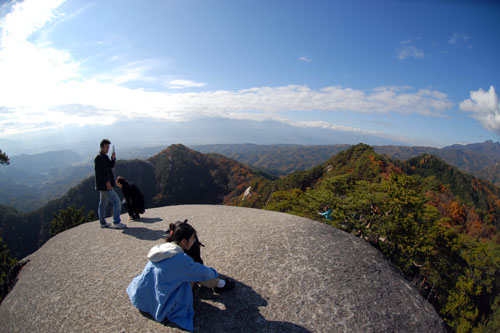
About 30 minutes by bus from Kofu, this gorge runs for about 5 kilometers and is a national Special Place of Scenic Beauty. See Kakuenpo, the main peak, rising about 180 meters, Sengataki Falls and Nagatoro Bridge, built in 1925. Riverside eateries serve grilled char and chicken giblets simmered with kumquats. If you have time, ride the Shosenkyo Ropeway to the 1,058-meter summit of Mount Rakanji for views of Mount Fuji, Kitadake and Ainodake, and bright colors in autumn.
Takeda Shrine Kofu
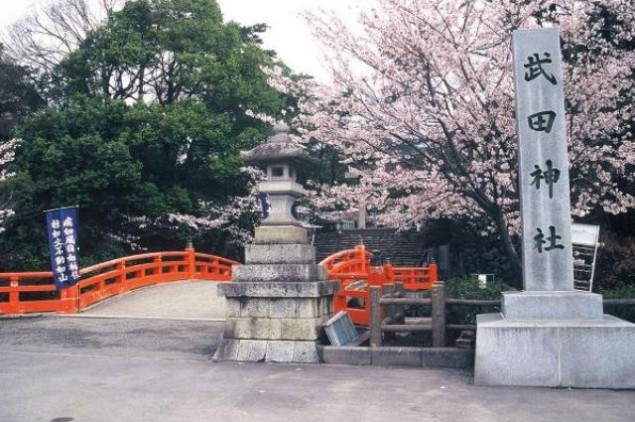
This shrine honors Takeda Shingen, the warlord famous for his Furinkazan banner. It stands on the site of the Takeda family's residence, a national historic site, about 10 minutes by bus from the north exit of JR Kofu Station. The Treasure Hall shows Shingen's war fan inscribed with his poem and the Yoshioka Ichimonji sword, an Important Cultural Property. The Hime-no-ido well, said to have been used to bathe Shingen's newborn daughter, is linked with long life.
Erin-ji Temple Koshu
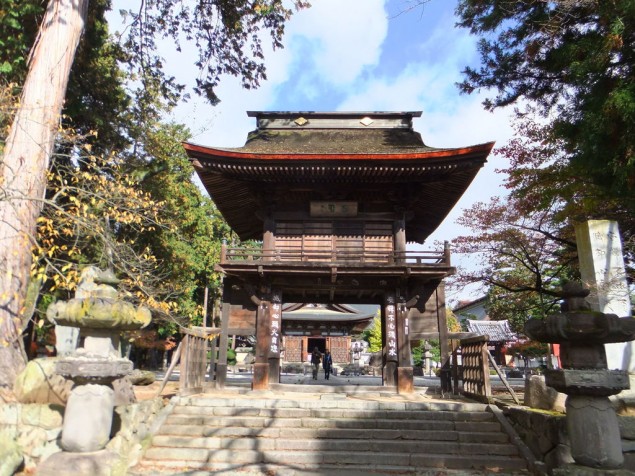
The family temple of the Takeda clan. Burned during Oda Nobunaga's campaign and rebuilt by Tokugawa Ieyasu, it keeps a four-legged gate and a garden by Muso Soseki. The Sanmon gate bears a famous line by the priest Kaisen about a calm mind keeping even fire cool. A life-size Fudo Myoo statue, said to be modeled on Shingen, stands in the Meio-den hall. Free zazen sessions are held regularly; check dates and apply in advance.
Highland villages in Hokuto
Heidi's Village Hokuto
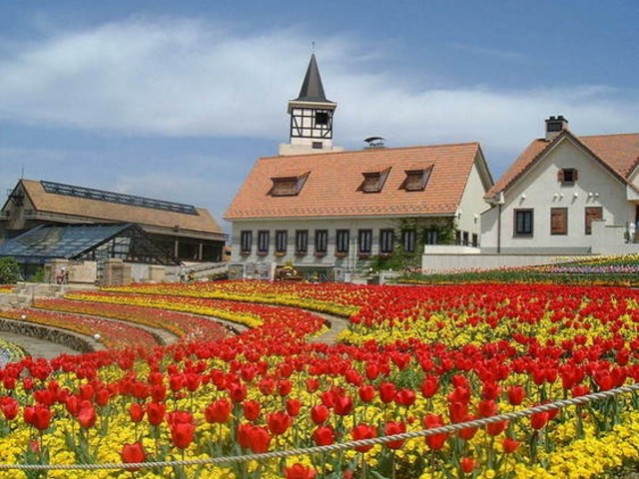
A theme park based on the anime Heidi, Girl of the Alps, at the foot of Mount Kaya. On about 10 hectares of gentle slope, tulips, roses and lavender bloom through the seasons around a faithful recreation of a Swiss town. Staff in Swiss folk costume greet you, you can meet goats at the mountain hut, and the restaurants serve Swiss cheese dishes. It is about 15 minutes by car from the Nirasaki Interchange on the Chuo Expressway.
Moegi no Mura Kiyosato
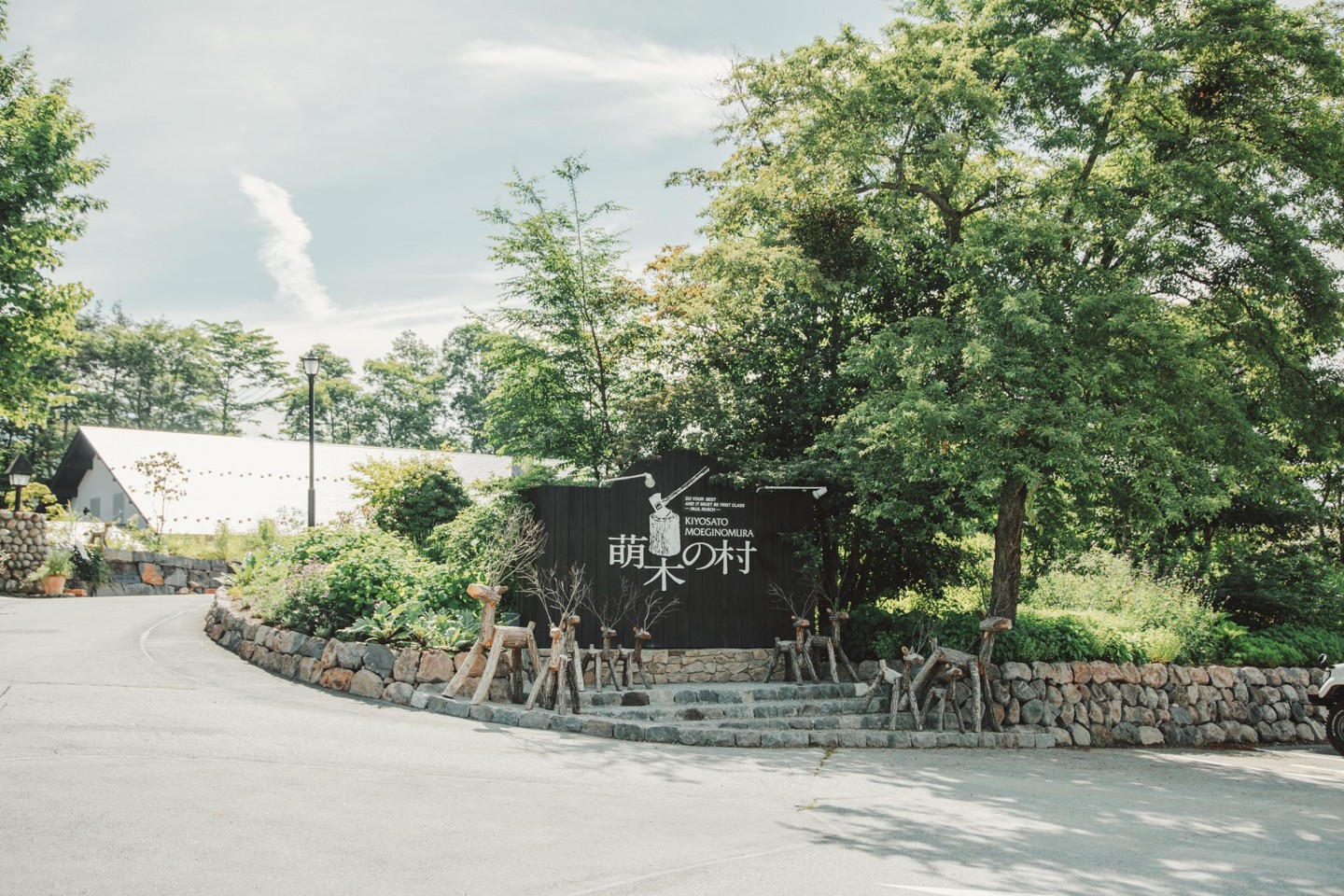
A classic stop in Kiyosato, a highland area known as a summer retreat. In the woods is a natural garden designed by an English gardener, with cherry blossoms and azaleas in spring, hydrangeas and lilies in summer, and autumn leaves. There is even a hotel. Deeper in the forest an American-made merry-go-round appears, and the cafe beside it serves sandwiches to beef stew. Pets are allowed at the cafe, so you can sit on the terrace with your dog.
Tips for your trip
The Mount Fuji climbing season is basically from early July to mid-September, so plan around it if you want to hike up from the Fifth Station. In summer the foot of Mount Fuji is cooler and less humid than central Tokyo, which makes the lakes and lava caves a good escape from the heat.
The places on a map
Hours, prices and events change. Check each place's official website before you go.
More travel guides
 Tokyo Sightseeing by Area: 40 Classic Sights and Lesser-Known Spots from Asakusa to Odaiba40 placesTokyo has much more to see than Skytree, Tokyo Tower and Asakusa. This guide works through six of the city's main…
 Nagoya: 40 Best Places to Visit, from Nagoya Castle and Atsuta Jingu to Osu40 placesNagoya is one of Japan's biggest cities, yet many visitors don't know how much it has to see. Alongside its famous…
 Chichibu: 40 Best Places to Visit, from Nagatoro River Boats and Mitsumine Shrine to Moss Phlox and Icicles40 placesChichibu, the largest city in Saitama Prefecture, is about 90 minutes from central Tokyo. Most of the area is national…
 Niigata Prefecture: 40 Best Places to Visit, from Classic Sights to Hidden Gems40 placesNiigata Prefecture stretches a long way from north to south, and each area has its own scenery, climate and food. The…
 Nagasaki Prefecture: 40 Best Places to Visit, from Unzen Hot Springs to Hirado and Nagasaki City40 placesNagasaki grew up as a port open to the outside world, and the culture of those days still shapes its streets, churches…
 Fukuoka Prefecture: 40 Places to Visit in Kitakyushu, Chikuho and Around Fukuoka City40 placesFukuoka Prefecture is roughly divided into four areas, Kitakyushu, Chikuho, Fukuoka and Chikugo, and each has its own…