
Kyoto in September: 15 Places to Visit for Autumn Flowers, Festivals and Moon Viewing, Plus What to Wear
15 places · Japanese version
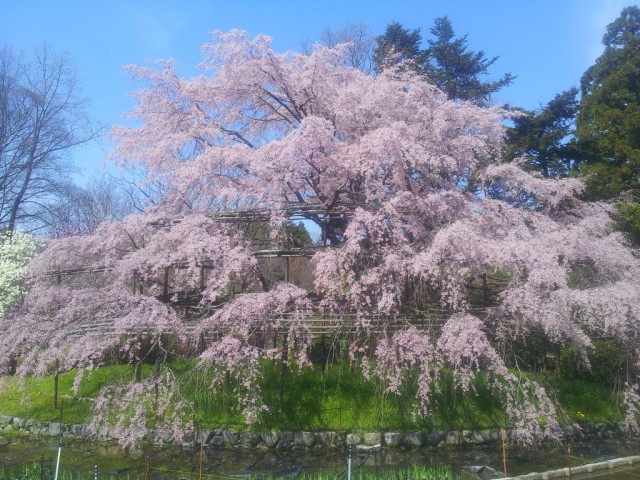
September in Kyoto brings the first autumn flowers, such as bush clover and cosmos, along with festivals and events held only at this time of year. The days are still hot, so it pays to mix outdoor sights with a break in a cafe or an indoor event. This guide covers 15 places to visit, from famous temples and shrines to quieter spots, grouped into autumn flowers, September festivals and events, and temple treasures. It ends with notes on the weather and what to wear.
Autumn flowers
Kyoto Botanical Gardens Shimogamo
A large botanical garden with fountains, a waterfall, a Western-style garden and flowers for every season, ideal if you love nature. In late September cosmos start to color the gardens. Peak bloom is said to be mid-October, but late September is already worth the visit and less crowded, so you can take your time. It is about 10 minutes by subway from Kyoto Station, with restaurants and souvenir shops nearby.
Nashinoki Shrine Kamigyo
Also called the shrine of bush clover, Nashinoki Shrine has several hundred bush clover plants that peak around mid-September, turning the grounds purple and white. A bush clover festival is held on the third or fourth Sunday of September. Do not miss Somei no Mizu, counted among the three famous waters of Kyoto. It is about three minutes on foot from the Furitsu Idai Byoin-mae city bus stop.
Nanzen-ji Okazaki
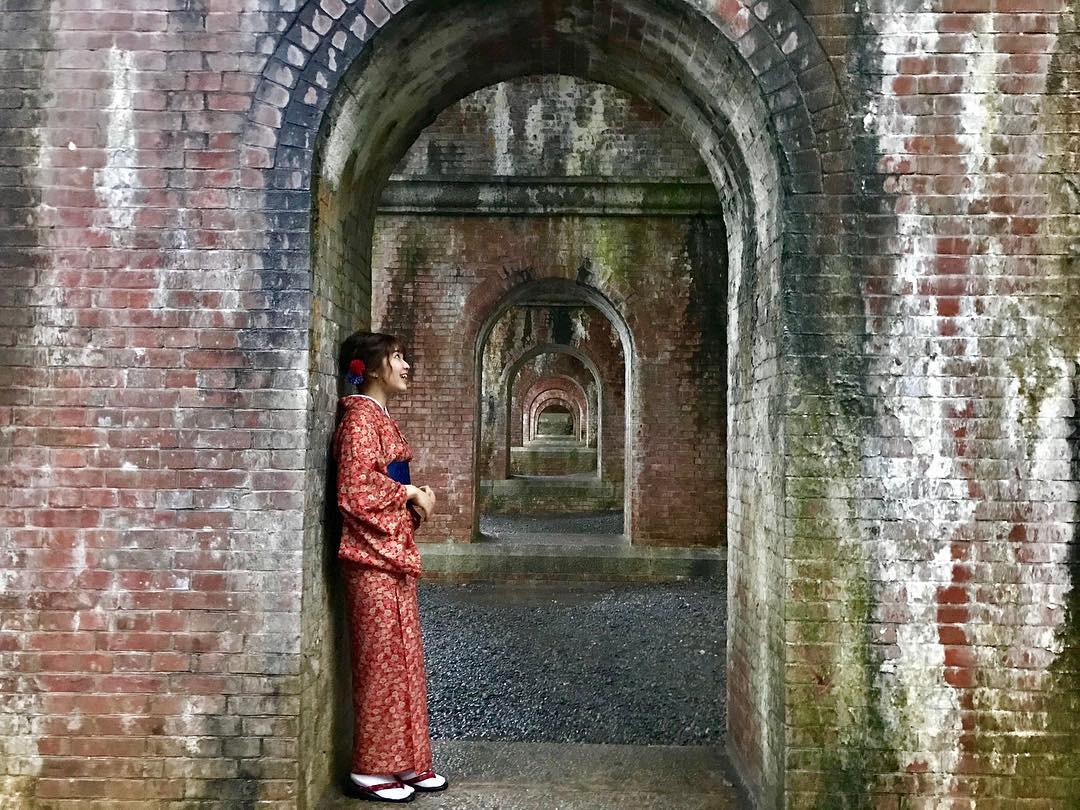
In September, colorful bush clover blooms at Nanzen-ji, the head temple of its branch of Zen. The area is said to be the birthplace of yudofu, simmered tofu, and many restaurants nearby serve it, so plan a meal here. Inside the temple, the pond garden made for strolling dates from the Kamakura period. It is about 10 minutes on foot from Keage Station on the Tozai subway line.
Shimogamo Shrine Shimogamo
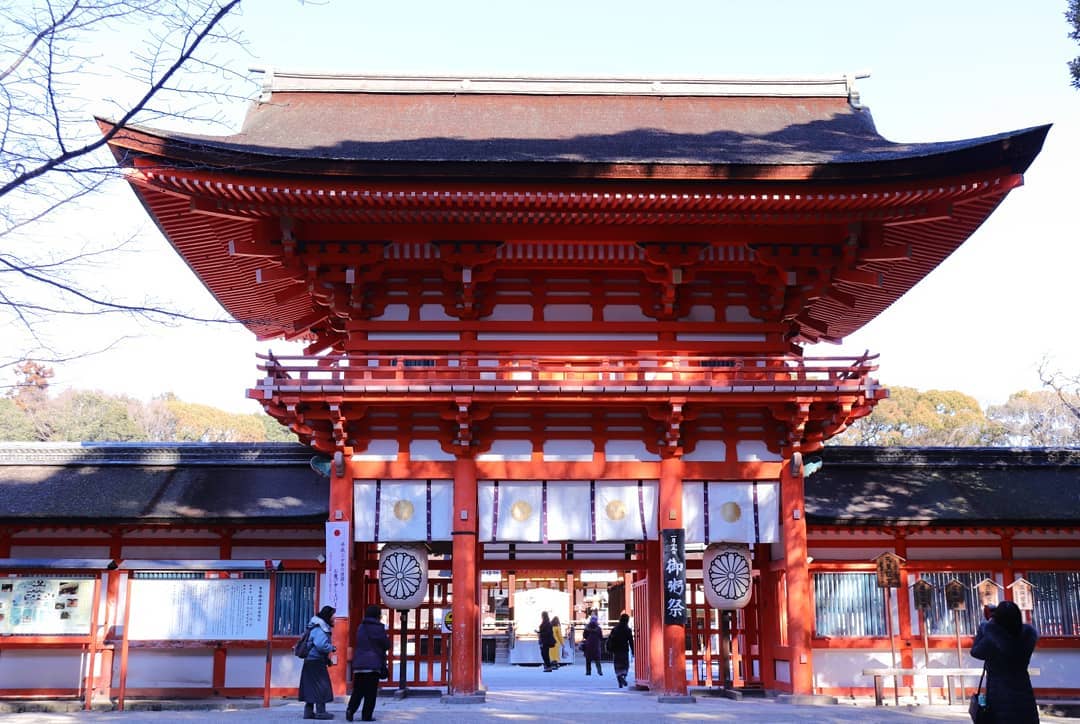
Known for cherry blossoms, autumn leaves and the Aoi Festival, one of Kyoto's three great festivals, Shimogamo Shrine is busy all year. In September you can see bush clover in bloom in Tadasu no Mori, the forest on its grounds. Come early in the morning for a quieter visit. The shrine also sells colorful, cute charms for finding love. It is about 10 minutes on foot from Demachiyanagi Station on the Keihan line.
Heian Shrine Okazaki
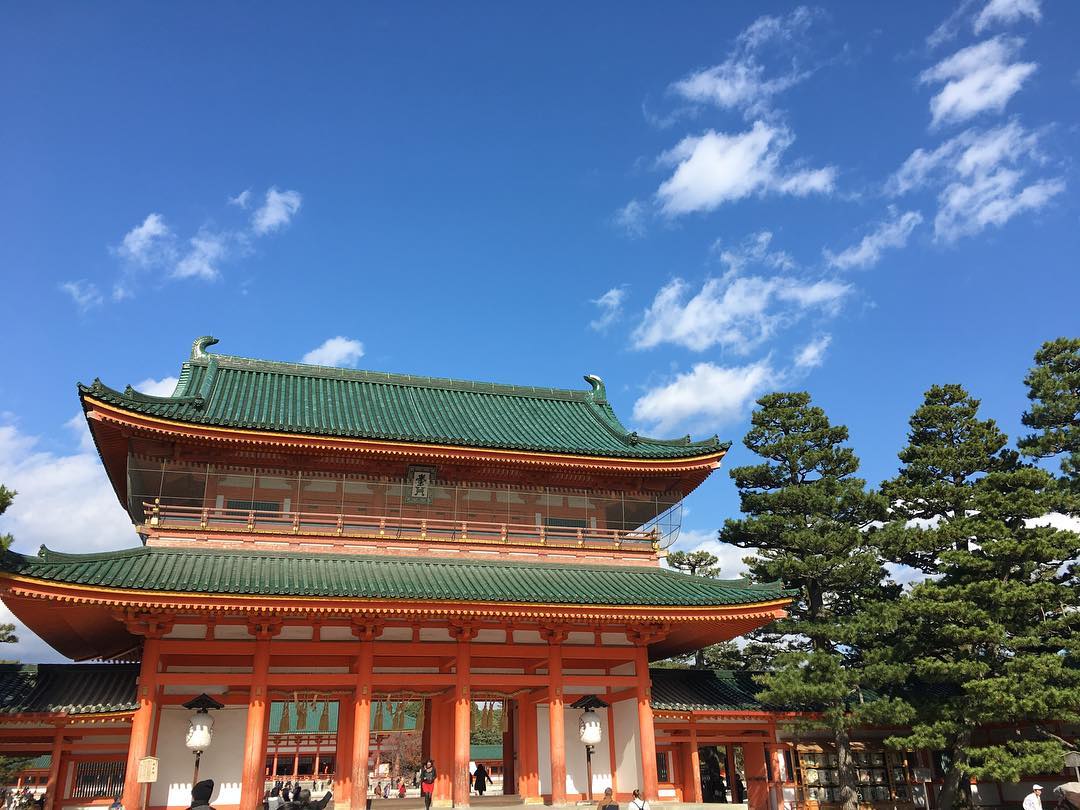
Heian Shrine is known for flowers in every season. In September, water lilies bloom in the pond garden, and some appear near the stepping stones too. The garden is open free of charge on September 19, which makes that day very crowded, so a weekday morning is better for a quiet look. Also in September, the shrine holds a sencha tea offering, when the heads of six tea schools serve green tea, a rare chance to taste Kyoto's tea culture.
Takao Parkway Flower Park Takao
Takao Parkway is a 10.7-kilometer scenic drive linking Arashiyama and the green hills of Takao, popular with families and couples. Its flower park has rape blossoms in spring and cosmos from late September into early October. You can also have a barbecue here in summer, and pets are welcome. From Arashiyama Station on the Hankyu line, take a taxi.
September festivals and events
Kodai-ji Higashiyama
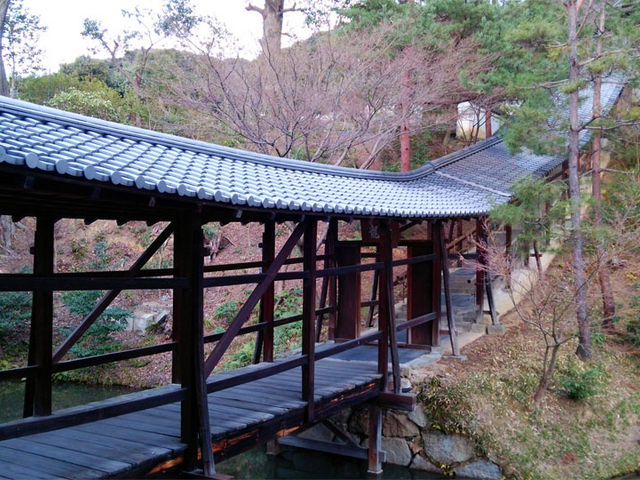
Every September, Kodai-ji holds a moon-viewing tea gathering, where you drink tea while enjoying autumn grasses and the sound of insects. The garden is also lit up, so you can enjoy it after dark, and it is not overly crowded, which makes for a relaxed evening. It is about 12 minutes on foot from Kiyomizu-Gojo Station on the Keihan line.
Matsunoo Taisha Arashiyama
The Hassaku Festival is held here every September, on the first Sunday of the month, to pray for a good harvest and calm weather. It includes Hassaku sumo, a tradition dating back to the Kamakura period, and a light-up at night, drawing visitors from far away. The grounds also have the Kyokusui Garden, which shows how Heian nobles played, and the Joko Garden, said to be a sacred place. It is right by Matsuo Taisha Station.
Jishu Shrine Higashiyama
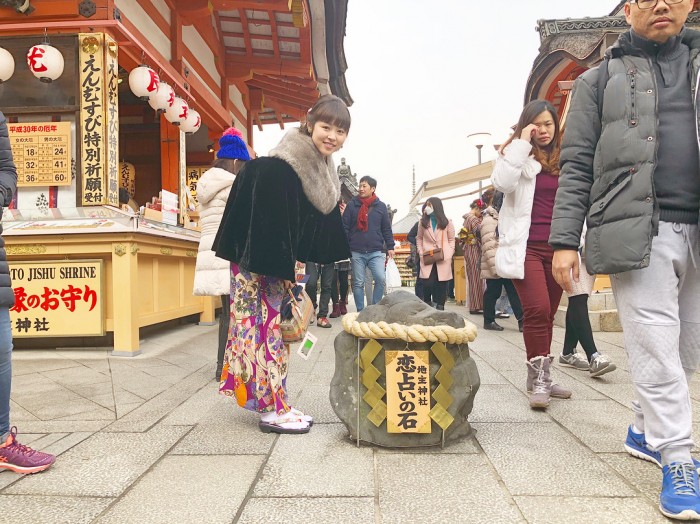
This shrine of matchmaking draws crowds of visitors, especially young women, and its trees make it a flower spot in spring and autumn. In mid-September it holds a festival for elders, where small lucky mallets are handed out to pray for the health of older people. Local seniors and visitors from all over Japan take part, and admission is free.
Kurama-dera Kurama
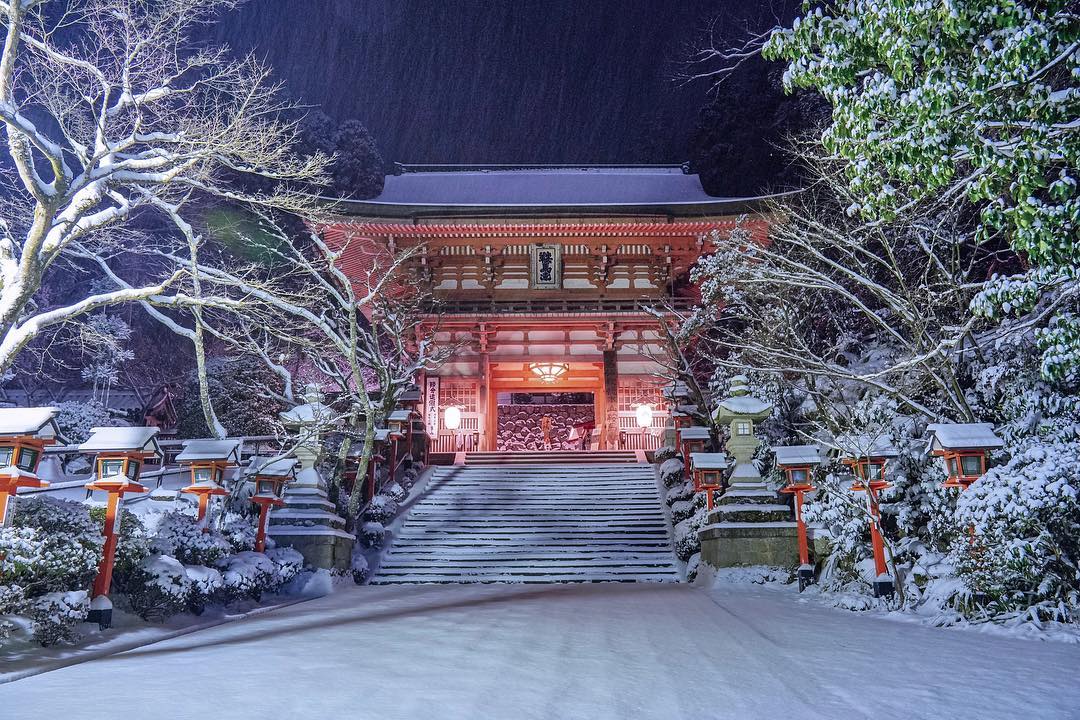
Kurama-dera is known as the place where the warrior Minamoto no Yoshitsune trained as a boy, and on September 15 it holds the Yoshitsune Festival in his honor. Even if you are not a history fan, you can watch offerings of martial arts. Nearby are Kurama Onsen, a natural hot spring, and Kifune Shrine. It is about five minutes on foot from Kurama Station on the Eizan Railway.
Sanzen-in Ohara
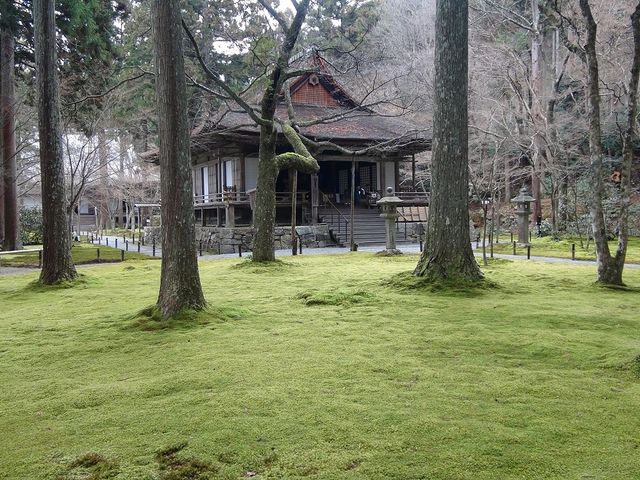
Around the autumn equinox, Sanzen-in holds its autumn higan service, when a mandala showing the Buddha's enlightenment is hung and monks chant to make offerings. Also look for the temple's national treasure, a seated Amida triad, and its painted sliding doors. The service, the large garden and the surrounding nature make a moving visit. Take the Kyoto Bus from Kyoto Station to Ohara, then walk about 10 minutes.
Kamigyo Takigi Noh at Shiramine Jingu Kamigyo
Every September, Shiramine Jingu hosts Kamigyo Takigi Noh, an evening of koto music and Noh by firelight that has been held for about 40 years. The program changes a little each year. It is very popular, so book an advance ticket if you can, and check the latest information, since the date or program can change and rain may cancel it. It is about eight minutes on foot from Imadegawa Station on the Karasuma subway line.
Kushi Matsuri (Comb Festival) Gion
In late September, women dressed in the costumes and hairstyles of the Heian and Kamakura periods parade through the Gion area. The procession is elegant and draws big crowds. The festival is said to bring blessings for beauty and beautiful hair. The parade is canceled in the rain.
Temple treasures and special viewings
To-ji Kyoto Station
To-ji is famous for its five-story pagoda, a national treasure of Kyoto, and on the 21st of every month its grounds fill with market stalls. In September its treasure hall opens for a limited time, showing items from a collection of about 25,000 objects that includes national treasures, which makes this a good season to visit. It is about 15 minutes from Kyoto Station, with restaurants and souvenir shops nearby.
Hiraoka Hachimangu Takao
Said to be the oldest Hachiman shrine, founded by Kukai, Hiraoka Hachimangu is known for camellias and seasonal flowers. Each spring and autumn it shows its Flower Ceiling, a ceiling painted with flowers, one of the few flower paintings of this kind you can see in Kyoto. Tell the staff you would like to see it and they will show you in. It is about three minutes on foot from the Hiraoka Hachiman stop of the JR Bus.
Weather and what to wear
The average temperature in Kyoto in September is around 24 degrees Celsius, so short sleeves and shorts are fine during the day. Mornings and evenings can drop to around 14 degrees, so pack a thin long-sleeved layer. The sun is still strong, so bring a hat with a brim and sunscreen.
Early September can still bring very hot days of around 35 degrees. Drink water often, take care against heatstroke, and look up cafes and indoor spots in advance where you can rest, since you will probably walk more than you expect. Late September is cooler but still warm in the daytime. Typhoons and sudden rain bring the temperature down, so keep a light long-sleeved shirt in your bag, along with an umbrella that works for both sun and rain.
If you plan to see several places in a limited time by train or bus, plan your route around travel times and locations. Many September events are popular, and booking ahead can pay off.
The places on a map
Hours, prices and events change. Check each place's official website before you go.
More travel guides
 Tokyo Sightseeing by Area: 40 Classic Sights and Lesser-Known Spots from Asakusa to Odaiba40 placesTokyo has much more to see than Skytree, Tokyo Tower and Asakusa. This guide works through six of the city's main…
 Nagoya: 40 Best Places to Visit, from Nagoya Castle and Atsuta Jingu to Osu40 placesNagoya is one of Japan's biggest cities, yet many visitors don't know how much it has to see. Alongside its famous…
 Chichibu: 40 Best Places to Visit, from Nagatoro River Boats and Mitsumine Shrine to Moss Phlox and Icicles40 placesChichibu, the largest city in Saitama Prefecture, is about 90 minutes from central Tokyo. Most of the area is national…
 Niigata Prefecture: 40 Best Places to Visit, from Classic Sights to Hidden Gems40 placesNiigata Prefecture stretches a long way from north to south, and each area has its own scenery, climate and food. The…
 Nagasaki Prefecture: 40 Best Places to Visit, from Unzen Hot Springs to Hirado and Nagasaki City40 placesNagasaki grew up as a port open to the outside world, and the culture of those days still shapes its streets, churches…
 Fukuoka Prefecture: 40 Places to Visit in Kitakyushu, Chikuho and Around Fukuoka City40 placesFukuoka Prefecture is roughly divided into four areas, Kitakyushu, Chikuho, Fukuoka and Chikugo, and each has its own…