
Kyoto in August: 16 Things to Do, from Green Maples and River Dining to Summer Fire Festivals
16 places · Japanese version
August is one of the hottest months in Kyoto, with many days above 30 degrees Celsius. It is also a month of fire and lantern festivals, fresh green maple leaves and cool riverside escapes. This guide covers 16 ideas for an August trip: shady shrines and temples, a scenic train, riverside dining and rafting, the summer rites that light up temples and mountains, including Gozan Okuribi, and special openings of places usually closed. At the end you will find tips on the weather and what to wear.
Green maples and summer flowers
Summer is not a flower season in most people's minds, but the green maple leaves are beautiful at this time of year, and a few gardens are in bloom.
Kifune Shrine Kibune
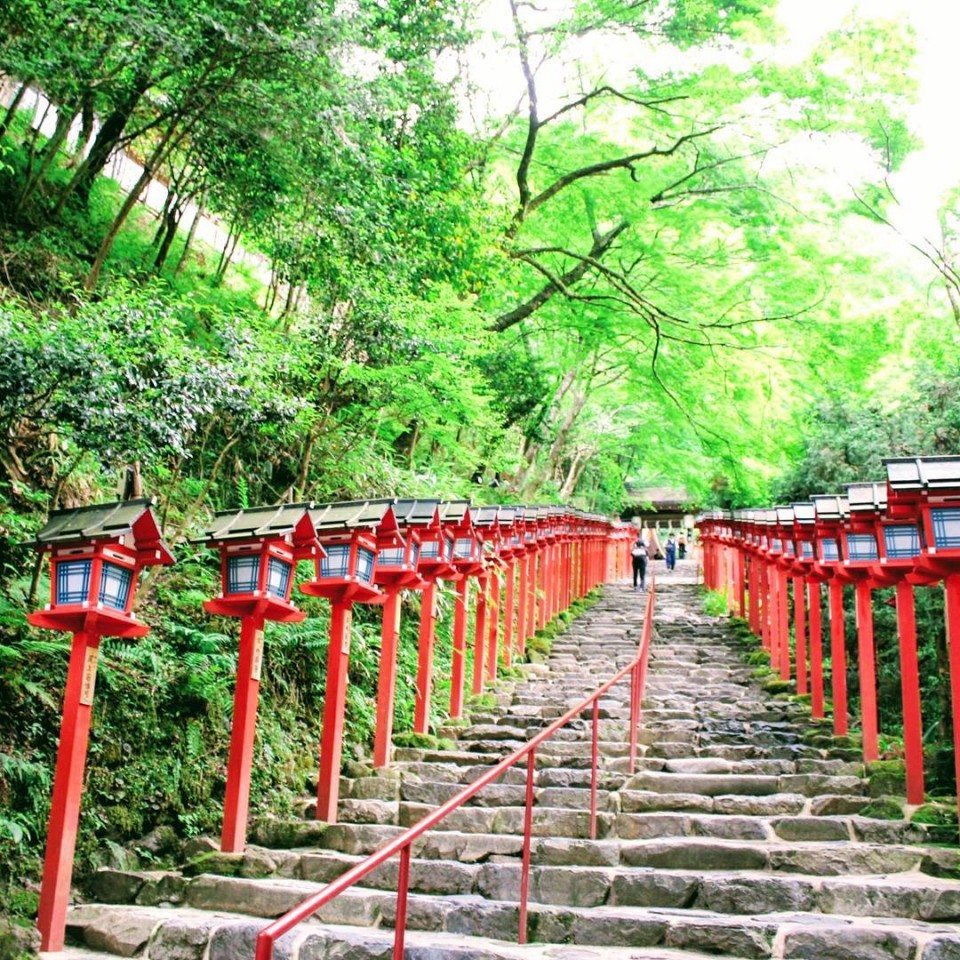
Known as a shrine of the god of water, Kifune Shrine has about 3,000 maple trees that stay a fresh green in summer. For the best view of the green valley, go to Ryusenkaku, a rest spot in the grounds, where the sound of the Kibune River adds to the cool feel. The stone steps just past the torii gate are a popular photo spot too. The green maples are at their best from May to early August.
Jingo-ji Takao
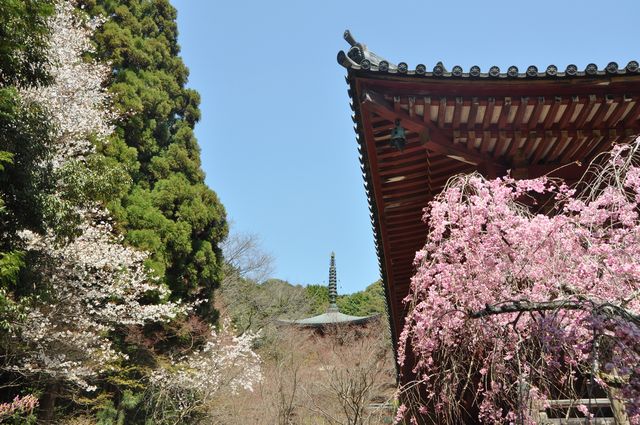
Jingo-ji is famous for autumn leaves, but its green maples are lovely in summer too, especially seen from the Kinunkei valley. Green maples are usually at their best in June and July, but here they stay beautiful into August. The steps in front of the Golden Hall and the gate are classic photo spots. Take the JR bus from Kyoto Station to Yamashiro Takao, then walk about 20 minutes.
Heian Shrine Okazaki
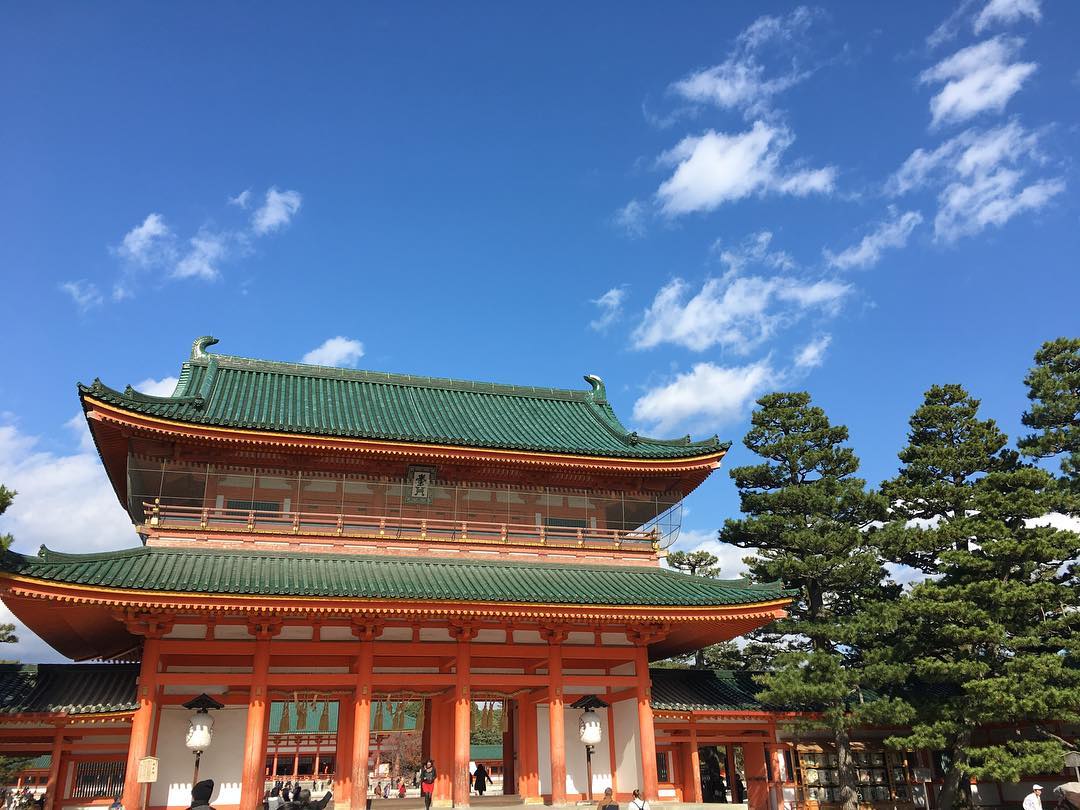
In August, water lilies bloom in the shrine garden. The best view is from Garyukyo, a bridge of stepping stones that is also a favorite photo spot. The flowers open early in the morning and close in the afternoon, so go before noon. The season runs from mid-May to early September. There are places to eat and souvenir shops nearby. The shrine is a 10-minute walk from Higashiyama Station on the Tozai subway line.
Cool escapes from the heat
Sagano Torokko Train Arashiyama
This sightseeing train runs along the Hozu River through rich green scenery. Its most popular car, The Rich, is open to the air, so you feel the summer breeze as you go. Cars 1 to 4 can be booked in advance; The Rich costs the same as the other cars, so line up early on the day to get a seat in it. The station is next to JR Saga-Arashiyama Station, and the train runs all year except in winter (December to February).
Kibune Kawadoko Kibune
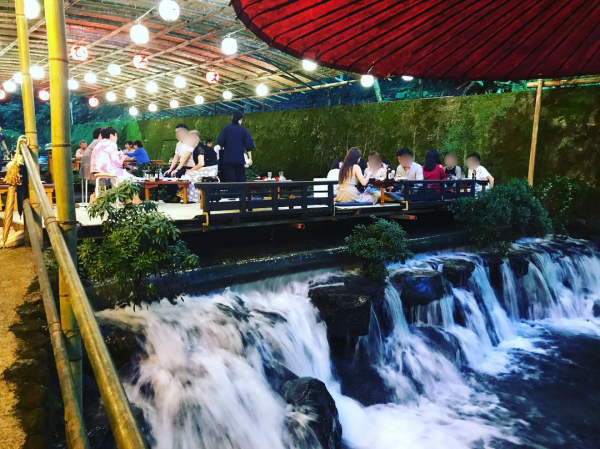
Kawadoko are platforms set over the river, where you can cool off while enjoying a meal, and many restaurants in Kibune set them up from May through September. Weekends and holidays are very crowded, so a reservation is a must. Even on weekdays, booking means a sure table, and some places will pick you up at Kibuneguchi Station. It can be 5 to 10 degrees cooler over the river, so bring a light layer.
Hozu River Rafting Kameoka
Rafting is a classic summer activity, and on the Hozu River the whole family can enjoy it while taking in the nature around. Half a day is enough. You do not need to bring anything special, but there are no showers at the base, so plan to wash up at a nearby public bath. The base is a 5-minute walk from Umahori Station on the JR Sagano Line, and rafting does not run from November to March.
August festivals and lantern nights
In August, temples, shrines and mountain villages around Kyoto hold rites with fires, lanterns and candles, many of them to honor the spirits of ancestors. Here are the ones worth planning a trip around.
Gozan Okuribi Around the city
On the night of August 16, huge fires are lit on the mountains around Kyoto. The five fires, Daimonji, Myoho, Funagata, Hidari Daimonji and Toriigata, are mostly seen from different places. To see them all at once, Kyoto Tower and Shogunzuka are options, but you need to book in advance. You can also watch from the top floor of a restaurant or from your hotel.
Sanzen-in Ohara
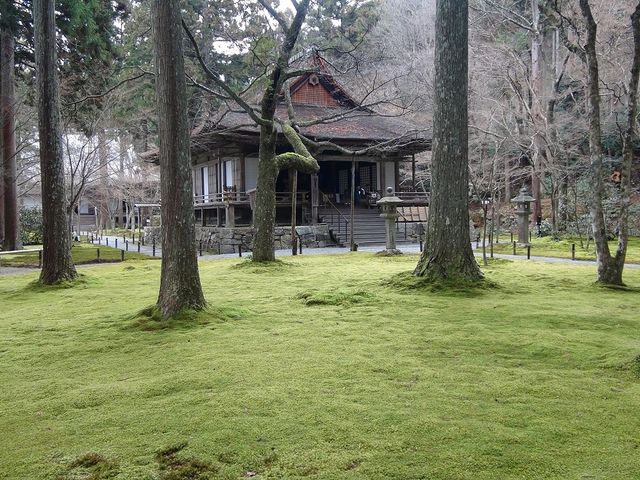
At the Mantoe lantern service held at Sanzen-in on an evening in mid-August, each light carries a wish, from world peace to good health. The green temple grounds glowing with lantern light are a rare, dreamlike sight, worth the trip if you are in Kyoto at this time. Ohara is a long ride from the city center, so check bus and train times before you go.
Daigo-ji Fushimi
Every year on August 5, lanterns are lit across the grounds of Daigo-ji, a World Heritage temple, for a memorial service for the spirits of the dead. The five-story pagoda and the Golden Hall, both National Treasures, are lit up, drawing many visitors. Lantern services are held at other temples too, but many people come back here every year for the atmosphere.
Adashino Nenbutsu-ji Saga-Toriimoto
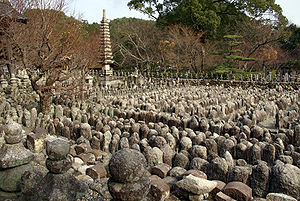
At the end of August, Adashino Nenbutsu-ji holds Sento Kuyo, a memorial in which candles are lit to honor the dead whose remains rest here. It is a Pure Land Buddhist temple, and the evening is a time of prayer rather than a show, so it suits visitors interested in religion and history. The temple is about 25 minutes on foot from JR Saga-Arashiyama Station, so consider a car or taxi.
Hanase Matsuage Hanase
Held every August 15, Hanase Matsuage is a Shinto rite to send off the spirits of ancestors and pray for a good harvest. About a thousand pine torches are lit, and fire is raised to the top of a pole about 20 meters high, a powerful sight that draws many visitors. Kyoto Bus runs from Demachiyanagi Station, but buses are few, so check the times in advance.
Hirogawara Matsuage Hirogawara
Like the rite in Hanase, Hirogawara Matsuage raises fire to the top of a pole about 20 meters high to send off ancestral spirits and pray for a good harvest. The tradition goes back about 300 years. The Yassa Odori, a graceful dance by women in geta sandals, is especially popular. It is held on August 24; take the Kyoto Bus bound for Hirogawara from Demachiyanagi Station.
Kitano Tenmangu Kamigyo
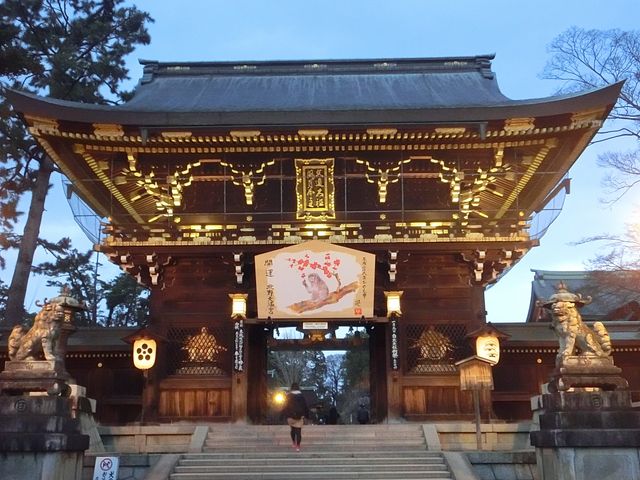
Kitano Tenmangu, where Sugawara no Michizane is enshrined, holds the Kitano Tanabata festival in August to pray for good health and a good harvest. Historic sites are lit up, and visitors can step into the Mitarashi stream to purify body and mind. The shrine is also known for the god of learning, so it is a good stop for students before exams or anyone facing a big challenge.
Umenomiya Taisha Umezu
Umenomiya Taisha is worshiped as a shrine for safe childbirth. The belief goes back to Tachibana no Kachiko, the Heian-period empress of Emperor Saga, who had a child after praying here. At the Saga Tenno-sai festival on August 25, which honors Emperor Saga, boys' sumo, a favorite of the emperor, is offered to the gods, and food stalls bring a summer festival mood. It is about 10 minutes on foot from Matsuo-taisha Station on the Hankyu Arashiyama Line.
Rokudo Chinno-ji Higashiyama
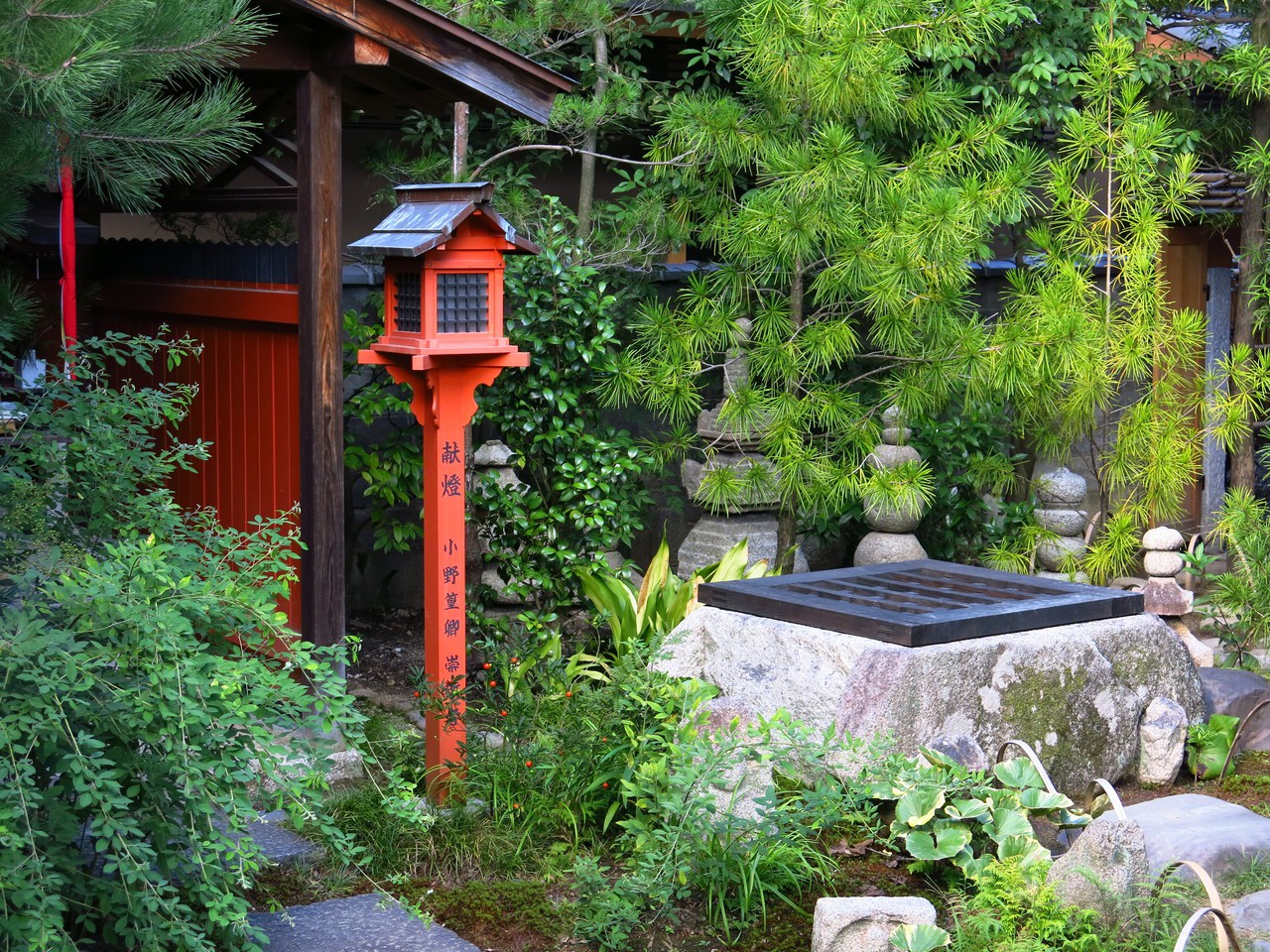
Rokudo Mairi, held here every August, honors the spirits of ancestors, based on the belief that people are reborn through six realms according to their deeds. During this time the temple shows its Yakushi Nyorai statue, an Important Cultural Property, and paintings of hell, so it draws many visitors. It is about 15 minutes on foot from Kiyomizu-Gojo Station on the Keihan Line.
Special summer openings
Kyo no Natsu no Tabi Various places
Kyo no Natsu no Tabi is a summer program by the Kyoto City Tourism Association in which buildings, gardens and other cultural treasures that are usually closed open to the public. Past openings have included treasures at Shimogamo Shrine and Ninna-ji. Guides explain the sites, which makes it a good way to learn more about Kyoto. The places that open change each year, so check what is on before your trip.
Weather and what to wear in August
August is the peak of the summer heat across Japan, and Kyoto is especially hot, with many days above 30 degrees Celsius and some above 35. Even the lows stay around 25 degrees, so short sleeves and shorts are fine morning and night. Bring a hat, sunscreen, a parasol and a cooling spray, drink water often and take regular breaks.
If you plan to sightsee on foot, take a taxi for some legs to save energy. Late August is much the same as early August, but sudden showers can happen, so carry a folding umbrella.
The places on a map
Hours, prices and events change. Check each place's official website before you go.
More travel guides
 Tokyo Sightseeing by Area: 40 Classic Sights and Lesser-Known Spots from Asakusa to Odaiba40 placesTokyo has much more to see than Skytree, Tokyo Tower and Asakusa. This guide works through six of the city's main…
 Nagoya: 40 Best Places to Visit, from Nagoya Castle and Atsuta Jingu to Osu40 placesNagoya is one of Japan's biggest cities, yet many visitors don't know how much it has to see. Alongside its famous…
 Chichibu: 40 Best Places to Visit, from Nagatoro River Boats and Mitsumine Shrine to Moss Phlox and Icicles40 placesChichibu, the largest city in Saitama Prefecture, is about 90 minutes from central Tokyo. Most of the area is national…
 Niigata Prefecture: 40 Best Places to Visit, from Classic Sights to Hidden Gems40 placesNiigata Prefecture stretches a long way from north to south, and each area has its own scenery, climate and food. The…
 Nagasaki Prefecture: 40 Best Places to Visit, from Unzen Hot Springs to Hirado and Nagasaki City40 placesNagasaki grew up as a port open to the outside world, and the culture of those days still shapes its streets, churches…
 Fukuoka Prefecture: 40 Places to Visit in Kitakyushu, Chikuho and Around Fukuoka City40 placesFukuoka Prefecture is roughly divided into four areas, Kitakyushu, Chikuho, Fukuoka and Chikugo, and each has its own…