
Tokyo in February: 18 Places for Winter Lights and Warm Indoor Days
18 places · Japanese version
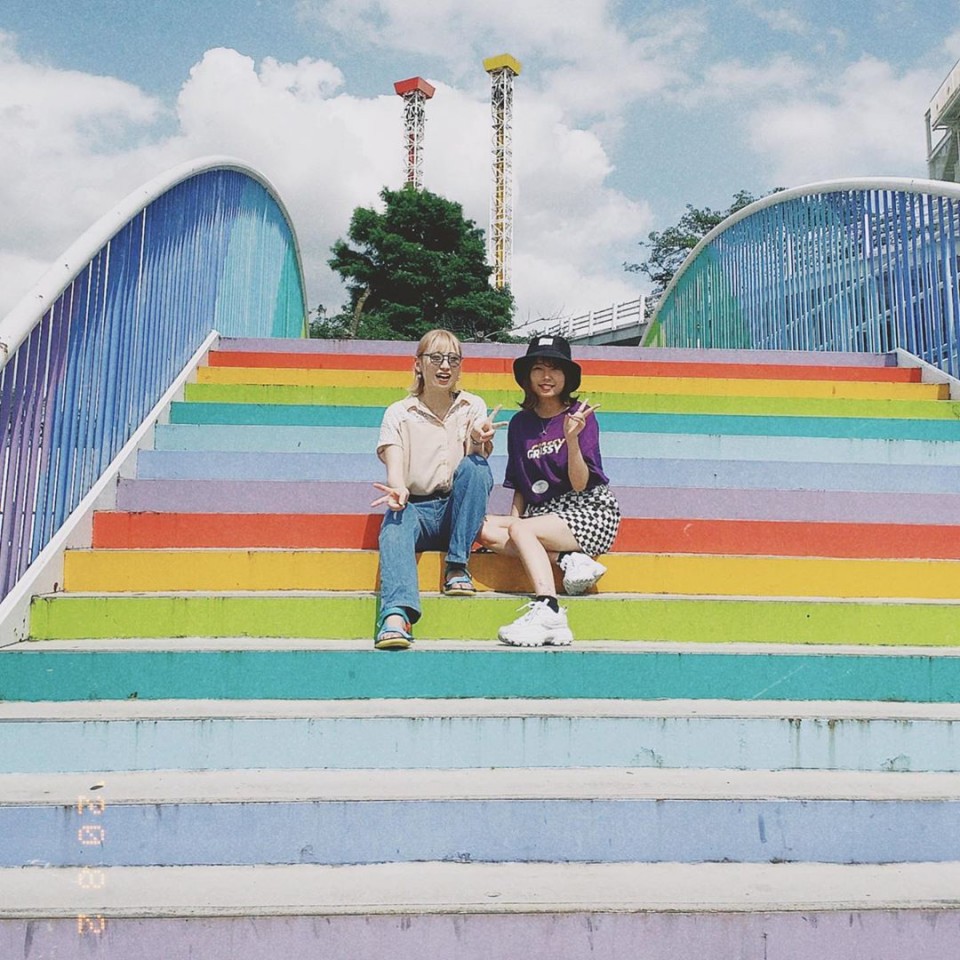
February is one of the coldest months in Tokyo, but the city still has plenty to enjoy. Winter illuminations light up amusement parks, shopping districts and tree-lined avenues, and the clear winter air makes night views from the towers especially sharp. When you need a break from the cold, museums, aquariums and big shopping complexes let you spend hours indoors. Here are 18 places that suit a February trip, grouped into winter illuminations, towers and night views, temples and shrines, and warm indoor stops, followed by tips on the weather and what to wear.
Winter illuminations
Illuminations are one of the best reasons to visit Tokyo in winter. Many are free to see, and most run from early evening until late at night.
Yomiuriland Jewellumination Inagi
Yomiuriland is an amusement park that holds Jewellumination, a winter illumination themed on jewels. A large display of LED lights and a fountain show fill the park. Look down on the lights from the Ferris wheel, take in a night view that reaches as far as Tokyo Skytree and Tokyo Tower, and try the ice skating rink with its own light effects. A gondola called the Sky Shuttle runs up to the park from Keio-Yomiuri-Land Station.
Odaiba Marine Park Odaiba
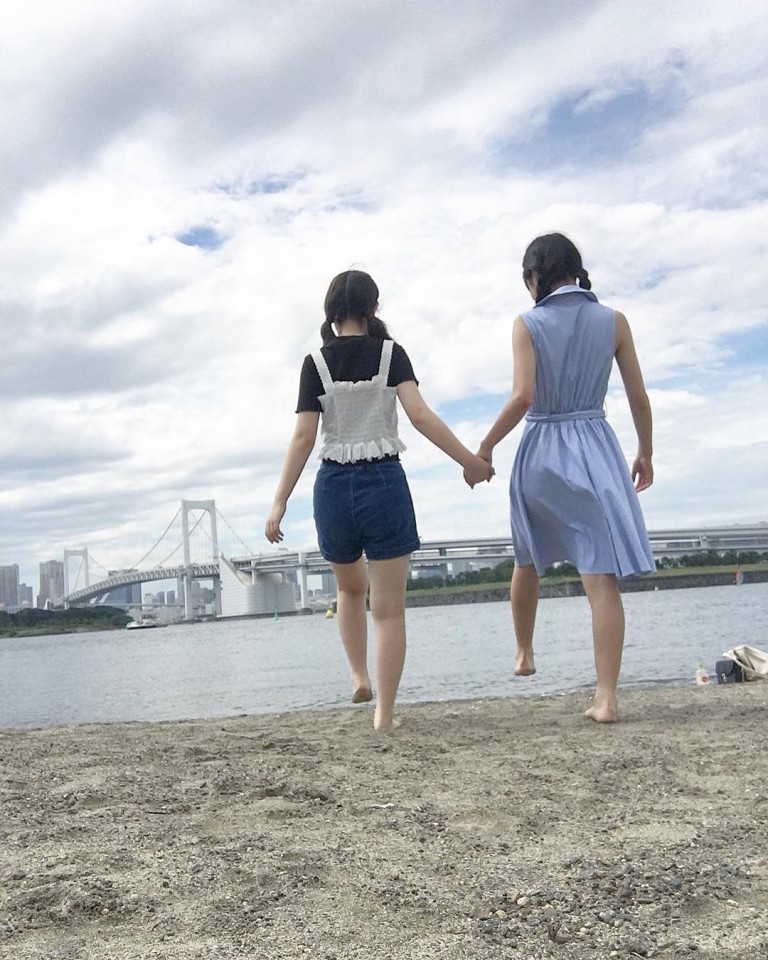
This seaside park looks out on Rainbow Bridge, Tokyo Tower and the Statue of Liberty replica, a classic Tokyo view. In winter, the deck on the third floor of DECKS Tokyo Beach is lit for about 200 meters, centered on the Daiba Memorial Tree, one of the largest live trees decorated with lights in Tokyo. Enjoy the night view between shopping and dinner. The park is about two minutes on foot from Odaiba-kaihinkoen Station.
Ebisu Garden Place Ebisu
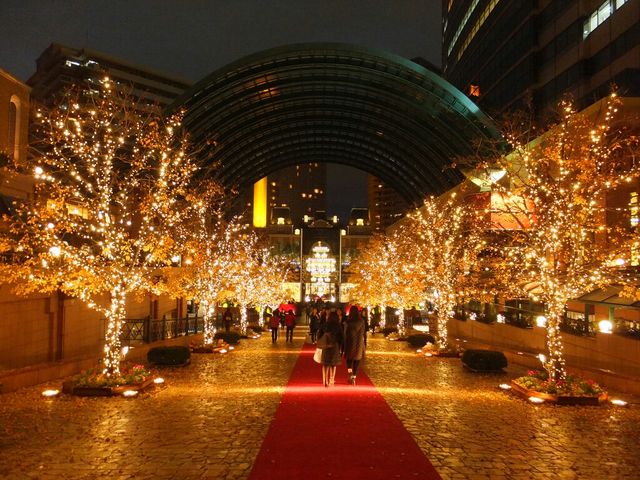
This large complex is a symbol of stylish Ebisu. Every winter it is wrapped in champagne-gold lights, and its most famous sight is a Baccarat chandelier, one of the largest in the world. The trees also glow with about 100,000 lights. With restaurants, cafes, a beer museum, an art museum, a cinema, a hotel and a department store, you can stay warm indoors all day. It is about five minutes on foot from Ebisu Station.
Tokyo Dome City Suidobashi
Tokyo Dome City is a leisure complex with Tokyo Dome, hotels, an amusement park and many restaurants. Its winter illumination runs every year until February, with light displays, fountains and plenty of photo spots. To warm up, head to LaQua, a spa where you can soak away the cold. There is also an amusement park for families. It is about six minutes on foot from Suidobashi Station.
Shinjuku Terrace City Shinjuku
Around the Odakyu Line side of Shinjuku Station, Shinjuku Terrace City holds a popular illumination every winter, spread from the West Exit area to Southern Terrace by the South Exit. Each area has its own colors and lighting, with large, dreamy light objects that make great photos. It is directly connected to Shinjuku Station, so you can stop by after shopping or dinner, or stroll from one photo spot to the next.
Omotesando Avenue Omotesando
Omotesando is lined with stylish cafes, restaurants and luxury brand shops. In winter, about 150 zelkova trees along the avenue glow with bright champagne-gold lights, and shows set to music and photo spots appear for a limited time. It makes a relaxed evening walk after a meal or shopping. The avenue is steps from Harajuku, Meiji-jingumae and Omotesando stations.
Towers and night views
Tokyo Skytree Oshiage
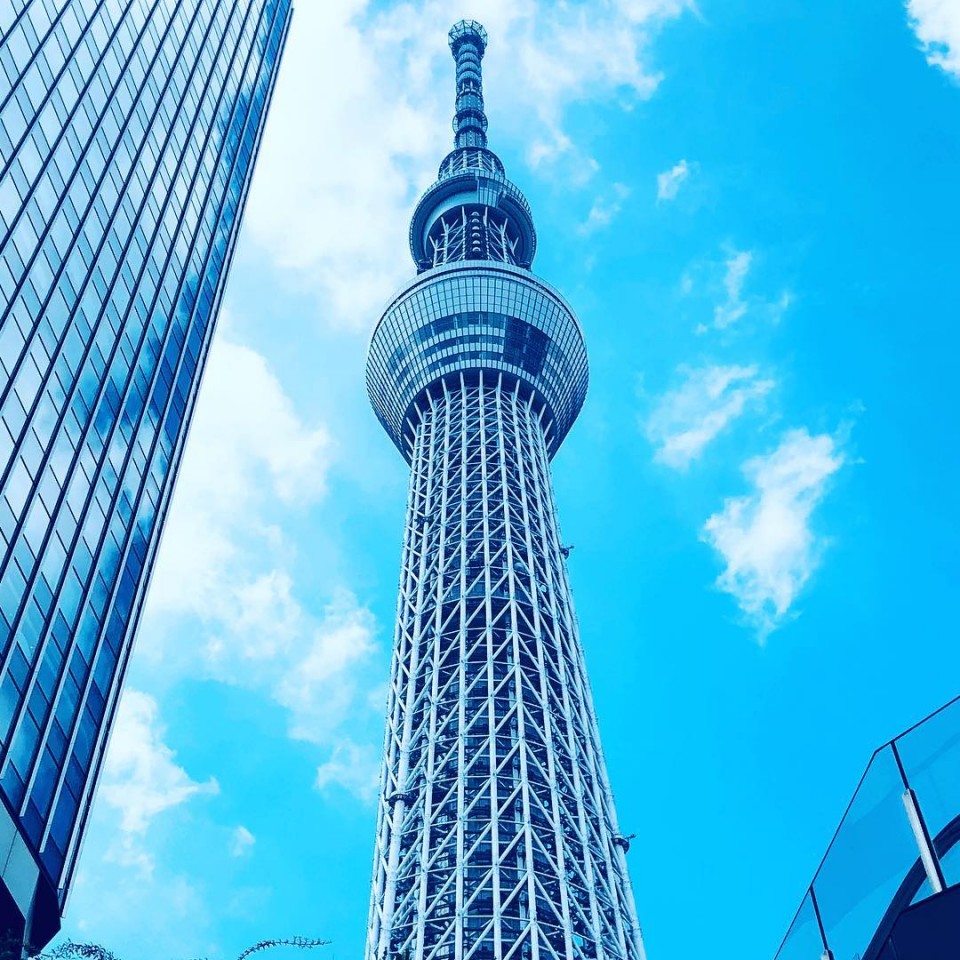
Tokyo Skytree Town, around the tower, has food, shopping, an aquarium and a planetarium indoors, with modern Japanese interiors and shops that give a feel of old downtown Tokyo. It is a good place for Tokyo souvenirs. In the clear winter air you can see far across the city from the tower, and the lit-up tower is beautiful even if you do not go up. In winter, an ice skating rink opens right below the tower, with a kids' space too.
Tokyo Tower Shiba
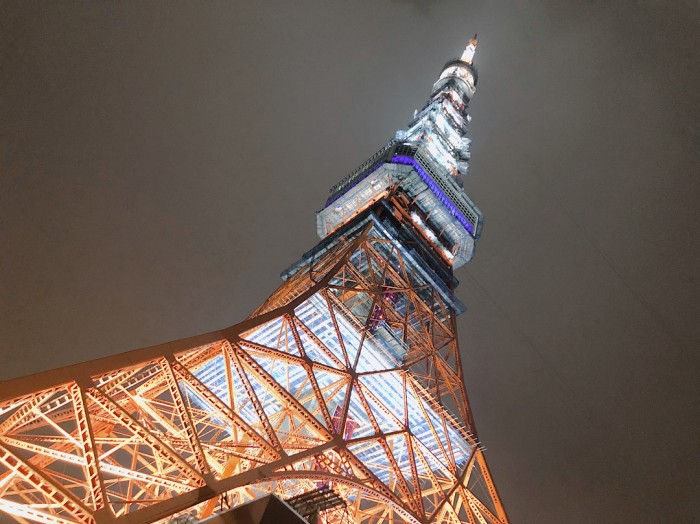
Tokyo Tower is still a much-loved landmark. The Main Deck at 150 meters and the Top Deck at 250 meters look out over central Tokyo, and there are places to eat inside. The tower's own lighting has summer and winter versions, and in winter it glows a warm orange that gives it a nostalgic look. Special lighting is also used for events. It is about five minutes on foot from Akabanebashi Station.
Tokyo Station Marunouchi
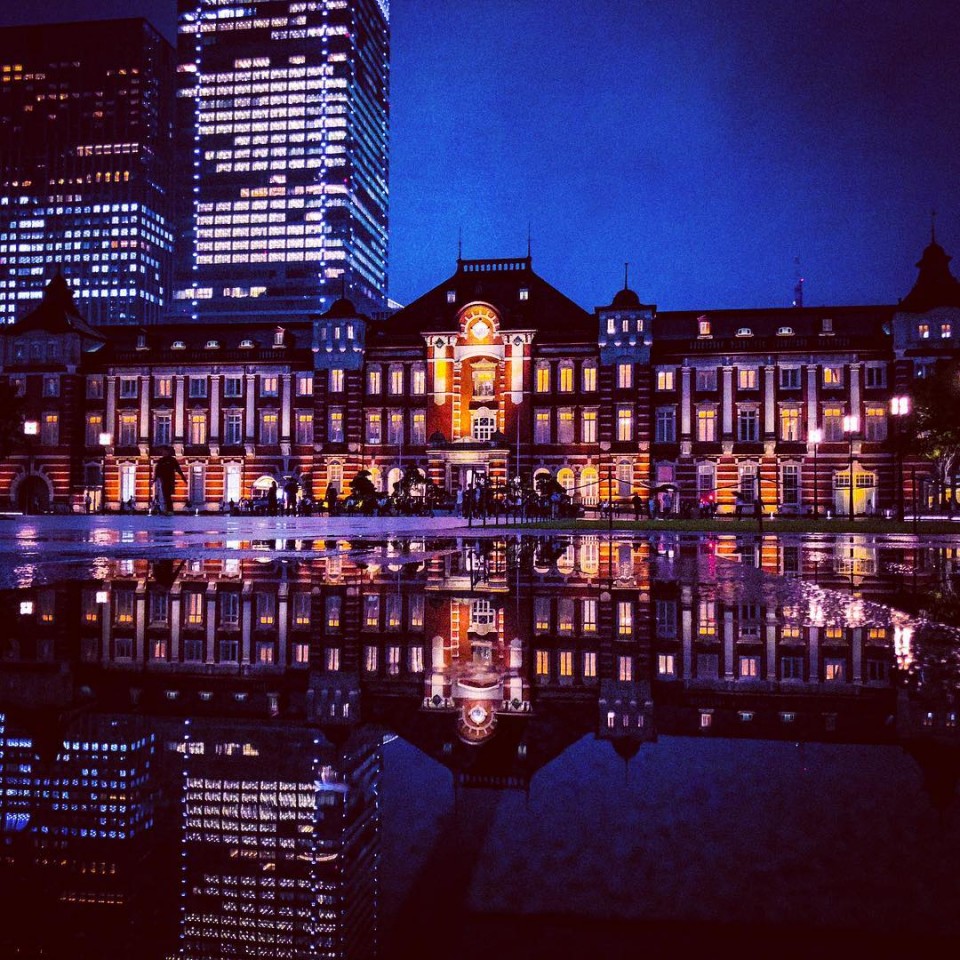
The red brick Marunouchi building, restored in 2012, is a sight in its own right, and it is lit up at night. For a romantic view of the station and the city at night, go up to the rooftop gardens of the nearby Marunouchi Building, Shin-Marunouchi Building or KITTE. Inside, look up at the north and south domes with their carvings of the zodiac animals. With lots of Tokyo food and souvenir shops, it is a fine last stop on a trip.
Temples and shrines
Senso-ji Asakusa
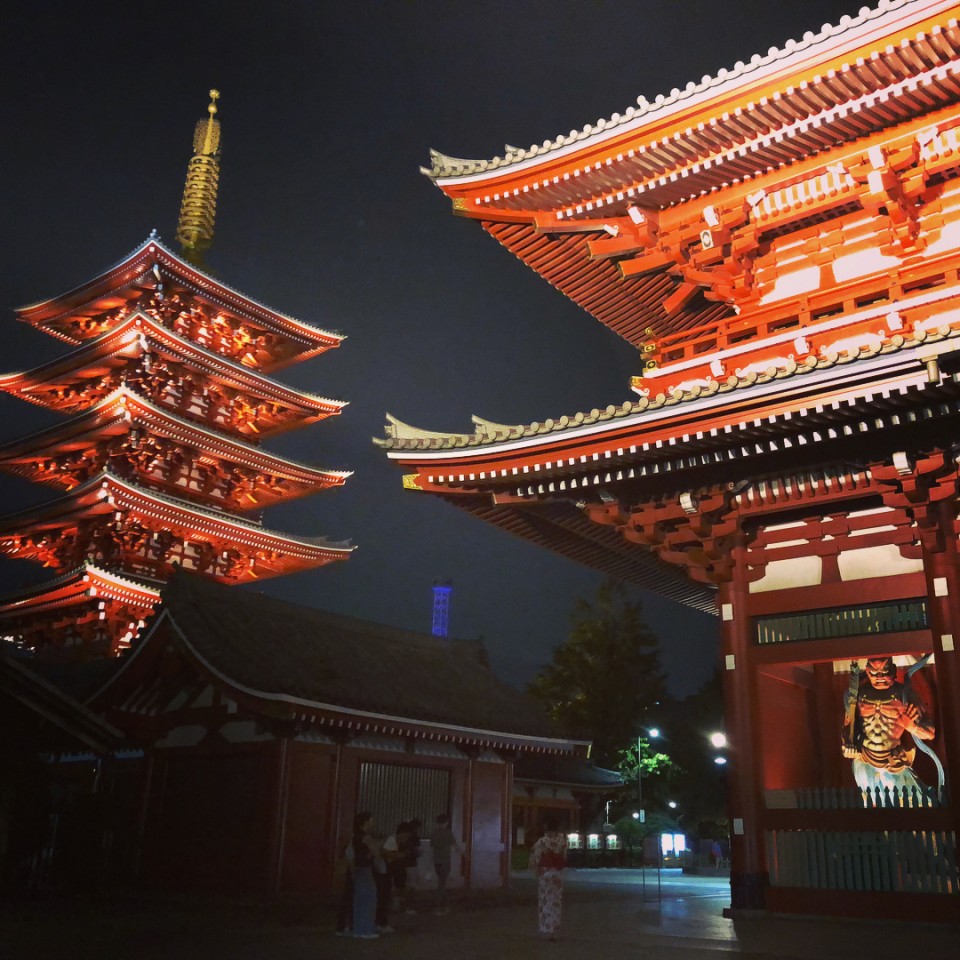
Famous for Kaminarimon Gate, Senso-ji is a favorite with visitors from abroad. Past the gate, Nakamise Street has nearly 90 food and souvenir shops. Try traditional sweets such as kaminari okoshi, fried manju and ningyo-yaki fresh on the spot, or take some home. The temple is lit up every day from sunset until about 11 pm, and in the clear winter air the gate, main hall and five-story pagoda stand out beautifully. It is five minutes on foot from Asakusa Station.
Meiji Jingu Harajuku
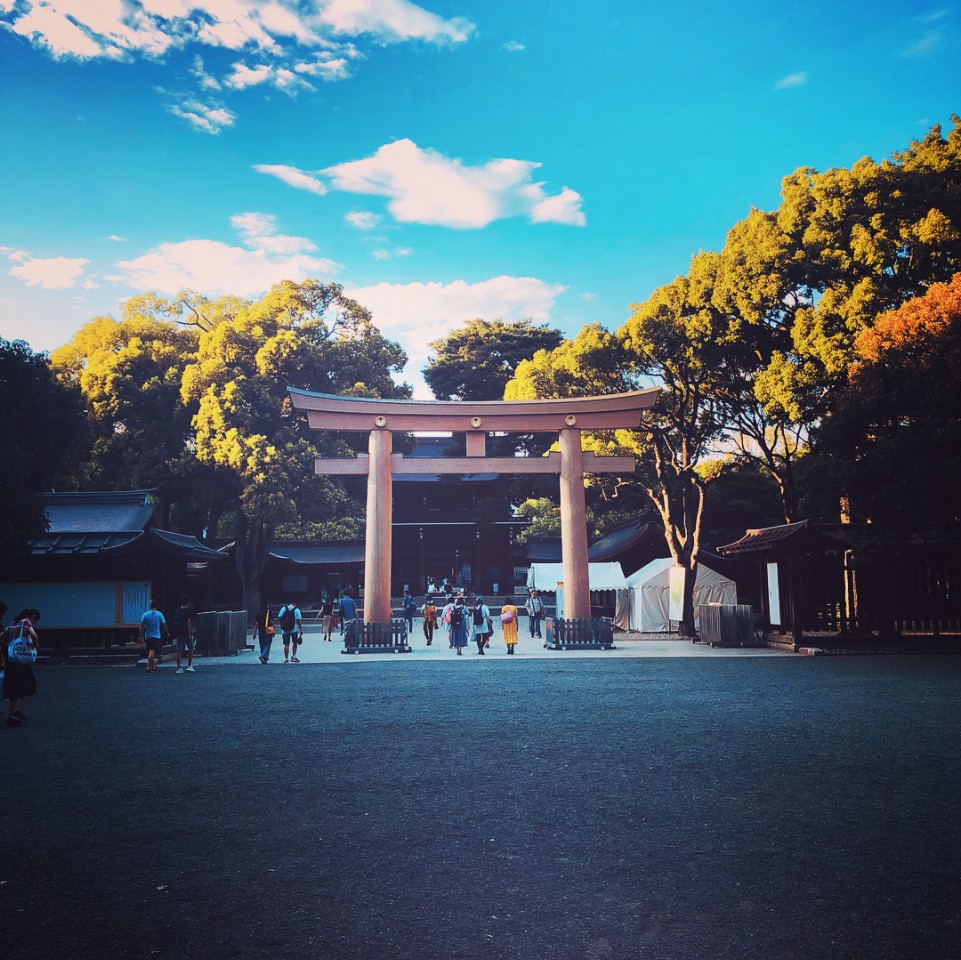
This classic shrine in central Tokyo enshrines Emperor Meiji and Empress Shoken, and its New Year visitor numbers are often the highest in Japan. The approach, surrounded by forest, is perfect for a walk. Kiyomasa's Well is a famous spiritual spot, and the Meoto Kusu, two camphor trees tied together with a rope, is popular for good relationships. Restaurants and souvenir shops let you warm up after your visit. It is three minutes on foot from Harajuku and Meiji-jingumae stations.
Tokyo Daijingu Iidabashi
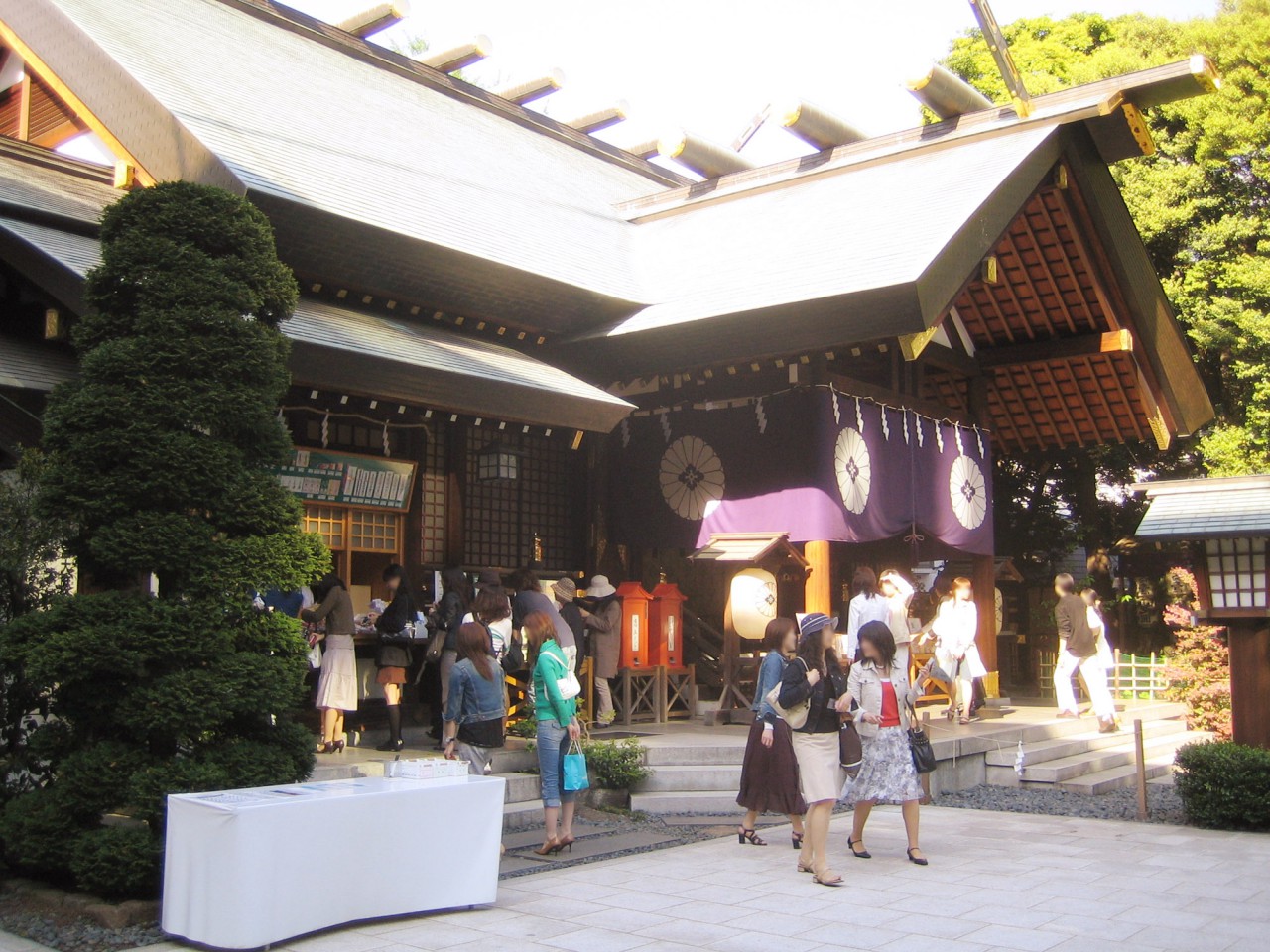
Called the Ise of Tokyo, this shrine has ties to Ise Grand Shrine and mainly enshrines Amaterasu. It is one of the most popular places in Tokyo to pray for love and a good match, so it is busy in the days before Valentine's Day. Look for hearts hidden around the grounds, cute matchmaking charms, three kinds of matchmaking ema plaques and love fortunes. It is about five minutes on foot from Iidabashi Station.
Warm indoor stops and markets
National Museum of Nature and Science Ueno
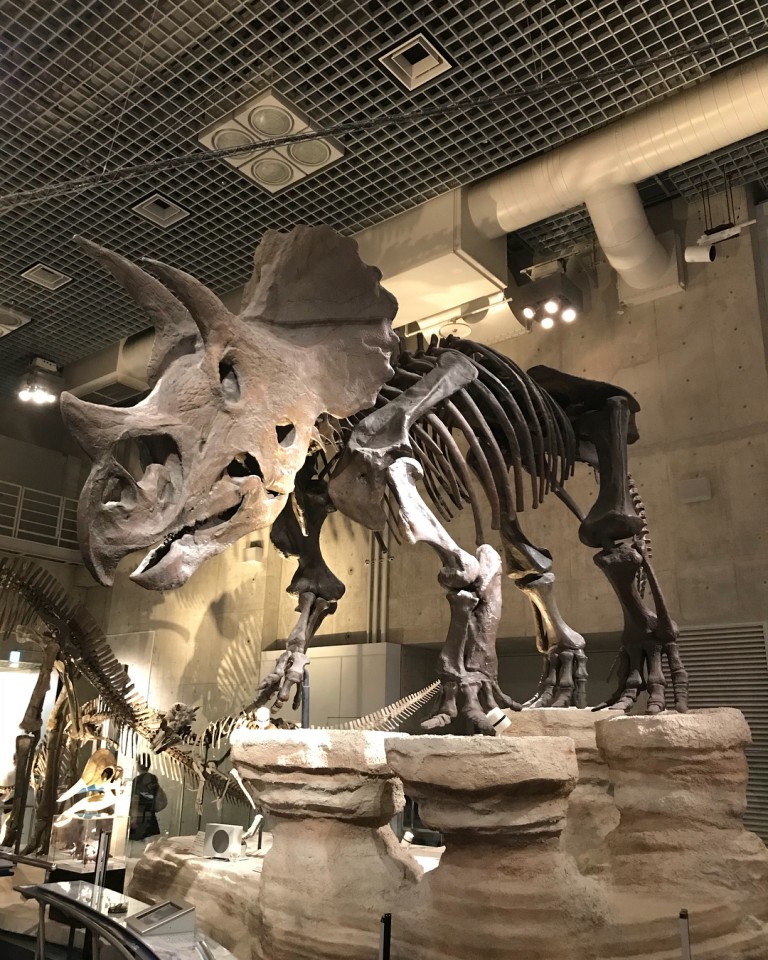
This museum in Ueno Park is a great place to spend a cold day indoors. The Japan Gallery and Global Gallery hold permanent exhibits on nature, animals and science, and special exhibitions run for a limited time. Life-size animal specimens and many dinosaurs make a strong impression. It is so large that one day is hardly enough to see everything, yet it is easy to enjoy even with children. It is about five minutes on foot from Ueno Station.
Ameyoko Ueno
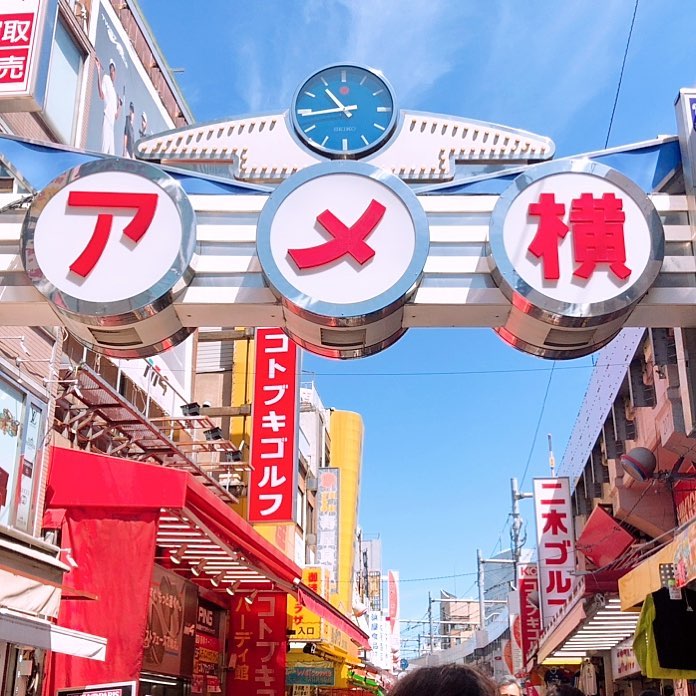
Ameyoko is a shopping street between Ueno and Okachimachi packed with about 400 shops selling fresh food, sweets, delicacies from around the world and clothes at low prices. Just looking around is fun. Food from many countries makes it good for snacking as you walk, and many places serve drinks in the daytime to warm you up. There is also a famous shop that sells chocolate in lively auction-style bundles. It is right by Ueno and Okachimachi stations.
Sunshine Aquarium Ikebukuro
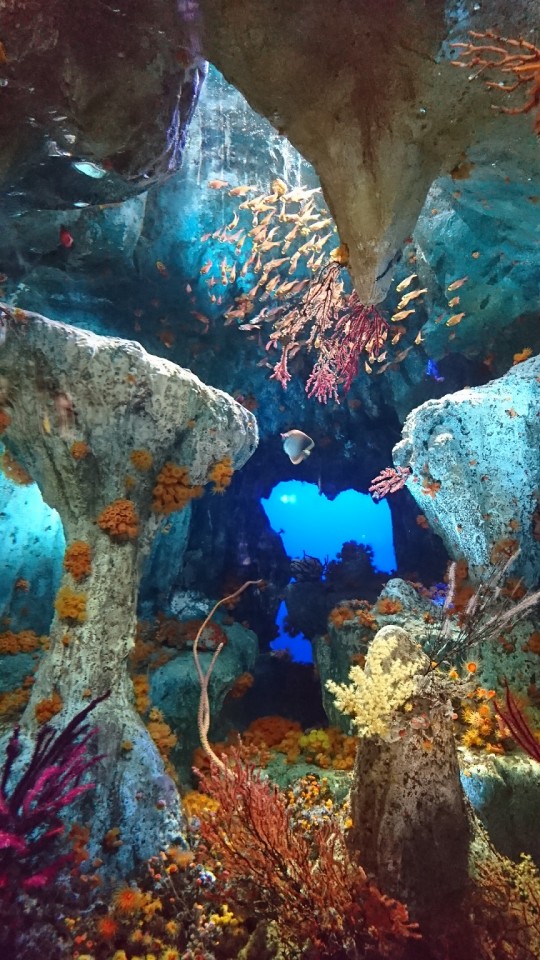
This aquarium sits in a building in the heart of Ikebukuro. On the roof you can watch penguins and sea lions swimming right above your head. Indoors, see the big Sunshine Lagoon tank, seals and jellyfish, catch feeding times up close and enjoy performance events. Sunshine City has many restaurants, so you can spend most of the day indoors. It is about three minutes on foot from Higashi-Ikebukuro Station.
Miraikan (National Museum of Emerging Science and Innovation) Aomi
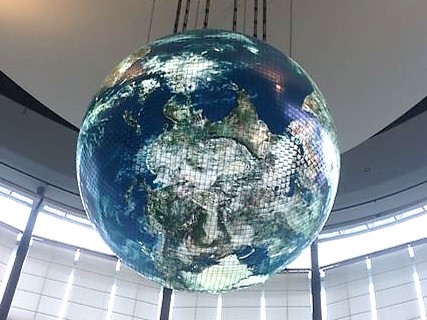
Miraikan introduces Japan's latest science and technology with real machines and robots to touch and try. For many visitors the star is the android robot, so lifelike that young children sometimes mistake it for a person. There is also a small planetarium. Because everything is indoors, it is a good choice on a very cold day. Telecom Center Station on the Yurikamome line is about four minutes away on foot.
Tokyo Midtown Roppongi
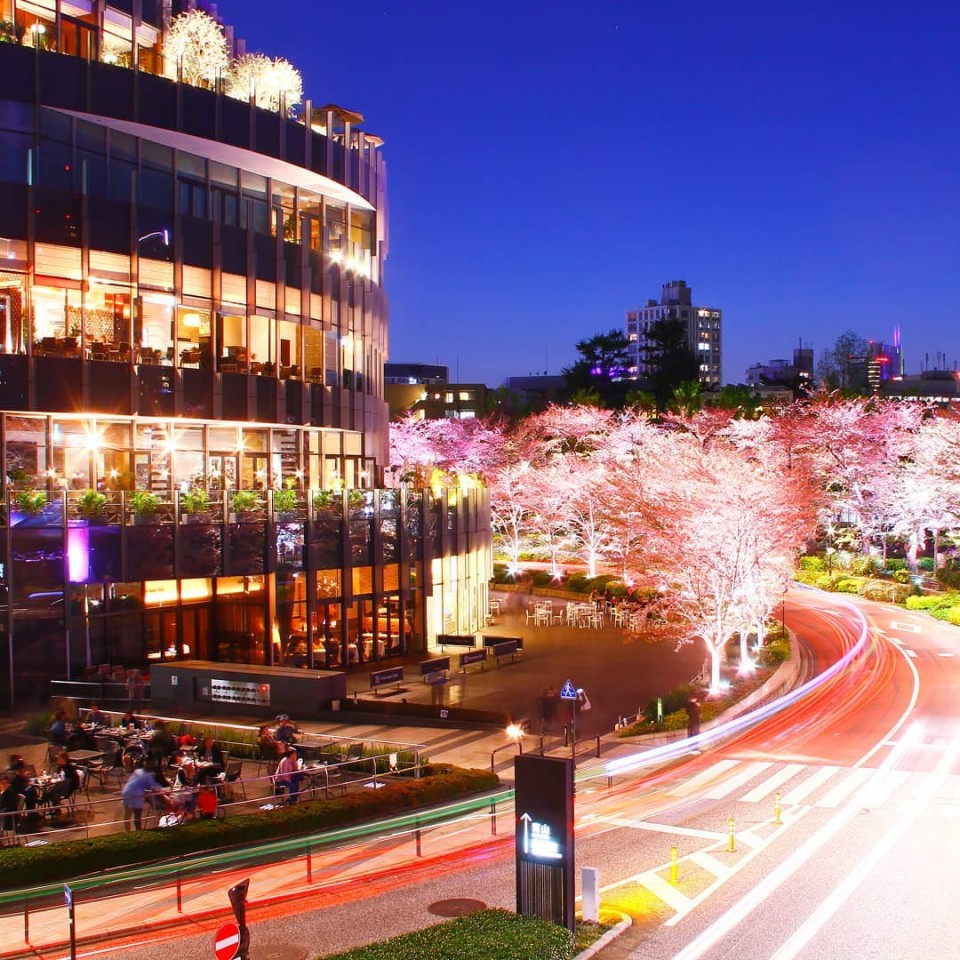
Tokyo Midtown is a large complex with about 130 restaurants and shops, a hotel and art museums, including the Suntory Museum of Art and 21_21 Design Sight, set around the green Midtown Garden. In winter, illuminations light up the grounds, making it a good place for evening photos. It is directly connected to Roppongi Station.
The National Art Center, Tokyo Roppongi
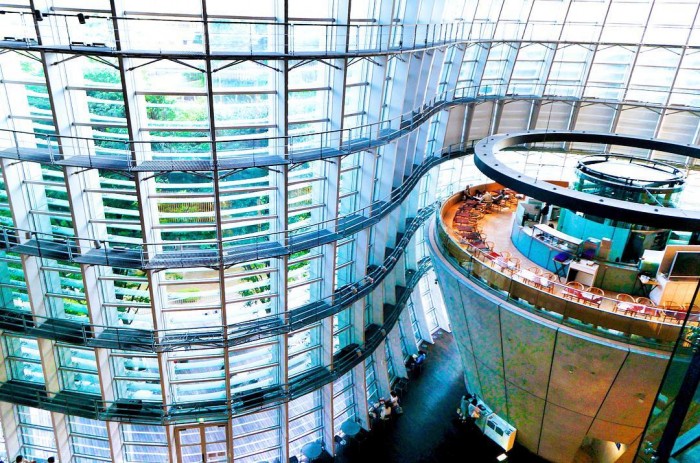
Famous for its striking glass curtain wall, the center has no permanent collection and instead hosts big special exhibitions in some of the largest galleries in Japan. Even without seeing a show, the bright interior filled with natural light is a pleasure to walk through. There is a free art library on the third floor and a cafe on several floors. It connects directly to exit 6 of Nogizaka Station, and the walk from Tokyo Midtown takes about 10 minutes.
Weather and what to wear in February
In February, Tokyo has an average high of about 10C (50F), an average low of about 2C (35F) and a monthly average of about 6C (42F). It is a little warmer than January, the coldest month of the year, but still cold. In early February, highs are around 10C (50F) and lows around 1C (34F). By late February, highs reach about 11C (52F) and lows about 2C (36F).
Throughout the month, wear a warm long-sleeved sweater with a down jacket or a thick coat. For time outdoors, and especially for evening illuminations, bring a scarf, gloves, a knit hat and warm boots. On mild days you may not need them in the daytime, but it is safer to have them with you.
Illumination dates and hours change from year to year, so check the official websites before you go.
The places on a map
Hours, prices and events change. Check each place's official website before you go.
More travel guides
 Tokyo Sightseeing by Area: 40 Classic Sights and Lesser-Known Spots from Asakusa to Odaiba40 placesTokyo has much more to see than Skytree, Tokyo Tower and Asakusa. This guide works through six of the city's main…
 Nagoya: 40 Best Places to Visit, from Nagoya Castle and Atsuta Jingu to Osu40 placesNagoya is one of Japan's biggest cities, yet many visitors don't know how much it has to see. Alongside its famous…
 Chichibu: 40 Best Places to Visit, from Nagatoro River Boats and Mitsumine Shrine to Moss Phlox and Icicles40 placesChichibu, the largest city in Saitama Prefecture, is about 90 minutes from central Tokyo. Most of the area is national…
 Niigata Prefecture: 40 Best Places to Visit, from Classic Sights to Hidden Gems40 placesNiigata Prefecture stretches a long way from north to south, and each area has its own scenery, climate and food. The…
 Nagasaki Prefecture: 40 Best Places to Visit, from Unzen Hot Springs to Hirado and Nagasaki City40 placesNagasaki grew up as a port open to the outside world, and the culture of those days still shapes its streets, churches…
 Fukuoka Prefecture: 40 Places to Visit in Kitakyushu, Chikuho and Around Fukuoka City40 placesFukuoka Prefecture is roughly divided into four areas, Kitakyushu, Chikuho, Fukuoka and Chikugo, and each has its own…