
Tokyo in November: 19 Places to Visit for Autumn Leaves and Lights, Plus What to Wear
19 places · Japanese version
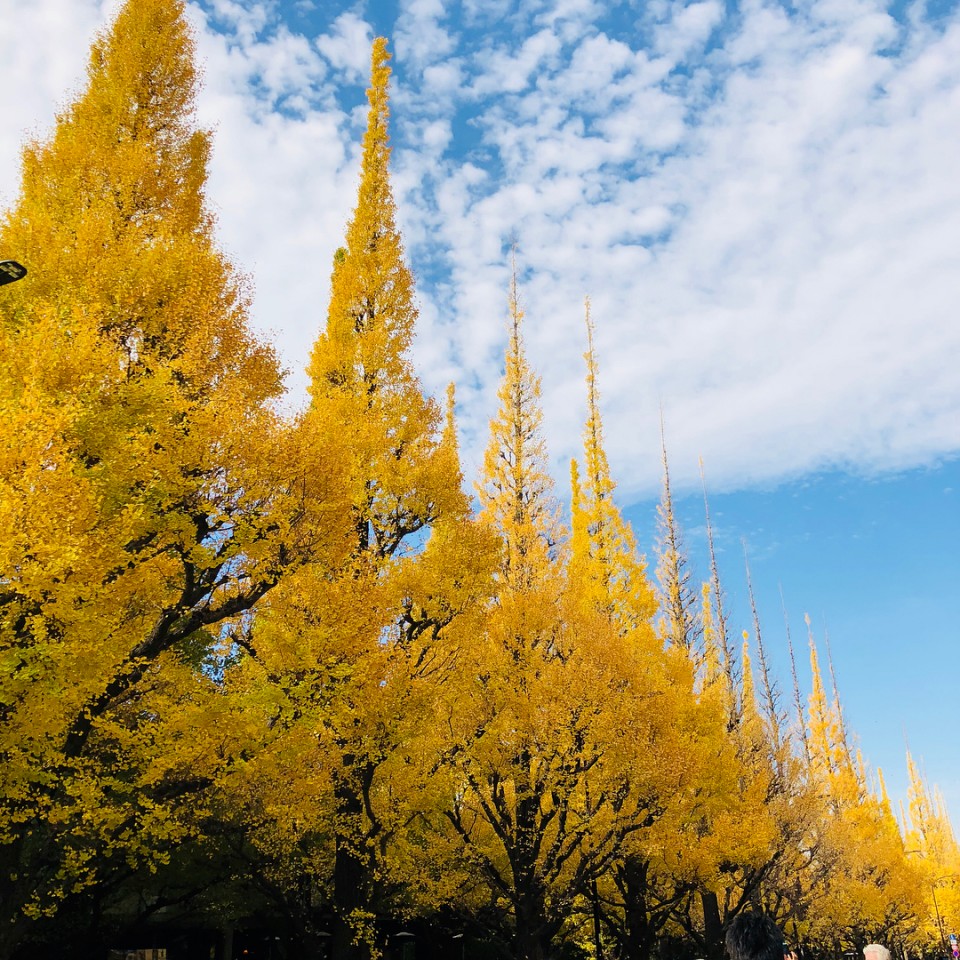
November is a comfortable month in Tokyo, and a holiday or two makes it a popular time for a trip. Gardens and parks turn red and yellow, ginkgo avenues drop golden carpets, and the first winter illuminations switch on in the middle of the month. Below are 19 places that are at their best now, from autumn leaf spots and zoos to night views and the bay, followed by notes on the weather and what to pack.
Autumn leaves in gardens, parks and shrines
Meiji Jingu Gaien Aoyama
Meiji Jingu Gaien is famous for its ginkgo avenue, which runs about 300 meters from Aoyama-dori toward the Meiji Memorial Picture Gallery. The trees are at their most golden from mid-November to early December, and fallen leaves cover the ground like a yellow carpet. It is about a five-minute walk from Gaienmae Station or Kokuritsu-Kyogijo Station.
Rikugien Garden Komagome
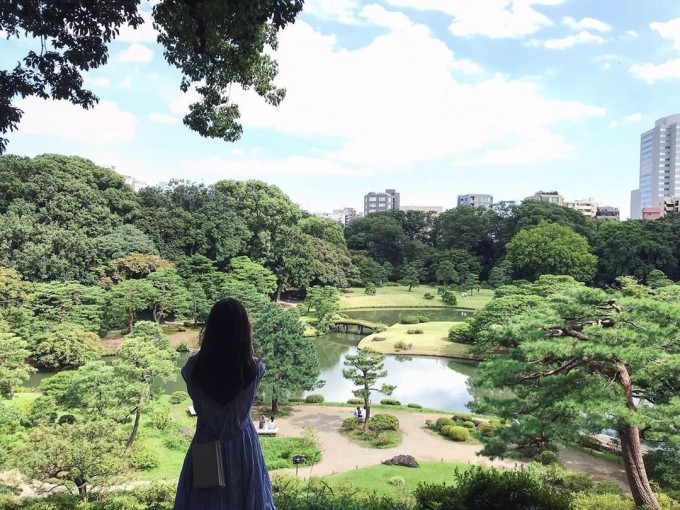
Rikugien is a Japanese garden made by Yanagisawa Yoshiyasu on land given to him by the shogun Tokugawa Tsunayoshi. Paths circle a wide pond, so you can stroll while taking in the water. In autumn about 550 trees change color, and at the peak the garden is lit up in the evening for a very different view. It is a seven-minute walk from Komagome Station.
Ghibli Museum, Mitaka Mitaka
This animation museum was conceived by Hayao Miyazaki, director of many Studio Ghibli films, and opened in 2001. It brings the world of films such as My Neighbor Totoro and Spirited Away to life, and in autumn the colored leaves around it make you feel as if you have stepped into one of the movies. Tickets are booked in advance for a set date and time. It is about 15 minutes on foot from Mitaka Station.
Showa Kinen Park Tachikawa
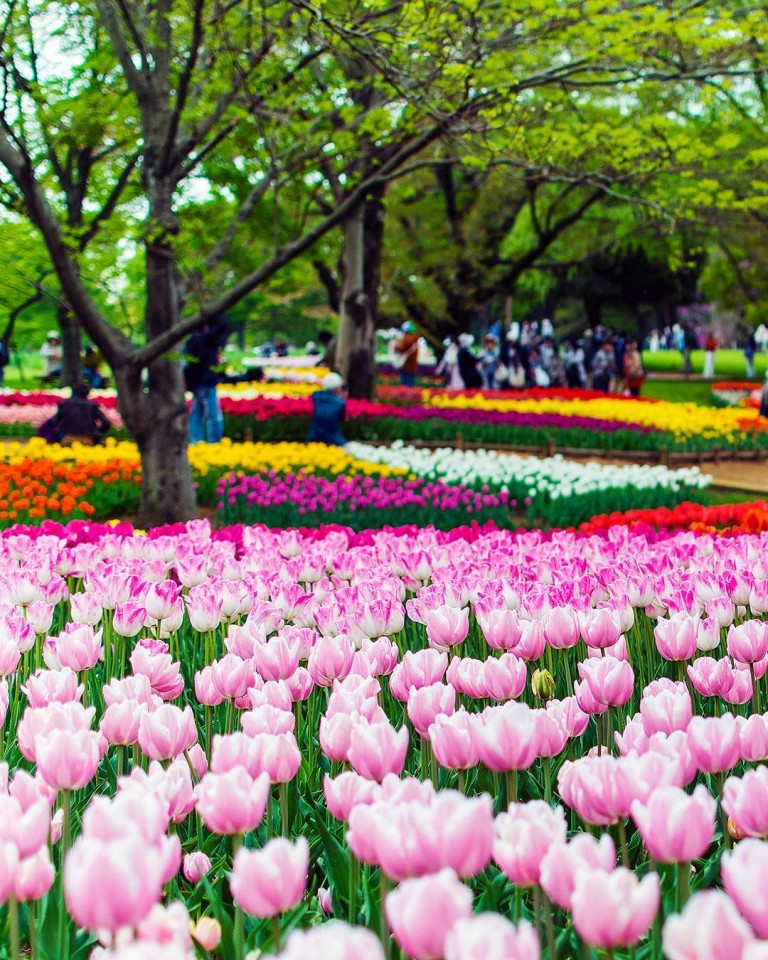
Chosen as one of Japan's 100 best urban parks, Showa Kinen Park covers an area about the size of 40 Tokyo Domes, with space for nature, culture and sports. In November its ginkgo avenue turns yellow and maples and zelkovas add color. The Japanese garden is lit up in the evening, which makes for a lovely night walk. It is about ten minutes on foot from Tachikawa Station.
Inokashira Park Kichijoji
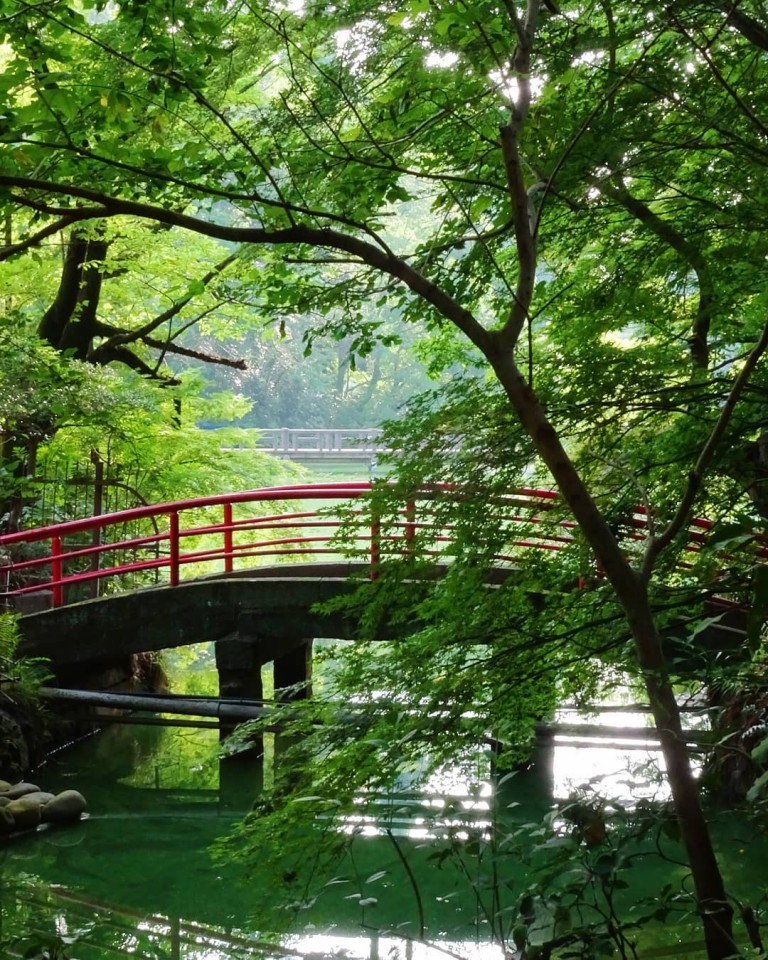
Inokashira Park is a green space next to quiet neighborhoods, more than 100 years old, with sports grounds such as baseball fields and tennis courts. In the leaf season, maples and ginkgo trees color the banks and their reflections on the pond are very calming. It is five minutes from Kichijoji Station and one minute from Inokashira-koen Station.
Meiji Jingu Harajuku
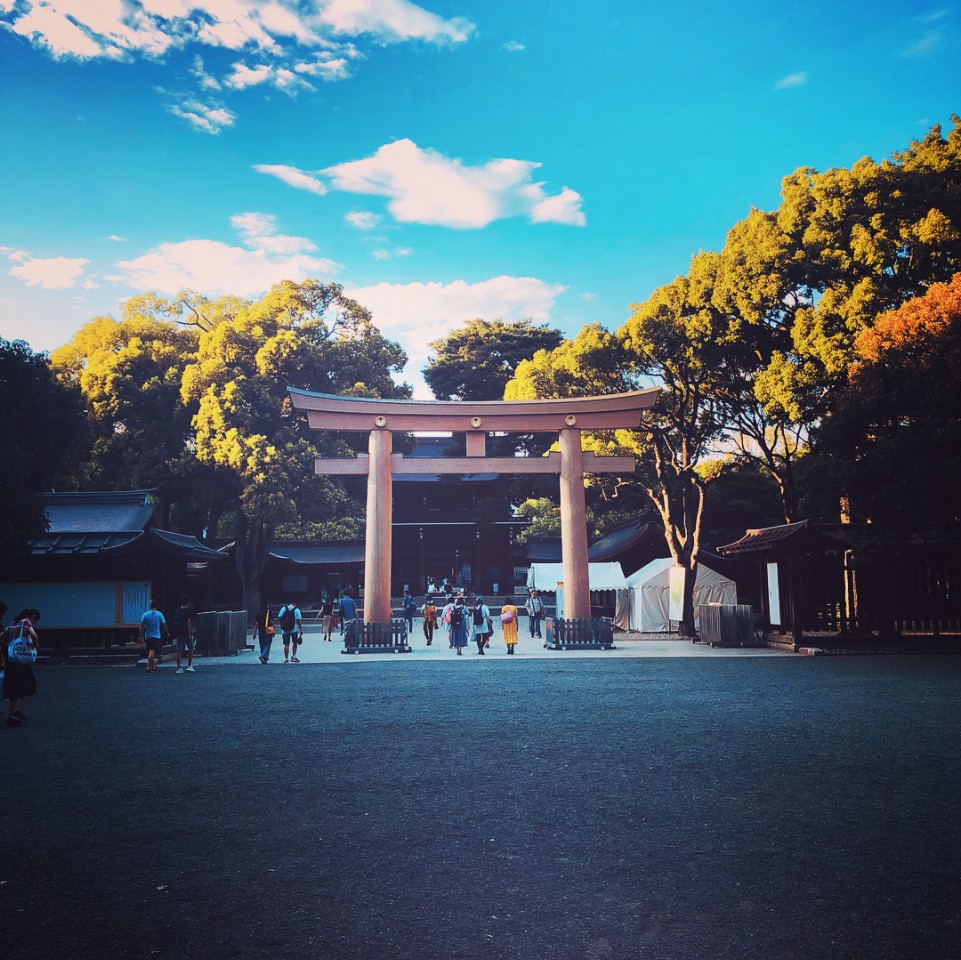
Meiji Jingu was founded in 1920 to enshrine Emperor Meiji and Empress Shoken, and it draws more visitors than any other shrine in Japan at New Year. Look for its torii, one of the largest wooden gates of its style in the country. Leaves peak in mid-November, and because many kinds of trees turn at different times, you can enjoy them until mid-December. It is a two-minute walk from Harajuku Station.
Shinjuku Gyoen National Garden Shinjuku
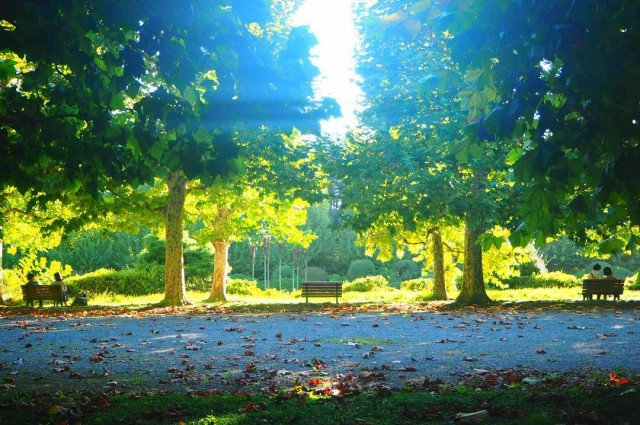
Shinjuku Gyoen was created in 1906 as an imperial garden. The east side has two Western-style gardens, the west side a Japanese garden, and wide lawns spread in between, so there is something to see in every season. In autumn, maples and ginkgo trees paint the grounds red, orange and yellow. It is five minutes from Shinjukugyoen-mae Station and ten minutes from Shinjuku Station.
Zoos, museums and books
Ueno Zoo Ueno

Opened in 1882, Ueno Zoo is the oldest zoo in Japan. It is split into an East Garden and a West Garden and keeps about 2,500 animals of some 350 species, including popular giant pandas and rare Sumatran tigers. Many animals slow down in the summer heat, but in cool autumn weather they are lively, and it is a pleasant season for a walk around. It is five minutes from Ueno Station.
National Museum of Nature and Science Ueno
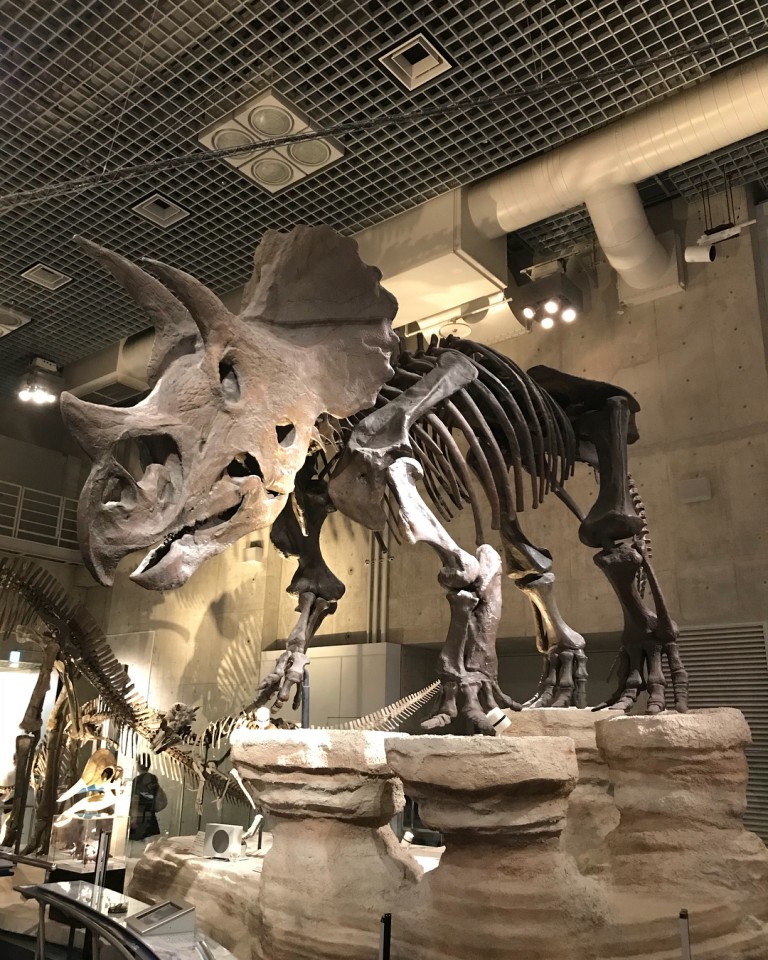
This is Japan's only national museum that covers both natural history and the history of science and technology. Exhibits on Japanese science, space and dinosaurs will spark anyone's curiosity. Admission is free on Culture Day, a national holiday in November, and special exhibitions and events are held through the year. It is five minutes from Ueno Station.
Tama Zoological Park Hino
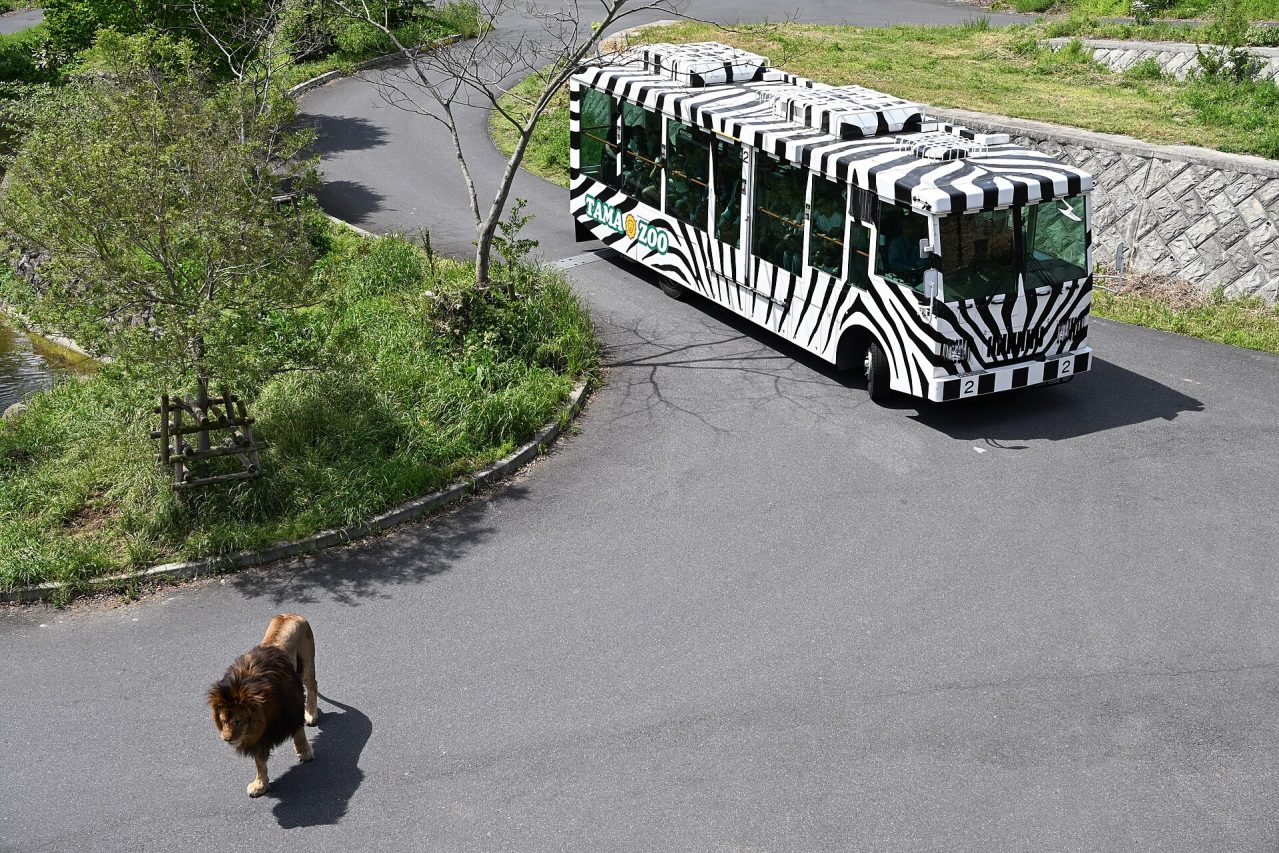
Tama Zoological Park is one of Japan's leading zoos, with about 320 species. To let animals live in settings close to nature, many areas are divided by moats instead of cages. It is also one of the largest zoos in the country, and in cool November weather you can take your time watching active animals among the trees. It is a one-minute walk from Tama-Dobutsukoen Station on the Keio Line.
Inokashira Park Zoo Kichijoji
Officially the Inokashira Natural Culture Park, this metropolitan zoo sits in a corner of Inokashira Park and is known as the former home of Hanako the Asian elephant. It has a main zoo and an aquatic life park, with more than 170 kinds of animals, plenty of greenery and a small amusement area for children. It is about ten minutes on foot from Kichijoji Station.
Tokyo Metropolitan Teien Art Museum Shirokanedai
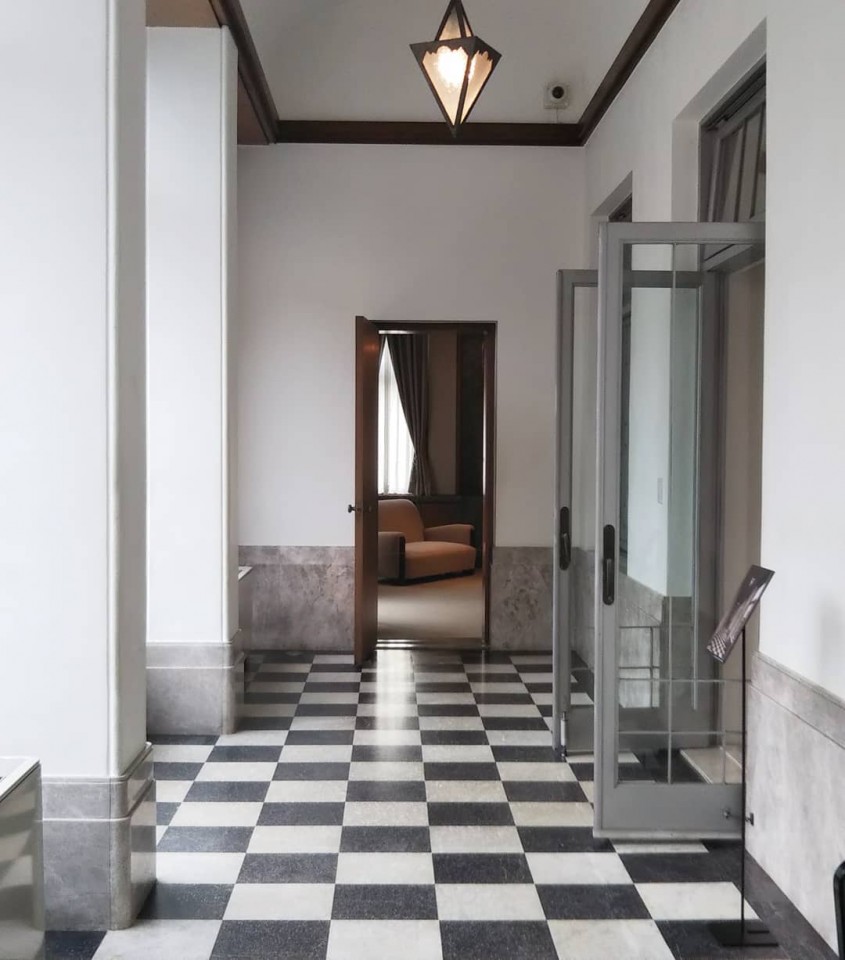
The museum is housed in a rare Art Deco building, and the way the rooms and the works on show fit together is part of the pleasure. Autumn is a season for art in Japan, and here you can combine exhibitions, beautiful architecture and a walk in the garden. It is seven minutes from Meguro Station and six minutes from Shirokanedai Station.
Jimbocho Book Town Kanda Jimbocho

With a history going back to the early Meiji era, Kanda Jimbocho packs about 200 secondhand bookshops into a few streets, making it one of the largest book towns in the world. You will find new books, novels, manga and rare old volumes, and collectors come from abroad. Every autumn the Kanda Used Book Festival fills the sidewalks with stalls. It is a one-minute walk from Jimbocho Station.
By the bay
Kasai Rinkai Park Edogawa
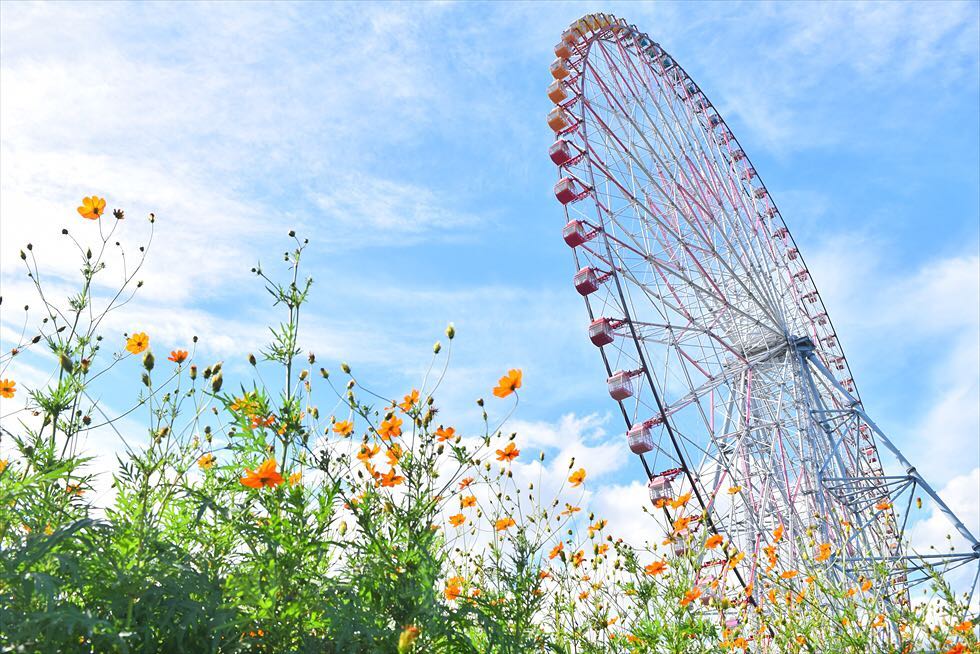
This metropolitan park faces Tokyo Bay and is packed with things to do, including a popular aquarium and a Ferris wheel with views over Tokyo. It is a fun place for friends and families, and on a clear day the sea breeze feels wonderful. Bring time to relax and look out over the water. It is a one-minute walk from Kasai-Rinkai-Koen Station.
Odaiba Marine Park Odaiba
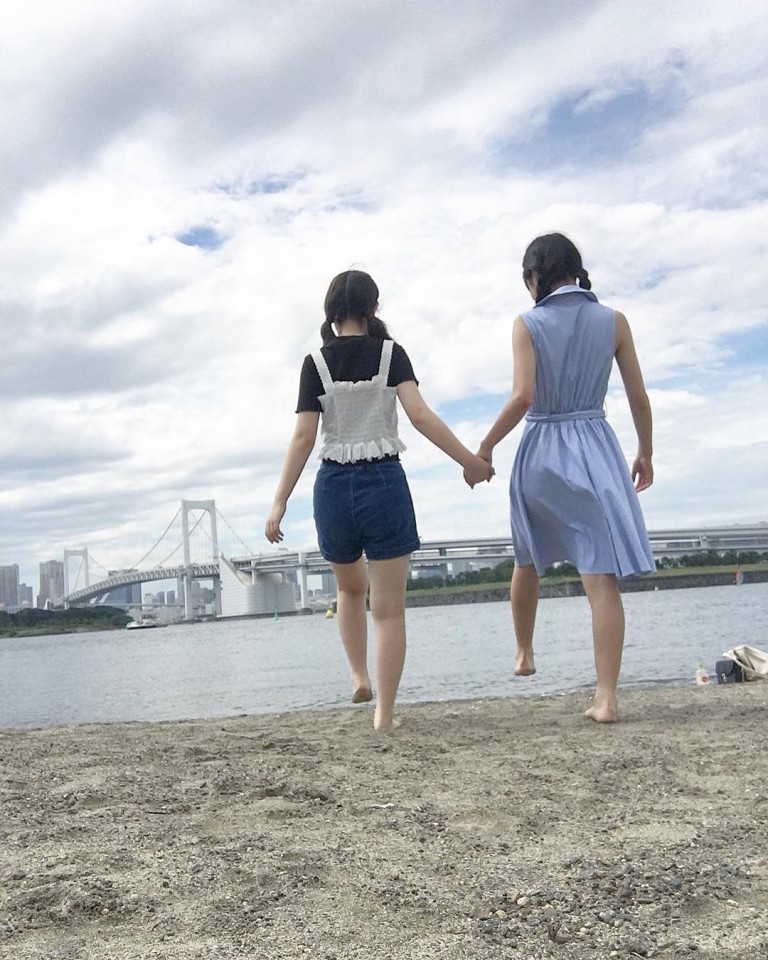
Odaiba Marine Park, with its replica Statue of Liberty, has a white sand beach on a quiet cove and views of the Rainbow Bridge and the Tokyo skyline beyond. Come for the sunset, then stay for the night view and the lights. It is a three-minute walk from Odaiba-kaihinkoen Station.
Winter illuminations and night views
Tokyo Dome City Korakuen
Tokyo Dome City combines Tokyo Dome, an amusement park, shopping and a hotel, so you can spend a whole day here. From mid-November a themed winter illumination lights up the whole area. Entry to the grounds is free. It is five minutes from Korakuen Station or Suidobashi Station.
Tokyo Dome City Attractions Korakuen
Inside Tokyo Dome City, this amusement park has more than 20 rides, including a hubless Ferris wheel and thrilling roller coasters. There is no admission fee, so it is easy to drop in when you arrive early for shopping or a game, or have a little time to spare.
Tokyo Tower Shibakoen
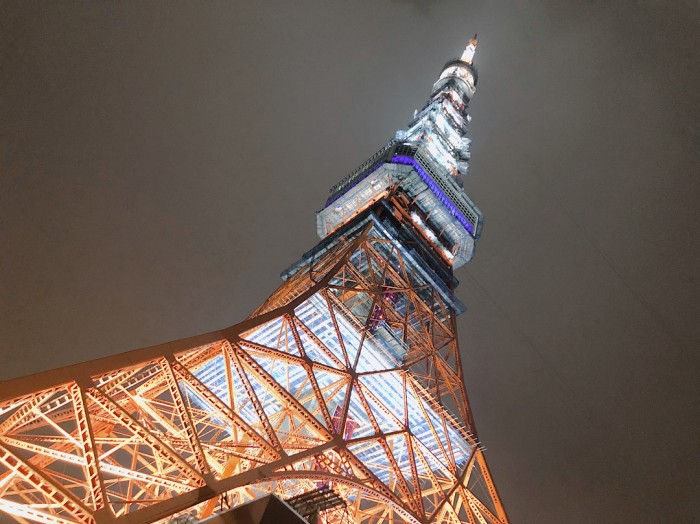
Tokyo Tower, in Shiba Park, is one of the city's best-known sights, with two observation decks: the Main Deck at 150 meters and the Top Deck at 250 meters. At night its lighting changes color with the season and events, and in November the Christmas illumination is switched on. It is five minutes from Akabanebashi Station and seven minutes from Kamiyacho Station.
Marunouchi Tokyo Station
Marunouchi is a stylish district of high-rise offices, shopping complexes, restaurants and brand-name stores. Every November it holds an illumination, when about 1.2 kilometers of street trees are wrapped in around one million LEDs in Marunouchi's own champagne gold color. It is a one-minute walk from Tokyo Station.
November weather and what to wear
Early November averages about 19 degrees C (66 F). Long-sleeved T-shirts and shirts are enough by day; bring a light cardigan or vest for the evening.
Mid-November averages about 16.4 degrees C (62 F). Wear long sleeves with a sweater or cardigan, and add a light coat or jacket at night.
Late November averages about 13.9 degrees C (57 F). On top of the above, you will want a jacket or light coat by day and a proper coat at night.
The places on a map
Hours, prices and events change. Check each place's official website before you go.
More travel guides
 Tokyo Sightseeing by Area: 40 Classic Sights and Lesser-Known Spots from Asakusa to Odaiba40 placesTokyo has much more to see than Skytree, Tokyo Tower and Asakusa. This guide works through six of the city's main…
 Nagoya: 40 Best Places to Visit, from Nagoya Castle and Atsuta Jingu to Osu40 placesNagoya is one of Japan's biggest cities, yet many visitors don't know how much it has to see. Alongside its famous…
 Chichibu: 40 Best Places to Visit, from Nagatoro River Boats and Mitsumine Shrine to Moss Phlox and Icicles40 placesChichibu, the largest city in Saitama Prefecture, is about 90 minutes from central Tokyo. Most of the area is national…
 Niigata Prefecture: 40 Best Places to Visit, from Classic Sights to Hidden Gems40 placesNiigata Prefecture stretches a long way from north to south, and each area has its own scenery, climate and food. The…
 Nagasaki Prefecture: 40 Best Places to Visit, from Unzen Hot Springs to Hirado and Nagasaki City40 placesNagasaki grew up as a port open to the outside world, and the culture of those days still shapes its streets, churches…
 Fukuoka Prefecture: 40 Places to Visit in Kitakyushu, Chikuho and Around Fukuoka City40 placesFukuoka Prefecture is roughly divided into four areas, Kitakyushu, Chikuho, Fukuoka and Chikugo, and each has its own…