
Akita: 18 Best Places to Visit, from Namahage and Kakunodate to Lake Tazawa
18 places · Japanese version
Akita, in the Tohoku region of northern Japan, is known for the namahage of the Oga Peninsula and for Lake Towada, and it has many more places that show off the charms of the region. This guide covers 18 classic sights you should not miss, grouped by area: Akita City, the Oga Peninsula, the Semboku area around Kakunodate and Lake Tazawa, Yokote, and the north of the prefecture with its waterfalls, bears and Lake Towada.
Akita City
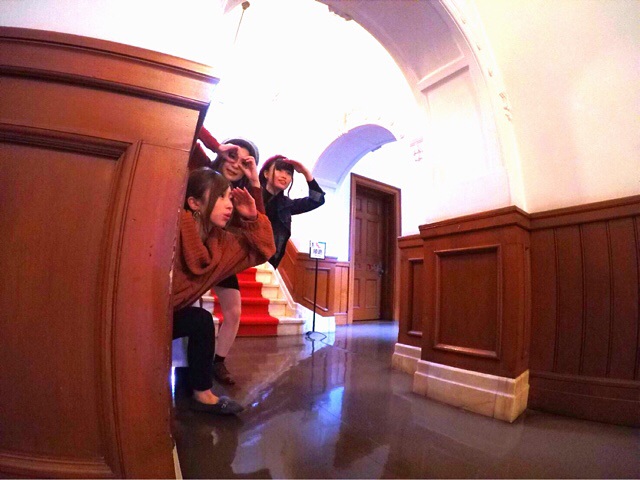
Akarenga Kyodokan (Red Brick Museum) Akita City
This handsome retro complex has three buildings. The main red brick building was built as the head office of Akita Bank and is a national Important Cultural Property. After its banking days it was donated to Akita City and now serves as an art and local history museum. The Renaissance-style exterior and Baroque interior remain as they were in the bank's day.
Akita Museum of Art Akita City
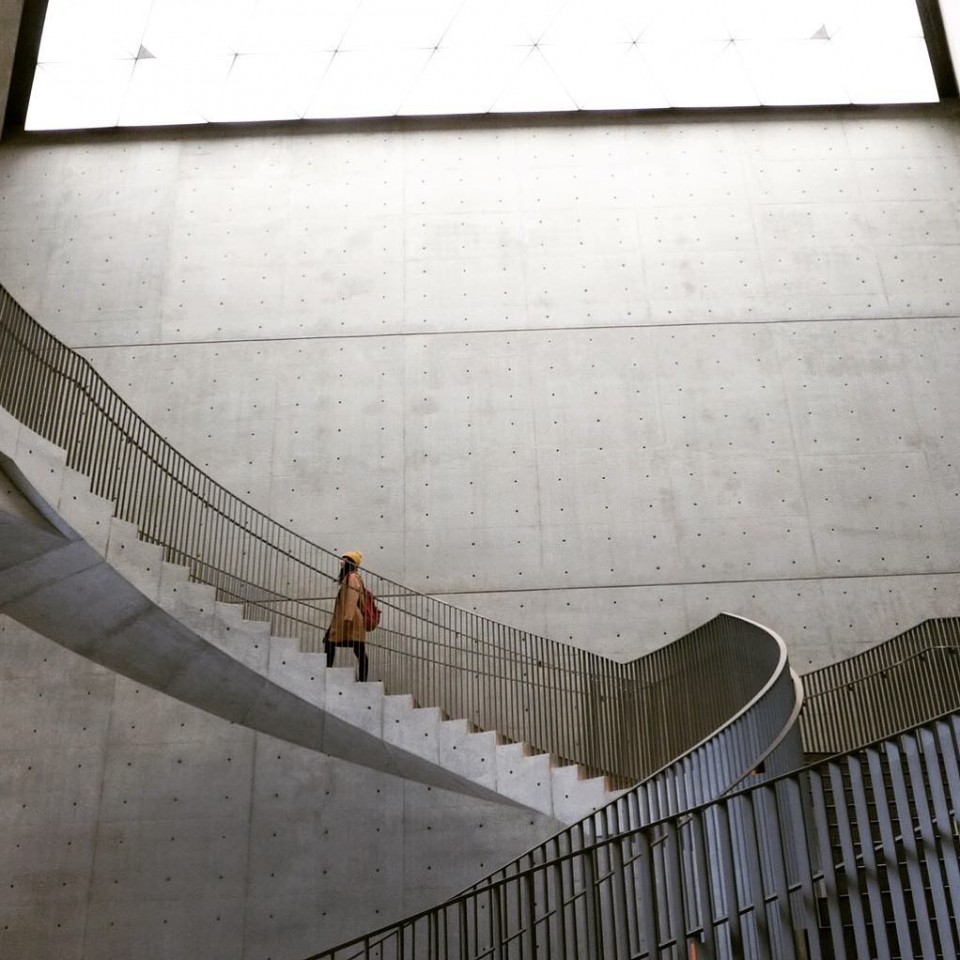
The current museum building was designed by architect Tadao Ando. The collection grew from art gathered by Akita businessman Hirano Masakichi, a friend of Leonard Foujita, the Japanese-born painter and sculptor who worked in Paris. Because of that friendship, many works by Foujita are on display, and they are still shown in the new building.
Omoriyama Zoo Akita City
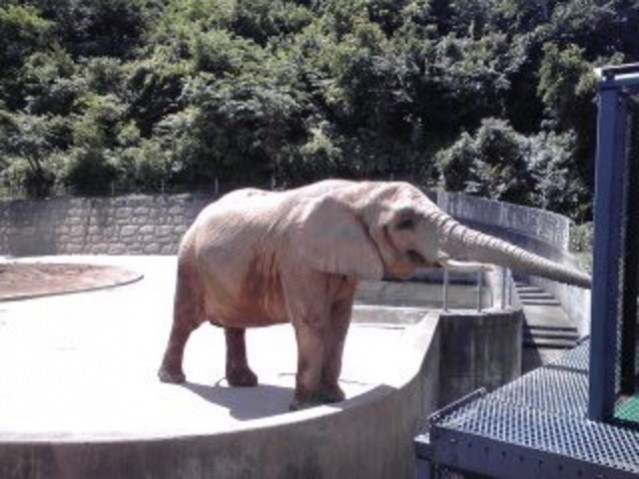
Akita City's zoo covers 15 hectares of plants and animals. It uses behavioral exhibits that show animals' natural abilities, such as chimpanzees living in the trees and raccoons washing their food up close. Many events let visitors get near the animals and even feed them, which makes it popular with families and couples.
Port Tower Selion Akita City
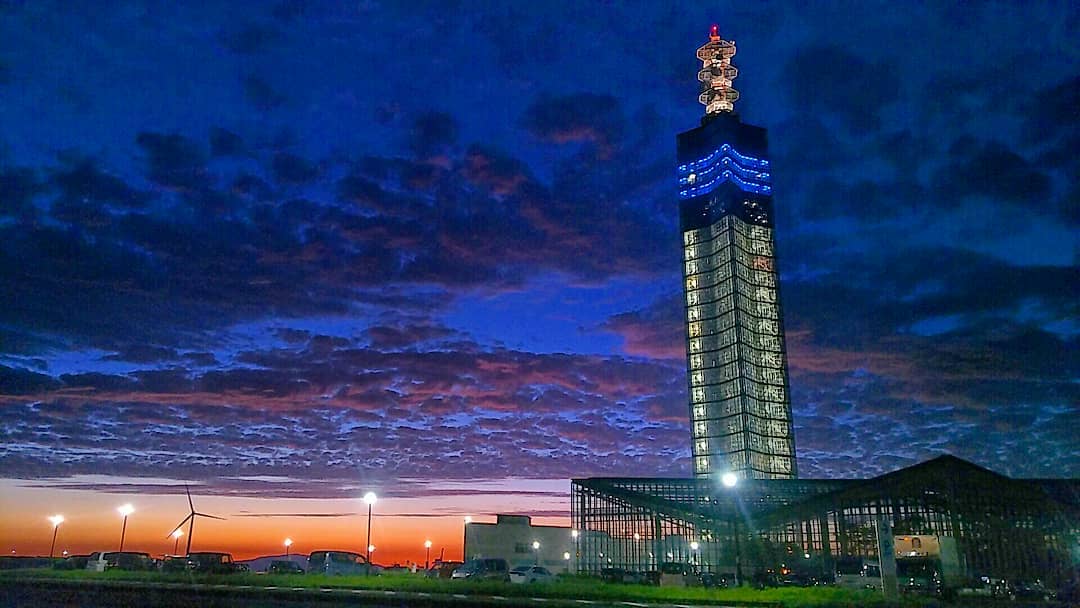
This 100-meter tower is an Akita landmark, with a night view over the city and, on clear days, views as far as the Oga Peninsula. The observation deck is free. You can also shop for seasonal food, pickles, Inaniwa udon noodles, kiritanpo hot pot sets and local sake, and there are restaurants and a cafe using local ingredients.
Senshu Park Akita City
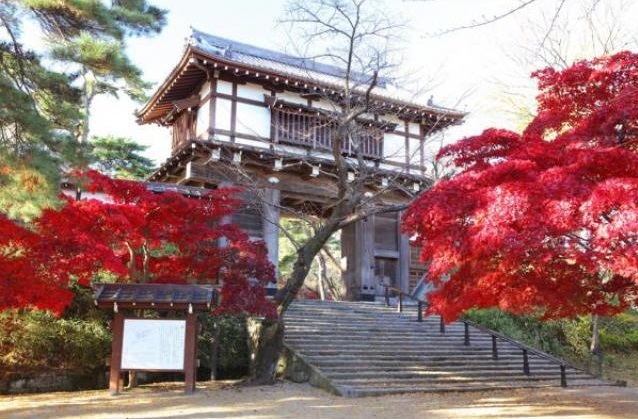
Senshu Park sits on the site of Kubota Castle, home of the Satake clan who ruled Akita. The castle was built on a hill without stone walls. Stop at the stand selling babahera, Akita's local ice cream, for a break. The name was given by a scholar from Akita, who joined sen, meaning long-lasting, with the aki of Akita.
The Oga Peninsula
The Oga Peninsula is the home of namahage, the masked figures that have made Akita famous, and has a rugged coastline and a large aquarium.
Godzilla Rock Oga
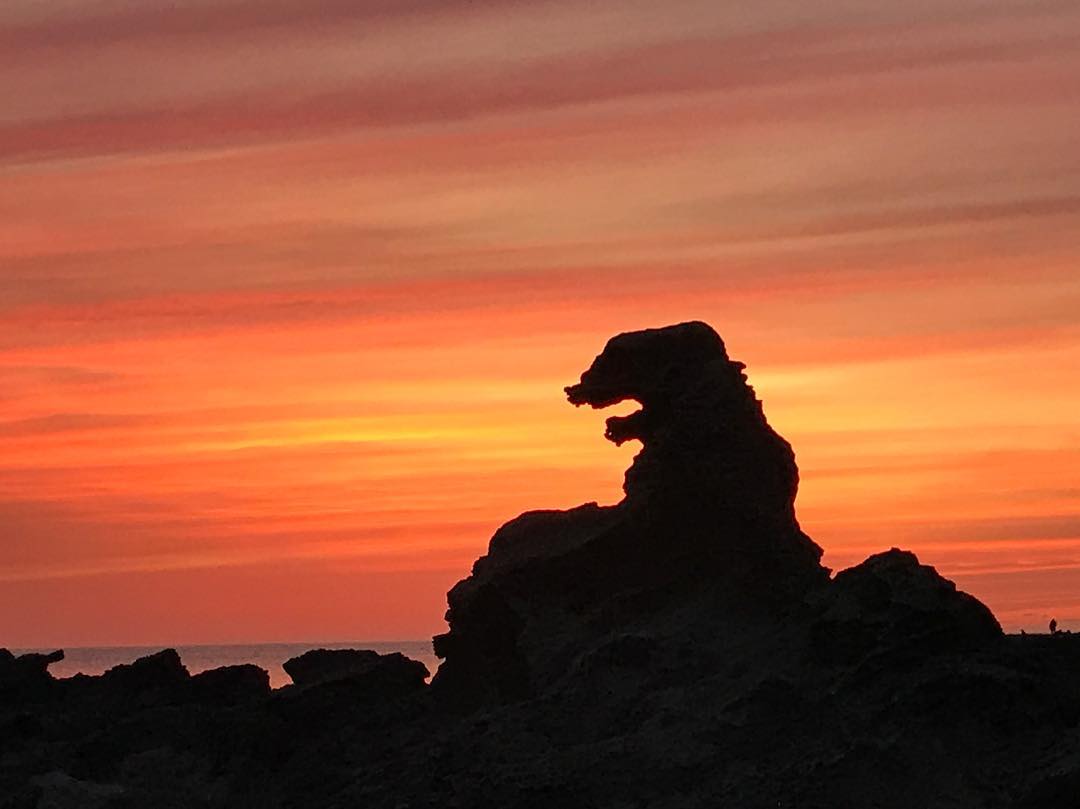
This natural rock at Shiosezaki on the Oga Peninsula got its name because its outline looks just like Godzilla. It was not carved by people but shaped by rough waves. It is famous as a photo spot, especially when the setting sun lights it up, and the rocky shore around it is a favorite fishing spot for locals.
Namahage Museum Oga
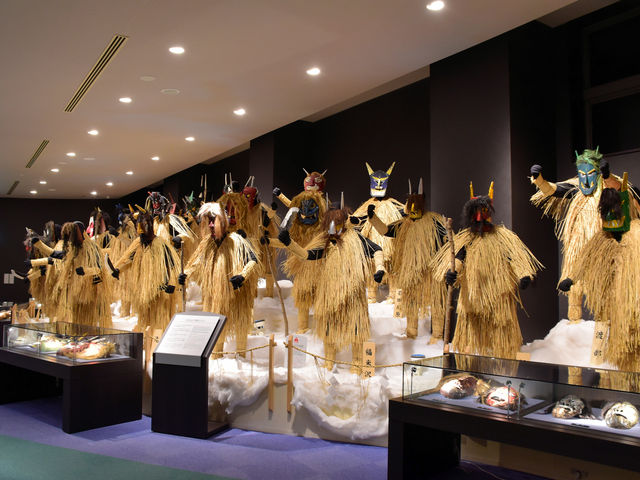
Namahage is a tradition that comes from the Oga Peninsula, and there are said to be more than 100 different designs. This museum is the place to learn all about it, with many tools and masks actually used by namahage on display. A corner where you can dress up as a namahage for a photo is very popular, and the shop has goods sold only here.
Oga Shinzan Folklore Museum Oga
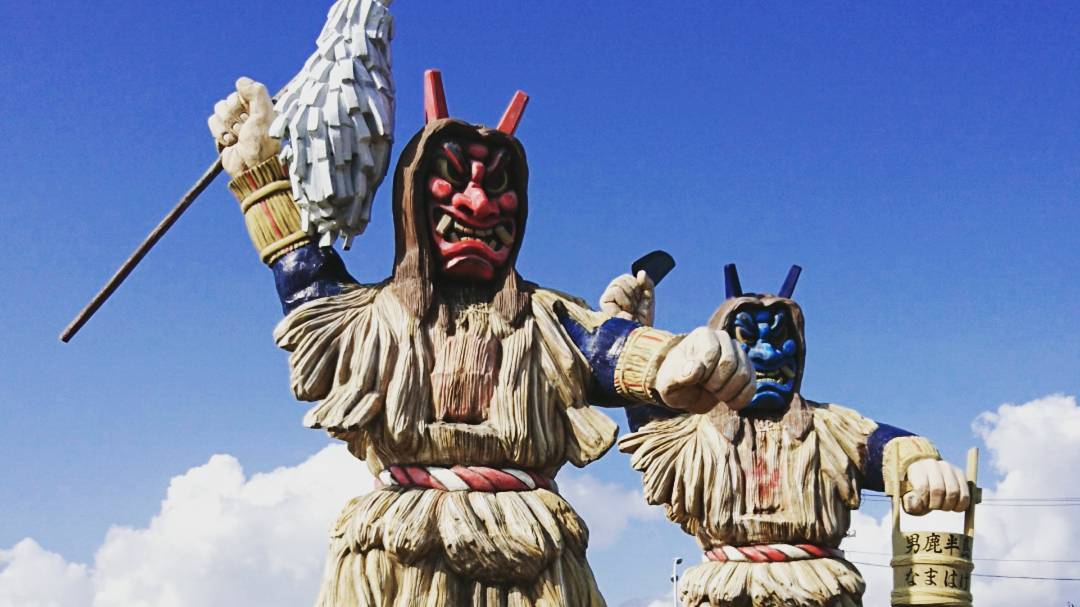
Next to the Namahage Museum, this museum holds programs that help you understand namahage, in an old L-shaped farmhouse typical of the Oga area. At times you can experience a real namahage visit. Be warned that it is quite intense, and small children may cry.
Oga Aquarium GAO Oga
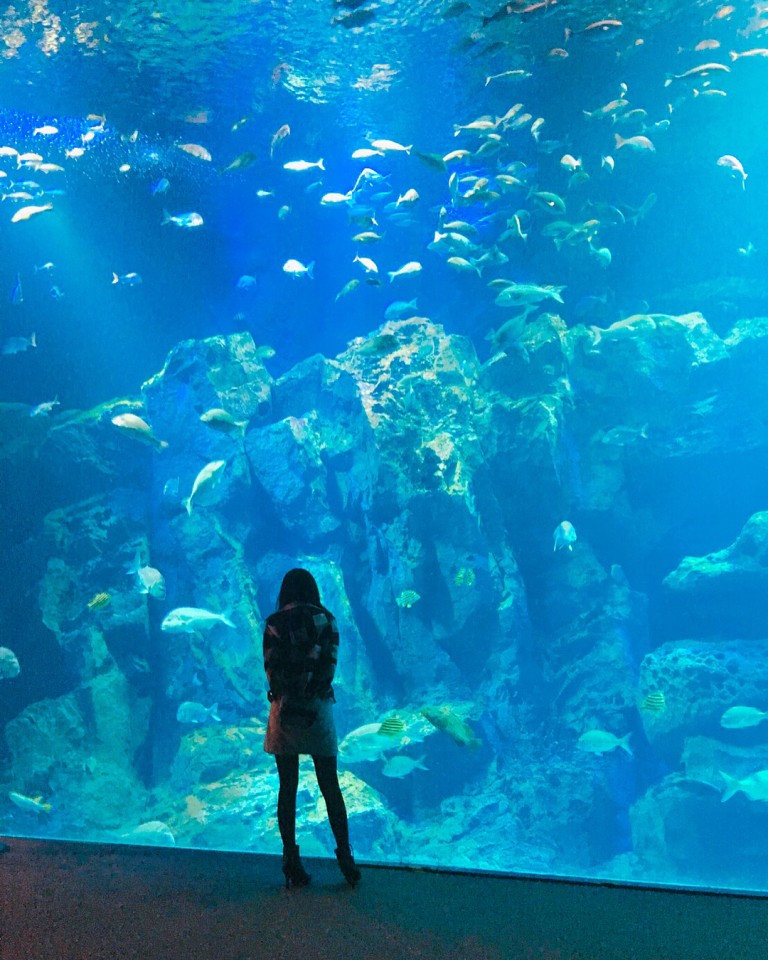
Akita's prefectural aquarium shows about 10,000 creatures of 400 species, and the polar bears are the most popular. The 800-ton Oga Sea tank recreates the local sea in spring and summer, with about 2,000 fish and animals such as sea bream, rays and green sea turtles. An Akita rivers corner shows familiar freshwater life, including rare species. There is also a restaurant.
Semboku: Kakunodate, Lake Tazawa and Nyuto Onsen
Sashimaki Wetland Semboku
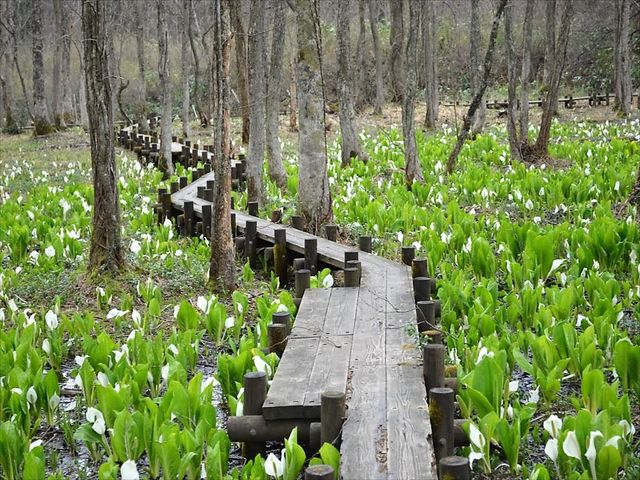
This wetland in the Tazawako area of Semboku covers about 3 hectares and is home to many kinds of plants and animals. It is known for its large colony of skunk cabbage, whose pretty white flowers draw many visitors. Boardwalks run through the marsh, so you can walk around and see it up close.
Nyuto Onsen Semboku
Nyuto Onsen is a group of seven hot springs in a valley beyond the Tazawako Plateau, each with its own source, so you can go from bath to bath. They range from Tsurunoyu, loved as a hidden spring since the Edo period, to Kuroyu and Magoroku. Buy a bathing passport to enjoy day bathing at all seven. Some baths are mixed.
Dakigaeri Gorge Semboku
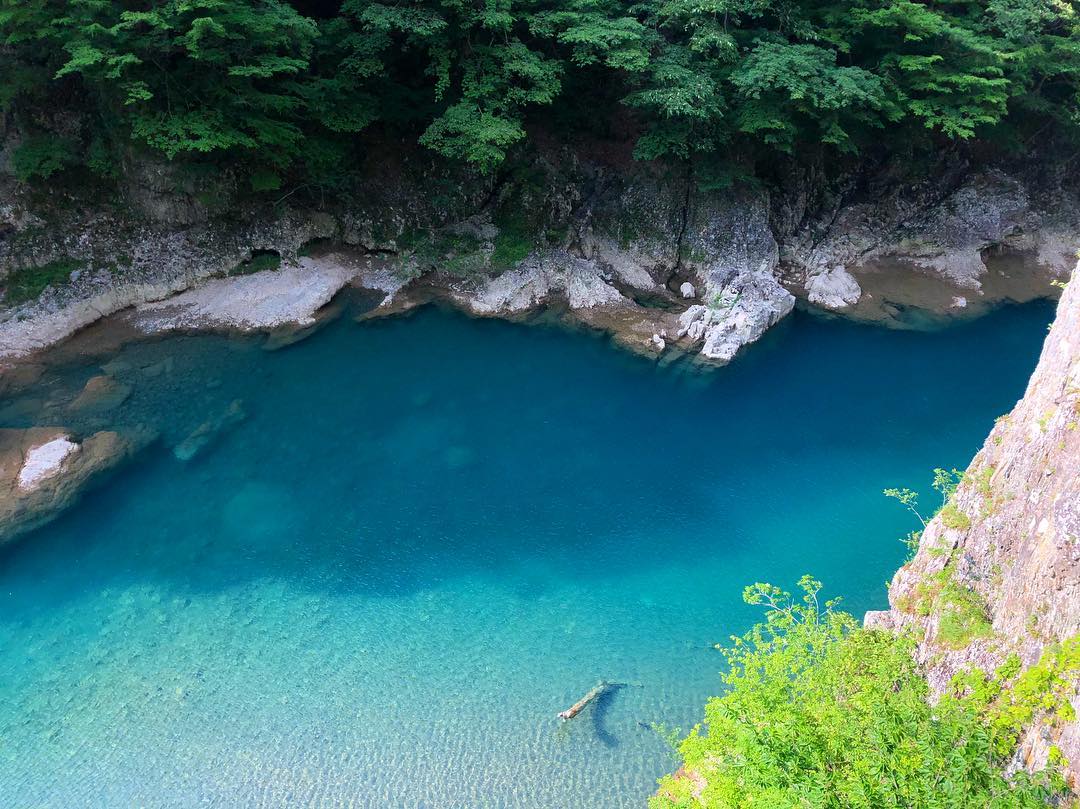
The name, meaning embrace and turn, comes from the narrow trail where people passing each other had to hug to get by. The Tama River below looks pale green because of hot springs upstream. In autumn the red and orange leaves make it look like a postcard, and hikers come in crowds. Parts of the trail may be closed in some seasons, so check before you go.
Kakunodate Samurai District Semboku
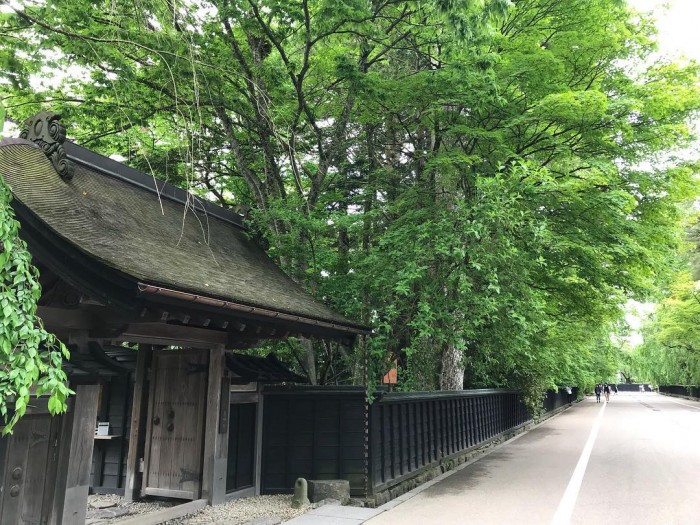
Known as the little Kyoto of northern Japan, the samurai district of Kakunodate looks like a period film set, and many visitors from abroad come here. It is famous for cherry blossoms in spring, and the fresh green leaves and autumn colors are beautiful too, so the street shows a different face in every season.
Lake Tazawa Semboku
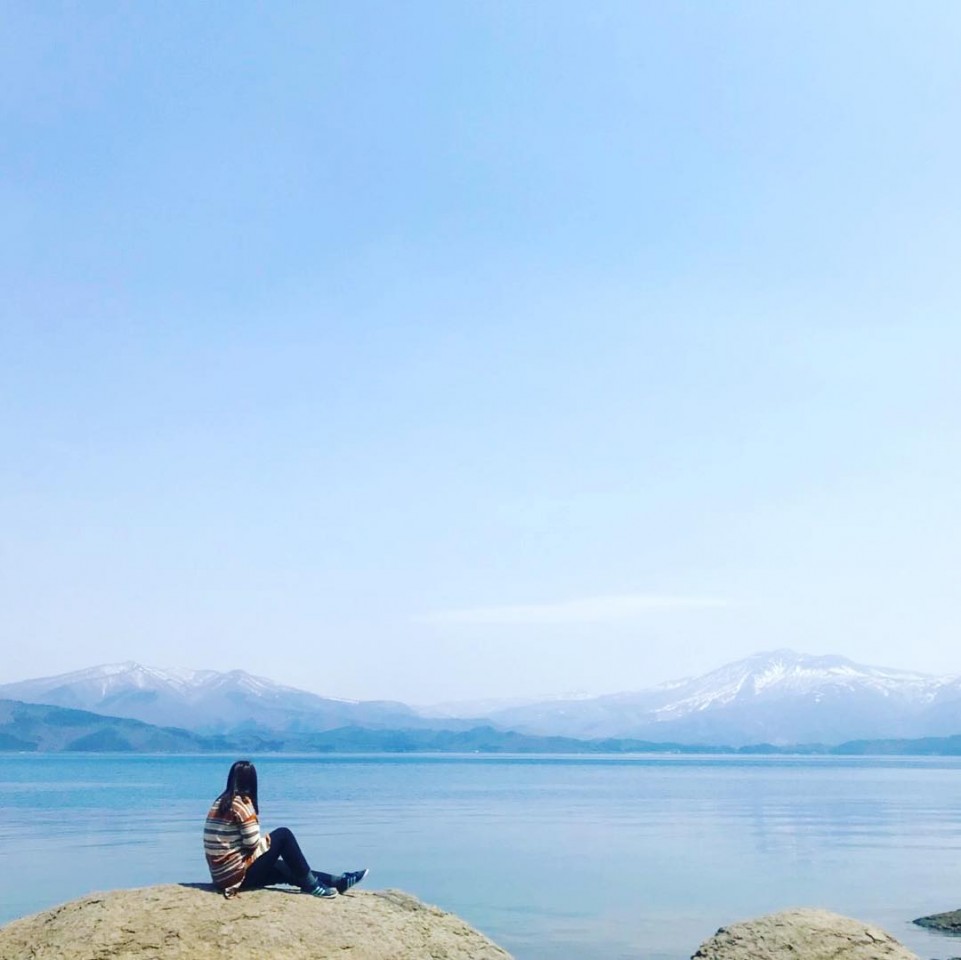
Lake Tazawa is one of the deepest and clearest lakes in Japan. Its deep blue water is especially beautiful with autumn leaves or winter snow around it. Campgrounds and fishing spots around the lake give you plenty to do for a whole day. It is a must on any trip to Akita.
Yokote
Yokote Kamakura-kan Yokote
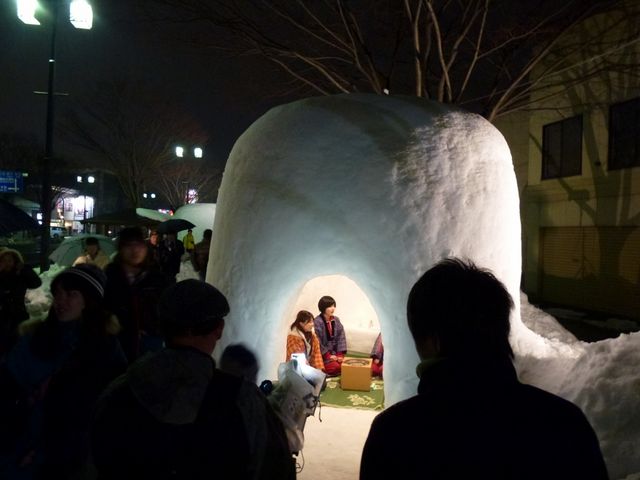
Kamakura is an old snow country tradition of building dome-shaped snow huts to eat and play inside, originally also to honor the water god. At this center in Yokote you can experience a kamakura all year. Its special room is kept at about minus 10 degrees Celsius, so the real snow never melts. There is even a heart-shaped hut for couples.
Northern Akita and Lake Towada
Lake Towada Kosaka
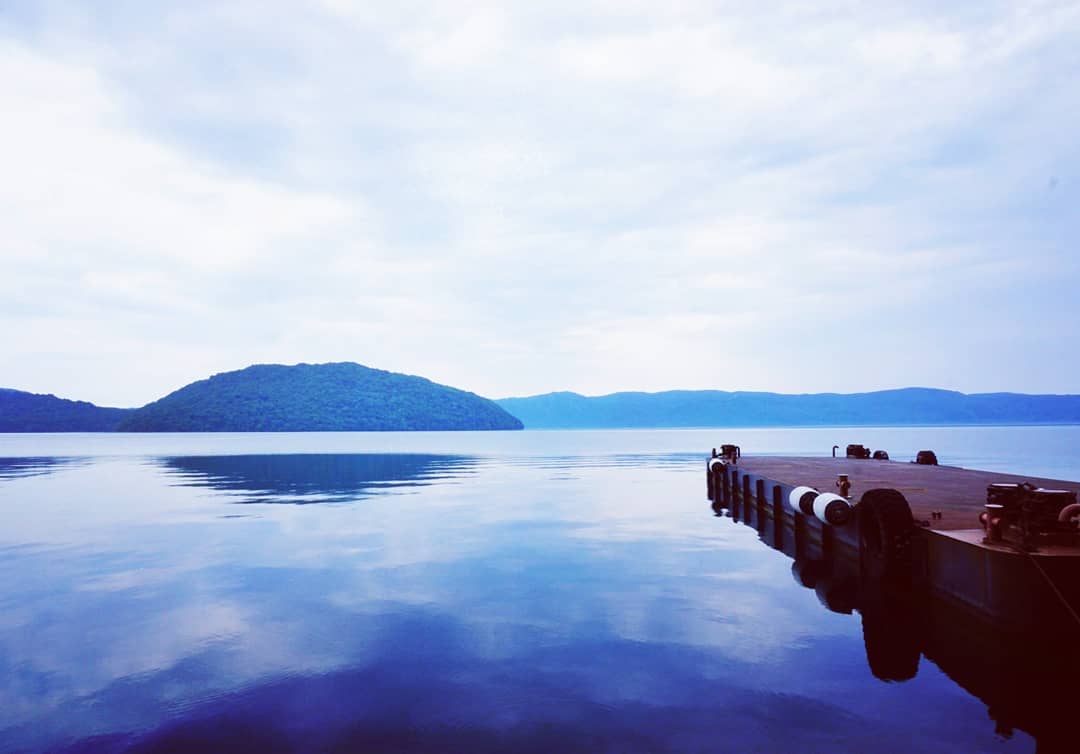
Lake Towada lies on the border of Kosaka in Akita and Towada in Aomori. At its deepest it reaches 326.8 meters, one of the deepest lakes in Japan. It is a rare double caldera lake and a national Special Place of Scenic Beauty. It is famous for autumn leaves, and sightseeing boats run except in winter.
Yasu Falls Kitaakita
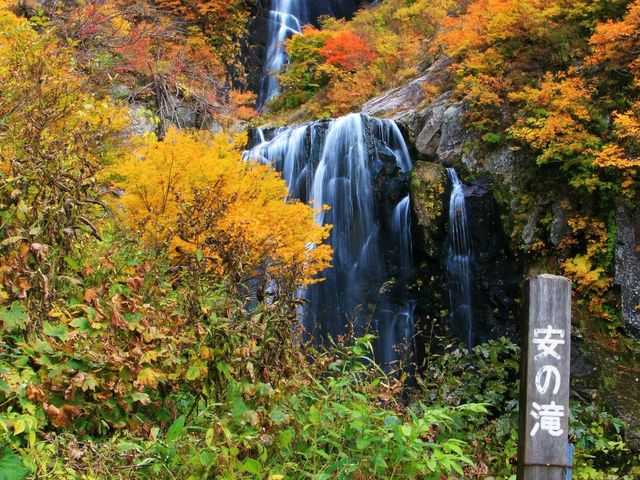
This waterfall in Ani, Kitaakita, drops about 90 meters in two stages, about 60 meters and 30 meters, and it is highly rated among Japan's top 100 waterfalls. You can walk on the ledge between the two stages and get close to the falls. A love legend makes it popular with couples, and in autumn the falls peek through red and yellow leaves.
Ani Bear Park Kumakuma-en Kitaakita
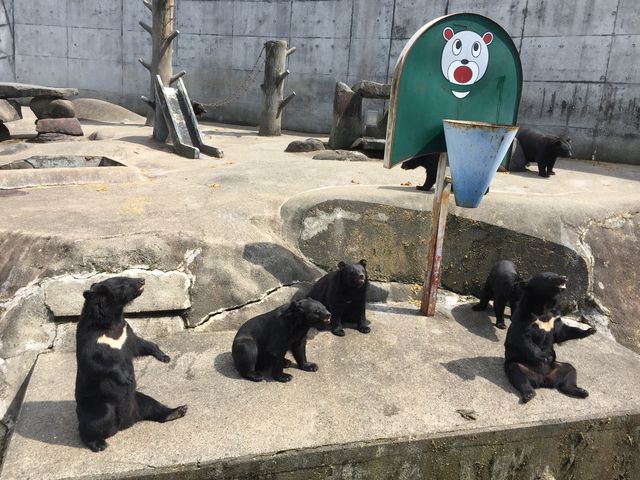
About 60 bears, including Asian black bears and brown bears, live at this park. A favorite is the bear cub nursery, where you can watch the cubs relax and play. You can also watch bears up close through glass and feed them, which makes it popular with families.
The places on a map
Hours, prices and events change. Check each place's official website before you go.
More travel guides
 Tokyo Sightseeing by Area: 40 Classic Sights and Lesser-Known Spots from Asakusa to Odaiba40 placesTokyo has much more to see than Skytree, Tokyo Tower and Asakusa. This guide works through six of the city's main…
 Nagoya: 40 Best Places to Visit, from Nagoya Castle and Atsuta Jingu to Osu40 placesNagoya is one of Japan's biggest cities, yet many visitors don't know how much it has to see. Alongside its famous…
 Chichibu: 40 Best Places to Visit, from Nagatoro River Boats and Mitsumine Shrine to Moss Phlox and Icicles40 placesChichibu, the largest city in Saitama Prefecture, is about 90 minutes from central Tokyo. Most of the area is national…
 Niigata Prefecture: 40 Best Places to Visit, from Classic Sights to Hidden Gems40 placesNiigata Prefecture stretches a long way from north to south, and each area has its own scenery, climate and food. The…
 Nagasaki Prefecture: 40 Best Places to Visit, from Unzen Hot Springs to Hirado and Nagasaki City40 placesNagasaki grew up as a port open to the outside world, and the culture of those days still shapes its streets, churches…
 Fukuoka Prefecture: 40 Places to Visit in Kitakyushu, Chikuho and Around Fukuoka City40 placesFukuoka Prefecture is roughly divided into four areas, Kitakyushu, Chikuho, Fukuoka and Chikugo, and each has its own…