
Fukushima Sightseeing: 14 Best Places to Visit, from Aizu Castle Towns to the Iwaki Coast
14 places · Japanese version
Fukushima Prefecture often appears in historical TV dramas and films, and it is full of historic buildings and beautiful scenery. These 14 classic sights are a good starting point for planning a trip. They include a cherry tree said to be over 1,000 years old, a thatched-roof post town, castles from the Boshin War, a limestone cave, Japan's fourth-largest lake and a tropical resort and aquarium on the coast. The places are grouped by area so you can see what fits together in a day.
Central Fukushima: Miharu, Tamura and Shirakawa
Miharu Takizakura Miharu
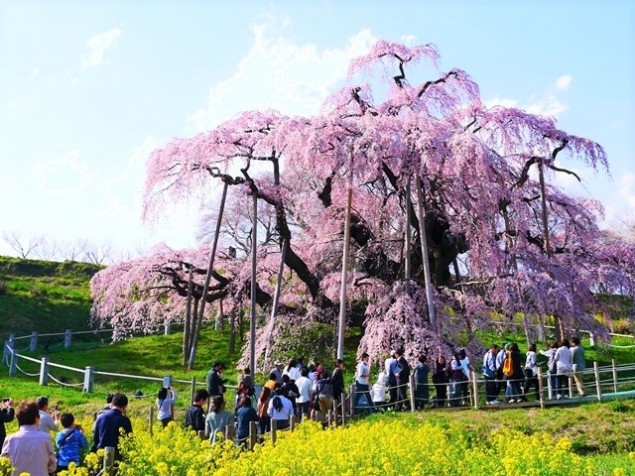
One of Japan's three great cherry trees, said to be more than 1,000 years old. This weeping cherry stands 13.5 meters tall with a trunk 8.1 meters around and is a National Natural Monument. In full bloom the blossoms pour down like a waterfall. It blooms from early to late April, draws about 300,000 visitors each year and is lit up at night. Parking is free.
Abukuma Cave Tamura
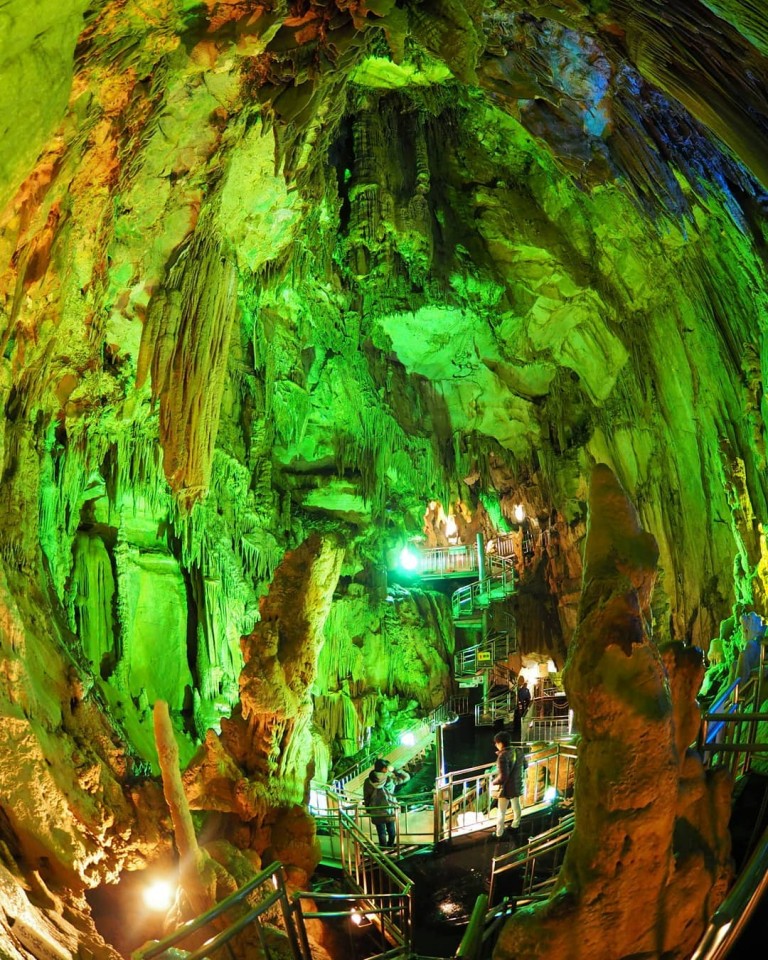
A 600-meter cave filled with all kinds of stalactites. It stays at about 15 degrees Celsius all year, with humidity up to 90 percent. Formations have names such as Yokai Tower, Crystal Curtain and Mushroom Rock, and the World of the Moon is lit with stage lighting. Besides the regular route there is an adventure course with log ladders and stepping stones. Some parts are slippery, so wear shoes with a good grip.
Komine Castle Ruins Shirakawa
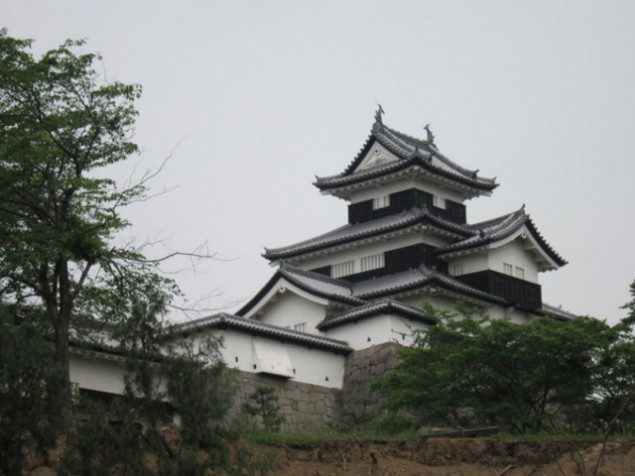
Built in 1632 and lost in the Boshin War, the castle has been faithfully rebuilt as the city's symbol. It is one of Japan's 100 Fine Castles and a National Historic Site. By the three-story turret grows the Otome-zakura cherry, planted, legend says, for a maiden buried in the stone walls during their construction. Today's tree is the second, as the first was lost in the Boshin War. Entry to the grounds is free.
Iwaki on the coast
Spa Resort Hawaiians Iwaki
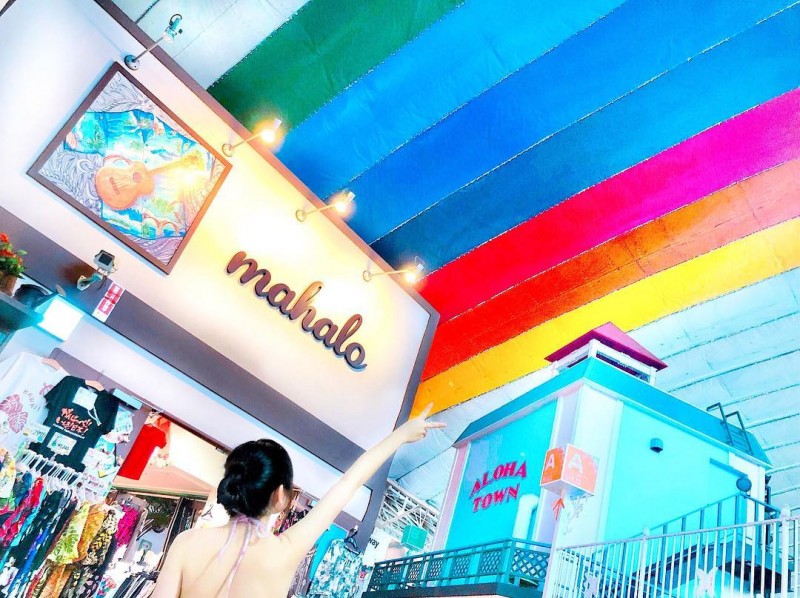
A theme park of pools, hot springs and spas with a tropical, Hawaii-like feel. It was the setting of the film Hula Girls, and hula shows are held at the Beach Theater, along with exciting fire dance shows. There is Japan's longest body slide at 283 meters, Japan's first flowing aquarium pool and a hot spring area that recreates the Edo period. Restaurants serve Hawaiian food such as loco moco and burgers.
Aquamarine Fukushima Iwaki
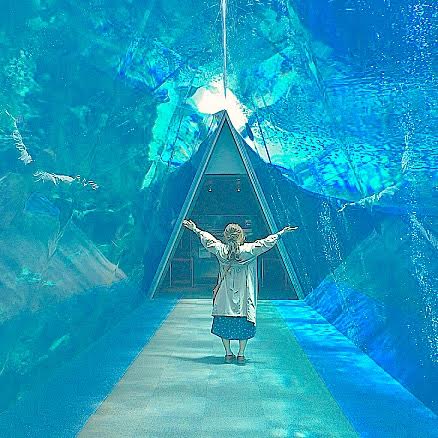
An aquarium themed on the sea where ocean currents meet, with about 400 kinds of sea life in a glass building that shines like a gem. A triangular tunnel tank shows fish of the Kuroshio current and creatures of the Oyashio current. You can see coelacanth fossils, fish and eat your catch, make canned food or shave bonito flakes in the kids' hall, and touch starfish and sea cucumbers in one of the world's largest outdoor touch pools.
Iwaki City Coal and Fossil Museum Iwaki
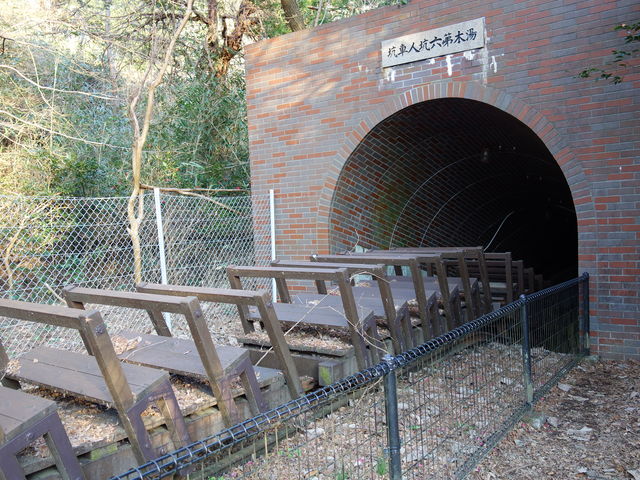
A museum on the history of coal mining and the fossils found in Iwaki. A huge Futabasaurus suzukii fossil greets you in the lobby. A mock mine tunnel shows how coal was dug, and another hall shows life in a coal-mining town in the early Showa era. In workshops you can make an ammonite replica or amber jewelry, and the shop sells real fossils, minerals and local products. It is closed on the third Tuesday of the month.
Aizu-Wakamatsu
Sazaedo Aizu-Wakamatsu
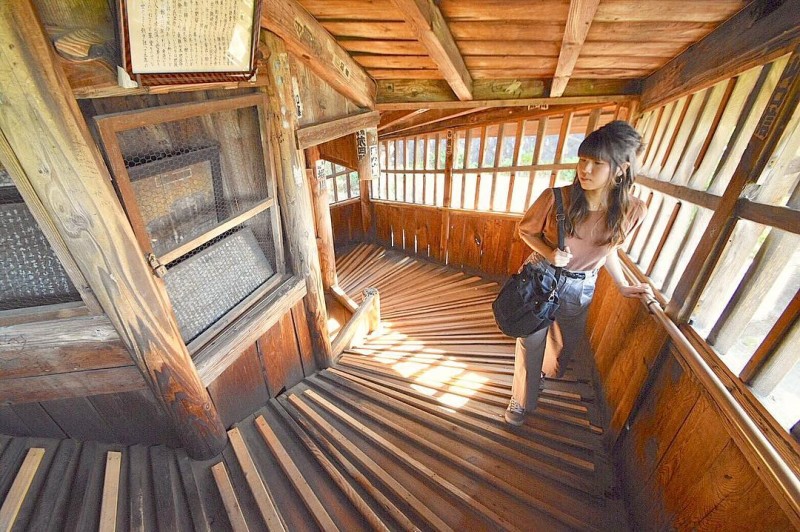
Officially named Entsu Sansodo, this 16.5-meter, six-sided, three-story hall holds statues of the 33 Kannon of the Saigoku pilgrimage. You visit all 33 as you walk along a double-spiral ramp. Because the way up and the way down are separate, visitors never pass each other, an unusual design said to be the only one of its kind left in the world. It became an Important Cultural Property in 1996.
Tsuruga-jo Castle (Aizu-Wakamatsu Castle) Aizu-Wakamatsu
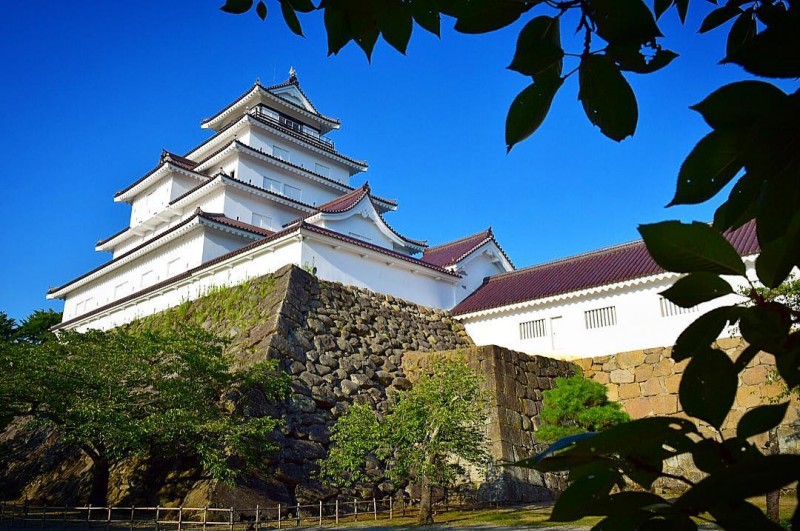
Famous for holding out for a month against the new government army in the Boshin War. It was torn down in 1874, rebuilt in 1965, and in 2001 the buildings leading to the keep were rebuilt using the original methods. Its keep is the only one in Japan with red roof tiles. Inside is a museum on Aizu history, with a lookout on the top floor. At night the castle is lit in colors that change with the seasons.
Aizu Bukeyashiki (Samurai Residence) Aizu-Wakamatsu
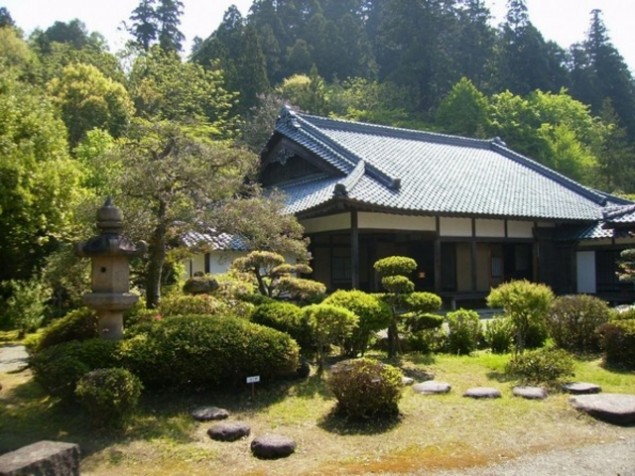
The residence of a chief retainer of the Aizu domain shows how samurai families lived. The house has 38 rooms, with furnishings left as they were. There are also museums on Aizu history and daily life, a craft hall where you can paint an akabeko red cow or engrave glass, a studio for photos in Edo-period costume, and a restaurant serving local Aizu dishes.
Shimogo in southern Aizu
Ouchi-juku Shimogo
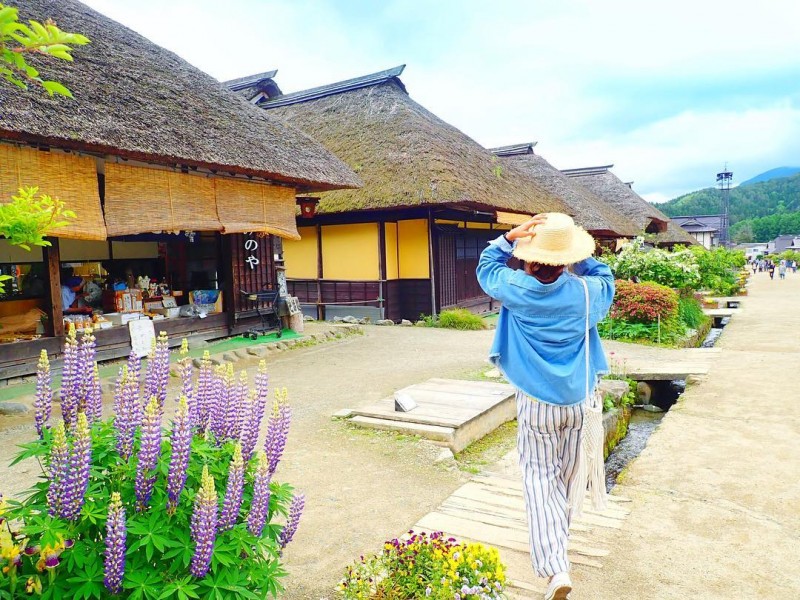
A former post town on the Shimotsuke Kaido road, laid out in the Edo period, with thatched-roof houses lining a 500-meter street. It is a nationally protected historic district that draws about 800,000 visitors a year. Try Takato soba, eaten with a green onion instead of chopsticks, or paint an akabeko or okiagari-koboshi doll, or make your own soba. A snow festival is held on the second weekend of February and the Hangesho festival on July 2.
To-no-Hetsuri Shimogo
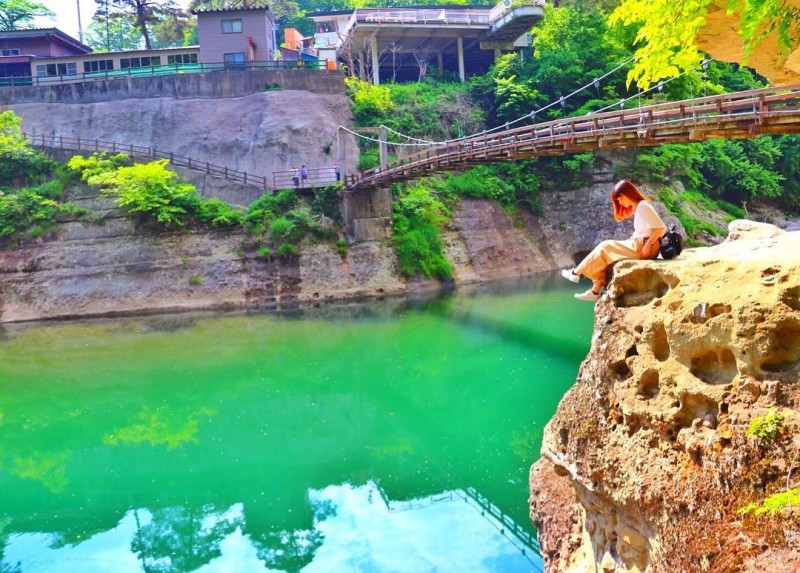
A row of strangely shaped rocks and cliffs carved by the river over a million years, now a National Natural Monument. The rocks have names such as Byobu-iwa and Eboshi-iwa, and it is fun to pick them out one by one. A wooden suspension bridge that creaks with every step leads to a small hall in the rock enshrining Kokuzo Bosatsu, and the spot has become popular as a power spot. Entry is free.
Inawashiro
Lake Inawashiro Inawashiro
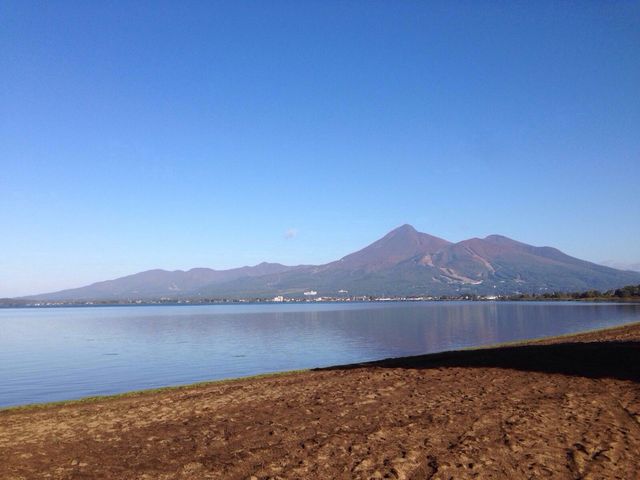
Japan's fourth-largest lake, 103.32 square kilometers in area and 93.5 meters deep. Acidic volcanic water flows in, so little lives in it. In summer you can swim, do water sports and camp, and in winter swans fly in. Sightseeing boats circle the lake. Legend says the small island of Okinashima was once the house of an old woman who gave water to the monk Kobo Daishi, the only house that did not sink when Mount Bandai erupted.
World Glass Museum (Sekai no Garasukan) Inawashiro
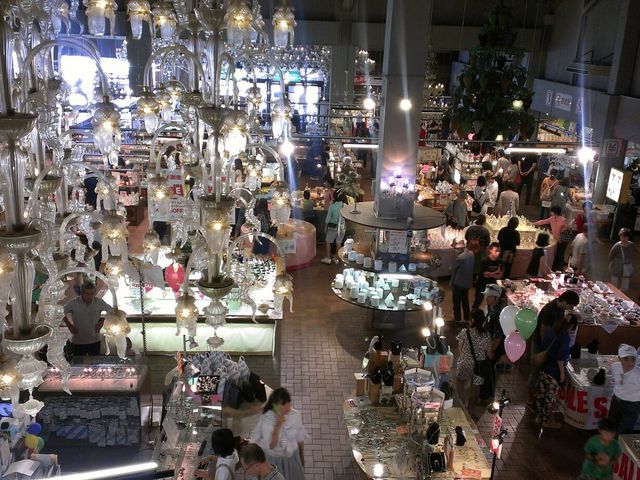
One of Japan's largest glass galleries, displaying 25,000 glass pieces from around the world, and you can buy what you like. In the workshop you can make colorful glass beads, etch your own design on glass or try glassblowing. There is also a beer hall with local Inawashiro beer, shops for local sweets and dango, and a cafe with homemade desserts. Entry is free.
Noguchi Hideyo Memorial Museum Inawashiro
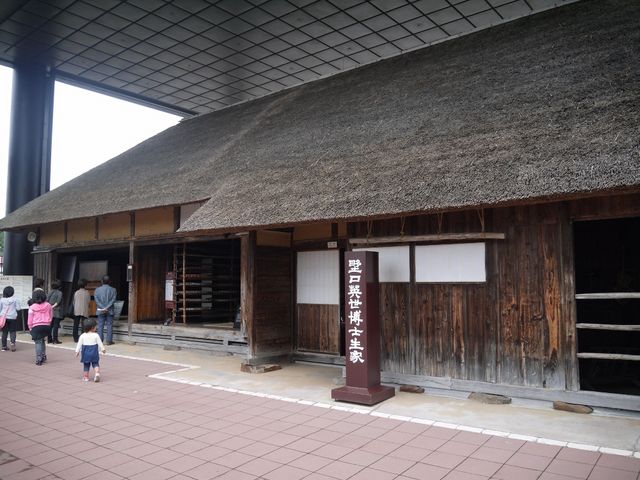
A museum on Noguchi Hideyo, who appeared on the 1,000-yen note. His birthplace is preserved as it was, with the resolution he carved into a pillar and the hearth where he was burned as a baby. You can also see the letter his mother Shika wrote to him, medals from 15 countries and the Tiffany watch he gave his mentor, as well as quizzes and videos about bacteria.
The places on a map
Hours, prices and events change. Check each place's official website before you go.
More travel guides
 Tokyo Sightseeing by Area: 40 Classic Sights and Lesser-Known Spots from Asakusa to Odaiba40 placesTokyo has much more to see than Skytree, Tokyo Tower and Asakusa. This guide works through six of the city's main…
 Nagoya: 40 Best Places to Visit, from Nagoya Castle and Atsuta Jingu to Osu40 placesNagoya is one of Japan's biggest cities, yet many visitors don't know how much it has to see. Alongside its famous…
 Chichibu: 40 Best Places to Visit, from Nagatoro River Boats and Mitsumine Shrine to Moss Phlox and Icicles40 placesChichibu, the largest city in Saitama Prefecture, is about 90 minutes from central Tokyo. Most of the area is national…
 Niigata Prefecture: 40 Best Places to Visit, from Classic Sights to Hidden Gems40 placesNiigata Prefecture stretches a long way from north to south, and each area has its own scenery, climate and food. The…
 Nagasaki Prefecture: 40 Best Places to Visit, from Unzen Hot Springs to Hirado and Nagasaki City40 placesNagasaki grew up as a port open to the outside world, and the culture of those days still shapes its streets, churches…
 Fukuoka Prefecture: 40 Places to Visit in Kitakyushu, Chikuho and Around Fukuoka City40 placesFukuoka Prefecture is roughly divided into four areas, Kitakyushu, Chikuho, Fukuoka and Chikugo, and each has its own…