
31 Best Places to Visit in Hyogo: Kobe, Himeji, Hot Springs and Family Favorites
31 places · Japanese version
Hyogo Prefecture packs a lot into one region. Kobe has famous sights such as Nankinmachi Chinatown and the old Western houses of Kitano, with Mount Rokko rising right behind the city. Further out you will find Himeji Castle, castle ruins above a sea of clouds, hot spring towns, aquariums and plenty of places for families. This guide groups 31 favorites by area, from classic sights to less obvious spots, so you can mix the famous with the relaxing.
Central Kobe and the waterfront
Most of Kobe's best-known sights are within walking distance or a short train ride of Sannomiya and Motomachi stations.
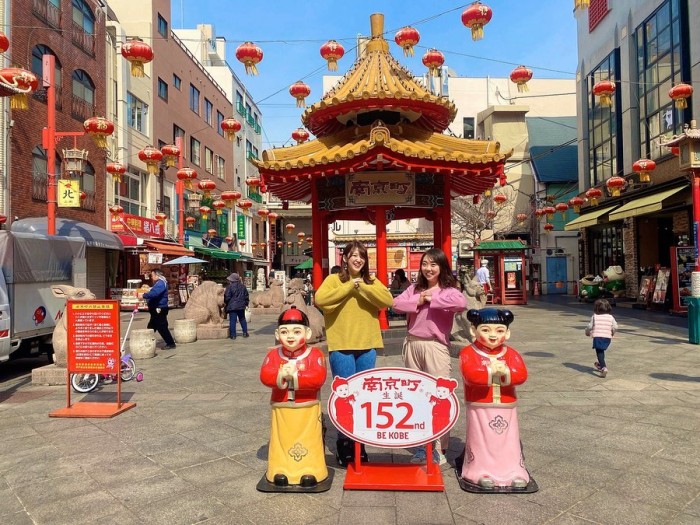
Nankinmachi Kobe
Counted with Yokohama and Nagasaki among Japan's three great Chinatowns, Nankinmachi is made for eating as you walk. Roshoki, a pork bun shop founded in 1915, is the classic stop, and some restaurants let you sit down for a full meal. Shops sell Chinese goods and quirky souvenirs. In winter, the Lantern Fair fills the sky with Chinese lanterns, and the Lunar New Year is celebrated with a spring festival. It is about a 5-minute walk from Motomachi Station.
Kitano Ijinkan Kobe
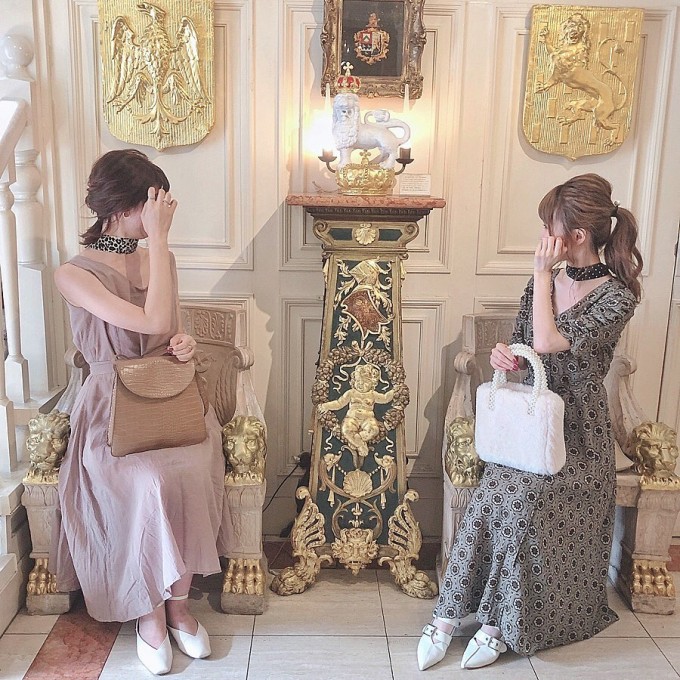
These Western-style houses were built on the hillside above the port for foreign residents who came to Kobe after it opened to trade. Several are open to visitors, including the brick Weathercock House, the lime-green Moegi House and the Uroko House, whose natural slate walls look like fish scales. The quarter also has small museums, cafes and souvenir shops, enough to fill a whole day. It is about a 10- to 15-minute walk from Sannomiya or Motomachi.
Ikuta Shrine Kobe
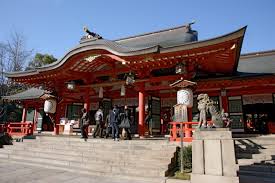
Ikuta Shrine stands in the heart of Kobe, a short walk from Sannomiya, and has about 1,800 years of history. It is known above all for blessings for good relationships. To the north lies the Ikuta Forest, a calm place with walking paths and a pond. Try the water fortune: dip the blank paper in the pond and its message appears.
Kobe Port Tower Kobe
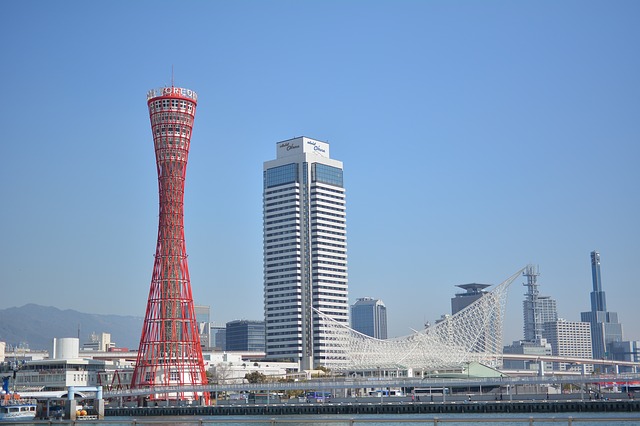
The red landmark of Kobe Harbor looks like a traditional hand drum stretched upward, and 7,040 LEDs light it up at night. The free zone has shops and a Western-style restaurant. In the paid observation floors, the Sky Walk floor turns transparent so you can look straight down, and one floor has seats on a floor that turns a full circle in 20 minutes.
Kobe Harborland Kobe
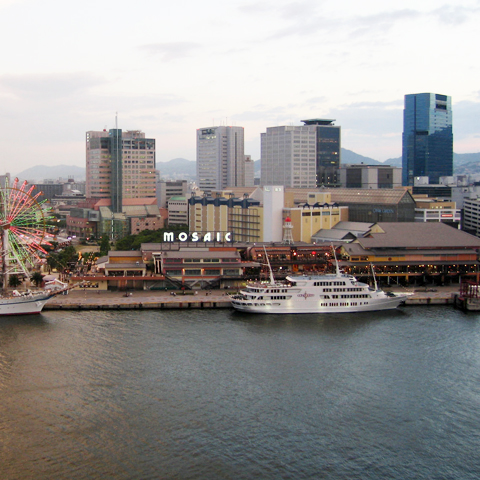
Right by JR Kobe Station, Harborland is a waterfront shopping and dining area and one of Kobe's classic date spots. Shop at umie or the Kobe Brick Warehouse, ride the Mosaic Ferris wheel, or take a harbor cruise on the Concerto, which also offers lunch cruises. The Harbor Walk is good for a stroll in the sea breeze, and Kobe Gas Light Street glows after dark.
Kobe Anpanman Children's Museum and Mall Kobe
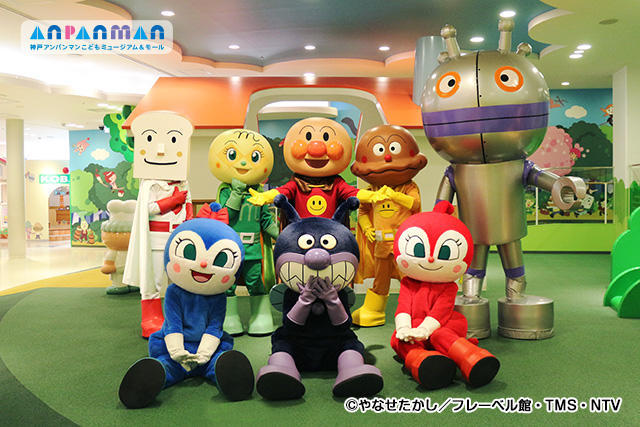
Fans of Anpanman, the popular Japanese children's character, will love this museum about an 8-minute walk from JR Kobe Station. Characters greet visitors in the morning and patrol the building during the day, so there are chances to shake hands. Children can draw character faces on fresh bread at Uncle Jam's Bread Factory or make accessories in a craft class. The shopping mall is free to enter; the museum charges admission.
Kobe Luminarie Kobe
Kobe Luminarie is a festival of light held every winter since 1995. It began after the Great Hanshin-Awaji Earthquake to honor the victims and to pray for the city's recovery. Its arches of geometric lights are often called a tunnel of light, and the design changes every year. It draws huge crowds from all over Japan, so dress warmly, wear comfortable shoes and watch your belongings. Entry is free.
Kobe Municipal Oji Zoo Kobe
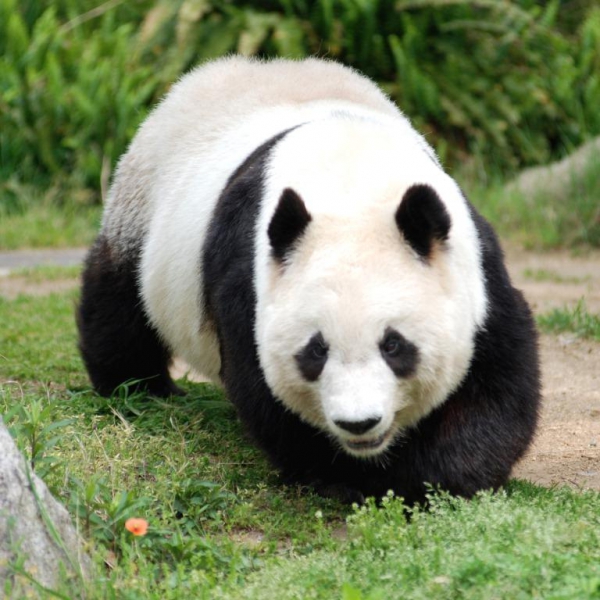
About a 3-minute walk from Hankyu Oji-koen Station, Oji Zoo is home to koalas, penguins, flamingos and many other animals. You can watch elephant training and feeding times, and pet rabbits and guinea pigs in the contact area. The grounds also hold a small amusement park with a Ferris wheel and merry-go-round, and the Former Hunter House, the largest of Kobe's surviving Western residences and an Important Cultural Property.
Port Island Kobe
Port Island is a man-made island in Kobe Harbor, about 10 minutes from Sannomiya on the Port Liner train. It holds the Bando Kobe Science Museum with a planetarium, a sports center with a pool and skating rink, Kobe Animal Kingdom and Kobe Airport. The Bay Shuttle boat links Kobe Airport with Kansai Airport in about 31 minutes. Restaurants, souvenir shops and hotels make it an easy base.
Kobe Animal Kingdom Kobe
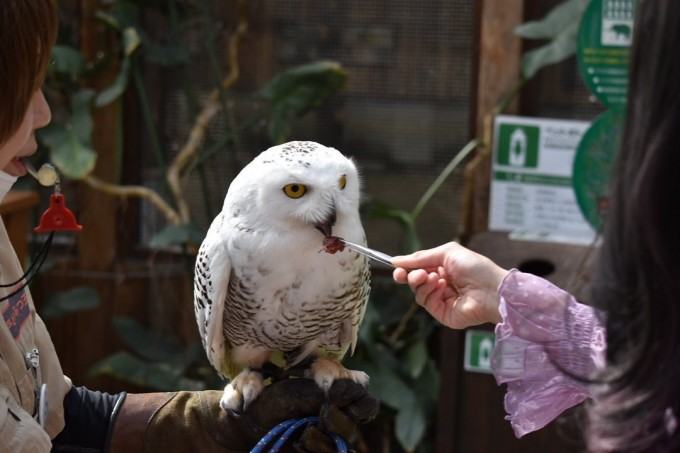
This zoo on Port Island is mostly under a roof, so it works in any weather. Red pandas play overhead in the Asian Forest, capybaras wander with no fence between you and them, and bird performances are held among floating water lilies. Under the hanging flowers of Flower Shower you can even have a meal.
Kobe Airport Kobe
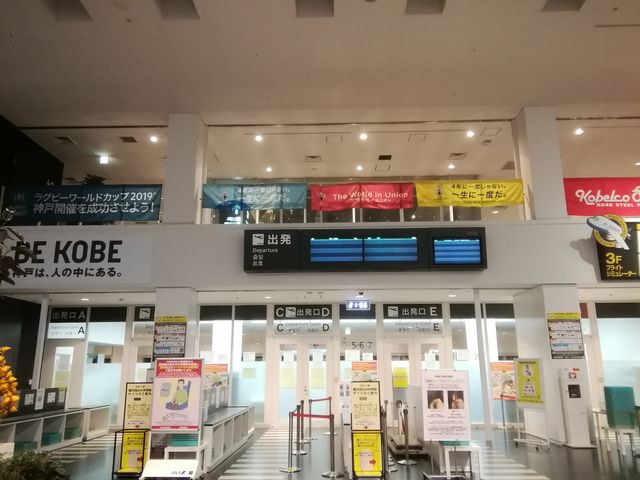
Kobe Airport is worth a visit even without a flight. From the rooftop observation deck you see the city lights to the north and planes passing close by to the south, a lovely night view. The glass-walled Sky Court on the third floor brings planes right in front of you, and children can try a paid flight simulator. Ride the Port Liner from Sannomiya.
Mount Rokko, Arima Onsen and northern Kobe
Rokko Tenrandai Mount Rokko, Kobe
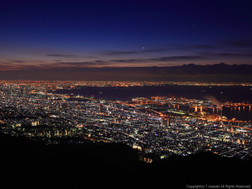
Mount Rokko rises right behind Kobe, and Tenrandai, a short walk from the top station of the Rokko Cable car, looks out over the city and Osaka Bay. The night view of Kobe from the mountain is counted among Japan's three great night views. Around the summit you will find Rokko Garden Terrace with its cafes and lookouts, the Rokko Alpine Botanical Garden, a field athletics course, a winter snow park and Rokko Mountain Pasture.
Arima Onsen Kita Ward, Kobe
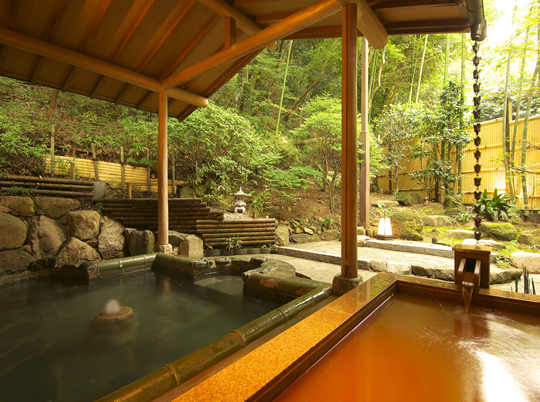
Counted among Japan's three most famous and three oldest hot springs, Arima has two kinds of water: the brown kinsen (gold spring) and the ginsen (silver spring). Try the public bathhouses Kin no Yu and Gin no Yu, or rest at the free foot bath next to Kin no Yu. The Rokko-Arima Ropeway links the town with the top of Mount Rokko in about 12 minutes.
Kobe Sanda Premium Outlets Kita Ward, Kobe
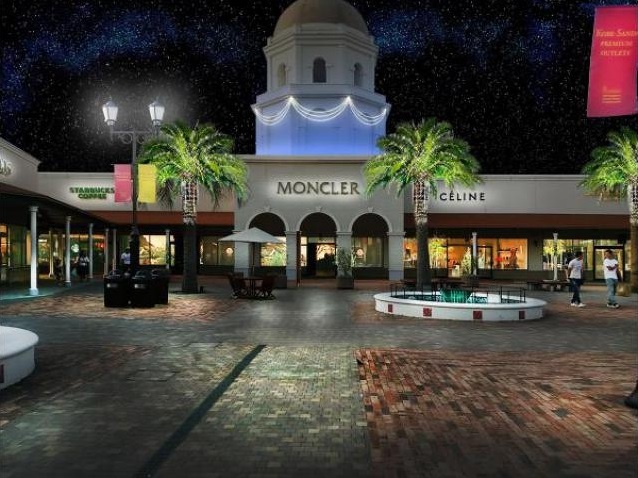
One of the largest outlet malls in western Japan, with streets modeled on Pasadena near Los Angeles. Fashion brands, sports and outdoor gear, home goods and cosmetics fill more shops than you can see in a day, with restaurants and cafes for breaks. Pets are welcome in the outdoor areas, though not inside the shops. Buses run from Sanda Station, and it is a short drive from the Kobe-Sanda interchange.
Arima Fuji Park Sanda
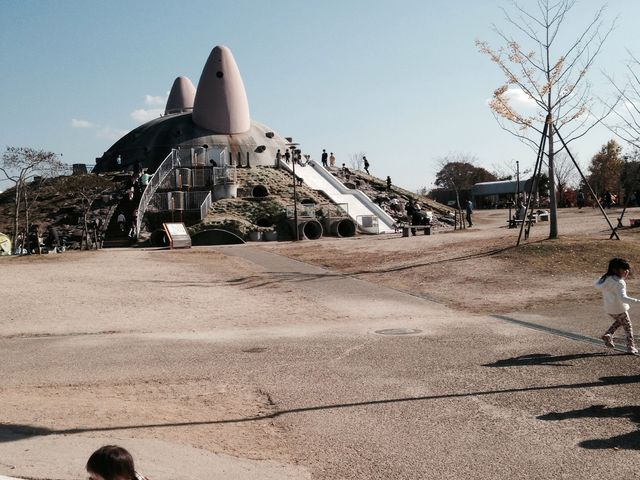
Said to be the largest city park in Hyogo, Arima Fuji Park is easy to spend a day in. Children love Asobi no Okoku, a play area based on local folk tales. Trails lead to the top of Mount Arima Fuji, 374 meters high, and the Wind Museum shows outdoor sculptures by Susumu Shingu beside a big lawn. Take a bus from JR Shin-Sanda Station.
Himeji and the Harima region
Himeji Castle Himeji
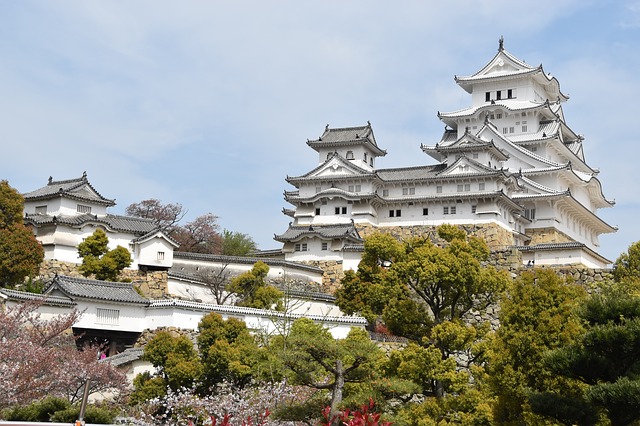
Himeji Castle is a national treasure and a World Heritage Site, nicknamed the White Heron Castle because its shape looks like a heron spreading its wings. Several routes lead through the grounds: to Nishi-no-maru and the turret linked to Princess Sen, to Okiku's Well from a famous ghost story, or straight to the main keep. Next to the castle, the Koko-en garden has a tea house and makes a good place to rest.
Engyo-ji Temple on Mount Shosha Himeji
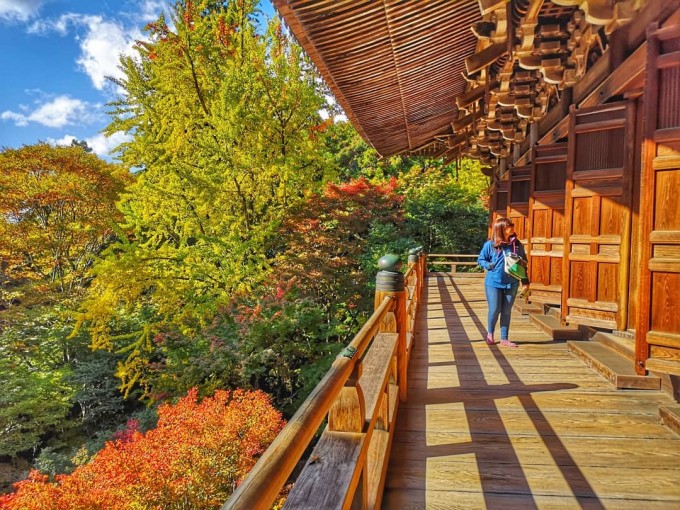
Founded in 966, this temple sits on Mount Shosha, 371 meters high, and has been a filming location for movies including The Last Samurai. A ropeway climbs the mountain, and from the top you can walk or take a shuttle to the main halls. The Jikido, a rare two-story dining hall for monks, is an Important Cultural Property and now holds a sutra-copying hall and a treasure exhibit. The autumn leaves here are beautiful.
Mineyama Kogen Kamikawa
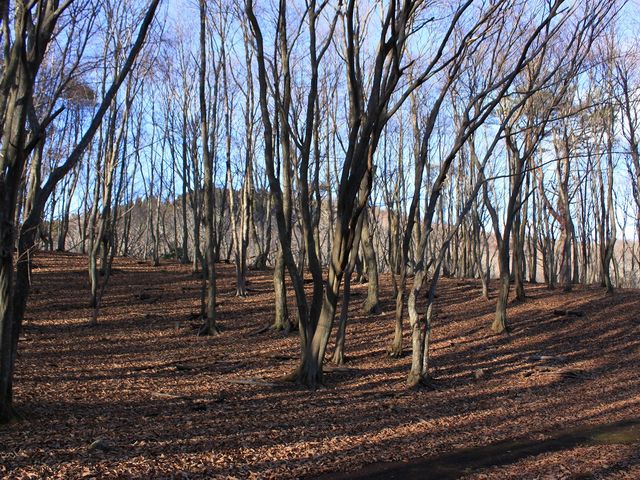
This bowl-shaped plateau about 930 meters up is a cool escape in summer and a ski area in winter. The Forest of Relaxia next to the hotel was used to film Norwegian Wood, based on the Haruki Murakami novel. About 30 minutes away on foot, the Tonomine Plateau has about 90 hectares of wild silver grass that turns gold in autumn. The night sky is full of stars. It is about 25 minutes by taxi from JR Teramae Station.
Nesta Resort Kobe Miki
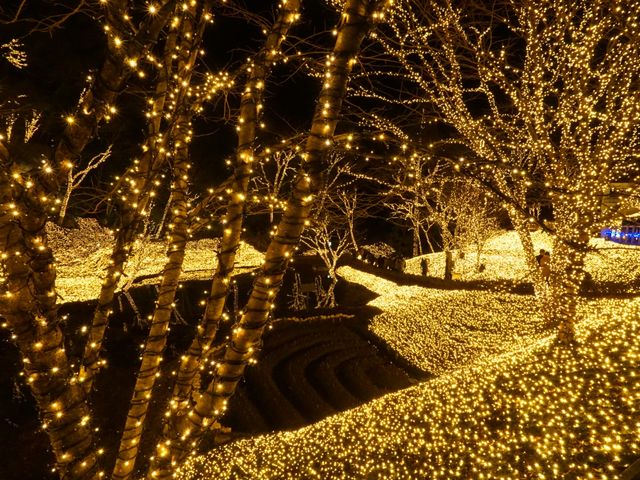
A huge outdoor resort with more than 60 facilities, including over 20 activities included with admission. Race buggies on a circuit or off-road through the forest, try bouldering and a mini bungee jump, meet animals, harvest fresh vegetables or have a barbecue. There is also glamping, a hotel, natural hot spring baths and, in summer, pools with slides. Direct buses run from Sannomiya in about 40 minutes.
Ako Seaside Park Ako
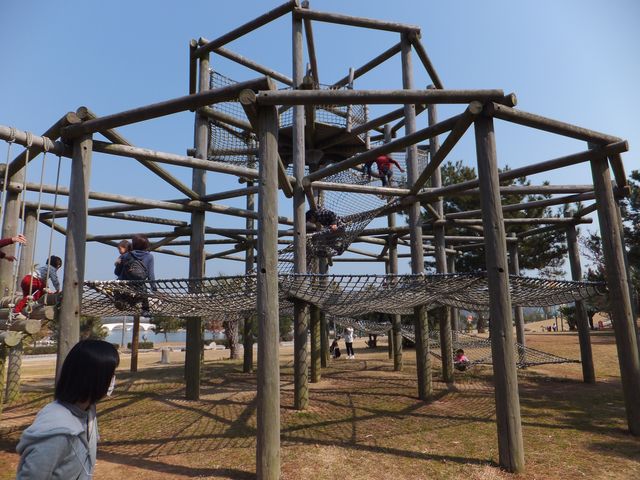
A big park for families on the coast of Ako. Tateho Waku Waku Land has a 50-meter Ferris wheel, a pedal-powered monorail, funny-shaped bicycles and an animal petting village. You can rent rowboats and pedal boats on the park's lakes, play on the ship-shaped equipment, or stay at the auto campground with cottages. The park also has tennis courts and a marine science museum about the sea and salt.
Sea Station Shiosai Market Ako
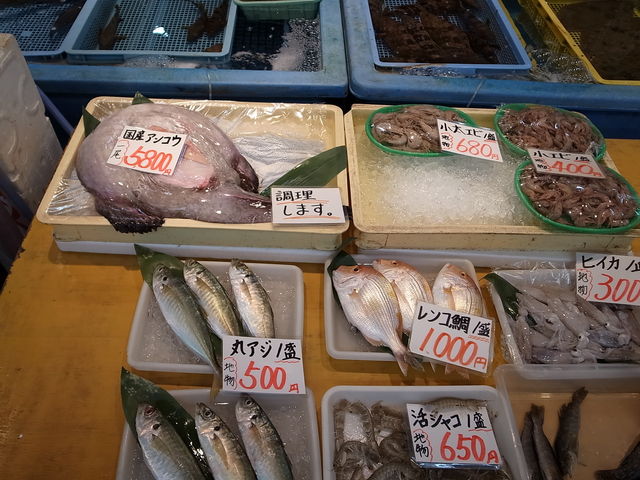
By the fishing port of Sakoshi, this market is all about fresh seafood. In summer you can head out on a fishing boat to haul set nets, catch fish by hand or go fishing, then eat what you catch. In winter the draw is Sakoshi oysters: all-you-can-eat oysters outdoors, and oyster-shucking sessions. Summer evenings bring outdoor bar stalls facing the harbor.
The Akashi Strait and the Naruto whirlpools
Akashi Kaikyo Bridge Kobe and Awaji Island
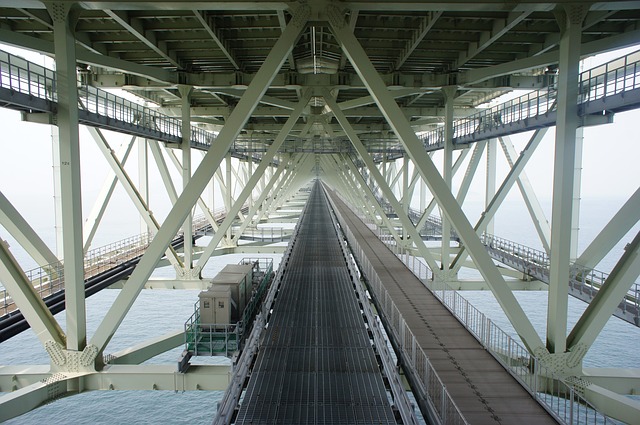
This 3,911-meter suspension bridge links Maiko in Kobe with Awaji Island, with towers about 300 meters above the sea. Nicknamed the Pearl Bridge, it is lit up at night in 31 patterns that change with the time, day and season. During certain periods, the Bridge World Tour lets you walk inside the bridge and ride an elevator to the top of a tower. JR Maiko Station is close by.
Naruto Whirlpools Naruto Strait
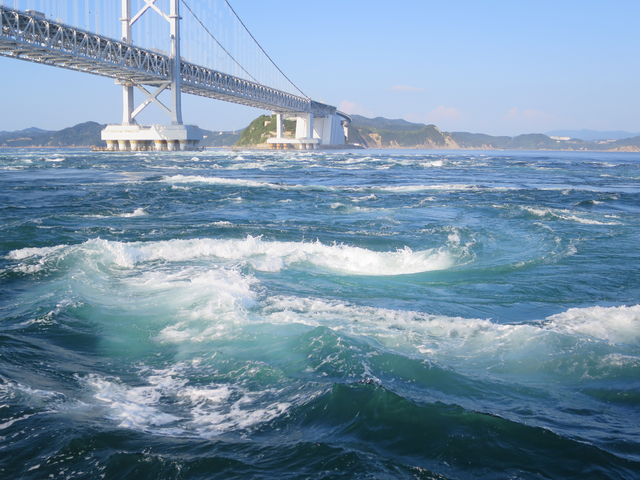
In the strait between Awaji Island and Naruto in Tokushima, the tide creates whirlpools that can grow up to 30 meters across at spring tides. Sightseeing boats bring you close: a large, steady boat with an upper deck, or a smaller boat with an underwater viewing room. To stay on land, walk Uzu-no-Michi, a walkway under the roadway of the Onaruto Bridge with glass floors 45 meters above the water.
Northern Hyogo: castle ruins, hot springs and the Sea of Japan
Takeda Castle Ruins Asago
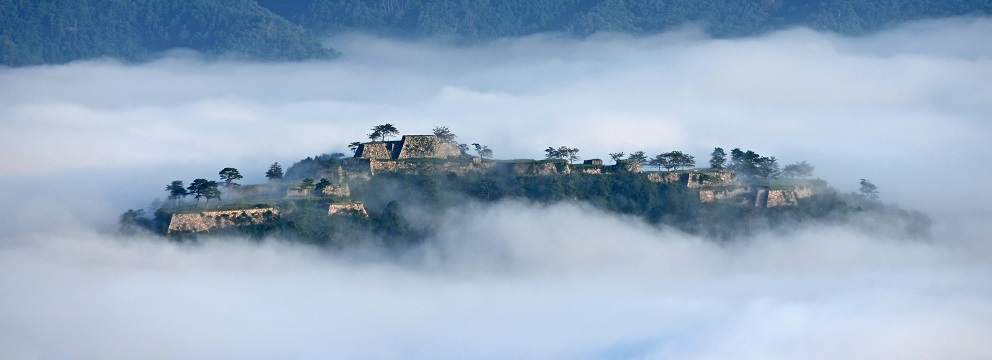
On a hilltop 353.7 meters high, these stone walls are called the castle in the sky and the Machu Picchu of Japan. The famous view of the ruins floating on a sea of clouds is seen from the Ritsuunkyo viewpoint at dawn, until about 8 a.m., most often in autumn. Clouds need clear, calm weather and a big drop in temperature overnight. Bring a flashlight and warm clothes. Spring cherry blossoms and autumn leaves are lovely too.
Forest Adventure Asago Asago
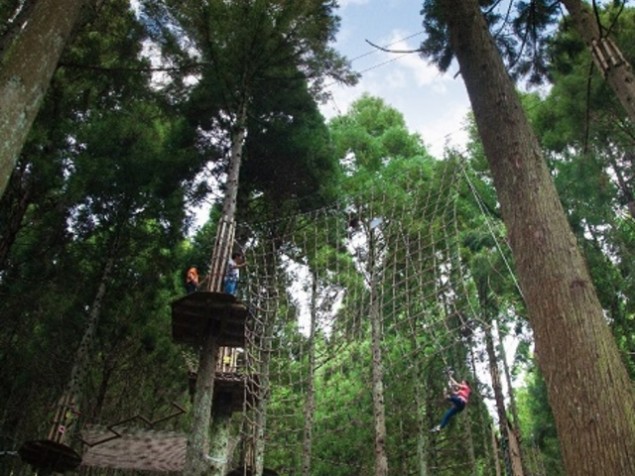
A treetop adventure park, a concept born in France, set in the forest of the Sanno plateau, near Takeda Castle. Adventure courses and zip lines run through the trees, and the favorite is the Tarzan swing from about 10 meters up. Courses are open to children in fourth grade or older or at least 140 cm tall. Wear long sleeves and long pants; clothes can be rented.
Kinosaki Marine World Toyooka
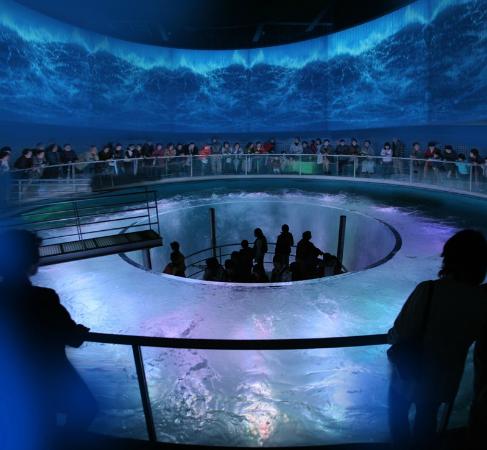
This aquarium on the Sea of Japan coast is known for hands-on extras. The dolphin and sea lion show changes every year, and a dolphin stage shows the animals swimming on a giant screen through a small camera. You can watch sea lions dive, seals climb rocks and penguins take a walk. Paid options include backstage tours, a dolphin trainer experience, dolphin touch and fishing for horse mackerel.
Kinosaki Onsen Toyooka
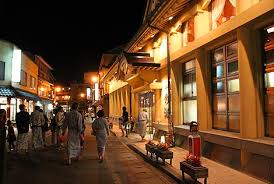
Kinosaki is a hot spring town where visitors walk the willow-lined streets in yukata and wooden geta, hopping between seven public bathhouses. A one-day pass covers all seven, and five foot baths in town are free. A ropeway climbs Mount Daishi for a view over the town, and at night the willows are lit up. Bring your own towel, or rent or buy one.
Amarube Viaduct (Sora no Eki) Kami
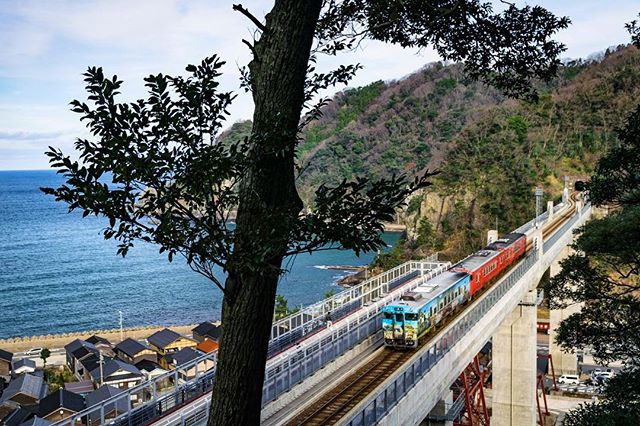
Sora no Eki, the Station in the Sky, is a free observation deck made from part of the old Amarube railway viaduct. You walk along the old rails to a deck about 41 meters above the ground, with the Sea of Japan in front of you and trains passing on the new bridge beside you. A small museum below explains how the viaduct was built. It is about 5 minutes on foot from JR Amarube Station.
Takarazuka, Itami and Nishinomiya
Osamu Tezuka Manga Museum Takarazuka
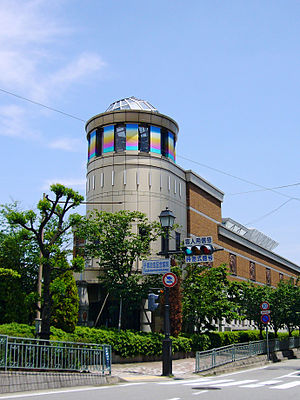
Osamu Tezuka, the creator of Astro Boy and Princess Knight, lived in Takarazuka from age 5 to 24. The entrance hall is modeled on the palace in Princess Knight, and display capsules are inspired by Phoenix. You can watch original animation, try making a short animation from your own drawing, and read his manga in the library. The museum sometimes closes for renovation, so check before you go.
Itami City Museum of Insects Itami
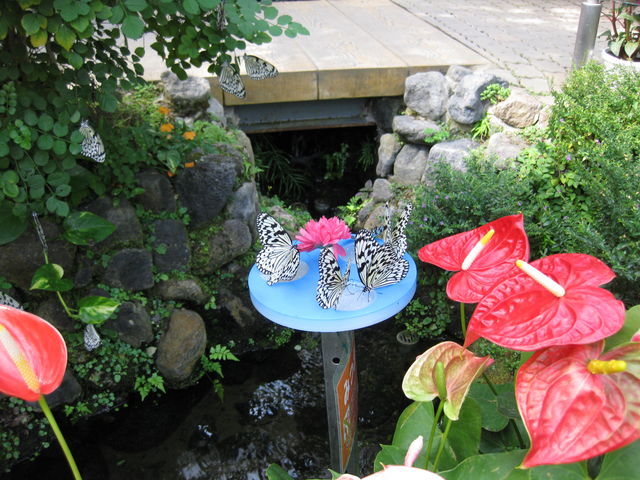
The highlight is a semicircular butterfly house 31 meters across, said to be the largest in the Kansai region, where 800 to 1,000 butterflies, mainly from Okinawa, fly freely all year among subtropical plants. Stand still and they may land on your shoulder. Other rooms show live beetles and stag beetles from abroad and a giant 2.4-meter honeybee model. The museum is in Koyaike Park.
KidZania Koshien Nishinomiya
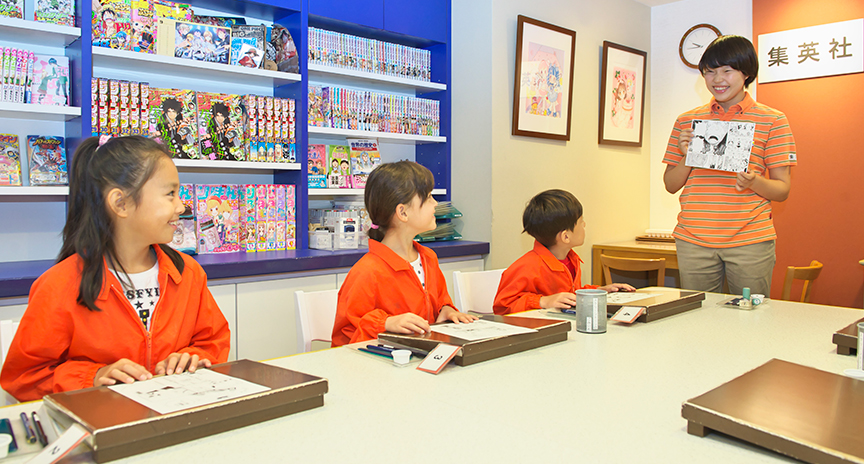
At KidZania, children put on uniforms and try real-world jobs: gas station attendant, boutique clerk, dentist, beauty salon stylist, soft-serve maker and many more. They earn the park's own currency, kidZos, to spend inside, and take home what they make. Parents watch through glass or on monitors and can rest in a lounge just for adults.
Tips for your trip
Kobe's central sights, from Nankinmachi to Harborland and the Kitano houses, are easy to see on foot in a day, with the Port Liner taking you out to Port Island. Mount Rokko and Arima Onsen pair well as a day trip by cable car and ropeway. Hours and fees change with the season at many places, so check before you go.
The places on a map
Hours, prices and events change. Check each place's official website before you go.
More travel guides
 Tokyo Sightseeing by Area: 40 Classic Sights and Lesser-Known Spots from Asakusa to Odaiba40 placesTokyo has much more to see than Skytree, Tokyo Tower and Asakusa. This guide works through six of the city's main…
 Nagoya: 40 Best Places to Visit, from Nagoya Castle and Atsuta Jingu to Osu40 placesNagoya is one of Japan's biggest cities, yet many visitors don't know how much it has to see. Alongside its famous…
 Chichibu: 40 Best Places to Visit, from Nagatoro River Boats and Mitsumine Shrine to Moss Phlox and Icicles40 placesChichibu, the largest city in Saitama Prefecture, is about 90 minutes from central Tokyo. Most of the area is national…
 Niigata Prefecture: 40 Best Places to Visit, from Classic Sights to Hidden Gems40 placesNiigata Prefecture stretches a long way from north to south, and each area has its own scenery, climate and food. The…
 Nagasaki Prefecture: 40 Best Places to Visit, from Unzen Hot Springs to Hirado and Nagasaki City40 placesNagasaki grew up as a port open to the outside world, and the culture of those days still shapes its streets, churches…
 Fukuoka Prefecture: 40 Places to Visit in Kitakyushu, Chikuho and Around Fukuoka City40 placesFukuoka Prefecture is roughly divided into four areas, Kitakyushu, Chikuho, Fukuoka and Chikugo, and each has its own…