
Ishikawa: 19 Best Places to Visit, from Kanazawa's Gardens to Hot Springs and the Noto Peninsula
19 places · Japanese version
Ishikawa Prefecture runs from Kanazawa, the old castle town of the wealthy Kaga domain, up to the wild, rural tip of the Noto Peninsula on the Sea of Japan. In Kanazawa you can walk one of Japan's three great gardens, old teahouse streets and a museum of contemporary art. To the south lie the hot spring towns of Kaga, and to the north a beach you can drive on, morning markets and rice terraces above the sea. Here are 19 places to visit, grouped by area.
Kanazawa
Kanazawa Station Kanazawa
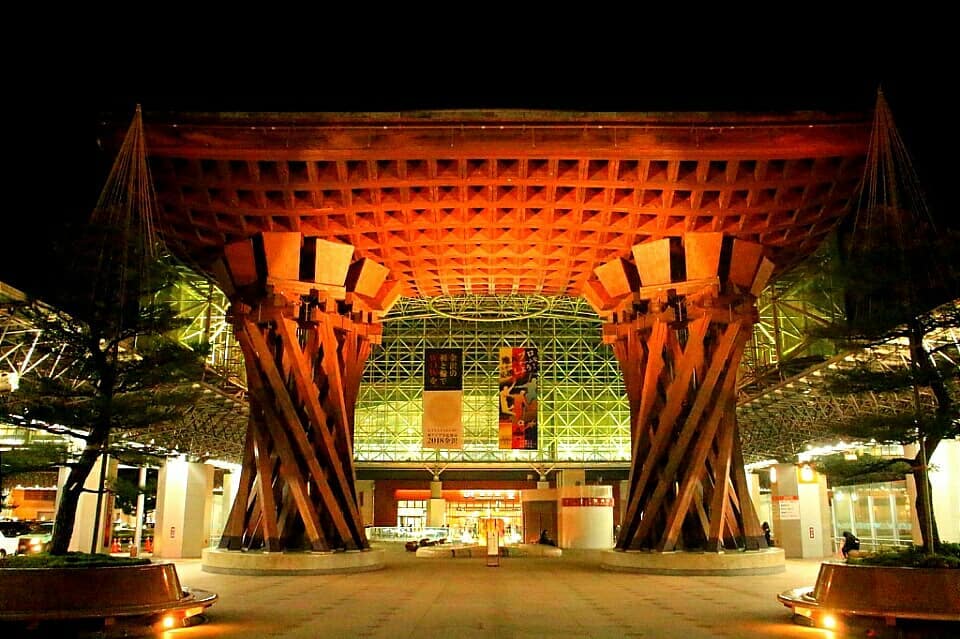
The gateway to the Hokuriku region, with plenty of hotels and shopping around it, makes a handy base. The wooden Tsuzumi-mon Gate and the curving glass Motenashi Dome stand for the old and new sides of Kanazawa, and an American travel magazine once named it one of the 14 most beautiful stations in the world.
Omicho Market Kanazawa
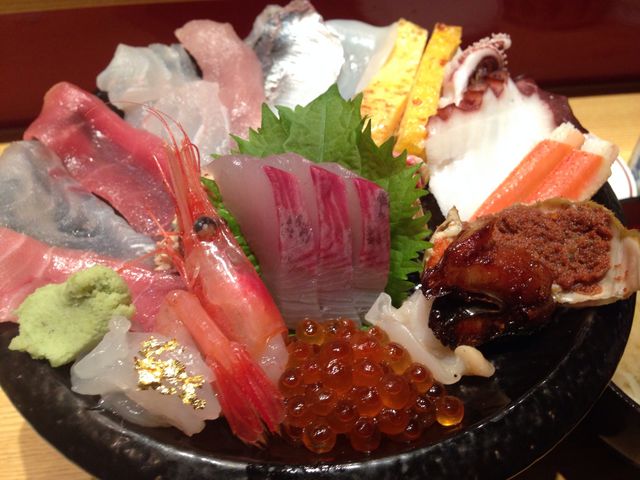
Kanazawa's market has been trading for about 300 years, since the days of the Kaga domain. It sells mostly fresh seafood and produce, along with other food and goods, and eating while you browse is part of the fun. Seafood bowls piled with fish from the Sea of Japan are the favorite. Many shops offer ice packs and delivery. It is about 15 minutes on foot from Kanazawa Station.
Kenrokuen Garden Kanazawa
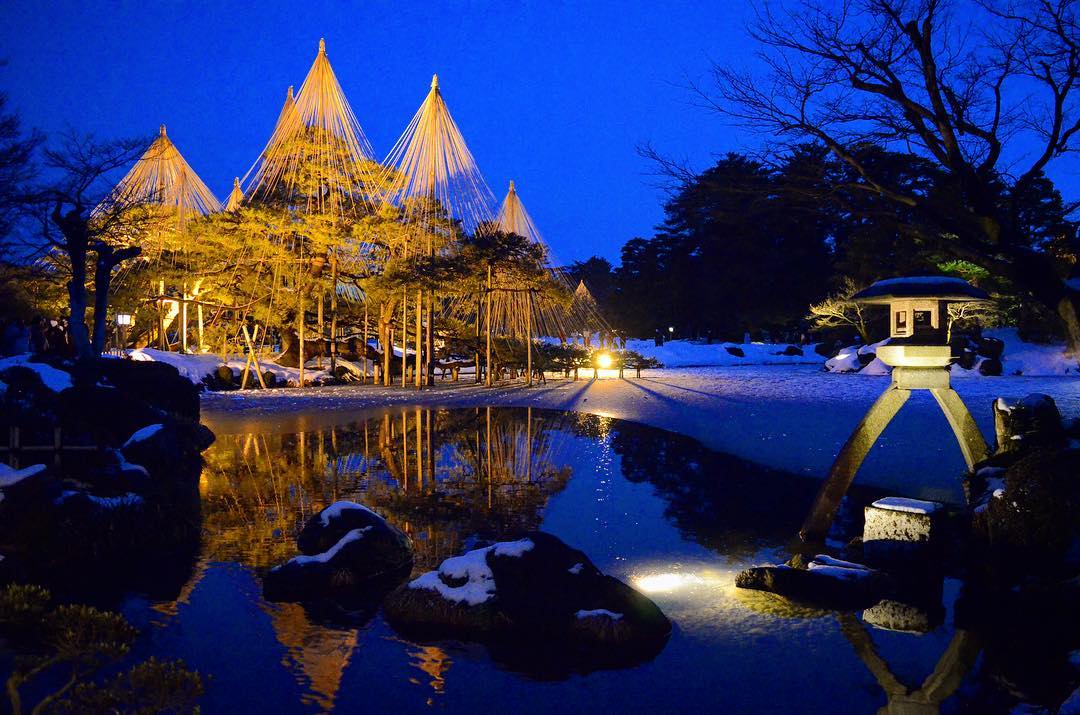
One of Japan's three great gardens, first laid out for the Kaga domain, with blossoms in spring, irises in early summer, autumn leaves and snow ropes in winter. See the Kotoji stone lantern and Japan's oldest fountain, then rest at one of six tea houses with matcha and sweets. Just south is Kinjo Reitaku, the spring that gave Kanazawa its name.
Early-morning entry before opening is free; leave 15 minutes before regular opening.
Ishikawa Prefectural Tourist and Local Products Hall Kanazawa
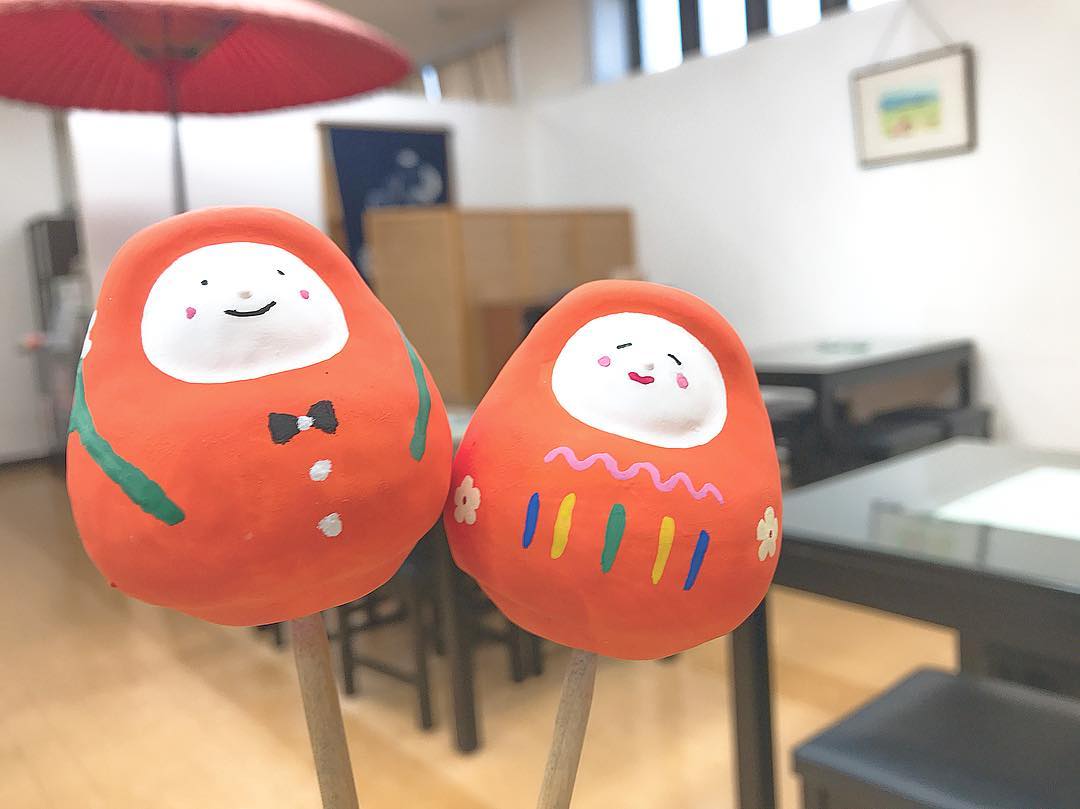
Right next to Kenrokuen, this hall stocks specialties from Kanazawa and the rest of Ishikawa, ideal for souvenir shopping. With a reservation you can also try hands-on crafts such as applying gold leaf, making Japanese sweets and sand-carving glass. It is a good choice for a short trip or a rainy day, since shopping and a local activity are under one roof.
Kanazawa Castle Park Kanazawa
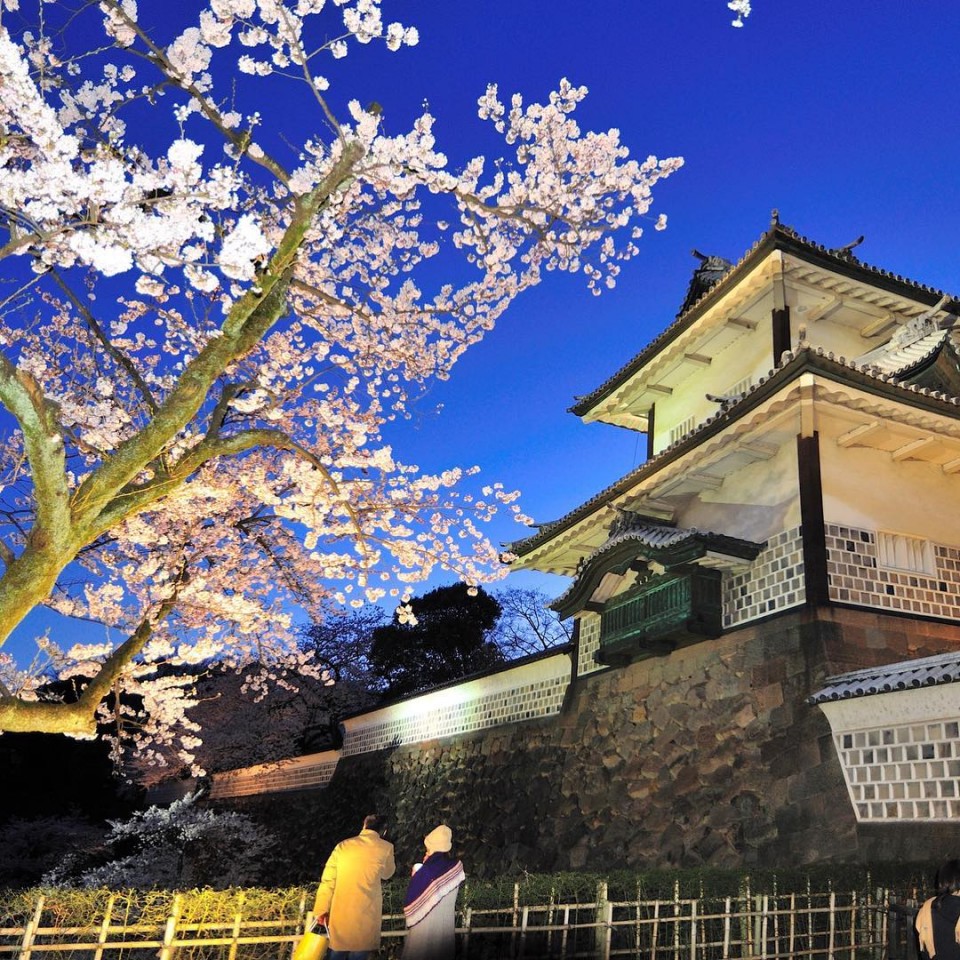
Joined to Kenrokuen by a single bridge, this park preserves the site of Kanazawa Castle, home of the Maeda family who ruled Kaga. Highlights include the Ishikawa-mon Gate, an Important Cultural Property, the Hishi Yagura turret and the Gojikken Nagaya storehouse. Most of the park is free, and it is lovely for cherry blossoms and autumn leaves. Bring a picnic. It is about ten minutes from Kanazawa Station by bus or taxi.
21st Century Museum of Contemporary Art, Kanazawa Kanazawa
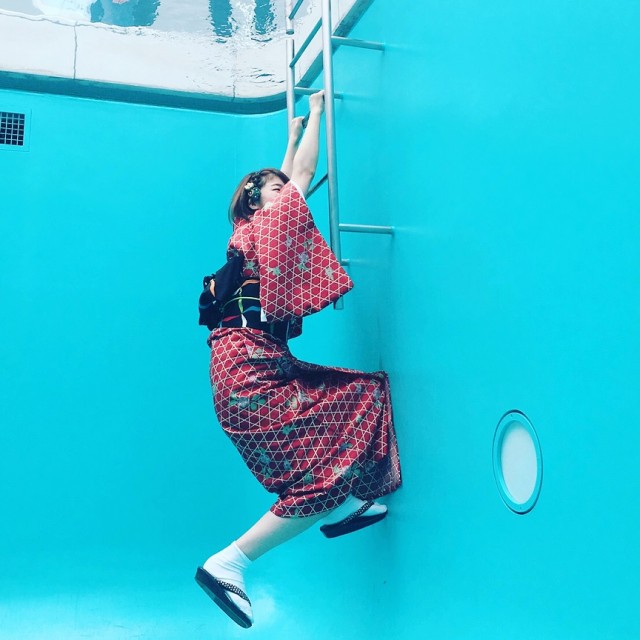
A museum of mostly contemporary art in a round glass building that has no front or back. Many areas are free, so you can enjoy it like a park, even with children; the exhibition zone needs a ticket. The Swimming Pool by Leandro Erlich, where people seem to stand at the bottom of a pool, is a favorite photo spot. It is about ten minutes from Kanazawa Station by taxi.
Higashi Chaya District Kanazawa
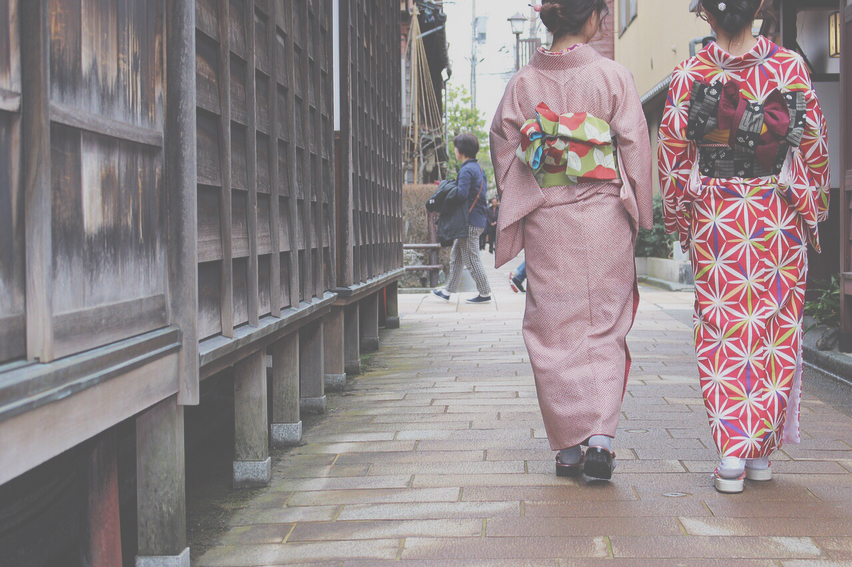
The best known of Kanazawa's three teahouse districts, today busy with traditional restaurants. Teahouses with red-ocher lattices line both sides of the stone-paved lanes, and at dusk you may hear shamisen and drums. Nearby are the Kanazawa Phonograph Museum, the Izumi Kyoka Memorial Museum and the Yasue Gold Leaf Museum, so a combined ticket makes for a nice wander.
Myoryu-ji (Ninja Temple) Kanazawa
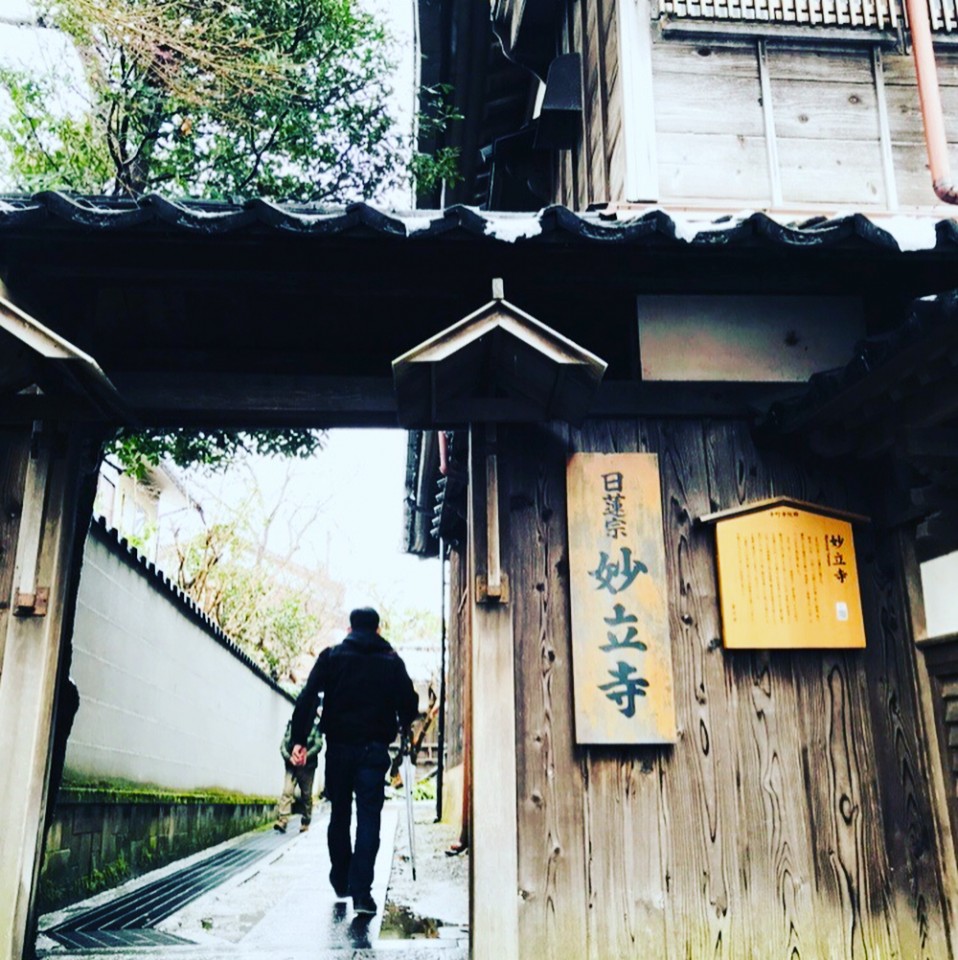
Built on the orders of the third Kaga lord, Maeda Toshitsune, as a fortress to guard Kanazawa Castle. It had nothing to do with ninja, but its maze-like layout earned the nickname. It looks like two stories from outside but has four floors and seven levels inside, with trap holes and hidden stairs. Visits are by reservation only, and preschool children are not admitted.
Southern Ishikawa: Hakusan and the Kaga hot springs
Shirayama Hime Shrine Hakusan
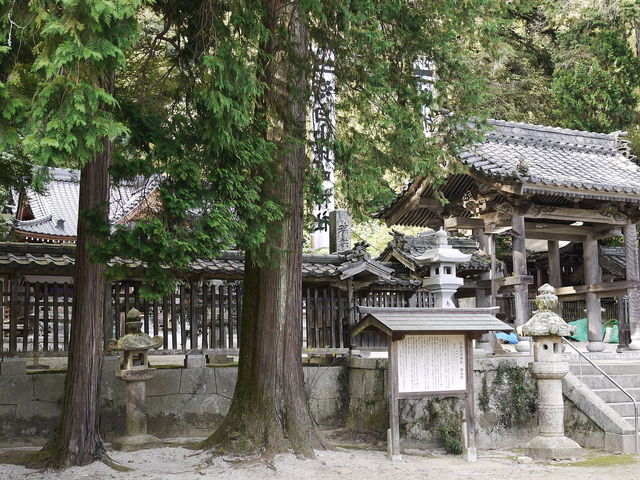
Known locally as Shirayama-san, this is the head shrine of the Hakusan faith, with about 3,000 branch shrines across Japan. Its goddess, Kukurihime, is said to have made peace between the gods Izanagi and Izanami, so people come to pray for love and good relationships. In the grounds you can draw Hakusan spring water, said to bring long life. You can visit at any hour, free of charge.
Yamanaka Onsen Kaga
A hot spring town in the Kaga Onsen area that the poet Matsuo Basho loved. From spring to autumn a riverside platform is set up in Kakusenkei Gorge, where you can relax by the water. The Korogi Bridge and Ayatori Bridge are popular photo spots. Rokusaburo Michiba, the original Iron Chef, comes from here, and inns serve dishes and sweets he has overseen. It is about 20 minutes from Kaga Onsen Station by taxi.
Yamashiro Onsen Kaga
One of the largest hot spring towns in Hokuriku. In the Edo period a townscape called yu-no-gawa grew up around the public bath, and it is still lively. Today there are two public baths: the spacious Soyu and the Kosoyu, a stained-glass recreation of a Meiji-era bath. Sweet shops dot the town; try the soft serve topped with a soft-boiled hot spring egg and soy sauce at the Soyu shop.
Natadera Temple Komatsu
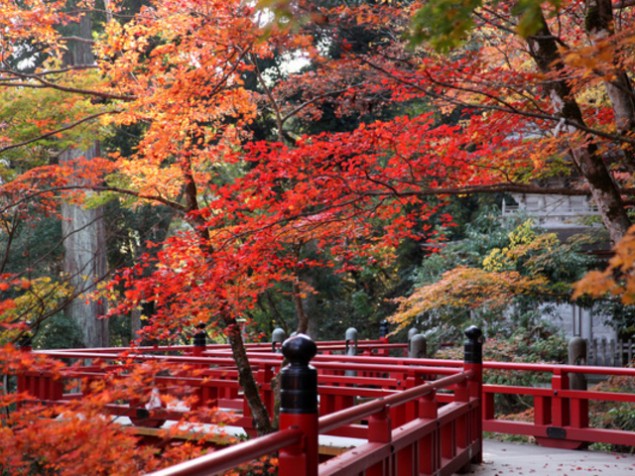
A temple of the Hakusan faith and one of the best places in Ishikawa for autumn leaves. Do not miss the view from the Chinju-do hall or Kigan Yusenkyo, strange rocks carved by wind and rain from an ancient undersea volcano. The temple holds many Important Cultural Properties. In the main hall you can pass through a cave said to cleanse sins and bring rebirth. It is about 20 minutes from Kaga Onsen Station by taxi.
The Noto Peninsula: Hakui and Nanao
The Noto Peninsula was struck by a major earthquake in January 2024, and some places in this part of the guide were damaged or have changed. Check that a place is open before you go.
Chirihama Nagisa Driveway Hakui
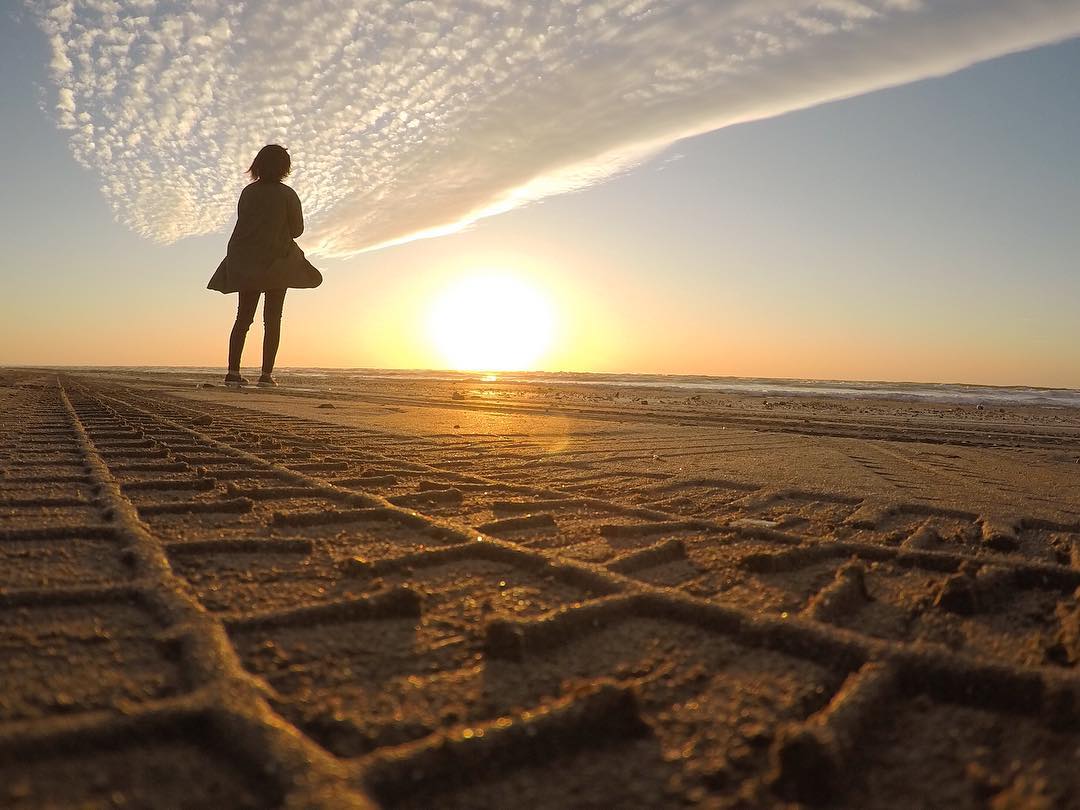
About 8 kilometers of beach between Hakui and Hodatsushimizu, the only sandy beach in Japan where you can drive an ordinary car. The fine sand hardens when wet, so tires do not sink. Motorbikes and rental bicycles can use it too. In the swimming season there is giant sand art and grilled shellfish at beach huts, and the shallow sea is easy to swim in.
Cosmo Isle Hakui Hakui
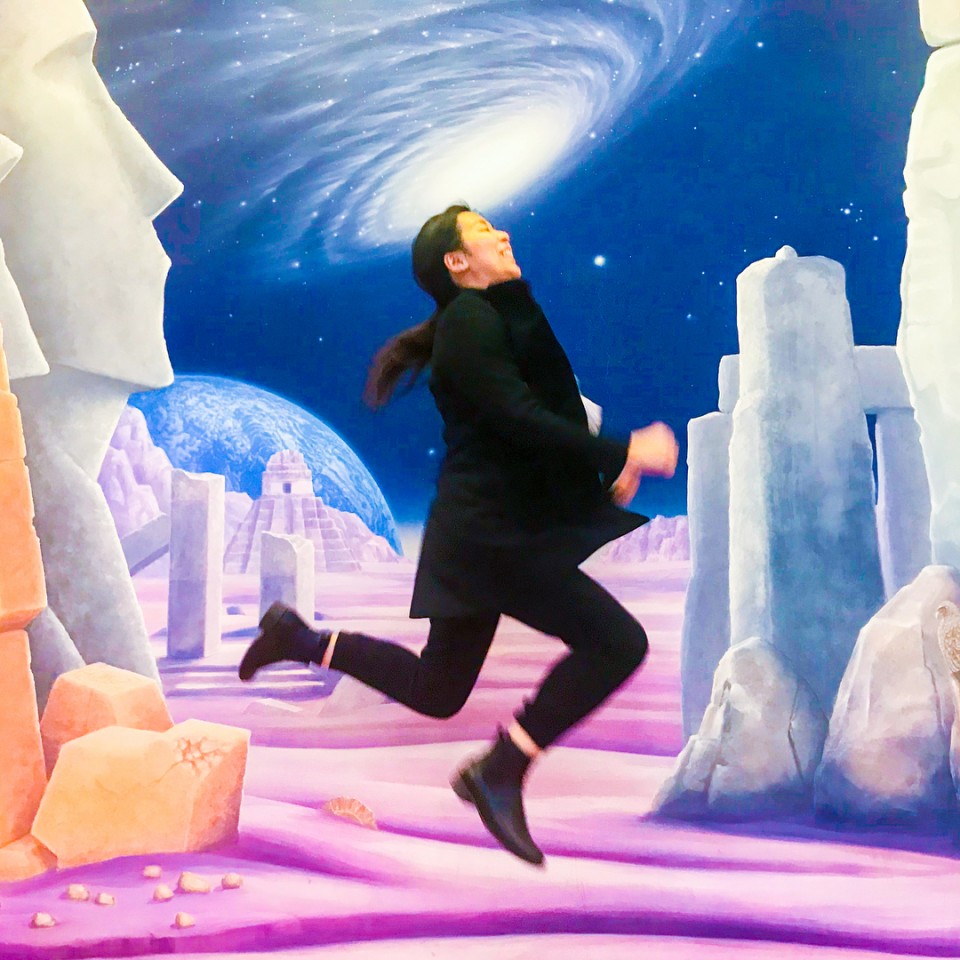
Hakui has one of Japan's oldest UFO legends and calls itself a UFO town. This space science museum displays real space capsules that returned to Earth and an Apollo command module, and its planetarium-style Cosmo Theater shows programs on space and the stars. With luck you may meet Thunder-kun, the city's alien mascot. It is about eight minutes on foot from Hakui Station.
Wakura Onsen Nanao
An upscale hot spring town on Nanao Bay, said to have been found by a fisherman about 1,200 years ago, a rare spring that rose from the sea. It was favored by the Kaga lords and the imperial family. At Bentenzaki Gensen Park you can warm your hands in a free hand bath, sit on heated benches and make hot spring eggs, lightly salty from the sea water.
Notojima Aquarium Nanao
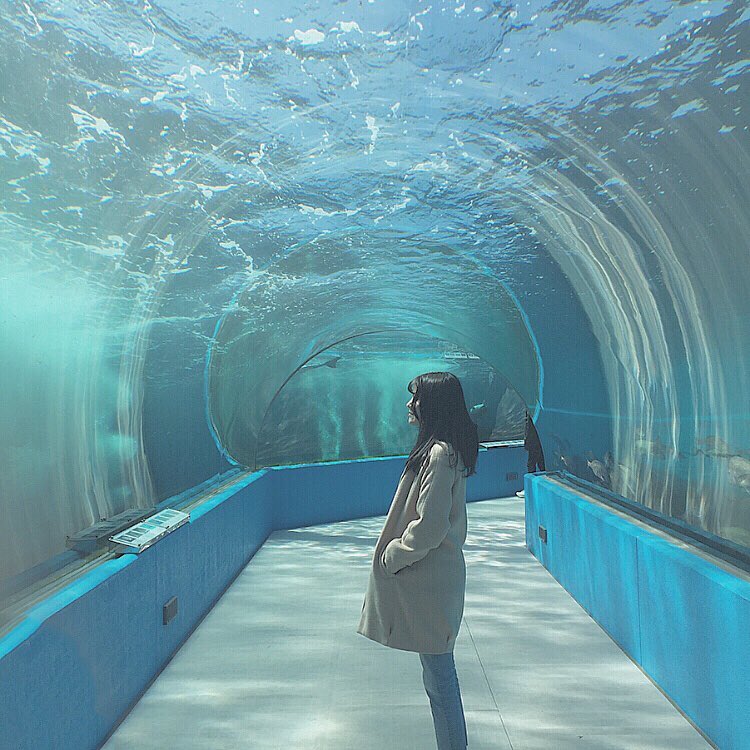
About 500 kinds of sea life, mostly from the waters around Noto. Whale sharks swim in the Blue World tank, and there is one of Japan's largest tunnel tanks, dolphin and sea lion shows, a penguin walk and a jellyfish art space. At the fishing center next door you can rent a rod and buy tackle and bait, so you can come empty-handed. It is about 30 minutes by bus from Wakura Onsen Station.
Oku-Noto: the far north of the peninsula
The Noto Peninsula was struck by a major earthquake in January 2024, and some places in this part of the guide were damaged or have changed. Check that a place is open before you go.
Wajima Morning Market Wajima
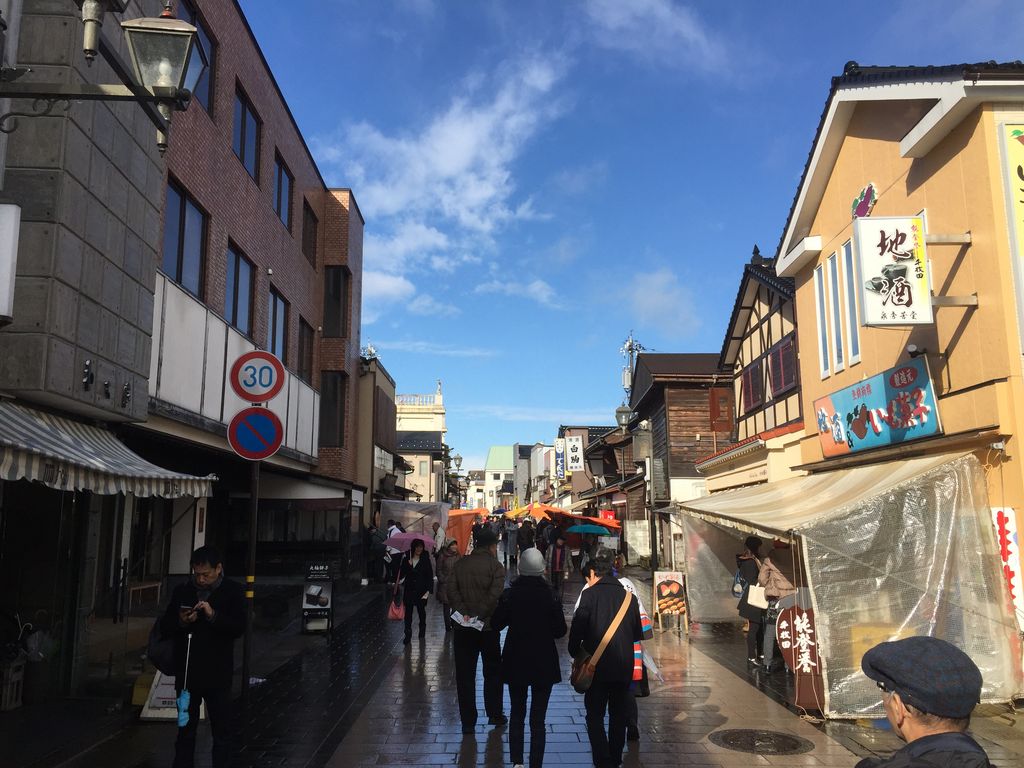
One of Japan's three great morning markets, said to date back to the Heian period, when locals bartered on shrine festival days. Vendors sell fresh seafood, dried fish, produce and Wajima lacquerware, and you can have fish you buy cooked or grill it yourself. Many stalls show no price tags, so friendly bargaining is part of the fun.
Shiroyone Senmaida Rice Terraces Wajima
About 1,000 small rice terraces cling to a west-facing slope above the Sea of Japan, chosen among Japan's top 100 terraced rice fields. At sunset the whole view turns gold. The plots are too narrow for machines, so most work is done by hand. Try rice balls made with Senmaida rice at the Senmaida Pocket Park roadside station, and from autumn to early spring see the terraces lit up at night.
Suzu Enden-mura Roadside Station Suzu
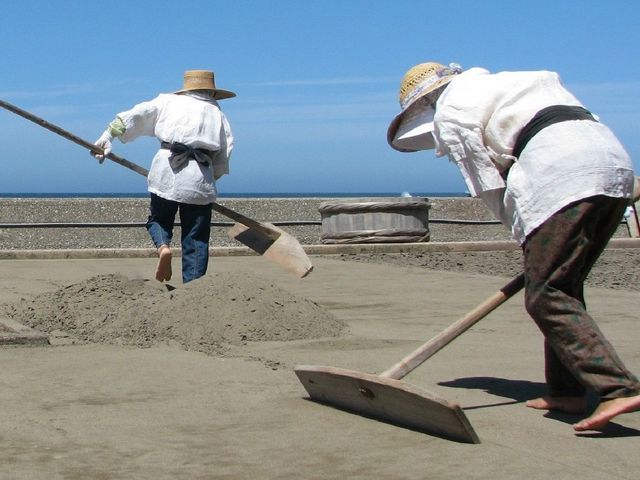
At this roadside station, the Agehama-kan introduces the agehama method of salt making passed down in Suzu, along with salt cultures of the world, and you can watch salt being made in a working salt field. An observation deck looks over strange rocks and rough Sea of Japan waves. With a reservation you can try making salt yourself, and the shop sells salt and salt souvenirs.
The places on a map
Hours, prices and events change. Check each place's official website before you go.
More travel guides
 Tokyo Sightseeing by Area: 40 Classic Sights and Lesser-Known Spots from Asakusa to Odaiba40 placesTokyo has much more to see than Skytree, Tokyo Tower and Asakusa. This guide works through six of the city's main…
 Nagoya: 40 Best Places to Visit, from Nagoya Castle and Atsuta Jingu to Osu40 placesNagoya is one of Japan's biggest cities, yet many visitors don't know how much it has to see. Alongside its famous…
 Chichibu: 40 Best Places to Visit, from Nagatoro River Boats and Mitsumine Shrine to Moss Phlox and Icicles40 placesChichibu, the largest city in Saitama Prefecture, is about 90 minutes from central Tokyo. Most of the area is national…
 Niigata Prefecture: 40 Best Places to Visit, from Classic Sights to Hidden Gems40 placesNiigata Prefecture stretches a long way from north to south, and each area has its own scenery, climate and food. The…
 Nagasaki Prefecture: 40 Best Places to Visit, from Unzen Hot Springs to Hirado and Nagasaki City40 placesNagasaki grew up as a port open to the outside world, and the culture of those days still shapes its streets, churches…
 Fukuoka Prefecture: 40 Places to Visit in Kitakyushu, Chikuho and Around Fukuoka City40 placesFukuoka Prefecture is roughly divided into four areas, Kitakyushu, Chikuho, Fukuoka and Chikugo, and each has its own…