
38 Best Places to Visit in Osaka, from Famous Sights to Local Favorites
38 places · Japanese version
Osaka is easy to explore because so many of its best sights are packed into the city center, around Umeda, Namba and Tennoji. In a single trip you can ride the Harry Potter attraction at Universal Studios Japan, pose with the Glico sign in Dotonbori, climb Tsutenkaku Tower and eat okonomiyaki and takoyaki along the way. Beyond the center there are waterfalls, shrines and museums worth the short train ride. Here are 38 picks, from the classics to some lesser-known spots, grouped by area so you can plan your days.
Umeda and Nakanoshima
Umeda, around JR Osaka Station, is the city's northern hub for shopping and views. Just south, the island of Nakanoshima holds parks, museums and historic buildings between two rivers.
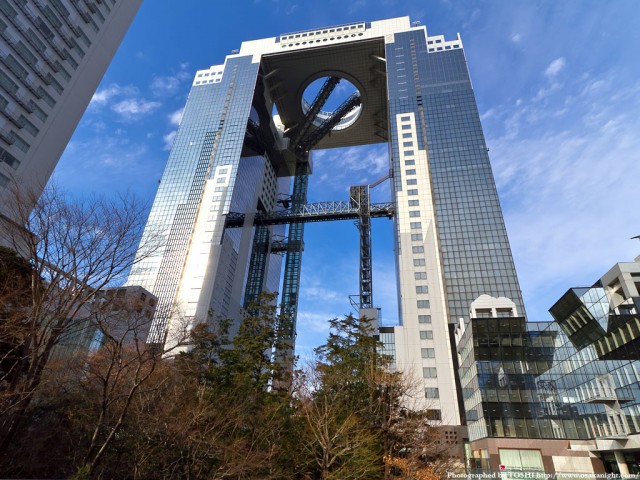
Umeda Sky Building Umeda
The Floating Garden Observatory at the top offers a different view in each direction: the sea of city lights, the sunset over Osaka Bay and the slow curve of the Yodo River. Designer chairs invite you to linger. Even the escalator up feels like entering another world. On the roof, the open-air Sky Walk lets you circle the building in the wind, and at night the floor lights up. It is a favorite spot for a date.
Takimi Koji Umeda
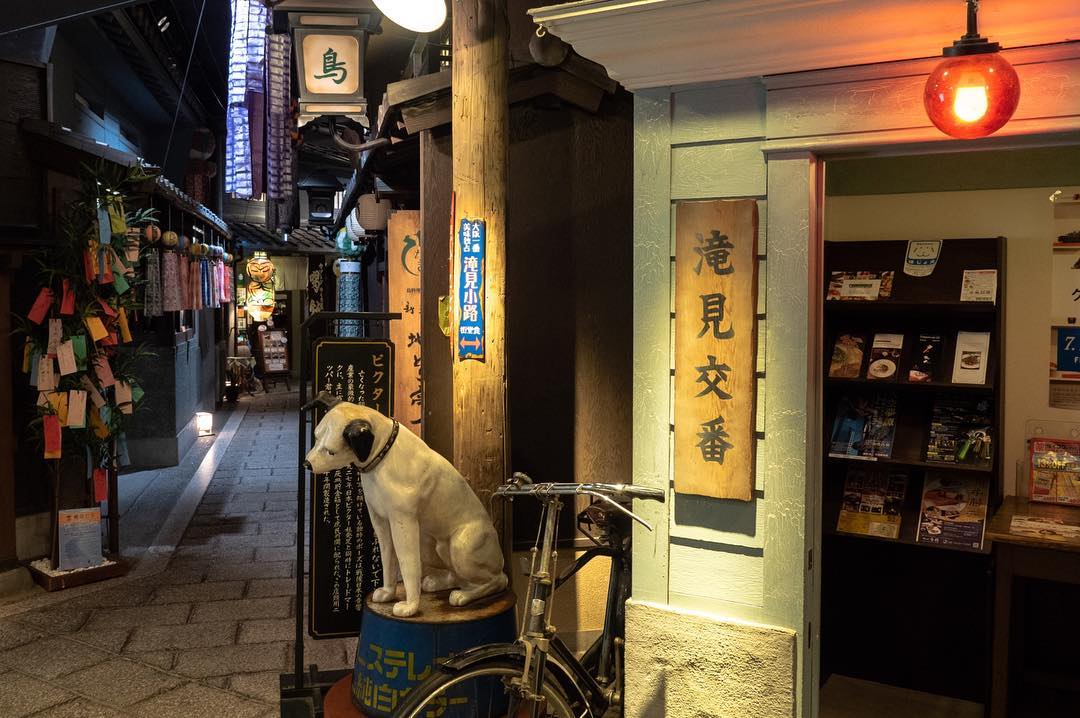
In the basement of the Umeda Sky Building, Takimi Koji is a food street modeled on downtown Osaka in the early Showa era. Narrow stone lanes, a hand-pump well, a small Inari shrine and an old post office set the scene for about 20 restaurants. Come here for a nostalgic mood and a meal of local Osaka food.
HEP FIVE Umeda
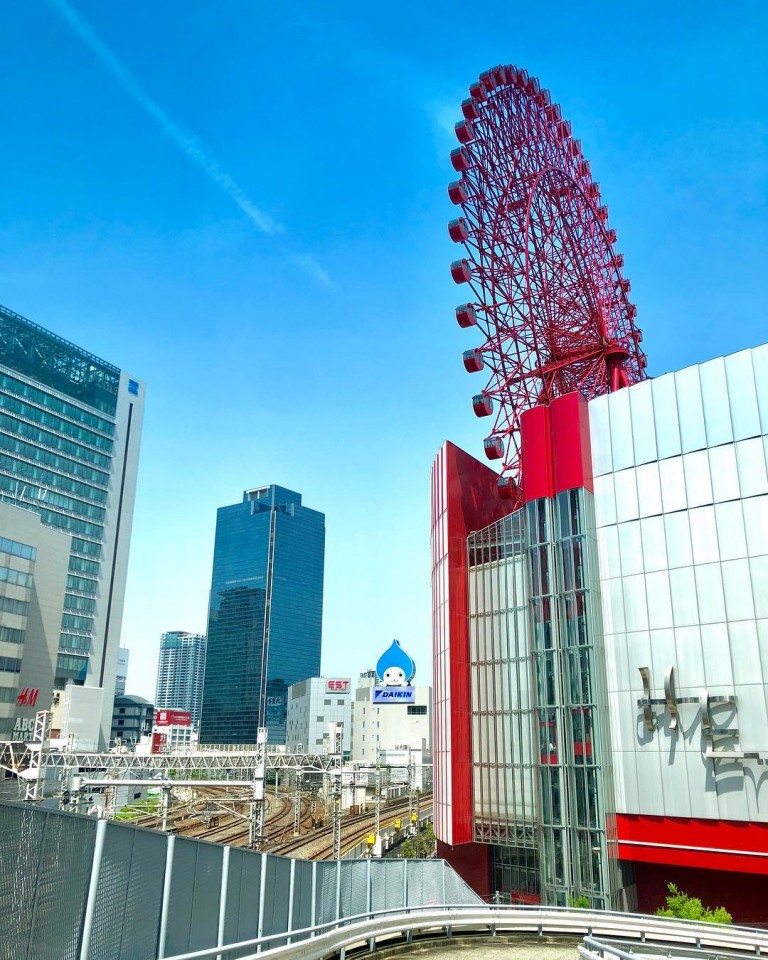
This shopping complex in the heart of Umeda is easy to spot thanks to the giant red Ferris wheel built into the top of the building. HEP stands for Hankyu Entertainment Park. The wheel is 75 meters across, boards on the 7th floor and carries you 106 meters above the street for a view over central Osaka. It is lit up at night.
Osaka Station City Umeda
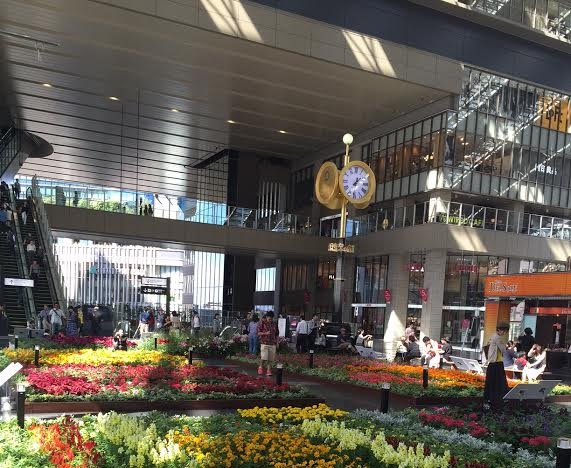
Osaka Station itself is a shopping town packed with the latest fashion and popular places to eat. The LUCUA shopping center is full of shops that are opening in the area for the first time. The station complex is so large that you could spend more than a day exploring it, so it is a good base if shopping is high on your list.
Grand Front Osaka Umeda
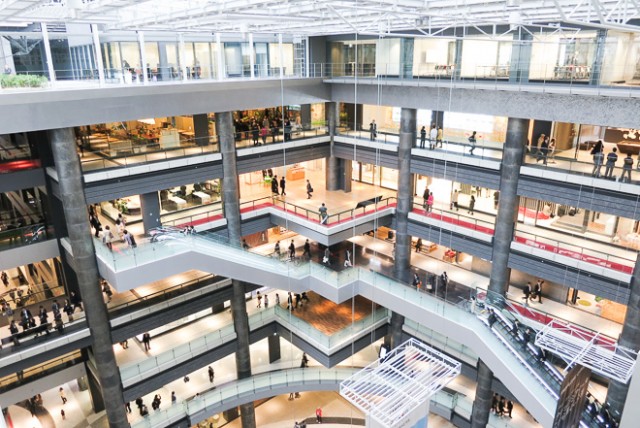
A short walk from JR Osaka and Hankyu Umeda stations, this large complex opened in 2013 with about 270 shops and restaurants and the Knowledge Capital center. Many shops are the first of their kind in Umeda or the Kansai region, and you will also find well-known old brands, fashion, interior goods and everyday design items.
Shin-Umeda Shokudogai Umeda
Under the tracks on the east side of JR Osaka Station, this food street squeezes about 100 small eateries onto two floors: izakaya pubs, oden, okonomiyaki, Chinese and Western food, and ramen. Many are standing bars, and in the evening office workers fill them after work. It has a nostalgic Showa-era feel and is an easy stop near the stations.
Osaka City Central Public Hall Nakanoshima
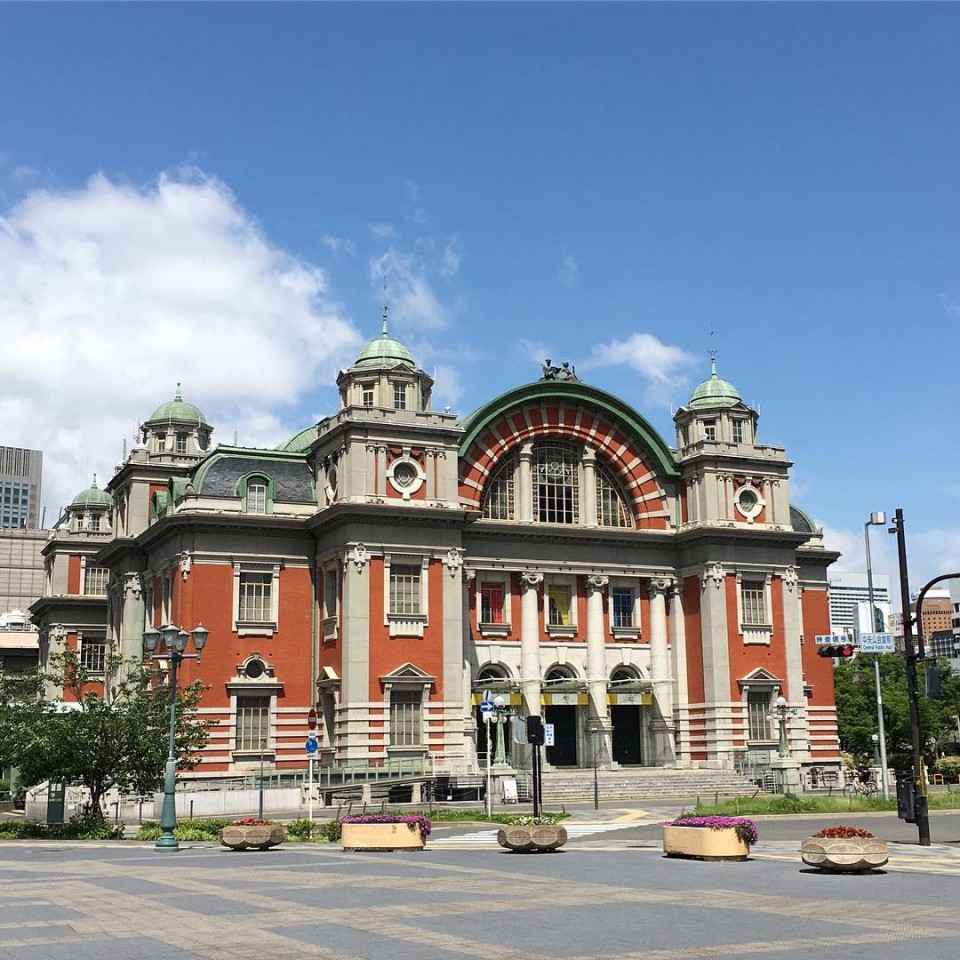
This neo-Renaissance public hall was built with a donation from a local citizen, Einosuke Iwamoto. Its red brick walls and bronze domed roof are widely admired. Most rooms inside are rented out, so public areas are limited, but guided tours show the Special Room, once a guest room for dignitaries. A retro-style restaurant in the building serves omurice.
Nakanoshima Park Nakanoshima
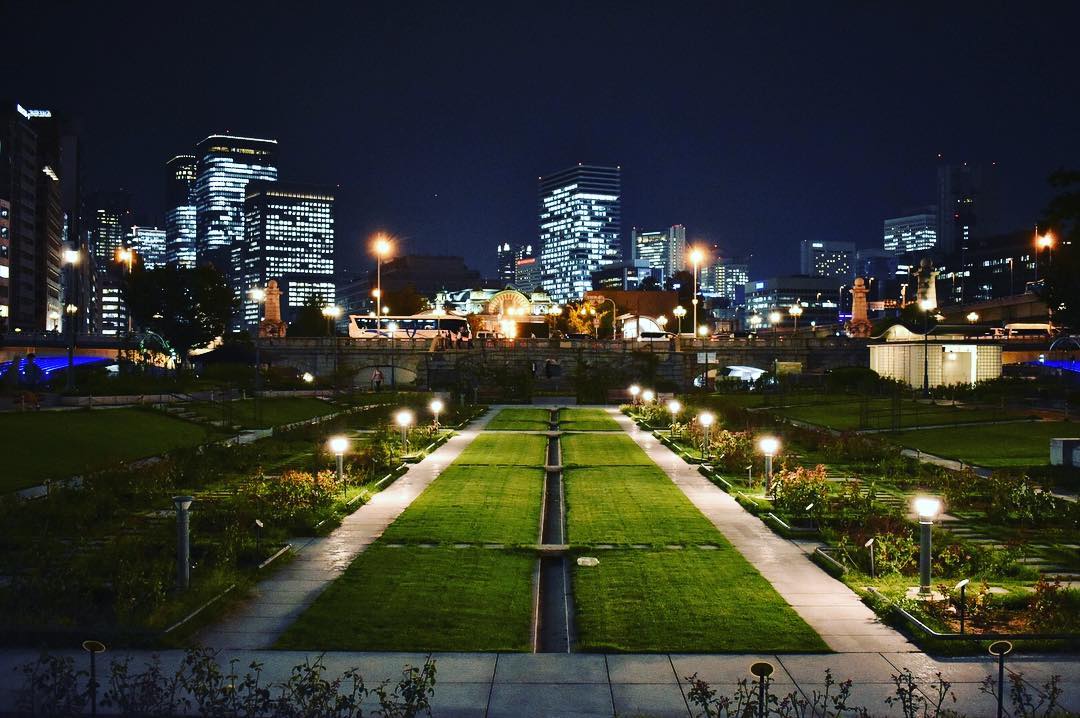
Set between the Dojima and Tosabori rivers, this waterside park runs about 1.5 kilometers and covers 10.6 hectares. Opened in 1891, it was the first park in Osaka, and in its early days it was home to the city's first beer garden. Today it is a green oasis in the middle of the city, loved by locals for a stroll.
Osaka Science Museum Nakanoshima
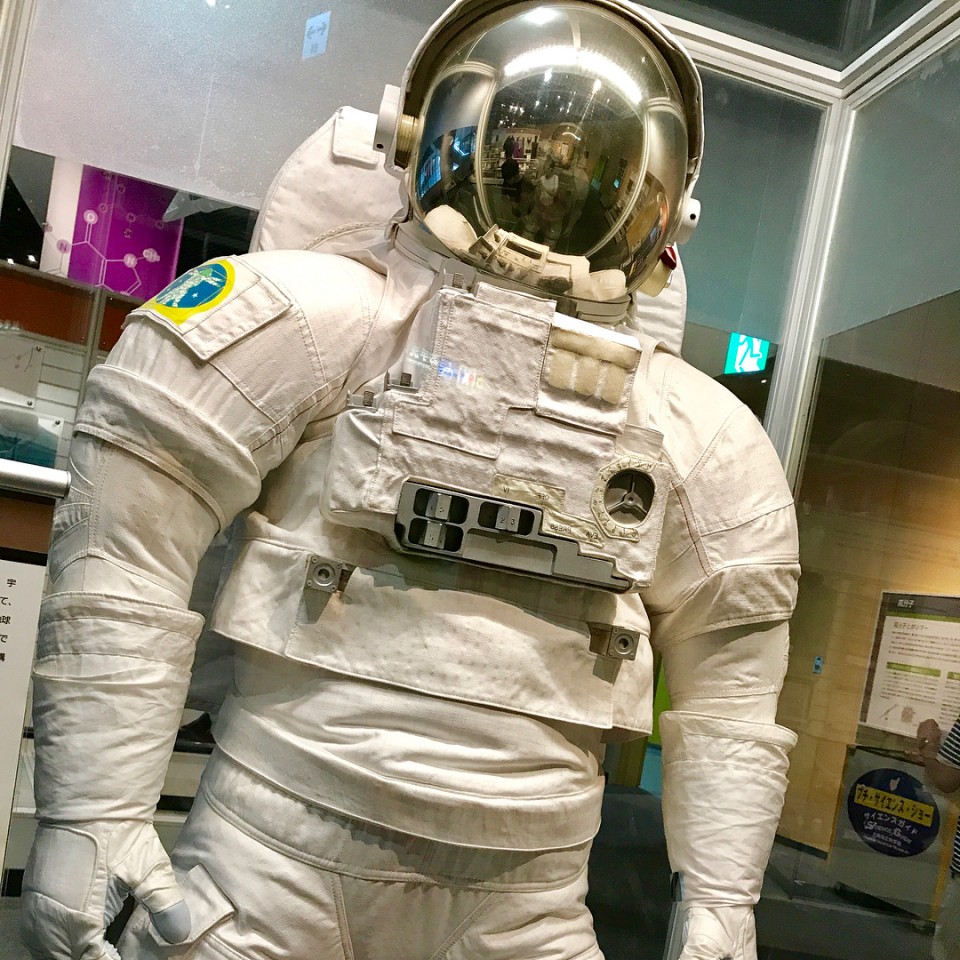
With space and energy as its themes, the museum has about 200 hands-on exhibits and live science shows. The highlight is the planetarium, whose dome is 26.5 meters across, one of the largest in the world. Six projectors cover the whole sky, and the Milky Way is shown as 350,000 stars, so the night sky looks close to the real thing.
National Museum of Art, Osaka Nakanoshima
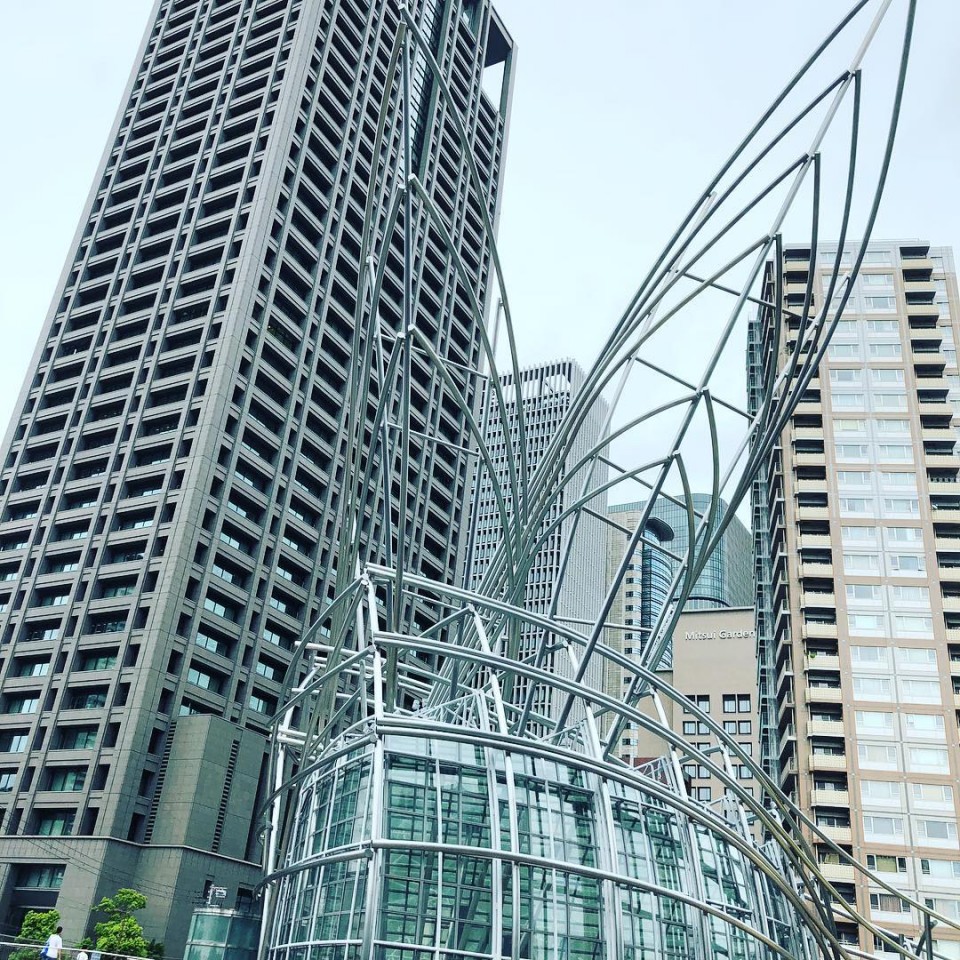
This museum collects and shows contemporary art. It began in a building put up for the 1970 World Expo, where it collected and displayed works from Japan and abroad for more than 30 years. When that building aged, the museum moved to its current home in Nakanoshima in 2004.
Osaka Castle and Tenma
Osaka Castle Osaka Castle Park
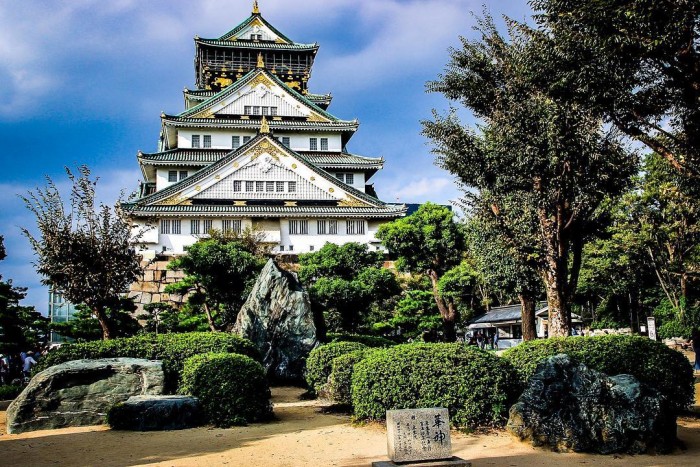
Toyotomi Hideyoshi began building the castle in 1583. The main tower burned when the Toyotomi clan fell in 1615, was rebuilt in the Tokugawa era and burned again after a lightning strike in 1665. In 1931 citizens paid to rebuild it. Inside, videos, documents and models tell the story of the castle and of Hideyoshi's life, and the 8th-floor observation deck looks out across the city.
Osaka Castle Park Osaka Castle Park
This large historic park surrounds the castle and also holds Osaka-jo Hall, sports fields and an outdoor concert stage. The castle tower rising near the center makes it a popular photo spot, and the greenery is perfect for a walk after your visit. In spring the park is known for cherry blossoms framing the castle, it is also famous for plum blossoms, and at night the castle is lit up.
Japan Mint Museum Tenma
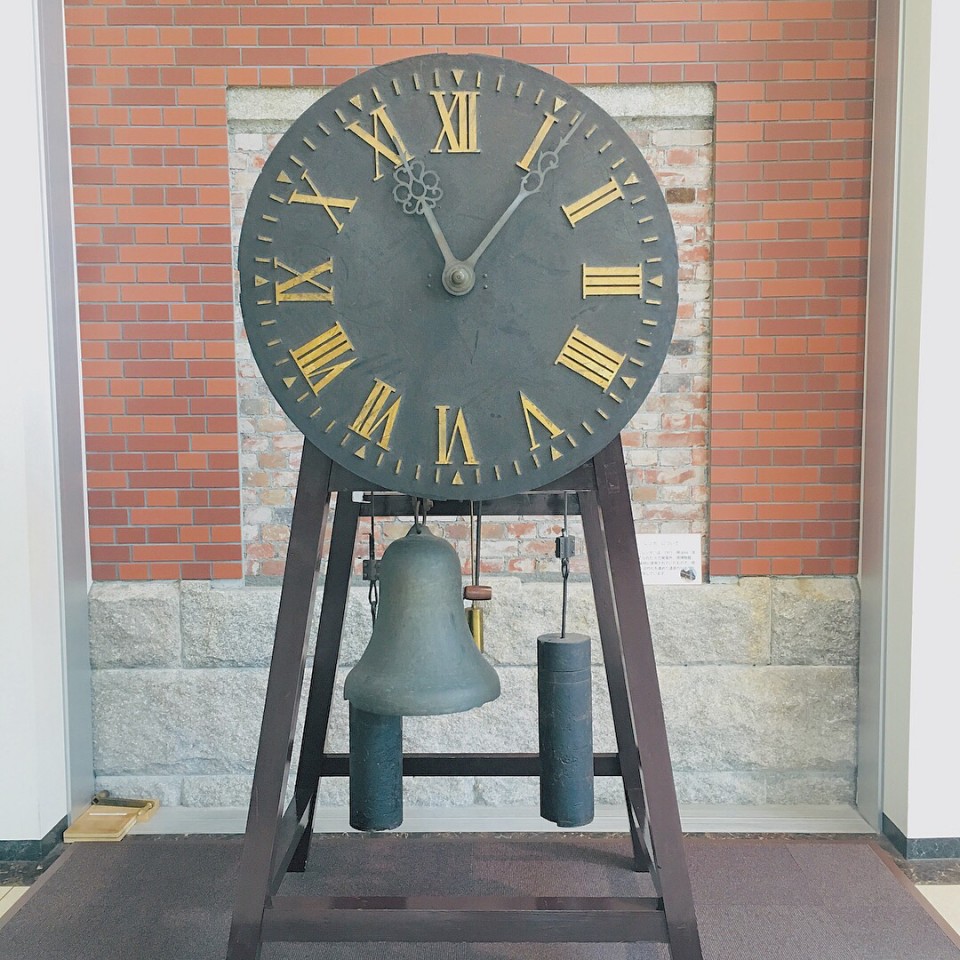
The Osaka Mint, known for its spring cherry blossom walk, has a museum with about 4,000 coins from Japan and abroad in four exhibition rooms. Look for old local coins and large gold oban, including a rare Tensho Hishi Oban made under Toyotomi Hideyoshi. You can try lifting a chest of 1,000 gold coins and touch real gold and silver bars. Admission is free.
Osaka Tenmangu Shrine Tenma
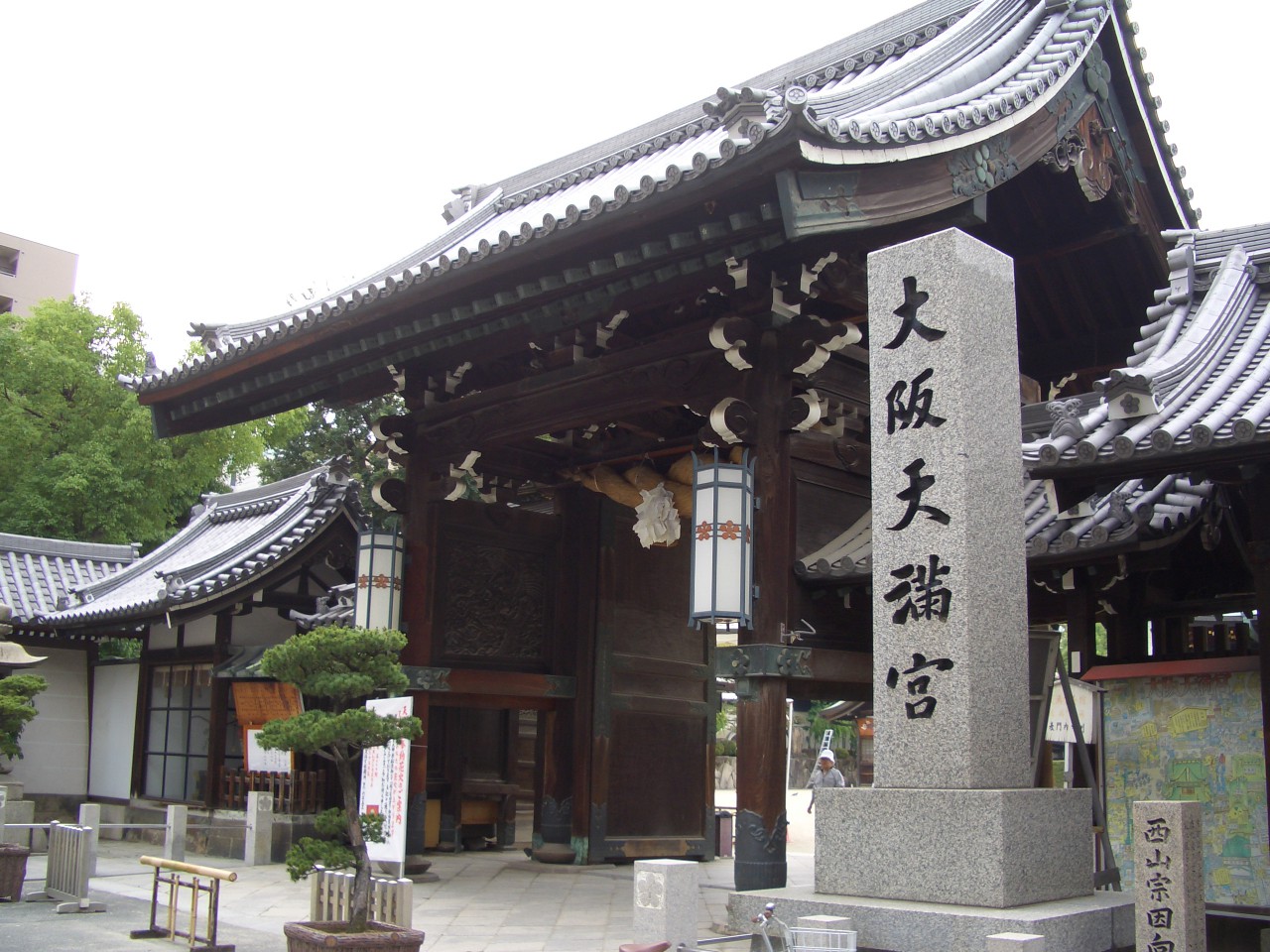
Founded in 949, the shrine is linked to Sugawara no Michizane, a scholar and statesman who stopped here to pray in 901 on his way into exile. After his death, a shining pine tree is said to have grown on the spot, and he was enshrined here. Today he is worshipped as the god of learning and the performing arts, and the shrine has long been a pillar for Osaka's merchants.
Minami: Namba, Dotonbori and Shinsaibashi
Minami, the southern downtown, is Osaka at its loudest and tastiest: neon, street food, comedy and shopping.
Dotonbori and Ebisubashi Bridge Dotonbori
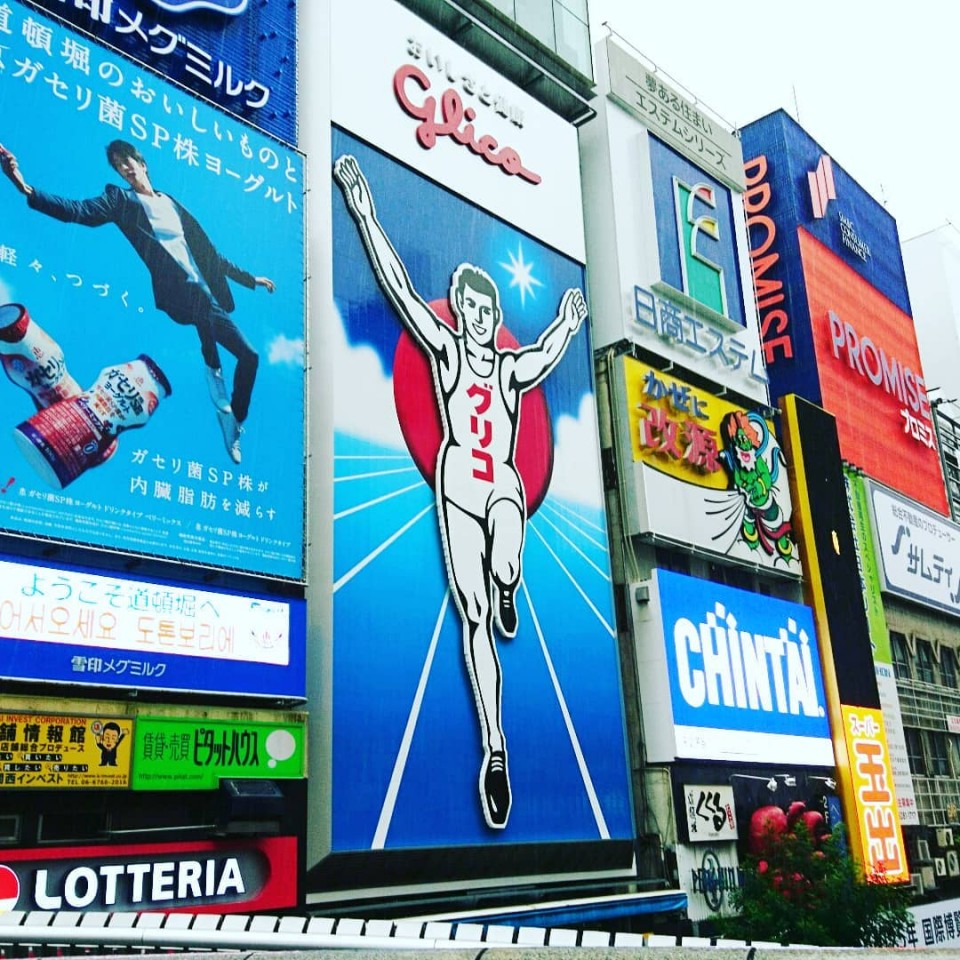
Dotonbori, along the south bank of the Dotonbori River, is known as the town where you eat until you drop, and picky Osaka diners fill its many restaurants. It is also full of famous photo backdrops: the Glico running man sign, Kuidaore Taro and the giant Kani Doraku crab. Ebisubashi Bridge is the classic place for a Glico photo, and the busy shopping street runs south from it. For a different view, take a water bus cruise along the river.
Namba Grand Kagetsu Namba
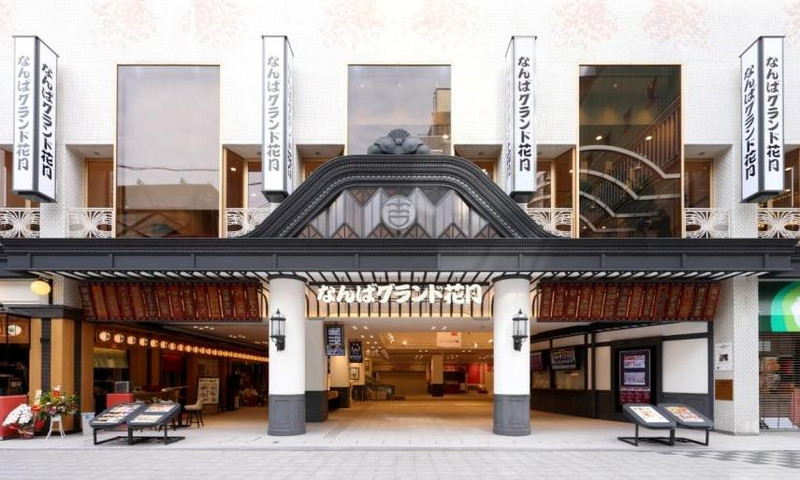
Known locally as NGK, this is the home theater of the comedy company Yoshimoto. Comedians perform manzai stand-up and rakugo storytelling, and the Yoshimoto Shinkigeki comedy troupe is on stage every day. The building also has shops selling Osaka food and local products. Outside, costumed figures of well-known comedians greet visitors, so take a souvenir photo.
Amerikamura (America-mura) Shinsaibashi
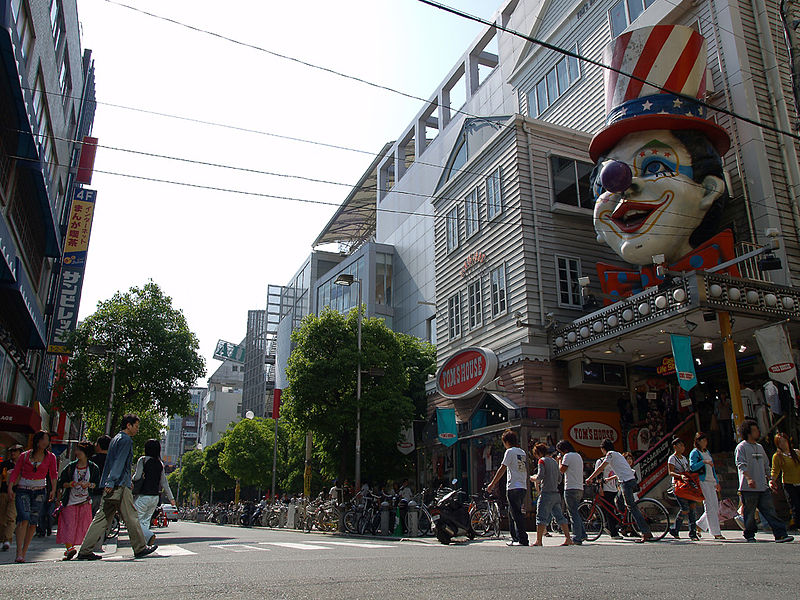
Better known as Ame-mura, this area near Nishi-Shinsaibashi became a trendsetter in the 1970s, when shops in converted warehouses began selling used clothes, jeans and records from the American West Coast. Today it is full of young people in bold fashion and quirky public art. At night bars and clubs draw musicians and dancers, and there is plenty of cheap street food to eat as you walk.
Kuromon Market Nippombashi
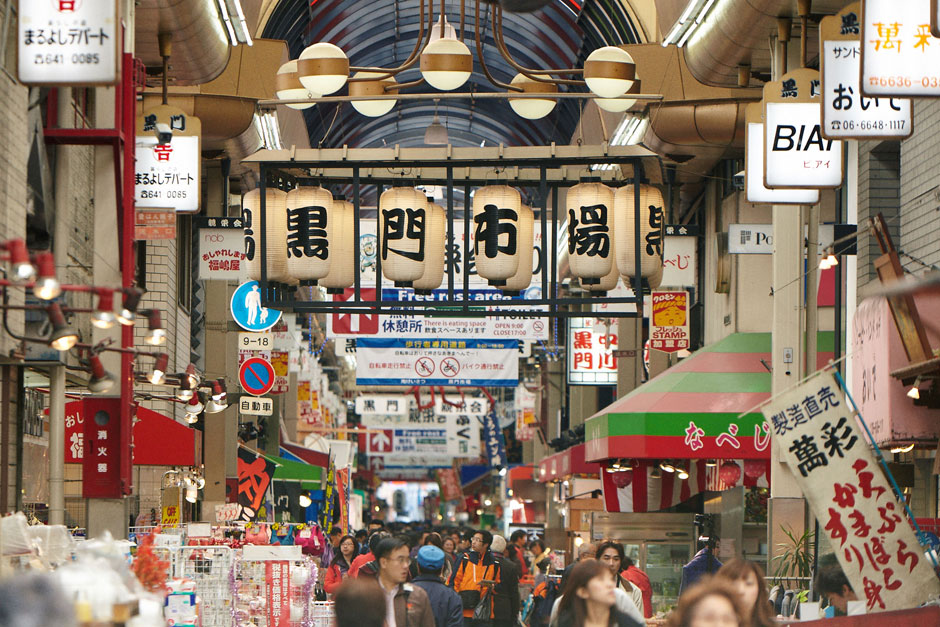
Called Osaka's kitchen, Kuromon Market stretches 580 meters along a street one block east of Sakaisuji, with about 180 shops selling fresh fish, produce and much more. Chefs from the Minami area come early in the morning to buy ingredients. Just looking around is fun, and there are many well-regarded places to eat.
Namba Parks Namba
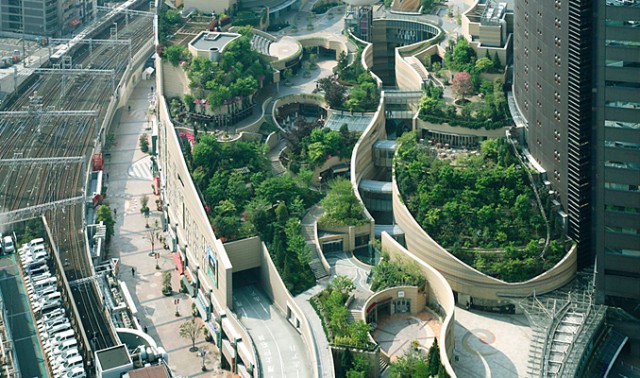
Built on the site of the old Osaka Stadium, this large complex has shops, restaurants and one of the biggest cinema complexes in the city. Its rooftop garden, Parks Garden, has a small stream and about 70,000 plants of some 300 kinds, making it a green oasis in the middle of Minami. It connects directly to Nankai Namba Station.
Midosuji Umeda to Namba
Osaka's main boulevard takes its name from two temples beside it, Kita-Mido and Minami-Mido. It runs south for about 4 kilometers from near Osaka Station, 44 meters wide and lined with banks, offices and hotels. Four rows of ginkgo trees turn bright yellow in autumn, and from before Christmas they glow with the Midosuji Illumination, a winter tradition in Osaka.
Tennoji and Shinsekai
The south of central Osaka mixes Japan's oldest great temple and a modern skyscraper with the old-fashioned streets of Shinsekai.
Abeno Harukas Tennoji
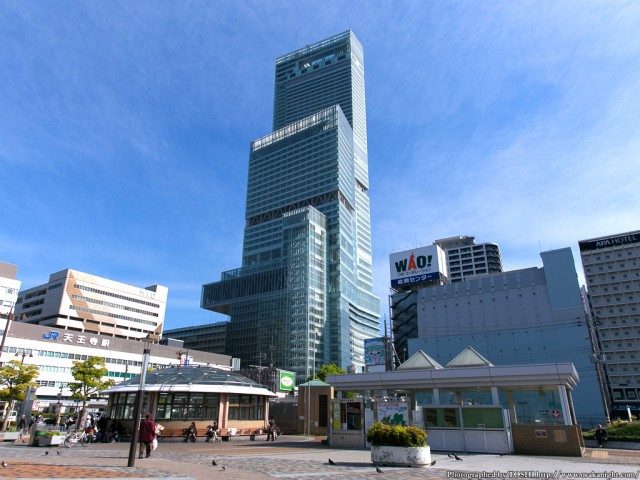
This skyscraper stands 300 meters tall, with 60 floors above ground, right on top of Osaka Abenobashi Station and next to Tennoji Station. The Harukas 300 observation deck on floors 58 to 60 has glass walls and a 360-degree view over the Osaka Plain. On the 58th floor a dining bar lets you eat with the view. The building also holds an art museum and the Kintetsu department store.
Shitenno-ji Temple Tennoji
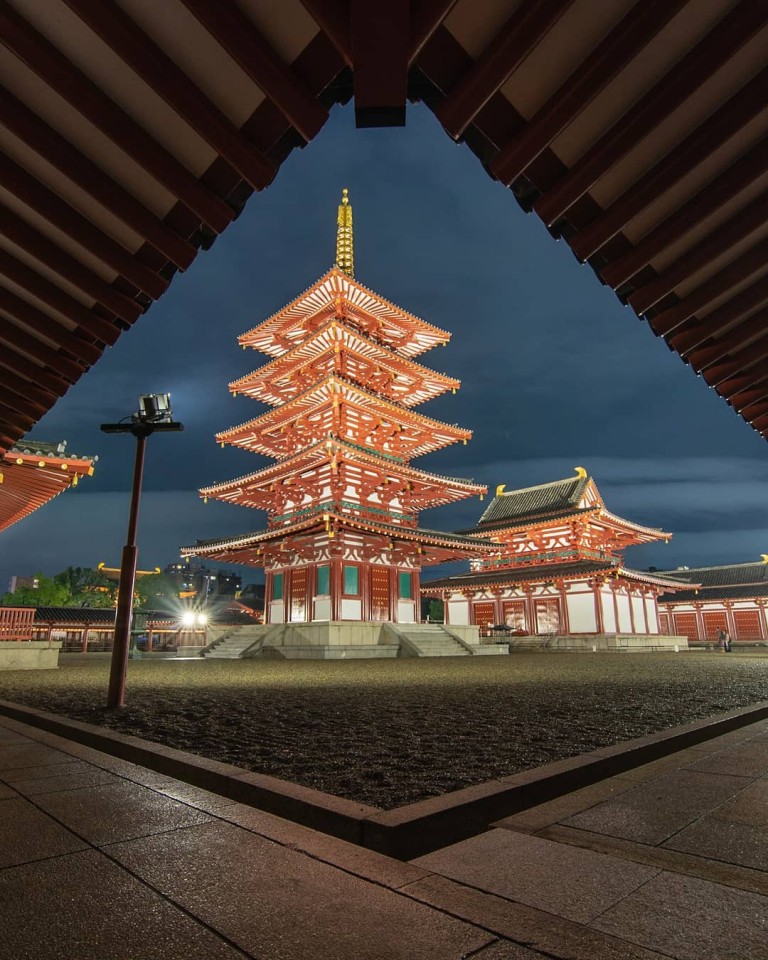
Said to have been founded by Prince Shotoku in 593, Shitenno-ji is known as Japan's first full-scale Buddhist temple. The grounds are three times the size of Koshien Stadium and hold the Taishi-den hall honoring Prince Shotoku, the Kamei Fudo-do hall and a Japanese garden called the Garden of Paradise. Every April 22 a memorial ceremony for the prince features traditional bugaku court dance.
Tennoji Zoo Tennoji
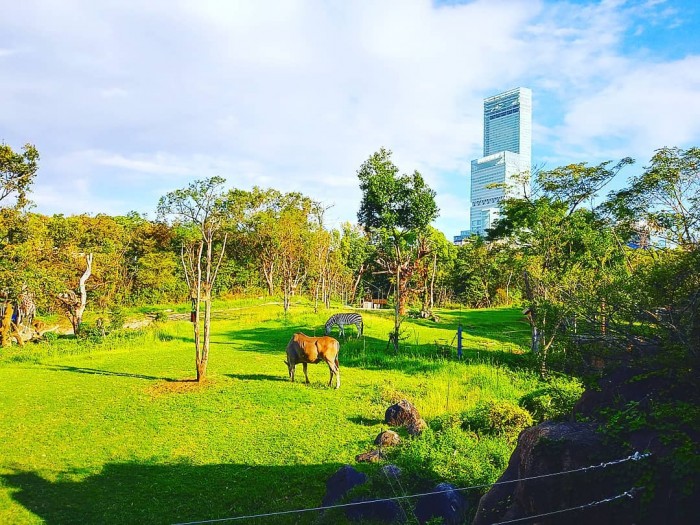
Opened in 1915, this is the third-oldest zoo in Japan. About 900 animals of some 200 species live on about 11 hectares, and the zoo works to breed rare animals. You can watch snack times for polar bears, penguins and elephants; check the schedule on the official website before you go. Enter through the Shinsekai Gate or the Tenshiba Gate, whichever is closer.
Shinsekai Shinsekai
This old downtown district in southern Osaka is famous for Tsutenkaku Tower, the Jan Jan Yokocho alley and a huge blowfish lantern sign. It grew up around theaters and cinemas, and it still has a lively, old-fashioned atmosphere, with comedy and other shows near the foot of the tower.
Tsutenkaku Tower Shinsekai
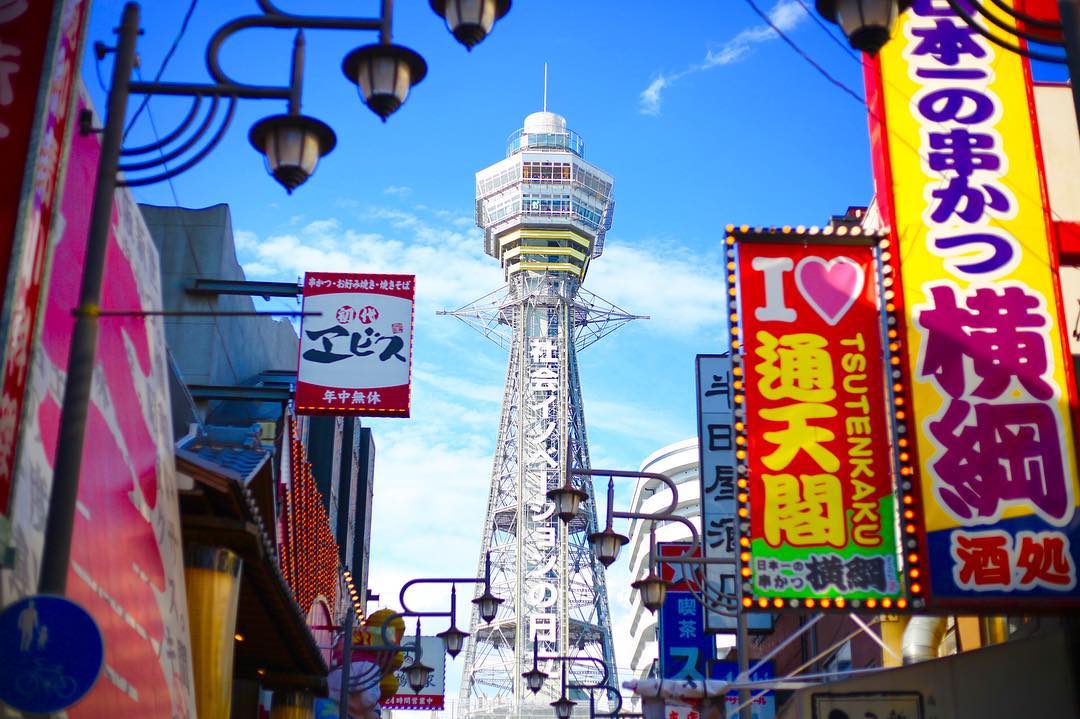
The symbol of Shinsekai is 103 meters tall including its lightning rod. It was designed by Tachu Naito, who also designed Tokyo Tower. The first tower went up in 1912, and today's is the second. The 5th-floor observation deck looks over Osaka. The tower's mascot is Billiken, the god of good luck: rub the soles of his feet and luck is said to come your way.
Jan Jan Yokocho Shinsekai
Officially the Nanyo-dori shopping street, this alley got its nickname after the war from shopkeepers strumming shamisen, jan jan, to call in customers. The covered arcade runs about 180 meters and is lined with standing bars and well-known kushikatsu shops. Retro cafes and a shogi club add to the old downtown Osaka feel.
Spa World Shinsekai
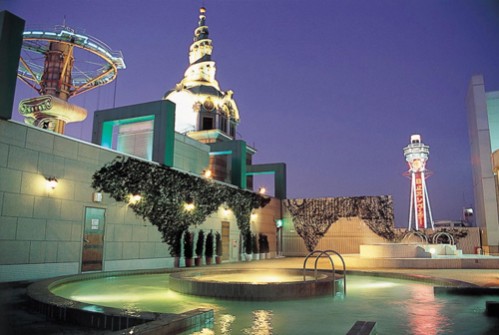
Close to Tsutenkaku, Spa World combines hot spring baths and saunas with pools, a gym and beauty treatments. The baths are split into a European zone and an Asian zone, with 16 baths themed on 11 countries. The pools include water slides, and there are rooms for overnight stays, so you can spend a long, relaxed day here.
Osaka Bay Area
Osaka Aquarium Kaiyukan Tempozan
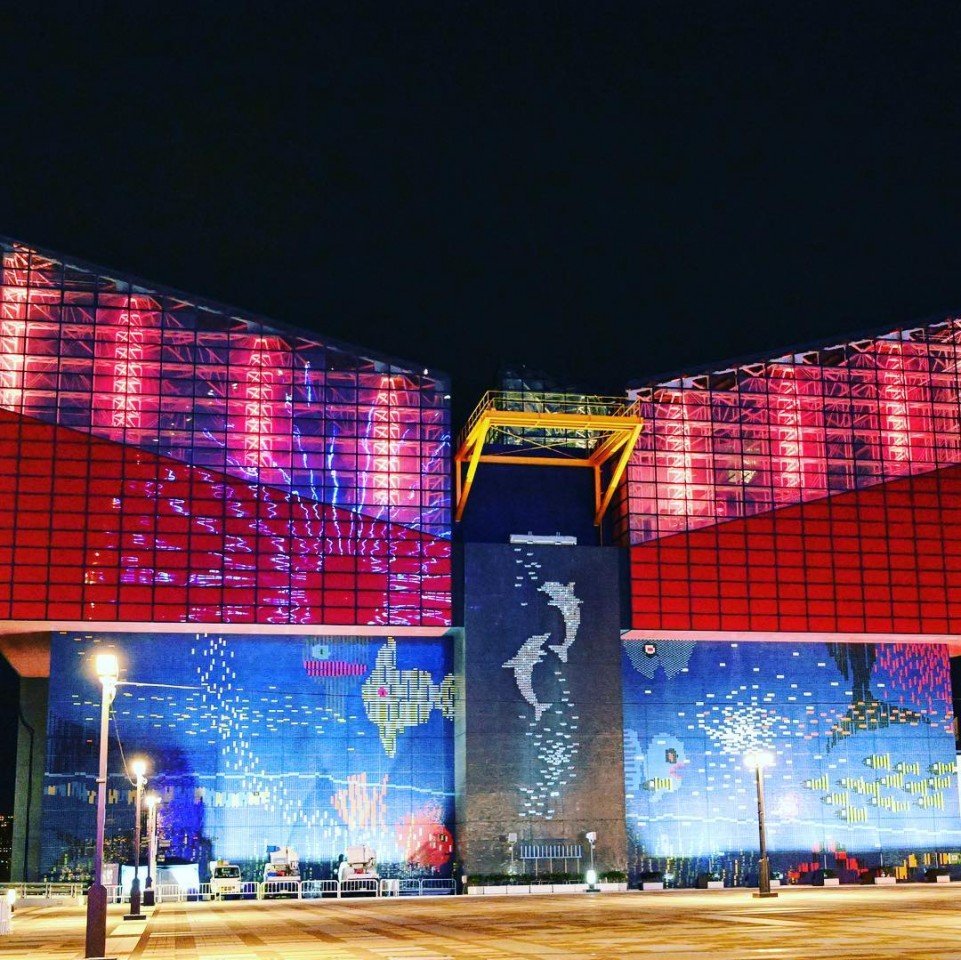
One of Japan's largest aquariums, Kaiyukan starts with a tunnel tank and then leads you down toward the seabed, past the sea life of oceans around the Pacific. The star is the whale shark, which swims in a giant tank that is among the largest indoor tanks in the world. It is very busy on weekends and holidays, so plan for crowds.
Tempozan Giant Ferris Wheel Tempozan
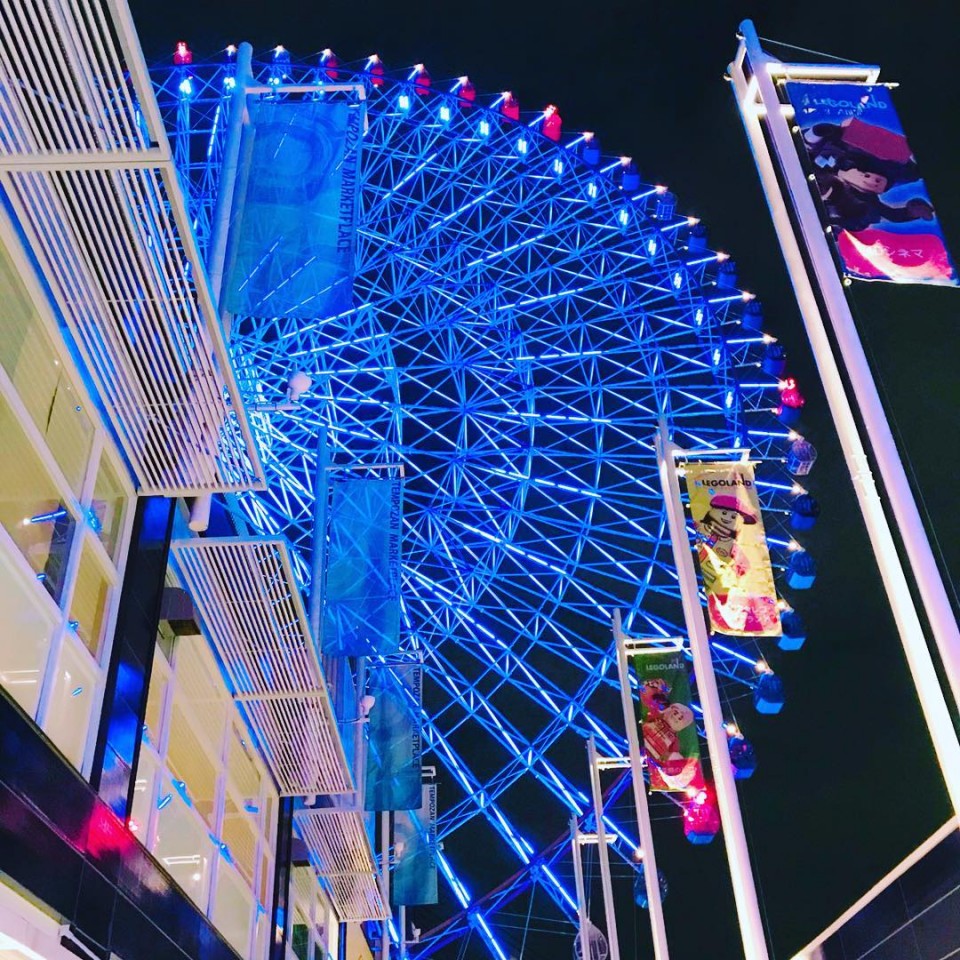
Right next to Kaiyukan, this wheel is 112.5 meters tall and 100 meters across. A ride takes about 15 minutes, and on clear days you can see the Ikoma mountains to the east, the Akashi Kaikyo Bridge to the west, Kansai Airport to the south and the Rokko mountains to the north. Commentary plays in Japanese and English, and at night the wheel is lit up.
Universal Studios Japan Konohana
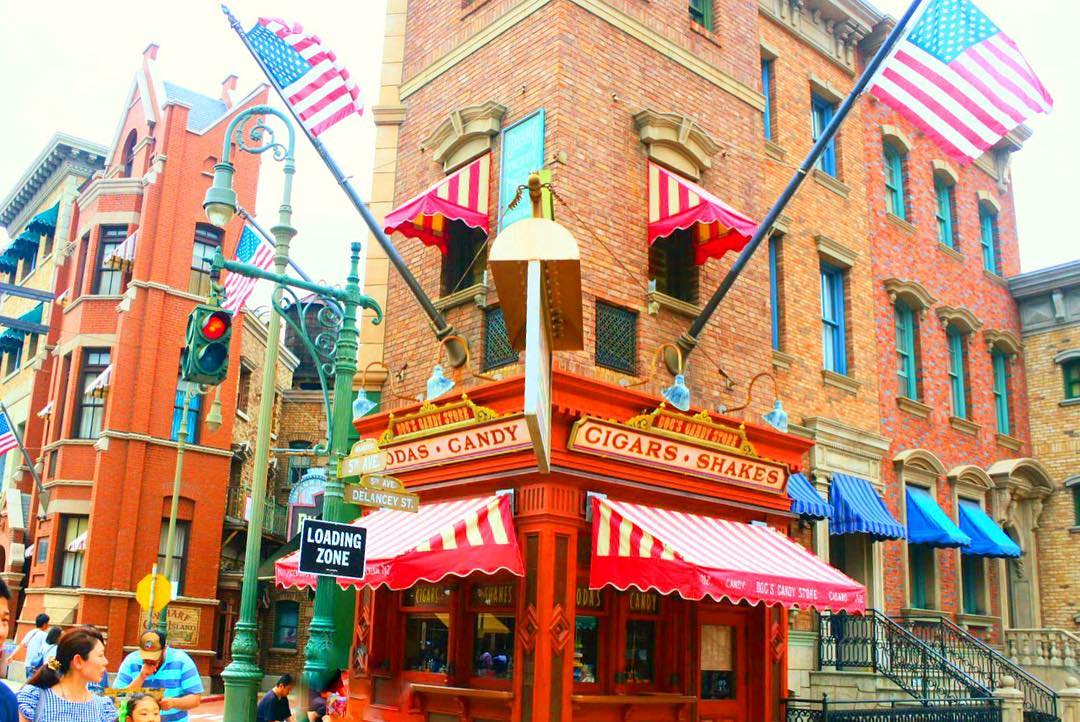
Opened in 2001, USJ is western Japan's big theme park, with rides based on Hollywood films such as Jurassic Park and Harry Potter, plus shows with popular characters for all ages. Halloween is one of its biggest events every year, with a character parade. The park feels different by day and by night, so staying into the evening is worth it.
Kyocera Dome Osaka Nishi
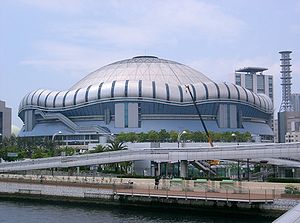
Opened in 1997, this dome is the home ground of the Orix Buffaloes baseball team and also hosts concerts and other events. Dome tours take you behind the scenes to places such as the bullpen and the team bench.
Southern Osaka: Sumiyoshi, Sakai and Rinku
Sumiyoshi Taisha Sumiyoshi
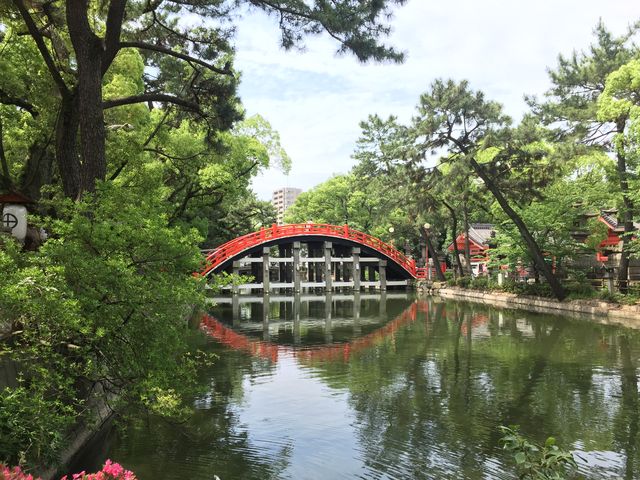
Locals call it Sumiyossan, and it is Osaka's most popular shrine, drawing over 2 million people in the first three days of the New Year. It is the head shrine of about 2,300 Sumiyoshi shrines across Japan. Founded about 1,800 years ago, it has long been worshipped for safe sea voyages. Its four main sanctuaries honor three sea gods and Empress Jingu.
Site of Sen no Rikyu's Residence Sakai
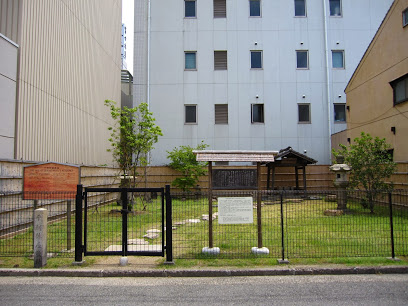
Down a narrow street a short walk from Shukuin Station is the site of the house where Sen no Rikyu was born. He perfected wabi-cha, the simple style of tea ceremony, and became the leading tea master of his time before taking his own life in 1591 after angering Hideyoshi. He is the founder of the Sen schools of tea. You can view the site from outside the fence.
Rinku Town Izumisano
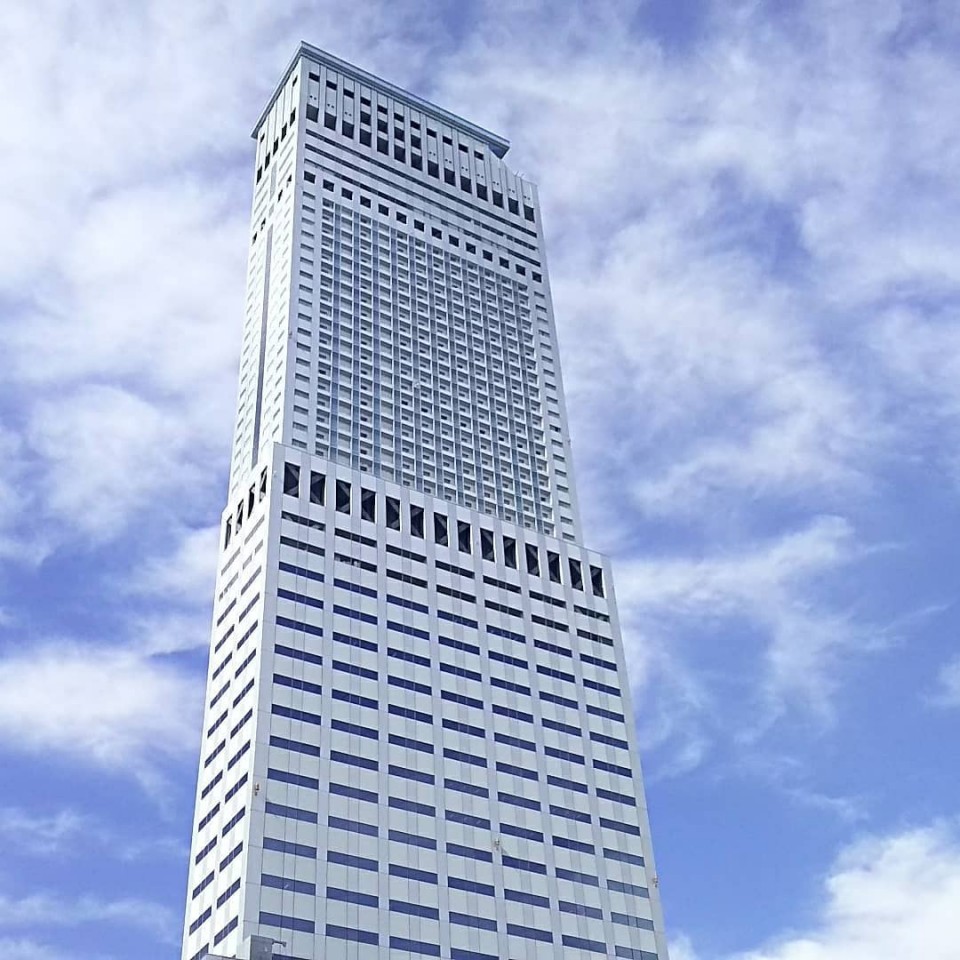
Next to Kansai International Airport, Rinku Town was developed from 1994 as a place to live, eat, learn, shop and play. Highlights include Rinku Gate Tower Building with hotels and restaurants, and Rinku Premium Outlets, where popular brands sell at reasonable prices. It is a good place to fill a day, or the hours before a flight.
Northern Osaka: Day Trips from the City
Expo '70 Commemorative Park Suita
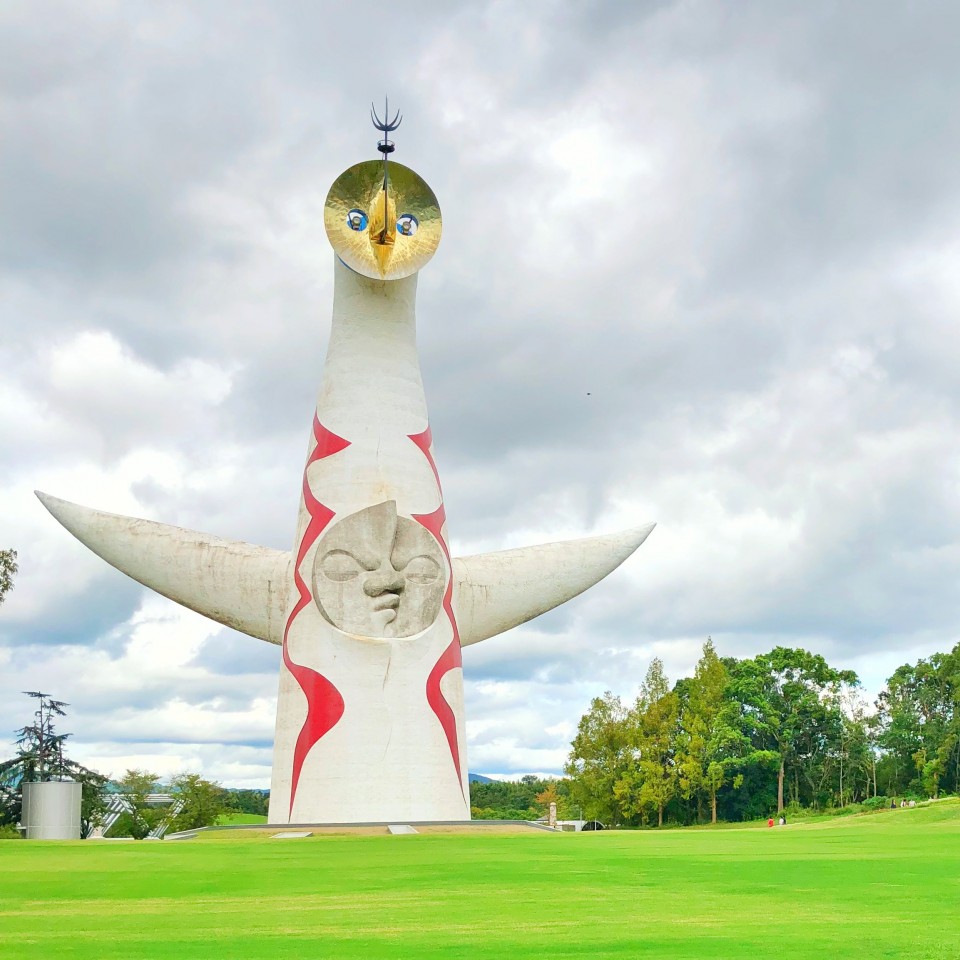
Built on the site of the 1970 World Expo, this park covers about 260 hectares of greenery and countryside scenery, with festival grounds that host events. It holds a Japanese garden that was a Japanese government exhibit at the Expo, and the National Museum of Ethnology. Its symbol is Taro Okamoto's Tower of the Sun, 70 meters tall, whose three faces are said to stand for the future, present and past.
Minoo Falls Minoo
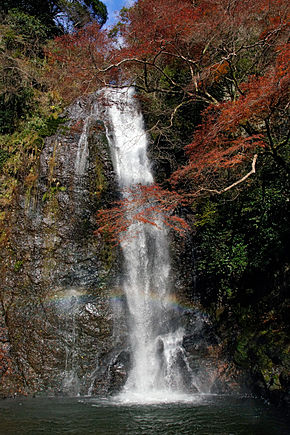
In a nature park in the hills of northern Minoo, a forested gorge leads to a waterfall 33 meters high and 5 meters wide. The area is home to about 1,000 kinds of plants and more than 3,000 kinds of insects. Cherry blossoms in spring, icicles in winter and especially the late-autumn leaves are beautiful. You can also visit Ryuan-ji, an old temple of mountain Buddhism said to have been founded by En no Gyoja.
Momofuku Ando Instant Ramen Museum Ikeda
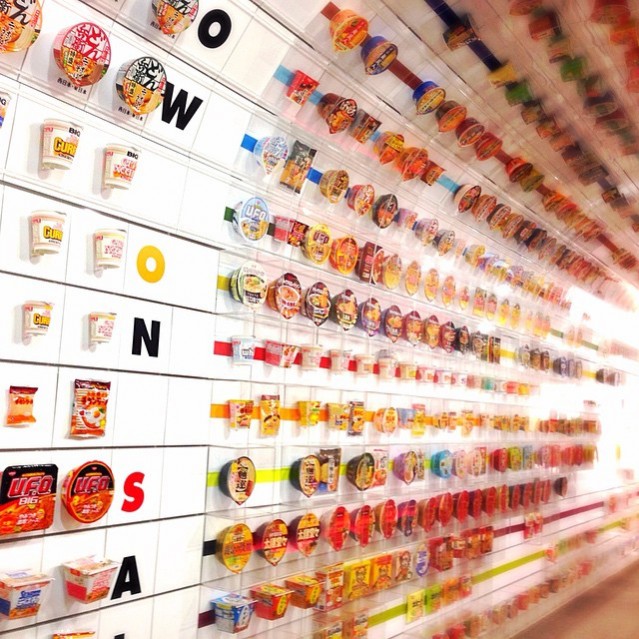
This hands-on museum tells the story of instant ramen. See a copy of the shed where it was invented and a tunnel of past product packages. At the Chicken Ramen Factory you make noodles from flour, and at the My CUPNOODLES Factory you design your own cup and pick the soup and toppings. Your cup is sealed in an air-cushioned bag, so it is easy to carry home.
Madama-mura Ibaraki
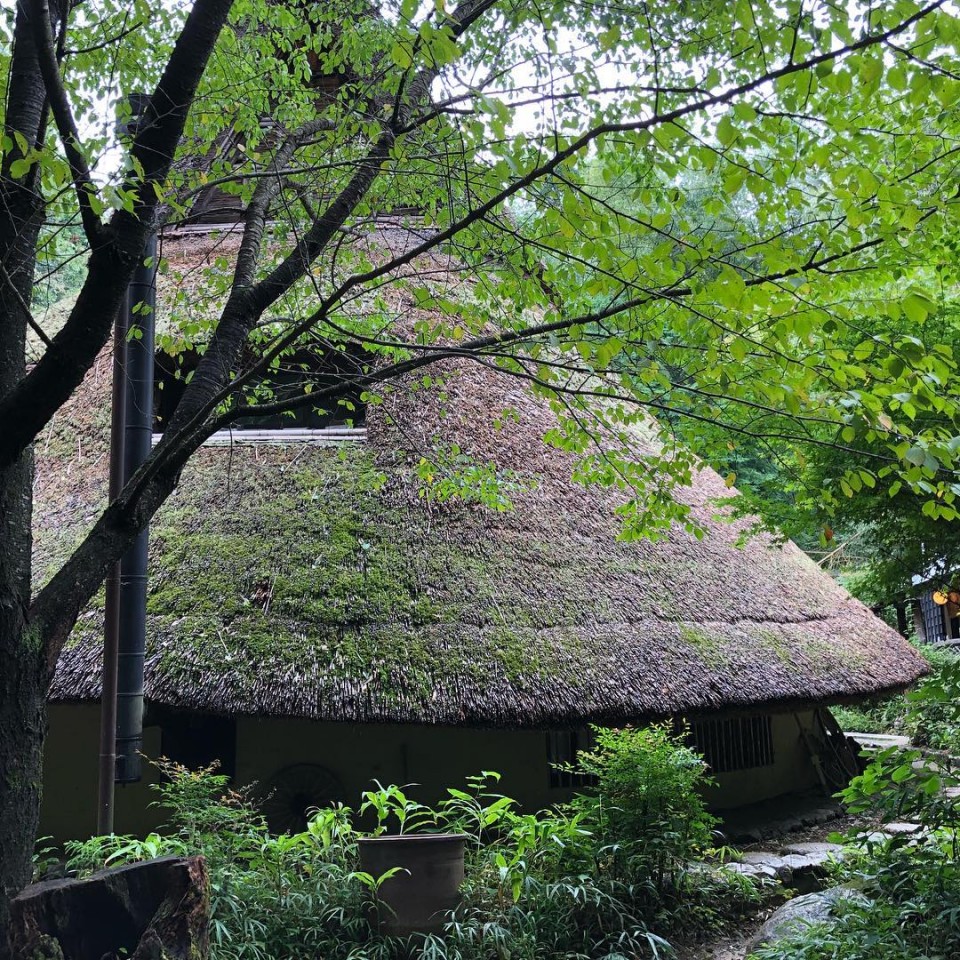
This cafe in Ibaraki feels like a trip back to the Jomon period: the dining space sits inside buildings shaped like ancient pit dwellings. The food is healthy and Japanese in style. It makes a fun outing with family or friends, or for a date.
The places on a map
Hours, prices and events change. Check each place's official website before you go.
More travel guides
 Tokyo Sightseeing by Area: 40 Classic Sights and Lesser-Known Spots from Asakusa to Odaiba40 placesTokyo has much more to see than Skytree, Tokyo Tower and Asakusa. This guide works through six of the city's main…
 Nagoya: 40 Best Places to Visit, from Nagoya Castle and Atsuta Jingu to Osu40 placesNagoya is one of Japan's biggest cities, yet many visitors don't know how much it has to see. Alongside its famous…
 Chichibu: 40 Best Places to Visit, from Nagatoro River Boats and Mitsumine Shrine to Moss Phlox and Icicles40 placesChichibu, the largest city in Saitama Prefecture, is about 90 minutes from central Tokyo. Most of the area is national…
 Niigata Prefecture: 40 Best Places to Visit, from Classic Sights to Hidden Gems40 placesNiigata Prefecture stretches a long way from north to south, and each area has its own scenery, climate and food. The…
 Nagasaki Prefecture: 40 Best Places to Visit, from Unzen Hot Springs to Hirado and Nagasaki City40 placesNagasaki grew up as a port open to the outside world, and the culture of those days still shapes its streets, churches…
 Fukuoka Prefecture: 40 Places to Visit in Kitakyushu, Chikuho and Around Fukuoka City40 placesFukuoka Prefecture is roughly divided into four areas, Kitakyushu, Chikuho, Fukuoka and Chikugo, and each has its own…