
Wakayama Prefecture: 14 Best Places to Visit, from Koyasan and Kumano to the Shirahama Coast
14 places · Japanese version
Wakayama Prefecture lies on the Kii Peninsula, the largest peninsula in Japan, surrounded by sea and mountains. It has World Heritage sites, wetlands registered under the Ramsar Convention and the ruined forts of Tomogashima, and it is easy to reach from Osaka and Nara, so visitors come from all over Japan and abroad. Here are 14 classic sights, grouped by area: Wakayama City and Koyasan in the north, the Minabe and Shirahama coast, and the Kumano region in the south.
Wakayama City and Koyasan
Tomogashima Island Kada, Wakayama City
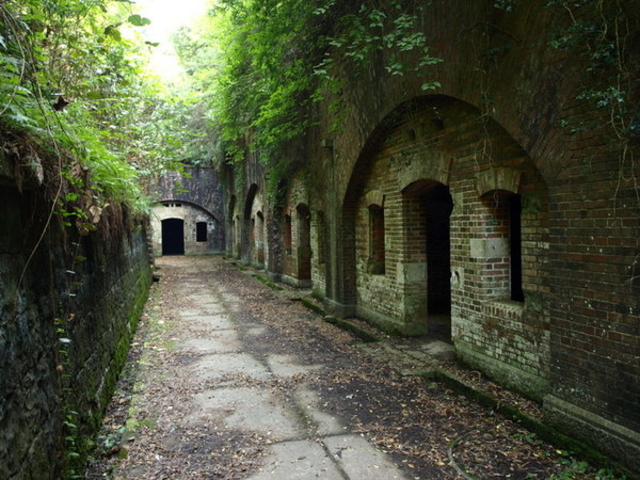
Tomogashima is the name for four islands in the Kitan Strait, part of Setonaikai National Park. A former fortress, it has gun batteries, a lighthouse and lookouts, and the brick batteries overgrown with ivy recall the anime film Laputa: Castle in the Sky. Seeing the main sights takes about 90 minutes, so wear comfortable clothes. The ferry from Kada takes about 20 minutes, runs only a few times a day and may hand out numbered tickets, and it may be canceled in rough weather.
Wakayama Castle Wakayama City
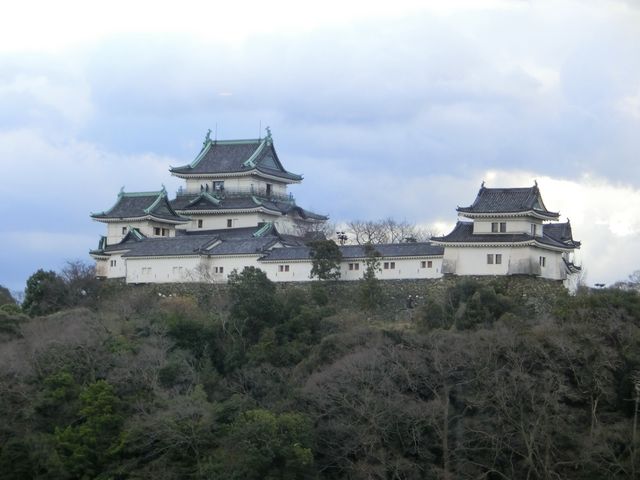
Rising in the center of Wakayama City, the castle has long been the symbol of the city. Its history began in 1585, when Toyotomi Hideyoshi had his brother Hidenaga build a castle near the mouth of the Kinokawa River. In the Edo period Tokugawa Ieyasu's tenth son Yorinobu became lord, and the Tokugawa family ruled from here. The keep looks out over the city in every direction, and the grounds include a small zoo. It is about 10 minutes on foot from Nankai Wakayamashi Station.
Koyasan Kongobu-ji Koya
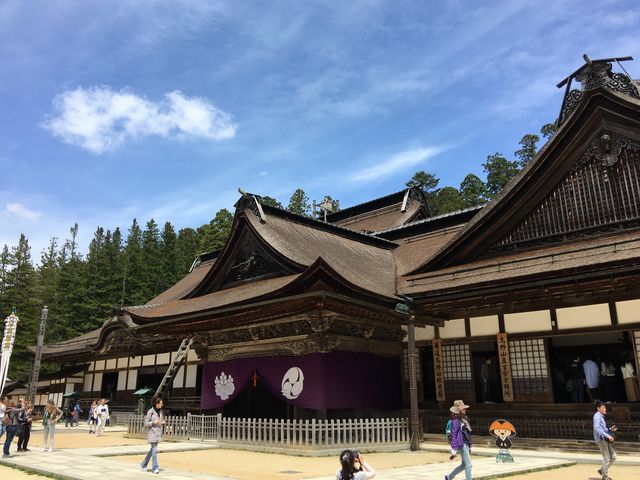
Founded by Kukai (Kobo Daishi) in the Heian period, Koyasan is a holy place of Japanese Buddhism with more than 1,200 years of history, and the whole mountain counts as the grounds of Kongobu-ji. Highlights are the Daimon gate, with Nio guardians said to be the second largest in Japan, and the Danjo Garan, where 19 buildings including the Kondo and Konpon Daito stand. You can also try ajikan, a Shingon meditation, or shakyo sutra copying.
Minabe and Shirahama
Minabe Bairin Plum Grove Minabe
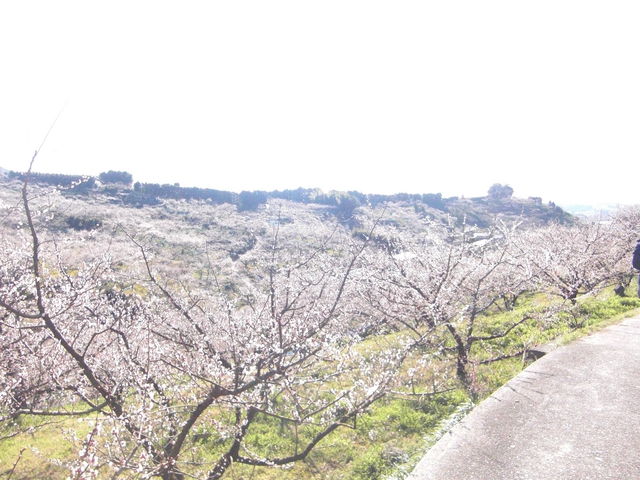
Spread over hillsides along the Minabe River, Minabe Bairin is called the finest plum grove in Japan. About 80,000 trees of 27 varieties grow here, including Nanko, the plum behind Kishu's famous umeboshi. In bloom the slopes are covered in white flowers. Two walking courses, one around the edge and one through the middle, let you walk in the scent of plum blossoms, and you may hear bush warblers and white-eyes singing.
Shirahama Onsen Shirahama
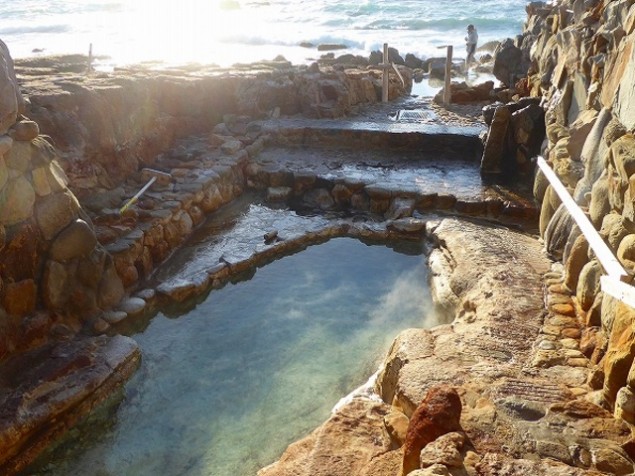
Shirahama is one of Japan's leading hot spring towns and one of its three oldest, mentioned in the Nihon Shoki and the Manyoshu. It is part of the Nanki Kumano Geopark, and many baths come with big views. At Saki-no-yu you soak right beside the Pacific, Shirara-yu looks over the white sand of Shirarahama beach, and at the open-air bath Shirasuna you can bathe in a swimsuit.
Senjojiki Shirahama
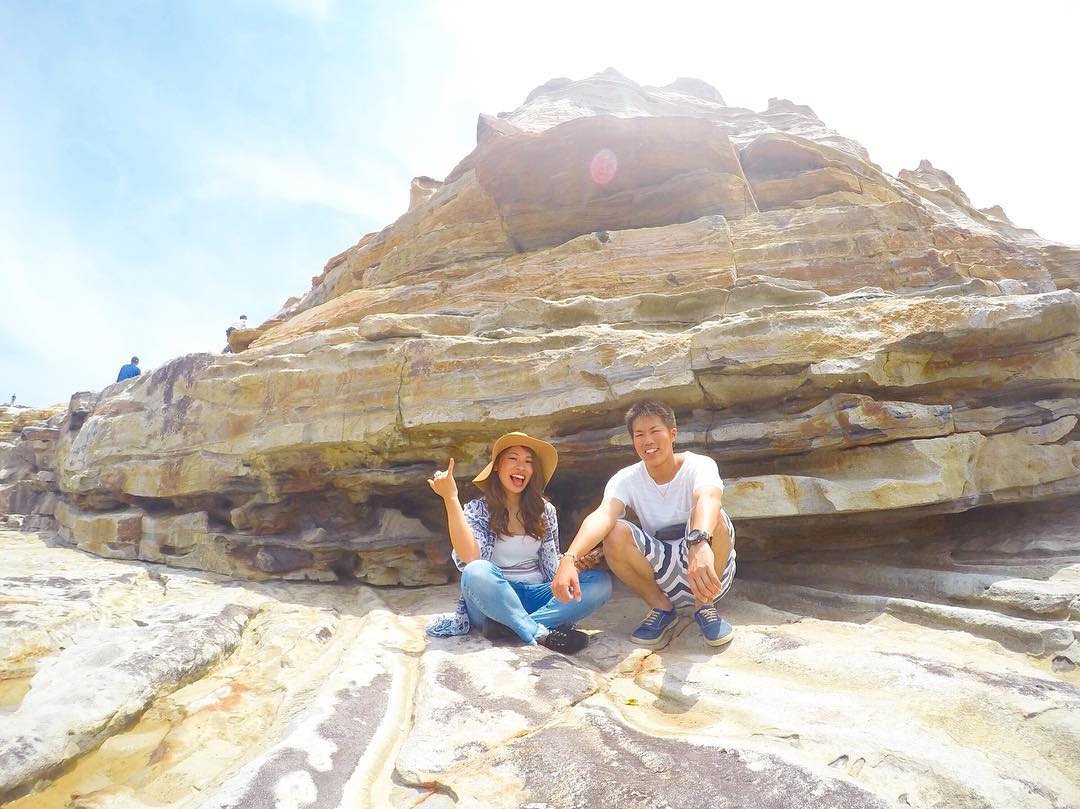
Senjojiki is a vast rock shelf of about 4 hectares that juts into the Pacific, carved out of sandstone by waves over many years. Fine lines on its surface make strange patterns that some compare to art. Walk to the water's edge to watch waves smash against the rocks. At sunset the rocks glow in the evening light, a view chosen as one of Wakayama's 100 best places for sunrises and sunsets.
Sandanbeki Cave Shirahama
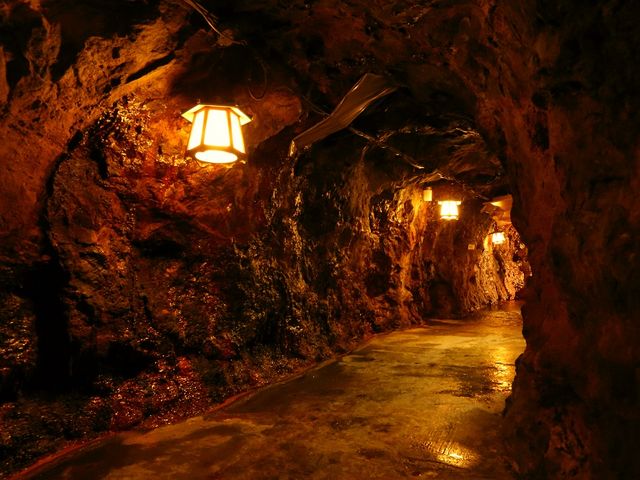
Sandanbeki Cave is said to be where the old Kumano navy hid its boats. An elevator takes you 36 meters underground to a passage of about 200 meters, where Benzaiten is enshrined in a mysterious setting. On the ceiling you can see natural features such as ripple marks and a rock that spouts seawater. Above ground, the sheer Sandanbeki cliffs are just as popular.
Adventure World Shirahama
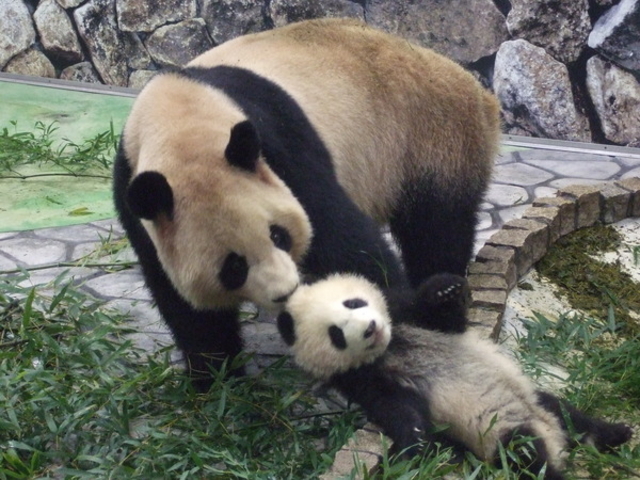
Adventure World combines a zoo, an aquarium and an amusement park. Its stars are the giant pandas, and you can see several of them. There are also lions, white tigers, African elephants and giraffes, and in the marine area emperor penguins and bottlenose dolphins. Ride the Ocean View Wheel over the park or the Big Adventure roller coaster. Paid programs that bring you close to the animals are very popular with families.
Toretore Ichiba Market Shirahama
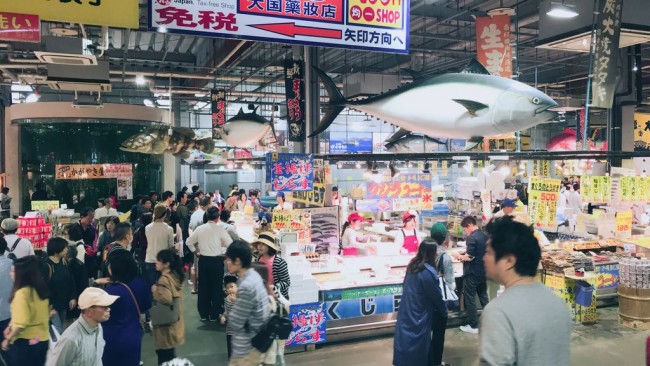
Run by the local fisheries cooperative, this seafood market is one of the largest in western Japan, with seafood and specialties from all over the country. Everything is fresh and reasonably priced. A huge, aquarium-like tank by the entrance holds big fish such as kue grouper. The food stalls serve grilled seafood, sushi and sashimi, and the tuna corner sells fresh local tuna that has never been frozen. Parking is plentiful.
Kumano and the southern coast
Kumano Hongu Taisha Hongu, Tanabe
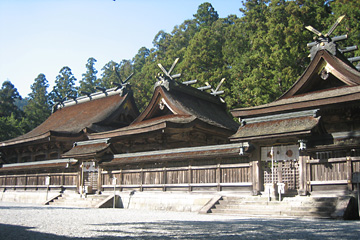
Kumano Hongu Taisha is the center of the three Kumano shrines and the head shrine of all Kumano shrines across Japan. Legend says it already existed in 33 BC. Part of the World Heritage Kumano Sanzan, it has a quietly ancient air. Its treasure hall holds many designated cultural properties. In front of the shrine office stands a rare black Yatagarasu postbox: mail a postcard from here, and ask at the office for an original stamp.
Kawayu Onsen Hongu, Tanabe
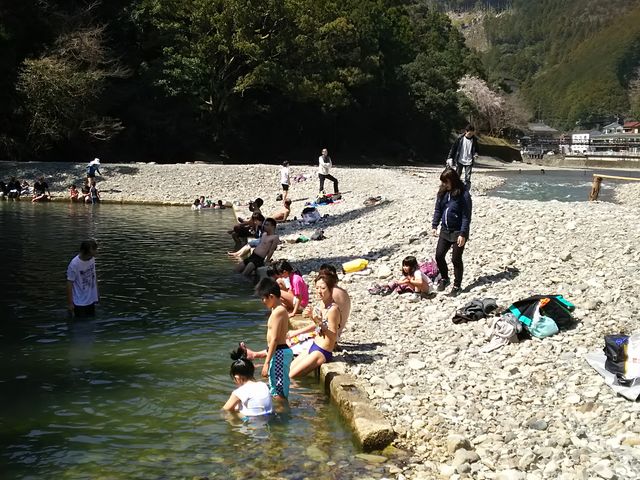
At Kawayu Onsen, dig in the riverbed and hot water wells up. Natural hot water of about 70 degrees springs from the bed of the Oto River, a branch of the Kumano River, and mixes with the river to a pleasant temperature. In summer you can play in the river and soak in your own pool; in winter, relax in the huge Sennin-buro bath. Visitors not staying at an inn must bring their own shovel, and swimsuits are required.
Nachi Falls Nachikatsuura
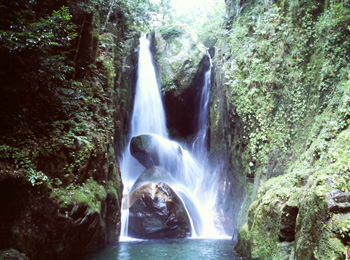
Nachi Falls drops 133 meters, the highest single-drop waterfall in Japan, and it is among Japan's 100 best waterfalls and 100 soundscapes. The water splits into three streams at the top. To its right is the Nachi primeval forest, a national natural monument where Minakata Kumagusu collected slime molds. Kumano Nachi Taisha began with the worship of the falls as a god, and Hiro Shrine still stands beside them.
Taiji Whale Museum Taiji
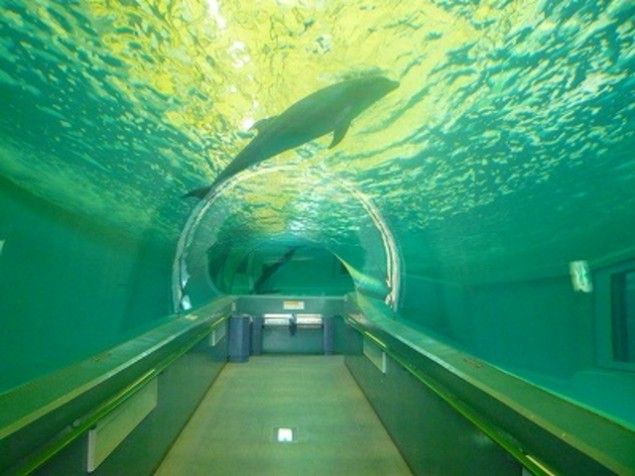
Taiji is known as the birthplace of whaling in Japan, with 400 years of history. The town's museum in Kujirahama Park displays about 1,000 items on whales and whaling. The main draw is the whale show, and there are hands-on programs such as kayaking and feeding. It is about 10 minutes by loop bus from JR Taiji Station.
Cape Shionomisaki Kushimoto
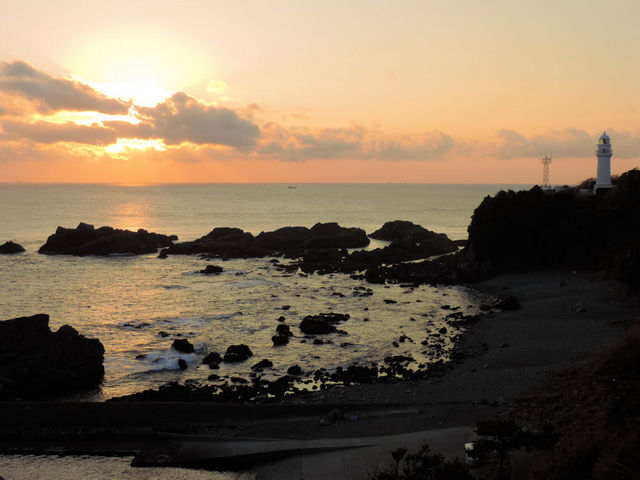
At the southern tip of Honshu, Shionomisaki is one of the best-known sights of the Kumano region. From the lighthouse the Pacific stretches so wide you can feel the curve of the Earth, and sunsets are lovely. The nearby Shionomisaki Tourist Tower looks out over the lighthouse, Kii-Oshima and, on clear days, the Nachi mountains, and its restaurant serves Kindai tuna and local Kushimoto dishes. Or lie on the lawn called Boro no Shiba and listen to the waves.
The places on a map
Hours, prices and events change. Check each place's official website before you go.
More travel guides
 Tokyo Sightseeing by Area: 40 Classic Sights and Lesser-Known Spots from Asakusa to Odaiba40 placesTokyo has much more to see than Skytree, Tokyo Tower and Asakusa. This guide works through six of the city's main…
 Nagoya: 40 Best Places to Visit, from Nagoya Castle and Atsuta Jingu to Osu40 placesNagoya is one of Japan's biggest cities, yet many visitors don't know how much it has to see. Alongside its famous…
 Chichibu: 40 Best Places to Visit, from Nagatoro River Boats and Mitsumine Shrine to Moss Phlox and Icicles40 placesChichibu, the largest city in Saitama Prefecture, is about 90 minutes from central Tokyo. Most of the area is national…
 Niigata Prefecture: 40 Best Places to Visit, from Classic Sights to Hidden Gems40 placesNiigata Prefecture stretches a long way from north to south, and each area has its own scenery, climate and food. The…
 Nagasaki Prefecture: 40 Best Places to Visit, from Unzen Hot Springs to Hirado and Nagasaki City40 placesNagasaki grew up as a port open to the outside world, and the culture of those days still shapes its streets, churches…
 Fukuoka Prefecture: 40 Places to Visit in Kitakyushu, Chikuho and Around Fukuoka City40 placesFukuoka Prefecture is roughly divided into four areas, Kitakyushu, Chikuho, Fukuoka and Chikugo, and each has its own…