
Yamagata: 15 Best Places to Visit, from Yamadera and Zao to Ginzan Onsen
15 places · Japanese version
Yamagata, in the Tohoku region of northern Japan, sits between the Sea of Japan and the Dewa mountains and is known for its heavy snow. Hot springs come up in every one of its towns and villages, and it also has striking nature and historic sites such as the temple of Yamadera. This guide covers 15 classic places, grouped into scenic and historic sights, hot spring towns, and more places to see, from sake breweries to the old merchant town of Sakata.
Scenic and historic sights
Zao Okama Crater Zao
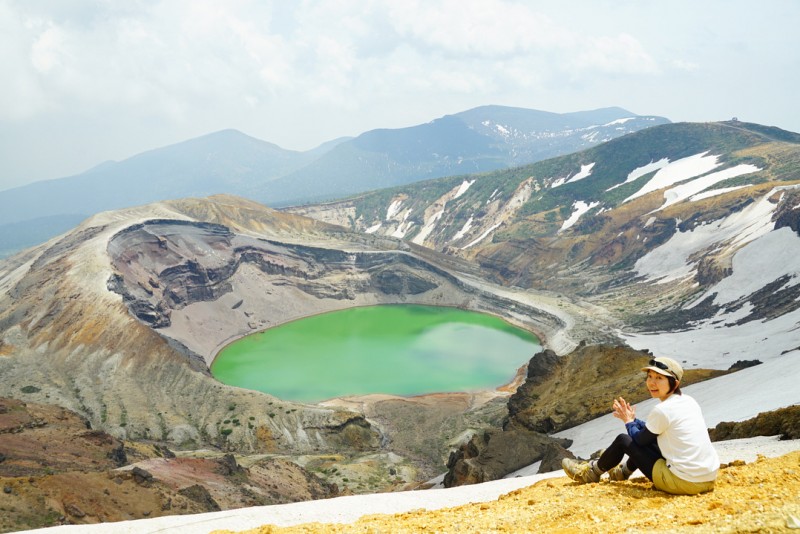
Okama is the symbol of the Zao mountains: a round crater lake at 1,600 m, between Zao Umanose and Mt. Goshiki. Its emerald green water changes color with the seasons and the light, earning it the name Goshikinuma, the Five-Color Pond. The water is colder near the surface and warmer deeper down, a rare feature. The Zao Echo Line and Zao High Line roads up to the lake are popular drives, closed in winter.
Kamo Aquarium Tsuruoka
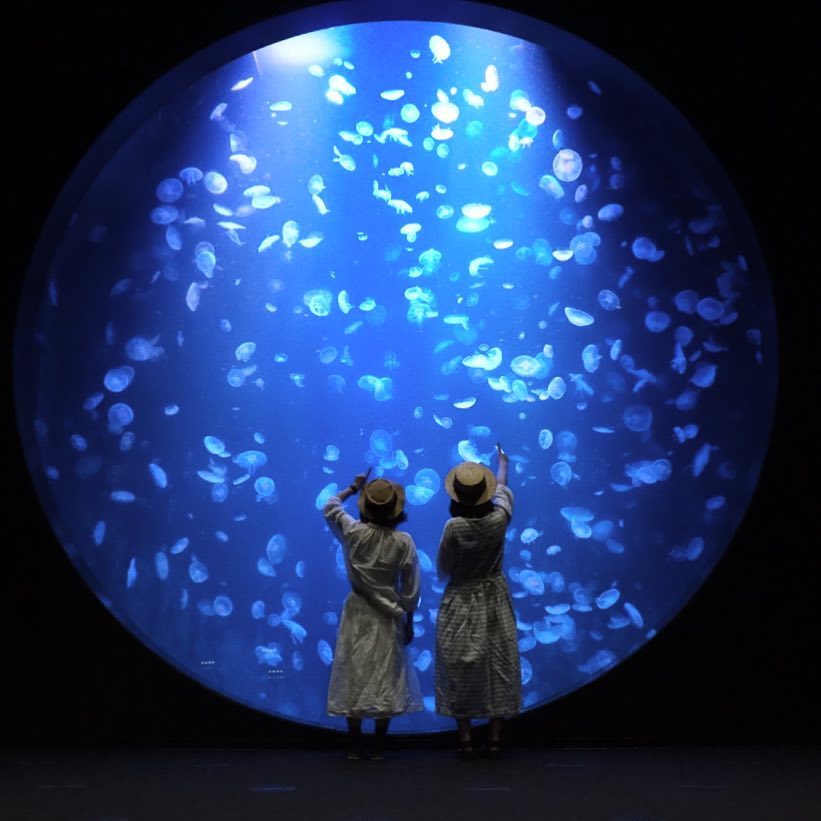
On a cape facing the Sea of Japan, this aquarium shows more than 50 kinds of jellyfish, a number recognized by Guinness World Records. In the Kuranetarium you can see them at different stages of growth, and staff give talks on how they feed. The 5 m wide Jellyfish Dream Theater tank holds about 2,000 moon jellyfish. Sea lion shows, gull feeding shows and local Shonai river and sea life round out the visit.
Bunshokan Yamagata City
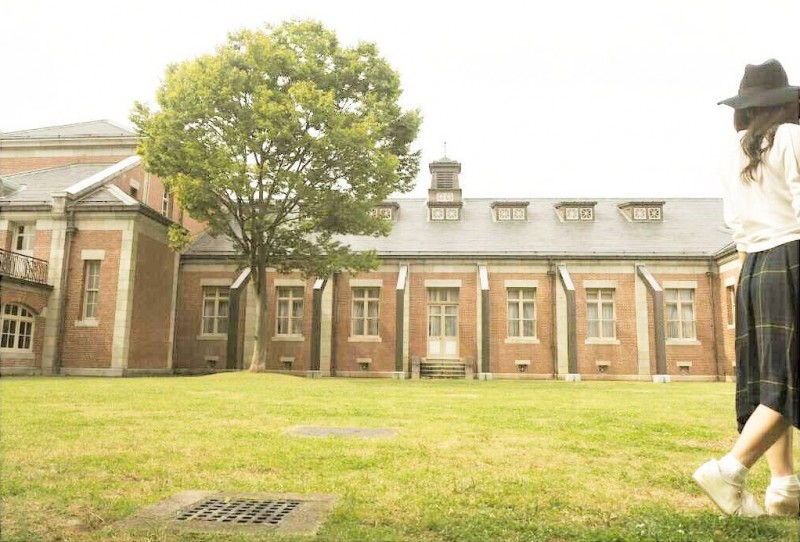
Bunshokan is made up of the former prefectural office and assembly hall built in the Taisho era. The brick buildings, in English Renaissance Revival style with a clock tower, are a national Important Cultural Property. The hand-carved plaster ceilings hide local motifs such as cherries. The clock is still wound by hand with weights and is said to be the second oldest in Japan. Volunteers give free guided tours.
Sankyo Soko Rice Warehouses Sakata
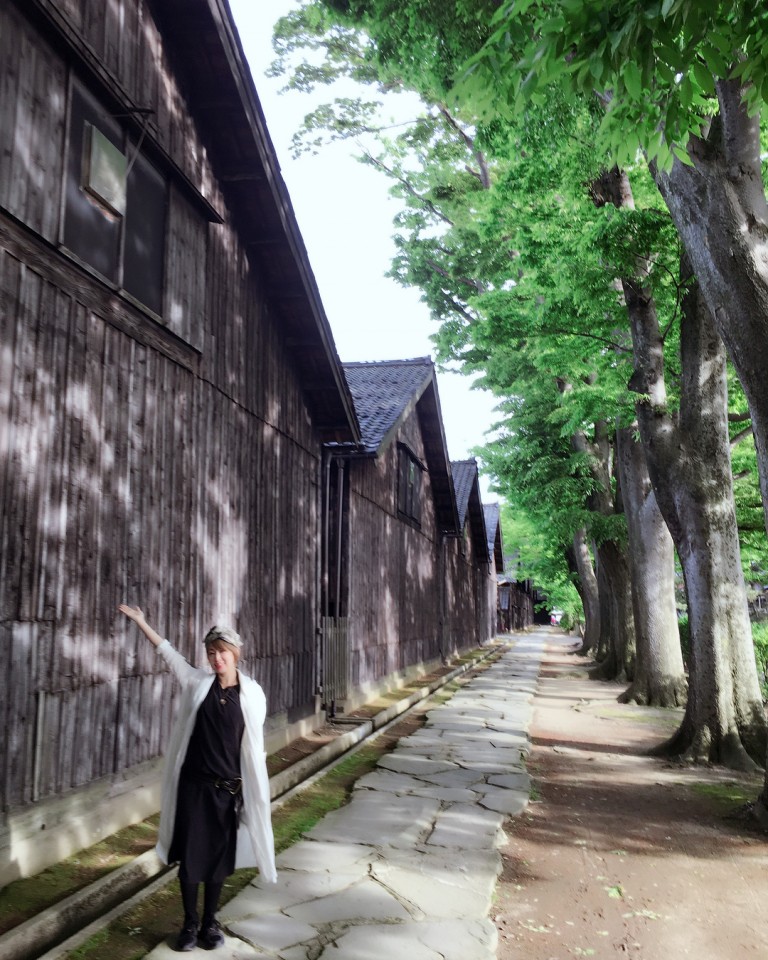
Built in 1893, these warehouses in Sakata are still used to store Shonai rice. Twelve white-walled storehouses stand along a row of zelkova trees more than 150 years old, planted to block sun and wind. Two of them are open to visitors, one on the history and culture of Sakata and one with souvenirs. The grounds also have the Shonai Rice History Museum and a shop selling local produce.
Yamadera (Risshaku-ji) Yamagata City
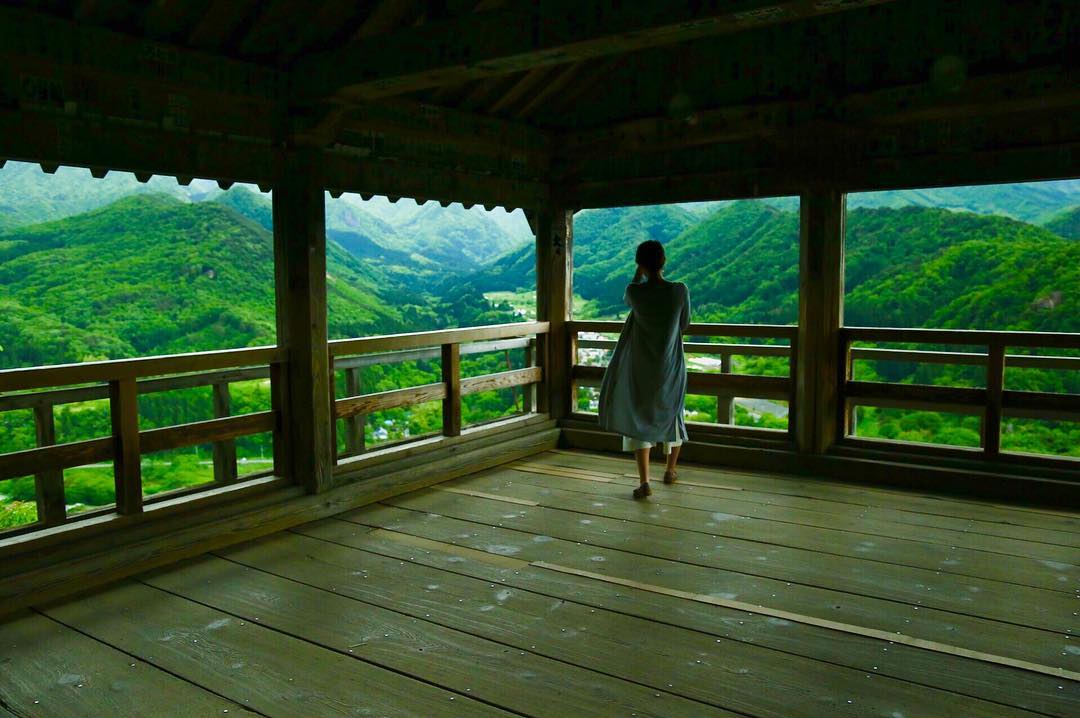
Known as Yamadera, Risshaku-ji is a Tendai temple founded in 860, built on a cliff more than a mountain. Climb about 1,000 stone steps to the Oku-no-in at the top, passing the Sanju-shoto, a tiny pagoda set in a rock cave, and the Godaido, a hall built out over the cliff with superb views. Semizuka marks where Matsuo Basho is said to have written his haiku about cicadas. Cicadas sing in summer and leaves turn in fall.
Uesugi Shrine Yonezawa
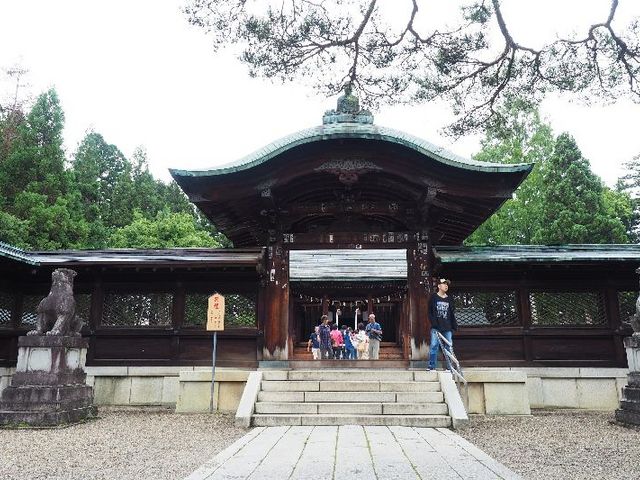
Inside Matsugasaki Park in Yonezawa, this shrine is dedicated to the warlord Uesugi Kenshin. Nearby museums show armor and clothing of Kenshin and other well-known warriors linked to him. People come to pray for good fortune and wishes coming true. The park stands on the site of the main enclosure of Yonezawa Castle, with statues of historical figures all around, so it is a pleasant place to walk.
Dewa Sanzan and Mt. Haguro Mt. Haguro
Dewa Sanzan, the three sacred mountains of Haguro, Gassan and Yudono, has long been a center of mountain worship and Shugendo. Dewa Shrine on the summit of Mt. Haguro has a thatched roof 2.1 m thick. From the gate there are 2,446 stone steps, nicknamed the heartbreak steps, still used for training by mountain ascetics. Just past the gate stands a five-story pagoda, a National Treasure and the oldest in Tohoku.
Gassan Shrine Mt. Gassan
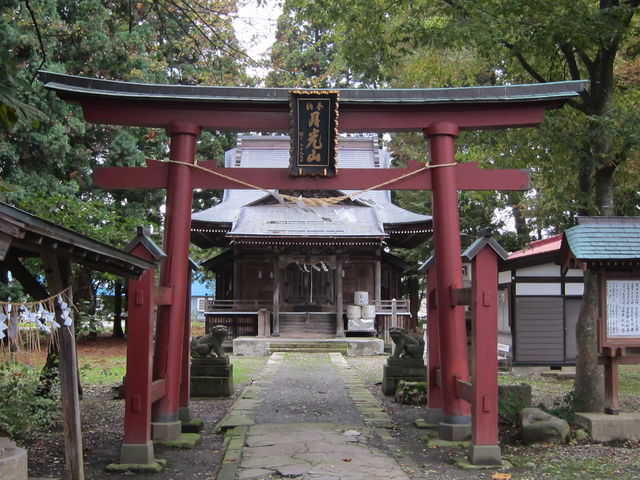
Gassan Shrine on Mt. Gassan honors Tsukuyomi, a god of safe childbirth and good harvests. A bus runs from Haguro partway up the mountain, so even beginners can make the visit.
On Mt. Yudono, Yudonosan Shrine honors gods of forestry and mining, of happy marriages and matchmaking, and of healing. It is still treated as sacred ground: you take off your shoes and receive a purification barefoot before you can pray. Both shrines are popular as spiritual places in Tohoku.
Hot spring towns
Ginzan Onsen Obanazawa
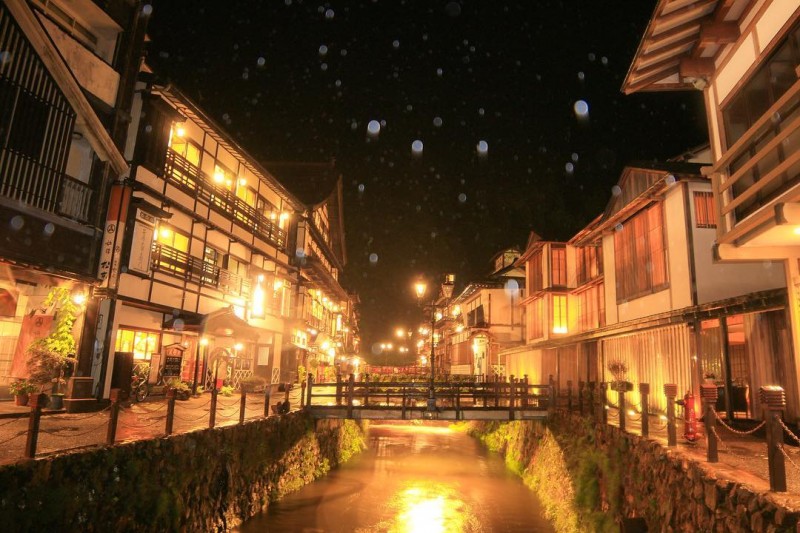
Ginzan Onsen, a setting for the NHK drama Oshin, has a dreamy Taisho-era mood. Wooden inns several stories high, built from the late Taisho to the early Showa era, line the town under gas lamps, and it is at its best at night and on snowy days. Two public baths and a footbath let you enjoy the water on a day trip, and nearby is Ginkodo, an old silver mine tunnel that is a national historic site.
Kaminoyama Onsen Kaminoyama
Kaminoyama Onsen grew up as a castle town and has a calm, old-fashioned feel. Most of the water is chloride spring, said to help burns and cuts. Inns range from Japanese-style ryokan to large hotels, in both traditional and modern buildings. Around the town are the Saito Mokichi Memorial Museum and samurai houses, so there is plenty to see on a walk.
Zao Onsen Yamagata City
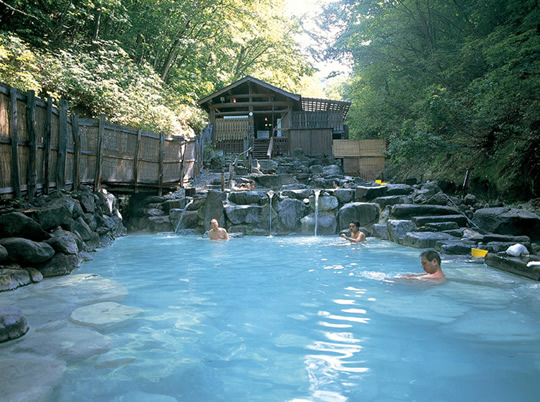
The Zao mountains are an active volcano, which is why the area has so many hot springs. Zao Onsen, at 880 m, has strongly acidic sulfur water said to be good for the skin, and many baths use water straight from the source. Besides three public baths, there is a large open-air bath at the far end of town in four terraced pools, the upper two for women and the lower two for men.
More places to see
Toko Sake Brewery Yonezawa
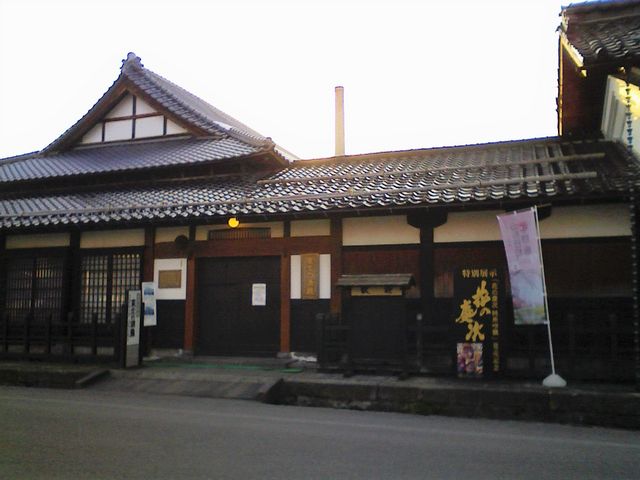
This is the brewery of Kojima Sohonten, maker of Toko sake. During the Edo period, when sake brewing was banned because of a rice shortage, Kojima was the only brewer in the Yonezawa domain allowed to keep making sake, as a supplier to the Uesugi family. You can tour the old brewing process, taste and buy sake, and see a large museum. There are many kinds of sake to taste.
Somaro Sakata
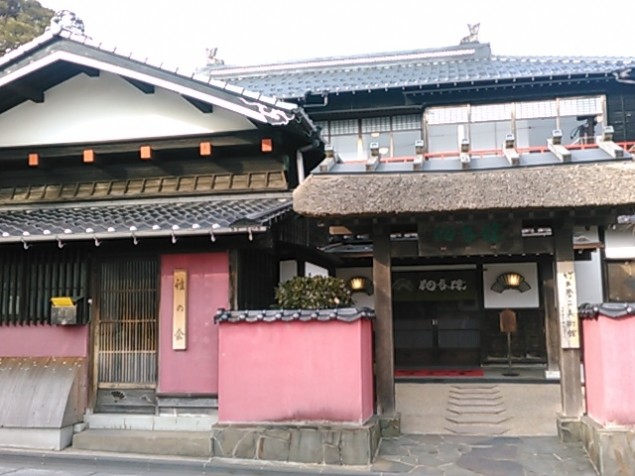
Somaro recreates Somaya, one of Sakata's leading restaurants since the Edo period, restored after a great fire. The main house, full of old-time charm, is a registered cultural property. The ground floor has a tea room and a shop that are easy to drop into. Upstairs, you can watch the dances of the Sakata maiko over a meal. A storehouse displays antiques, and there is also a museum of Takehisa Yumeji, an artist linked to Sakata.
Great Zelkova of Higashine Higashine
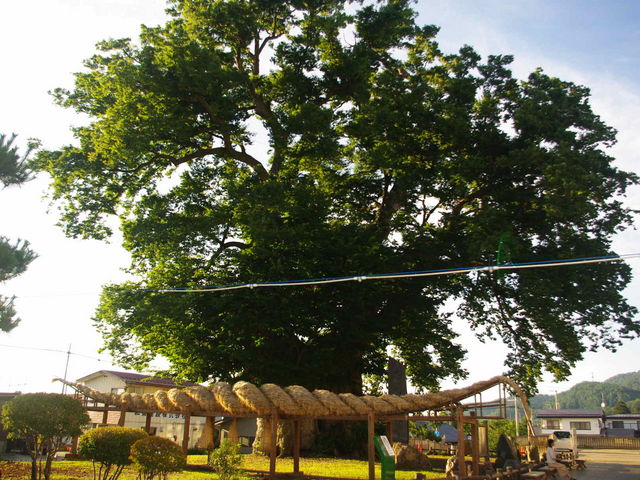
This huge zelkova tree stands in the grounds of Higashine Elementary School and is a national Special Natural Monument. It is said to have grown inside Higashine Castle, built around 1347. The tree is estimated to be more than 1,500 years old, 28 m tall, with roots spreading 24 m around. It is the largest zelkova in Japan.
Former Homma Family Residence Sakata
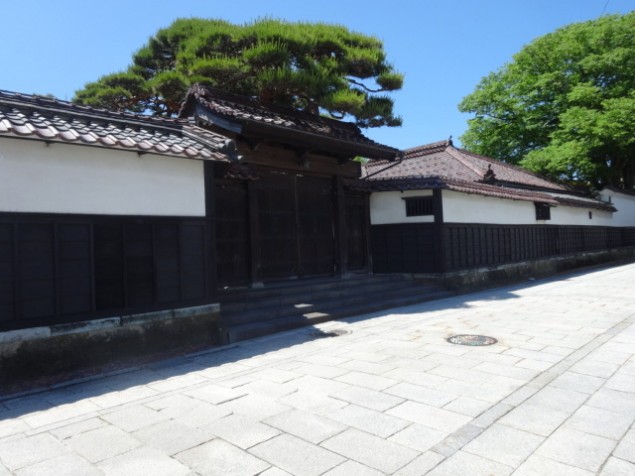
Built in 1768 by the third head of the Homma family and given to the Sakai lords of Shonai, this residence combines samurai and merchant styles. The Homma family was said to be the largest landowner in Japan, and it shows in the fine red pine and gate at the front, the long low wall and the heavy tiled roofs. It is a key stop for learning about the history and life of Sakata.
The places on a map
Hours, prices and events change. Check each place's official website before you go.
More travel guides
 Tokyo Sightseeing by Area: 40 Classic Sights and Lesser-Known Spots from Asakusa to Odaiba40 placesTokyo has much more to see than Skytree, Tokyo Tower and Asakusa. This guide works through six of the city's main…
 Nagoya: 40 Best Places to Visit, from Nagoya Castle and Atsuta Jingu to Osu40 placesNagoya is one of Japan's biggest cities, yet many visitors don't know how much it has to see. Alongside its famous…
 Chichibu: 40 Best Places to Visit, from Nagatoro River Boats and Mitsumine Shrine to Moss Phlox and Icicles40 placesChichibu, the largest city in Saitama Prefecture, is about 90 minutes from central Tokyo. Most of the area is national…
 Niigata Prefecture: 40 Best Places to Visit, from Classic Sights to Hidden Gems40 placesNiigata Prefecture stretches a long way from north to south, and each area has its own scenery, climate and food. The…
 Nagasaki Prefecture: 40 Best Places to Visit, from Unzen Hot Springs to Hirado and Nagasaki City40 placesNagasaki grew up as a port open to the outside world, and the culture of those days still shapes its streets, churches…
 Fukuoka Prefecture: 40 Places to Visit in Kitakyushu, Chikuho and Around Fukuoka City40 placesFukuoka Prefecture is roughly divided into four areas, Kitakyushu, Chikuho, Fukuoka and Chikugo, and each has its own…