
Yamaguchi Travel Guide: 20 Classic Places to Visit, from Kintaikyo Bridge to Motonosumi Inari
20 places · Japanese version
Yamaguchi Prefecture produced many people who shaped Japanese history, from the Kamakura and Warring States periods to the end of the Edo period and the Meiji Restoration, so it is full of famous historic sites. It also has striking nature: the Kanmon Straits, long a key crossing point, and a huge karst plateau with a cave beneath it. Here are 20 classic places, grouped by area, from bridges, shrines and castle towns to an aquarium, a safari park and a local noodle dish grilled on a roof tile.
Shimonoseki and the Kanmon Straits
Tsunoshima Bridge Shimonoseki
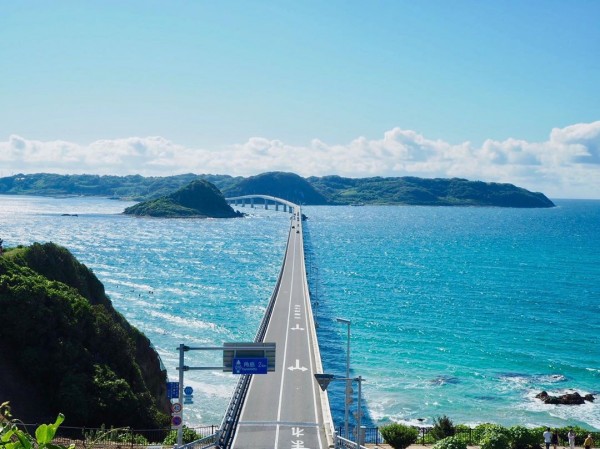
Opened in 2000, this long bridge to Tsunoshima Island is the symbol of the island and a frequent location for TV commercials. There is no toll, so it is easy to drive across. Many people come just to cross the shining cobalt-blue water of the Amagase strait. Enjoy the view from the observation deck, and combine it with Tsunoshima Lighthouse and the beach.
Ganso Kawara Soba Takase Shimonoseki
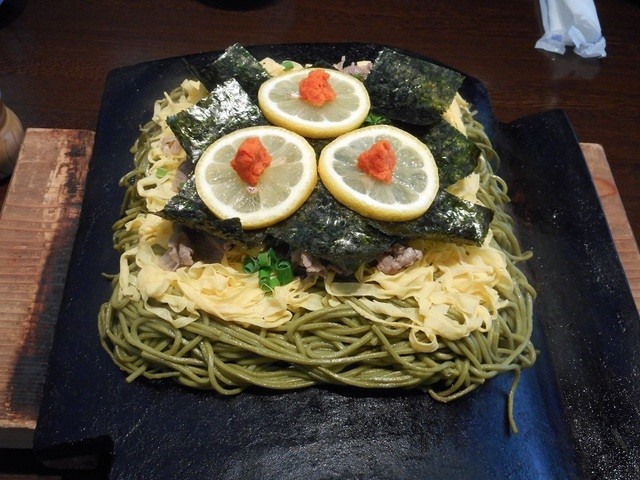
Kawara soba is a local dish born in 1962: green tea soba noodles grilled on a roof tile. It was inspired by a story that soldiers of the Satsuma army grilled meat and wild greens on roof tiles between battles, and Shinichi Takase developed his own method. The noodles touching the hot tile turn crisp, while those on top stay soft. The dipping sauce comes with lemon and grated daikon with chili, for a light, fresh taste. Call ahead to check hours and closing days.
Akama Jingu Shimonoseki
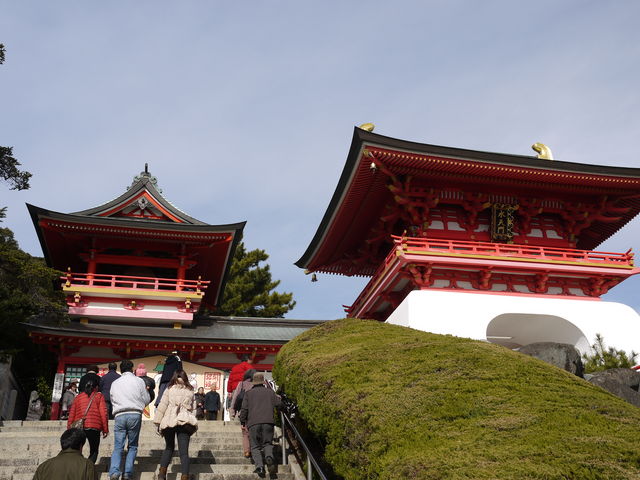
At the Battle of Dan-no-ura, which ended the Heike clan, Nii-no-Ama jumped into the sea holding the child Emperor Antoku. This shrine honors that tragic young emperor. It was the temple Amida-ji until the Edo period and became a shrine in the Meiji era. The grounds hold Antoku's tomb and memorial towers for the Heike. It is also the setting of Hoichi the Earless from Lafcadio Hearn's ghost stories, with a small hall for Hoichi. The Suitenmon gate looks like a sea god's palace.
Kanmon Straits Shimonoseki
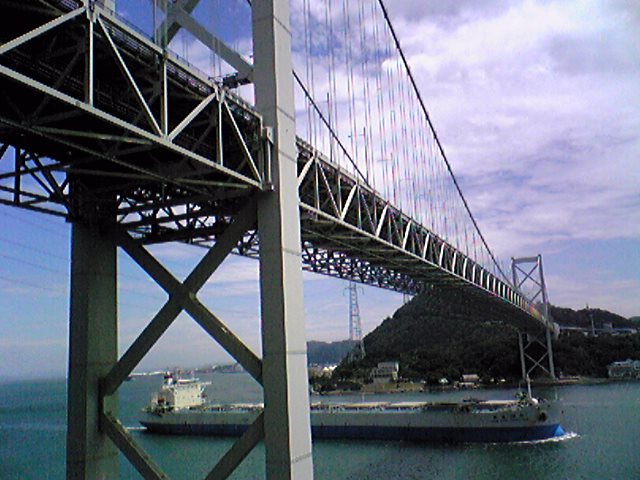
This strait between Shimonoseki and Kitakyushu has been a key sea route since ancient times, and much history happened here: the Battle of Dan-no-ura, the duel of Miyamoto Musashi and Sasaki Kojiro on Ganryujima, and the Shimonoseki War. The Treaty of Shimonoseki was signed at the Shunpanro inn. Cargo ships and tankers from East Asia pass all day. Kanmon Bridge and Mekari Shrine below it offer great views, and an elevator takes you down to the pedestrian tunnel under the strait, where people walk and jog.
Kaikyokan Aquarium Shimonoseki
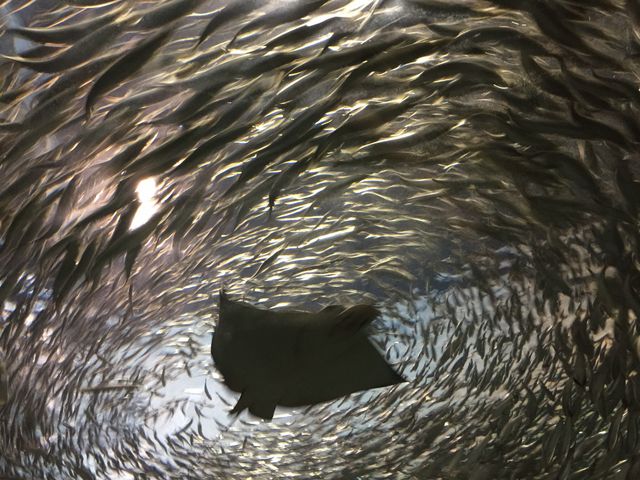
Shimonoseki is the home of fugu, and this aquarium shows more than 100 kinds of rare pufferfish from around the world. It also displays a blue whale skeleton borrowed from a university in Norway. A Humboldt penguin area, recognized as a breeding site by a park in Santiago, Chile, lets you watch penguins up close. In all, about 500 species live in 65 tanks, including a tunnel tank of the Seto Inland Sea. Dolphins and sea lions perform in the Aqua Theater.
Kaikyo Yume Tower Shimonoseki
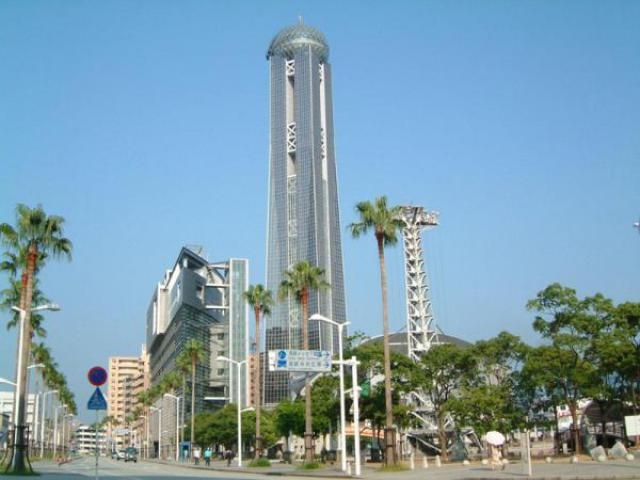
This 153-meter tower rises like a lighthouse over the Kanmon Straits and is the tallest freestanding tower in western Japan. The 360-degree view takes in the strait, Ganryujima, the Sea of Japan and the mountains of Kitakyushu across the water. At night the lights of Shimonoseki, Mojiko Retro and Kanmon Bridge make a beautiful scene. The ball-shaped observation room has a shrine for finding love, where you can draw a fortune, and a restaurant. It is only a 3-minute walk from JR Shimonoseki Station.
Sumiyoshi Shrine Shimonoseki
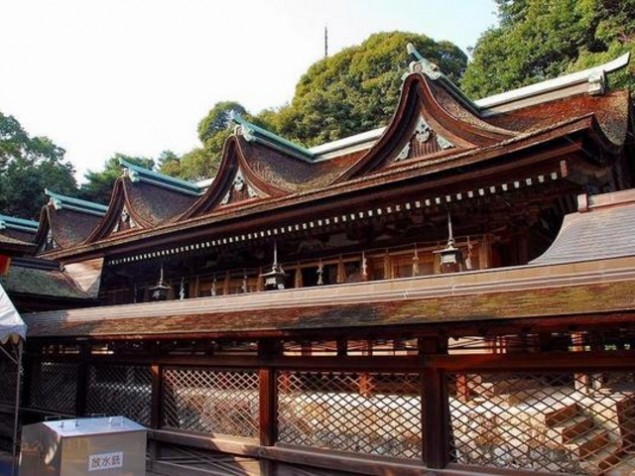
Along with the Sumiyoshi shrines of Osaka and Hakata, this Shimonoseki shrine is one of Japan's three great Sumiyoshi shrines. The main hall was donated by Ouchi Hiroyo, and the worship hall was built by the warlord Mori Motonari. The main hall, with five decorative gables, is a National Treasure, and the worship hall is an Important Cultural Property. Every year from December 8 to 15 a festival is held and the shrine is closed to general visitors.
Eastern Yamaguchi: Iwakuni and Yanai
Kintaikyo Bridge Iwakuni
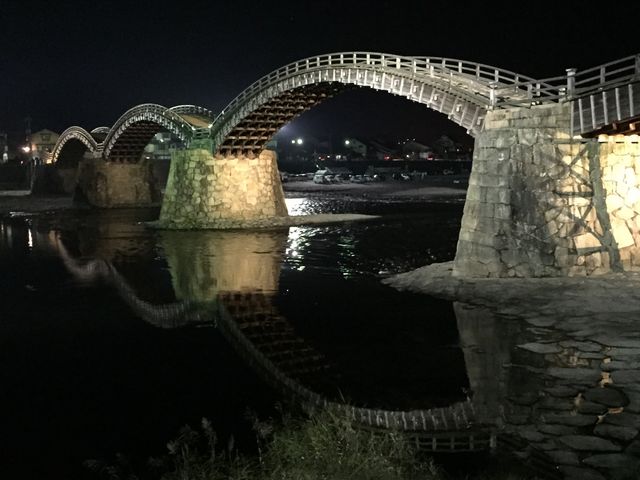
Spanning the Nishiki River, Kintaikyo is counted as one of Japan's three great bridges. It was built in 1673 by Kikkawa Hiroyoshi, lord of Iwakuni. Five wooden arches rest on solid stone piers, a fine example of traditional building skills, and the structure is said to be very strong even by modern standards. Pay the fee to walk across and look down into the clear river, where you can see fish swimming. From June to early September, you can watch cormorant fishing for sweetfish from a boat.
Iwakuni Castle Iwakuni
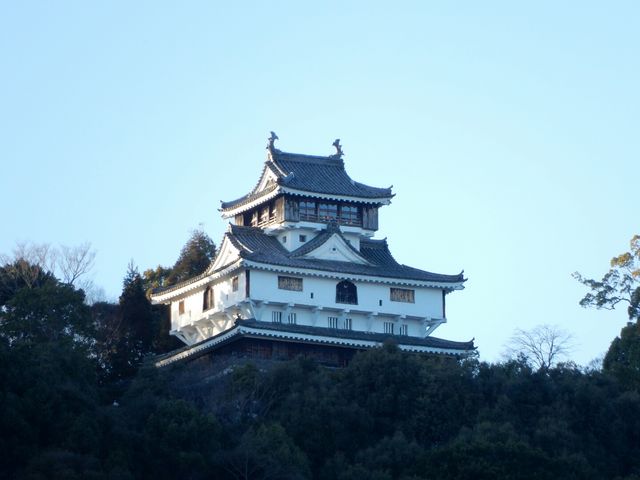
On top of Mount Yokoyama, looking down on Kintaikyo, stands Iwakuni Castle, built in 1608 by Kikkawa Hiroie. Only seven years later it was torn down under the shogunate's rule of one castle per province. The present keep was rebuilt in 1962, and remains of stone walls and moats lie around it. It is one of Japan's 100 fine castles. A ropeway runs up from the foot of the mountain, and inside the keep you can see armor, weapons and a model of Kintaikyo.
Rokkakutei Pavilion, Momijidani Park Iwakuni
In a corner of Momijidani Park, about a 10-minute walk from Kintaikyo, stands this hexagonal pavilion of Korean origin. Such pavilions are said to have been built by people of high rank in Korea at scenic places to enjoy the view. It was given to Hasegawa Yoshimichi, then Governor-General of Korea, and moved here in 1918. It is free to visit and makes a nice stop on an autumn leaves walk.
Yamaguchi Flower Land Yanai
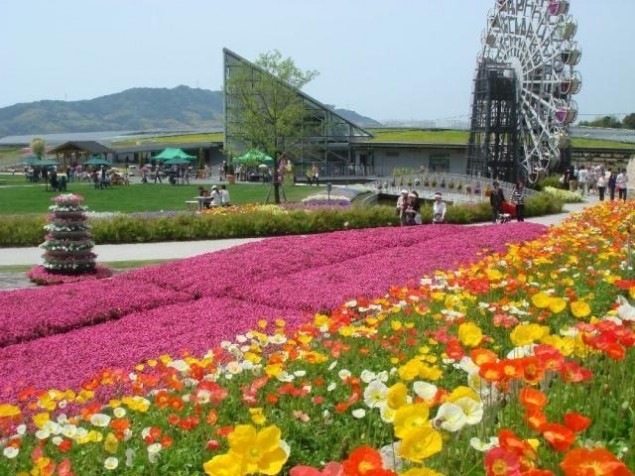
This large flower park in Yanai is designed as a stylish garden surrounded by history and nature. It has a flower garden, a rose garden, collection beds and an herb hill, with plants to enjoy in every season. The flower center next door runs tours of the greenhouses and research facilities where new varieties are grown, and there are regular classes in flower arranging and gardening.
Akiyoshidai and Mine
Beppu Benten Pond Mine
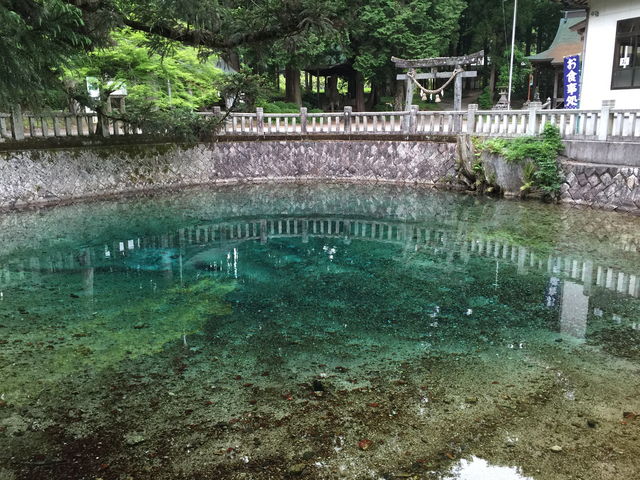
This spring-fed pond glows emerald green like a tropical sea, and in some light it looks cobalt blue, which has made it popular with photographers and as a power spot. It is one of Japan's 100 best waters, and you can drink it. The bright color comes from the karst landscape: Akiyoshidai is about 10 kilometers to the east, so stop here on a drive to Akiyoshido Cave. A trout farm beside the pond offers trout fishing and trout dishes.
Akiyoshidai Mine
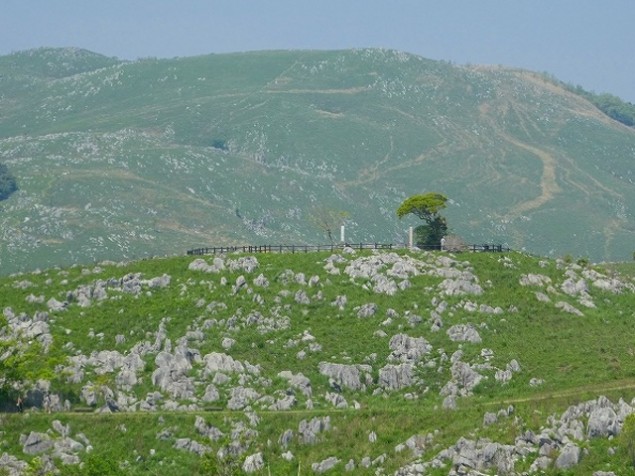
Akiyoshidai in Mine is the largest karst plateau in Japan, about 54 square kilometers in area. The east side is wide grassland, while the west is woodland. A road crosses the plateau, so you can tour it by car or bus and see oddly shaped limestone rocks dotting the green grass. Leave the car for the walking trails to find unusual grassland insects and ancient fossils in the limestone. There are also a science museum, an eco-museum and a youth hostel.
Akiyoshido Cave Mine
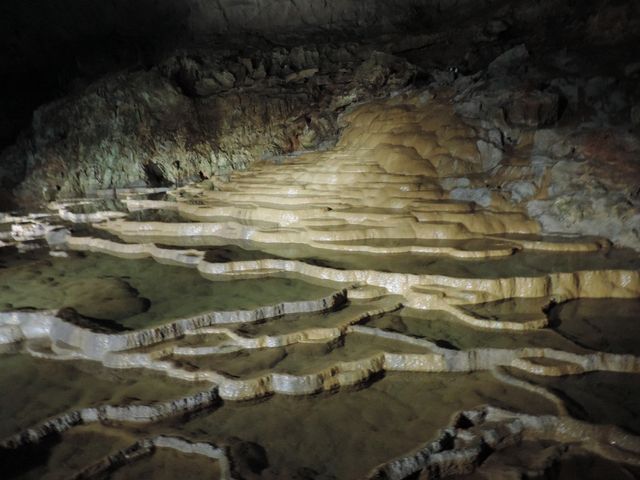
Some 100 to 200 meters below Akiyoshidai lies this cave, a Special Natural Monument. It runs about 10 kilometers, the third longest in Japan, and about 1 kilometer is open as a sightseeing route. Formations include the Golden Pillar, about 15 meters high and draped like a lace curtain, the Hundred Plates and a ceiling hung with umbrella shapes. Book ahead for a guide, or use the elevator from the Akiyoshidai information center if you have small children or older travelers.
Akiyoshidai Safari Land Mine
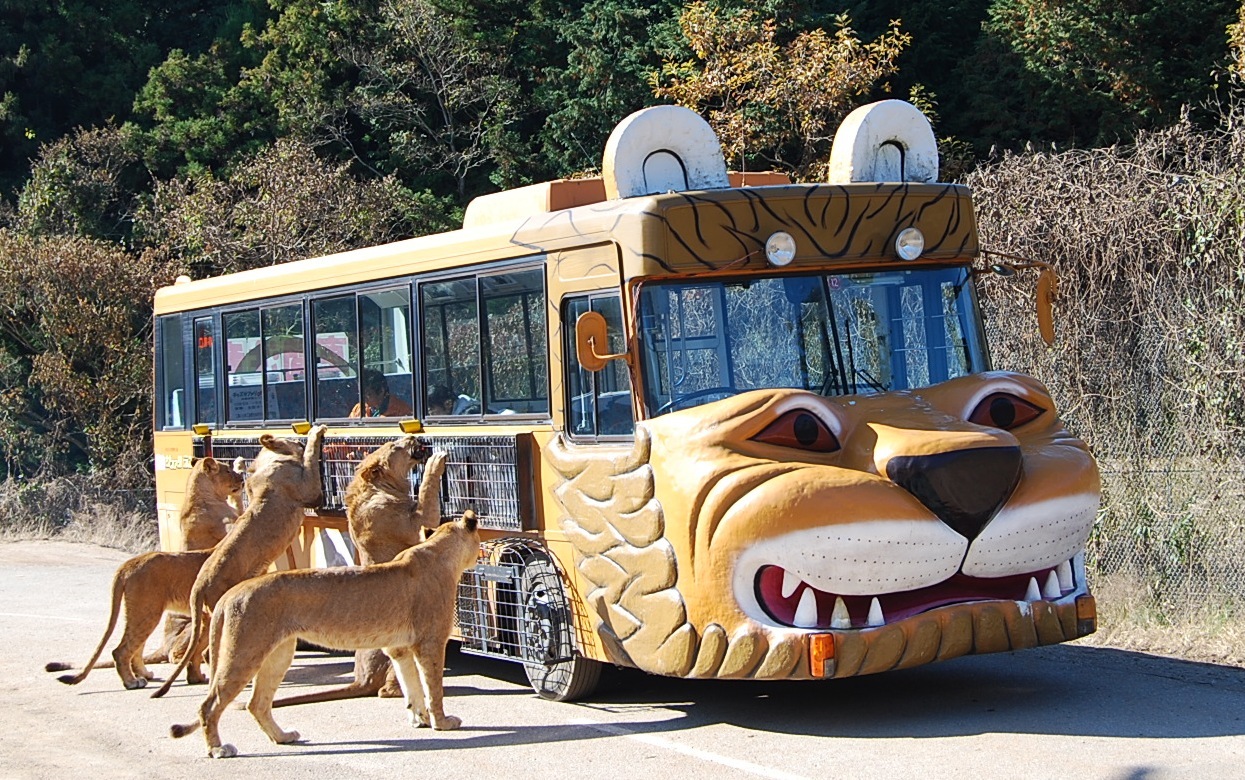
If you come to Akiyoshidai by car or bus, do not miss this safari-style zoo. Lions, tigers, giraffes, bison, rabbits and capybaras are among its many animals. You can drive your own car around the large park, as if watching wild animals on the savanna, and on the special tour bus you can even feed the lions. It is exciting for children and adults alike.
Yamaguchi City
Rurikoji Five-Storied Pagoda Yamaguchi City
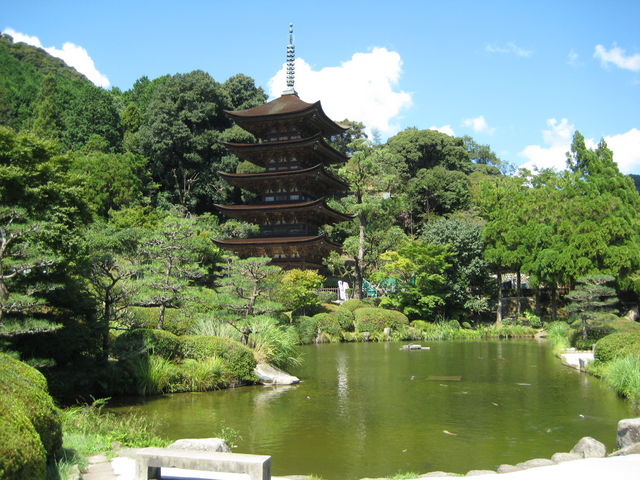
Ruriko-ji is one of the leading Soto Zen temples in Yamaguchi, closely tied to the powerful Ouchi and Mori clans. Its five-story pagoda, a National Treasure, is called the finest work of the Ouchi era. The grounds also hold the graves of the Mori lords and halls where Saigo Takamori and others are said to have plotted the shogunate's fall. Kozan Park is known for plum and cherry blossoms. It is about 20 minutes by car from Ogori IC, or about 30 minutes by bus from JR Shin-Yamaguchi Station.
Yuda Onsen Yamaguchi City
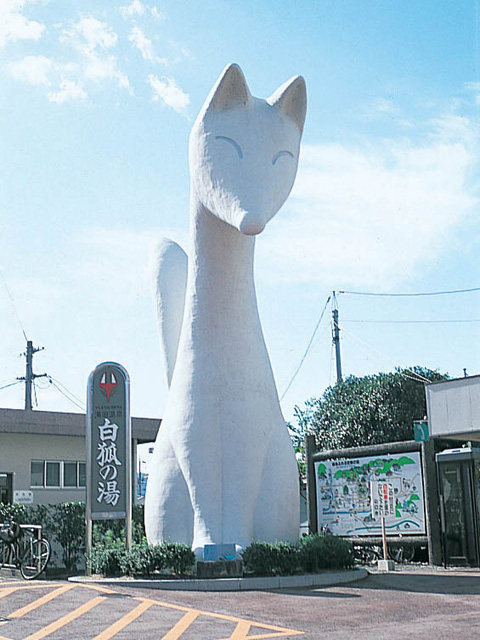
This hot spring town in Yamaguchi City is said to date from the Muromachi period, with a legend of a white fox healing its wounds in the water. Inns and hotels sit next to the city's biggest dining and nightlife area, about 20 minutes by bus from JR Shin-Yamaguchi Station. Five foot baths dot the town, the best known in Inoue Park, on the site of the home of Meiji statesman Inoue Kaoru. Every April a white fox festival brings a parade of locals dressed as foxes.
Hagi and Nagato
Shoin Shrine Hagi
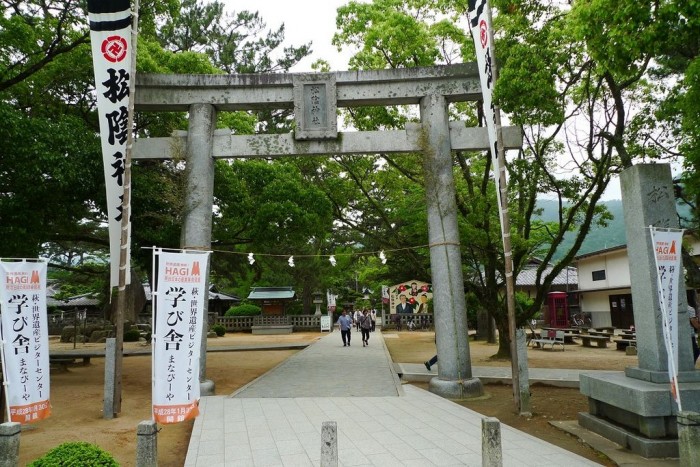
This shrine honors Yoshida Shoin, a leading thinker and teacher at the end of the Edo period. It was founded in 1907 by his former students, among them Ito Hirobumi. The grounds hold Shoka Sonjuku, Shoin's private school, and the Yoshida Shoin History Museum, and the treasure hall Shiseikan displays many valuable items about him. It is the place to learn how much Shoin influenced the Meiji Restoration.
Hagi Castle Ruins Shizuki Park Hagi
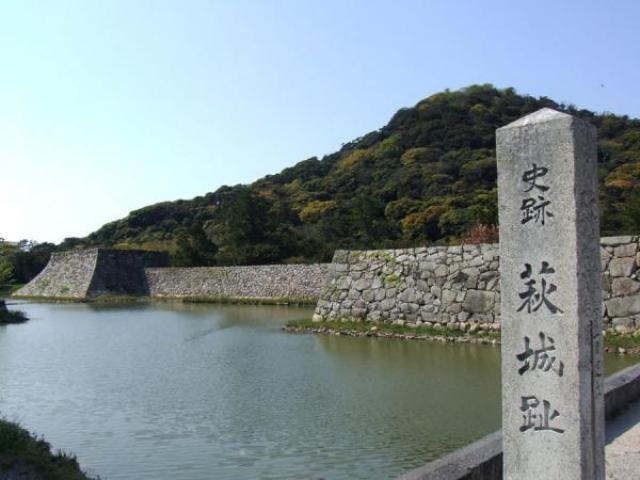
For about 250 years of the Edo period, Hagi Castle was the home of the Mori clan and the base of the Choshu domain. Its ruins are now Shizuki Park, part of a UNESCO World Heritage site. The keep was lost after the Meiji Restoration, but the stone walls, moats, gate sites, a watchtower and an old samurai row house remain, giving a feel for castle life. Behind it rises Mount Shizuki, covered in native forest, and a lookout faces the Sea of Japan and Kikugahama beach.
Motonosumi Inari Shrine Nagato
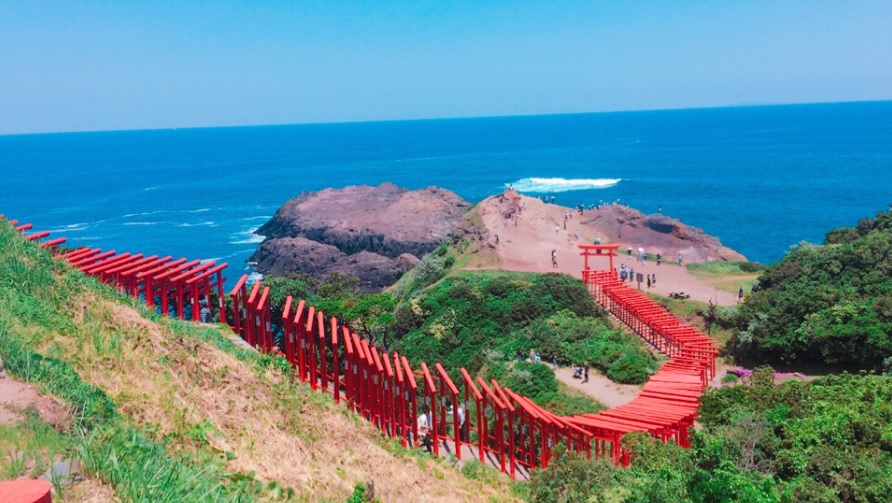
This shrine in Nagato is famous for its 123 red torii gates running along a cliff on the Sea of Japan coast. At the end of the path is a large torii with an offering box about 4 meters up. It is said to be the hardest offering box in Japan to throw a coin into, and if you succeed your wish will come true. After it was shown on American TV, many visitors from abroad began coming every year.
The places on a map
Hours, prices and events change. Check each place's official website before you go.
More travel guides
 Tokyo Sightseeing by Area: 40 Classic Sights and Lesser-Known Spots from Asakusa to Odaiba40 placesTokyo has much more to see than Skytree, Tokyo Tower and Asakusa. This guide works through six of the city's main…
 Nagoya: 40 Best Places to Visit, from Nagoya Castle and Atsuta Jingu to Osu40 placesNagoya is one of Japan's biggest cities, yet many visitors don't know how much it has to see. Alongside its famous…
 Chichibu: 40 Best Places to Visit, from Nagatoro River Boats and Mitsumine Shrine to Moss Phlox and Icicles40 placesChichibu, the largest city in Saitama Prefecture, is about 90 minutes from central Tokyo. Most of the area is national…
 Niigata Prefecture: 40 Best Places to Visit, from Classic Sights to Hidden Gems40 placesNiigata Prefecture stretches a long way from north to south, and each area has its own scenery, climate and food. The…
 Nagasaki Prefecture: 40 Best Places to Visit, from Unzen Hot Springs to Hirado and Nagasaki City40 placesNagasaki grew up as a port open to the outside world, and the culture of those days still shapes its streets, churches…
 Fukuoka Prefecture: 40 Places to Visit in Kitakyushu, Chikuho and Around Fukuoka City40 placesFukuoka Prefecture is roughly divided into four areas, Kitakyushu, Chikuho, Fukuoka and Chikugo, and each has its own…