
Things to Do in Tokyo Early in the Morning: 28 Places by Area
28 places · Japanese version
Night buses are a cheap way to get to Tokyo, but they usually pull into Tokyo Station and other terminals very early, when most sights are still closed and it is easy to waste time. This guide gathers 28 places you can enjoy from early in the morning, grouped by area. You will find shrines and temples that open at dawn, parks that never close, markets where breakfast starts early, and big bathhouses where you can rest after the ride. Places that open later are marked, so you can plan the rest of your morning.
Around Tokyo Station and Chiyoda
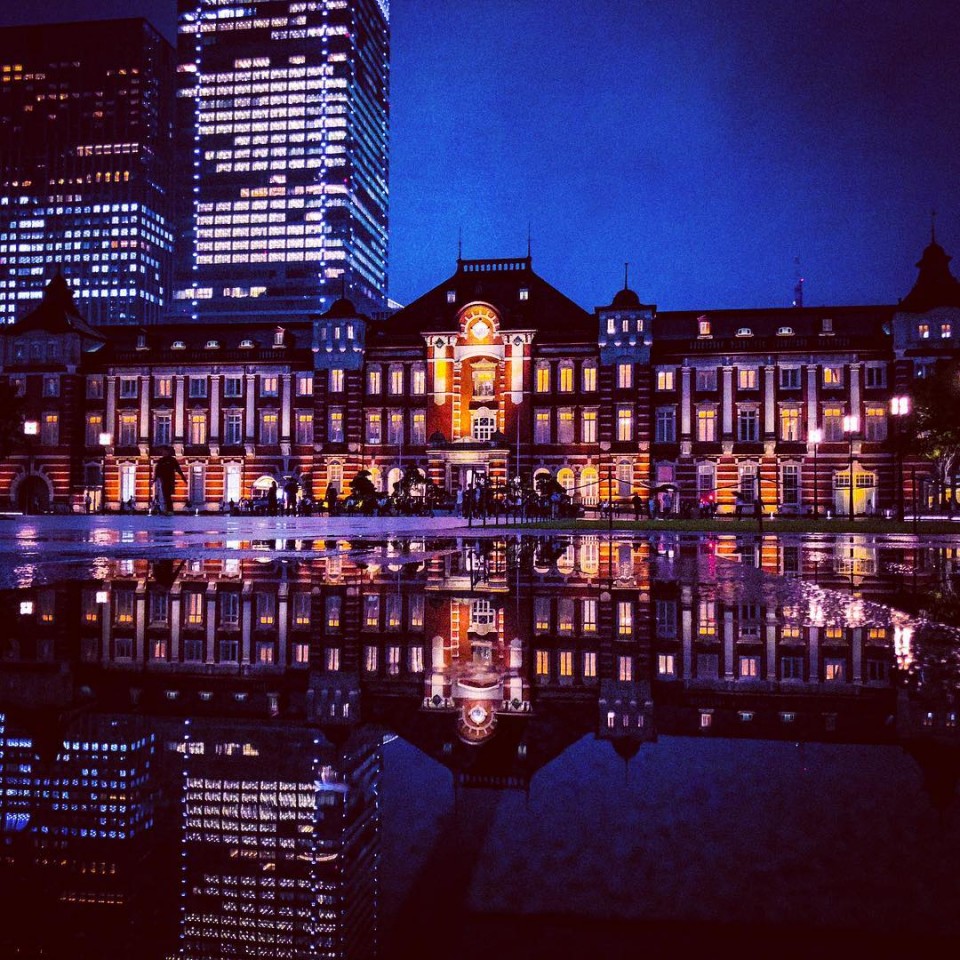
Tokyo Station Marunouchi
Seen from the plaza in front of the Marunouchi side, the retro red-brick station building is one of Tokyo's best-known photo spots. The domes over the north and south exits were restored in 2012, and under them you can see panels on the station's history from the Meiji era to the Heisei era. If you are still in town at night, come back: the building is lit up after dark.
Kokyo Gaien Imperial Palace
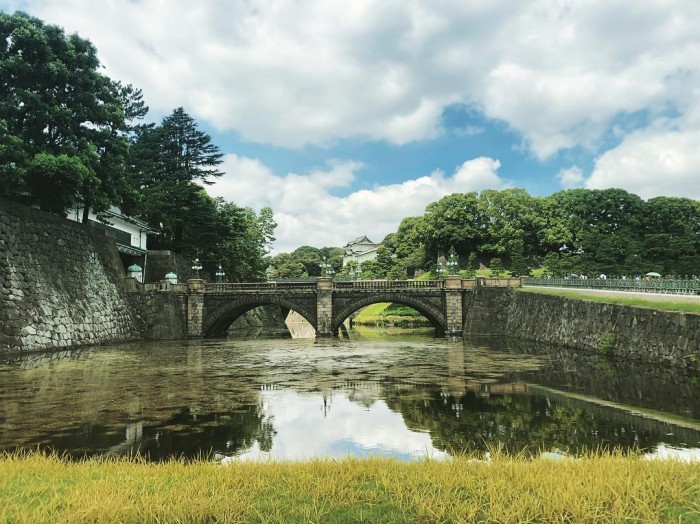
The Imperial Palace is known for its East Gardens, but the loop of about 5 km around the palace is also one of Tokyo's most popular running routes. Run or walk it from early morning and you take in the whole palace from outside. The outer garden is open around the clock, while the palace grounds open later. It is about a 7-minute walk from Tokyo Station.
National Diet Building Nagatacho
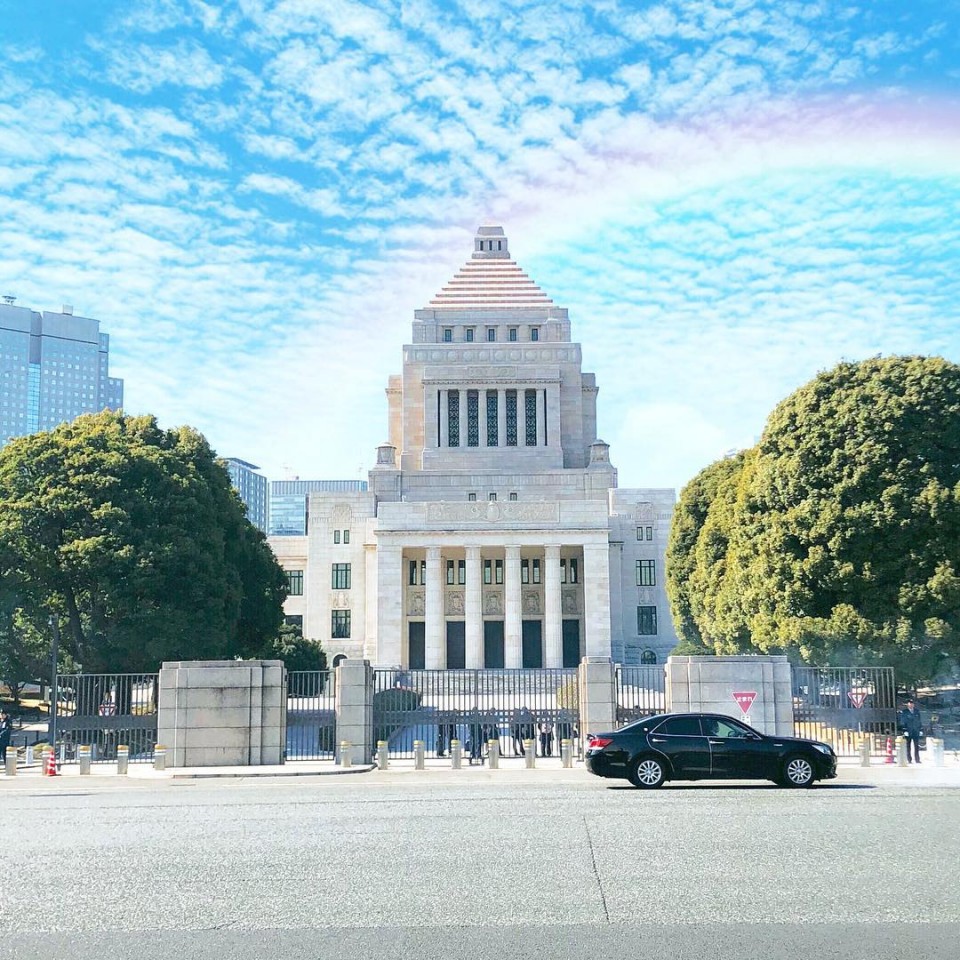
Japan's parliament building has a stern, formal air, but you can tour it for free. Groups of fewer than ten people can sign up on the day, from 8 am, while larger groups need to book. It is right by Kokkai-gijido-mae Station and not far from Tokyo Station.
Tokyo Daijingu Iidabashi
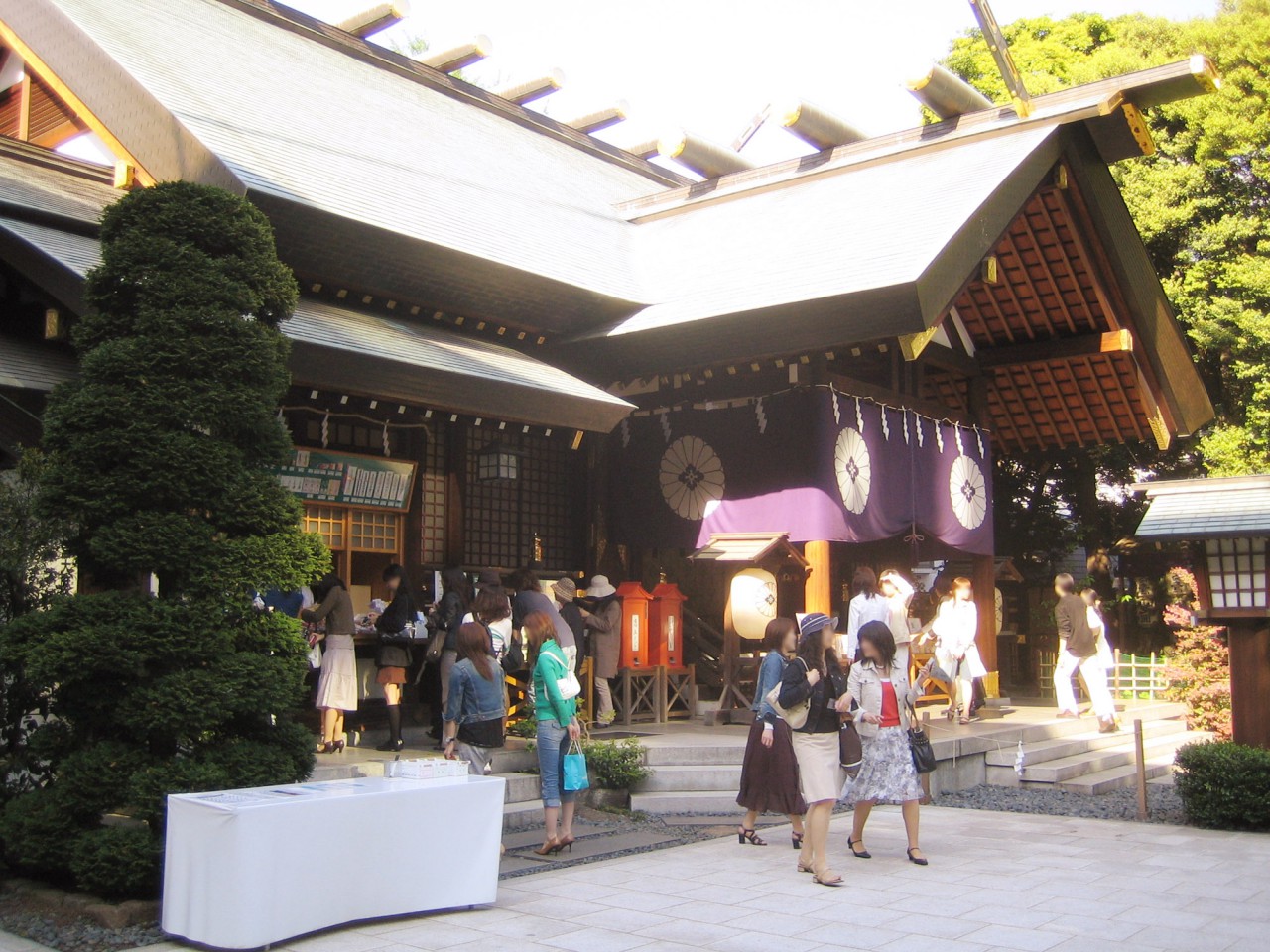
This shrine opens at 8 am. Because it enshrines Amaterasu, the sun goddess, it is called the Ise Shrine of Tokyo. It is known for blessings in love and matchmaking, and you can buy ema prayer plaques for finding a partner. Its Shinto-style weddings trace their origin to an imperial wedding. It is about 3 minutes on foot from Iidabashi Station.
Wadakura Fountain Park Otemachi
A park built to mark an imperial wedding, known for its large fountains. The fountains are switched off in the coldest part of winter, so summer is the best time to come, when the water flows in full. The park is open around the clock and lit up at night, so it looks quite different in the morning and after dark. It is about 2 minutes on foot from Otemachi Station.
Hibiya Park Hibiya
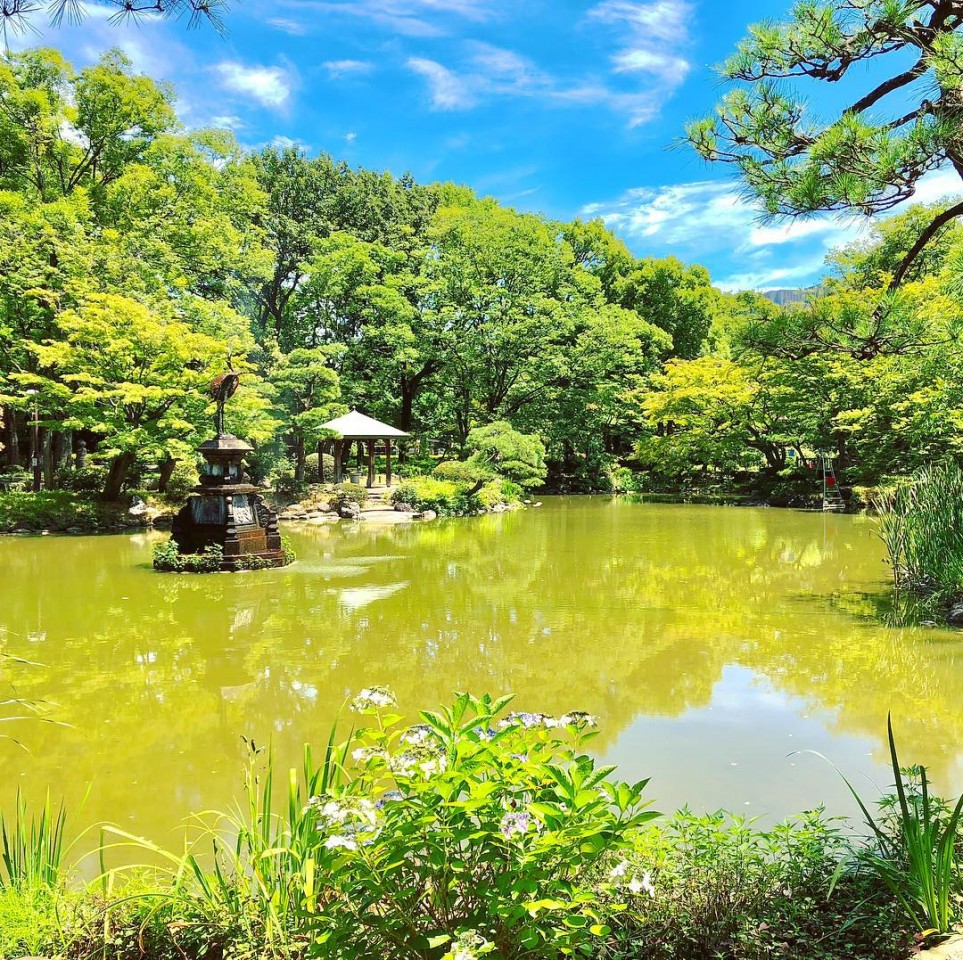
Called a green oasis among the office towers of Chiyoda, this large park is thick with trees. Ginkgo and maple trees make it a good place for autumn colors too. Events are held here on many weekends, often starting in the morning, so check what is on if you arrive on a Saturday or Sunday.
Gransta Tokyo Station
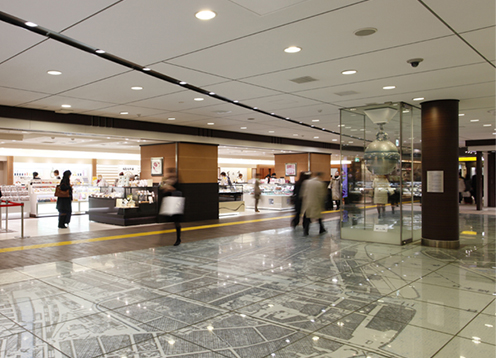
Less a sight than a place to shop, Gransta is the shopping area inside Tokyo Station, known for souvenirs. Some of its shops open at 7 am, much earlier than most stores, so you can pick up Tokyo gifts before the rest of the city wakes up.
Shinjuku, Shibuya and around
Korin-in Hiroo
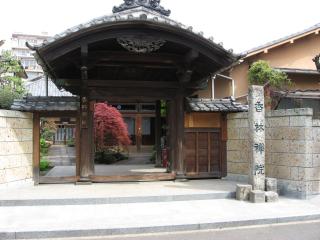
A temple in Hiroo that opens at 6 am and holds zazen meditation at 7 am. Nobody strikes you with the wooden stick during the session, but you sit in seiza for a full hour, so expect your legs to go numb. From 10 am you can also try sutra copying, a good way to focus the mind. It is about 6 minutes on foot from Hiroo Station.
Thermae-yu Shinjuku
One of the largest super sento bathhouses in the Kanto region, in Kabukicho, Shinjuku. It is open 24 hours, which makes it handy after an early arrival. Being in busy Shinjuku and very popular, it is expensive, especially early on weekend mornings, so make the most of extras such as the hot stone sauna and the carbonated bath. It is about 8 minutes on foot from Seibu-Shinjuku Station.
Yoyogi Park Shibuya
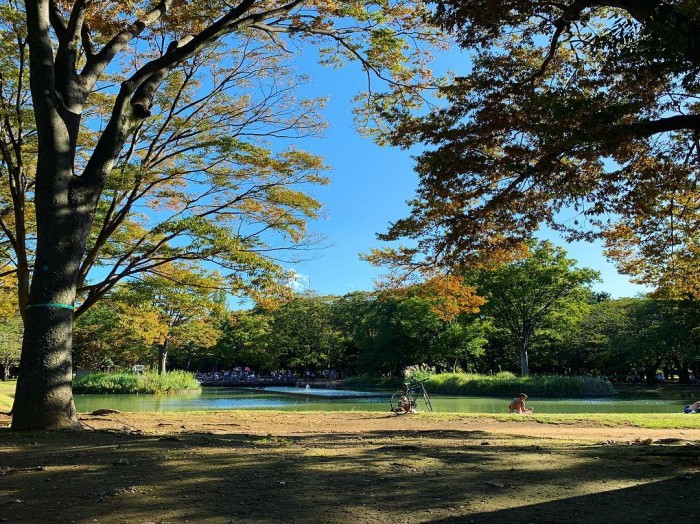
This was once an army drill ground, but today it is a peaceful park with no trace of that past. In the morning it is a nice place for a picnic. The park is open around the clock and about 3 minutes on foot from Yoyogi-koen Station.
Meiji Jingu Harajuku
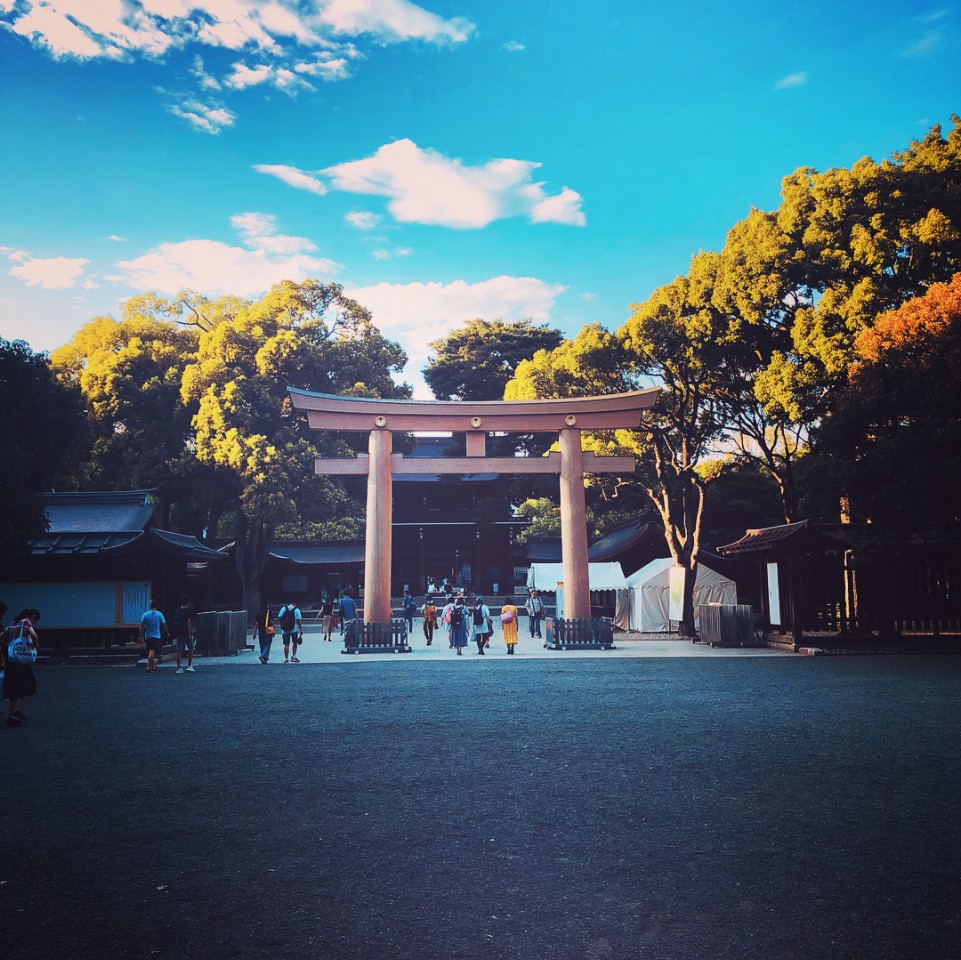
Senso-ji is famous for hatsumode, the first shrine visit of the New Year, but Meiji Jingu is in fact the most popular hatsumode spot in all of Japan. Its forest looks like natural woodland, yet the trees were planted under the direction of leading forestry experts. The shrine is also known for blessings in love. It opens early and is about 2 minutes on foot from Harajuku Station.
Asakusa and the Sumida River
Asakusa ROX Matsuri-yu Asakusa
A super sento in the ROX building in Asakusa, known for views of Tokyo Skytree and the sunrise. True to the ROX name, it takes its stones seriously, with an open-air bath made of natural jade and a bath that uses tourmaline. Body care treatments and a restaurant help you recover from the trip. On most days it stays open through the night until the next morning.
Tokyo Skytree Oshiage
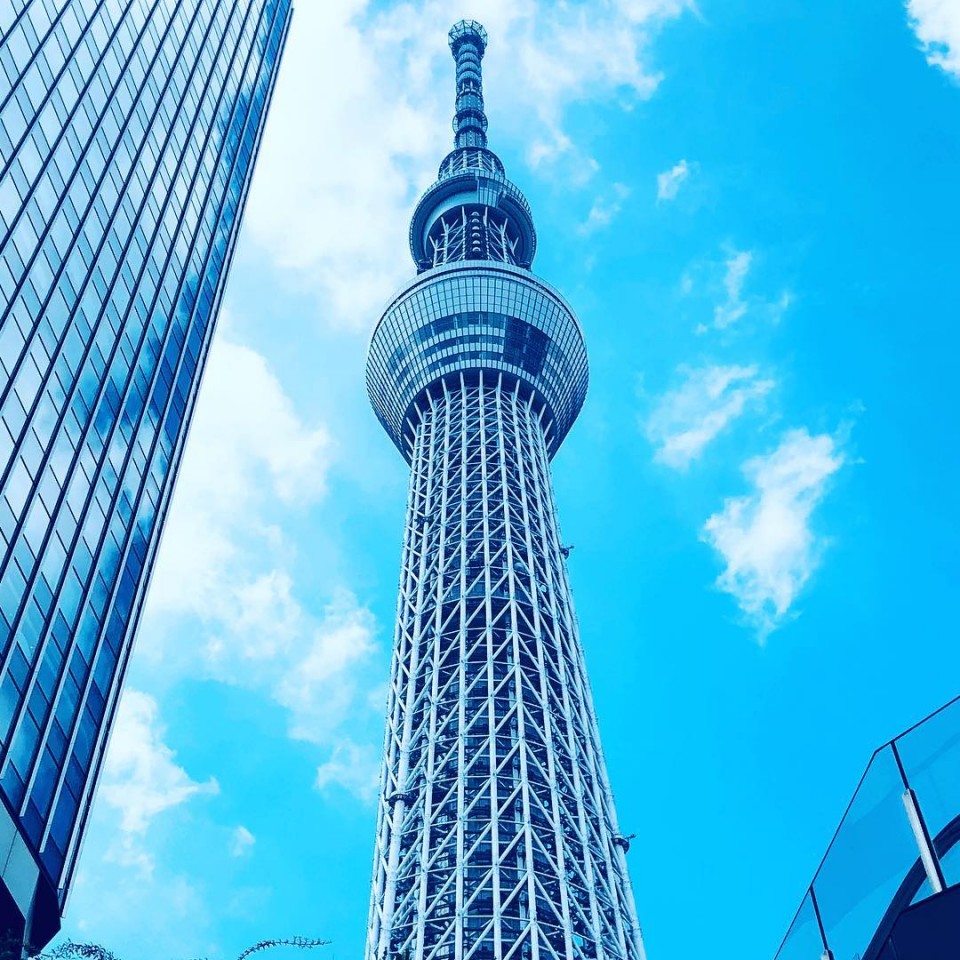
At 634 meters, Tokyo Skytree is famous as the tallest broadcasting tower in the world. It has two observation levels, the Tembo Deck and the Tembo Galleria, with separate tickets; try to see both. The tower opens later in the morning, and Sumida Aquarium, another popular sight, is close by.
Senso-ji Asakusa
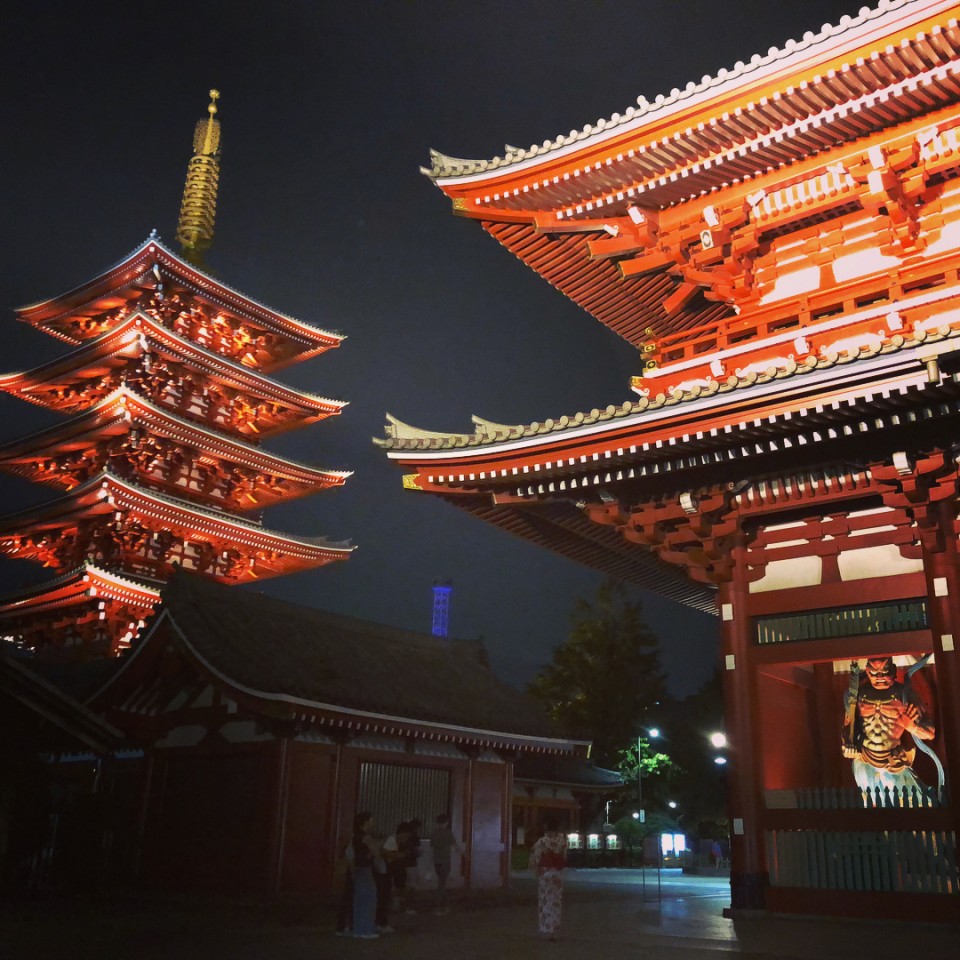
Along with Meiji Jingu, Senso-ji is one of Tokyo's best-known places for hatsumode. Its omikuji fortunes are said to give bad luck, kyo, about 30 percent of the time, so do not be disheartened if you draw one. The temple opens at 6 am, but the shops around it open around 10 am, so you get the most out of a visit if you time it for when they open. It is a minute's walk from Asakusa Station.
Sumida Park Asakusa
As the name says, this park runs along the Sumida River. There is a curious monument with Tokyo Skytree in view, and Tokyo Cruise boats that give you river views of the tower. You can also get coffee or beer here, so it is a good place to rest after an early round of sightseeing. The park is open 24 hours and about 7 minutes on foot from Asakusa Station.
Tsukiji and Toyosu
Tsukiji Outer Market Tsukiji
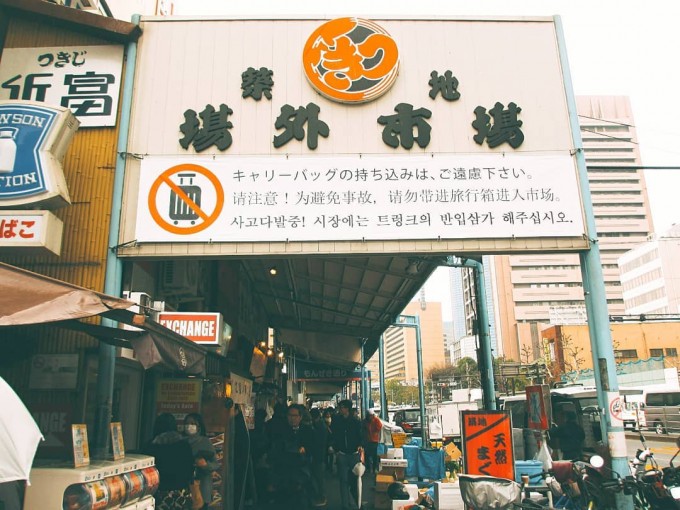
A market where anyone can shop for seafood from early in the morning. Its roughly 460 shops sell not only seafood but also high-grade Japanese Wagyu beef. It gets crowded before New Year, when people come for ingredients for the holiday, but it is a fun place to find unusual foods to take home. It is about 4 minutes on foot from Tsukijishijo Station.
Toyosu Market Toyosu
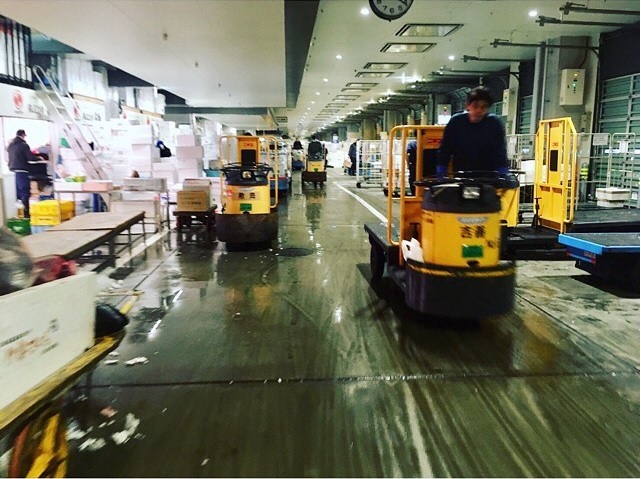
Unlike Tsukiji, Toyosu Market does not sell seafood to the general public. But many popular sushi restaurants moved here from the old Tsukiji market, so you can eat sushi and seafood rice bowls made with fish from the market from early morning. It is about 3 minutes on foot from Shijo-mae Station.
Tsukiji Hongwanji Tsukiji
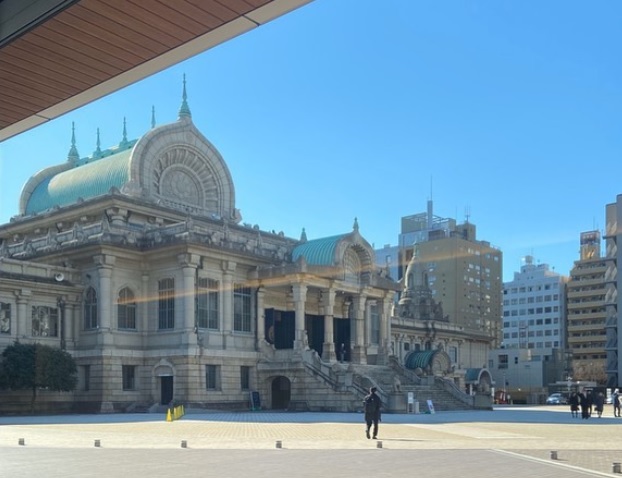
A temple of the Jodo Shinshu school of Buddhism, founded in the 17th century. Its cafe is known for an 18-item breakfast of shojin ryori, Buddhist vegetarian dishes. The temple also holds concerts with its pipe organ and other instruments, which sets it apart from other temples. It opens at 6 am and is about 2 minutes on foot from Tsukiji Station.
Ueno and Nezu
Shinobazu Pond Ueno
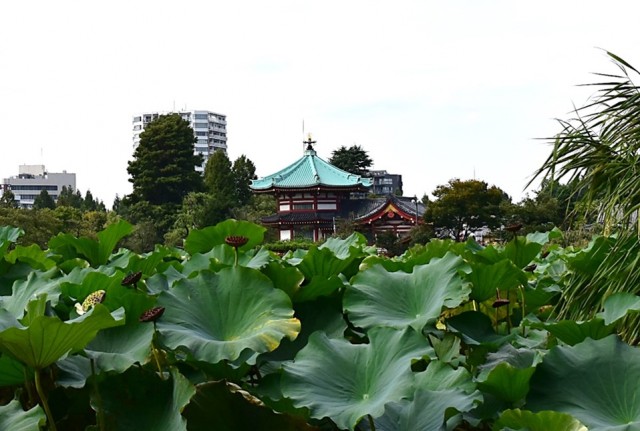
A pond inside Ueno Park, open from 5 am and filled with lotus plants. In winter only the withered leaves remain, but even the dead lotus standing in the mud has its own kind of beauty and is worth a look. Rowboats are available. It is about 6 minutes on foot from Ueno Station.
National Museum of Nature and Science Ueno
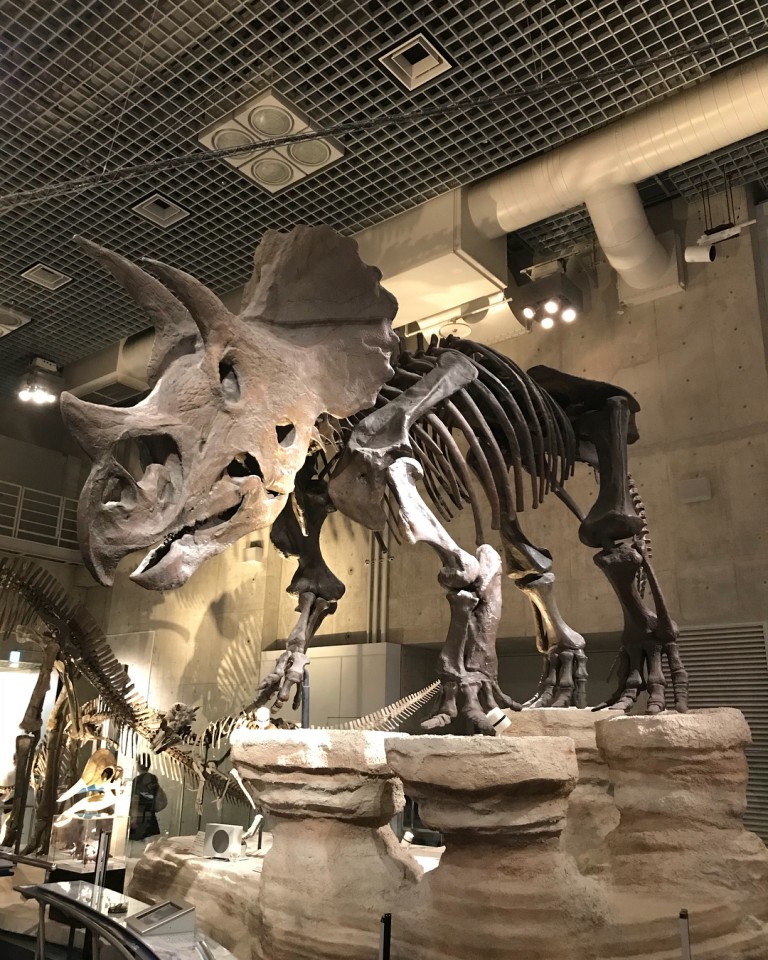
Unusually for a museum, it opens fairly early, at 9 am. It is known for its large collection of mounted animal specimens, and it also holds changing special exhibitions, so there is something new each time you visit. It is about 5 minutes on foot from Ueno Station.
Nezu Shrine and Otome Inari Nezu
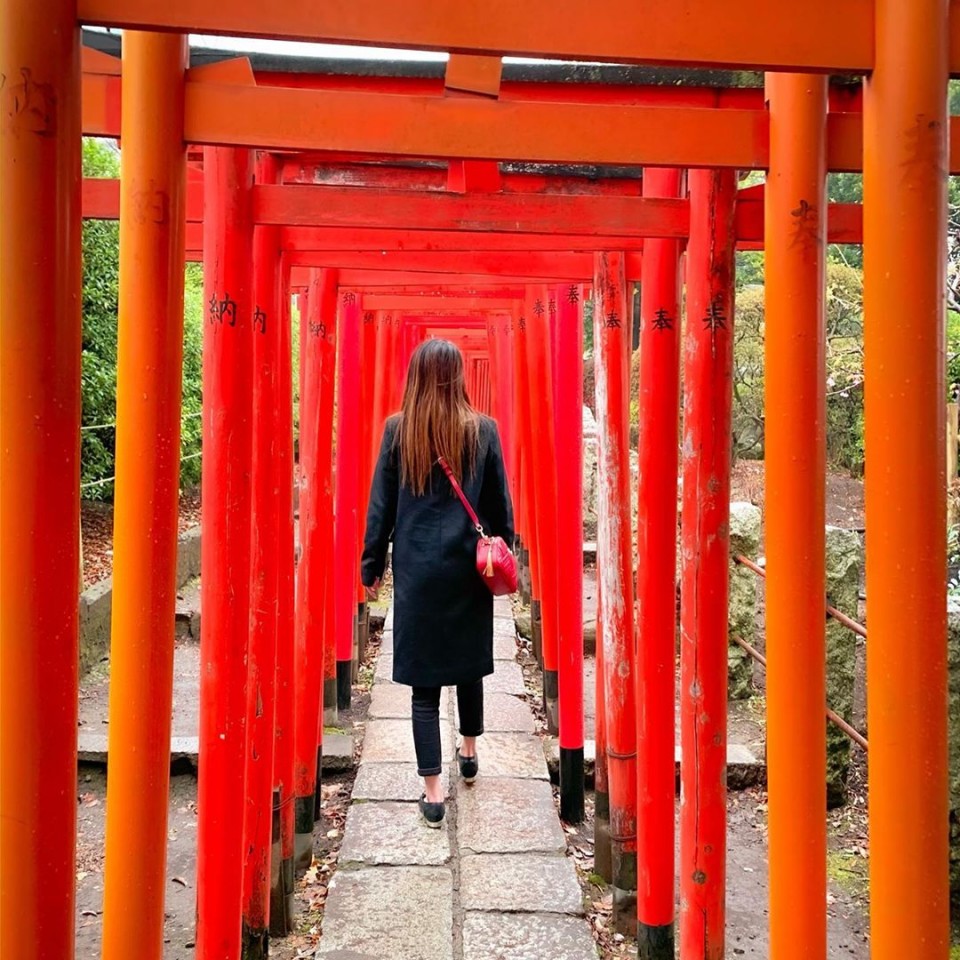
Nezu Shrine opens its gates at 6 am and is said to have been founded by Yamato Takeru. Like Fushimi Inari in Kyoto, it is known for its many rows of torii gates, and the azaleas that bloom in spring are lovely. Because it came through the Great Kanto Earthquake and wartime air raids, it is also known as a shrine of strong luck. It is about 5 minutes on foot from Nezu Station.
Roppongi and Shiba
Tokyo Tower Shiba
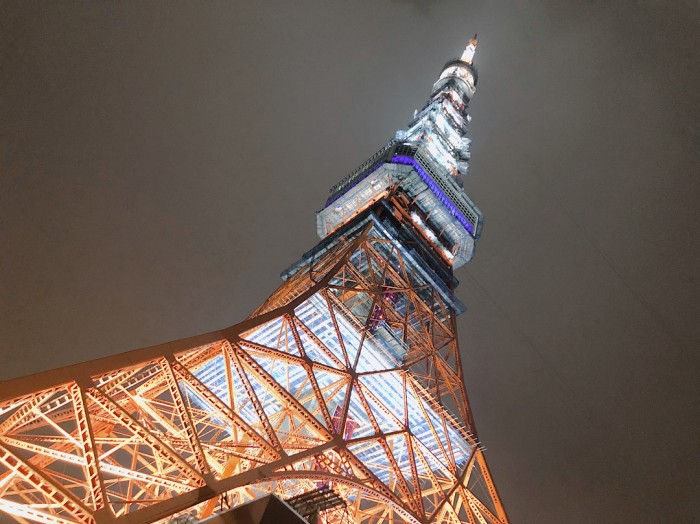
The 333-meter red-and-white tower is one of Tokyo's best-known landmarks. It usually lets visitors in from 9 am, so it fits better later in the morning. From the Main Deck at 150 meters you can see Mount Fuji on a clear day, and the Top Deck Tour goes up to 250 meters. Shiba Park at the foot of the tower is a pleasant place to walk while you wait.
Roppongi Hills Roppongi
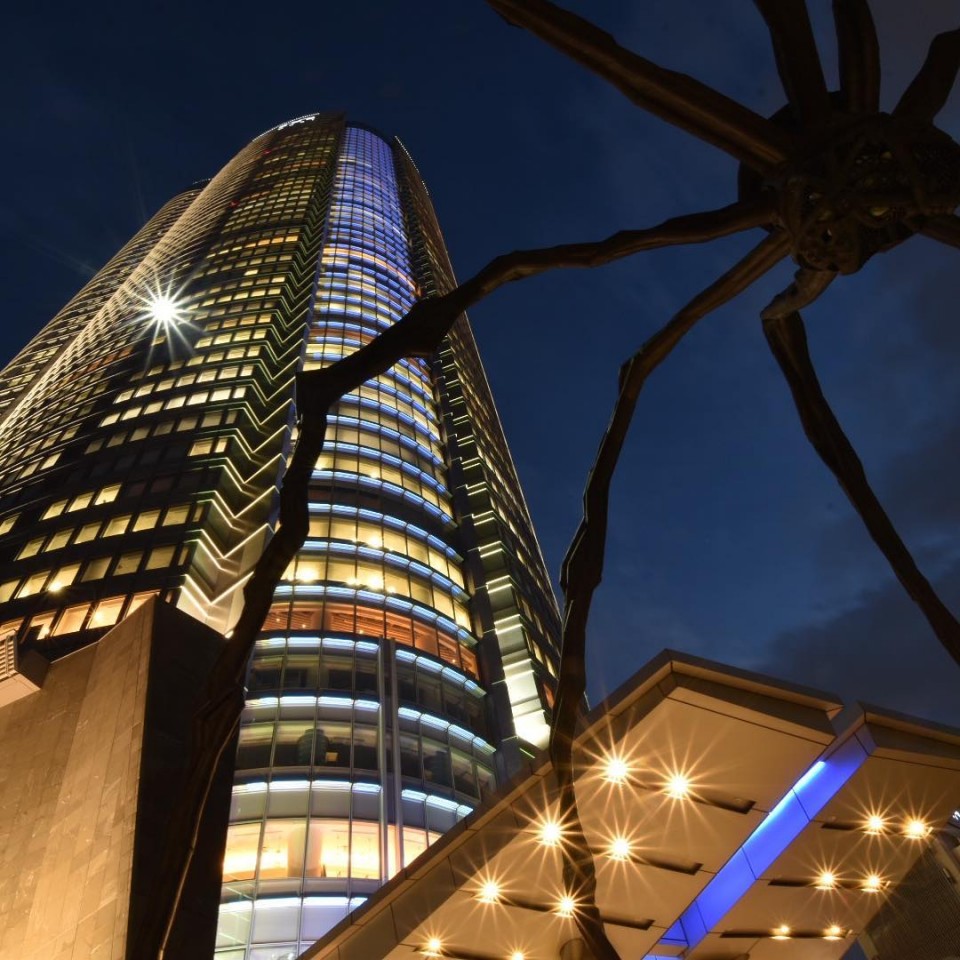
A well-known office and shopping complex. It opens early, but in the morning there is little to do besides photograph the buildings. From midday there are many restaurants for lunch, plus an art museum and a cinema, so it is best to come in the late morning. It is about 4 minutes on foot from Roppongi Station.
Tokyo Bay
Jonanjima Seaside Park Ota
A park right on the water, known for its beautiful sunrise. It is close to Haneda Airport and under the flight path, so you can photograph planes flying overhead. Barbecues and camping are allowed, so you could even spend a night here. The park is open 24 hours.
Kasai Rinkai Park Edogawa
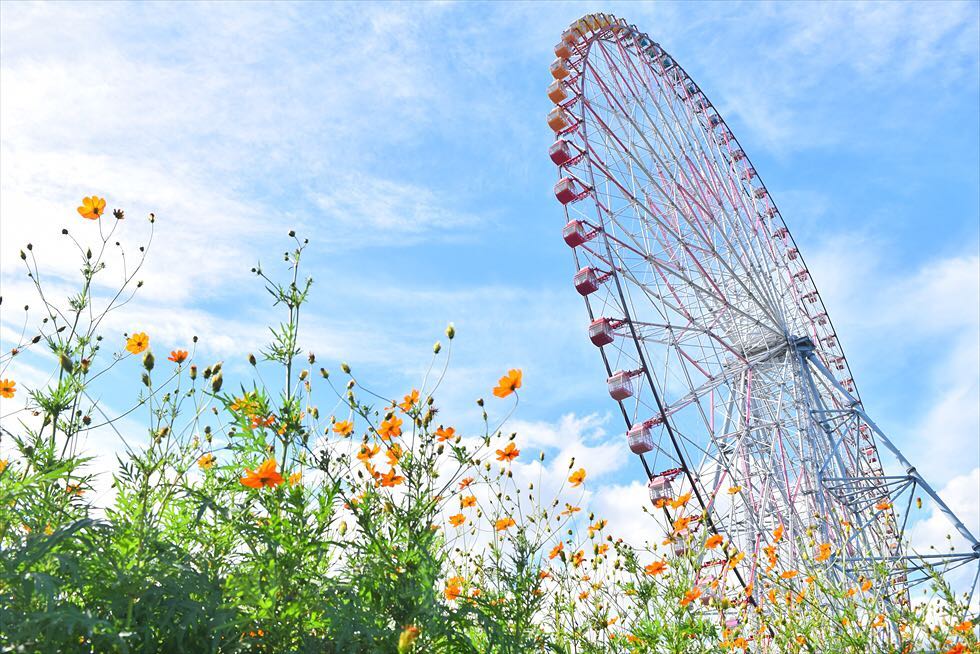
A seaside park with a Ferris wheel that is open around the clock, so you can watch the sun rise over Tokyo here. Later in the day the aquarium and the bird sanctuary open, which animal lovers will enjoy. The park train takes you on a short 25-minute tour of the grounds. It is right by Kasai-Rinkai-koen Station.
Farther out: a mountain, a valley and Kichijoji
Mount Takao Hachioji
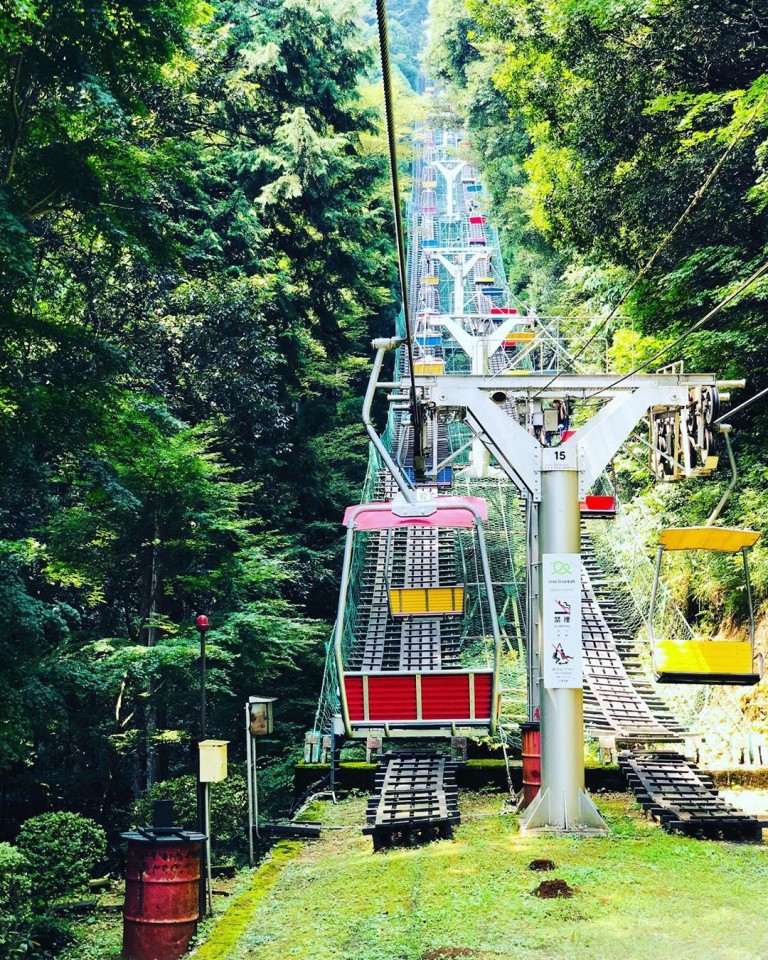
A mountain in Hachioji. Even with the cable car from Takaosanguchi Station, it takes about an hour to reach the top area. On the way you pass a monkey park and Tako-sugi, the octopus cedar, and near the summit there are several teahouses and a temple. The trails are open at any hour and the cable car starts at 8 am, so come early and enjoy the morning sun in the forest.
Todoroki Valley Setagaya
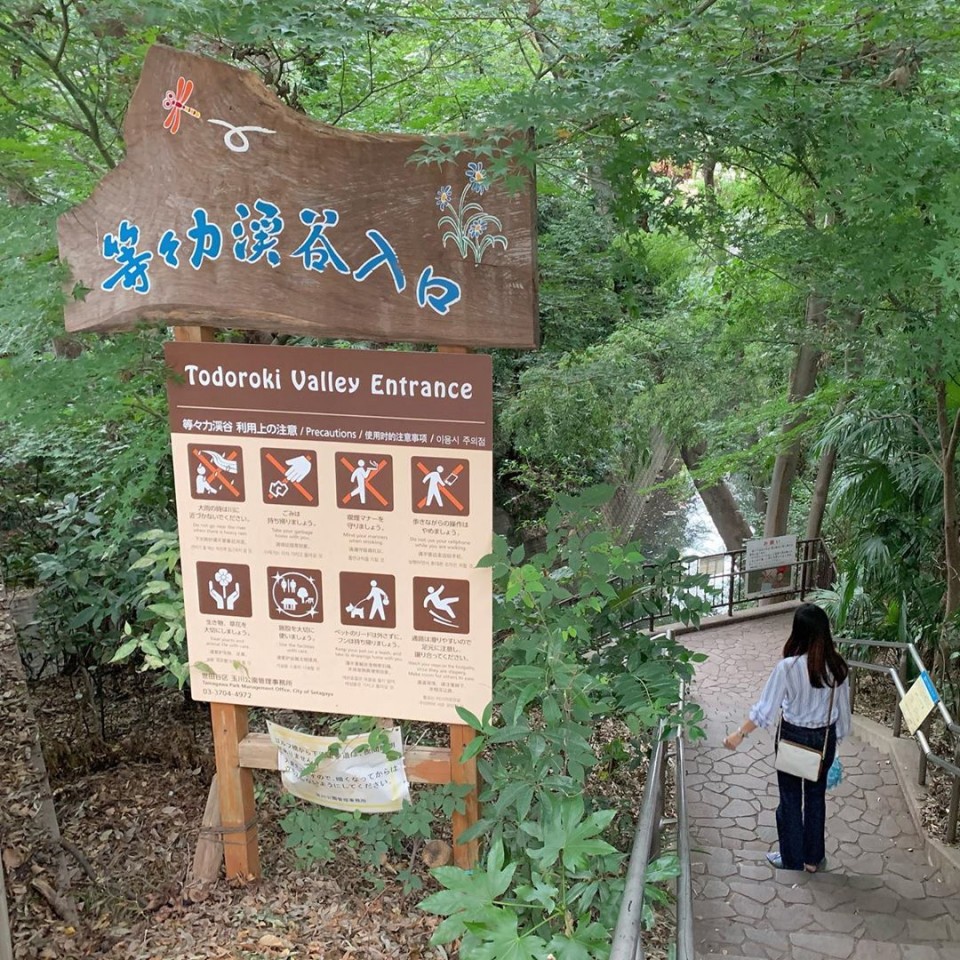
Although it lies inside Tokyo's 23 wards, Todoroki Valley is rich in nature. A stream runs through it under zelkova and oak trees, and the morning light filters gently through the leaves. Deeper in the valley there is an old study hall and a teahouse where you can rest. It is about 5 minutes on foot from Todoroki Station.
Inokashira Park Kichijoji
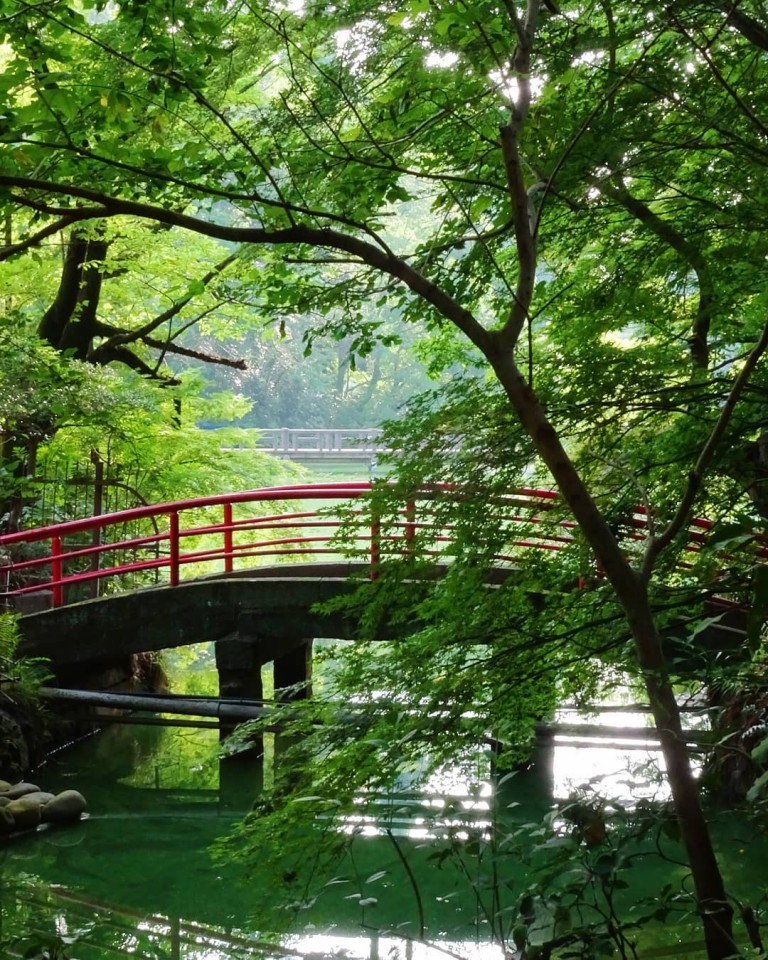
A park in Kichijoji, a neighborhood packed with izakaya pubs. If you stayed out too late, a morning walk here will refresh you. Rowboats are available on the pond. There is a well-known superstition that couples who ride a boat together will break up, but visitors need not worry about it. The park is open 24 hours and about 4 minutes on foot from Kichijoji Station.
Tips for an early start
Shrines, temples, parks and markets are the best bets for the first hours of the day, and some bathhouses run through the night. Museums, observation towers and shopping complexes open later, so save Tokyo Tower, Tokyo Skytree and Roppongi Hills for late morning.
The places on a map
Hours, prices and events change. Check each place's official website before you go.
More travel guides
 Tokyo Sightseeing by Area: 40 Classic Sights and Lesser-Known Spots from Asakusa to Odaiba40 placesTokyo has much more to see than Skytree, Tokyo Tower and Asakusa. This guide works through six of the city's main…
 Nagoya: 40 Best Places to Visit, from Nagoya Castle and Atsuta Jingu to Osu40 placesNagoya is one of Japan's biggest cities, yet many visitors don't know how much it has to see. Alongside its famous…
 Chichibu: 40 Best Places to Visit, from Nagatoro River Boats and Mitsumine Shrine to Moss Phlox and Icicles40 placesChichibu, the largest city in Saitama Prefecture, is about 90 minutes from central Tokyo. Most of the area is national…
 Niigata Prefecture: 40 Best Places to Visit, from Classic Sights to Hidden Gems40 placesNiigata Prefecture stretches a long way from north to south, and each area has its own scenery, climate and food. The…
 Nagasaki Prefecture: 40 Best Places to Visit, from Unzen Hot Springs to Hirado and Nagasaki City40 placesNagasaki grew up as a port open to the outside world, and the culture of those days still shapes its streets, churches…
 Fukuoka Prefecture: 40 Places to Visit in Kitakyushu, Chikuho and Around Fukuoka City40 placesFukuoka Prefecture is roughly divided into four areas, Kitakyushu, Chikuho, Fukuoka and Chikugo, and each has its own…