
Hakone: 39 Best Places to Visit, from Lake Ashi and Owakudani to Art Museums and Waterfalls
39 places · Japanese version
Hakone offers a lot in a small area. You can ride the ropeway over steaming volcanic valleys, cruise Lake Ashi on a pirate-style ship, spend a day among art museums, or follow the old Tokaido road past shrines, cedars and the restored checkpoint. With time to stay the night, a soak in a hot spring is the perfect way to rest. This guide covers 39 places, from the classics to quieter spots, grouped by area from Hakone-Yumoto up to Gora, Sengokuhara and the lake.
Hakone-Yumoto and Tonosawa
Hakone-Yumoto is the gateway to Hakone and the first stop for most visitors. Waterfalls, old temples and stretches of the old Tokaido road are all within reach of the station.
Tamadare Falls and Hien Falls Hakone-Yumoto
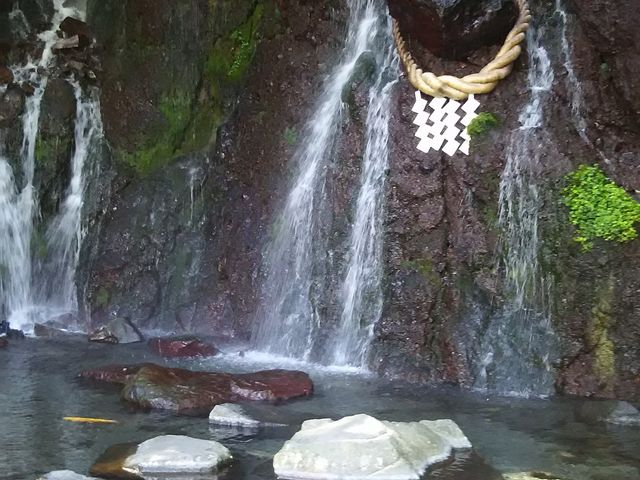
These two falls stand in the grounds of Tenseien, a hot spring hotel in Hakone-Yumoto, and look grand and powerful. You do not need to be a guest to visit, and they are about a ten-minute walk from Hakone-Yumoto Station. Nearby Tamadare-an serves meals and sweets to the sound of falling water.
Soun-ji Temple Hakone-Yumoto
Soun-ji is a Rinzai Zen temple built by Hojo Ujitsuna on the dying wishes of Hojo Soun, the warlord behind the rise of the Odawara Hojo family. It is still the family temple of this famous Sengoku-period general and draws many visitors. Temple treasures are shown to the public in early November.
Yumoto Kumano Shrine Hakone-Yumoto
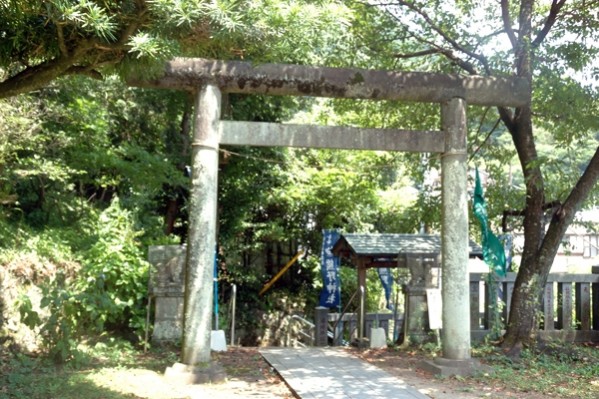
This shrine honors the deity of Kumano Hayatama Taisha, one of the three great Kumano shrines in Kii, and was founded as a guardian when the Yumoto hot springs were developed. Under its main building lies the Soyu spring, said to be the source of the seven historic hot springs of Hakone. A good stop if you want to feel the history behind the baths.
Old Tokaido Stone Paving Yumoto-chaya
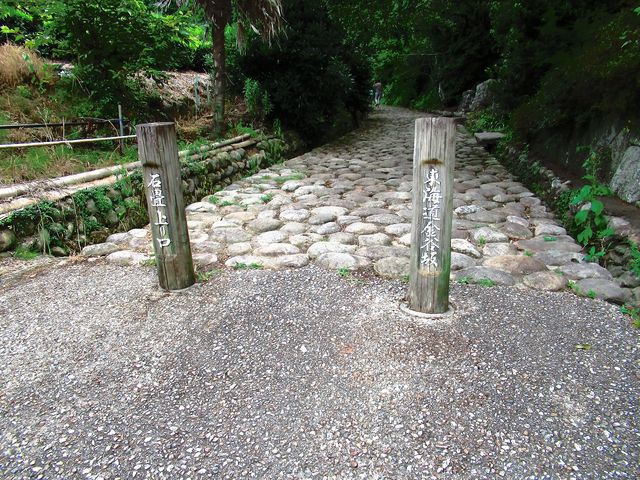
Stones were laid along the old Tokaido highway to make the walk easier for travelers. The paving you see today is a restoration, not the original. Some stretches are mossy and slippery, so wear comfortable shoes. You can walk to it from Hakone-Yumoto Station by following the old Tokaido toward Lake Ashi.
Hiryu Falls Hatajuku
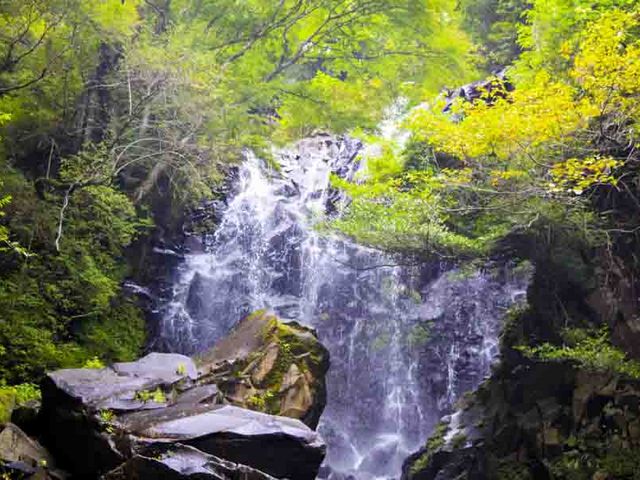
Hiryu Falls, the Flying Dragon Falls, was a place of purification in the old Hakone Gongen faith, where ascetics cleansed themselves on their way along the mountain route. It is one of the largest waterfalls in Kanagawa, and the water crashing over the rocks is impressive. The name comes from its shape, like a dragon flying upward.
Forest Adventure Hakone Tonosawa
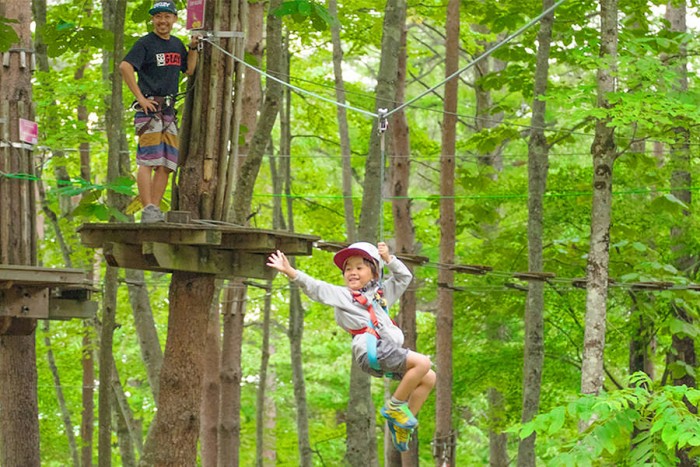
Forest Adventure Hakone is an outdoor course of thrilling attractions in the trees, with a gentler canopy course and a tougher adventure course. Children and adults can enjoy it, so it suits families. It is right by Tonosawa Station and about ten minutes on foot from Hakone-Yumoto Station. It may close in bad weather, so check the official website first.
Amida-ji Temple Tonosawa
Amida-ji is known for keeping the memorial tablet of Princess Kazunomiya, and its old stone towers speak of a long history. In the rainy season hydrangeas bloom all around the temple, and many people come just to see them. From Tonosawa Station, walk past Forest Adventure and up the mountain road.
Fukasawa Zeniarai Benzaiten Tonosawa
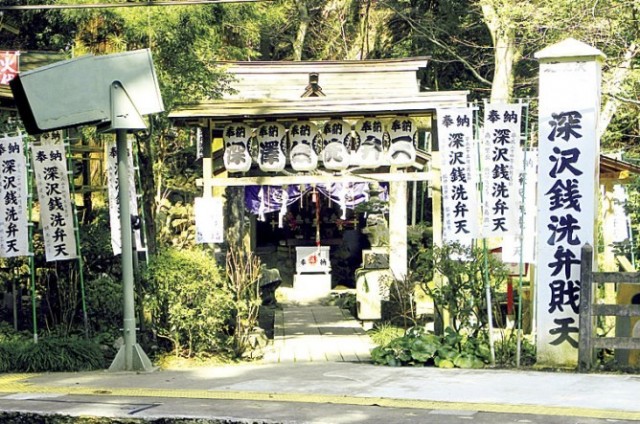
This small shrine sits right beside the up-line platform of Tonosawa Station on the Hakone Tozan Railway. As at the better-known Zeniarai Benzaiten in Kamakura, legend says money washed in its water will multiply.
Miyanoshita, Kowakudani and Gora
The Hakone Tozan Railway climbs from Yumoto to Gora, where a cable car continues up to Sounzan. This stretch is packed with museums, gardens and hot spring fun.
Hakone Tozan Railway Hakone-Yumoto to Gora
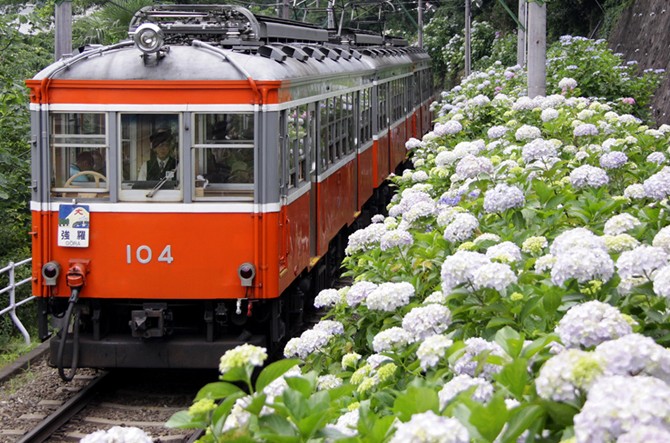
In June and July the Hakone Tozan Railway becomes the hydrangea train, one of the seasonal sights of Hakone. As it slowly climbs the mountain, colorful hydrangeas pass right by the windows. In the evening extra trains run and the flowers are lit up, making the ride feel like a dream.
Hakone Open-Air Museum Ninotaira
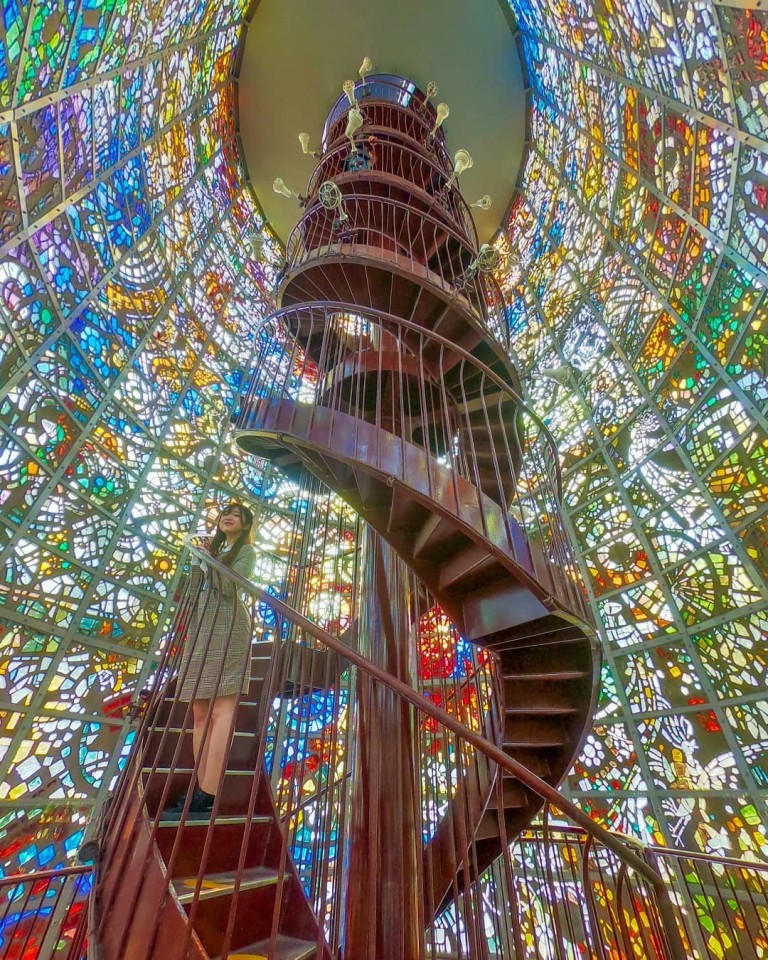
About 100 sculptures stand outdoors here, with more works inside, including pieces by Rodin, Picasso and other famous artists. Many sculptures are made for children to play in. In a castle of clear bubble-like capsules kids can climb around, and there is a fried-egg sculpture to jump on and a star-shaped maze. It is a short walk from Chokoku-no-Mori Station.
Hakone Kowakien Yunessun Ninotaira
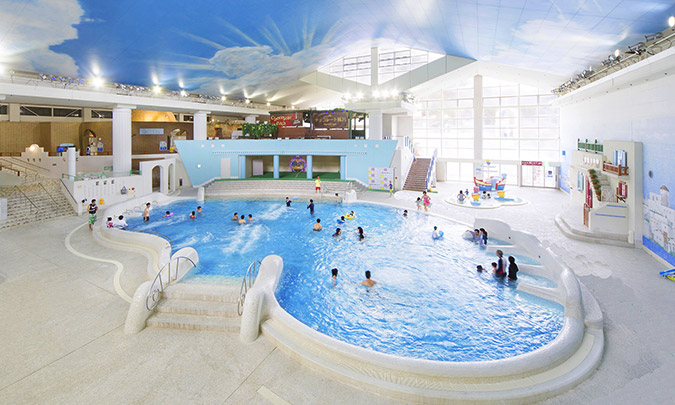
Yunessun is a hot spring leisure park with enough to fill a whole day. Around its central Aegean Sea area are unusual baths such as a coffee bath and a wine bath. The famous water slide, Rodeo Mountain, runs with warm water, so it works even in winter, and above it are terraced baths with views over Hakone. Fun for all ages.
Okada Museum of Art Kowakudani
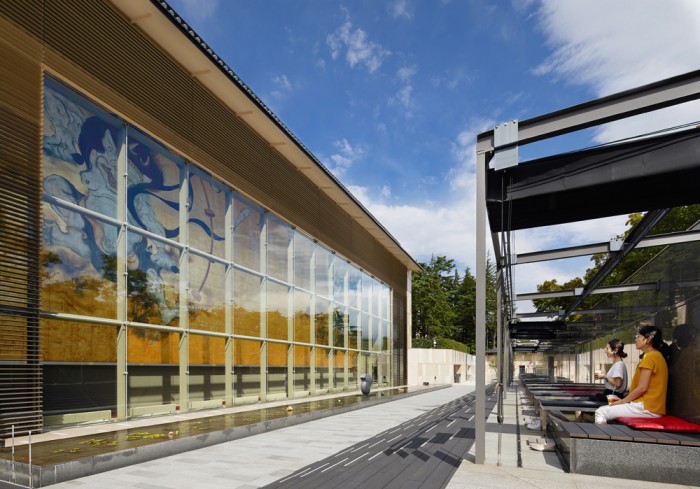
This museum of Asian art opened in 2013 in Kowakudani, on the site of Kaikatei, a former hotel for Western guests. A huge image of the Wind God and Thunder God greets you at the front, where a hot spring foot bath lets you soak your feet while you look at it. Inside are works from Japan, China and Korea, and outside is a large garden with springs and lush trees.
Chisuji Falls Kowakudani
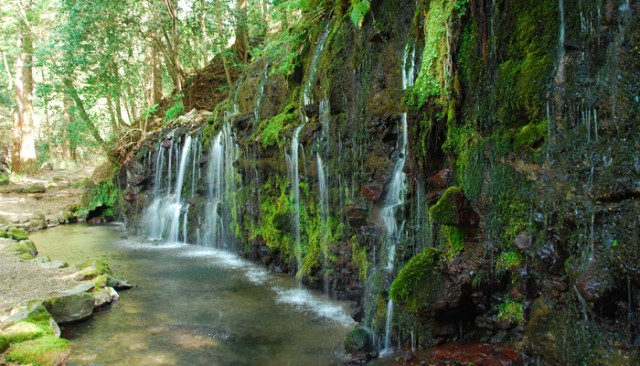
Chisuji Falls is not about power but beauty. Many thin threads of water spill over a rock face about 3 meters high and 25 meters wide, like a bamboo blind, which is where the name comes from. Fireflies fly here in summer, and colored leaves frame the falls in autumn. It is a short walk from Kowakudani Station.
Hakone Museum of Art Gora
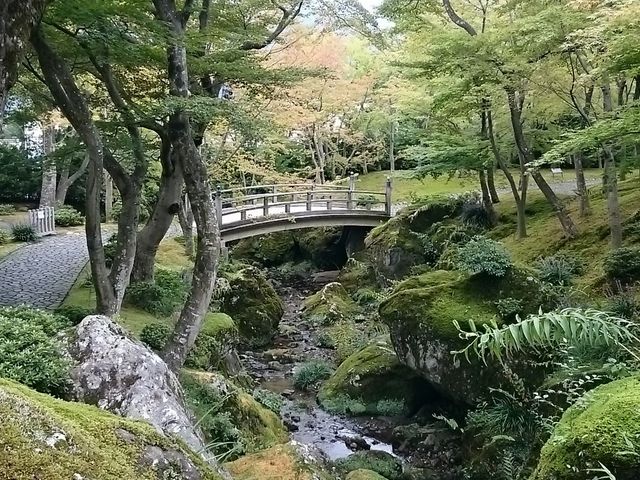
The collection traces Japanese culture through Jomon-era pots and haniwa figures, Chinese Ming and Qing ceramics, tea wares of the Momoyama period and Edo-period screens. The moss garden is just as popular, with autumn leaves to rival Kyoto, fresh green in summer and snow in winter. Stop at the tea house for matcha and a seasonal sweet. Part of the garden opens only on special occasions.
Hakone Gora Park Gora
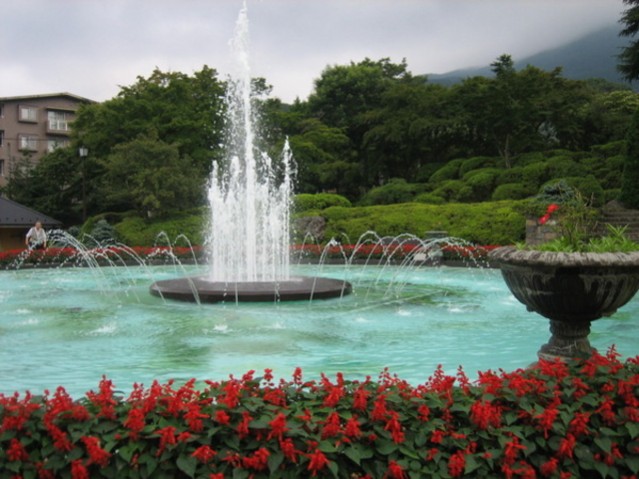
Gora Park is home to bougainvillea, tropical plants and many other species. It also runs hands-on workshops in glassblowing, pottery, sandblasting and dried-flower arranging. Get off the cable car at Koen-kami Station and the entrance is close by.
Mount Sounzan Sounzan
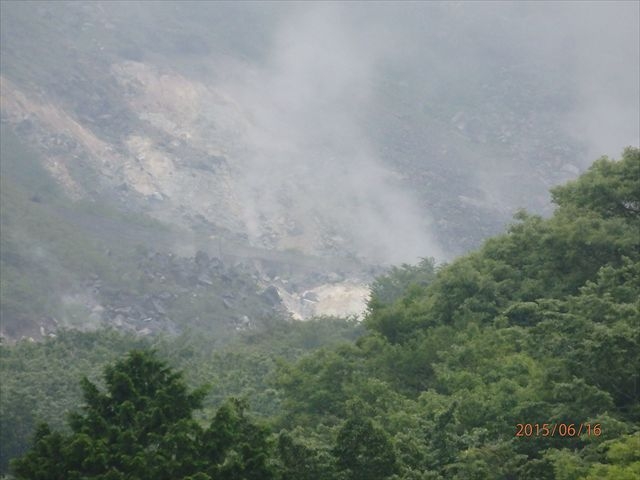
Sounzan stands about 1,100 meters high. From Sounzan Station you can look out over Gora, the outer rim mountains of Hakone and, on clear days, Sagami Bay. On August 16 each year, the Daimonji-yaki fire lights a huge character on Mount Myojogatake. The Hakone Ropeway links Sounzan, Owakudani, Ubako and Togendai, and from it you can see where volcanic steam is used to make hot spring water.
Owakudani and Sengokuhara
The ropeway carries you over the volcanic valley of Owakudani and down toward Sengokuhara, a highland of grassy fields and some of Hakone's best museums.
Owakudani Owakudani
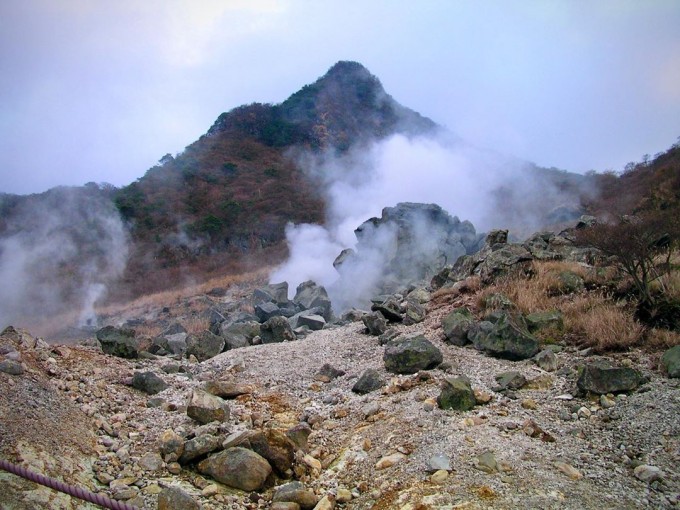
Owakudani is the signature sight of Hakone, a valley left by a volcanic steam explosion where steam still rises today. The local specialty is black eggs boiled in the acidic hot mud, eaten on the spot or taken home as souvenirs. The ropeway stops here after Sounzan, climbing a steep slope before the view suddenly opens over the smoking valley once called Jigokudani.
Hakone Glass Forest Museum Sengokuhara
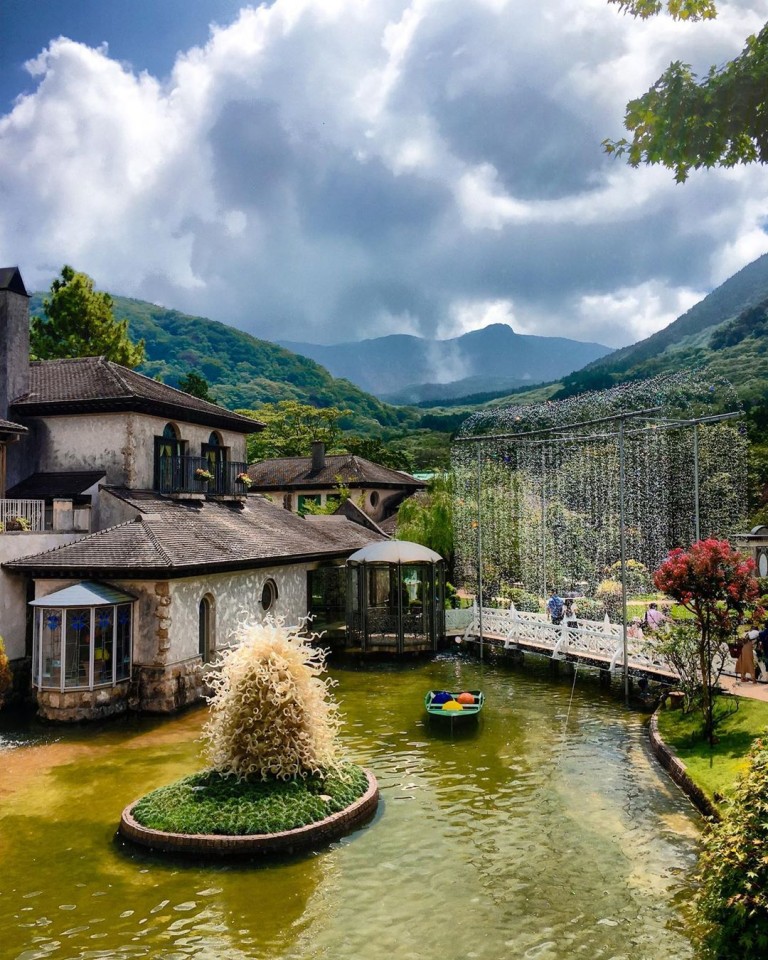
This was the first museum in Japan devoted to Venetian glass, the delicate glass prized by European nobles in the 15th and 16th centuries. Besides Venetian and modern glass inside, the garden and glass sculptures together make a beautiful scene. Events such as a masquerade carnival and classical concerts are held, and there is a cafe and a museum shop.
Lalique Museum Hakone Sengokuhara
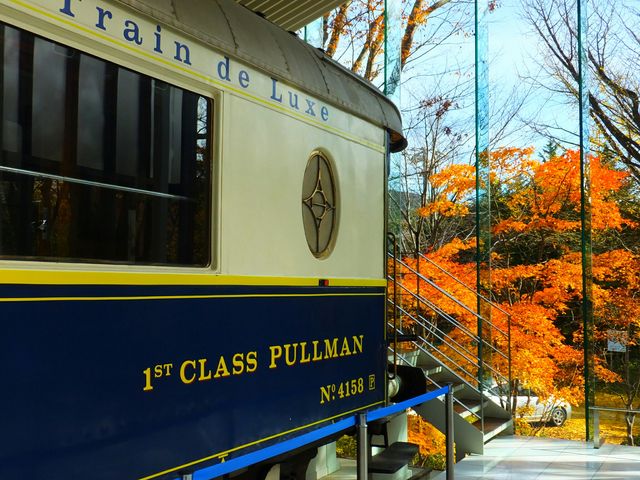
This museum holds the largest collection in Japan of works by Rene Lalique, who began as a jeweler and turned to glass after designing perfume bottles. Follow his career through jewelry, an indoor fountain and vases. You can also have tea inside an Orient Express salon car decorated by Lalique.
Hakone Bushi no Sato Museum Sengokuhara
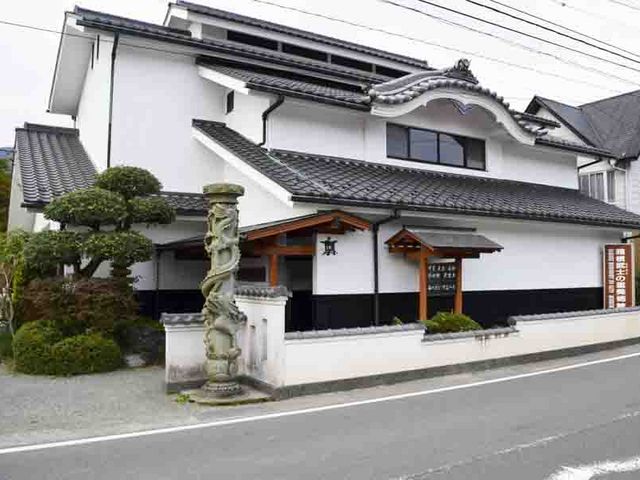
This museum keeps armor, daimyo belongings, ukiyo-e prints and other items from the Muromachi to the Edo period. Here you can try on samurai armor, the real thing rather than a replica, as well as Shinsengumi costumes. Photography is allowed throughout, so it makes a memorable stop for samurai fans.
Pola Museum of Art Sengokuhara
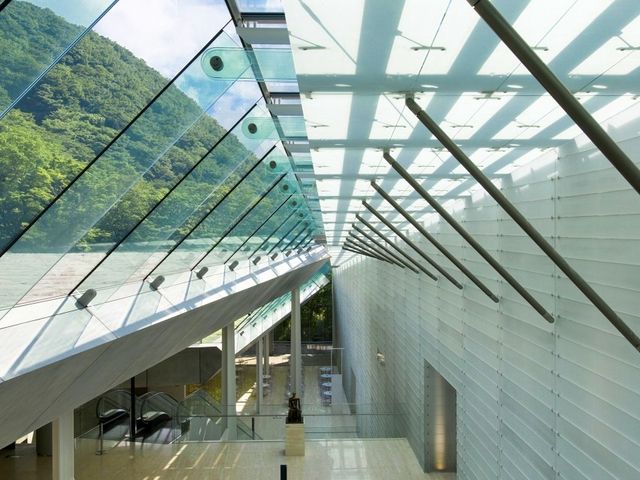
The Pola Museum shows works by world-famous painters such as Monet and Renoir, Japanese paintings by artists including Kishida Ryusei and Yokoyama Taikan, and many crafts. A forest walking trail lets you stroll slowly among the plants and wildlife around the museum.
Sengokuhara Pampas Grass Fields Sengokuhara
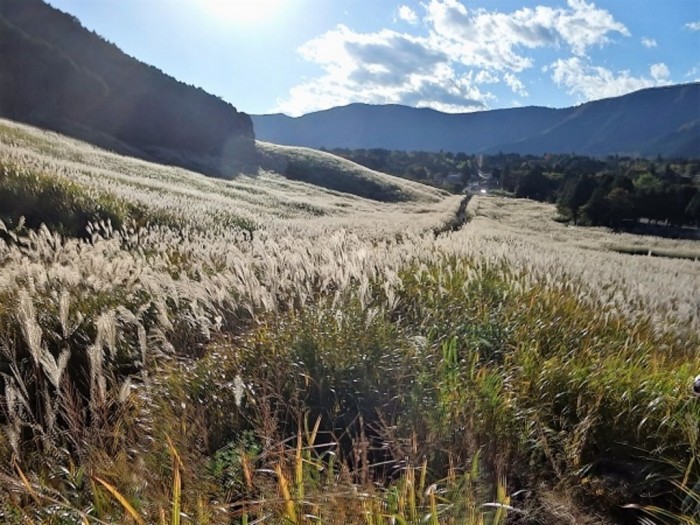
Chosen as one of the 50 most scenic spots in Kanagawa, this highland is covered with pampas grass for hundreds of meters. The grass is at its best from late September to late October, when a path lets you walk through a golden carpet. The fields are burned in March and turn green by August, so there is something to see all year.
Hakone Wetlands Botanical Garden Sengokuhara
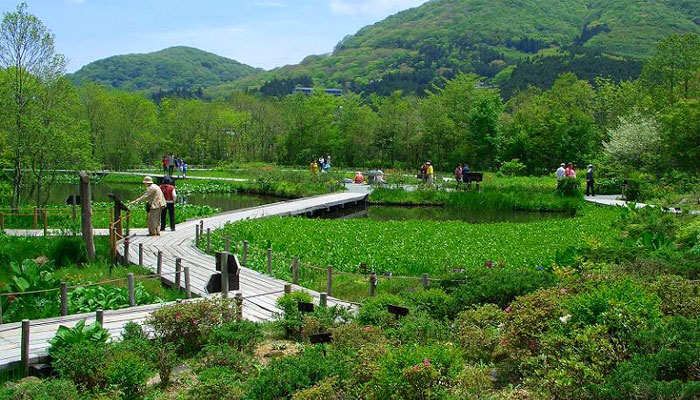
About 1,700 kinds of plants grow here, from wetland and alpine species to plants from overseas. The path climbs from lowland to highland, so you can see how a wetland develops. Look for skunk cabbage and pheasant's eye in spring, day lilies and beach roses in summer, and toad lilies in autumn. The garden is open from early spring to the end of November.
Choan-ji Temple Sengokuhara
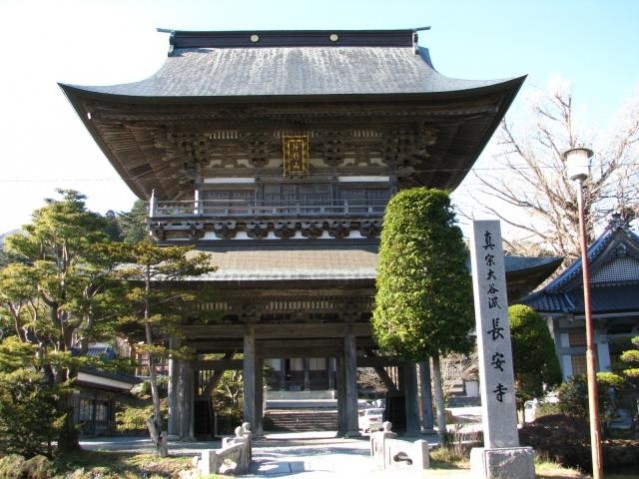
Founded in 1356, Choan-ji is known for its statues of the 500 disciples of Buddha, each with its own expression of joy, anger, sorrow or delight. It is also a popular place for autumn leaves, so the color season is the best time to come.
Mount Kintoki Sengokuhara
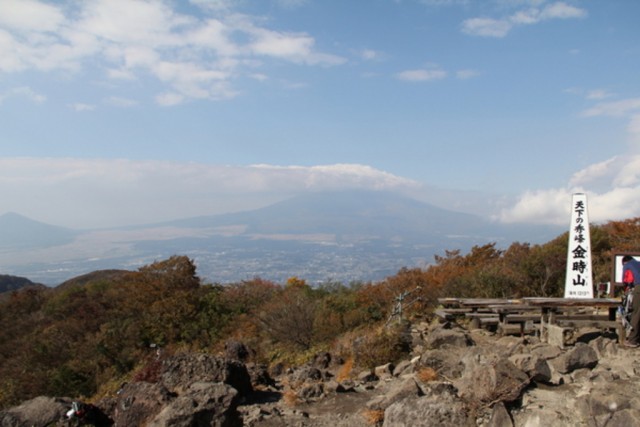
At 1,213 meters, Mount Kintoki is the highest peak of the Hakone outer rim, on the border of Kanagawa and Shizuoka. It is a favorite for views of Mount Fuji, and a tea house at the summit lets you rest with the view. Of several hiking trails, the Kintaro course is popular for its woods, streams and mossy scenery. From the Otome-toge bus stop it is about 1 hour 45 minutes on foot to the top.
Otome Pass Gotemba
Otome Pass, at 1,105 meters, is one of three passes famous for views of Mount Fuji and a popular drive near the Gotemba interchange. A hiking trail starts beside the Otome Tunnel and takes about 1 hour 20 minutes. By the tunnel hangs the Otome Bell, said to bring happiness, and the Japanese restaurant Fujimi Chaya next to it has a fine view of Fuji.
Lake Ashi, Moto-Hakone and Komagatake
Lake Ashi is the heart of Hakone sightseeing. Its shores hold Hakone Shrine, the old checkpoint and a cedar-lined stretch of the Tokaido, and a ropeway climbs Mount Komagatake from the lakeside.
Lake Ashi Lake Ashi
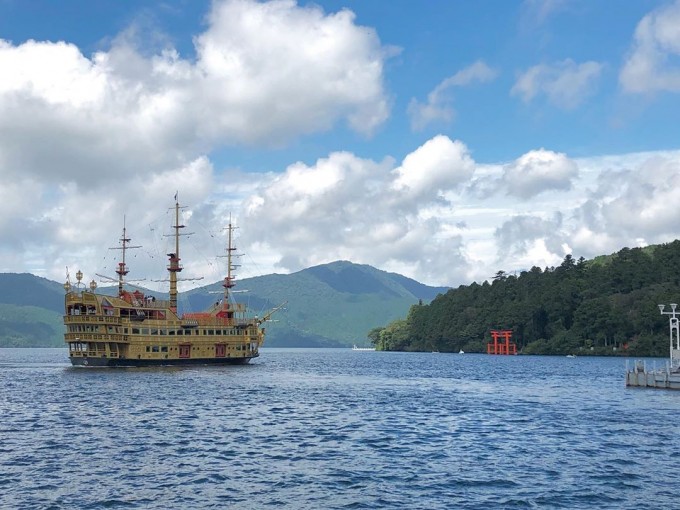
Lake Ashi is a caldera lake and the center of Hakone sightseeing. Sightseeing boats shaped like pirate ships cross it, and on clear days Mount Fuji is in full view. Cruises last from 30 to 70 minutes and leave from four ports: Hakone Sekisho-ato (by the checkpoint), Moto-Hakone, Hakone-en and Kojiri. Big windows and open decks give fine views, and pets are allowed on board.
Hakone Shrine Moto-Hakone
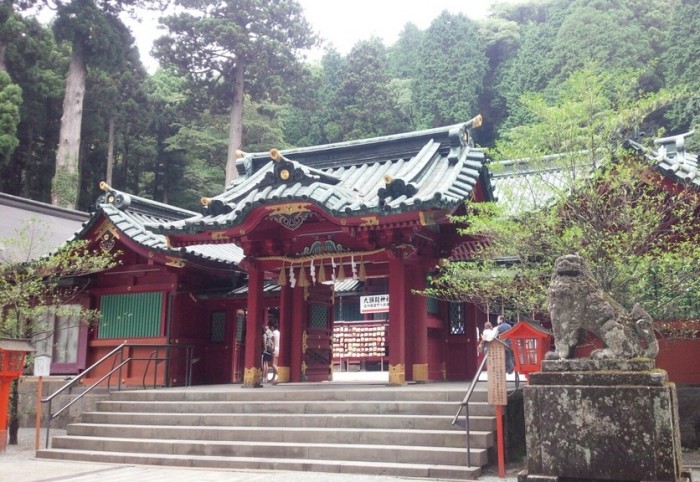
Many visitors come to Hakone Shrine to pray for safe travel, wishes coming true and good luck. Its most loved feature is the avenue of cedars, some more than 800 years old. The sacred atmosphere has made it a popular power spot, and many people come here looking for good fortune.
Torii of Peace Moto-Hakone
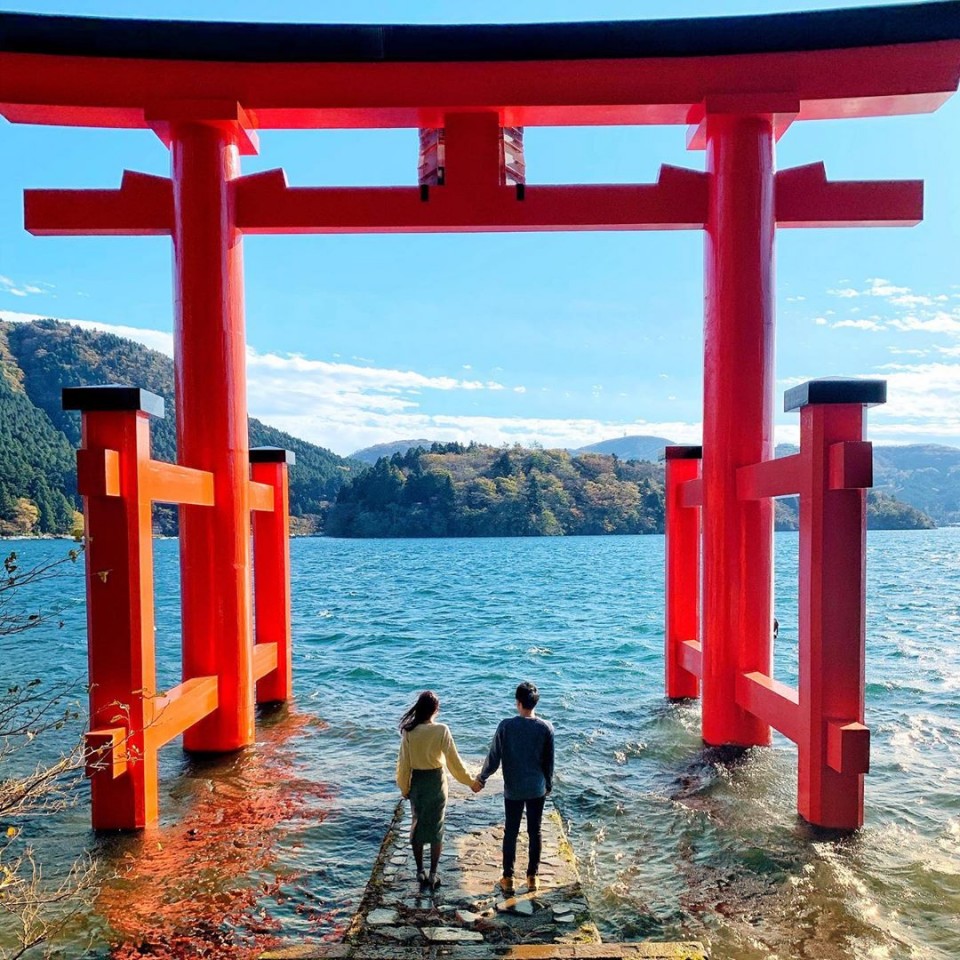
This torii gate stands in the waters of Lake Ashi. It was built to mark the investiture of the Crown Prince and Japan regaining its independence with the peace treaty. Yoshida Shigeru, who signed the treaty for Japan, wrote the calligraphy on it, so it became known as the Torii of Peace. Walk straight down from Hakone Shrine to the lake to find it.
Narukawa Art Museum Moto-Hakone
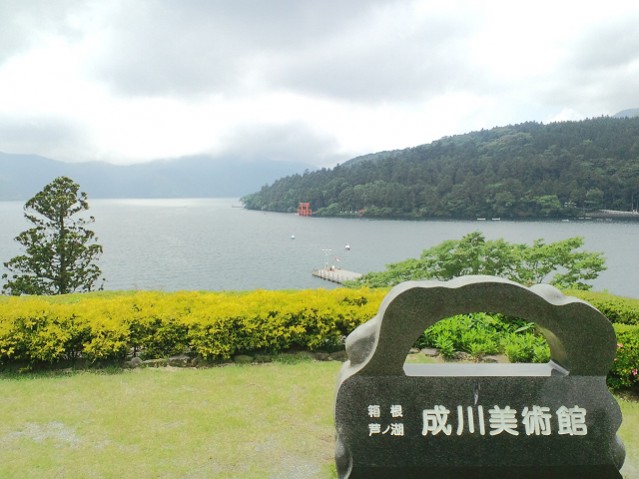
Narukawa Art Museum collects modern Japanese-style painting, especially work from after the war, and its collection keeps growing. It shows not only famous names but also promising, little-known artists, so you see nihonga as a living tradition. The entrance is opposite the sightseeing boat office in Moto-Hakone.
Hakone Old Road Cedar Avenue Moto-Hakone
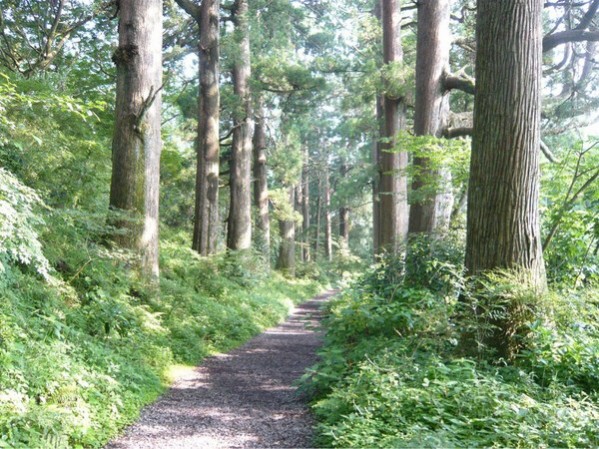
Huge old cedars line the old Hakone road for about 500 meters between Moto-Hakone and Onshi-Hakone Park. They are said to have been planted in 1618 by Matsudaira Masatsuna on official orders. It is a lovely place for a slow walk; enter the old road near the big torii in Moto-Hakone.
Otama-ga-ike Pond Moto-Hakone
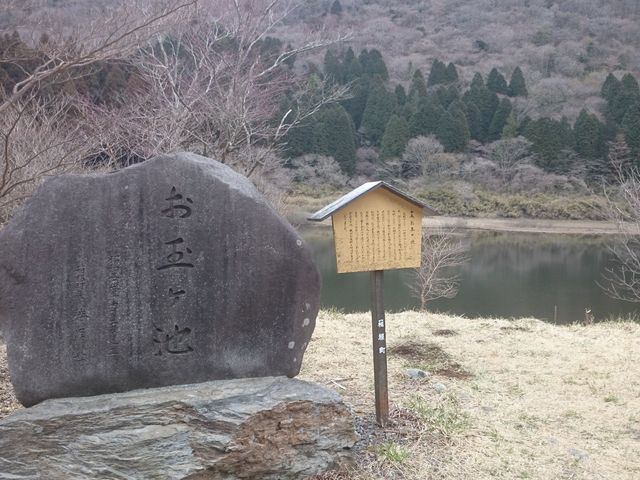
Hakone was the hardest stretch of the Tokaido and was guarded by a checkpoint. The story goes that Otama, a young servant homesick for her village, tried to slip through without a travel pass, was caught and executed, and her head was washed in this pond, which took her name.
Hakone Checkpoint Hakone
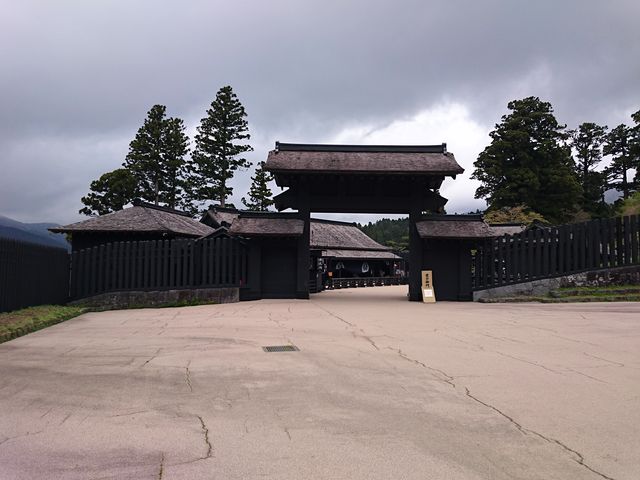
Hakone Checkpoint guarded an important route to Edo. The restored buildings show clearly how it looked and worked in its day. It stands on the shore of Lake Ashi, a little past the entrance to Onshi-Hakone Park along the old Tokaido road.
Hakone Ekiden Museum Hakone
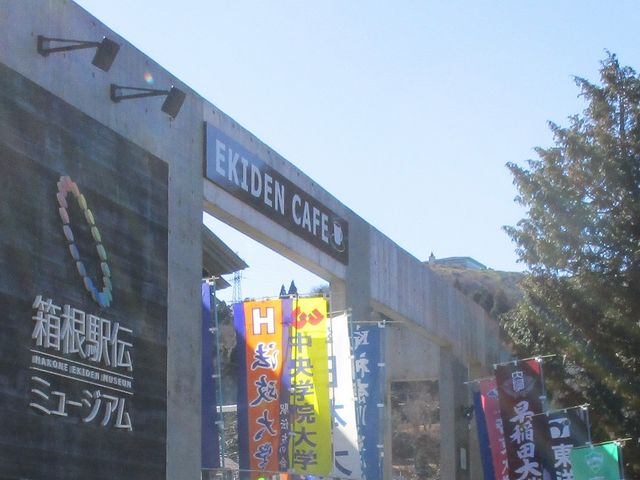
The Hakone Ekiden is a university relay race run every January, and this museum tells its history. It stands at the finish of the outbound leg and the start of the return leg, and the drive in follows the race course. Photos tell the stories of past races, along with comments from runners and famous fans. The shop sells official goods and university merchandise.
Onshi-Hakone Park Moto-Hakone
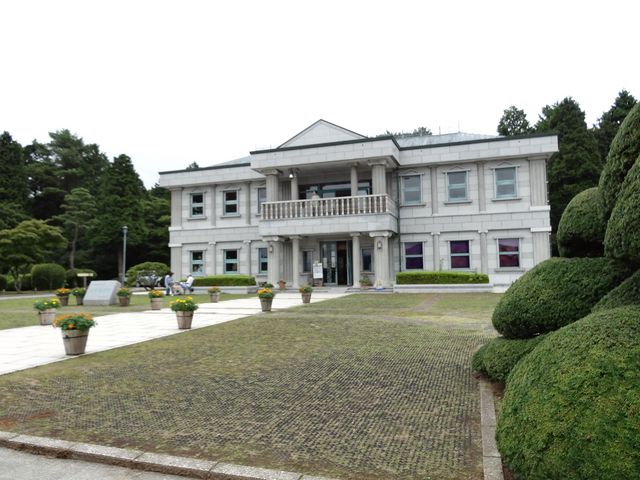
This large park lies on the site of the former Hakone Imperial Villa, right beside Lake Ashi. The view of the lake from its lookout is very popular, and the scenery of the outer rim and Mount Fuji is one of the 50 most scenic spots in Kanagawa. The Lakeside Observation Hall displays materials on the villa. Cherry blossoms, azaleas, autumn leaves and snow give it a new look each season.
Hakone-en Aquarium Hakone-en
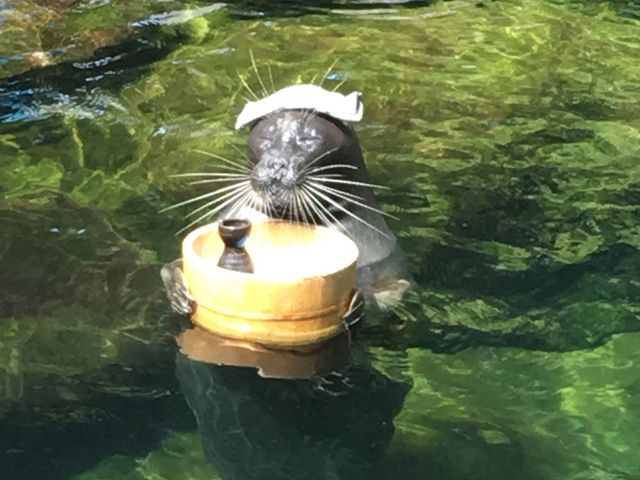
At this aquarium you can see Baikal seals, rare seals that live in fresh water, along with many freshwater and saltwater fish. There are Baikal seal shows and feeding times in the seawater building, so children love it. It is about three minutes on foot from Hakone-en Station of the Komagatake Ropeway.
Mount Komagatake Moto-Hakone
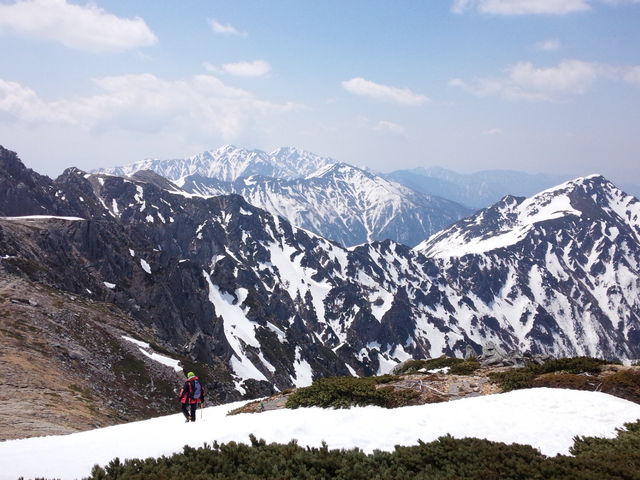
Mount Komagatake looks out over Lake Ashi, Mount Kami, the towns of Hakone and Suruga Bay. The Komagatake Ropeway runs from Hakone-en to the summit, so you can reach the top without climbing. Once there, visit Hakone Motomiya; together with Hakone Shrine and the main Kuzuryu Shrine it makes up a three-shrine pilgrimage.
Hakone Motomiya Komagatake summit
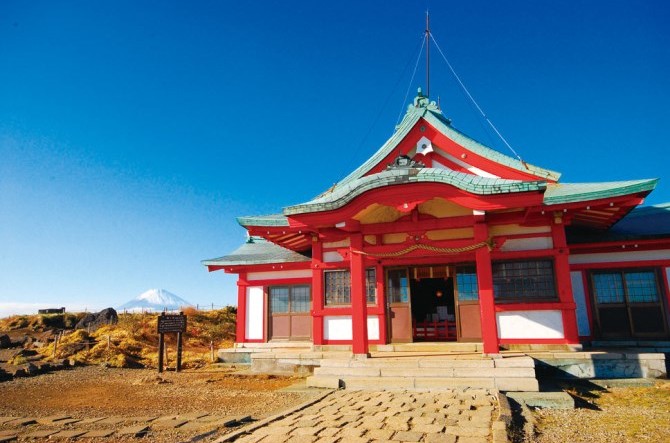
Hakone Motomiya is the inner shrine of Hakone Shrine, on the summit of Mount Komagatake. On a clear day you can see Mount Fuji as you pray. It is about three minutes on foot from the ropeway's summit station.
Odawara
Odawara Kodomo no Mori Park Wanpaku Land Odawara
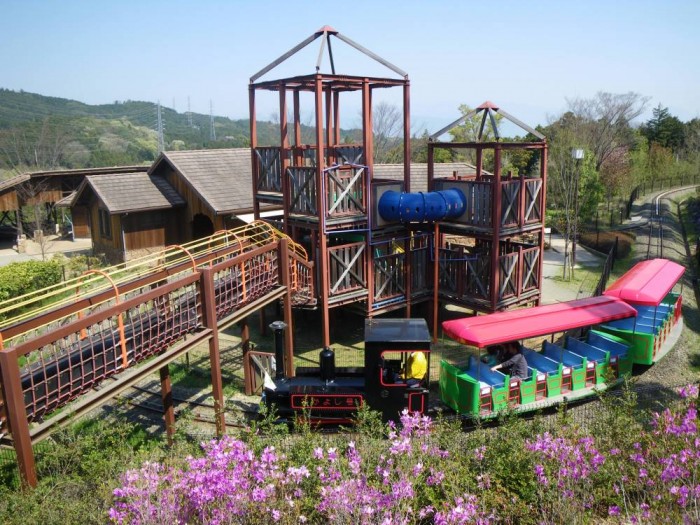
This park for families with children offers pony rides and the chance to meet goats and sheep. There are big slides, a suspension bridge and a road train called Wakuwaku-go. Kids can run around to their heart's content while adults relax in nature.
The places on a map
Hours, prices and events change. Check each place's official website before you go.
More travel guides
 Tokyo Sightseeing by Area: 40 Classic Sights and Lesser-Known Spots from Asakusa to Odaiba40 placesTokyo has much more to see than Skytree, Tokyo Tower and Asakusa. This guide works through six of the city's main…
 Nagoya: 40 Best Places to Visit, from Nagoya Castle and Atsuta Jingu to Osu40 placesNagoya is one of Japan's biggest cities, yet many visitors don't know how much it has to see. Alongside its famous…
 Chichibu: 40 Best Places to Visit, from Nagatoro River Boats and Mitsumine Shrine to Moss Phlox and Icicles40 placesChichibu, the largest city in Saitama Prefecture, is about 90 minutes from central Tokyo. Most of the area is national…
 Niigata Prefecture: 40 Best Places to Visit, from Classic Sights to Hidden Gems40 placesNiigata Prefecture stretches a long way from north to south, and each area has its own scenery, climate and food. The…
 Nagasaki Prefecture: 40 Best Places to Visit, from Unzen Hot Springs to Hirado and Nagasaki City40 placesNagasaki grew up as a port open to the outside world, and the culture of those days still shapes its streets, churches…
 Fukuoka Prefecture: 40 Places to Visit in Kitakyushu, Chikuho and Around Fukuoka City40 placesFukuoka Prefecture is roughly divided into four areas, Kitakyushu, Chikuho, Fukuoka and Chikugo, and each has its own…