
Kochi: 15 Best Places to Visit, from Kochi Castle and Katsurahama to Cape Ashizuri
15 places · Japanese version
When people think of Kochi, they often think of Sakamoto Ryoma and other historical figures, and of wild, unspoiled nature. But Kochi Prefecture on Shikoku has plenty more to offer. Here are 15 classic places to visit, grouped into nature and scenery, history, hands-on experiences and art, and shopping and food: from a great limestone cave and the crystal-clear Niyodo River to windswept capes, a castle whose keep and palace survive from the Edo period, a garden inspired by Monet and a street market with centuries of history.
Nature and scenery
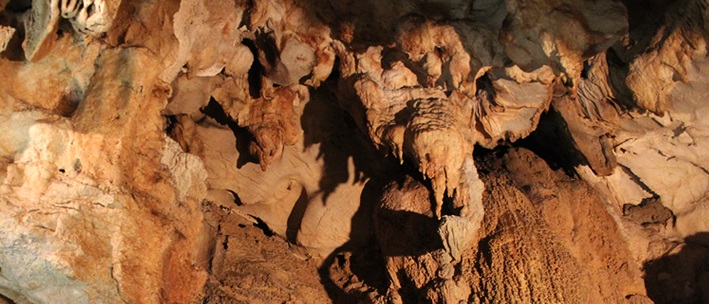
Ryugado Cave Kami
Counted among Japan's three great limestone caves, Ryugado is a national natural monument and one of Japan's 100 notable geological sites. It runs about 4 km in all; the regular route covers about 1 km, and an adventure course is open if you book by the day before. Yayoi-period pottery found inside has fused with the rock at the Kami no Tsubo, a rare sight. A museum and a center for rare birds such as long-tailed fowl are next door.
Nikobuchi (Niyodo River) Ino
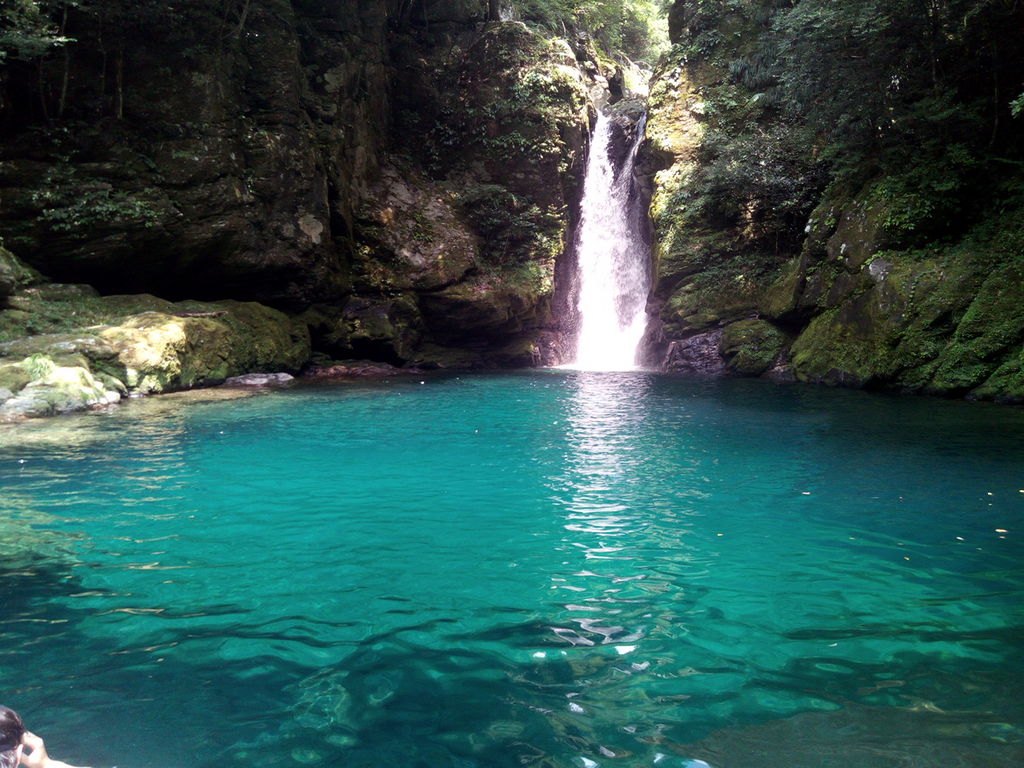
The Niyodo River is said to have the best water quality in Japan and is called a miracle clear stream. Nikobuchi, a pool on the river, is one of its best-known spots. The river draws people for fishing, camping, canoeing and rafting, and in summer children jump into it from its low chinka-bashi bridges. The oldest of these bridges, with piers of rock, is a sight of its own.
Cape Muroto Muroto
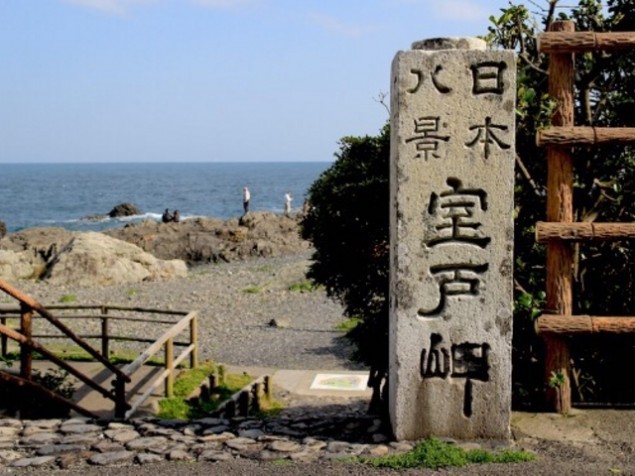
The cape at the southern tip of Muroto, part of the Muroto-Anan Kaigan Quasi-National Park. Known for strange rocks, reefs and strong winds, it is also a surfing mecca. Walk the promenade from the tip of the cape past subtropical plants growing between the rocks, with the smell of the sea on the wind. On a clear day, look out to the horizon from the observatory, which has a Lovers' Sanctuary.
Cape Ashizuri Tosashimizu
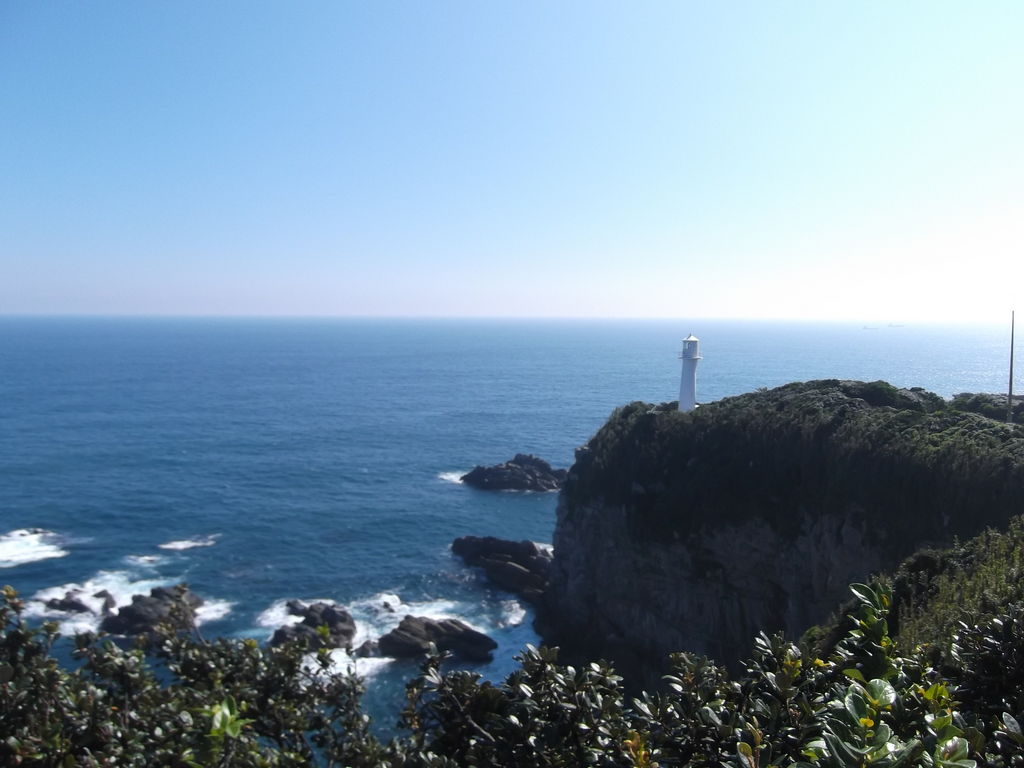
The southernmost cape of Shikoku, with views praised by Michelin. Its two observatories each open up a 270-degree view, where you can feel that the earth is round. A white lighthouse on the cliff, one of the largest in Japan, was first lit in 1914. Nearby, a trail of about 2 km called the Camellia Tunnel turns red with flowers from late January to the end of February.
Shikoku Karst Kochi-Ehime border
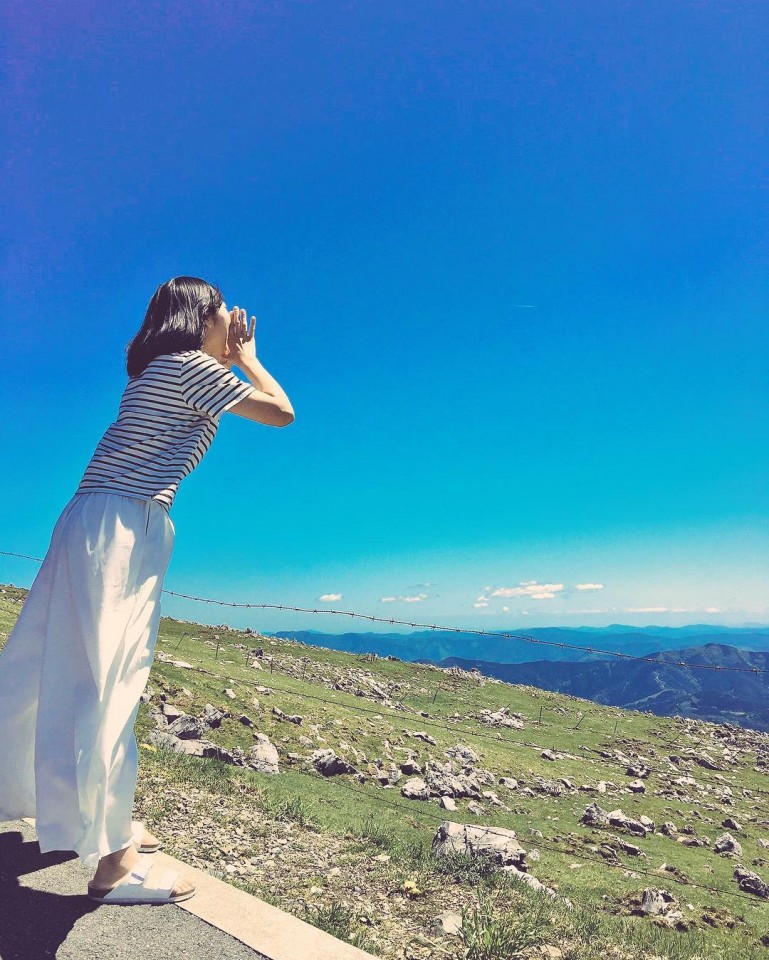
One of Japan's three great karst plateaus, on the border with Ehime. From the plateau, about 1,400 meters high and about 25 km from east to west, you can see the mountains all around. It is the highest of the three, yet its slopes are smooth, and limestone rocks dotted across green grass make a peaceful, pastoral scene. Dairy cows graze across the plateau, and a nearby karst learning center explains the plants and animals that live here.
Tatsukushi Coast Tosashimizu
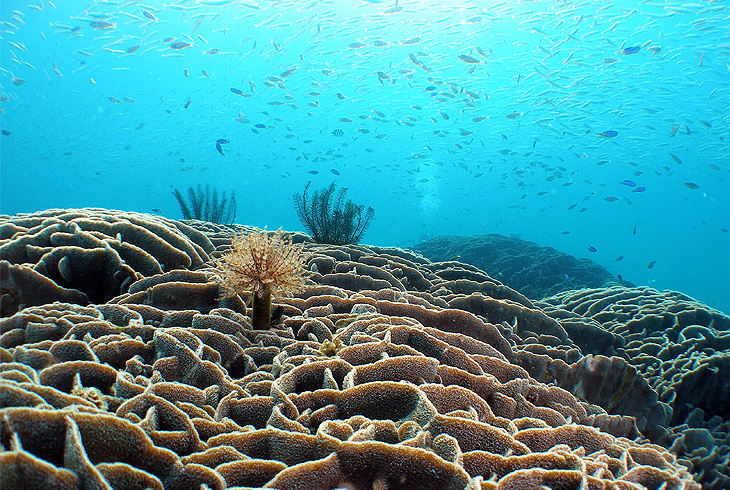
A scenic coast near Cape Ashizuri where layers of sandstone and mudstone alternate, still shaped by wind and waves. Tatsukushi Bay is a marine park with many kinds of coral, popular with divers, and one of Japan's largest colonies of shikoro coral can be seen from a glass-bottom boat. The boat also takes you to Minokoshi Coast, so hard to reach on foot that, legend says, even Kobo Daishi left it unseen.
Harimaya Bridge Kochi City
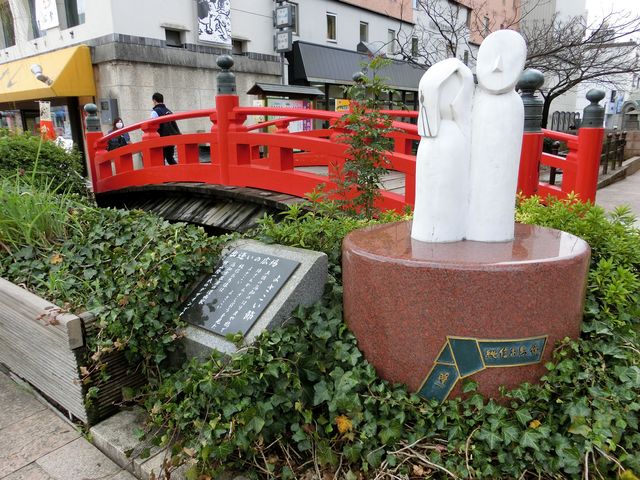
A bright red bridge named in the Kochi folk song Yosakoi-bushi and known for a sad love story: a priest of Chikurin-ji Temple fell in forbidden love with a tinker's daughter and ran away with her. A monument to the priest Junshin and Ouma, 20 years younger, stands at the foot of the bridge, and the area around it is a park.
Katsurahama Beach Kochi City
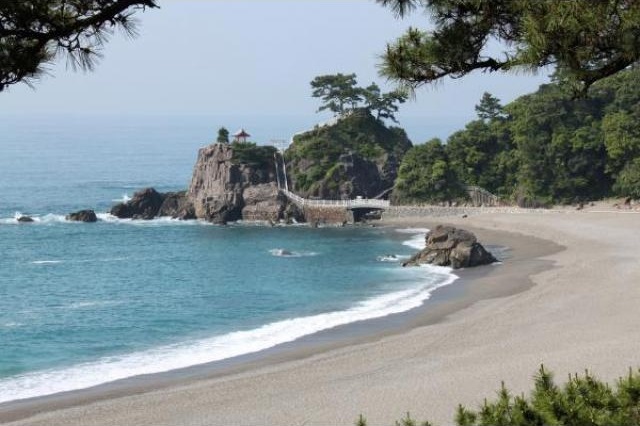
Another famous sight sung in Yosakoi-bushi, which praises it for moon viewing, though the view is just as fine by day. The bow-shaped beach curves between two capes. On a lookout above the shore stands a 5.3-meter statue of Sakamoto Ryoma gazing at the Pacific, a popular photo spot. In the park, the Sakamoto Ryoma Memorial Museum tells his life story and has a rooftop with its own ocean view.
History and famous figures
Kochi Tabi Hiroba Kochi Station
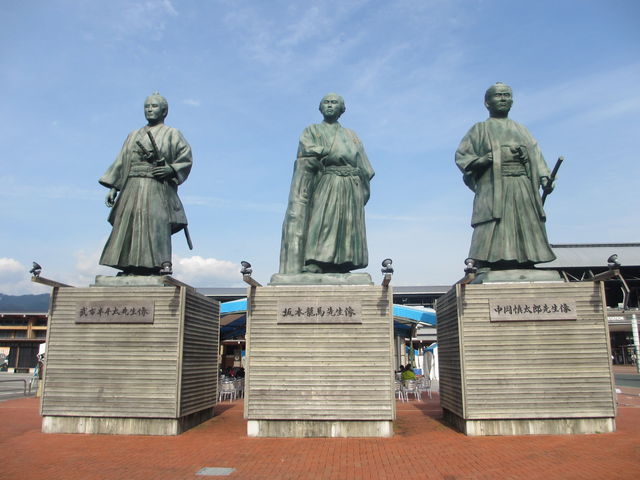
A travel plaza in front of Kochi Station where many people start their Kochi trip. It is packed with sightseeing information and also offers recommended tours and souvenirs, so it is useful at both the start and the end of your visit.
Kochi Castle Kochi City
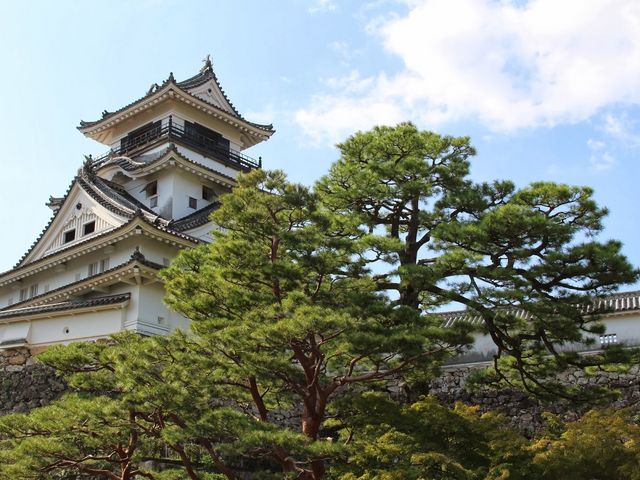
Built in 1601 and rebuilt after a great fire, with work finished in 1753. It is the only castle in Japan where both the keep and the main palace survive from the Edo period, and a favorite among Japan's 100 Fine Castles. You can climb inside the 18.5-meter keep: 158 steps from the Ote-mon Gate to the main enclosure and 40 more inside lead to a fine view over the city.
Oka Goten Tano
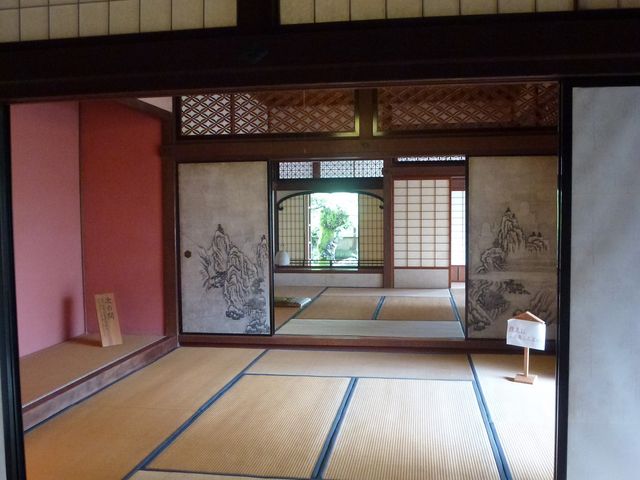
A residence built in 1844 where the lord of Tosa stayed on his journeys to Edo and his tours of eastern Tosa. The Oka family were rice merchants, and a branch family, wealthy from lumber and shipping, built the Nishi-no-Oka house next door, which lodged senior retainers. Restored in 1997, the hall, tea room, storehouses and gate remain, with even the toilet, bath and furniture preserved.
Experiences and art
Muroto Dolphin Center Muroto
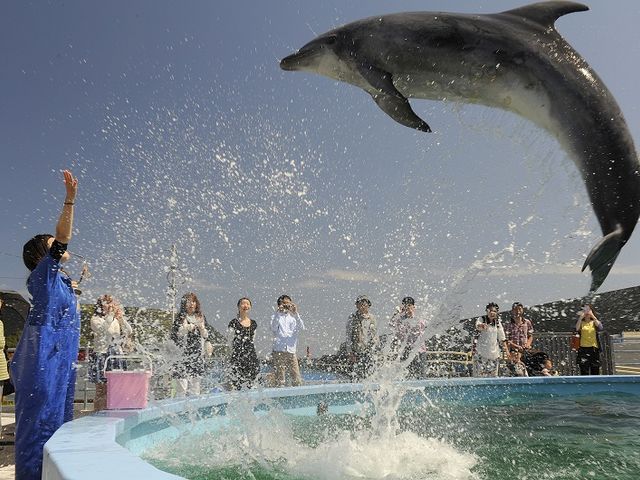
A center in the Cape Muroto area where people and dolphins meet and communicate. Run by a nonprofit, it keeps about four dolphins. Visitors can watch and touch them up close, try being a trainer and give the dolphins signals, or put on a wetsuit for a dolphin swim. There is also a foot bath, a lawn and a restaurant, so it is easy to spend a long time here.
Ekin-gura Akaoka, Konan
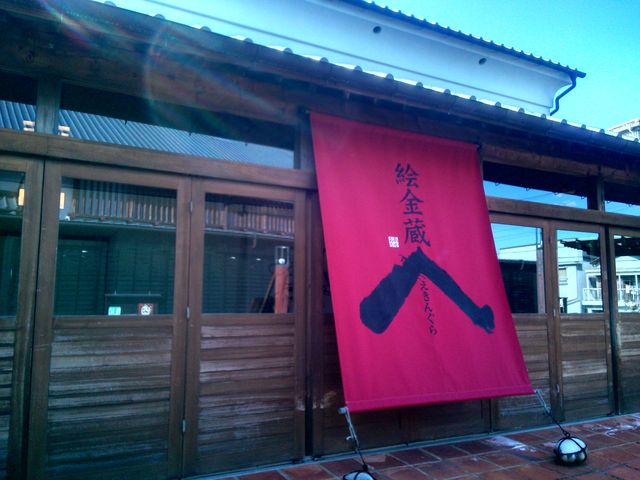
A museum for the folding screens of Ekin, an Edo-period painter of the Kano school who was banished from the castle town after a forgery case and settled in Akaoka. His 23 screens were painted for summer festivals and meant to glow eerily by candlelight, so here you see them in a candlelit room. Displays change every two months, and each summer the Ekin Festival fills the shopping street with his screens and food stalls.
Monet's Garden Marmottan Kitagawa
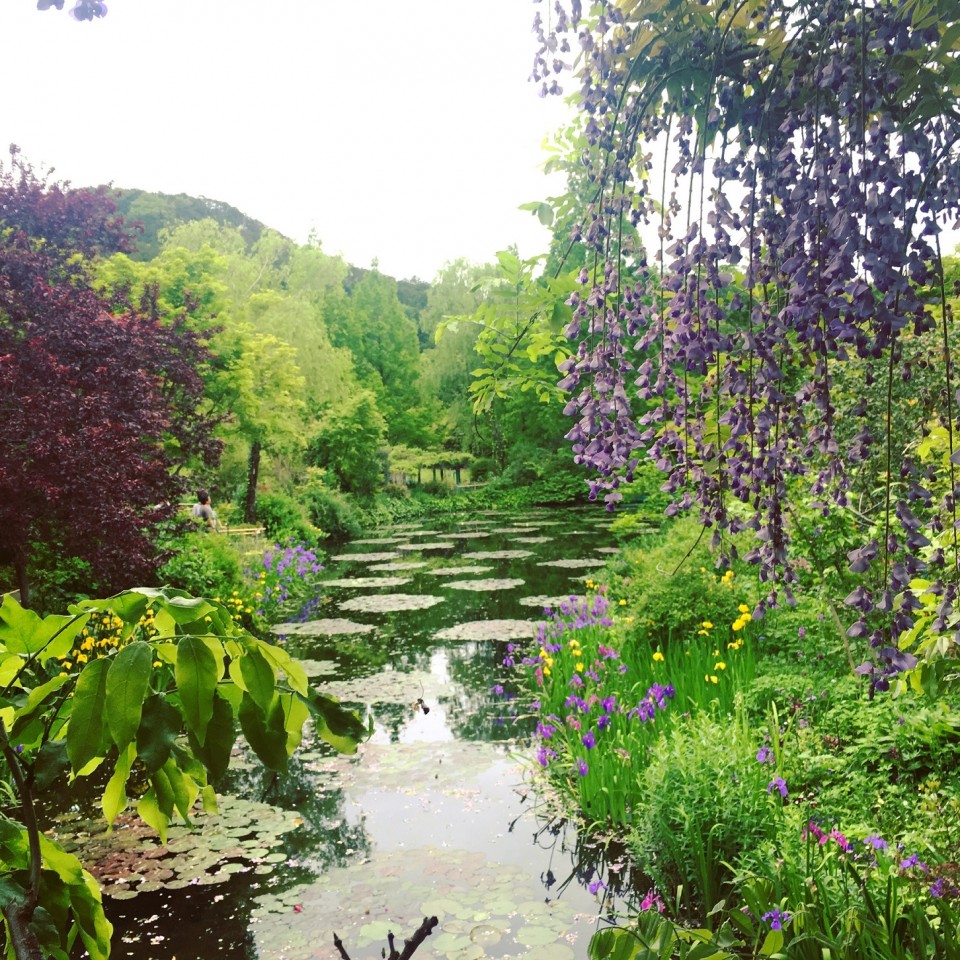
A re-creation of the garden Claude Monet made at Giverny in France and painted again and again, with its water lily pond and arched bridge. The bridge, the wisteria trellis over it and the rose arches are all faithfully reproduced, and the right to use the name was granted from France. About 100,000 plants grow across some 30,000 square meters. The best season is late June to late October.
Shopping and food
Sunday Market Kochi City
The largest street market in Kochi City, with about 300 years of history. Around 400 stalls, mostly run by nearby farmers selling what they grow, line about 1 km of Otesuji street, and some 17,000 people come. Chat with the sellers and snack on local favorites such as imo-ten and inaka-zushi. Smaller markets are held on Tuesdays, Thursdays and Fridays in other places.
The places on a map
Hours, prices and events change. Check each place's official website before you go.
More travel guides
 Tokyo Sightseeing by Area: 40 Classic Sights and Lesser-Known Spots from Asakusa to Odaiba40 placesTokyo has much more to see than Skytree, Tokyo Tower and Asakusa. This guide works through six of the city's main…
 Nagoya: 40 Best Places to Visit, from Nagoya Castle and Atsuta Jingu to Osu40 placesNagoya is one of Japan's biggest cities, yet many visitors don't know how much it has to see. Alongside its famous…
 Chichibu: 40 Best Places to Visit, from Nagatoro River Boats and Mitsumine Shrine to Moss Phlox and Icicles40 placesChichibu, the largest city in Saitama Prefecture, is about 90 minutes from central Tokyo. Most of the area is national…
 Niigata Prefecture: 40 Best Places to Visit, from Classic Sights to Hidden Gems40 placesNiigata Prefecture stretches a long way from north to south, and each area has its own scenery, climate and food. The…
 Nagasaki Prefecture: 40 Best Places to Visit, from Unzen Hot Springs to Hirado and Nagasaki City40 placesNagasaki grew up as a port open to the outside world, and the culture of those days still shapes its streets, churches…
 Fukuoka Prefecture: 40 Places to Visit in Kitakyushu, Chikuho and Around Fukuoka City40 placesFukuoka Prefecture is roughly divided into four areas, Kitakyushu, Chikuho, Fukuoka and Chikugo, and each has its own…