
Tochigi Prefecture: 12 Best Places to Visit, from the Shrines and Falls of Nikko to the Nasu Highlands
12 places · Japanese version
Tochigi Prefecture has a bit of everything: famous natural scenery, historic shrines, museums and amusement parks, so it suits friends, couples and families alike. It is about two hours from Tokyo by train or car, which makes it easy to visit even on a day trip. Here are 12 classic sights, grouped by area: Nikko and Kinugawa, the Nasu Highlands, and two more places worth the trip in Shiobara and Ashikaga.
Nikko and Kinugawa
The shrines of Nikko, Mount Nantai, Lake Chuzenji and Kegon Falls all lie within the same sacred area, so they combine well in one trip.
Nikko Toshogu Shrine Nikko
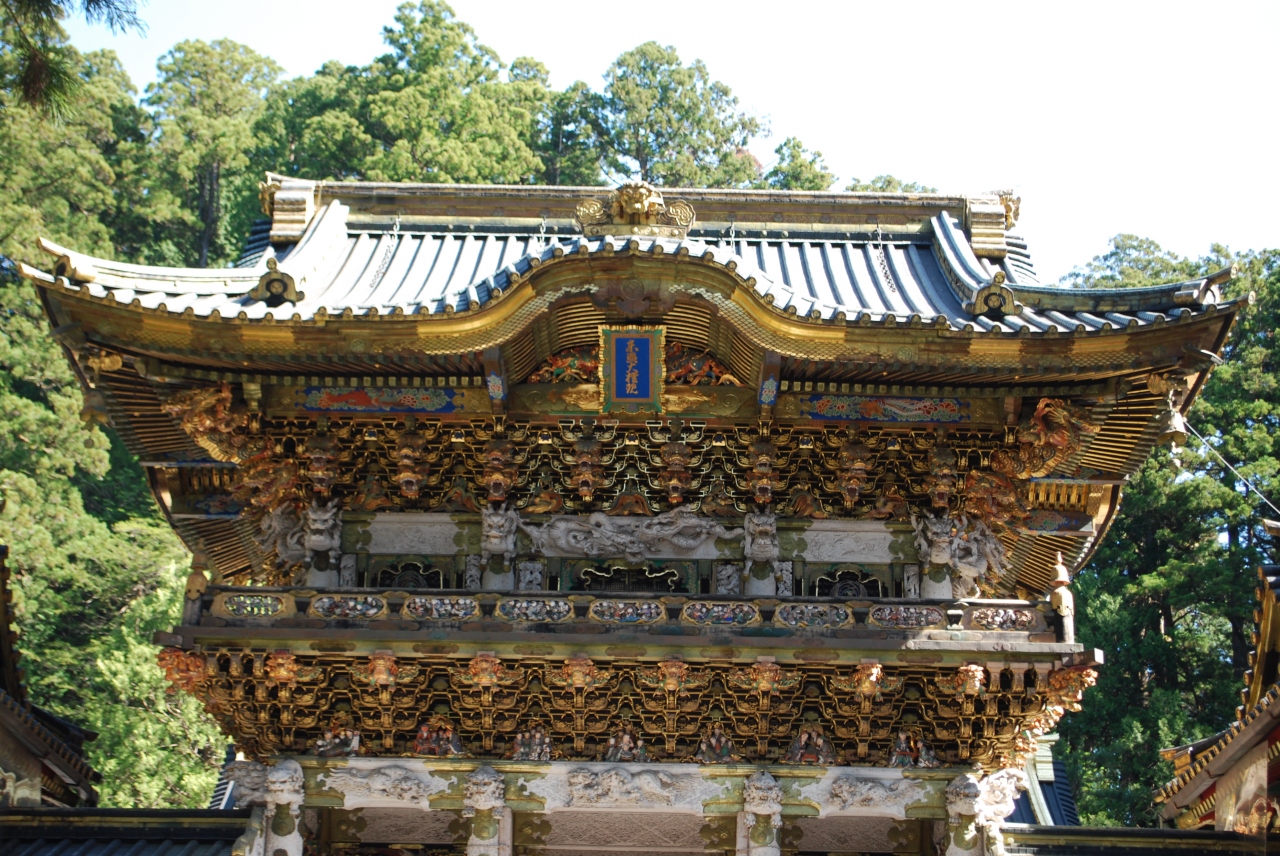
Nikko Toshogu, one of the great shrine complexes of Japan, is dedicated to Tokugawa Ieyasu, whose remains were moved here from Kunozan in 1617. Of its buildings, 42, including 8 National Treasures, are part of a World Heritage site. The symbol is the Yomeimon gate, covered with 508 colorful carvings and also called Higurashi-mon, the gate you could watch all day. The grand festival in May, with horseback archery and portable shrines, draws crowds from all over Japan.
Futarasan Shrine Nikko
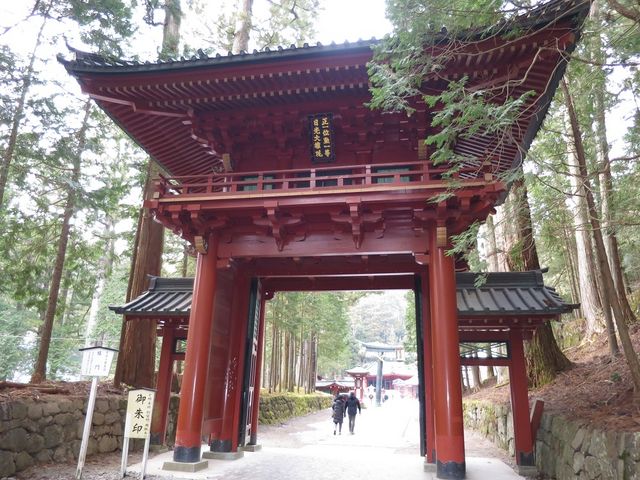
The sacred grounds of Futarasan Shrine are vast, taking in Mount Nantai, Lake Chuzenji, the Irohazaka road and Kegon Falls. The main shrine stands just west of Toshogu, so you can visit both together. Inside the gate, the Meoto-sugi, two cedars from one root like a married couple, and the Oyako-sugi, two large cedars and a small one like parents and a child, have long been said to bring luck in love, family harmony and children.
Mount Nantai Nikko
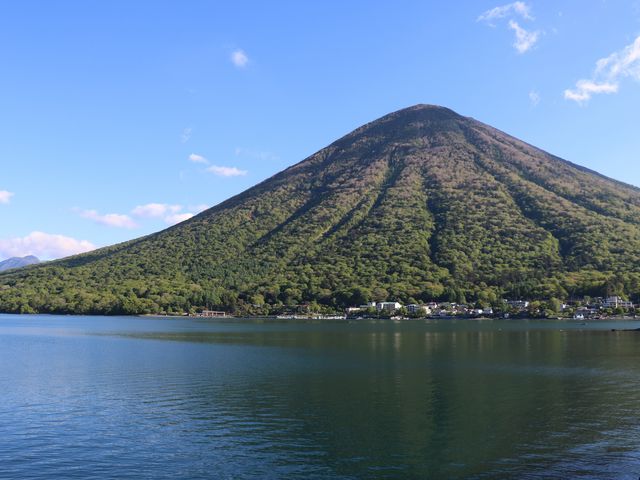
Mount Nantai, 2,486 meters high, has been worshiped as a sacred mountain since ancient times and is one of the 100 Famous Mountains of Japan. Futarasan Shrine's Chugushi stands at the trailhead and its inner shrine at the summit. From the top you can see Lake Chuzenji, Senjogahara and the Nikko and Oze mountains, and on clear days Mount Asama and Mount Fuji. The climbing season runs from early May to late October.
Lake Chuzenji Nikko
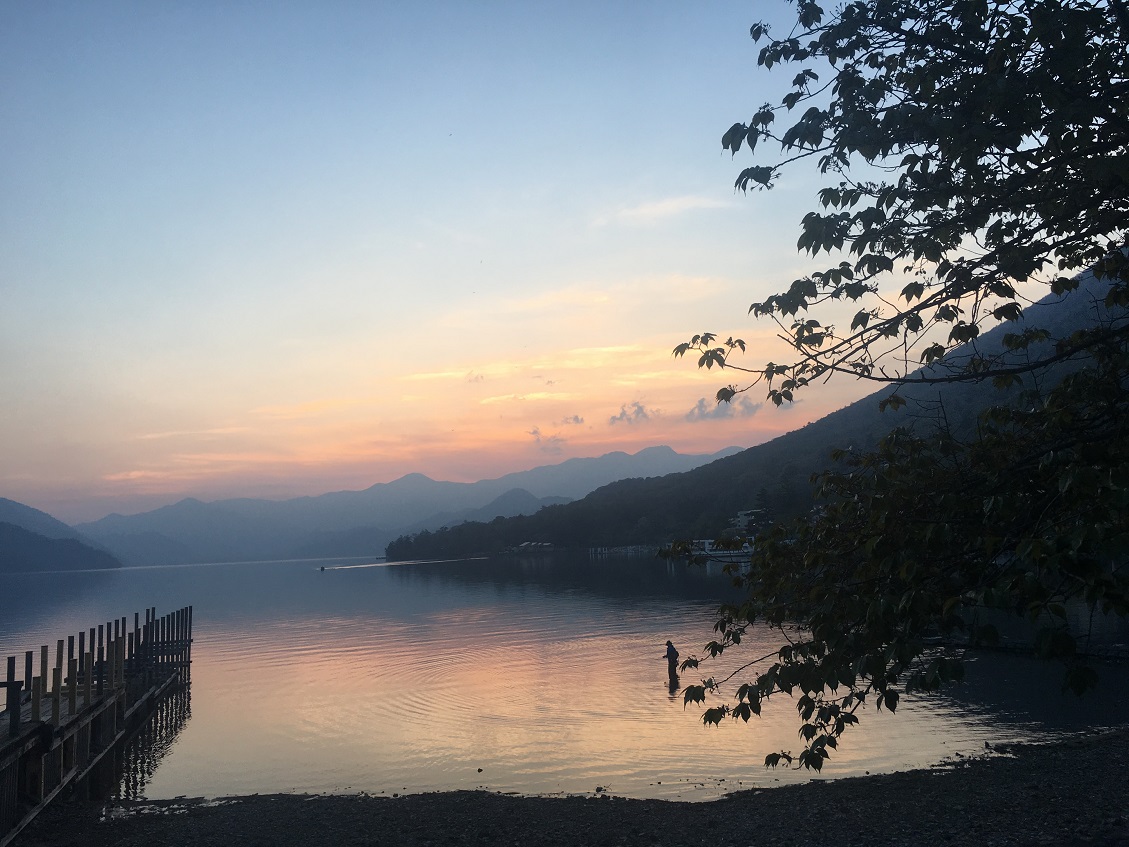
Lake Chuzenji spreads out at the foot of Mount Nantai. Some 24 kinds of fish live in it, including himemasu salmon, and it is famous for trout fishing. The Chuzenji Skyline, one of the 50 best roads in Japan, runs along the lake. In autumn, stop at the Utagahama parking area for photos of the lake and Mount Nantai, or at the Hangetsuyama parking area at the end of the road. The free parking areas have toilets.
Kegon Falls Nikko
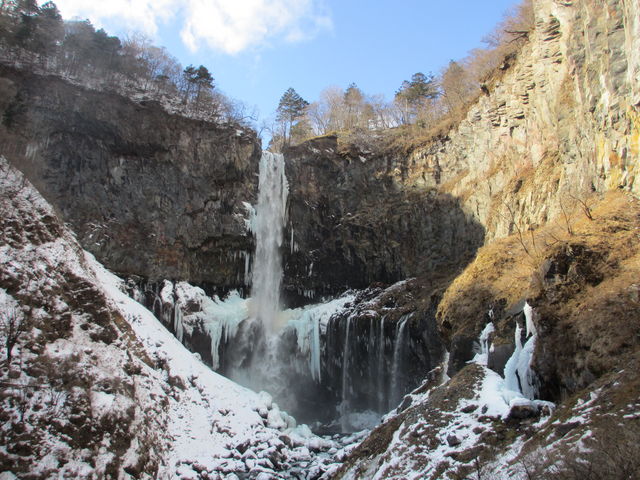
Kegon Falls, one of the three most famous waterfalls in Japan, is the outlet of Lake Chuzenji, and its water drops 97 meters. An elevator takes you from the parking area to a viewing platform facing the falls, where a rainbow sometimes appears. For photos, come early in the morning with the sun behind you. The Akechidaira observation deck, reached by ropeway from the second Irohazaka road, looks out over the falls, the lake and Mount Nantai.
Tobu World Square Kinugawa Onsen
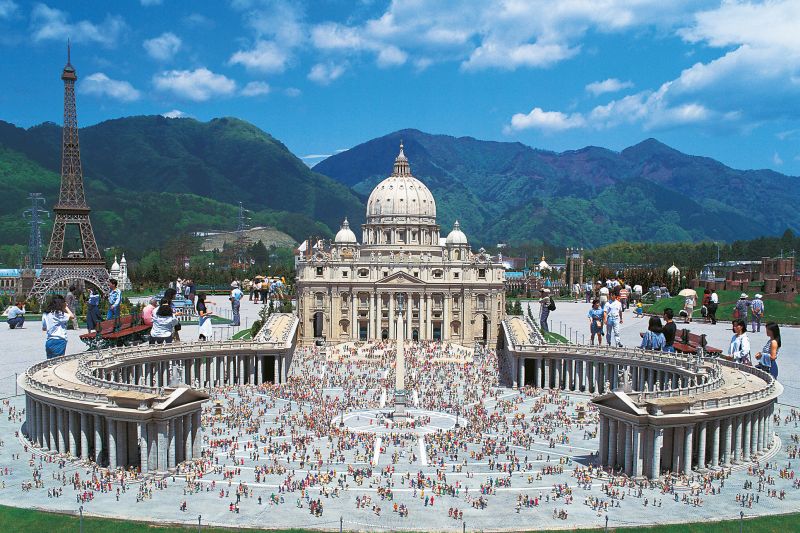
Tobu World Square is a well-known theme park with detailed miniatures of 102 famous buildings from 21 countries, including 46 World Heritage sites. From Kinkaku-ji and Tokyo Skytree to the Eiffel Tower and the streets of New York, you can travel around the world in a day.
Every winter the miniatures are lit up after dark for a special illumination. Tobu World Square Station is just a one-minute walk from the entrance.
Nasu Highlands
Nasu Alpaca Farm Nasu
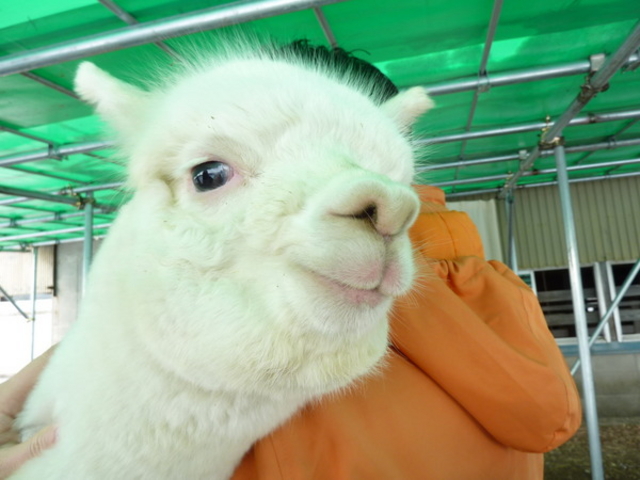
Nasu Alpaca Farm keeps about 400 alpacas, the largest herd in Japan, in some 25 colors from white to brown and gray. Many have funny haircuts, such as bowl cuts and mohawks. You can walk with the alpacas in the meadow of the walking area, and the farm also has purebred miniature horses and ostriches that you can feed and take photos with. Taxis run from Kuroiso and Shin-Shirakawa stations.
Nasu Safari Park Nasu

At Nasu Safari Park you drive your own car through the safari zone and see wild animals up close. The highlight is the carnivore zone, where Bengal tigers and lions roam free right in front of you. You can also tour the park in the Lion Bus with a guide, or rent a car made for the safari zone.
The petting area has rabbits, capybaras, guinea pigs and goats that children can feed and photograph.
Shika-no-yu Nasu Yumoto
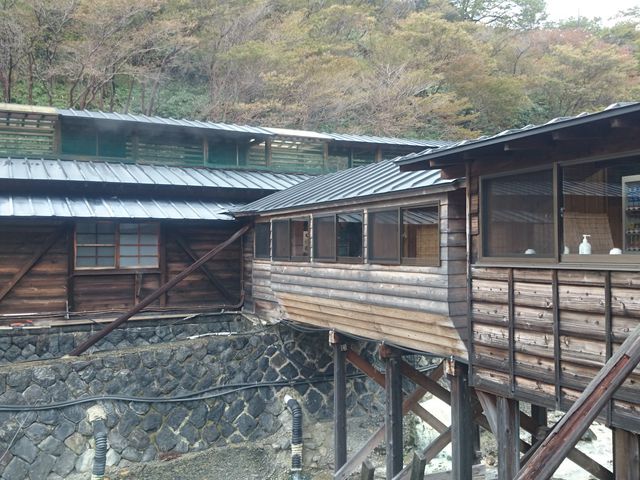
Shika-no-yu in Nasu Yumoto, one of the Seven Springs of Nasu, is said to date from the early 7th century. Legend says a hunter followed a wounded deer here and found it healing in the spring. Small square tubs sit side by side at different temperatures. Before bathing, people practice kaburi-yu, pouring hot water over the back of the head 100 to 300 times with a ladle, said to prevent dizziness. It is a two-minute walk from Nasu Yumoto Onsen.
Nasu Orgel Museum Nasu
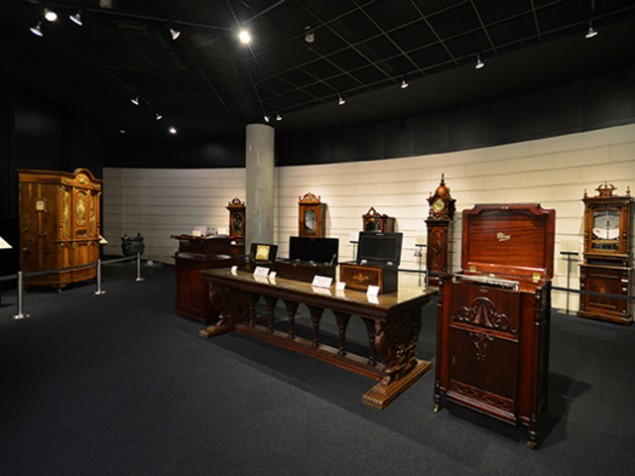
Most museums are for looking, but this one is for listening. The Nasu Orgel Museum collects rare music boxes from around the world, and you can hear them play. In Main Hall A, a Swiss interchangeable cylinder orchestra box from the 1860s plays once an hour. Room B has cylinder, disc and drum types and even organ pipe music boxes, each with its own sound, and the tunes change through the day.
Shiobara and Ashikaga
Sukkan-zawa Shiobara
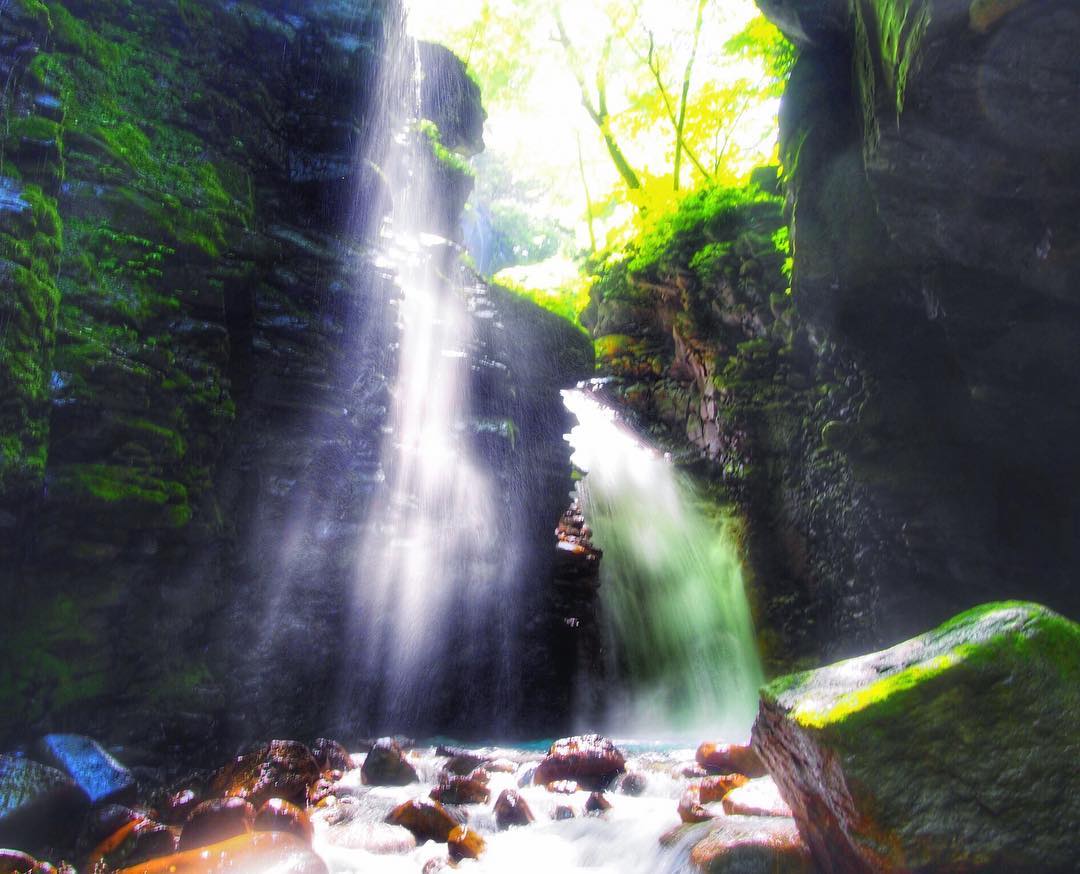
Sukkan-zawa is one of the finest mountain streams in Tochigi, near the border of Yaita and Nasushiobara. Old-growth forest and mossy rocks give it a remote feel, and it is a refreshing place to hike. Along the trail you pass Suren Falls, which falls like a bamboo blind, Sukkan Bridge, a giant katsura tree and Naginata Rock. Come for fresh green in spring and early summer, autumn colors, or frozen falls in winter.
Ashikaga Flower Park Ashikaga
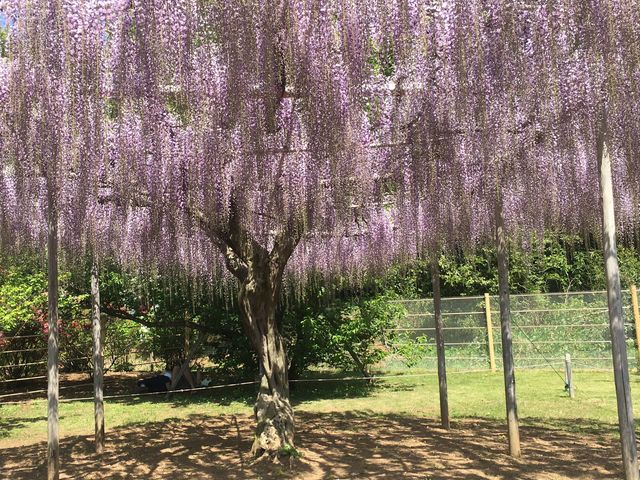
Ashikaga Flower Park is one of the best wisteria gardens in Japan. Its great wisteria trellis covers about 600 tatami mats, the largest in Japan, and at peak season four kinds of wisteria, purple, long, double and white, bloom together with azaleas. The great wisteria and the white wisteria tunnel are prefectural natural monuments. The park's illumination is counted among the three great illuminations of Japan. It is three minutes on foot from Ashikaga Flower Park Station.
The places on a map
Hours, prices and events change. Check each place's official website before you go.
More travel guides
 Tokyo Sightseeing by Area: 40 Classic Sights and Lesser-Known Spots from Asakusa to Odaiba40 placesTokyo has much more to see than Skytree, Tokyo Tower and Asakusa. This guide works through six of the city's main…
 Nagoya: 40 Best Places to Visit, from Nagoya Castle and Atsuta Jingu to Osu40 placesNagoya is one of Japan's biggest cities, yet many visitors don't know how much it has to see. Alongside its famous…
 Chichibu: 40 Best Places to Visit, from Nagatoro River Boats and Mitsumine Shrine to Moss Phlox and Icicles40 placesChichibu, the largest city in Saitama Prefecture, is about 90 minutes from central Tokyo. Most of the area is national…
 Niigata Prefecture: 40 Best Places to Visit, from Classic Sights to Hidden Gems40 placesNiigata Prefecture stretches a long way from north to south, and each area has its own scenery, climate and food. The…
 Nagasaki Prefecture: 40 Best Places to Visit, from Unzen Hot Springs to Hirado and Nagasaki City40 placesNagasaki grew up as a port open to the outside world, and the culture of those days still shapes its streets, churches…
 Fukuoka Prefecture: 40 Places to Visit in Kitakyushu, Chikuho and Around Fukuoka City40 placesFukuoka Prefecture is roughly divided into four areas, Kitakyushu, Chikuho, Fukuoka and Chikugo, and each has its own…