
Chiba Travel Guide: 40 Places to Visit, from Tokyo Disneyland to Narita and the Boso Peninsula
40 places · Japanese version
Chiba is easy to reach from Tokyo and offers seaside and countryside in one prefecture: seasonal flowers, beaches, clam digging and a long list of leisure spots. This guide is a selection of 40 places, grouped by area. Start in the Bay Area with Tokyo Disney Resort, then head to the Makuhari waterfront for events and baseball. The Boso Peninsula has local railways, farms, Mount Nokogiri and flower picking in the south, plus Kamogawa Sea World and an underwater observatory on the outer coast. Finish in Choshi, a treasure house of fish, and around Narita.
The Bay Area: Urayasu and Funabashi
Tokyo Disneyland Urayasu
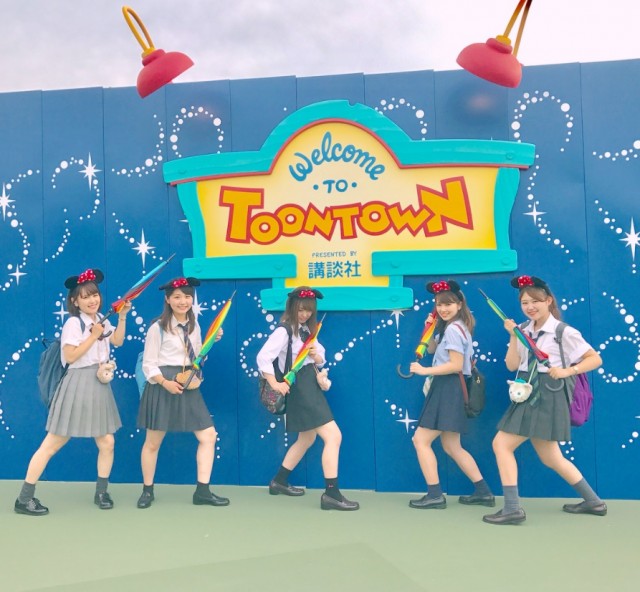
With Cinderella Castle as its symbol, Tokyo Disneyland is where you can meet Mickey, Minnie, Donald Duck and other characters. Beyond the attractions there are parades and shows, so all ages can enjoy a full day here. There are plenty of photo spots around the park, so it is fun even if you skip the rides.
Tokyo DisneySea Urayasu
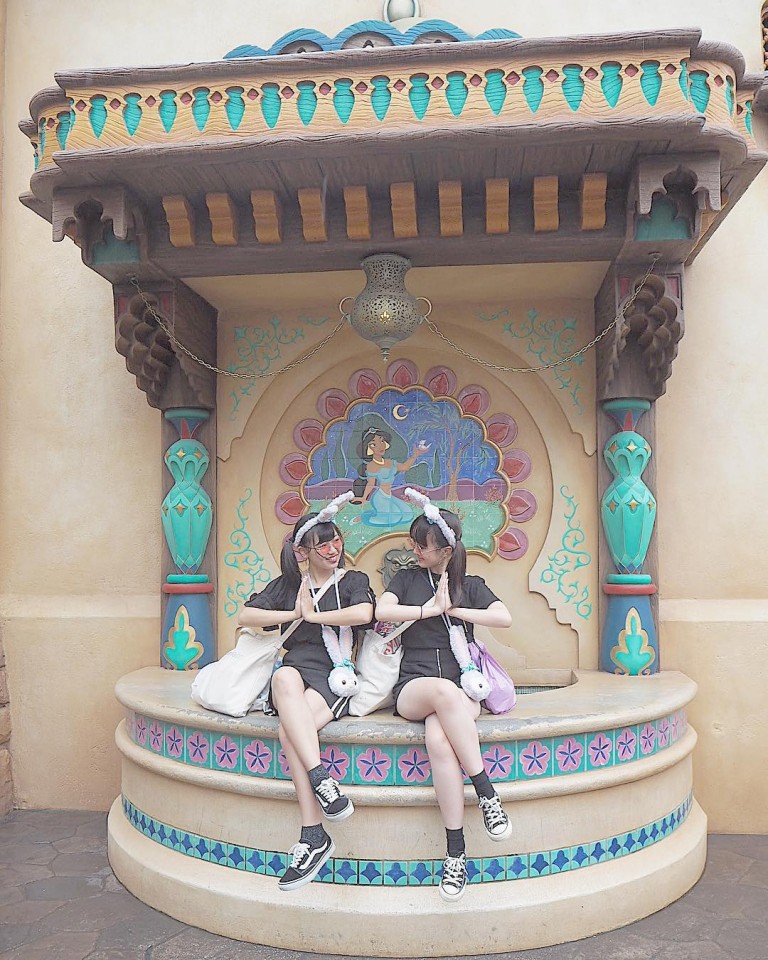
Tokyo DisneySea is themed on the sea and divided into themed areas, each with its own attractions, shows and restaurants. Some restaurants serve beer and other alcohol, which makes it the more grown-up of the two Disney parks. Beyond the rides and shows, the whole park is full of photo spots.
Funabashi Andersen Park Funabashi
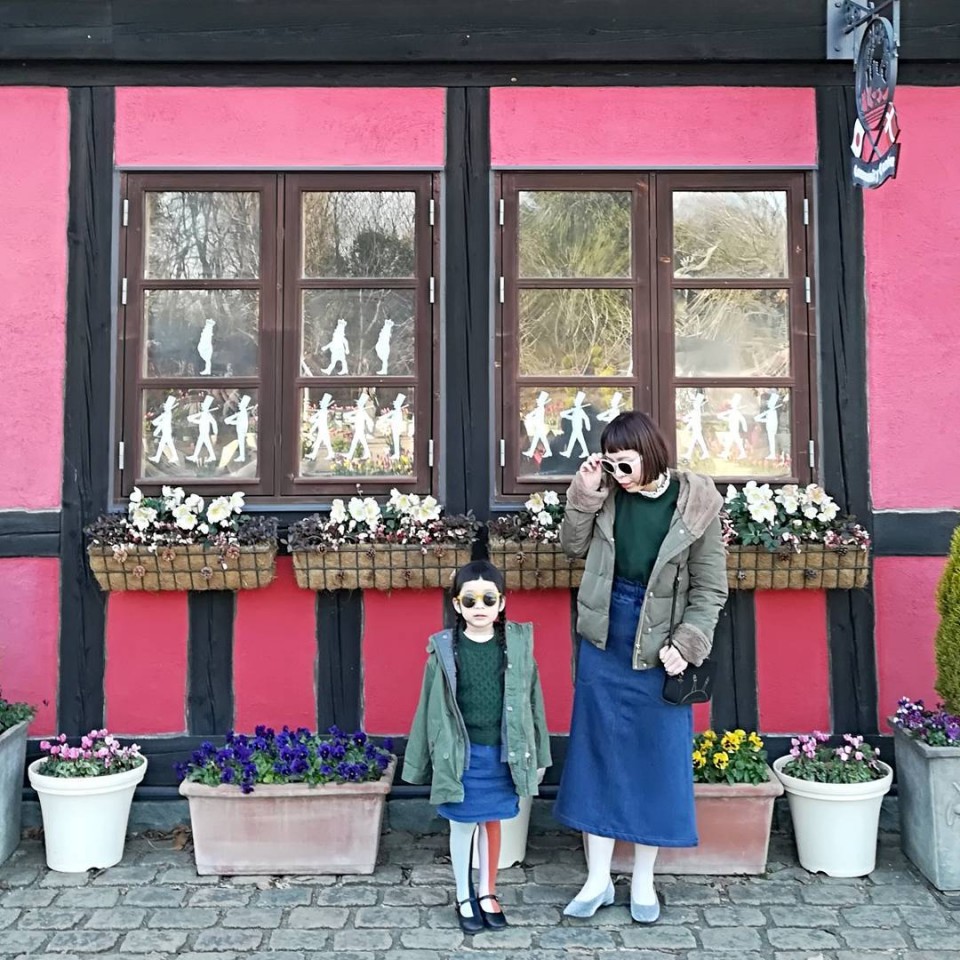
This large park takes its name from Hans Christian Andersen because Funabashi is a sister city of Odense in Denmark. It has five zones. Marchen Hill recreates a Danish countryside with a windmill and farmhouse, and the Flower Castle zone has objects and play equipment inspired by Andersen's fairy tales. There is also a children's art museum, a nature area and a place to meet animals, making it a favorite for families in every season.
Makuhari and Chiba City
Makuhari Messe Chiba City
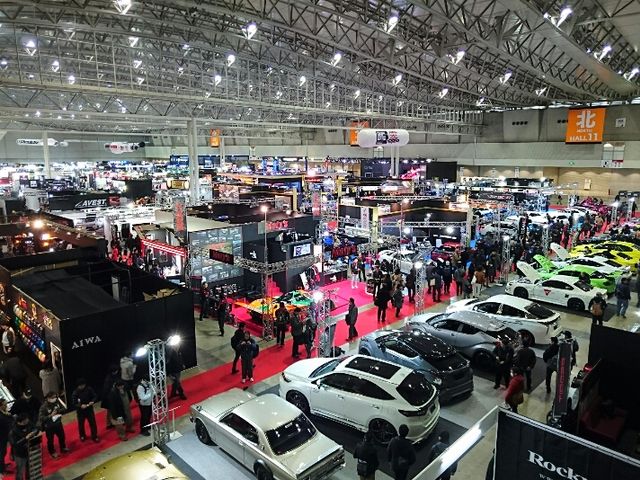
This large convention complex has three facilities: the International Exhibition Halls, the International Conference Hall and Makuhari Event Hall. It hosts concerts by famous artists, the Niconico Chokaigi, trade shows and flea markets. Hotels, the Mitsui Outlet Park Makuhari and ZOZO Marine Stadium are nearby, so you can combine baseball, shopping, food and a walk along the sea.
ZOZO Marine Stadium Chiba City
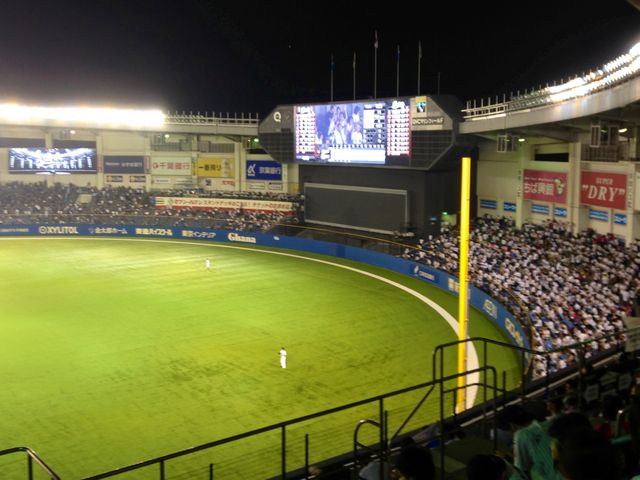
This ballpark stands close to the sea in Makuhari Seaside Park and is the home of the Chiba Lotte Marines. Enjoy a professional baseball game and stadium food while feeling the sea breeze under the open sky. It also hosts high school baseball and concerts, and you can shop for team goods at the Marines Museum nearby. Outlet shopping and hotels are close at hand.
Makuhari Seaside Park Chiba City
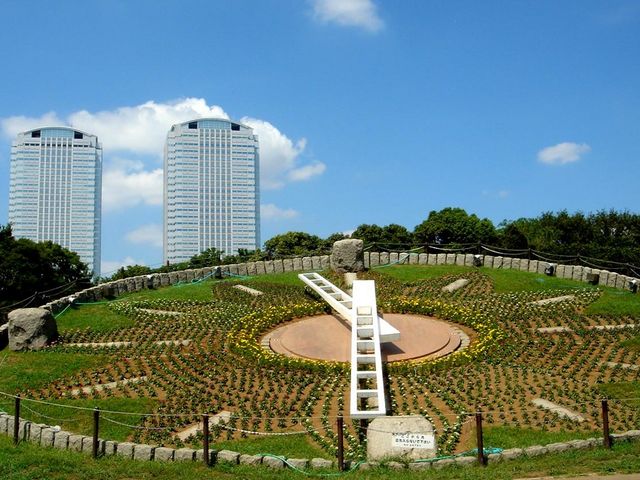
This huge park covers 719,000 square meters from Makuhari's business district to the sea, and fireworks light up the beach every summer. It is split into seven blocks with the Mihama-en Japanese garden, a big lawn, a flower clock and a sculpture promenade. Makuhari Beach next to the park is man-made; swimming is not allowed, but it is a nice place for a walk along the water. A teahouse serves matcha with seasonal sweets.
Mihama-en Garden Chiba City
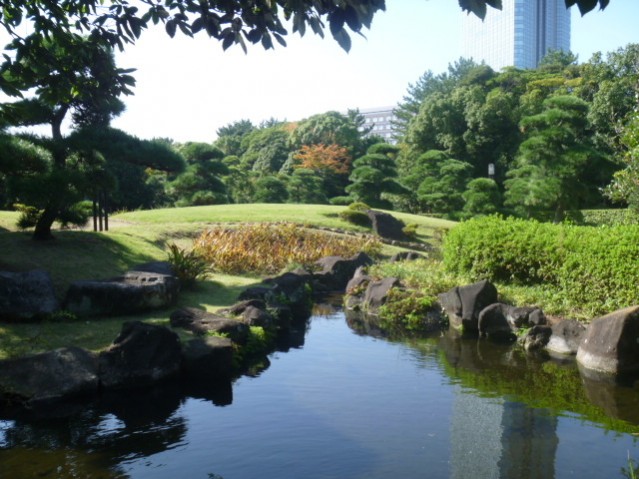
Inside Makuhari Seaside Park, Mihama-en is a Japanese stroll garden around a pond. Its teahouse, built in the sukiya style with Kitayama cedar from Kyoto, serves matcha and seasonal sweets. Trees reflect on the water, and in autumn red leaves color the garden. A neat path lined with bamboo recalls the famous bamboo grove of Arashiyama in Kyoto.
Inage Seaside Park Chiba City
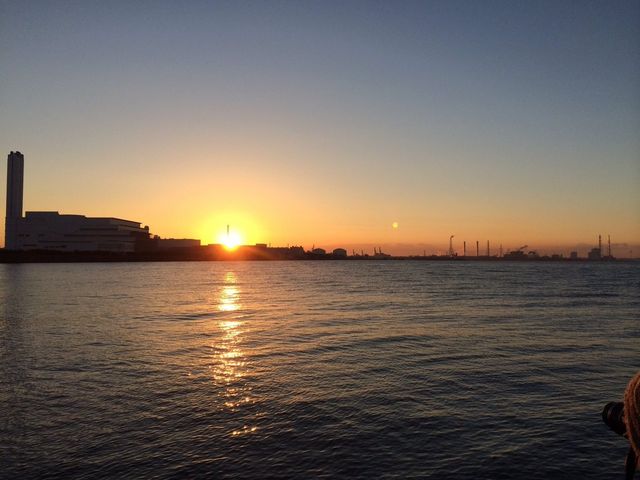
This park of about 83 hectares holds Inage Beach, a flower museum, a pool, barbecue areas, sports fields, two memorial halls and a yacht harbor, with something to do in every season. On clear days you can see Mount Fuji, Umihotaru and even Tokyo Skytree across Tokyo Bay. The sunsets are beautiful, making it a good date spot, and the park also hosts running events.
Inage Seaside Park Pool and Inage Beach Chiba City
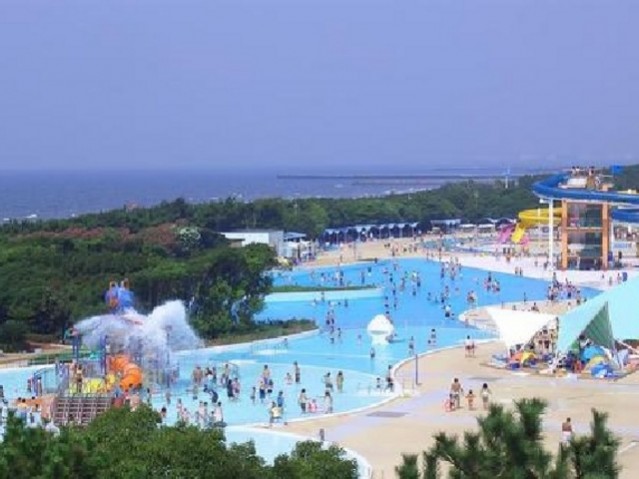
This seaside pool complex has 14 kinds of pools, including water slides, a kids' pool and water play equipment. Inage Beach, a man-made beach next to it, is free to enter, and in summer people come from all over Chiba and beyond to swim. In 1981 local residents planted 60,000 pine seedlings, and the pines are now the symbol of the beach.
Sanyo Media Flower Museum Chiba City
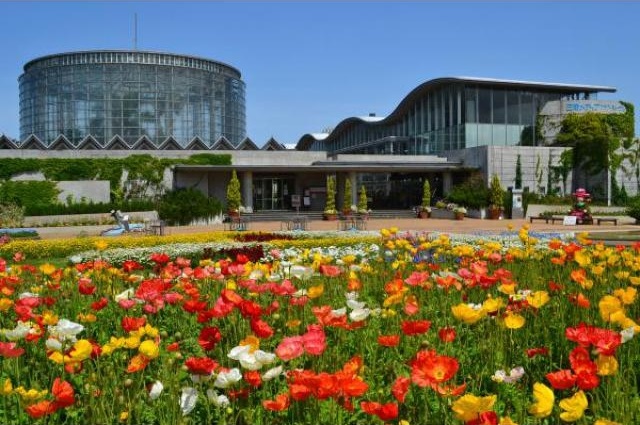
Formerly called the Flower Museum, this is a museum of flowers inside Inage Seaside Park. Seasonal flowers fill the front garden, the atrium is decorated with flowers of the season and a greenhouse dome displays plants and trees around a waterfall. There is a restaurant and a rose garden. The flower workshop holds classes in flower arranging and flower photography, and garden advisors are on hand to answer questions.
Chiba Port Tower Chiba City
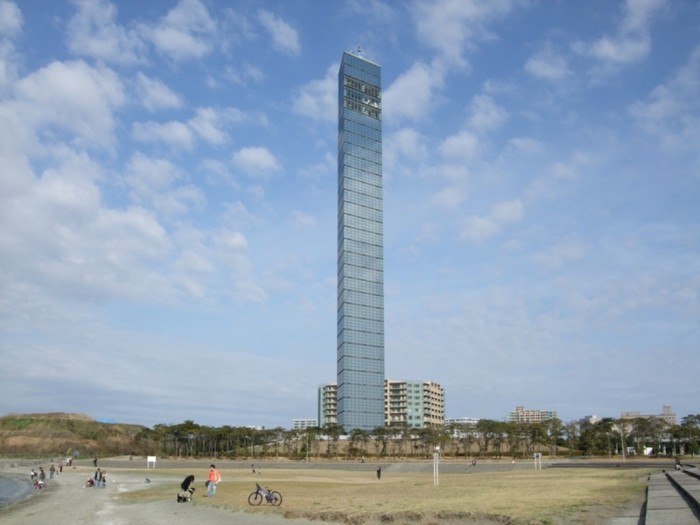
Built as the symbol of Chiba Port, the tower holds seasonal events such as cherry blossoms in spring and a Christmas illumination in winter. From the observation floor you get a 360-degree view over Tokyo Bay, with Makuhari, Tokyo Skytree, Tokyo Tower and Mount Fuji on clear days, and the night view is especially beautiful. Couples can lock love padlocks to a fence. The shop sells Chiba specialties such as loquat and peanut sweets and Choshi's wet rice crackers.
The Boso Peninsula: Inner Coast and Hills
Umihotaru Parking Area Kisarazu
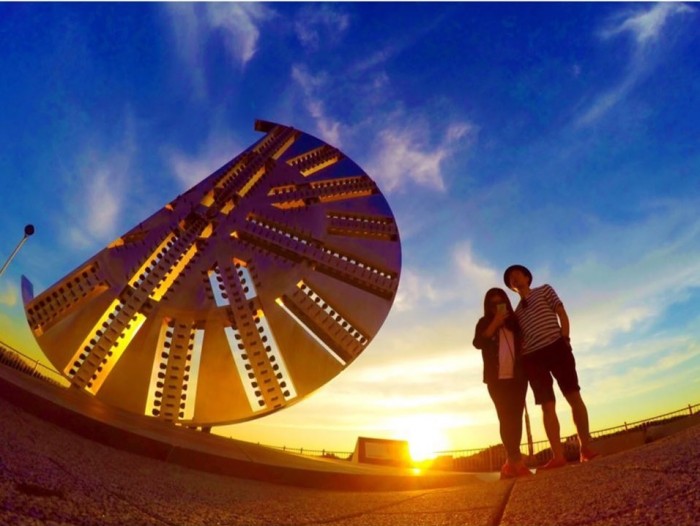
Umihotaru is a parking area floating in Tokyo Bay on the road that links Kisarazu with Kawasaki in 15 minutes. The first three floors are parking, and the upper floors have restaurants, shops, a convenience store and a free foot bath. From the panorama deck the sea spreads all around, and on clear days you can see Yokohama's Minato Mirai, central Tokyo and the towers of Makuhari. It is a destination in itself, not just a stop on the way.
Ichihara Elephant Kingdom Ichihara
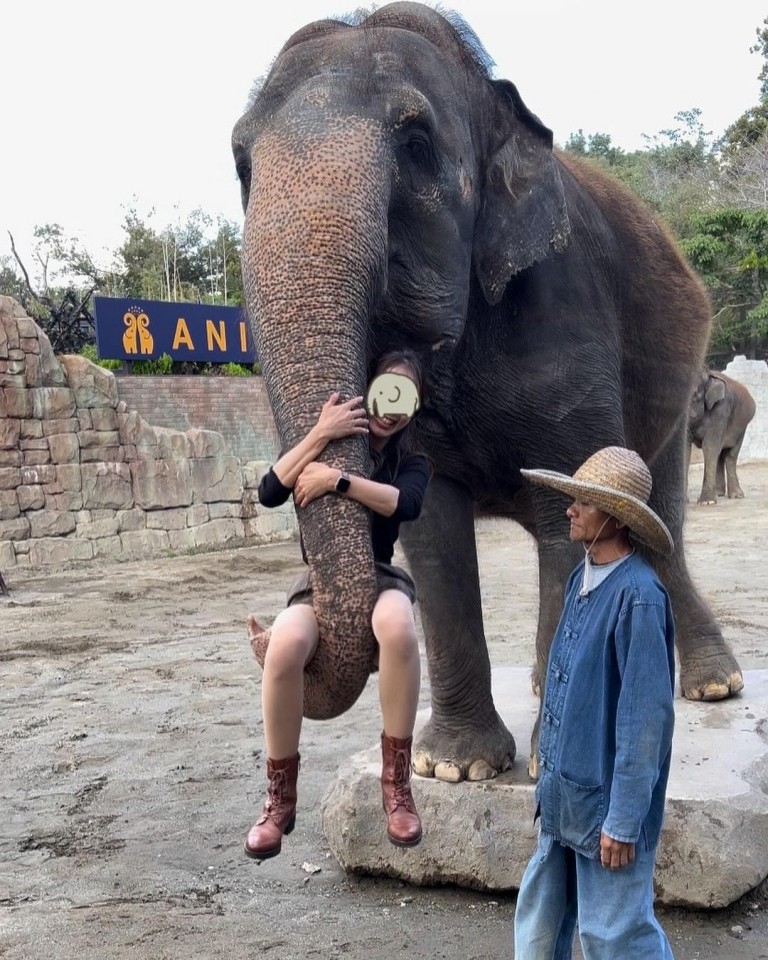
As the name says, elephants are the stars at this zoo. Watch their lively performances, feed them by hand or try the elephant lift, where you hang from an elephant's trunk. About 100 species and 400 animals live here, including red pandas, and you can feed many of them directly, such as prairie dogs, beavers, capybaras, alpacas, camels, hippos and llamas. It offers close contact you rarely get at a normal zoo.
Yoro Valley Otaki and Ichihara
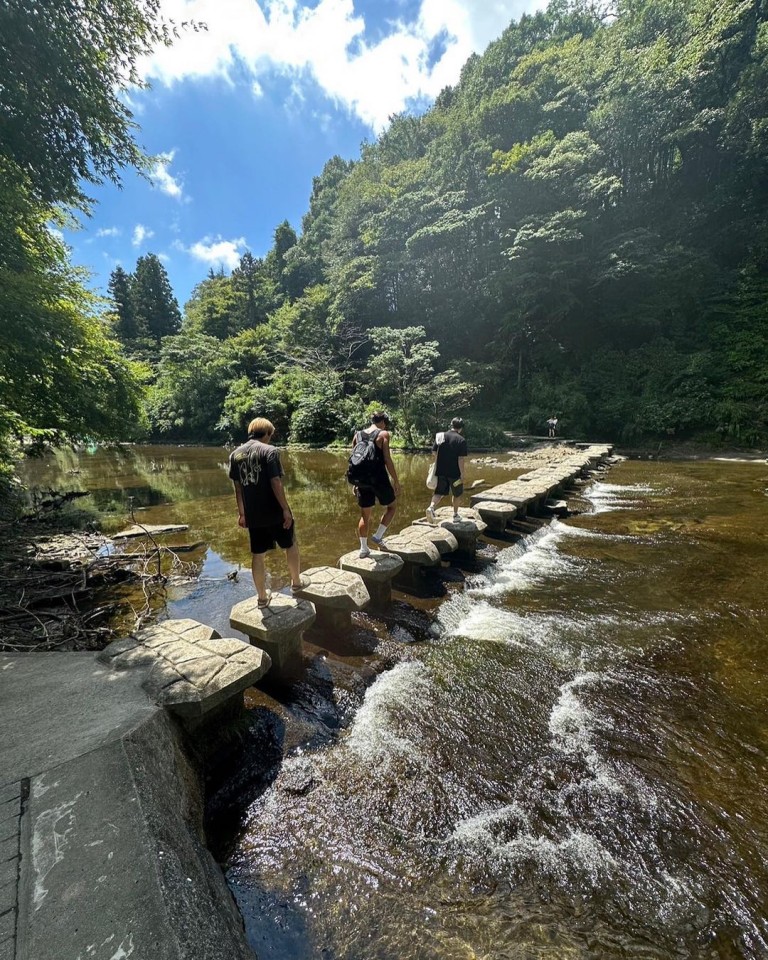
The Yoro River has carved this beautiful valley as it flows from Otaki to Ichihara. Its highlights include Awamata Falls, said to be the finest waterfall on the Boso Peninsula, along with azaleas and wisteria in spring and red leaves in autumn. Yoro-Keikoku Station has a foot bath with dark hot spring water where you can watch the trains. There are hiking trails, rustic open-air baths and a fishing pond for trout and carp with a barbecue area.
Kominato Railway Ichihara
This local line runs from Goi Station in Ichihara to Kazusa-Nakano Station in Otaki, and its stations often appear in TV dramas and commercials. Stops include Kazusa-Tsurumai, a favorite filming location, Takataki, near a lake popular for fishing, Itabu, known for its unusual toilet, and Yoro-Keikoku, with hiking and a foot bath. From the slow train you can enjoy rape blossoms, cherry trees and other seasonal scenery.
Tokyo German Village Sodegaura
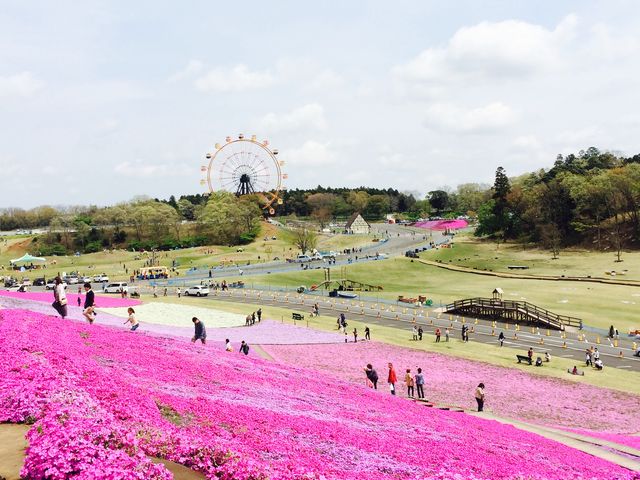
This amusement park covers green land about 19 times the size of Tokyo Dome. It has a 6.7-hectare lawn, archery, putting golf, grass sledding, rides and a petting zoo, so children and adults can all have fun. The colorful illumination that lights up the whole park is especially popular. It is also known for seasonal flowers such as rape blossoms, hydrangeas, sunflowers and cosmos, and a dog park lets you play with your pet.
Mother Farm Futtsu
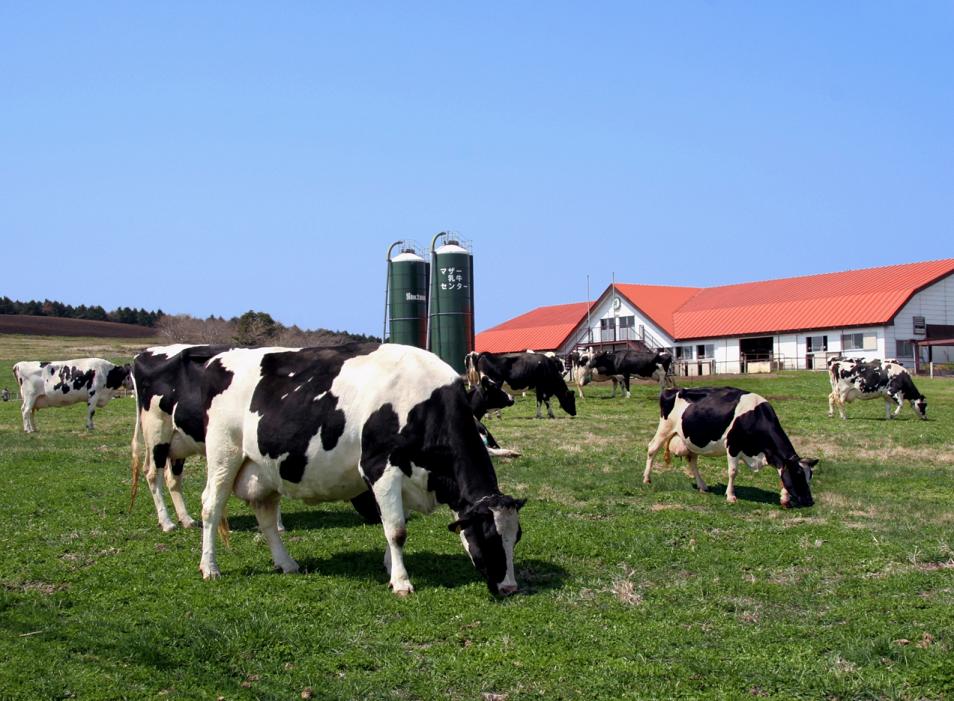
On 250 hectares of farmland, you can meet sheep, pigs, cows, capybaras and many other animals. Watch animal parades and shows, ride the Ferris wheel or a tractor train, and try making cheese or milking a cow, all with seasonal views around you. It is a great day out for families.
Mount Nokogiri Kyonan and Futtsu
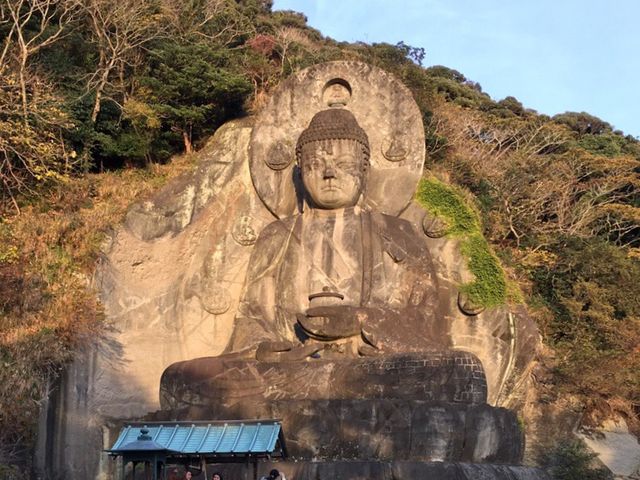
This 330-meter mountain on the border of Kyonan and Futtsu is named for its jagged ridge, like the teeth of a saw. Its view of Mount Fuji is one of the 100 best in Kanto. On the south slope, the Nihon-ji temple area is famous for a huge Buddha said to be the largest in Japan, the Hyakushaku Kannon carved into the cliff, 1,500 stone arhats and the Jigoku Nozoki lookout. The summit deck looks over Tokyo Bay, with lovely sunsets.
Nokogiriyama Ropeway Futtsu
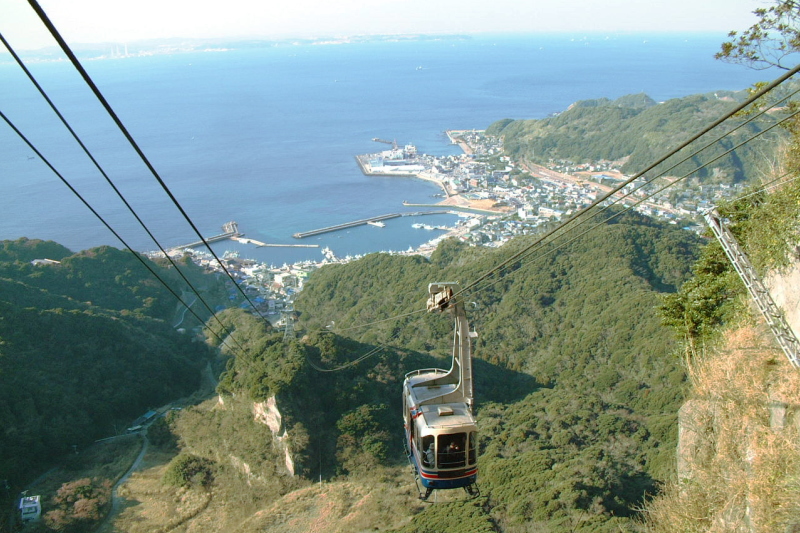
This 680-meter ropeway links the foot of Mount Nokogiri with the summit. The temple grounds of Nihon-ji are vast, and walking around them takes about an hour and a half, with nature walks and great views from the summit deck. At the first sunrise of the New Year, you may even see Mount Fuji glowing red.
Jigoku Nozoki Kyonan
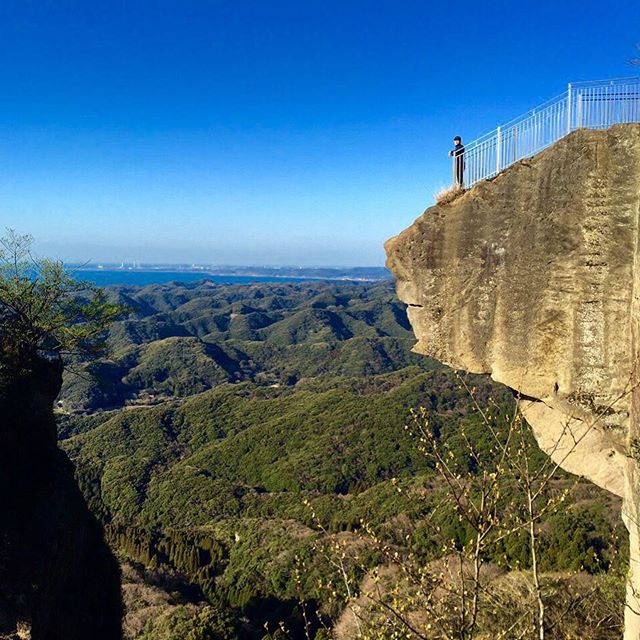
Jigoku Nozoki, or Peek into Hell, is a sheer cliff in the grounds of Nihon-ji on Mount Nokogiri. Look down from the tip and you face a drop of about 100 meters, enough to make your legs shake. Look around instead and you get a sweeping view of Tokyo Bay and Mount Fuji, so it is more than just a thrill.
Southern Boso: Minamiboso and Tateyama
Nojimazaki Lighthouse Minamiboso
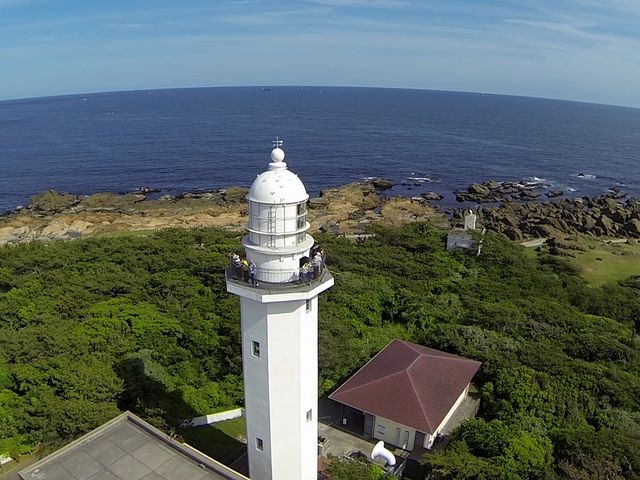
This lighthouse stands at the southern tip of the Boso Peninsula. It is a Registered Tangible Cultural Property, one of Japan's 50 selected lighthouses and one of the oldest lighthouses in Japan. Nearby are a small exhibition room next to the lighthouse and the Shirahama Marine Art Museum, which collects crafts and art related to the sea.
Roadside Station Rosemary Park Minamiboso
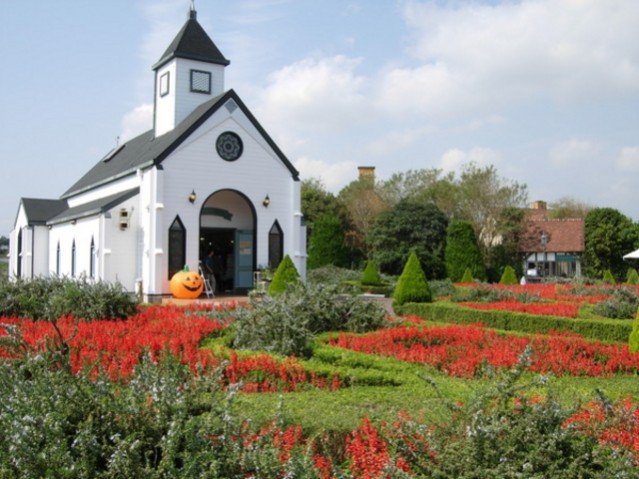
This roadside station in the Maruyama area of Minamiboso calls itself a food theme park. The farm stand sells fresh fruit and vegetables straight from local farmers, about 50 kinds of Chiba soy sauce, and southern Boso sweets made with local loquats and peanuts. Loquat cakes are popular souvenirs.
Poppy no Sato Tateyama Family Park Tateyama
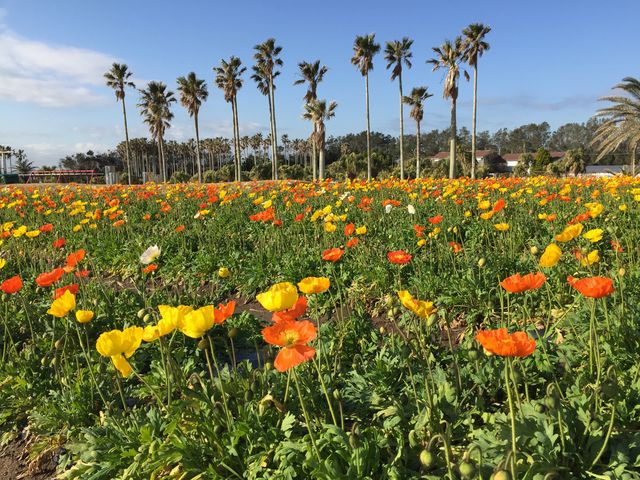
On a low hill along the Heisaura coast at the southern end of the peninsula, this park uses the mild climate to grow flowers and herbs all year round. From late December to early May, 100,000 poppies cover the fields, one of the largest displays in the Kanto region. You can also pick seasonal flowers, try pottery, wreath making or blending your own perfume, and play putting golf or go fishing.
Daifuku-ji (Gake Kannon) Tateyama
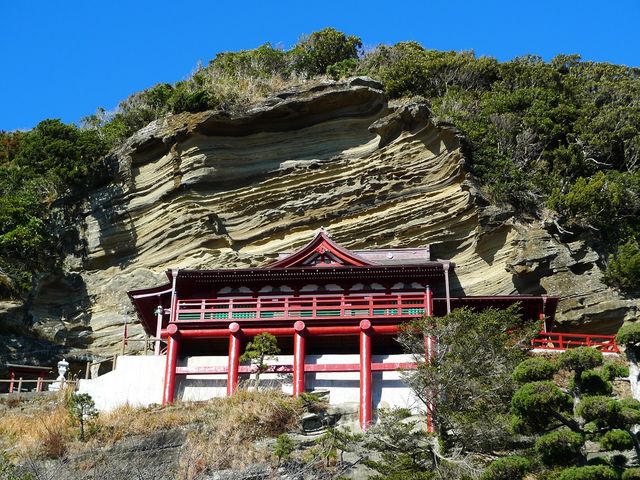
This Shingon Buddhist temple is said to have been founded by the monk Gyoki. Its Kannon hall is built into a cliff, with an eleven-faced Kannon carved into the rock, so locals call it Gake Kannon, the Cliff Kannon. The red hall rising from the rock face is a striking sight. The climb up the long stairs takes some effort, but from the hall you get a refreshing view over the town.
Outer Boso: Kamogawa, Katsuura and Chonan
Kamogawa Sea World Kamogawa
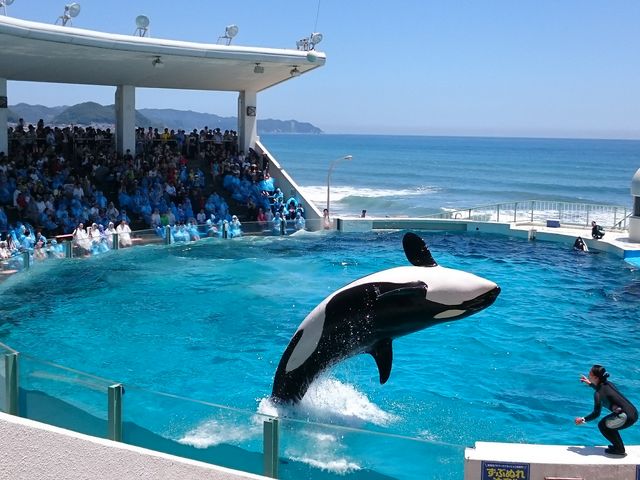
At this aquarium you can see many kinds of fish, sharks and jellyfish. Shows with orcas, dolphins, belugas and a laughing sea lion are fun for children and adults alike. A highlight is the restaurant Ocean, decorated in blues like the inside of the sea, where you can watch orcas swim past the windows while you eat. The food and coffee are good too.
Katsuura Underwater Observation Tower Katsuura
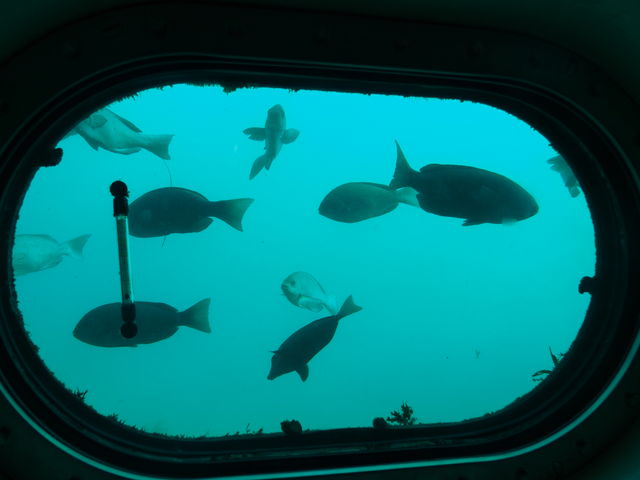
In the middle of Katsuura Marine Park stands this 24.4-meter tower with an observation room 8 meters below the surface. The coast here at Unara is where cold and warm currents meet, so sea life is rich, and through the windows you can see many kinds of fish and shellfish and the sea floor. The fish change with the seasons, and you may even spot rare fish or dolphins.
Katsuura Morning Market Katsuura
Dating back to the Tensho era, the Katsuura morning market is counted as one of Japan's three great morning markets, with Wajima in Noto and Takayama in Hida. Its friendly atmosphere draws both locals and visitors. Stalls sell fresh vegetables, fish and dried fish of the season, and you can try a bowl of marinated tuna on rice or warabi mochi.
Tarzania Chonan
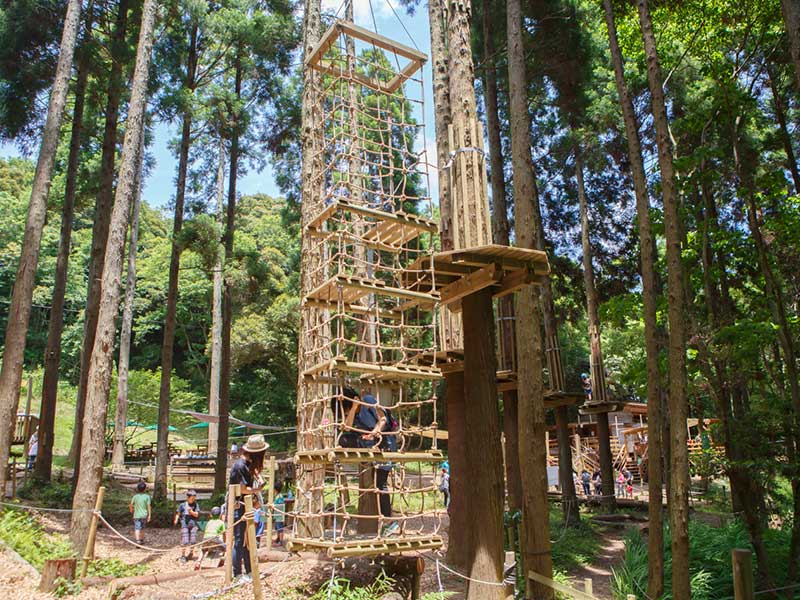
At this adventure park you wear a safety harness and move from tree to tree high in the air, just like Tarzan. The full Adventure Course takes about two hours, and the Canopy Course is safe for children. The hardest parts can be skipped, so even kids who are not confident in their strength can give it a try.
Choshi
Choshi Electric Railway Choshi
This local line runs about 6.4 kilometers from Choshi Station to Tokawa Station. It opened in 1923 and long served as a lifeline for residents and a draw for visitors. When it faced closure, locals and supporters called on people across Japan to buy its wet rice crackers, nure senbei, and the line was saved. Its quirky on-board announcements and retro feel are a big part of its charm.
Chikyu no Maruku Mieru Oka Observatory Choshi
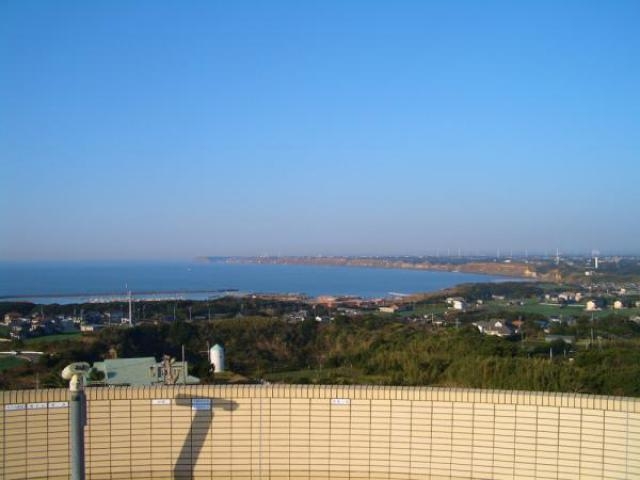
Its name means the hill where you can see that the earth is round. The observatory sits on top of Mount Atago, the highest point in northeastern Chiba. The 360-degree view takes in the wide ocean, Mount Tsukuba to the north and, to the west, the Byobugaura cliffs, called the Dover of the East, as far as Kujukuri Beach. The horizon curves gently, so you can really feel the earth's shape.
Inubosaki Lighthouse Choshi
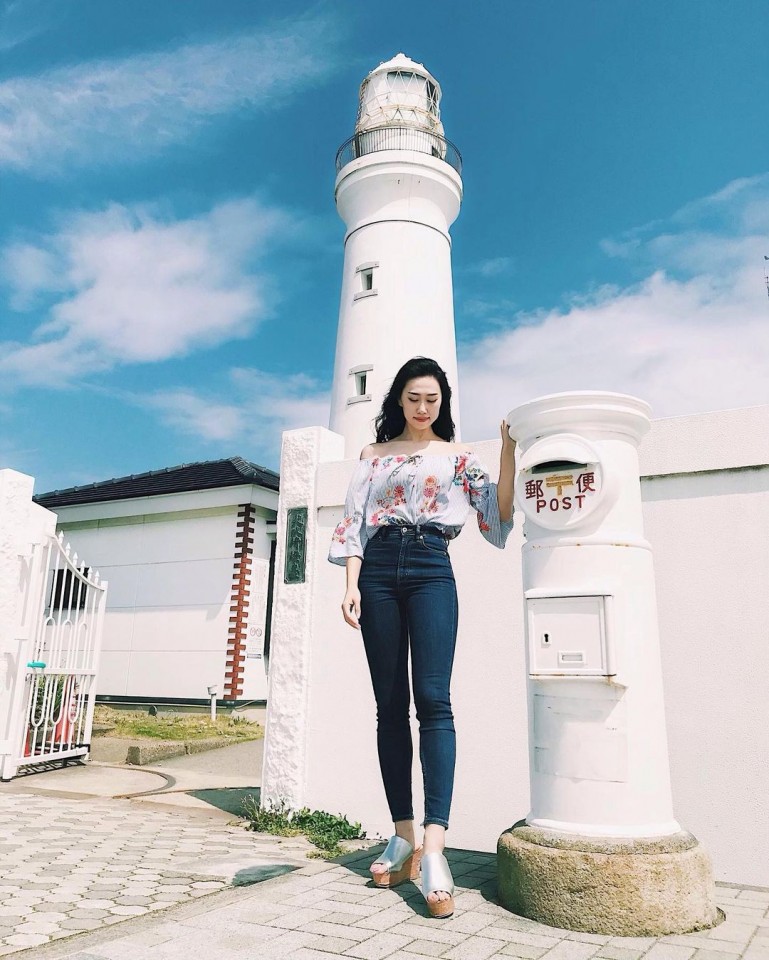
This white tower at the eastern tip of the Choshi Peninsula is the symbol of Choshi and is listed among both the world's 100 lighthouses and Japan's 50 lighthouses. Climb the spiral staircase of 99 steps, a nod to Kujukuri Beach, for a grand view of the Pacific. Clear days, sunsets and evenings are especially romantic. A round white postbox stands at the entrance, and mail posted there gets a special postmark with a local scene.
Uosse 21 Choshi
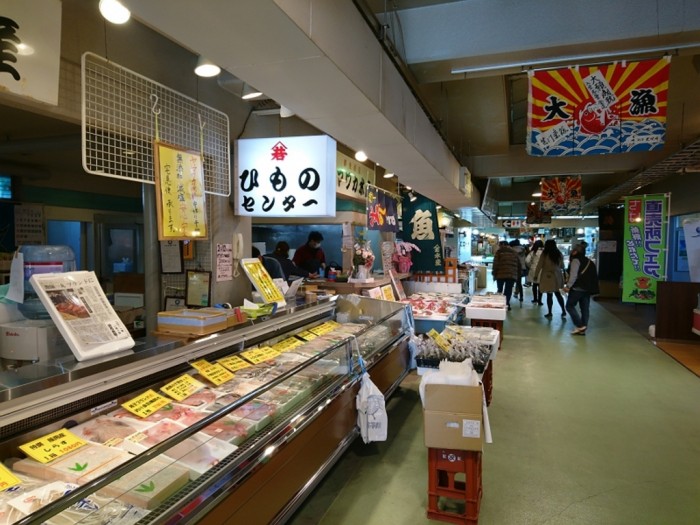
Off Choshi the warm Kuroshio and cold Oyashio currents meet, making Choshi Port one of Japan's great fishing ports. At this seafood center you can enjoy fish landed at the port that day. It sells fresh fish and processed seafood and serves dishes made with the day's catch. On the third Sunday of each month, a tuna-cutting show is held in the event plaza, with free samples.
Narita and Around
Museum of Aeronautical Sciences Shibayama
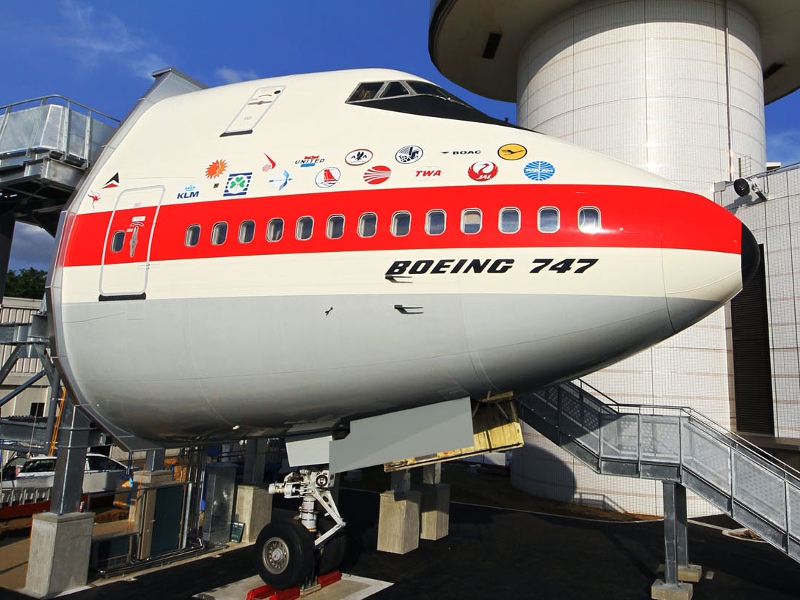
Next to Narita Airport, this museum makes learning about flight fun, with the history of aviation, model aircraft, training simulators, engines and cabins on display. Outside you can see the real nose section of a Boeing 747, and there are other aircraft you can board for a fee. An observation deck and a restaurant look out over the airport and its planes taking off and landing.
Katori Jingu Katori
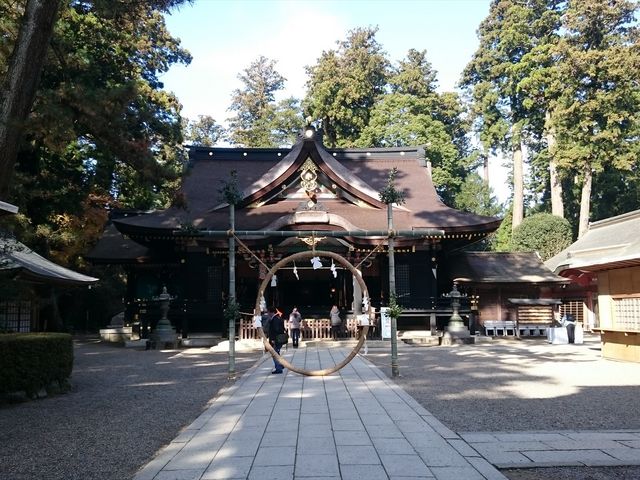
Katori Jingu is the head shrine of about 400 Katori shrines across Japan and, together with Kashima Jingu, one of the leading shrines of the Kanto region. It holds about 200 national and prefectural cultural properties, including the main hall built by the fifth shogun Tokugawa Tsunayoshi, the red-lacquered tower gate and a mirror that is a National Treasure. The grounds have a sacred cedar said to be 1,000 years old and hundreds of cherry trees.
Naritasan Shinshoji Temple Narita
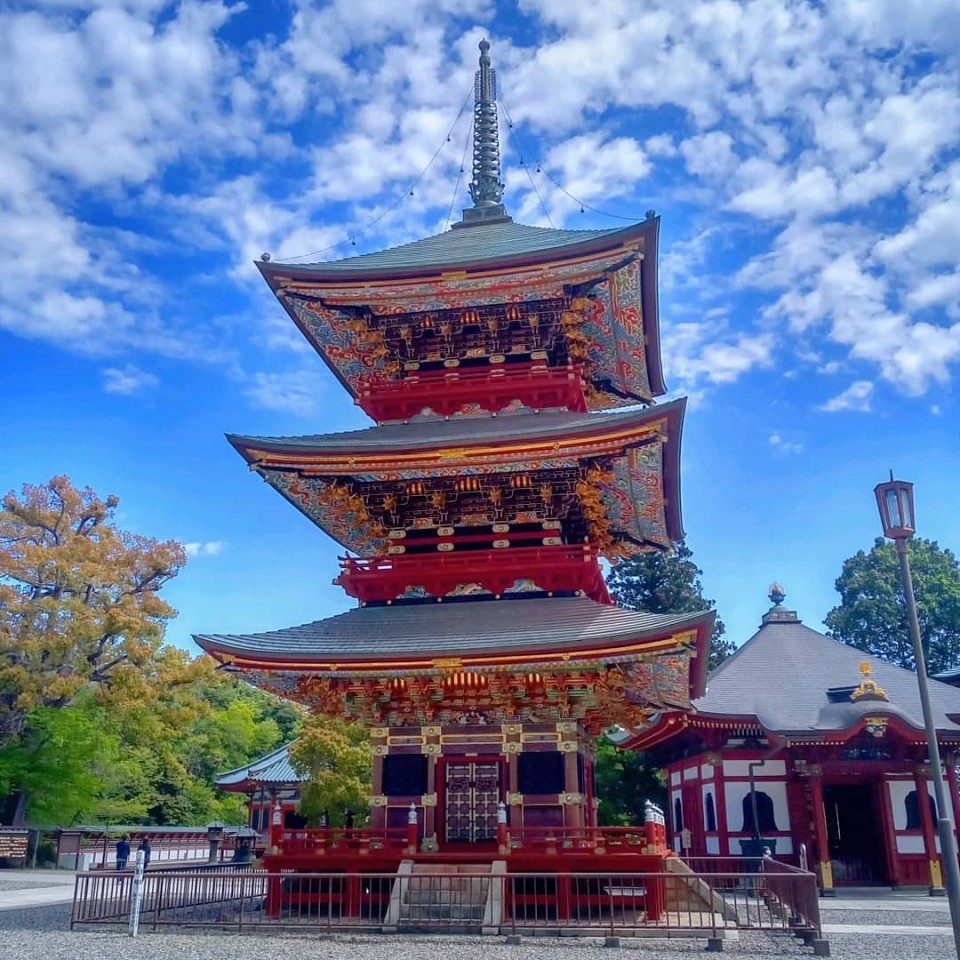
Known as Narita no Ofudo-sama, this temple was founded in 940 and is one of the head temples of the Chisan branch of Shingon Buddhism. Its main image of Fudo Myoo is said to have been carved by Kobo Daishi himself, who bowed three times with every cut. The grounds are among the largest in Japan, with a calligraphy museum, a Buddhist library, a park and a hall where cars are blessed for safe driving.
Naritasan Omotesando Narita
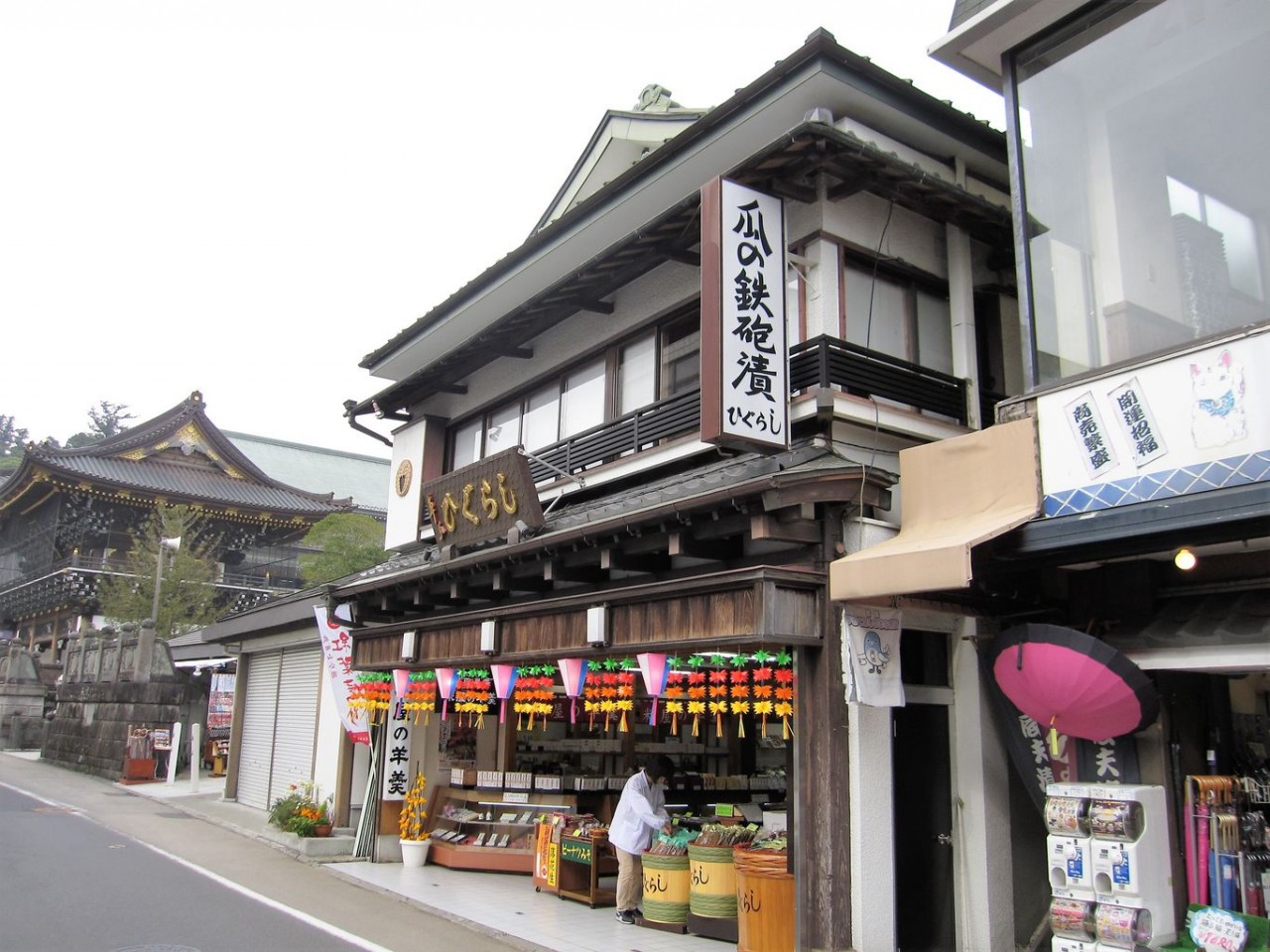
The street leading to Naritasan Shinshoji grew as a temple town and as a stop on transport and seafood routes. Old buildings remain, such as a three-story wooden inn and a pharmacy founded in the Edo period. Along the way are stone statues of the 12 zodiac animals, hidden cafes and shops grilling rice crackers by hand. At some shops you can watch eels being prepared out front, and the street keeps the feel of an Edo-period temple town.
Sakura no Yama Narita
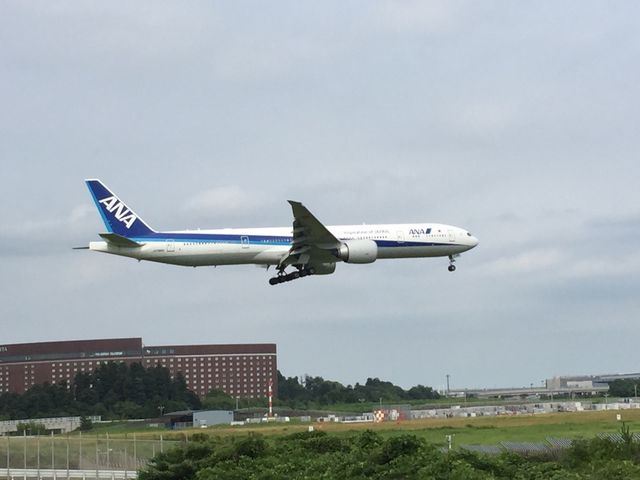
This hilltop park lies just north of Narita Airport's 4,000-meter runway, so you can watch planes up close, from jumbo jets to foreign airliners with unusual designs. Landing planes roar overhead so near you feel you could touch them, making it a great photo spot. The park has several kinds of cherry trees, a wide lawn and flower beds, and a farm stand sells seasonal vegetables, fruit, homemade bento and Narita souvenirs.
Narita Yume Farm Narita
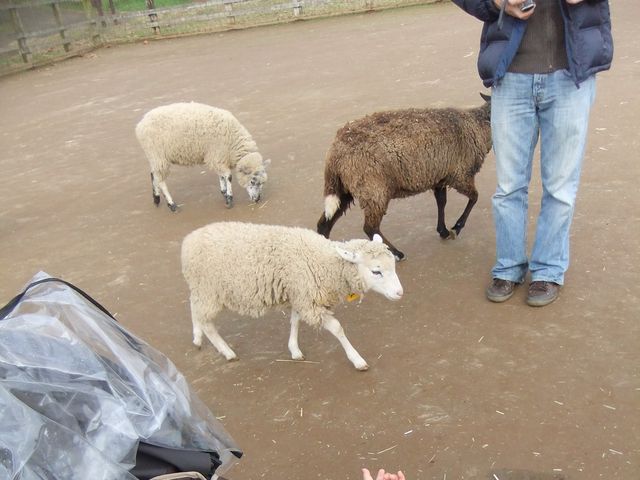
On about 300,000 square meters, about seven times the size of Tokyo Dome, you can get close to cows, sheep, goats, rabbits and many other animals. Try a Segway, a tractor ride, grass sledding or putting golf. Seasonal flowers, strawberry picking, cow milking and jam-making classes make it a full day out for families.
Shisui Premium Outlets Shisui
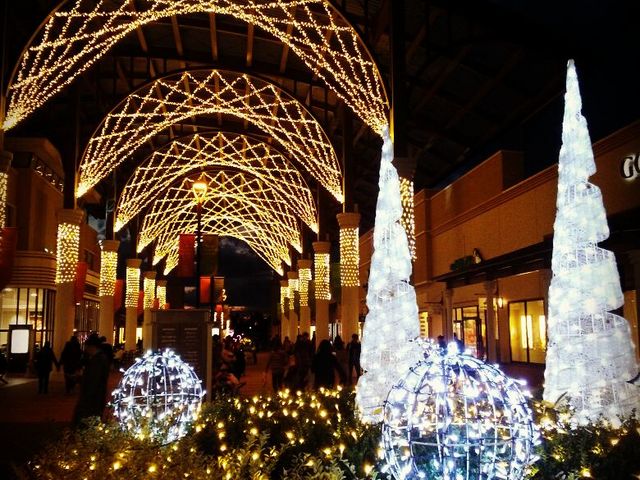
Close to Narita Airport and almost directly linked to the Shisui interchange of the Higashi-Kanto Expressway, this outlet mall is designed like an American Art Deco town. Its many shops sell goods from well-known Japanese and overseas brands at outlet prices.
Dutch Windmill Liefde Sakura
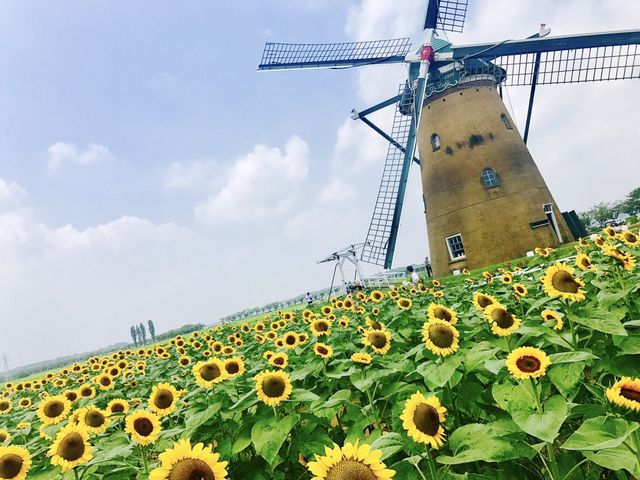
To mark the 40th anniversary of Sakura City, Dutch engineers built this authentic windmill in Sakura Furusato Square. Today it is a symbol of friendship between Sakura and the Netherlands and a well-loved landmark of the square.
The places on a map
Hours, prices and events change. Check each place's official website before you go.
More travel guides
 Tokyo Sightseeing by Area: 40 Classic Sights and Lesser-Known Spots from Asakusa to Odaiba40 placesTokyo has much more to see than Skytree, Tokyo Tower and Asakusa. This guide works through six of the city's main…
 Nagoya: 40 Best Places to Visit, from Nagoya Castle and Atsuta Jingu to Osu40 placesNagoya is one of Japan's biggest cities, yet many visitors don't know how much it has to see. Alongside its famous…
 Chichibu: 40 Best Places to Visit, from Nagatoro River Boats and Mitsumine Shrine to Moss Phlox and Icicles40 placesChichibu, the largest city in Saitama Prefecture, is about 90 minutes from central Tokyo. Most of the area is national…
 Niigata Prefecture: 40 Best Places to Visit, from Classic Sights to Hidden Gems40 placesNiigata Prefecture stretches a long way from north to south, and each area has its own scenery, climate and food. The…
 Nagasaki Prefecture: 40 Best Places to Visit, from Unzen Hot Springs to Hirado and Nagasaki City40 placesNagasaki grew up as a port open to the outside world, and the culture of those days still shapes its streets, churches…
 Fukuoka Prefecture: 40 Places to Visit in Kitakyushu, Chikuho and Around Fukuoka City40 placesFukuoka Prefecture is roughly divided into four areas, Kitakyushu, Chikuho, Fukuoka and Chikugo, and each has its own…