
Ibaraki: 13 Best Places to Visit, from Fukuroda Falls and Mount Tsukuba to the Pacific Coast
13 places · Japanese version
Ibaraki is blessed with mountains and faces the Pacific Ocean to the east. Easy access from the capital area has made it a fast-rising destination. Beyond its nature and historic shrines, lively fishing-port markets are part of its charm. Here are 13 places worth a trip at least once, from one of Japan's three great waterfalls and a giant bronze Buddha to flower fields, a space center and the coast.
Northern Ibaraki: falls and gorges
Fukuroda Falls Daigo
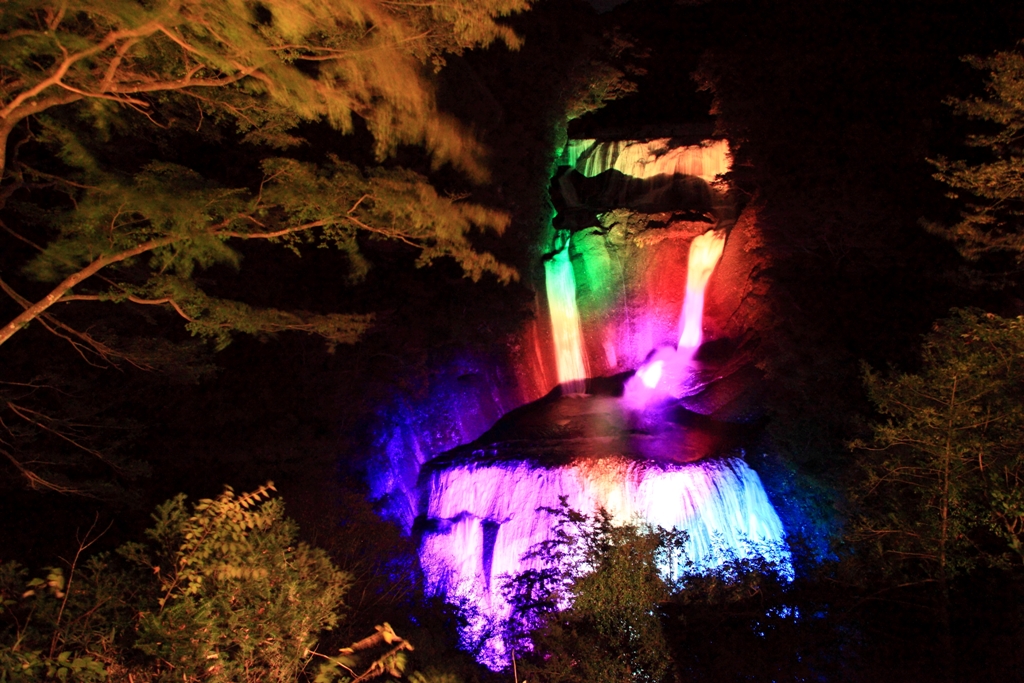
Fukuroda Falls is counted among the three great waterfalls of Japan. It is 120 meters high and 73 meters wide and drops down a huge rock wall in four steps, so it is also called Yodo-no-taki, the four-times falls. The poet-monk Saigyo is said to have praised it as a place you must see once in each season to truly appreciate. For a period in winter the falls are lit up at night.
Ryujin Suspension Bridge Hitachiota
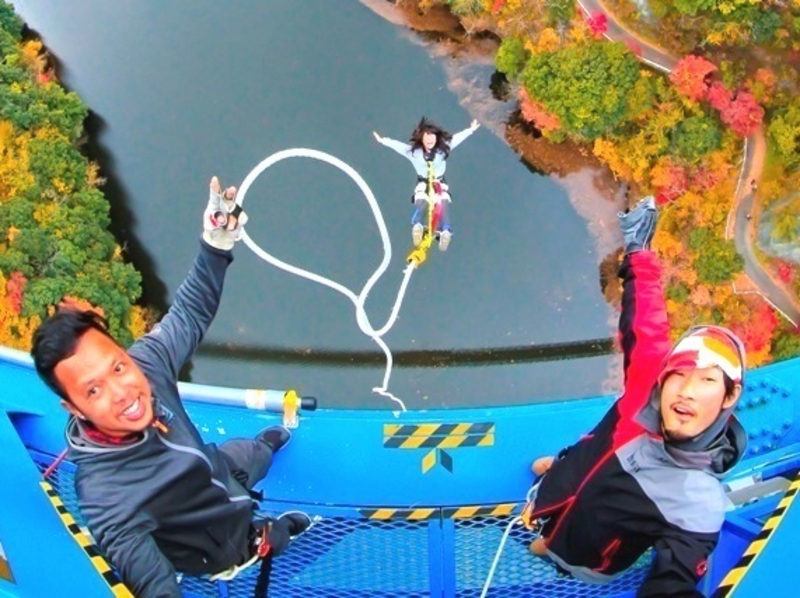
Ryujinkyo Gorge, rich in water and deep green forest, has long been known as a valley where a dragon lives. The bridge across it is 375 meters long, like a dragon stretched over the valley, and stands 100 meters above the ground, so the view is both grand and thrilling. From the valley floor the bridge looks beautiful against the night sky. It is also a famous bungee jumping spot.
Mito: gardens and a lake
Kairakuen Garden Mito
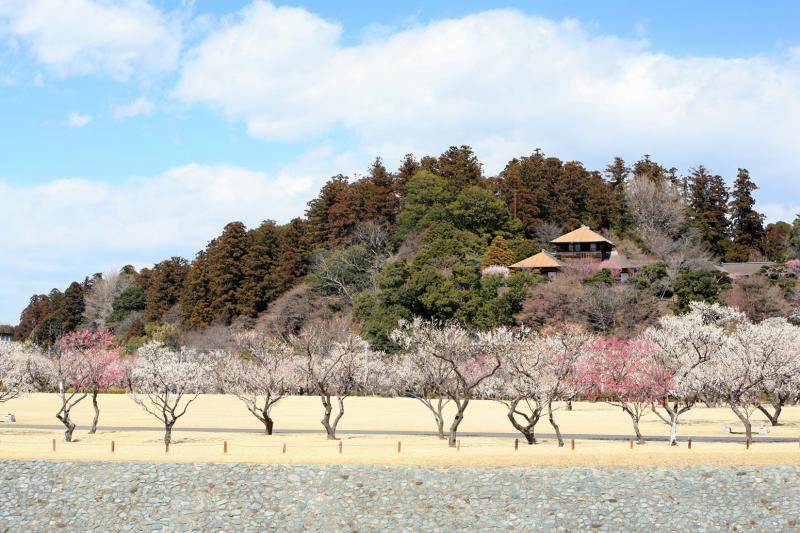
Kairakuen is one of the three great gardens of Japan, alongside Korakuen in Okayama and Kenrokuen in Kanazawa. Its highlight is Kobuntei, the villa of Tokugawa Nariaki, father of Tokugawa Yoshinobu; the view from its top floor, Rakujuro, is superb. Also look for the moso bamboo grove and the Togyokusen spring. Together with Lake Senba, Kairakuen Park is said to be the second largest city park in the world after Central Park.
Lake Senba Mito
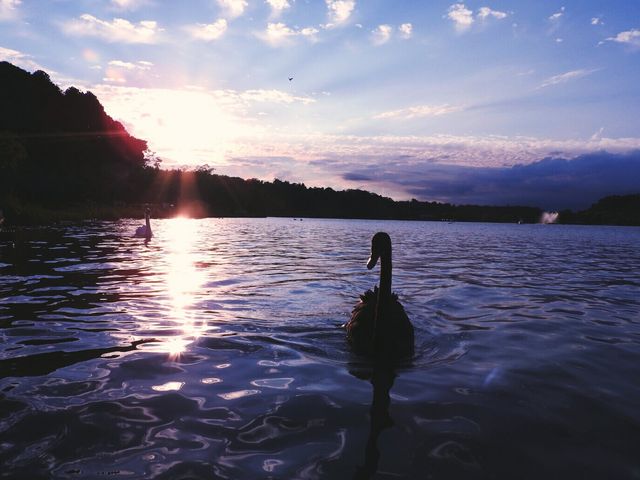
Next to Kairakuen, Lake Senba served as the outer moat of Mito Castle in the Edo period. Landfill made it smaller, but it still covers about 332,000 square meters. It is known for mute swans and many other waterbirds, and the area around Kairakuen Park and the lake is one of the New Eight Views of Mito. It is about 15 minutes by bus from Mito Station.
Tsukuba: the mountain and the space center
Mount Tsukuba Cable Car Tsukuba
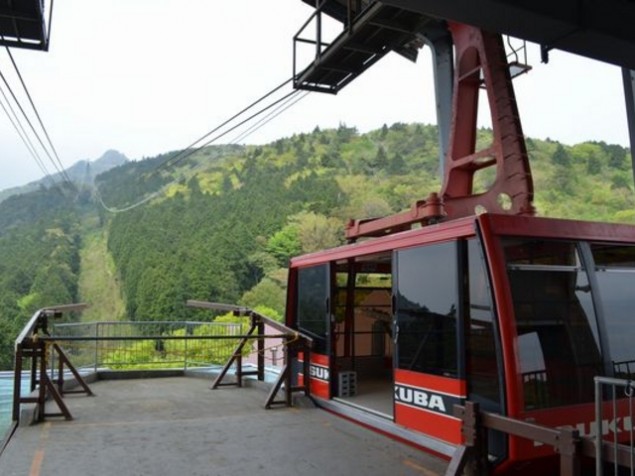
Mount Tsukuba, 877 meters high, is the symbol of the Kanto Plain, paired with Mount Fuji in the old saying: Fuji in the west, Tsukuba in the east. The cable car climbs about 1.6 kilometers from Miyawaki Station halfway up to the summit station in about eight minutes, past plum and cherry blossoms, hydrangeas, autumn leaves or snow. From the top you see the Kanto Plain, the skyscrapers of Tokyo and Mount Fuji beyond.
Mount Tsukuba Shrine Tsukuba
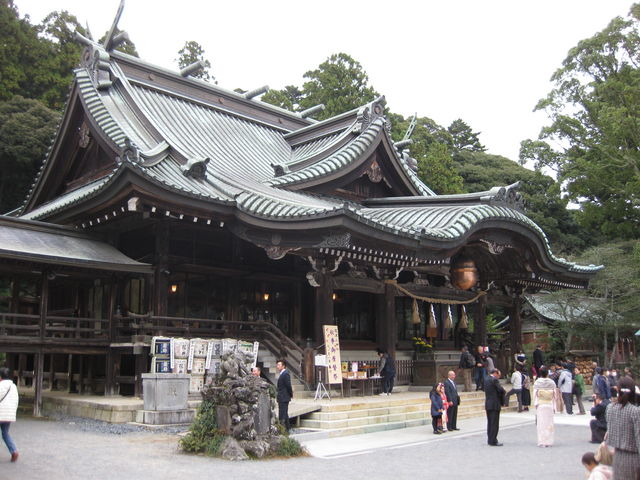
This shrine worships Mount Tsukuba itself as its sacred body and is said to have about 3,000 years of history. Its grounds cover about 370 hectares, with three main buildings: the honden on each of the twin peaks, Nantaisan and Nyotaisan, and the worship hall below. People come to pray for a good match, a happy marriage, family safety and children. The simple shrines on the summits feel grand against the wide view behind them.
JAXA Tsukuba Space Center Tsukuba
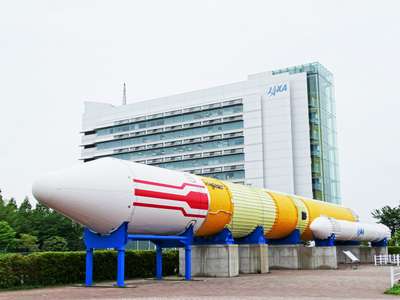
Tsukuba Space Center is the heart of JAXA, Japan's space agency, and visitors can tour parts of this special facility. First to greet you is a real H-II rocket, displayed lying on its side outside. Inside are a model of the famous Hayabusa probe and a full-size rocket engine used in testing. Guided tours such as the astronaut course and the space station course are also available. It is about 15 minutes by bus from Tsukuba Station.
Southern Ibaraki: shrine and Buddha
Kashima Jingu Shrine Kashima
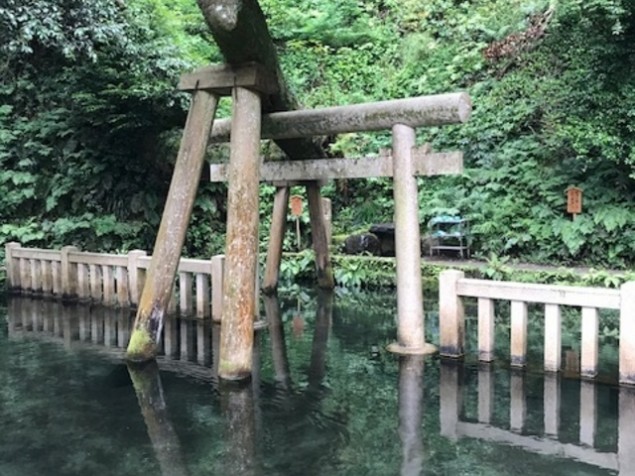
Kashima Jingu is an ancient shrine already mentioned in the Hitachi no Kuni Fudoki, a record from 713. It honors Takemikazuchi, a god of war, and the famous swordsman Tsukahara Bokuden served its priests. About 300 meters along the approach from the main hall stands the Okumiya, an early Edo-period building and an Important Cultural Property; the quiet and the shafts of light through the trees give it a mystical air. Six other buildings are also Important Cultural Properties.
Ushiku Daibutsu Ushiku
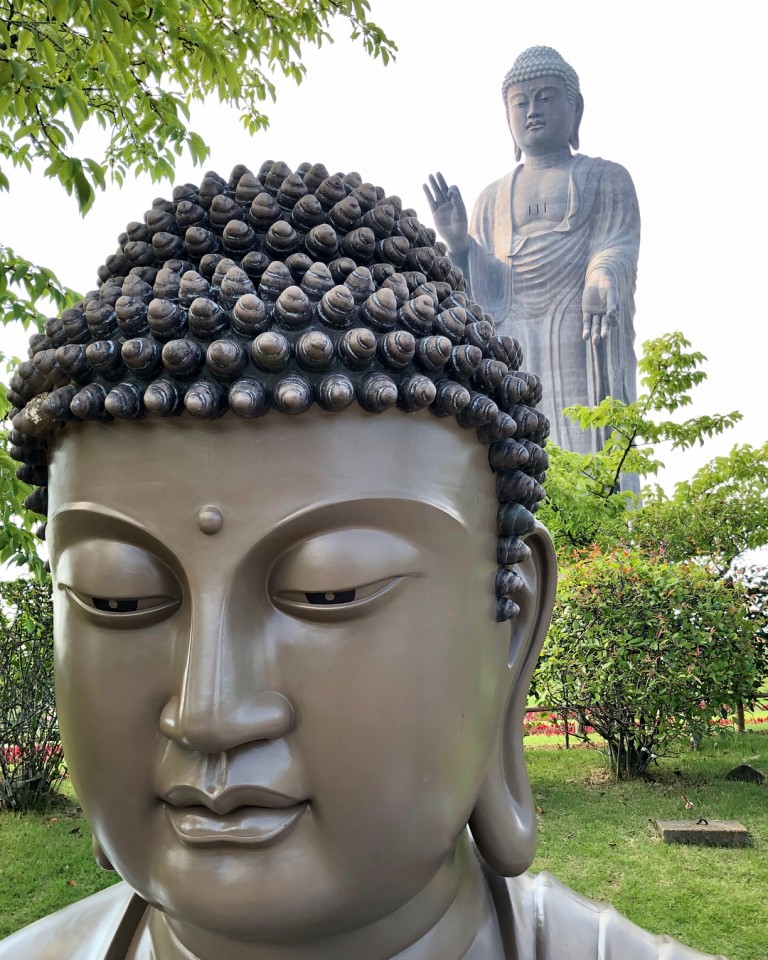
This standing bronze Buddha rises in the grounds of Ushiku Joen, a cemetery of the Jodo Shinshu Higashi Honganji school. It takes the form of Amida Buddha, and its height of 120 meters echoes the twelve lights of Amida. It is the largest bronze standing statue in the world. Inside, an elevator takes you to an observation floor 85 meters up to look out through the statue. A small animal park makes it popular with families.
The coast: Hitachinaka and Oarai
Hitachi Seaside Park (Nemophila Fields) Hitachinaka
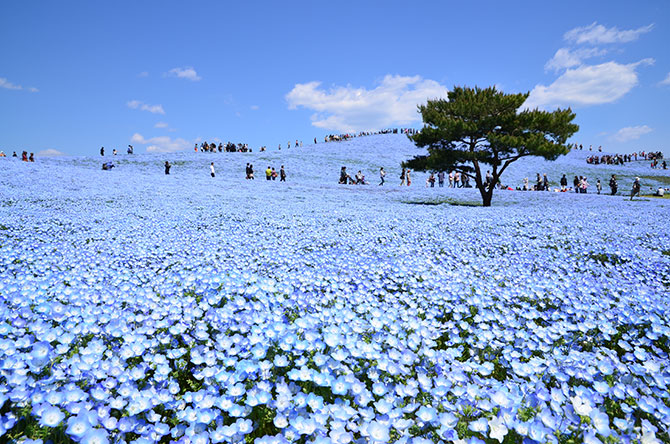
This national park on the Hitachinaka coast is one of the symbols of Ibaraki. It covers 191 hectares, about 40 times Tokyo Dome, with colorful flower fields all year: daffodils and tulips in spring, roses and sunflowers in summer, kochia and cosmos in autumn. Best of all are the blue nemophila that cover Miharashi Hill, blending with the sea and sky into a fairy-tale scene. It is about 20 minutes by bus from Katsuta Station.
Aqua World Oarai Oarai
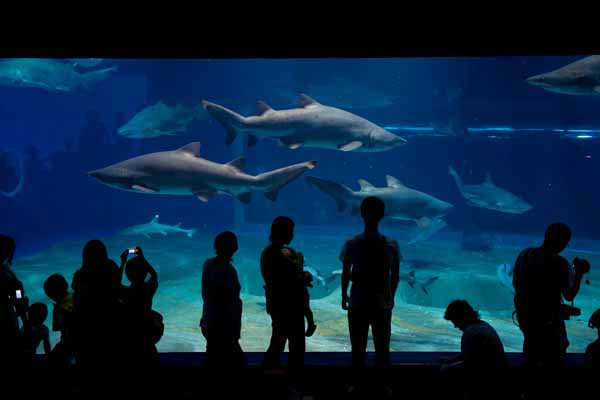
Aqua World Oarai is one of the largest aquariums in Japan, with about 580 species. It is especially known for sharks, keeping 55 kinds. Right at the start, the Sea of Encounters zone holds about 20,000 fish of some 80 species, from sharks and sea turtles to shining schools of sardines. Do not miss the tank built just for ocean sunfish, the largest in Japan, and a mounted basking shark.
Oarai Isosaki Shrine Oarai
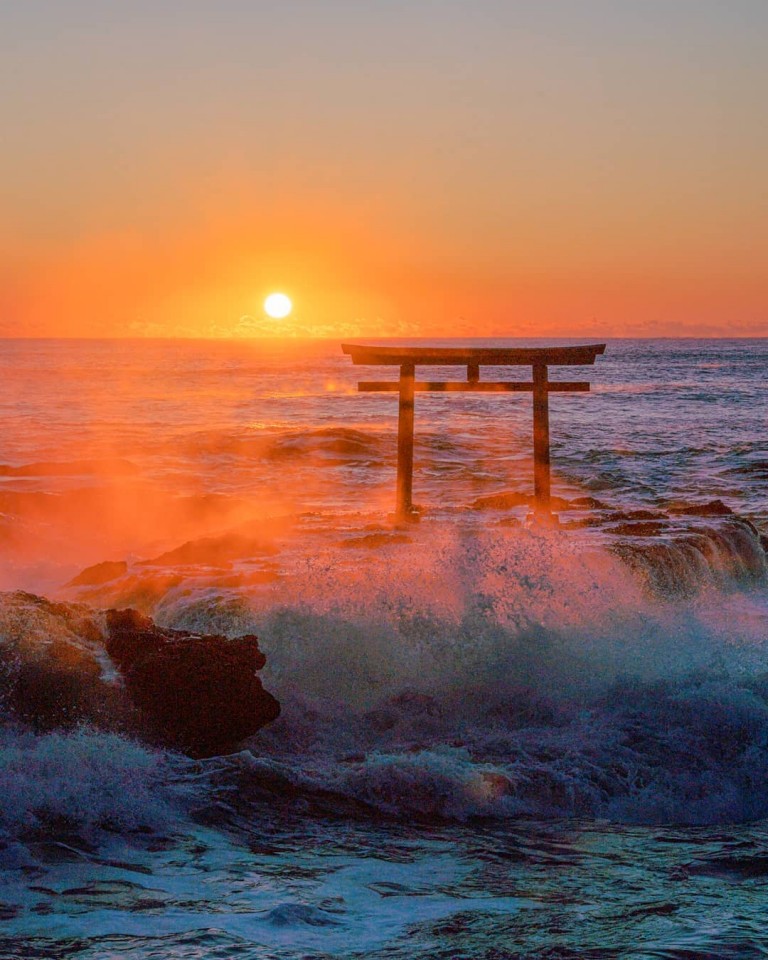
This shrine stands on a hill on a cape facing the Pacific. It is said to form one faith with Sakatsura Isosaki Shrine across the water in Hitachinaka, and its history is thought to reach back to the Heian period; it was rebuilt by the Mito lords Tokugawa Mitsukuni and Tsunaeda. Most famous is the Kamiiso torii on the rocks by the sea, where the gods are said to have come down, standing firm among the waves.
Nakaminato Fish Market Hitachinaka
Next to Nakaminato fishing port, this is the best-known market in Ibaraki for visitors. It is popular for fresh fish and shellfish caught that morning at reasonable prices, and many port-town restaurants let you eat seafood on the spot. Combine it with Aqua World Oarai and the Oarai outlet mall. It is about ten minutes on foot from Nakaminato Station.
The places on a map
Hours, prices and events change. Check each place's official website before you go.
More travel guides
 Tokyo Sightseeing by Area: 40 Classic Sights and Lesser-Known Spots from Asakusa to Odaiba40 placesTokyo has much more to see than Skytree, Tokyo Tower and Asakusa. This guide works through six of the city's main…
 Nagoya: 40 Best Places to Visit, from Nagoya Castle and Atsuta Jingu to Osu40 placesNagoya is one of Japan's biggest cities, yet many visitors don't know how much it has to see. Alongside its famous…
 Chichibu: 40 Best Places to Visit, from Nagatoro River Boats and Mitsumine Shrine to Moss Phlox and Icicles40 placesChichibu, the largest city in Saitama Prefecture, is about 90 minutes from central Tokyo. Most of the area is national…
 Niigata Prefecture: 40 Best Places to Visit, from Classic Sights to Hidden Gems40 placesNiigata Prefecture stretches a long way from north to south, and each area has its own scenery, climate and food. The…
 Nagasaki Prefecture: 40 Best Places to Visit, from Unzen Hot Springs to Hirado and Nagasaki City40 placesNagasaki grew up as a port open to the outside world, and the culture of those days still shapes its streets, churches…
 Fukuoka Prefecture: 40 Places to Visit in Kitakyushu, Chikuho and Around Fukuoka City40 placesFukuoka Prefecture is roughly divided into four areas, Kitakyushu, Chikuho, Fukuoka and Chikugo, and each has its own…