
Okayama Travel Guide: 39 Places to Visit, from Korakuen and Kurashiki to Mountain Hot Springs
39 places · Japanese version
Okayama is best known for Korakuen, one of Japan's three great gardens, but there is much more: the black keep of Okayama Castle, art on Inujima island, and old towns full of travel charm. Art and culture, historic streets, quiet nature and a mild climate with little rain define the prefecture, and fresh seafood, oysters and kibi dango sweets make good breaks between sights. Here are 39 places, grouped by area, from the classics to hidden gems, including sites tied to the Momotaro folk tale and hot springs in the northern mountains.
Okayama City
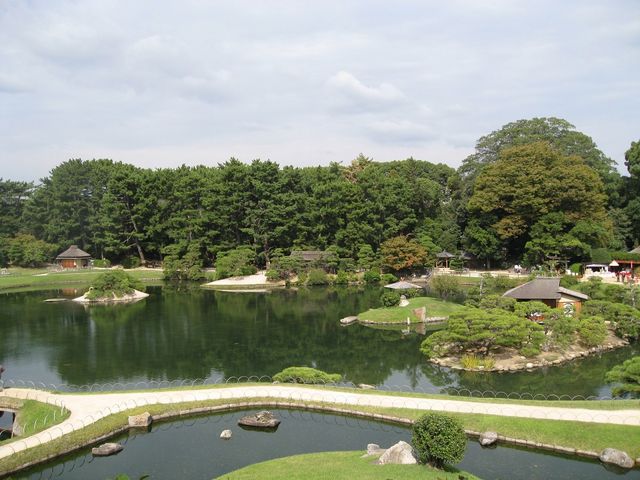
Okayama Korakuen Garden Okayama City
Together with Kenrokuen in Kanazawa and Kairakuen in Mito, Korakuen is one of Japan's three great gardens, and it has three stars in the Michelin Green Guide Japan. Created by Ikeda Tsunamasa, the second lord of the Okayama domain, this large garden is a Special Place of Scenic Beauty and a fine example of Genroku-era culture. It covers about three times the area of Tokyo Dome, and the view of Okayama Castle from the garden is lovely.
Okayama Castle Okayama City
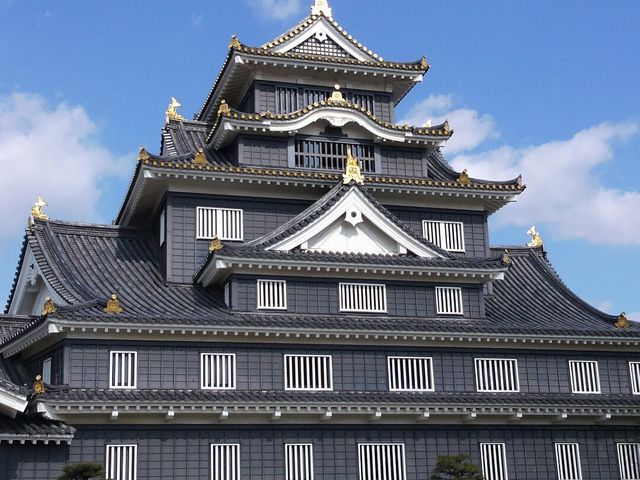
Ukita Hideie built this castle over eight years under the guidance of Toyotomi Hideyoshi, and its black keep has a solemn look. The next lord, Kobayakawa Hideaki, enlarged the castle and built up a fine castle town. The keep burned down in 1945 and was rebuilt in 1966. Do not miss the Tsukimi Yagura moon-viewing turret, one of only two original buildings left and an Important Cultural Property.
Saijo Inari Okayama City
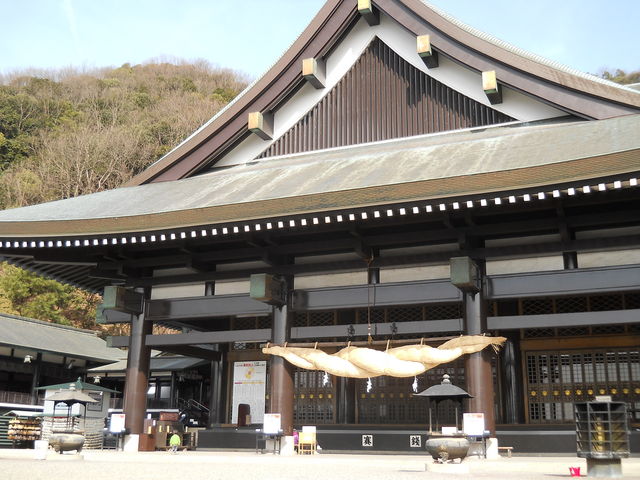
Counted among Japan's three great Inari sites, Saijo Inari is known for the huge torii gate on its approach, but it is actually a Nichiren Buddhist temple, officially named Myokyo-ji. People pray here for business success and better studies, and also both to make and to end relationships. It was the only temple in the prefecture to escape the anti-Buddhist movement of the Meiji era, keeping the old mix of Shinto and Buddhism.
Kibitsu Shrine Okayama City
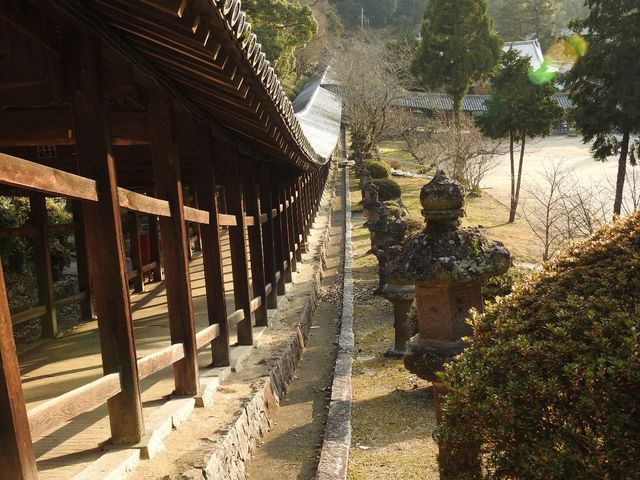
One of the leading shrines of the Sanyo region, Kibitsu Shrine honors Okibitsuhiko, said to be the model for Momotaro, the Peach Boy of the folk tale, while the ogre is said to be Ura, a prince from the Korean kingdom of Baekje. The main hall is built in the Kibitsu style, found nowhere else in Japan. Ura's head is said to lie under the Okama-den hall, where fortunes are read from the sound of a cauldron.
Bitchu Takamatsu Castle Ruins Park Okayama City
Bitchu Takamatsu Castle, a stronghold of the Mori clan, is famous for falling to Kuroda Kanbei's siege by flooding. The site is now a historic park, and in July Muneharu lotus flowers fill its huge 7,000-square-meter pond, drawing many visitors and amateur photographers. The small museum shows models and materials about the flood siege, and volunteer guides can explain it. It is about 10 minutes on foot from Bitchu-Takamatsu Station.
Ryusen-ji Okayama City
This temple dates back to the Nara period and was founded by Hoon Daishi, who trained in the mountains here. Its object of worship is the dragon king pond, surrounded by unusual rocks and wetlands where egret orchids and water lilies bloom. On the fourth Sunday of July, the Otaki Festival is held, and crowds come for the climax, when a portable shrine is carried under the waterfall.
Ikeda Zoo Okayama City
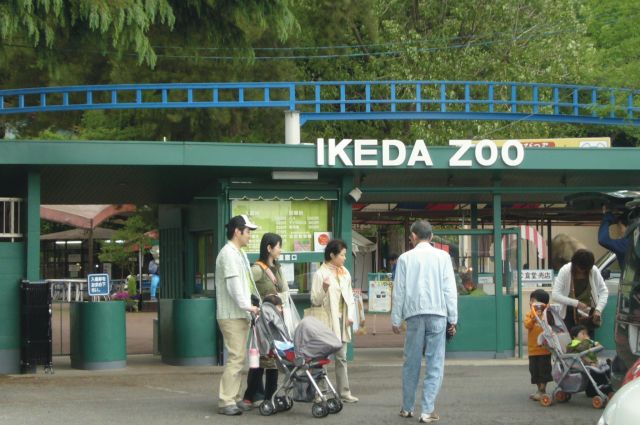
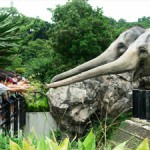
Founded by a descendant of the Okayama lords, this is the largest zoo in the prefecture, set on Mount Kyoyama. More than 120 species live here, including white lions and an Indian elephant. Peacock shows, rare in Japan, and drawing events are held, and small rides such as two-seat watching cycles let children look down on the animals from above.
Maneki Neko Museum Okayama City
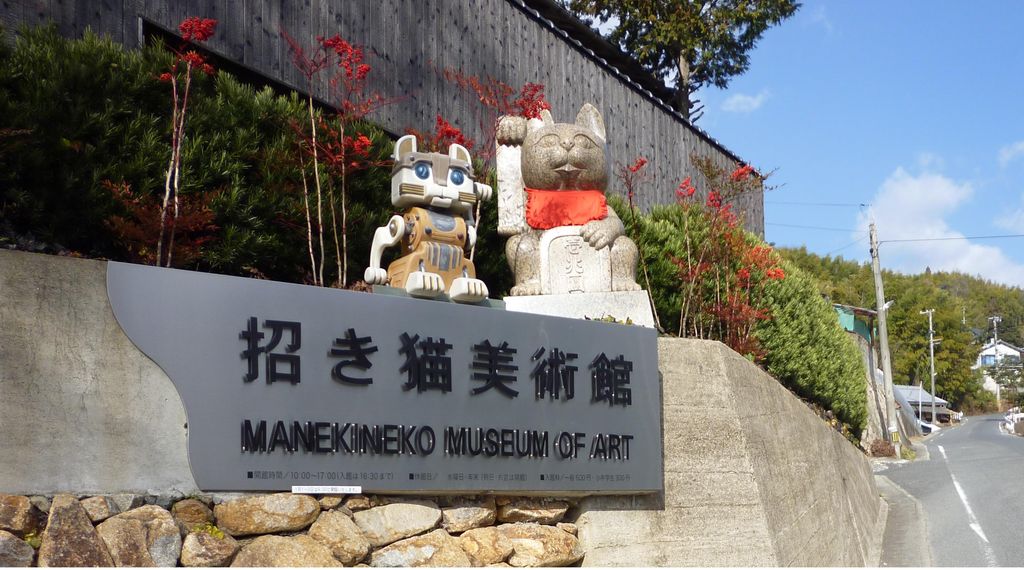
This rare museum is devoted to maneki neko, the beckoning cats said to bring good luck, and you will find them all over the grounds. In the annex you can paint your own figure, and the shop sells original goods found only here, such as golden lucky cats and cats standing on rice bales with both paws raised. It is hard to reach on foot from the nearest station, so take a taxi or drive.
Okayama Orient Museum Okayama City
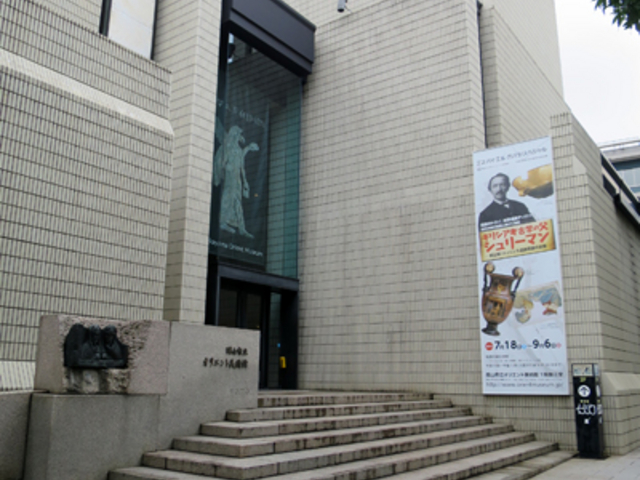
This museum collects art mainly from West Asia, from ancient times to the early modern period, including many works that traveled along the Silk Road. A highlight is the Assyrian relief that once decorated a royal palace wall. It holds about 4,800 archaeological and art objects and is the only public museum in Japan specializing in the ancient Orient. It is a 2-minute walk from the Shiroshita tram stop.
Kubo Tourist Farm Okayama City
Pick fruit and vegetables yourself at this farm, from grapes and chestnuts to persimmons and sweet potatoes, which children enjoy. Grapes include Muscat of Alexandria, an Okayama specialty called the queen of grapes, the sweet seedless New Berry A and large, dark purple New Pione. Fresh local vegetables are also sold. Summer to autumn is the best season.
Inujima Okayama City
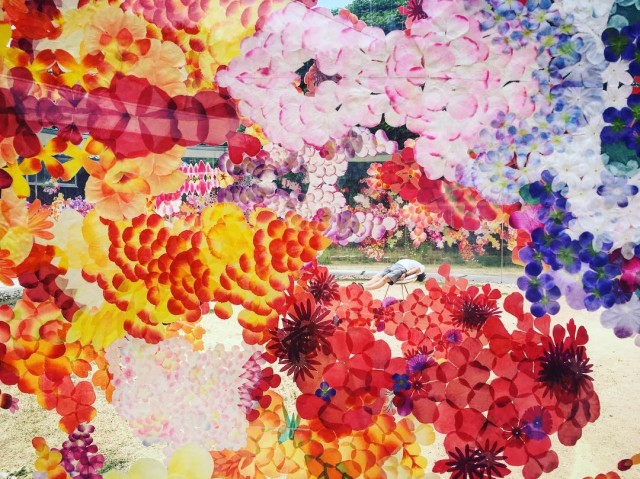
Known as Benesse Art Site Inujima, this island shows works by leading artists, and the whole island, including the old copper refinery and the art museum, feels like one work of art. Boats leave from Hoden Port in Okayama, and the crossing takes only a few minutes. There is also a beach, with sea kayaking and other water sports.
Kurashiki and Kasaoka
Kurashiki Bikan Historical Quarter Kurashiki
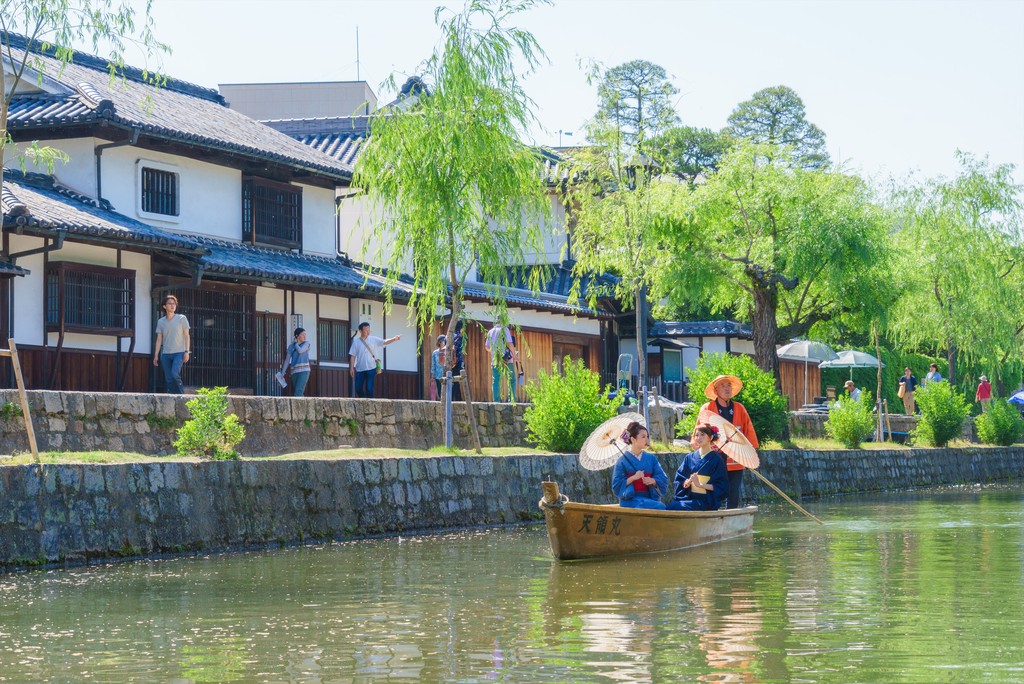
Flat-bottomed boats on the canal, willow trees and white walls with black-tiled patterns make this the classic view of Okayama. The town thrived in the Edo period under direct shogunate rule, and its old buildings are carefully preserved. Walk the stone-paved streets, peek into galleries or take a boat ride. Kurashiki Ivy Square and the former Ohara family residence are among its historic buildings. It is 10 minutes on foot from the south exit of Kurashiki Station.
Ohara Museum of Art Kurashiki
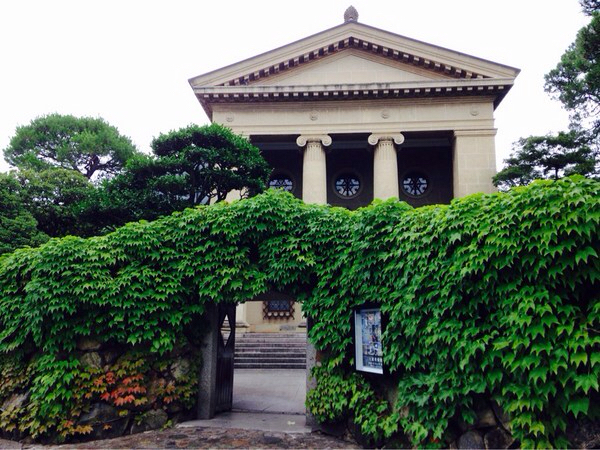
Japan's first museum of Western art is a private museum showing the collection of Kurashiki businessman Ohara Magosaburo. Works by Monet, Renoir, El Greco, Picasso and Gauguin hold their own against those of the world's top museums, so come and see the real thing behind pictures from your art textbook. There is no parking, so use nearby paid lots, or walk 15 minutes from Kurashiki Station.
Betty Smith Jeans Museum Kojima
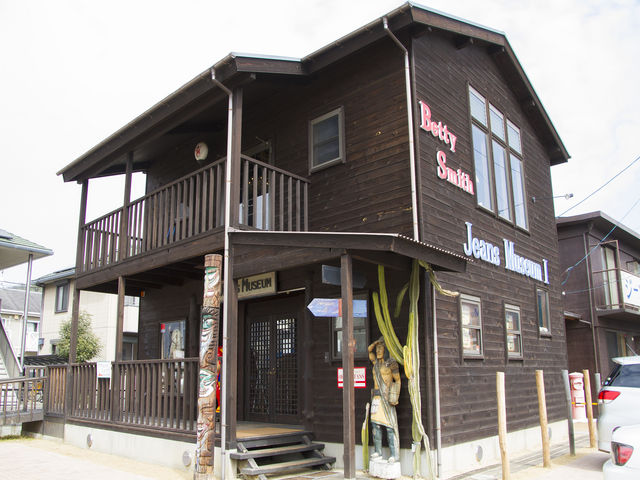
Kojima in Kurashiki is famous as the birthplace of Japanese-made jeans. This museum, run by Betty Smith, the first maker of women's jeans in Japan, is the only jeans museum in the country. In the salon on the second floor you can order a one-of-a-kind pair of jeans made just for you.
Mizushima Industrial Complex Night View Kurashiki
The lights of the Mizushima industrial complex on the Seto Inland Sea shine all night long, like a castle that never sleeps. The best place to watch is the Mizushima Observatory on the Washuzan Skyline, well known among locals, and from the top you can also look down on the Great Seto Bridge. It is a classic last stop on a drive in Okayama.
Kasaoka Bay Sunflower Fields Kasaoka
Land reclaimed from Kasaoka Bay is now mostly farmland, nicknamed Bay Farm. Here sunflowers cover as much as 9 hectares, a breathtaking sight. Poppies in spring and cosmos in autumn are just as beautiful. March, May, August and October are the recommended months, and the fields are free to see.
Western Okayama: Soja and Takahashi
Kinojo Castle Soja
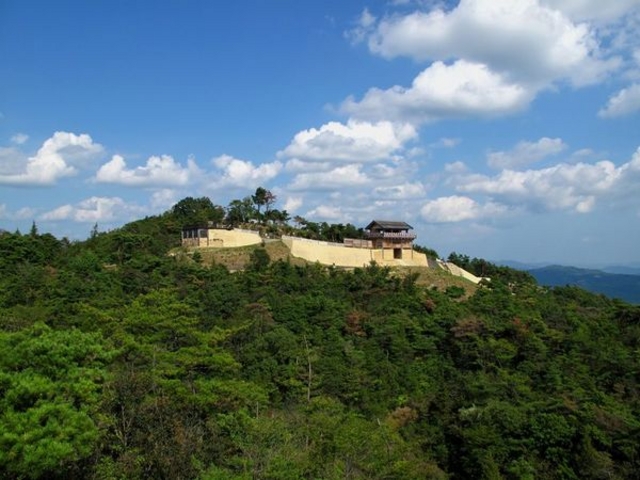
One of Japan's 100 fine castles, this ancient mountain fortress dates back to the 7th century and is said to have been built to defend against invasion after Japan's defeat at the Battle of Baekgang. Legend says it was the home of Ura, the ogre of the Momotaro story, who raided passing ships. It suits anyone who loves ancient mysteries, but wear good walking shoes. It is about 400 meters on foot from the visitor center parking.
Bitchu Matsuyama Castle Takahashi
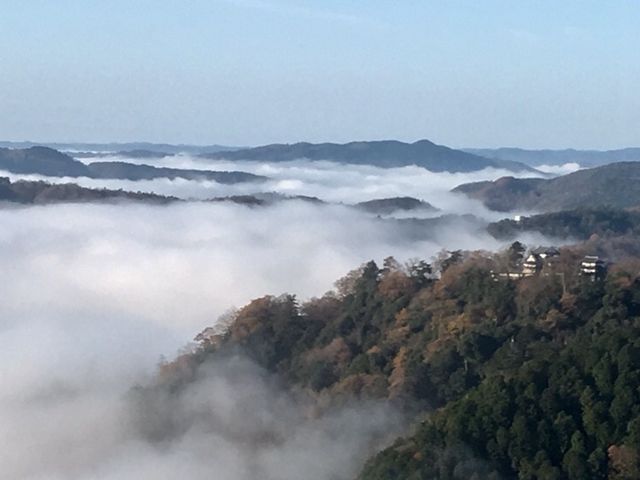
This is one of only twelve castles in Japan with an original Edo-period keep, and the smallest. Its keep, an Important Cultural Property, stands near the top of Mount Gagyu at 430 meters, the highest of any mountain castle with an original keep. In winter it can float above a sea of clouds. Huge rock walls over 10 meters high line the climb, and it is a 20-minute walk from the parking lot to the keep.
Fukiya Furusato Village Takahashi
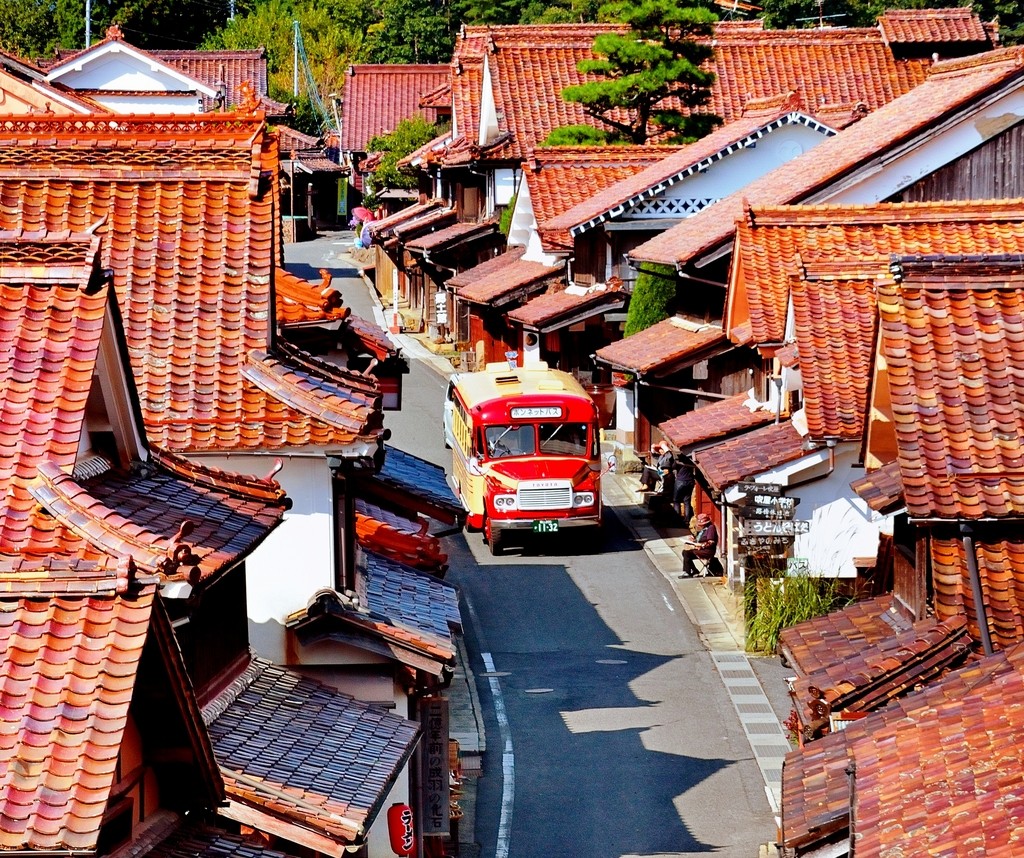
From the late Edo period to the Meiji era, Fukiya thrived on bengara, a red pigment. The merchants who grew rich from it built a town of red Sekishu roof tiles and plaster walls, deep in the mountains, so walking here feels like finding a hidden village. See the former Katayama family residence, an Important Cultural Property, Fukiya Elementary School, the oldest wooden school building in Japan, and a local museum in a Meiji-era merchant house.
Eastern Okayama: Bizen, Setouchi and Akaiwa
Former Shizutani School Bizen
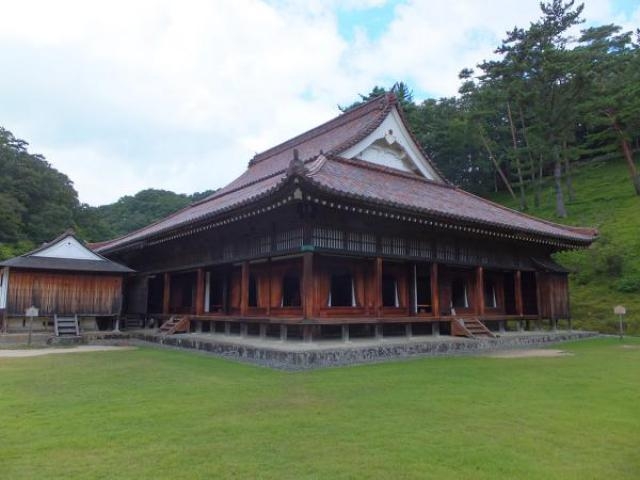
Founded in the Edo period by the lord of Okayama, this is the oldest school for ordinary people in Japan. The contrast of deep green trees, lawns and the red lecture hall is striking. The lecture hall is a National Treasure, and 24 other buildings are Important Cultural Properties. A Western-style school building from the Meiji era is now a museum on the school's long history.
Ushimado Shrine Setouchi
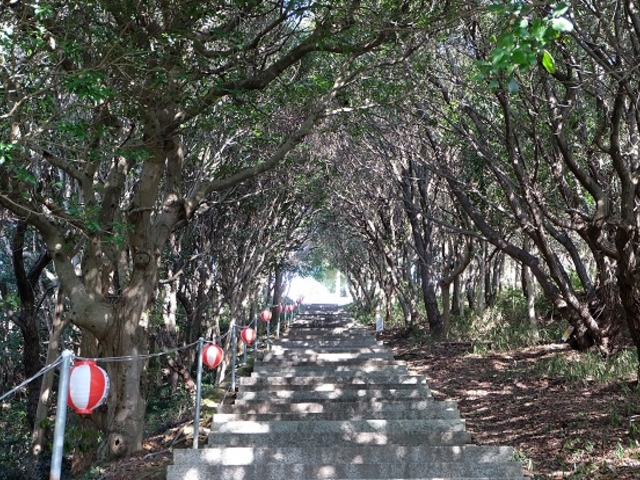
Right beside Ushimado Beach, a torii gate and a long stone stairway lead up to this shrine in the forest. It is said to bring safety for the family, protection from bad luck and luck in love. Among the offerings is an ema plaque that inspired the painter Takehisa Yumeji to become an artist. Many ancient burial mounds nearby suggest the site's roots are very old, and the view of the Ushimado sea from the grounds is superb.
Ushimado Olive Garden Setouchi
About 2,000 olive trees grow on a hillside above the Seto Inland Sea at this leading Japanese olive farm. Enjoy the sea of Ushimado, called the Aegean Sea of Japan, along with olives and seasonal flowers. On clear days the shop looks out to the Akashi Kaikyo Bridge, the Great Seto Bridge and Yashima. Olive oil for skin care and olive soap make good souvenirs, and there are guest rooms for an overnight stay.
Bizen Osafune Japanese Sword Museum Setouchi
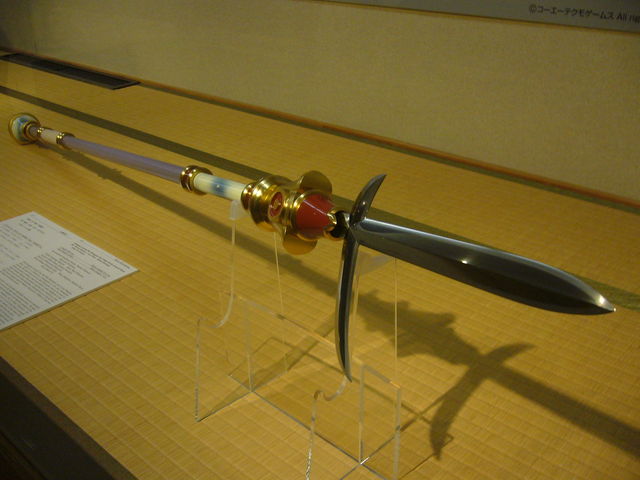
Bizen Osafune has long been known for making Japanese swords. This museum displays many swords, including Bizen Osafune blades, and in the workshops you can watch the sword-making process or try making a small knife yourself.
Hinase Islands Bizen
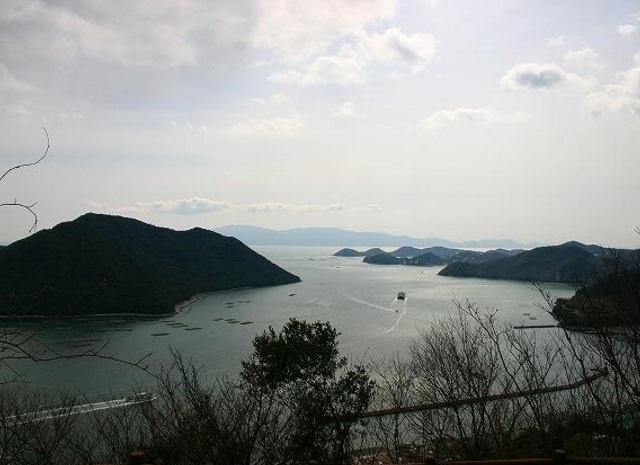
Near the border with Hyogo, 13 large and small islands float in the Seto Inland Sea. The calm sea and island silhouettes make a beautiful view, and you can swim, camp or pick mandarin oranges. On a day trip, a sightseeing cruise around the islands is a good choice. Do not miss kakioko, the local okonomiyaki packed with oysters. Regular boats leave from a pier just outside JR Hinase Station.
Kodai Taiken no Sato Mahoroba Bizen
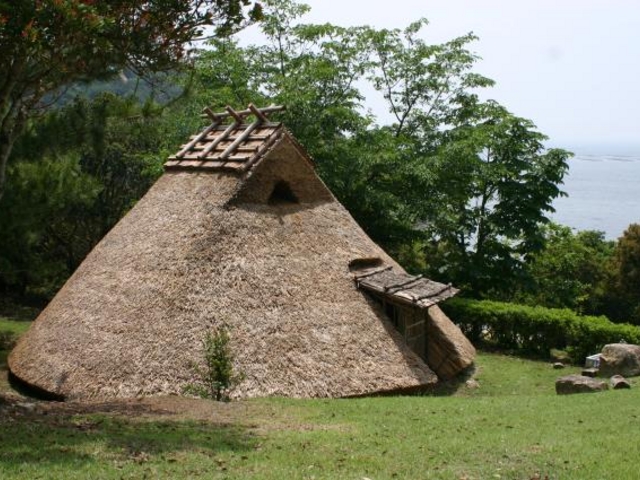
On Kakui Island, the largest of the Hinase Islands, stands what looks like a prehistoric Jomon village. It is actually a campground where you can live like ancient people: sleep in raised-floor or pit dwellings, start a fire the old way and make pottery. It offers a very different kind of outdoor stay. Reach it by boat from Hinase Station or by car over the bridge.
Tomomien Akaiwa
Okayama is famous for high-quality fruit such as Muscat and Pione grapes and white peaches, so try fruit picking while you are here. Tomomien has all-you-can-eat plans, so you can enjoy premium Okayama fruit such as Seto Giant grapes. Peach picking is best in July and grape picking in September, and reservations are needed.
Northern Okayama: Tsuyama, Maniwa and Hiruzen
Nakayama Shrine Tsuyama
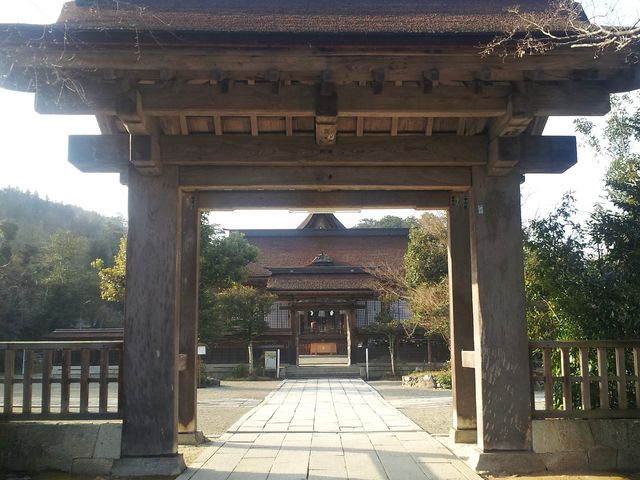
Founded in the Nara period, this is the ichinomiya, or leading shrine, of the old Mimasaka province in northern Okayama. The main hall and torii are built in a unique style called Nakayama-zukuri. Its gods protect metalworking, cattle and horses, and its high rank makes it a popular power spot. Instead of the usual guardian dogs, it has guardian monkeys, and old tales describe its god as a monkey god, a messenger of the sun goddess Amaterasu.
Tsuyama Manabi Railway Museum (Former Tsuyama Roundhouse) Tsuyama
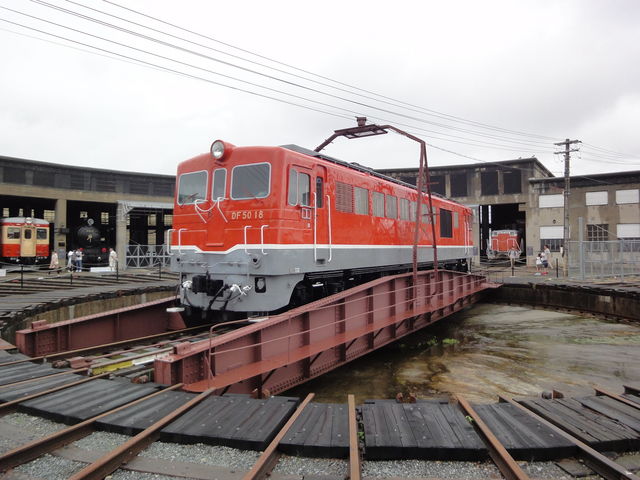
Only 13 fan-shaped engine sheds remain in Japan, and this is the second largest. The turntable that turns the trains around is still in use, making it a rare spot for railway fans. It is about 10 minutes on foot from Tsuyama Station.
Makiba no Yakata Misaki
Part of a prefectural livestock research center, this place feels like a picnic in the country, with play equipment, a stream for water play, a petting zoo and a dog run. Children can run around and meet horses, sheep and rabbits. The lavender garden in early summer is lovely. Soft serve, pudding and cream puffs made from its dairy are popular, and homemade yogurt, cakes, ham, sausages and herb products are sold. Entry is free.
Katsuyama Historic District Maniwa
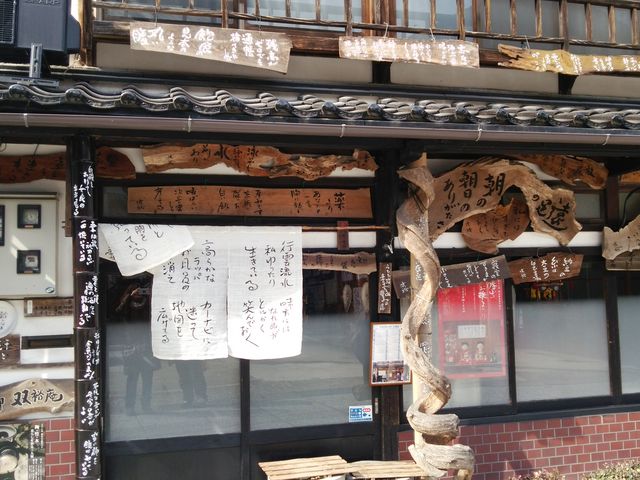
This old castle town grew up at a key point on the Izumo Kaido road. Sake breweries, storehouses, merchant houses and samurai homes still give it an Edo-period feel. Shops and homes hang creative plant-dyed noren curtains at their doors, and just walking to see them is a pleasure. The riverbank where flat-bottomed boats once landed is also scenic. It is 5 minutes on foot from Chugoku-Katsuyama Station.
Kanba Falls Nature Park Maniwa
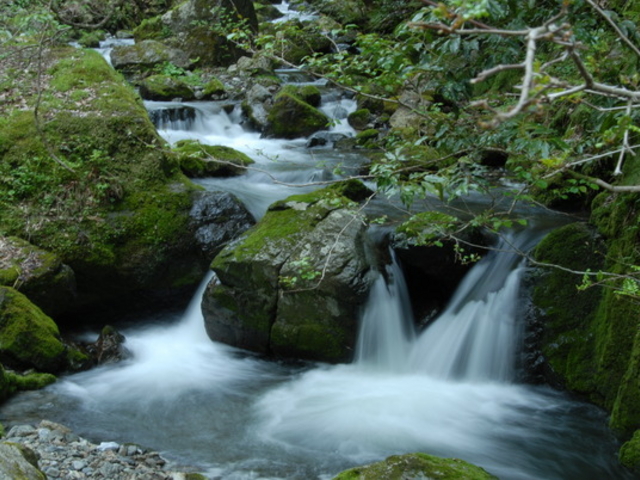
Kanba Falls, one of Japan's 100 best waterfalls and among the largest in western Japan, drops 110 meters with plenty of water. The park is also famous for monkeys: wild monkeys, fed by the park, appear along the walking path, and watching them is part of the fun. The autumn leaves are beautiful too.
Daigo-zakura Maniwa
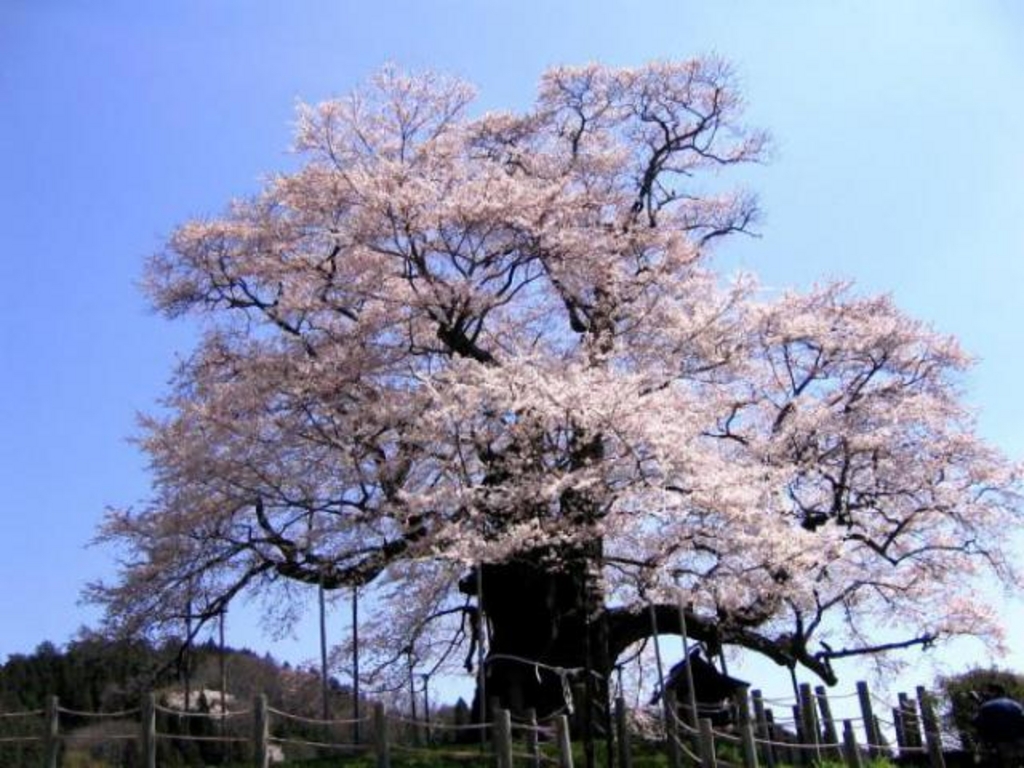
Said to be about 1,000 years old, this giant cherry tree is the most famous in Okayama. Its name is said to come from an emperor who praised the tree on his way into exile. It stands proudly in a peaceful countryside landscape. The best time is early to mid-April, and it is about 20 minutes on foot from Mimasaka-Ochiai Station.
Yubara Onsen Maniwa
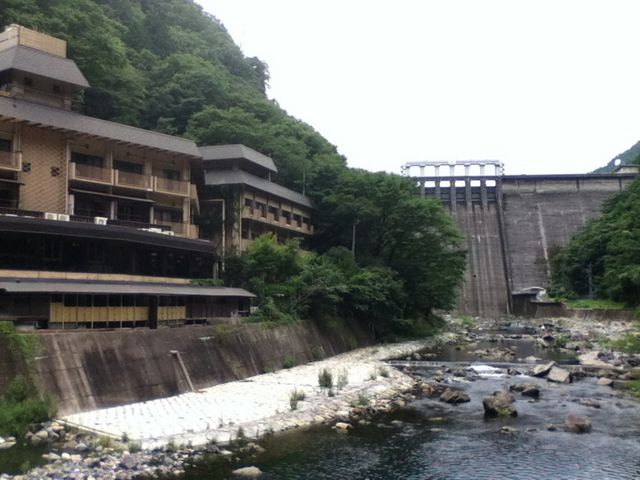
Ranked at the top in the west in a list of Japan's open-air baths, Yubara Onsen is best known for Sunayu, a bath where hot water rises from the bed of the Asahi River. Beyond the water itself, the openness of bathing in nature is a joy, and Sunayu is free to use, so stop by on a drive. It is about 8 minutes from the Yubara exit of the Yonago Expressway.
Hiruzen Jersey Land Maniwa
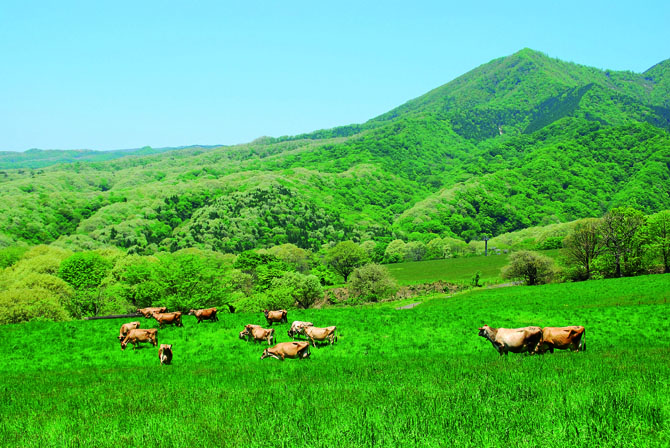
The Hiruzen Highlands raise more Jersey cows than anywhere else in Japan, and Hiruzen Jersey milk and yogurt are known nationwide. The specialty at Hiruzen Jersey Land is, of course, soft serve ice cream, and its rich taste is even better eaten in the wide open countryside. It is 10 minutes from the Hiruzen exit of the Yonago Expressway.
Yurikago no Komichi Forest Therapy Path Shinjo
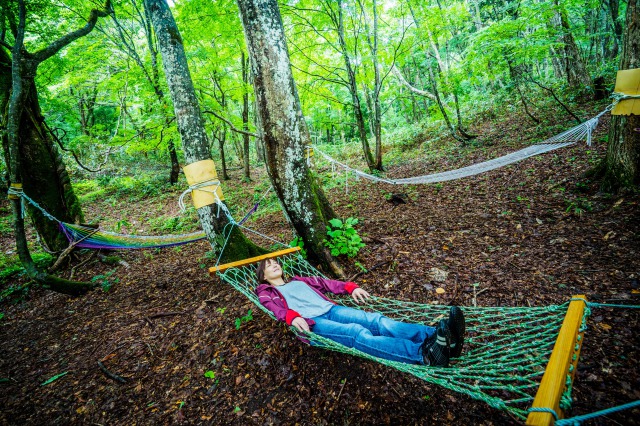
At the foot of Mount Kenashi, which straddles Okayama and Tottori, this gentle 2-kilometer path runs through beech forest and rare plants. Walk slowly with a forest guide, rest in a hammock among the trees and leave everyday stress behind. Guided tours take about two hours and must be booked at least a week ahead.
Iwai Falls Kagamino
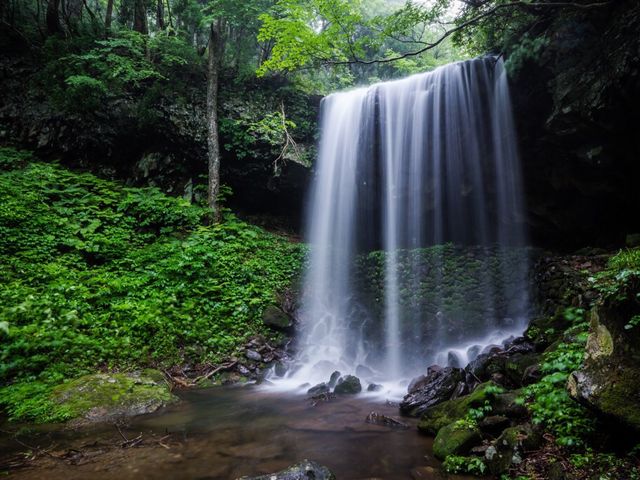
This is an urami no taki, a waterfall you can view from behind, looking through the curtain of water to the green trees beyond. The spring water is among Japan's 100 best waters and is said to help couples have a baby. It is about 60 minutes by car from the Innosho exit of the Chugoku Expressway.
Okutsukei Gorge Kagamino
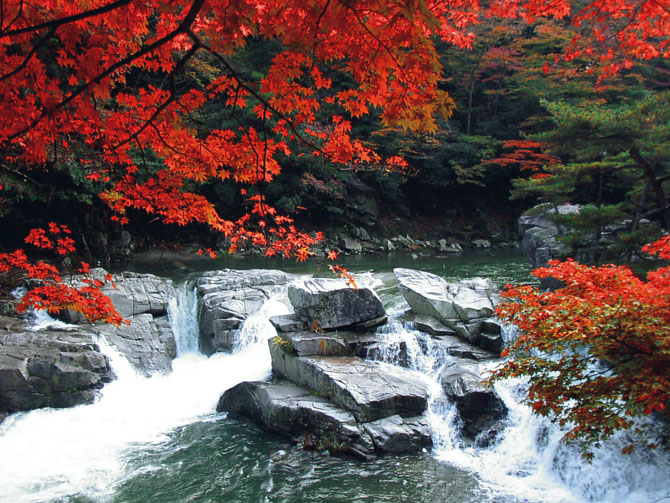
In northern Okayama, along about 3 kilometers of the Okutsu River in the upper Yoshii River, this gorge is known for huge granite boulders and oddly shaped rocks that create ever-changing scenery. Pair it with a soak at nearby Okutsu Onsen.
Okutsu Onsen Kagamino
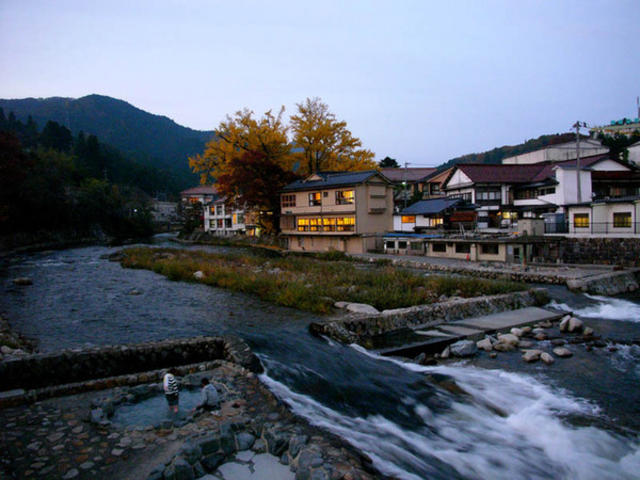
One of the Mimasaka Three Hot Springs, Okutsu is known as a bath for smooth, fair skin. Inns line the river, giving it a classic hot spring town feel. Okutsu is also known for ashibumi sentaku, washing clothes by stepping on them, which is demonstrated at the foot of Okutsu Bridge on Sundays and holidays.
Yunogo Onsen Mimasaka
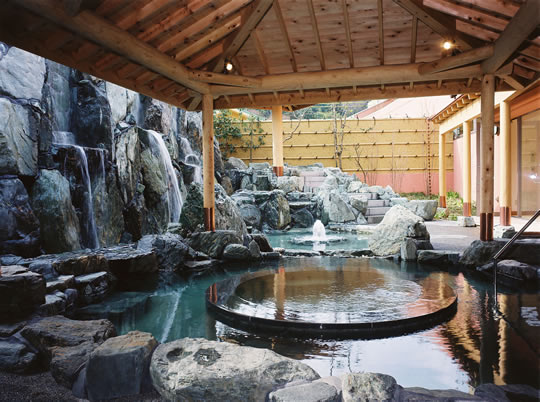
Another of the Mimasaka Three Hot Springs, Yunogo is said to have been found in the Heian period by the monk Ennin, who was led there by a white heron. Despite its long history, it is a down-to-earth hot spring town with day-trip baths and free foot baths. It is also known as a town of toys, with many toy museums.
The places on a map
Hours, prices and events change. Check each place's official website before you go.
More travel guides
 Tokyo Sightseeing by Area: 40 Classic Sights and Lesser-Known Spots from Asakusa to Odaiba40 placesTokyo has much more to see than Skytree, Tokyo Tower and Asakusa. This guide works through six of the city's main…
 Nagoya: 40 Best Places to Visit, from Nagoya Castle and Atsuta Jingu to Osu40 placesNagoya is one of Japan's biggest cities, yet many visitors don't know how much it has to see. Alongside its famous…
 Chichibu: 40 Best Places to Visit, from Nagatoro River Boats and Mitsumine Shrine to Moss Phlox and Icicles40 placesChichibu, the largest city in Saitama Prefecture, is about 90 minutes from central Tokyo. Most of the area is national…
 Niigata Prefecture: 40 Best Places to Visit, from Classic Sights to Hidden Gems40 placesNiigata Prefecture stretches a long way from north to south, and each area has its own scenery, climate and food. The…
 Nagasaki Prefecture: 40 Best Places to Visit, from Unzen Hot Springs to Hirado and Nagasaki City40 placesNagasaki grew up as a port open to the outside world, and the culture of those days still shapes its streets, churches…
 Fukuoka Prefecture: 40 Places to Visit in Kitakyushu, Chikuho and Around Fukuoka City40 placesFukuoka Prefecture is roughly divided into four areas, Kitakyushu, Chikuho, Fukuoka and Chikugo, and each has its own…