
Murakami, Niigata: 30 Things to Do, from Rocky Coast and Castle Town Lanes to Tea Cafes
30 places · Japanese version
Murakami sits at the northern tip of Niigata Prefecture, on the border with Yamagata. Known as the castle town of northern Niigata, it keeps old samurai houses and merchant townhouses along quiet lanes. Sea, rivers and mountains are all close by, and the food is a big draw: salmon dishes, seafood, sake, Murakami beef and Murakami tea. This guide covers 30 places in three groups: scenic spots and photogenic streets, unusual hands-on experiences, and tea shops and cafes. Murakami is about an hour by train from Niigata City.
Scenic spots and photogenic streets
Murakami's streets of samurai houses and townhouses are full of places that make you stop for a photo, and just outside town you will find a dramatic coast and big waterfalls.
Sasagawa Nagare Kuwagawa
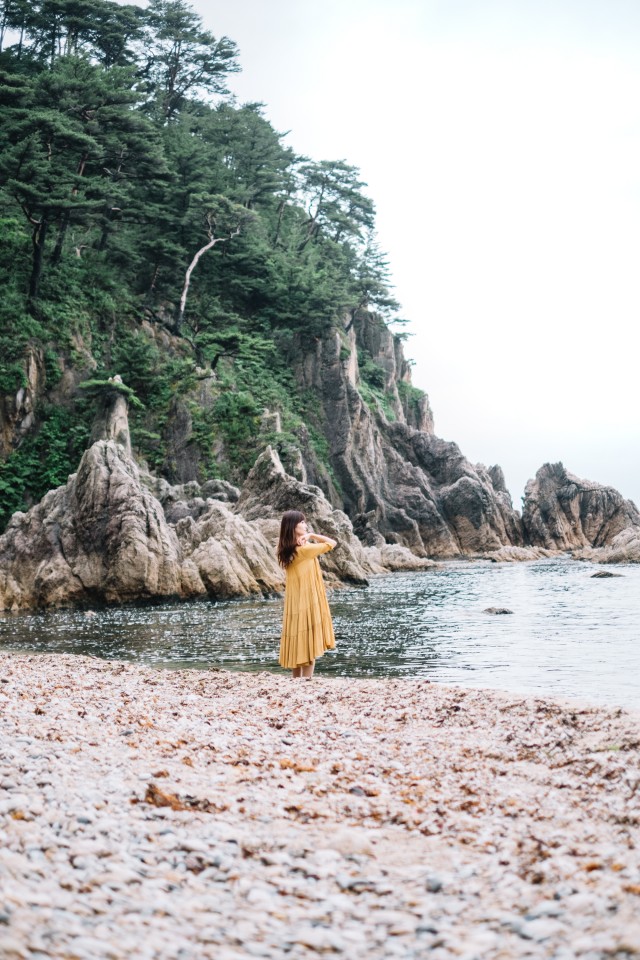
Sasagawa Nagare is an 11-kilometer stretch of coast lined with rugged rocks, carved by the rough waves of the Sea of Japan and set in very clear water. It is listed among Japan's 100 landscapes. At the Michi-no-Eki Sasagawa Nagare roadside station, try the blue Sea of Japan soft-serve ice cream, and watch the sun set over the sea from the observation deck on the second floor. Kuwagawa Station on the JR Uetsu Line is about 5 minutes away on foot.
Kurobei-dori (Black Fence Lane) Komachi
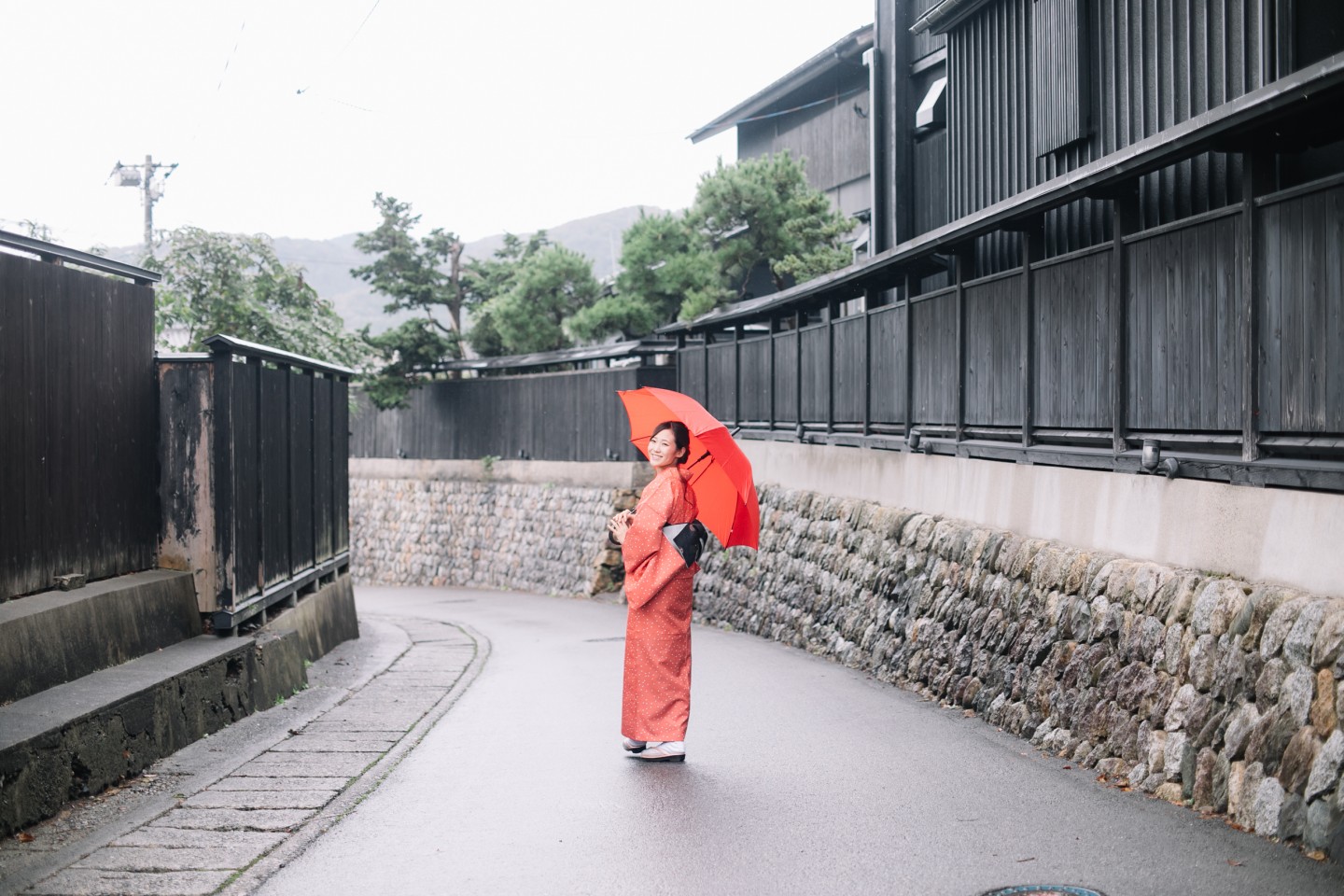
This lane is lined for 460 meters by black wooden fences and stone walls, a scene that recalls the town's castle-town past. It suits a stroll in kimono or yukata, and feels like a step back in time. Every October, the Murakami Yoi no Takedoro Matsuri sets 20,000 bamboo lanterns along the lane, and the whole area takes on a dreamy glow. It is about 20 minutes on foot from JR Murakami Station.
Iyoboya Kaikan Salmon Museum Salmon Park
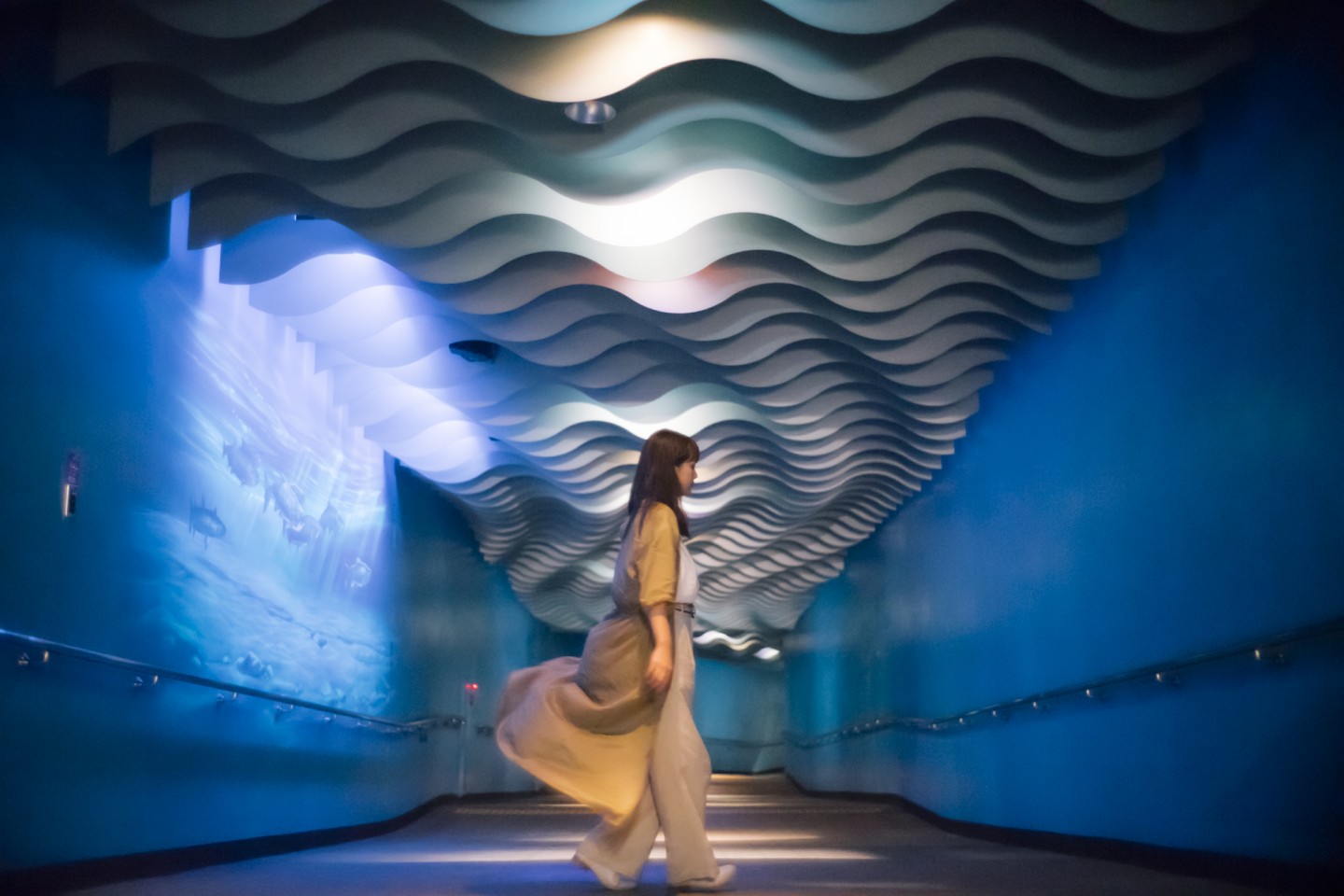
Iyoboya means salmon in the local dialect, and Iyoboya Kaikan, in Salmon Park on the Miomote River, is said to be Japan's first salmon museum. You can watch young and adult salmon through glass, and look into the river itself through observation windows. The highlight is the Salmon Road, a passage with a wavy ceiling that feels like walking through a river. A combined ticket covers it and three other sights in town, including the Wakabayashi House.
Sennen Zake Kikkawa Omachi
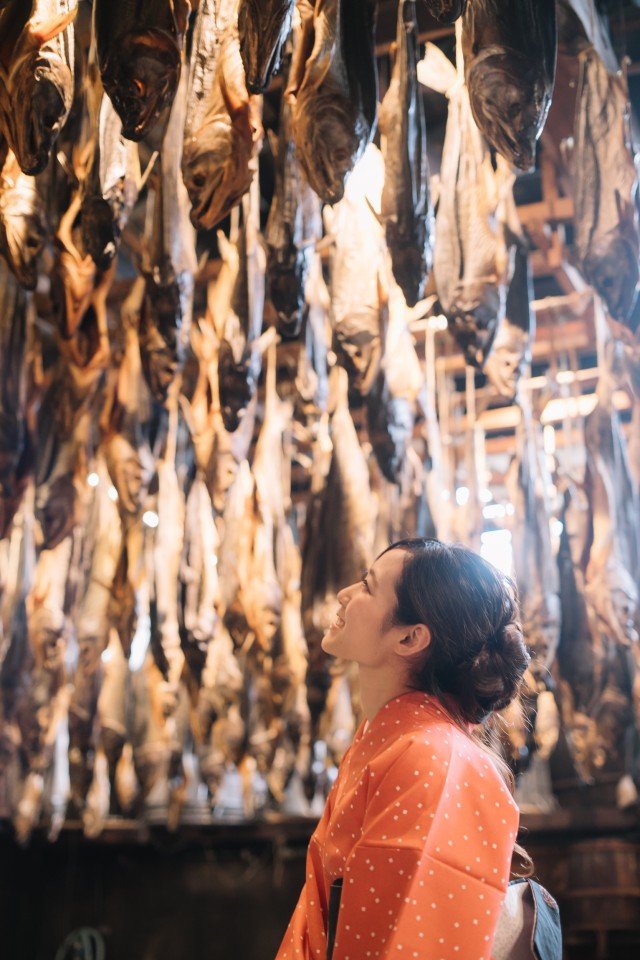
Inside this salmon shop, a huge number of salted salmon hang from the ceiling beams, a striking sight. Kikkawa makes its salmon products in a natural way, without preservatives, chemical seasonings or yeast extract. They go well with rice or with sake. Look around the old shop for free and pick up a tasty souvenir.
Green Park Arakawa Lavender Field Arakawa
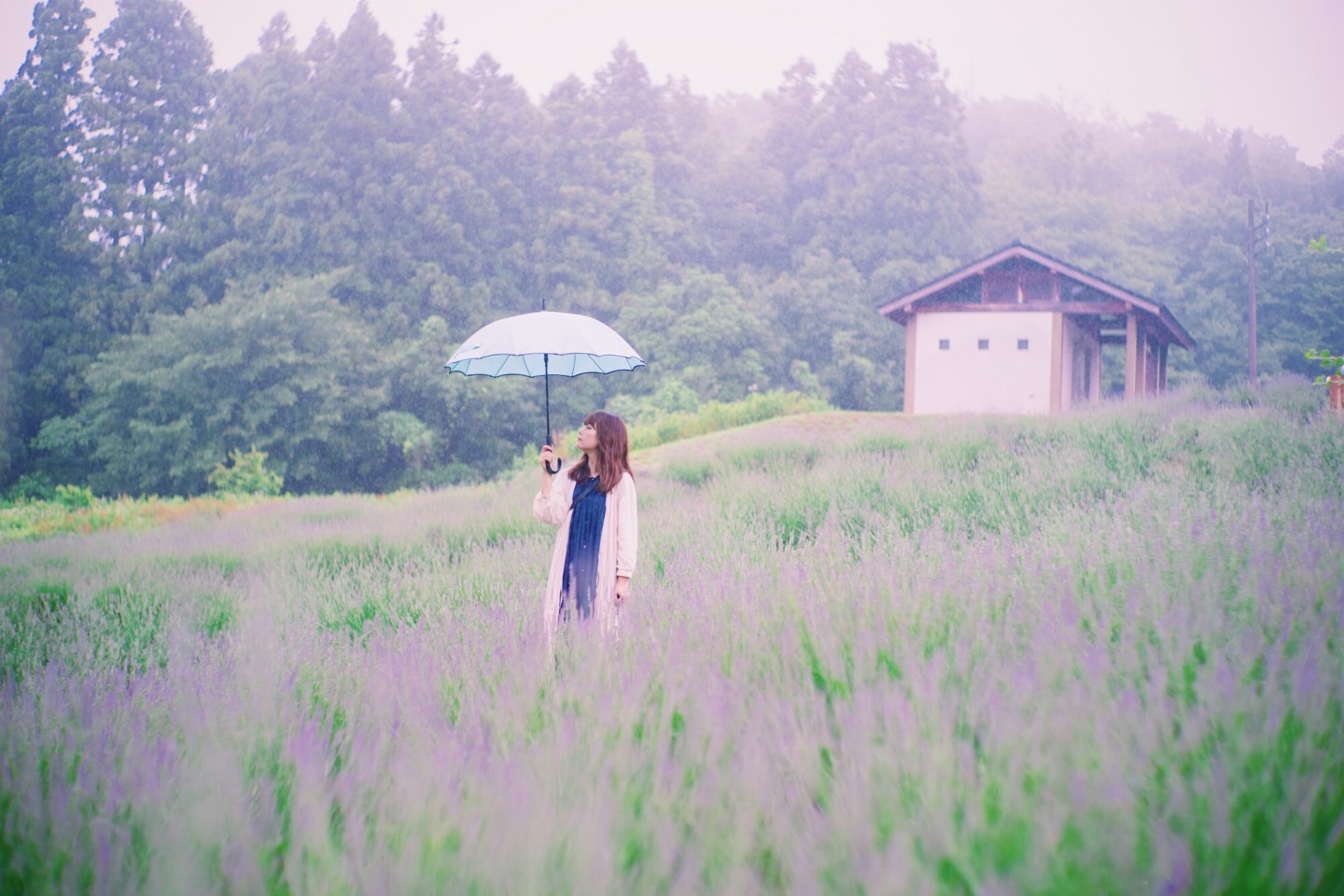
The Green Park Arakawa sports park has a lavender field, and the Arakawa Lavender Festival is held here every year in late June. During the festival you can make scented bouquets and pick lavender to take home, perhaps for a lavender stick or other herb craft. The purple field also makes a romantic backdrop for photos. It is about 10 minutes by car from JR Sakamachi Station.
Kaifu Fureai Hiroba Nogata
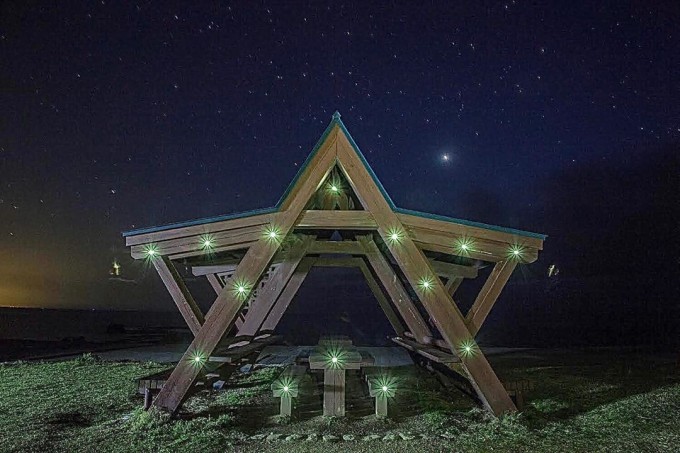
This seaside spot on Route 345 reuses the building of the former Nogata Elementary School. The design is playful, with a toilet whose roof suggests the rough waves of the Sea of Japan and benches under star-shaped roofs. From the parking lot you can go straight down the seawall to the shore and explore the tide pools. The Sazanami-ichi market sells local vegetables and seafood on Saturdays and holidays. Watch the sunset from a star bench. Majima Station is about 5 minutes away on foot.
Murakami History and Culture Museum Sannomachi
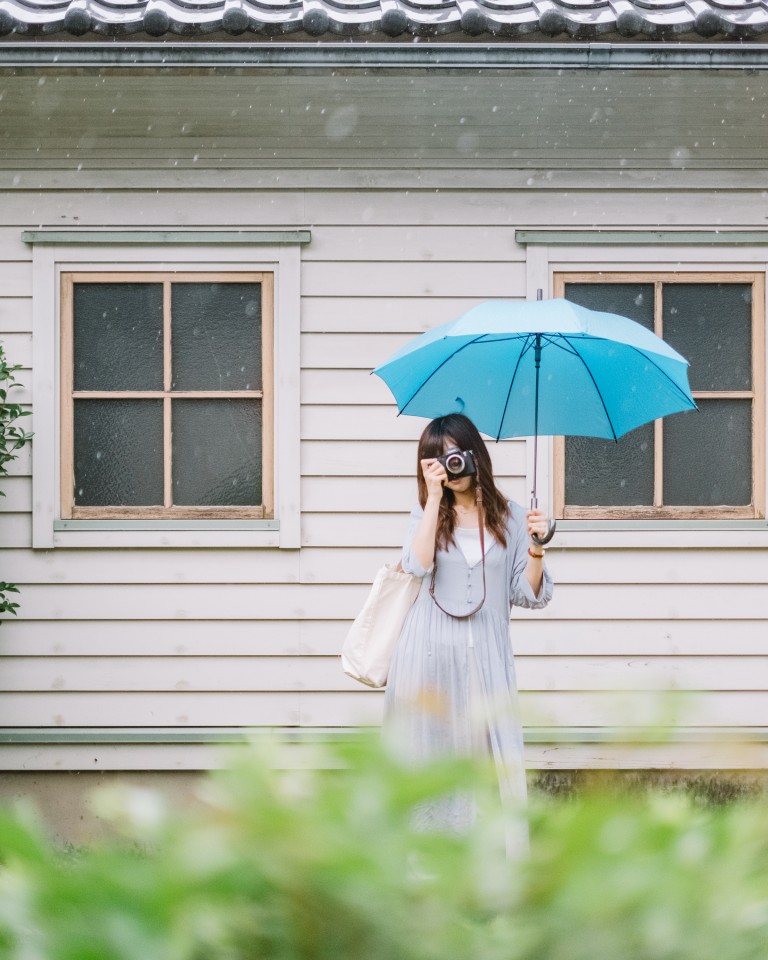
With its retro white walls, this museum makes a nostalgic backdrop for photos. Inside are tools of daily life in Murakami, from clothing to food and housing, along with exhibits on fishing, hunting and farming, changed from time to time. Do not miss the German-made piano, one of only a few of its kind left. It is about 20 minutes on foot from JR Murakami Station.
Murakami Castle Ruins Mount Gagyu
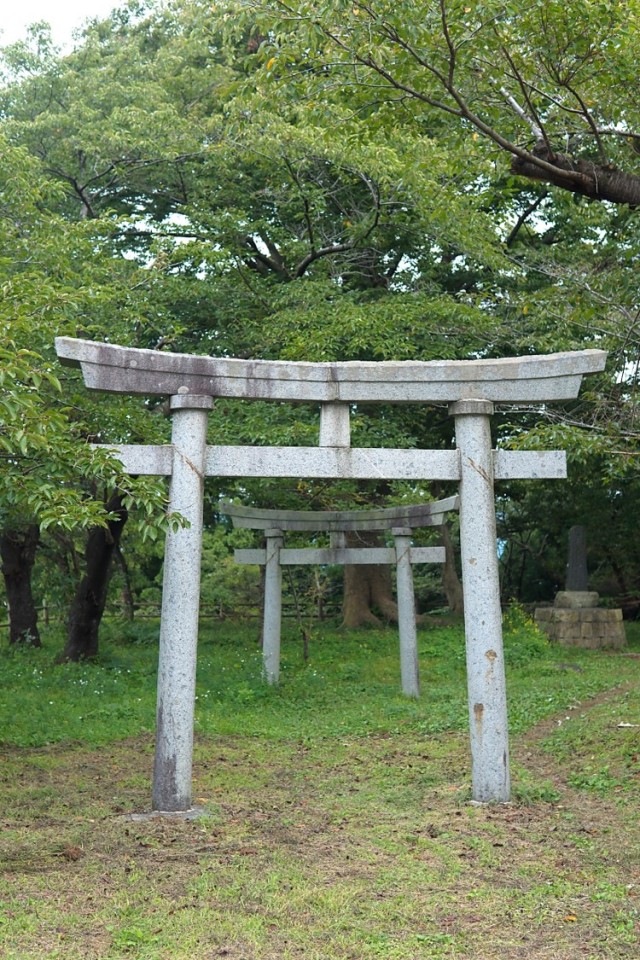
Murakami Castle stood on Mount Gagyu, 135 meters high, and the top is about a 20-minute walk up. No buildings remain, but you can see fine stone walls, gate sites and moats cut into the slope. The main enclosure at the summit has a wide view over the town. There stands a double torii gate with no shrine behind it, only a stone marker of Akiba Shrine. Stand in the middle of the gates for a mysterious photo.
Suzugataki Falls Takane
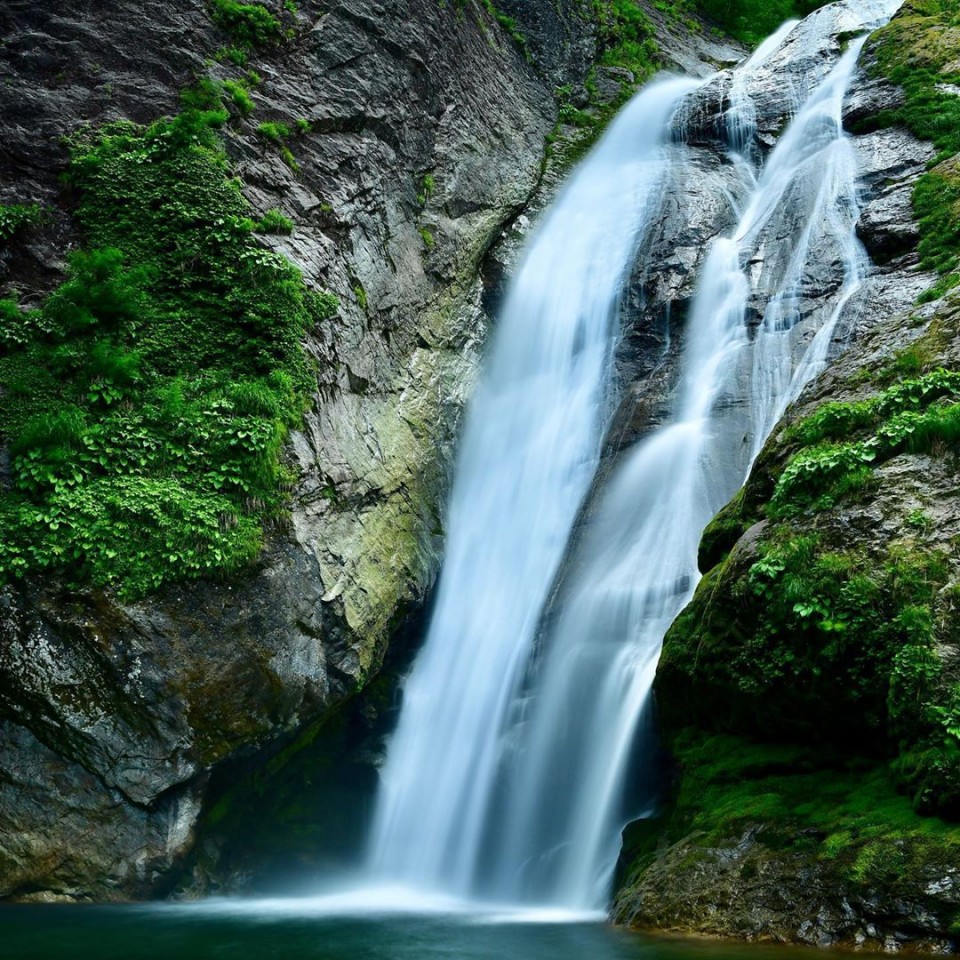
Listed among Japan's 100 best waterfalls, Suzugataki has two falls you can see up close: a small fall 38 meters high and 5 meters wide, and a large fall 55 meters high and 10 meters wide. A trail through beech forest leads to the basin of the large fall, where its power is overwhelming. Wear proper shoes, not sandals. The road is closed in winter, and the city website posts road openings and closures, so check before you go.
Sasagawa Nagare Sightseeing Boat Kuwagawa
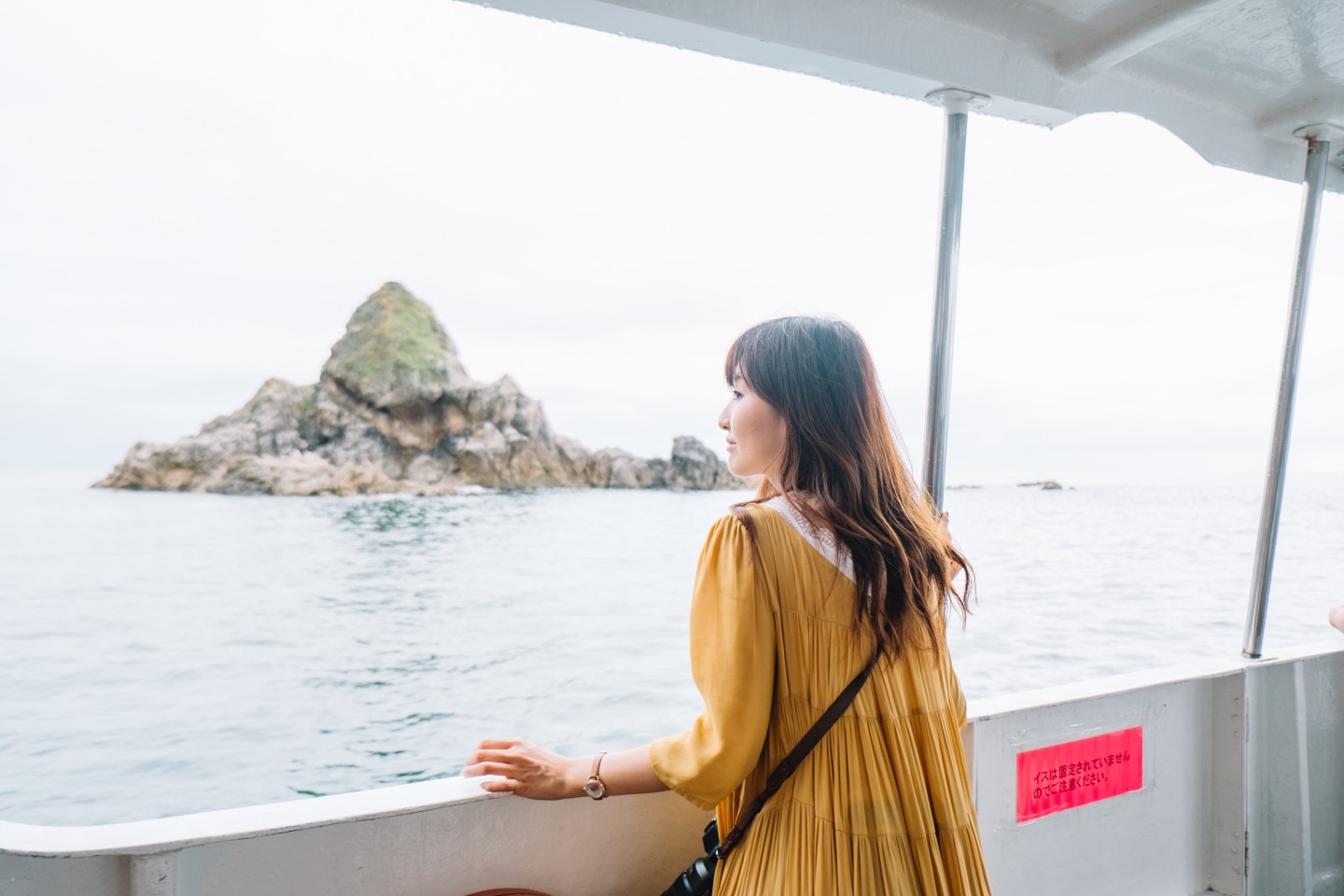
You can see Sasagawa Nagare from land, but a boat gets you closer. The cruise of about 40 minutes passes dramatic rocks such as Megane-iwa, Byobu-iwa, Nitari-iwa and Kyoryu-iwa (Dinosaur Rock). You can feed the seagulls on board and watch them up close. A special sunset cruise is also worth it, when the evening glow falls over the rocks. The pier is about 15 minutes on foot from Kuwagawa Station.
Sennen Zake Kikkawa Izutsuya Komachi
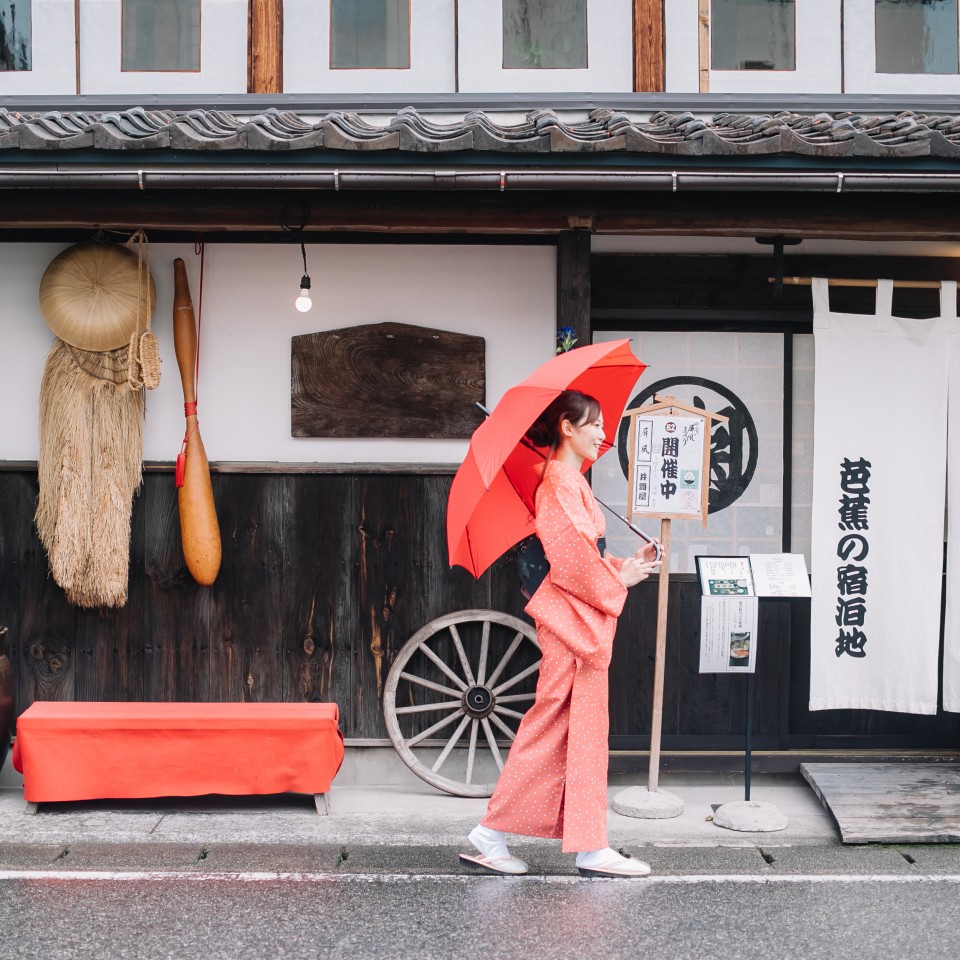
This salmon restaurant uses Izutsuya, an inn dating back to the Edo period, on the site where the poet Matsuo Basho stayed two nights on his Narrow Road to the Deep North journey. The big noren curtain at the entrance says so. Old straw raincoats and hats hang on the wall, making the front very photogenic. Inside you can enjoy traditional salmon dishes, a specialty of the Murakami area. It is very popular, so book ahead.
Wakabayashi House Sannomachi
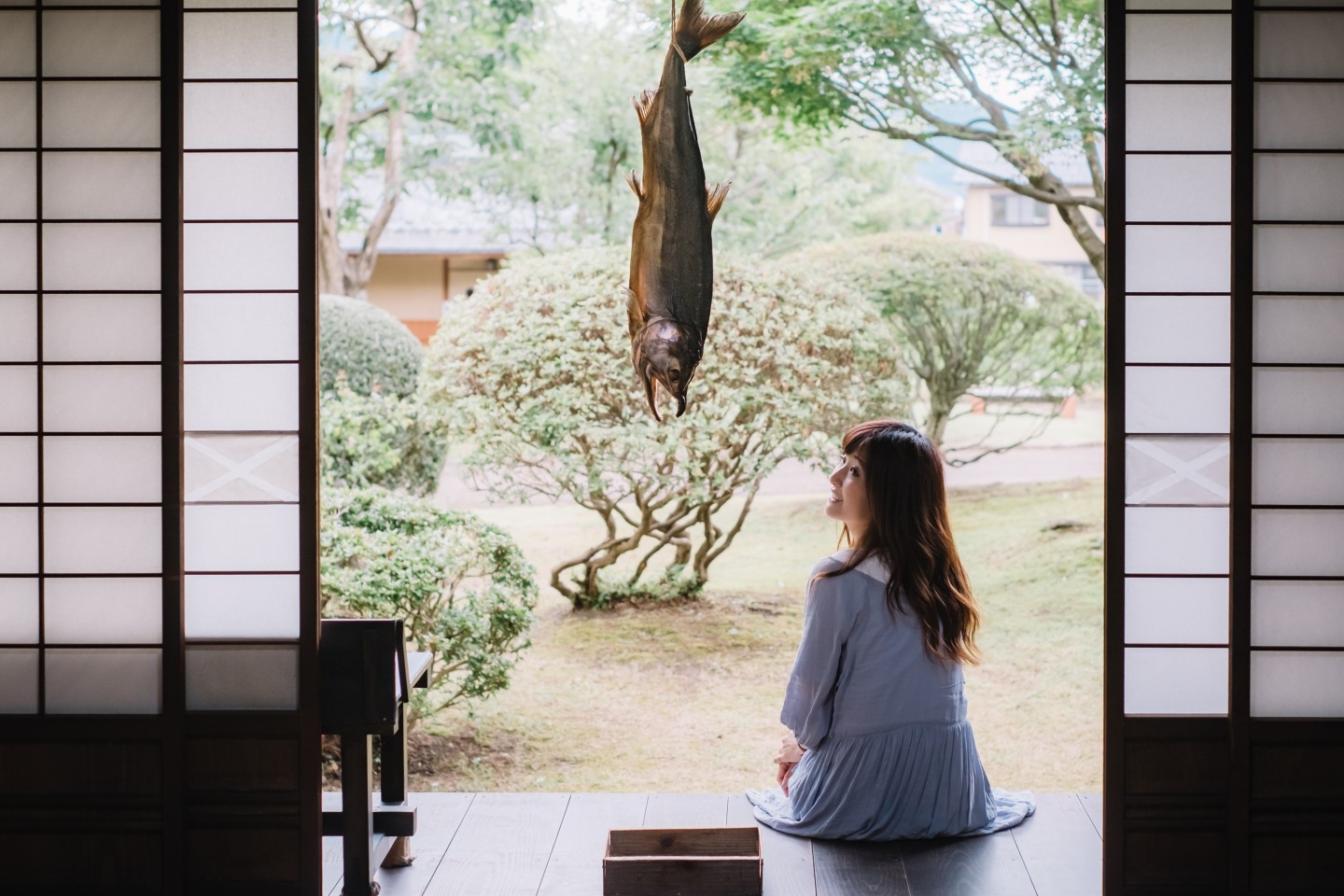
Built in the Edo period, this samurai house of the Murakami domain is a national Important Cultural Property. Its small, closely divided rooms and narrow earthen-floor area show the plain style of a middle-rank samurai home. The thatched roof has a nostalgic feel, and the veranda looks out over the garden. Salted salmon hang from the veranda ceiling, so frame the garden with the salmon for a fun, slightly odd photo.
Lovers' Sanctuary at Senami Onsen Senami Onsen
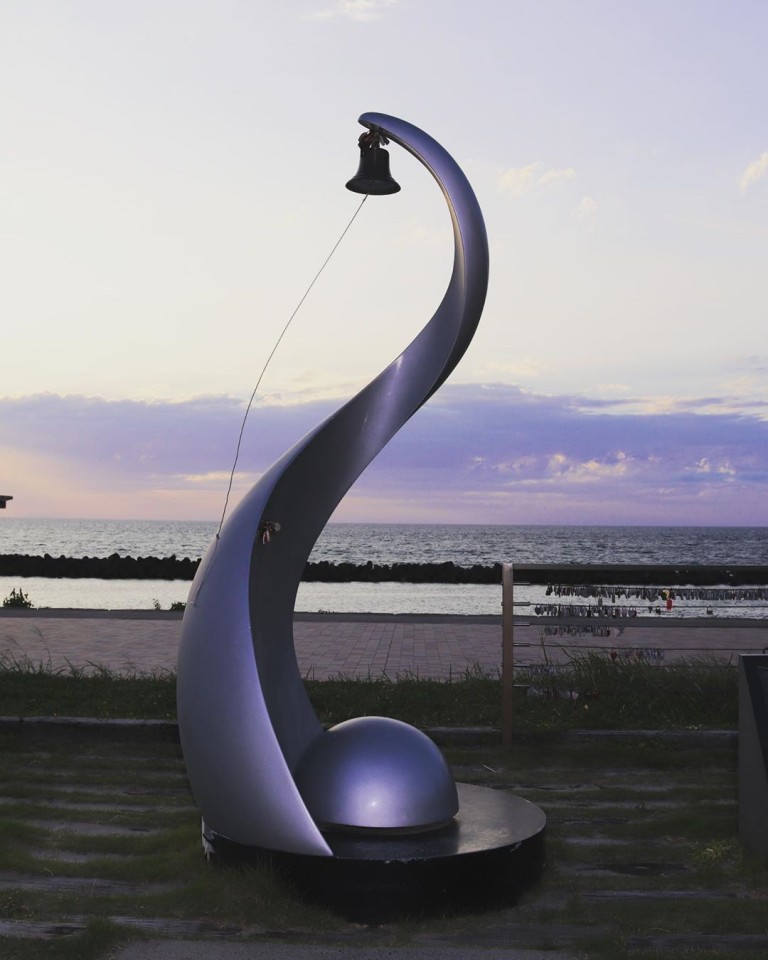
Lovers' Sanctuaries are places across Japan chosen as romantic spots for a proposal, and this monument on the Senami Onsen coast is one of them. Its design draws on a local dragon god legend, showing a dragon rising to the sky and Manju-iwa, a rock said to grant wishes. Ring the bell at its tip together for happiness. At sunset you may even see a rare green flash, so come at dusk.
Senami Beach Senami Onsen
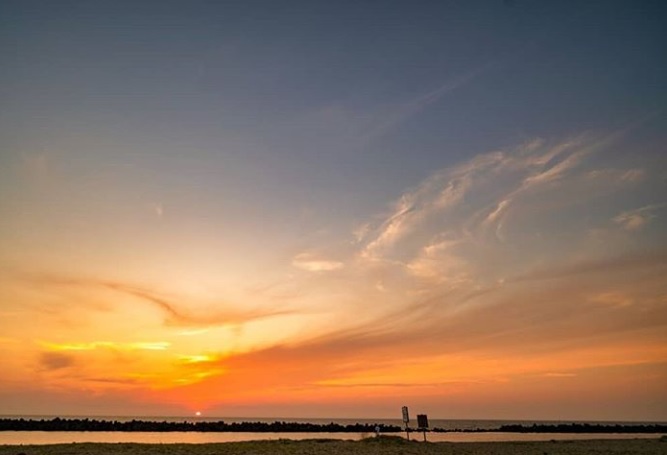
Senami Beach is a long beach of about 1 kilometer on the Sea of Japan, in the southwest of Murakami. The water is clear, and it is listed among Japan's 100 best swimming beaches chosen by the Ministry of the Environment. The Senami Onsen hot spring town is right next to it, so you can soak in a hot spring after a swim; day visitors can bathe too. At dusk, walk the shore and watch the sun sink into the sea.
Unusual experiences and quirky spots
For something a little different, these places offer experiences you will not find elsewhere, along with a taste of Murakami's history and culture.
Yamagata-Niigata Prefectural Border Marker Iguren
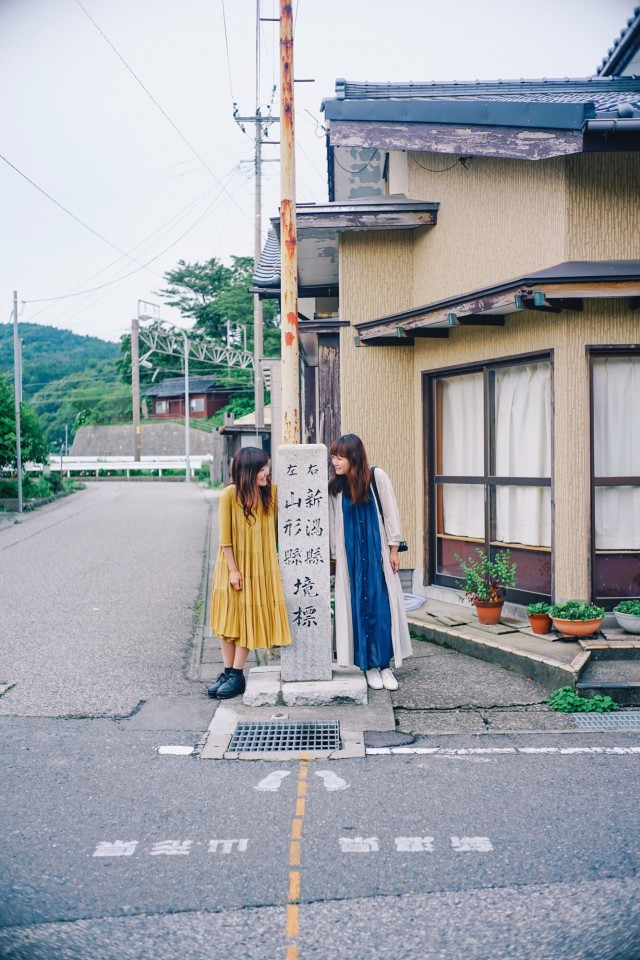
Between Iguren in Murakami and Nezugaseki in Tsuruoka, Yamagata, a border stone suddenly appears among the houses. A yellow line on the road marks the border, with footprints and the prefecture names painted on each side. Straddle the line for a photo, or stand on either side of the stone with a friend. Across the road there is a stamp to press as a souvenir. Nezugaseki Station is about 10 minutes away on foot.
Fujimoto Shrine Sannomachi
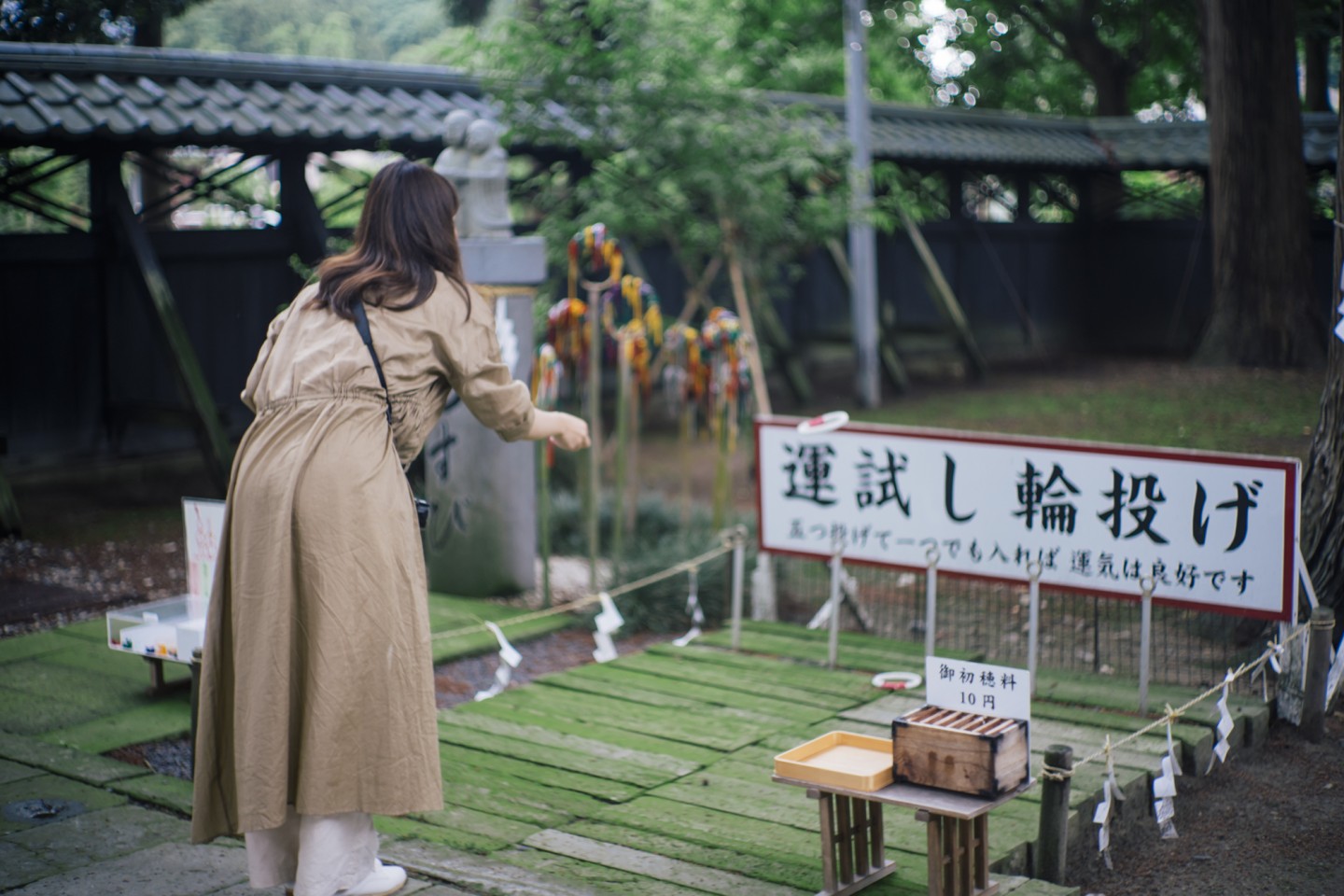
Fujimoto Shrine stands in the former third enclosure of Murakami Castle, and because castle earthworks survive here, the grounds are part of the national historic site. Its hall is built in the same gongen style as Nikko Toshogu and has kept its Edo-period form. You can receive a goshuin shrine stamp and a castle stamp. In front of the hall, test your luck at ring toss: throw five rings, and if even one lands, luck is on your side.
Senami Onsen Funto Park Senami Onsen
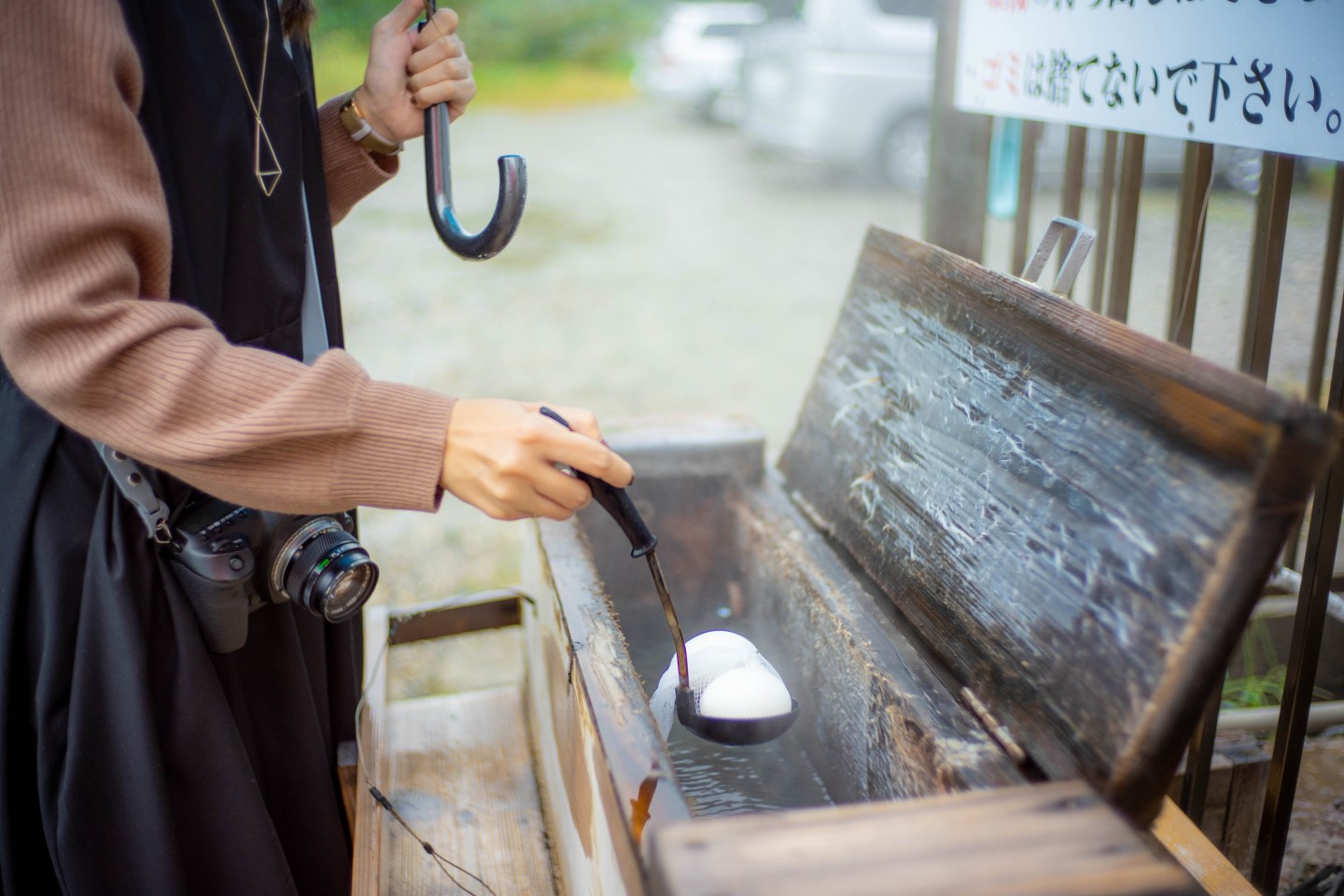
This park has a tower where the Senami hot spring shoots up with real force. Nearby, wooden channels carry the hot water, and you can make as many onsen eggs as you like, as long as you bring the eggs. Buy them at the tourist information center or souvenir shops nearby first. Steps at the back of the park climb to Iyahiko Shrine, with a view over the spa town and the Sea of Japan.
Yamagami Dye Works Sakanamachi
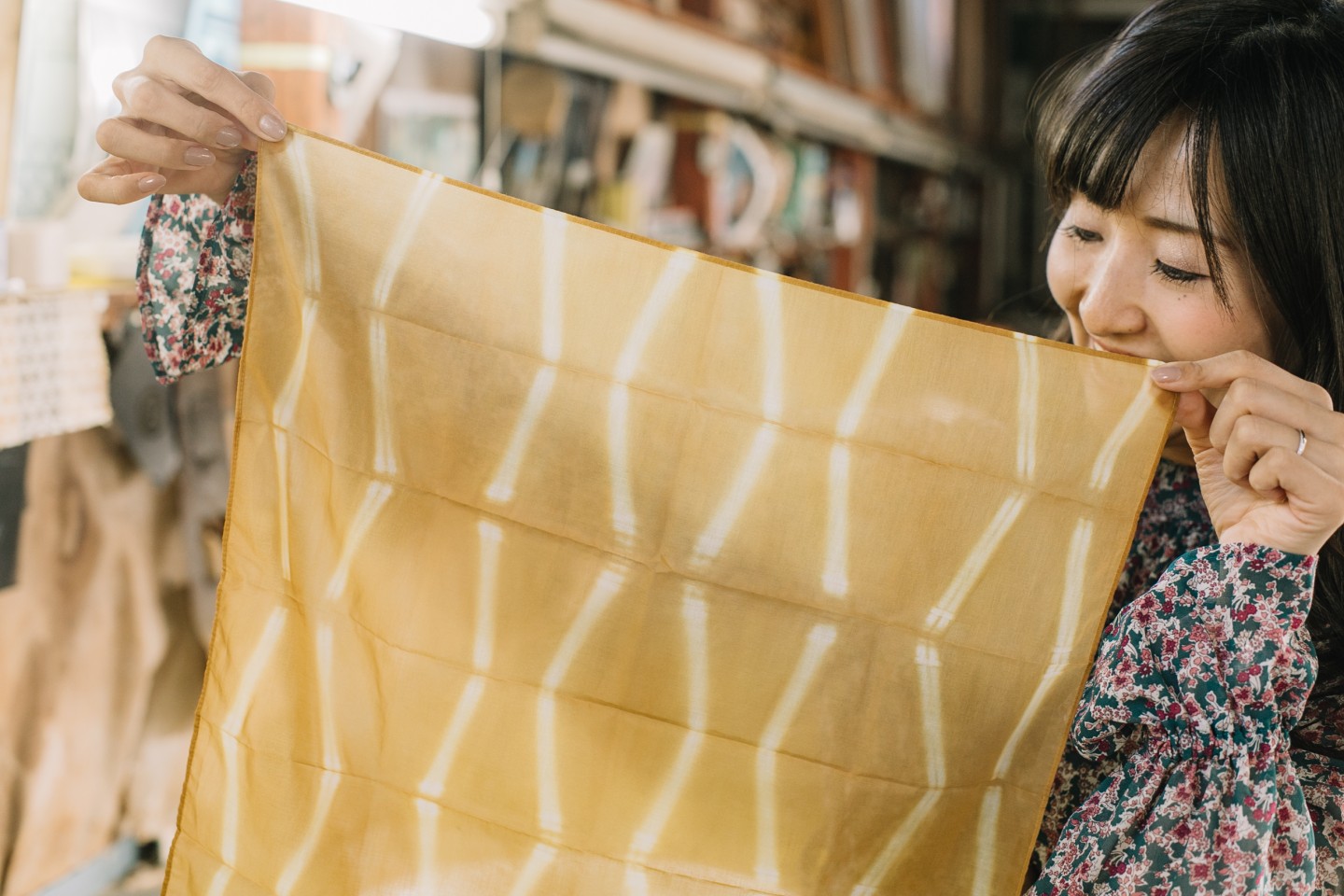
This dye house has been in business for 360 years, dyeing happi coats, noren curtains, tenugui towels and flags by hand, one at a time. Its tea dye uses local Murakami tea and gives calm colors with a subtle depth. Try the Murakami tea dyeing workshop, where you tie the cloth with rubber bands and chopsticks to make your own handkerchief or coaster. Book at least one week ahead.
Gold Park Narumi Takane
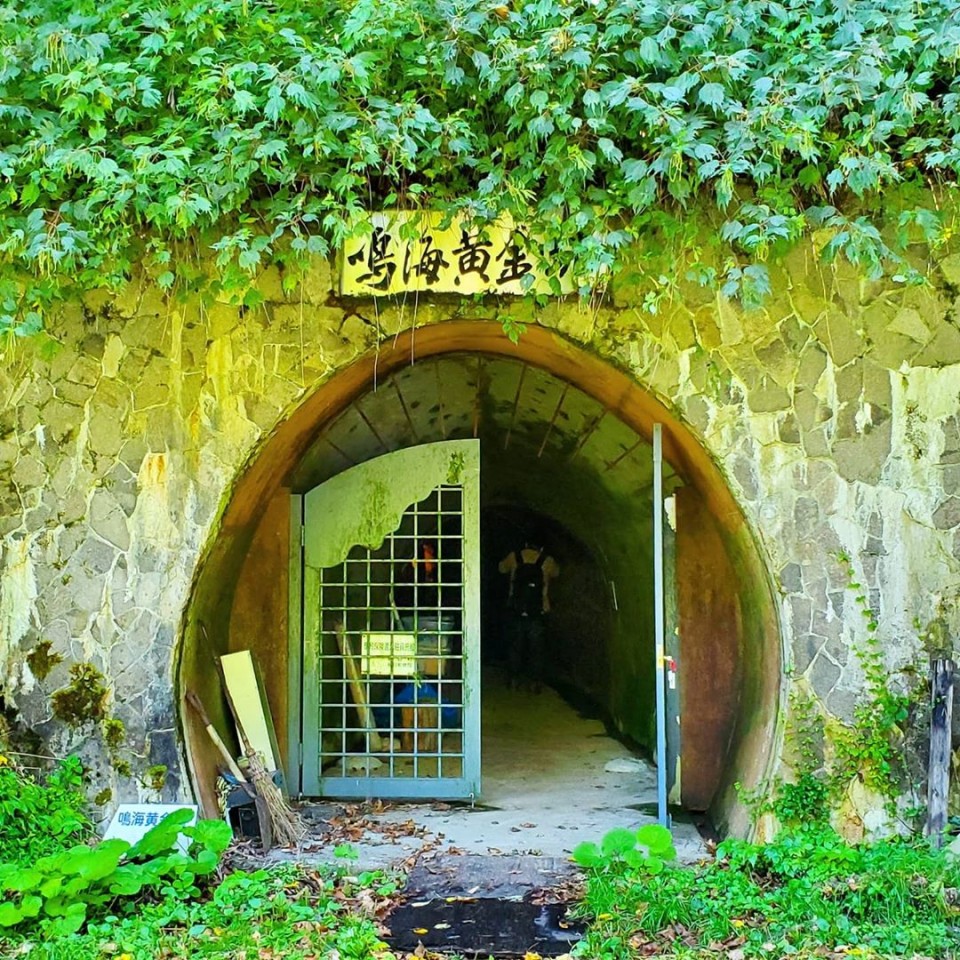
Gold Park Narumi is a gold mine said to have been found earlier than the famous Sado gold mine. It once produced a third of Japan's gold and is said to have been a secret mine of the warlord Uesugi Kenshin. Two tunnels are open, and you can walk them in a helmet. Be sure to try panning for gold. It opens only on Sundays from early August to mid-October, and it is a long drive into the mountains.
Yama no Oishisa Gakko Shokudo IRORI Takane
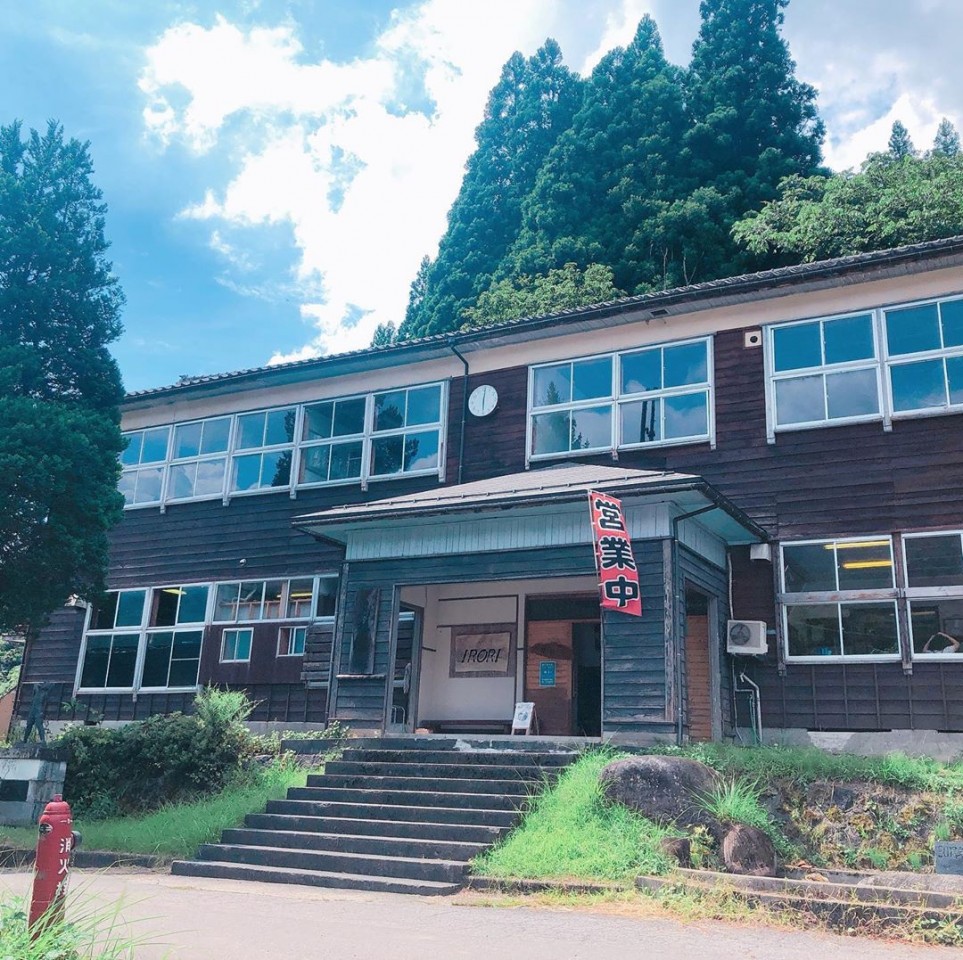
This restaurant uses a closed elementary school, and the hallways and classrooms still feel like a school, a nostalgic place for a meal. The menu is local home cooking: Koshihikari rice grown in the Takane village, soba, wild mountain vegetables and river fish. It is open on weekends and holidays; groups of 10 or more can book on weekdays. The Takane Gakko-mae bus stop is right outside.
Kappo Shokudo Isobe Sakamachi
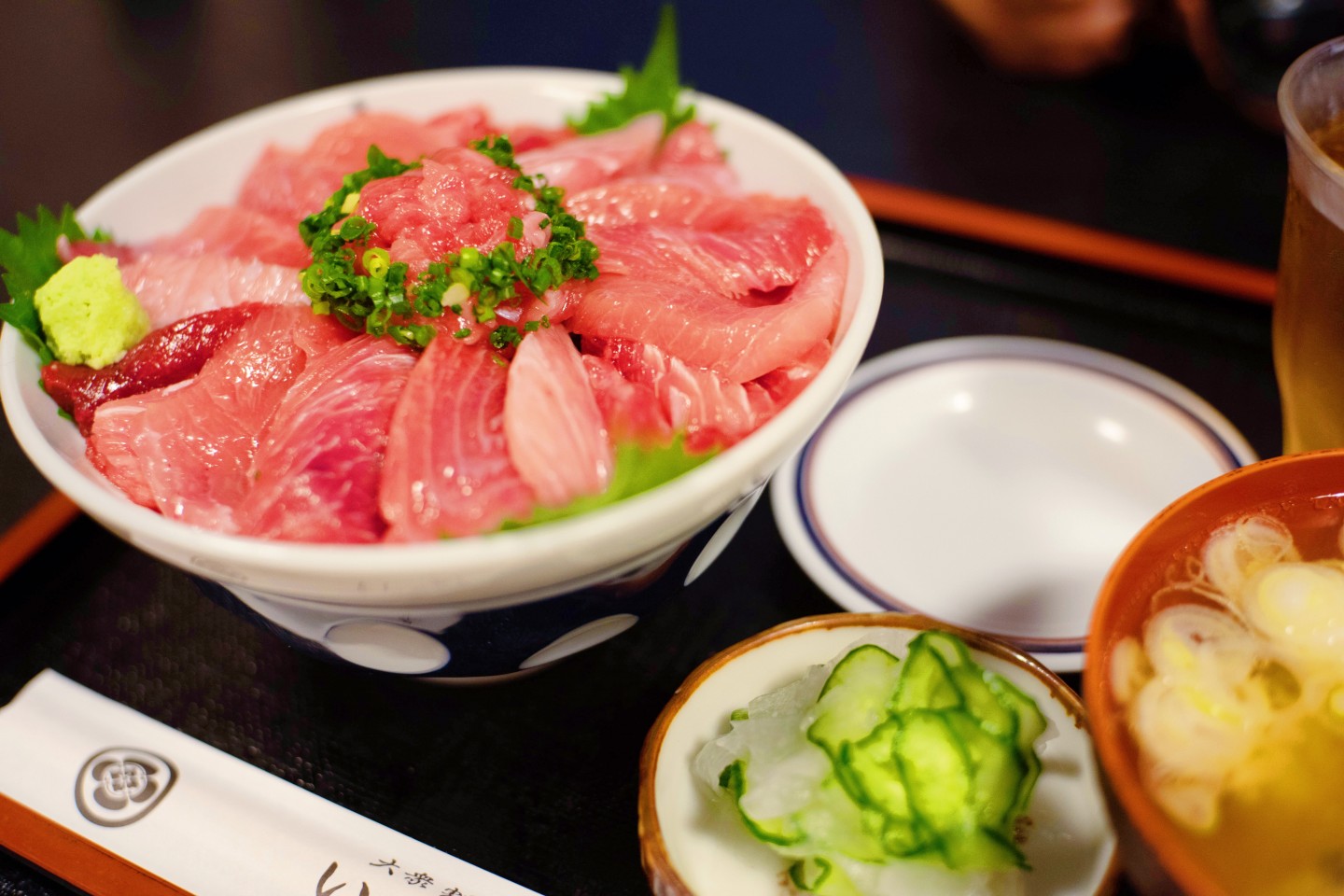
Isobe serves generous plates of fresh seafood at prices that would be hard to find in a big city. The dish to try is the zudon, a bowl piled with rare cuts of tuna such as head and jaw meat, thick and rich, served with miso soup and pickles. Only 10 are made a day, and only when the fish comes in. It opens in the evening and is 2 minutes on foot from Sakamachi Station.
Murakami City Skate Park Senami Onsen
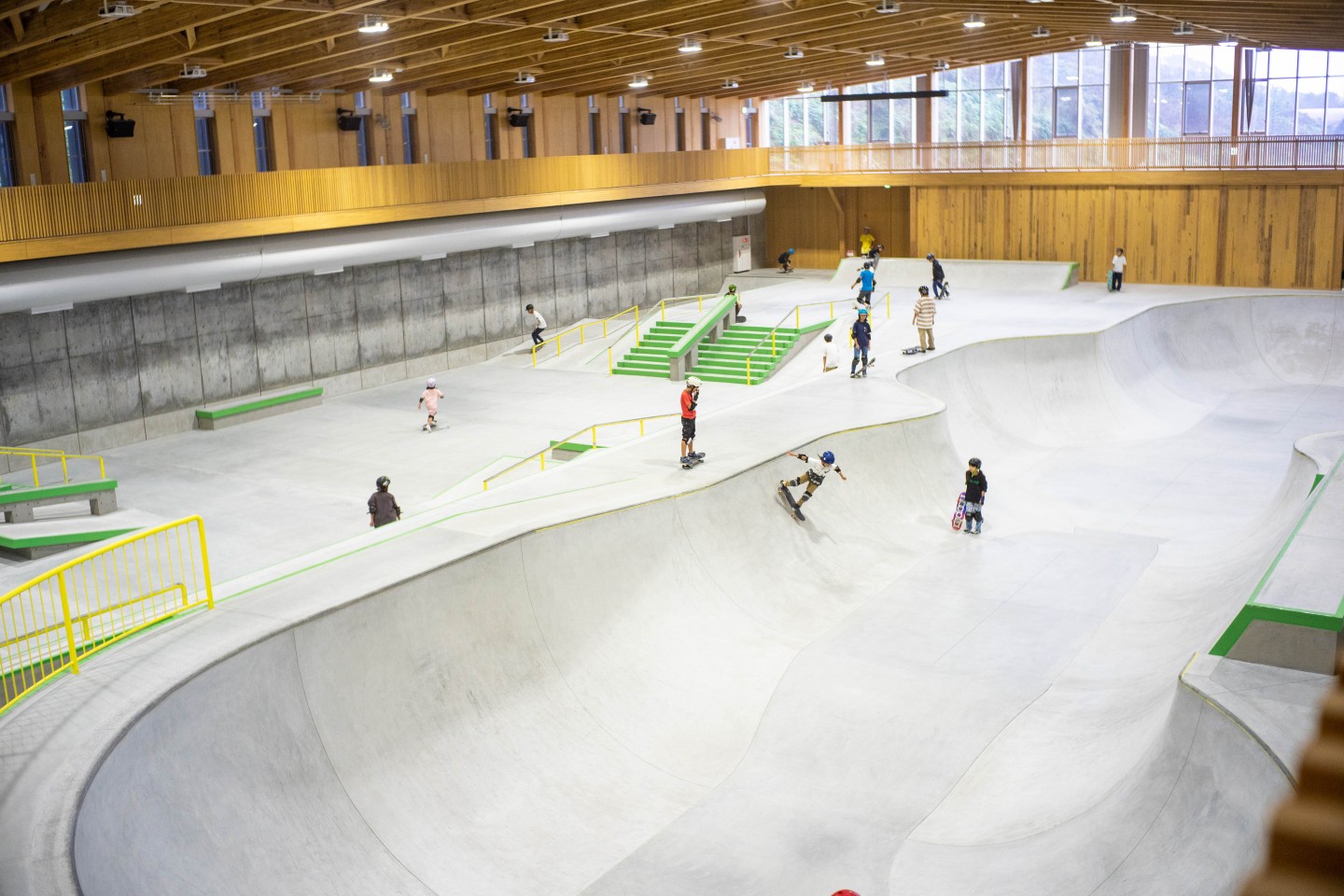
One of the largest indoor skateboard parks in Japan, this place is very spacious and busy with skaters. Besides skateboarding there is bouldering, training machines and a slackline, so it is a good stop if you want to move. It is a 1-minute walk from the Senami Sanchome bus stop, about 10 minutes by bus from JR Murakami Station.
Murakami Tabinavi-kan Murakami Station
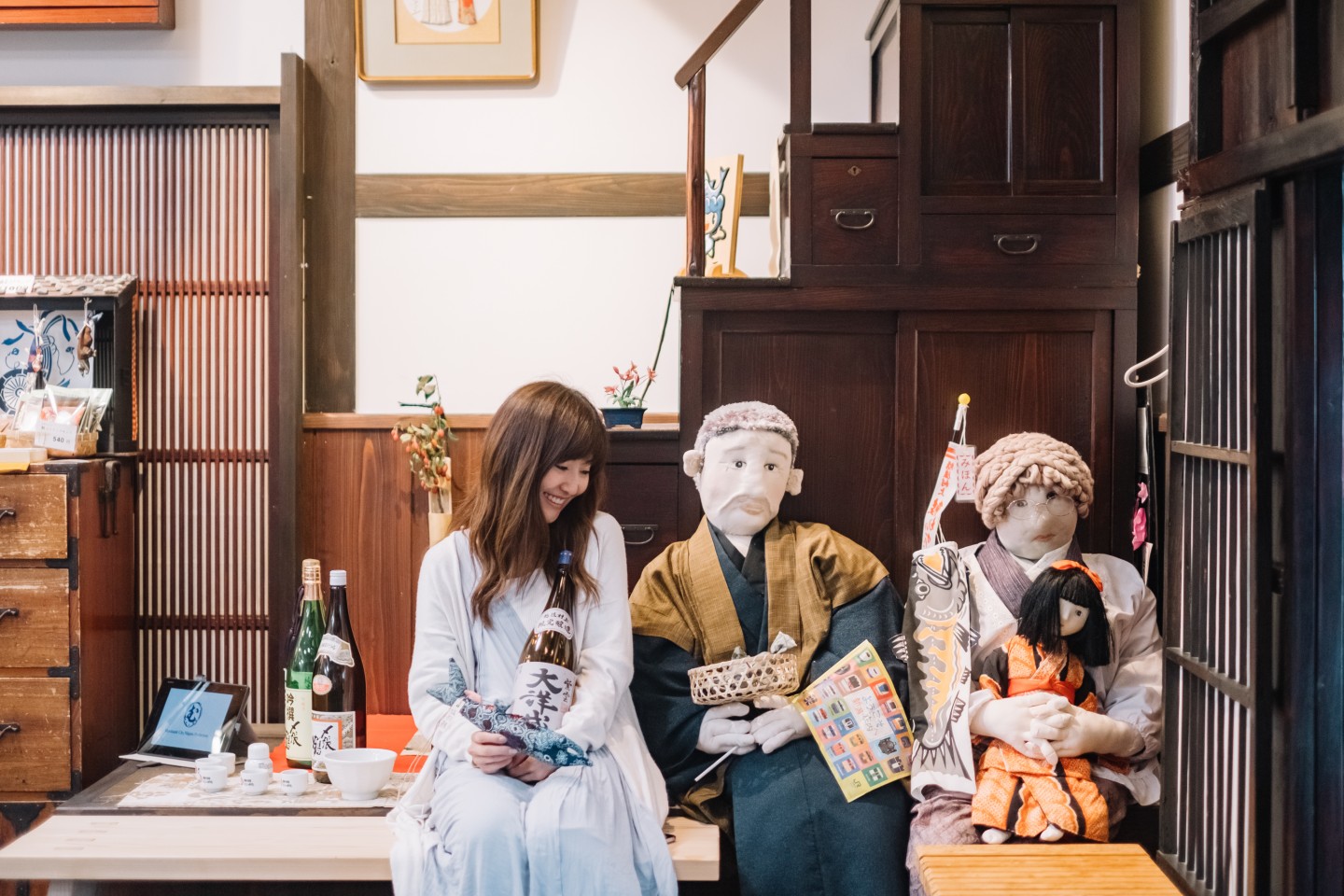
This tourist information center is right by JR Murakami Station. Stop here first for free brochures and maps, and the staff can help first-time visitors. For some reason, surreal dolls with hard-to-read faces stand inside, and a photo with them makes a funny souvenir. Look out for Sakerin, the city's tourism mascot; Sakerin goods are sold here.
Mount Inari Shiotani
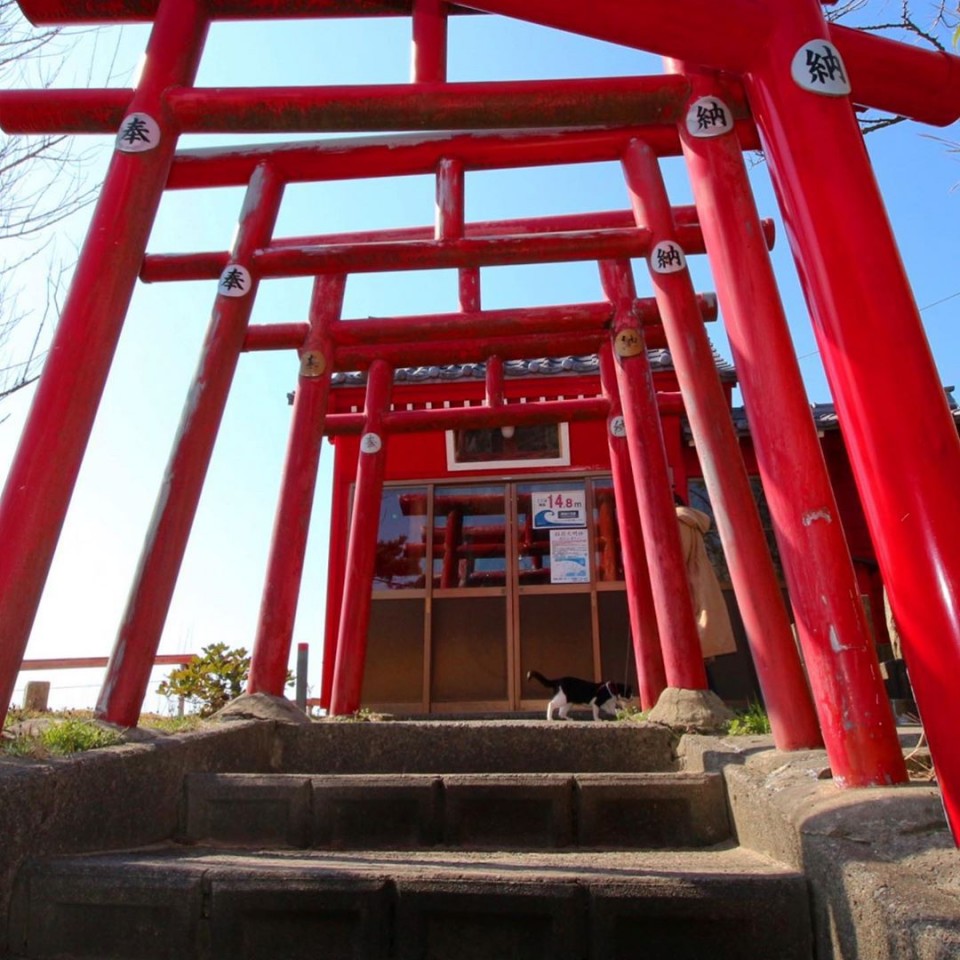
Mount Inari appears on maps as the lowest mountain in Niigata Prefecture, only 15.3 meters high. You can reach the top in about 3 minutes, yet the view from the summit deck takes in the streets below and the Sea of Japan. A few local shops even hand out summit certificates. The small Inari shrine at the top gives the hill its name, and its red torii looks great against a blue sky.
Omakuba Oike Park Iwafune
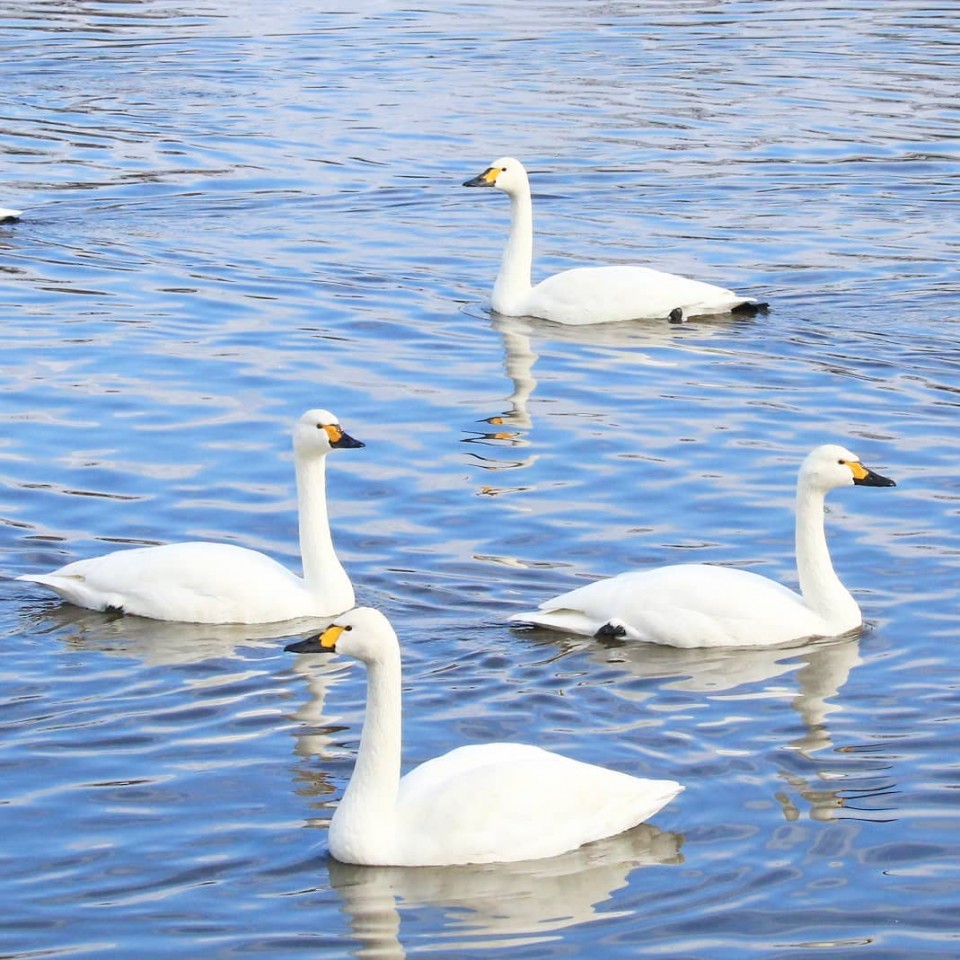
The big pond here, Oike, is known as the swan lake of northern Niigata. Swans fly in for the winter and can be seen every year from about mid-October to mid-April. In season their numbers are astonishing, and they are so used to people that you can photograph them up close. Ducks and other wild birds gather here too.
Tea shops and cafes
Murakami is known for tea. Murakami tea is said to grow at the northern limit for tea in Japan, and the town also makes black tea. Many cafes, some in old townhouses, serve both.
Fujimien Nagaimachi
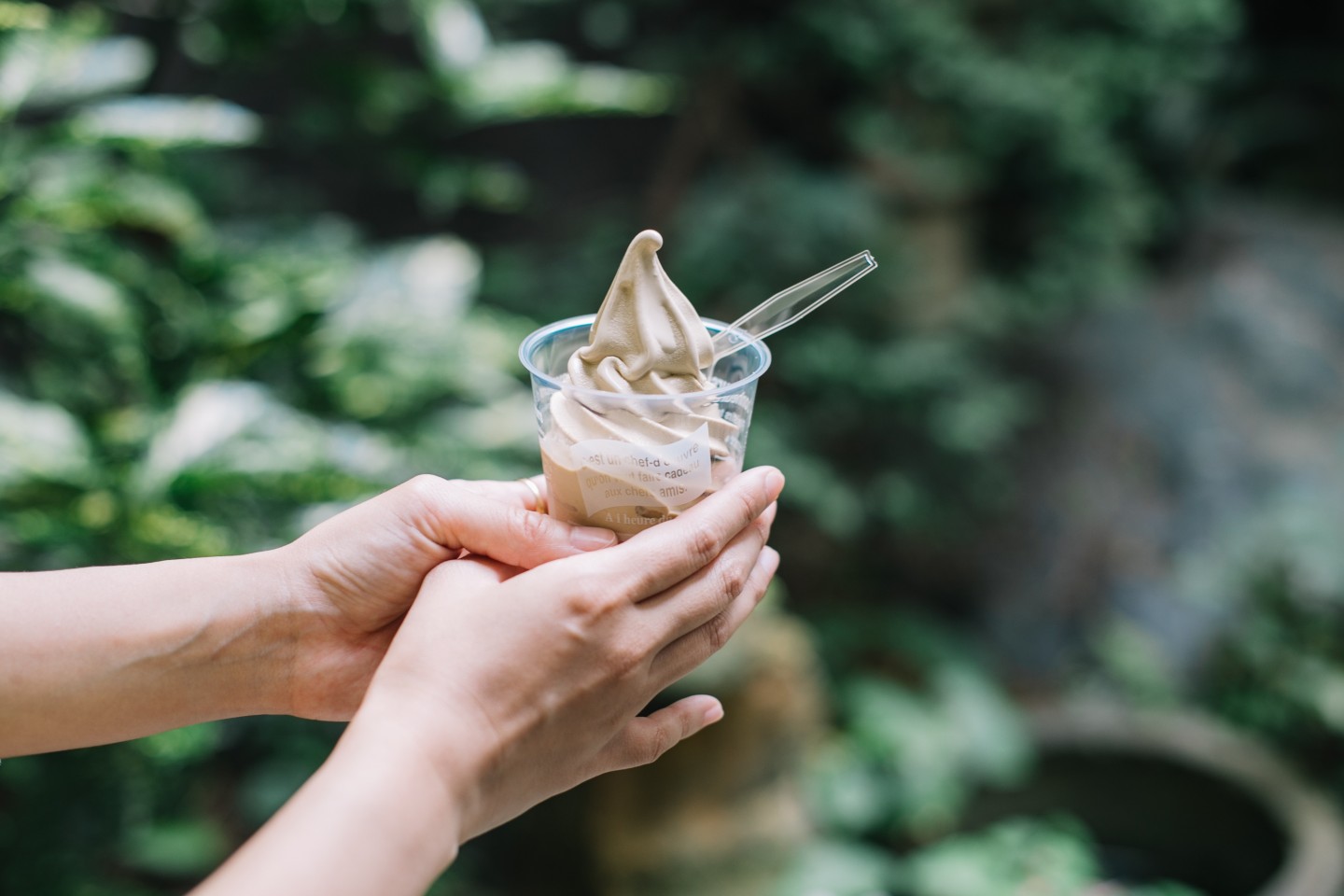
Founded in 1868, Fujimien is a long-established tea shop that grows, makes and sells its own tea. Murakami tea is gentle and mellow. Fujimien also makes black tea, and its Yukiguni Kocha, with a soft sweetness and fresh aroma, is as popular as the green tea. You can taste and buy tea here, and the soft-serve made with Murakami tea powder is rich and a favorite. Tea gelato is sold too.
Kokonoeen Oguni-machi
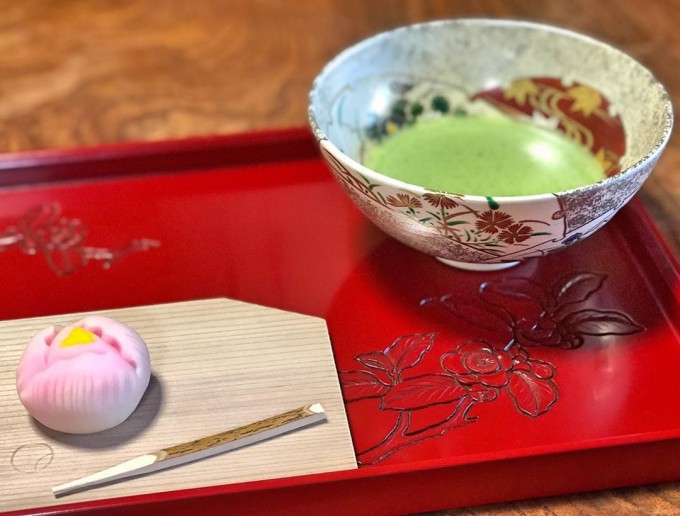
Kokonoeen is a tea shop dating back to the 1800s. Its townhouse is about 250 years old and can be toured. The shop has a wide range of teas, ideal for souvenirs from Murakami. At Machiya Cafe Kuheian, inside the townhouse, you can drink Murakami tea with a Japanese sweet, or try tea sweets such as hojicha ice cream and matcha ice cream monaka.
Ogiya Cafe Murakami Station
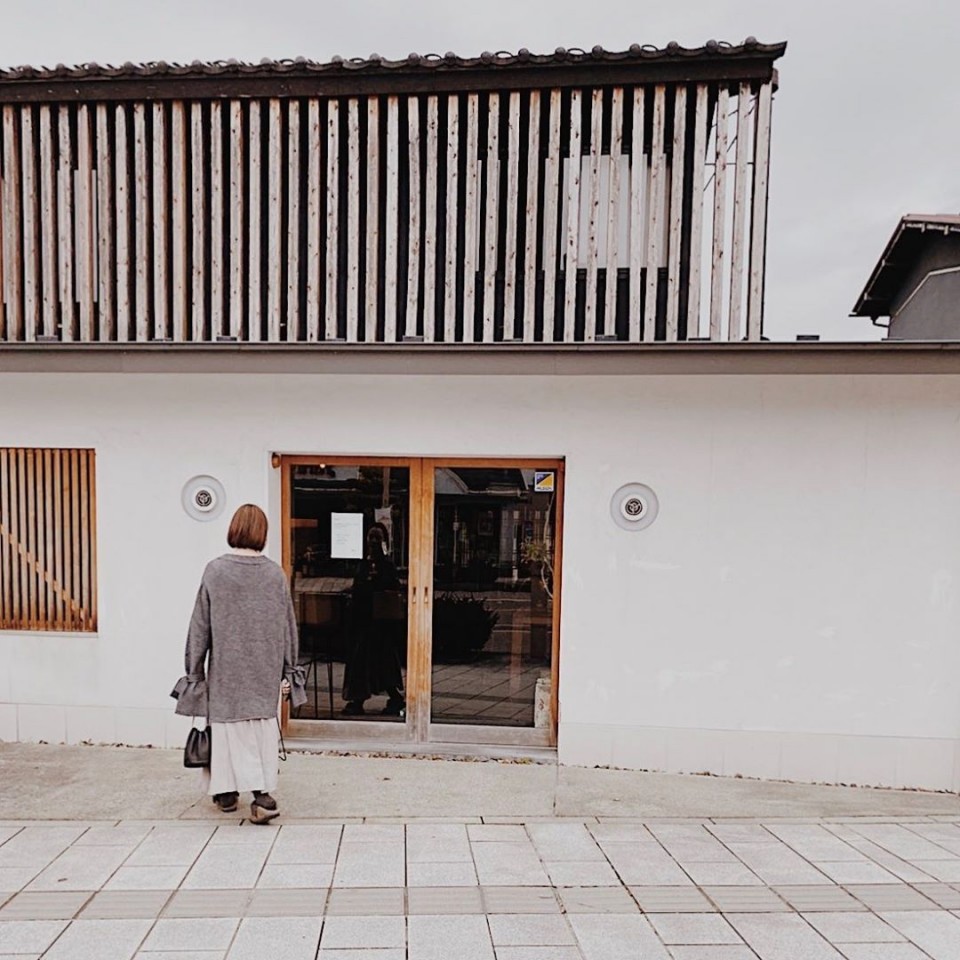
This cafe mixes Japanese and modern style, with black pillars and beams and a wood stove. Wine bottles line the counter, and there is a good list of drinks. The menu has pasta, gratin and omurice, plus matcha latte, Murakami black tea and dessert plates. The colorful soda floats, in melon, blue and peach, are a hit for photos. It is 2 minutes on foot from JR Murakami Station.
Fe Factory cafe 109 Near Sakamachi
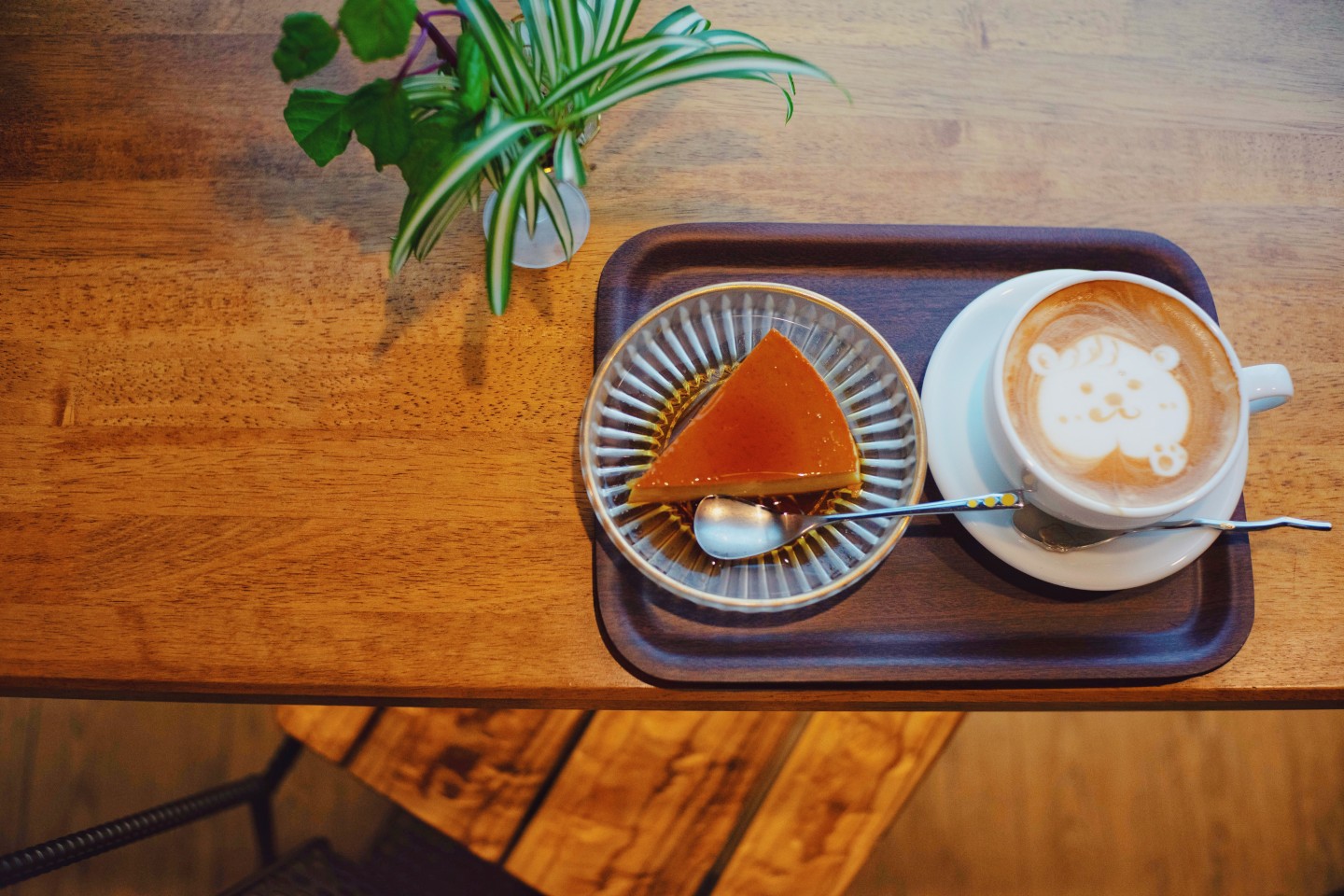
This cafe sits on the grounds of an ironworks. Fe is the chemical symbol for iron, and the owner is the daughter of the ironworks family. The furniture inside was made at the ironworks and suits the calm, natural feel. The terrace has seats with a nice view. Try the homemade pudding made with silkie chicken eggs; muffins and cheesecake appear depending on the season. You can also ask about ordering custom furniture.
Saryo Kaneei Nagaimachi
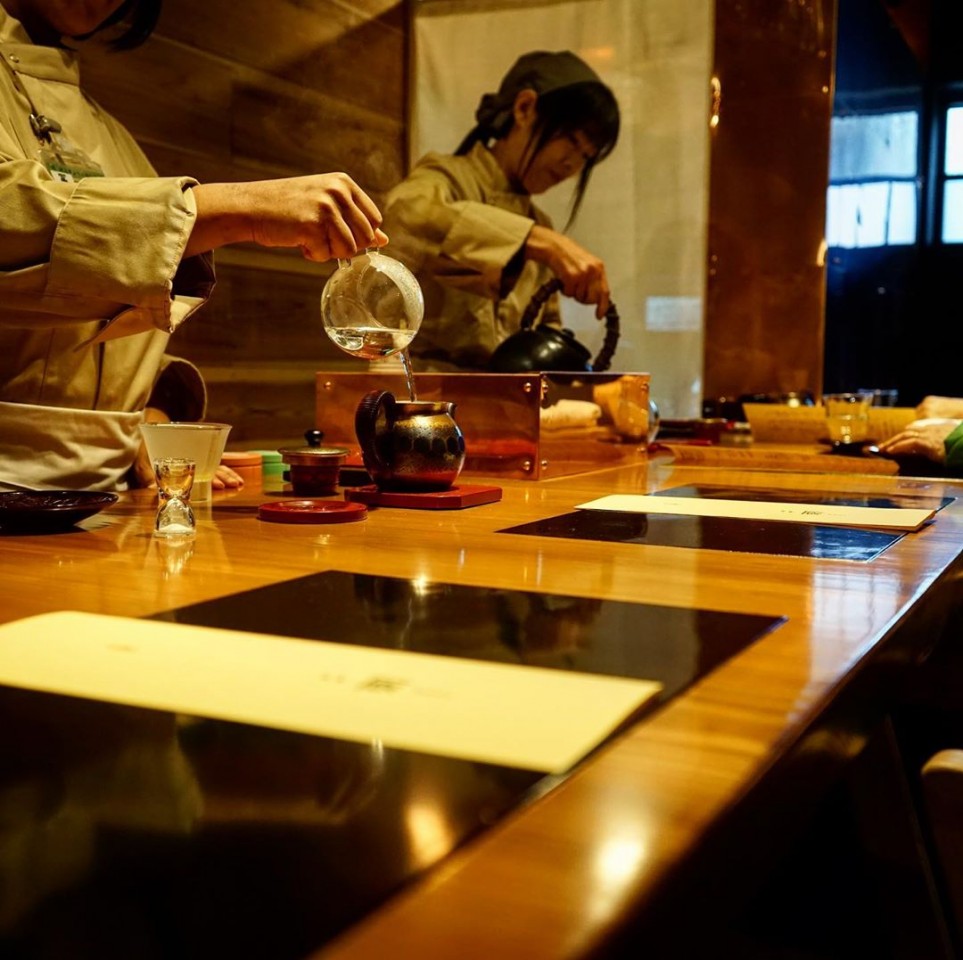
This cafe is inside the Fujimien tea shop, in a converted part of its tea factory. Besides counter and table seats, there is a tea room for four. When you order a tea and sweets set, you can choose to have the tea served or to brew it yourself, learning how to make a good pot with a kyusu teapot. With so many teas to choose from, a group can order different ones and compare.
Tips for your trip
Murakami is about an hour by train from Niigata City. Many sights in town, such as the castle ruins, the samurai house and the tea shops, are 15 to 25 minutes on foot from JR Murakami Station on the Uetsu Line, while the coast, waterfalls and mountain villages are easier to reach by car.
Do not leave without tasting salmon, which swims up the Miomote River and is the town's signature food.
The places on a map
Hours, prices and events change. Check each place's official website before you go.
More travel guides
 Tokyo Sightseeing by Area: 40 Classic Sights and Lesser-Known Spots from Asakusa to Odaiba40 placesTokyo has much more to see than Skytree, Tokyo Tower and Asakusa. This guide works through six of the city's main…
 Nagoya: 40 Best Places to Visit, from Nagoya Castle and Atsuta Jingu to Osu40 placesNagoya is one of Japan's biggest cities, yet many visitors don't know how much it has to see. Alongside its famous…
 Chichibu: 40 Best Places to Visit, from Nagatoro River Boats and Mitsumine Shrine to Moss Phlox and Icicles40 placesChichibu, the largest city in Saitama Prefecture, is about 90 minutes from central Tokyo. Most of the area is national…
 Niigata Prefecture: 40 Best Places to Visit, from Classic Sights to Hidden Gems40 placesNiigata Prefecture stretches a long way from north to south, and each area has its own scenery, climate and food. The…
 Nagasaki Prefecture: 40 Best Places to Visit, from Unzen Hot Springs to Hirado and Nagasaki City40 placesNagasaki grew up as a port open to the outside world, and the culture of those days still shapes its streets, churches…
 Fukuoka Prefecture: 40 Places to Visit in Kitakyushu, Chikuho and Around Fukuoka City40 placesFukuoka Prefecture is roughly divided into four areas, Kitakyushu, Chikuho, Fukuoka and Chikugo, and each has its own…