
Karuizawa: 39 Best Places to Visit, from Historic Churches and Waterfalls to Museums, Outlets and Hot Springs
39 places · Japanese version
Karuizawa is a highland resort with everything from stylish shops to quiet places to unwind. In summer people come to escape the heat, and in winter for skiing and other winter sports. You can shop at the outlet mall or on Kyu-Karuizawa Ginza, walk in the woods, see the autumn leaves of Usui Pass, eat well and tour romantic old churches. Here is a selection of 39 places, grouped by area: Kyu-Karuizawa and the station area, Naka-Karuizawa, Minami-Karuizawa, Kita-Karuizawa and Oiwake.
Kyu-Karuizawa and around Karuizawa Station
Shiraito Falls (Karuizawa) Karuizawa
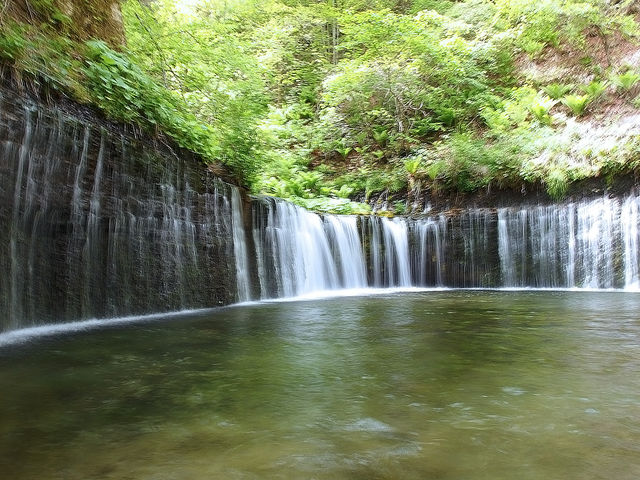
Shiraito Falls is one of the most popular sights of Karuizawa, especially busy in summer with people looking to cool off. Near the source of the Yukawa River, water slips down a rock face about 3 meters high and 70 meters wide like fine white threads. In August the falls are lit up with projection mapping. The road there, the Shiraito Highland Way, runs through a beautiful tunnel of green and is a favorite drive.
Kyu Mikasa Hotel Kyu-Karuizawa
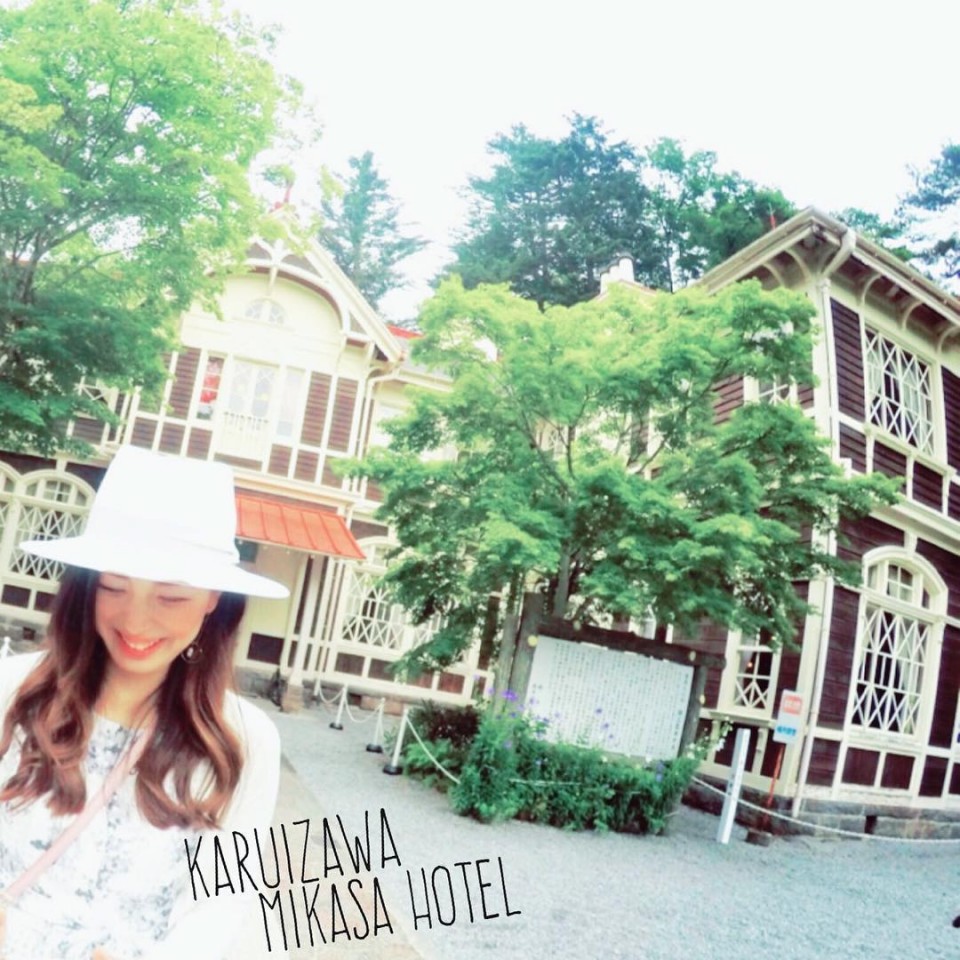
This Western-style building from the Meiji era was designed by a Japanese architect and is an Important Cultural Property. It ran as a hotel through the Meiji, Taisho and Showa eras, hosting many famous writers, artists and business leaders, and was once called the Rokumeikan of Karuizawa. Visitors can go inside to see the elegant interiors and furniture. It closed at the end of 2019 for several years of preservation work, so check before you go.
St. Paul's Catholic Church, Karuizawa Kyu-Karuizawa
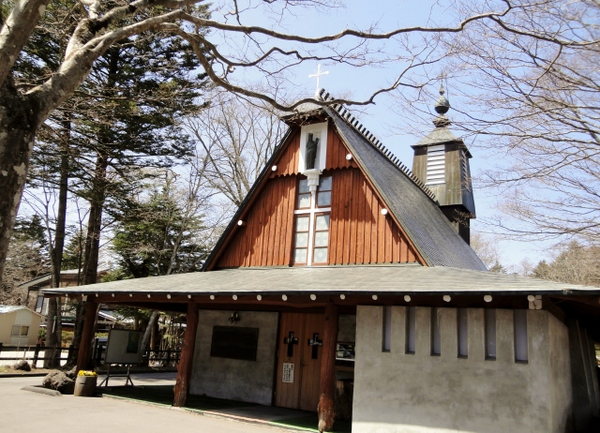
Founded by the English priest Father Word, St. Paul's is a landmark of Karuizawa. The wooden church was designed by Antonin Raymond, with a triangular roof, tall spire and exposed concrete, and appears in Hori Tatsuo's novel The Wooden Cross. Anyone may go inside except during weddings and services. A wedding here is said to be blessed by many people, and many couples marry here every year.
Kumoba Pond Kyu-Karuizawa
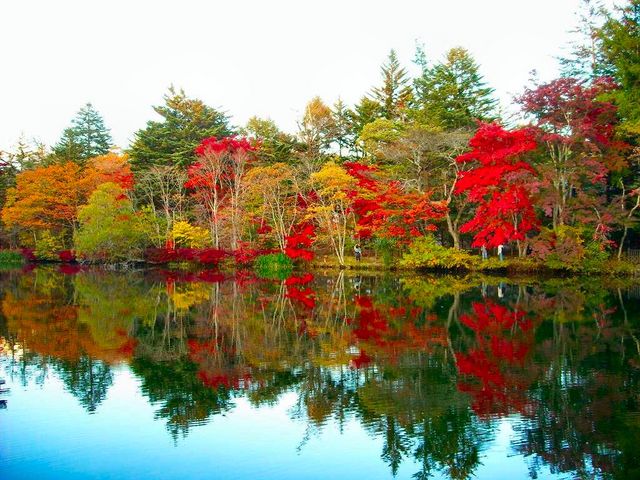
Kumoba Pond is one of the three best-known sights of Karuizawa. This man-made pond was created by damming a stream fed by the Gozensui spring, and it is surrounded by lush greenery. In autumn the trees around it turn bright colors that are mirrored on the water, and it gets especially busy. A path around the pond takes about 25 minutes, with many plants and wild birds to see along the way.
Shaw Memorial Chapel and Shaw House Kyu-Karuizawa
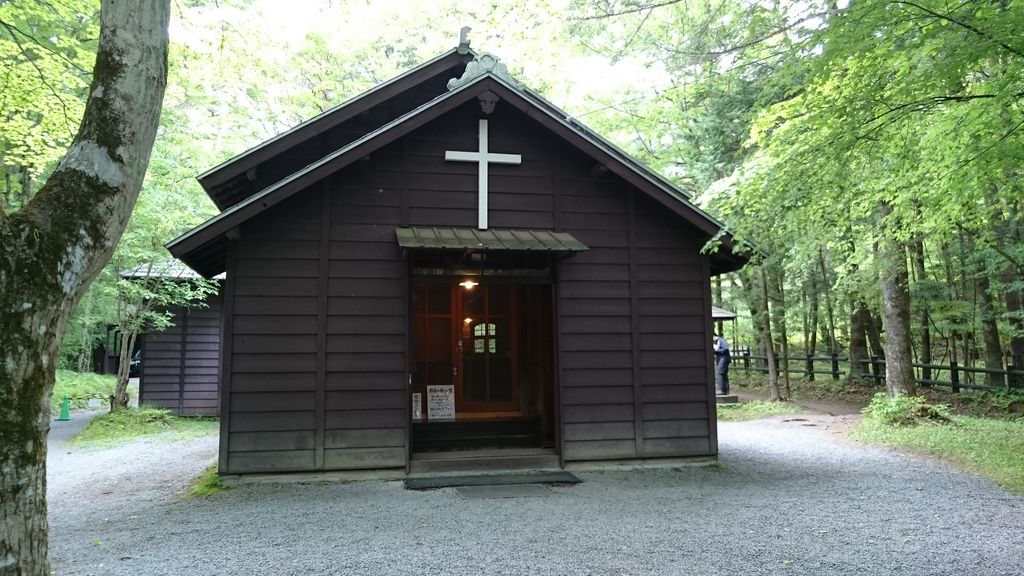
Founded in 1895 by the Canadian missionary A. C. Shaw, this is the oldest church in Karuizawa. In front of the simple wooden chapel stand a bust of Shaw and a monument given by the villagers.
Next to it, Shaw House is a reconstruction of the first summer villa in Karuizawa, built by Shaw, who made the town known as a summer retreat. Inside are old photos, furniture and an icebox from the days when foreigners spent their summers here.
Muro Saisei Memorial Museum Kyu-Karuizawa
The writer Muro Saisei loved Karuizawa and spent every summer in this house from 1931 until 1961, the year before he died. It is now open as a memorial museum, and the garden he made himself blends beautifully with the house. Across the street, Cafe Suzunone in the former Salomon villa, a registered tangible cultural property, is a nice place to stop.
Kumano Kotai Shrine Usui Pass
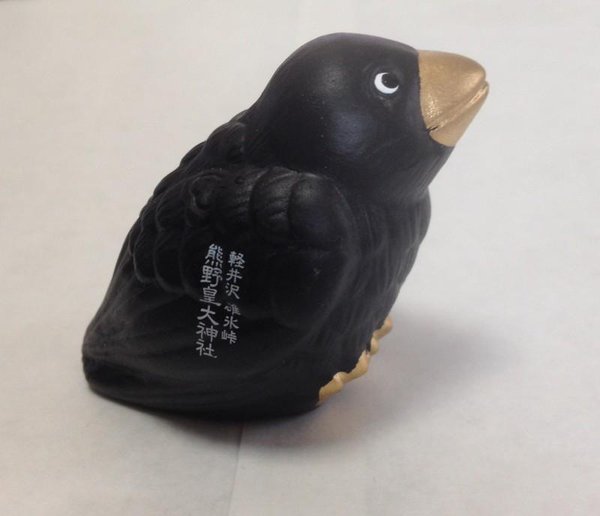
This rare shrine at the top of Usui Pass sits right on the Nagano-Gunma border, which runs through the main hall; the Nagano side calls it Kumano Kotai Jinja and the Gunma side Kumano Jinja. The sacred tree is an 800-year-old Japanese linden, and walking once around it clockwise is said to add a year to your life. Look also for the stone windmill of the Oiwake-bushi folk song and the oldest guardian dogs in Nagano.
Usui Pass Lookout Usui Pass
Near the top of the old Usui Pass, on the Gunma-Nagano border, this park at about 1,200 meters looks out over Mount Asama, Mount Hanare and the Yatsugatake mountains, with fresh green in summer, autumn leaves and beautiful sunsets. A walking trail leads up from Kyu-Karuizawa, and a shuttle bus runs from the Karuizawa Tourist Hall. From the entrance, a path of about 3 kilometers follows a stream full of birdsong.
Trick Art Museum Kyu-Karuizawa Kyu-Karuizawa
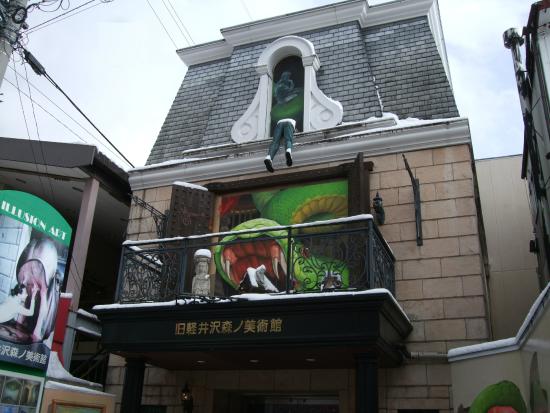
At this trick art museum on Kyu-Karuizawa Ginza you can look, touch and take photos. About 100 works, including optical illusions and wall-sized scenes of aquariums and zoos, draw you into a strange world, and the photos stay fun after you get home. Pets are welcome inside, so you can take playful pictures with yours.
Kyu-Karuizawa Ginza Street Kyu-Karuizawa
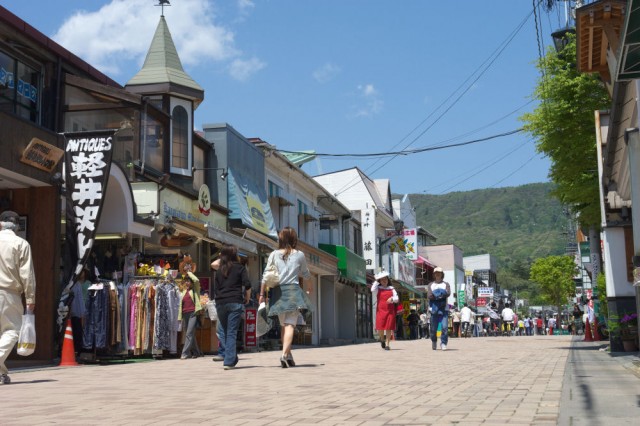
The main street of Karuizawa runs from the Kyu-Karuizawa rotary to the Tsuruya Ryokan inn, with about 200 shops and restaurants. Bakeries and jam and sausage shops using traditional methods stand beside fashion and souvenir shops, and it is busy on holidays. In the middle, the Karuizawa Tourist Hall has a tourist information office, and rickshaws leave from in front of it for a relaxing tour of Kyu-Karuizawa.
Yagasaki Park Near Karuizawa Station
This green park is a five-minute walk from Karuizawa Station, with a wide lawn and plenty of play equipment. A 160-meter wooden bridge, Yagasaki Ohashi, crosses the pond in the middle, and from it you can see both Mount Asama and Mount Hanare. At Christmas time the park is famous for its illumination, with lights all over the grounds reflected on the water.
Karuizawa Ohga Hall Near Karuizawa Station
On the edge of the pond in Yagasaki Park stands Ohga Hall, a five-sided concert hall given to the town by Norio Ohga, honorary chairman of Sony. Its pentagonal surround shape was built to realize his ideal sound, and the warm design uses local wood throughout, in harmony with the surroundings. The second floor is standing room. Famous musicians perform here every year.
Old Karuizawa Station Memorial Hall Near Karuizawa Station
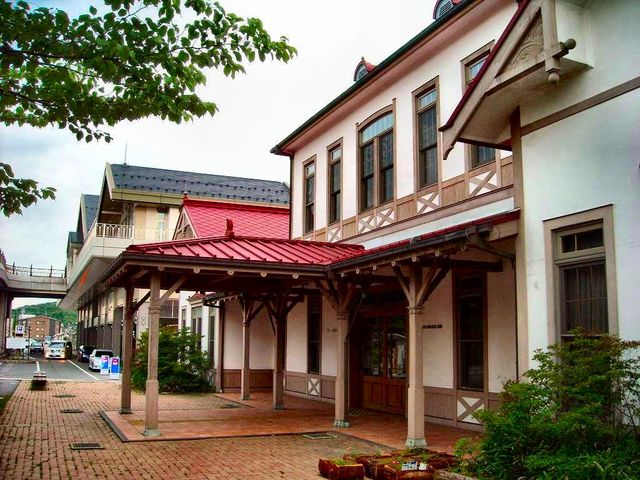
The old station building, taken down when the Nagano Shinkansen opened, has been rebuilt as it first looked by the north exit of Karuizawa Station. The old waiting room downstairs shows the days of the Shin'etsu Main Line, and the former VIP room upstairs has been recreated. On the old platform 1 stand EF63 and ED40 locomotives and the Deki 12 of the Kusakaru line, nicknamed the Beetle.
Karuizawa Prince Shopping Plaza Near Karuizawa Station
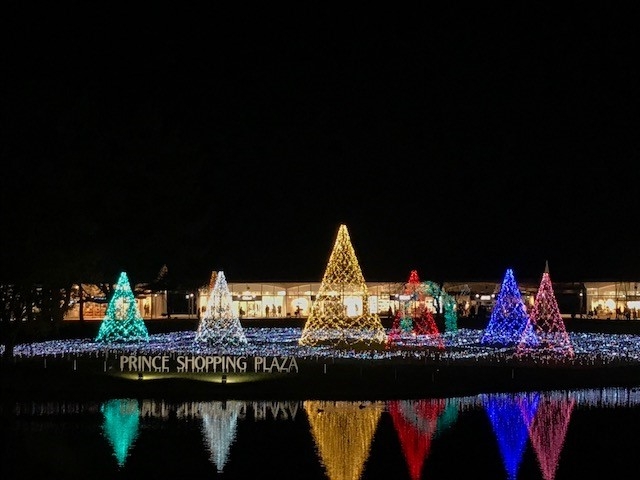
One of the largest outlet malls in Japan, with a huge lineup of brands selling discontinued lines and samples at good prices, from fashion to housewares and souvenirs, spread over 10 areas. A big lawn in the middle of the Tree Mall is good for a rest, and there is a kids park with a giant fluffy bear and slides, plus Karuizawa Bowl, a bowling alley with no-gutter lanes.
Karuizawa Prince Hotel Ski Resort Near Karuizawa Station
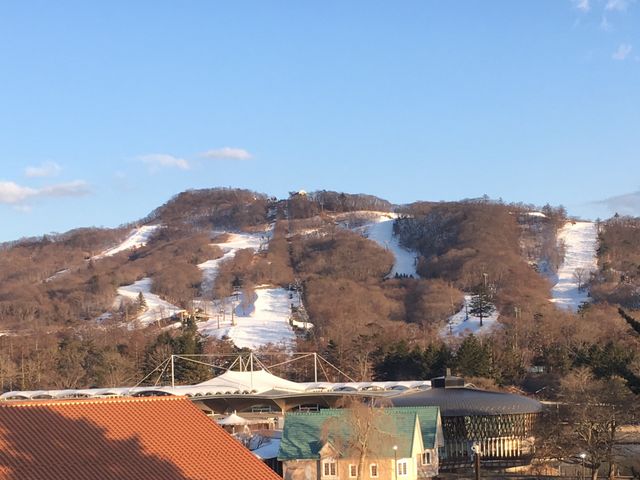
Thanks to snowmaking machines, this ski resort opens very early, in early November. From the top, at 1,155 meters, long runs look down on the town of Karuizawa. The weather is often sunny, and shopping and bowling nearby make for good after-ski fun. Small children have their own area, with a wide sledding slope and a tubing course that parents and kids can enjoy together.
Ryugaeshi Falls Karuizawa
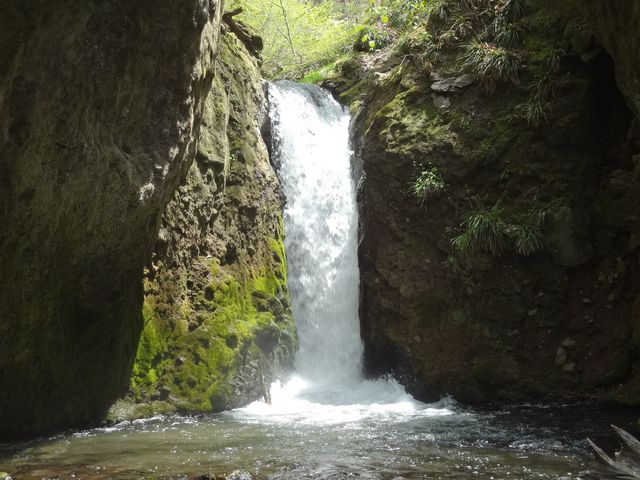
Ryugaeshi Falls stands deep in the hills, lovely against fresh green leaves or autumn colors. A section of the Shinano nature trail links it with Shiraito Falls, a pleasant forest walk. Karuizawa winters are harsh, but the falls are especially beautiful then, surrounded by snow and ice. Dress warmly if you go.
Mampei Hotel Kyu-Karuizawa
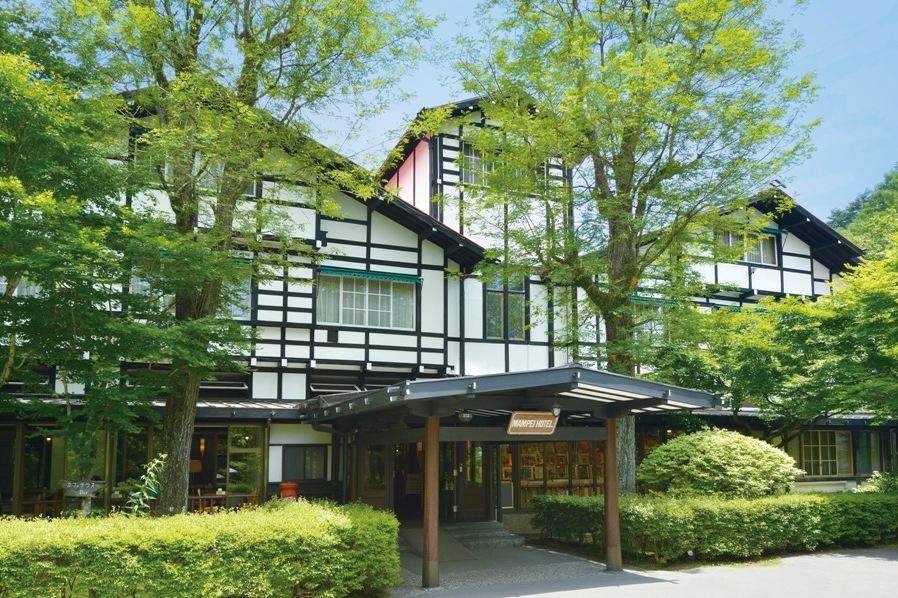
The Mampei Hotel, with its classic exterior, opened in 1868 and has been loved by many famous guests, including John Lennon and his wife. On its cafe terrace you can try apple pie made with Shinshu apples and a milk tea created at John Lennon's request, a calm and elegant break from sightseeing.
Naka-Karuizawa and Hoshino
Sengataki Falls Naka-Karuizawa
Sengataki has the greatest drop in Karuizawa, 20 meters high and 20 meters wide. The Seseragi no Michi trail, about 1.5 kilometers each way, follows a stream to the basin, with shallow spots where small children can safely play. Nearby, Sengataki Onsen is a popular day spa with garden and covered outdoor baths and a large indoor bath, all with soft, free-flowing hot spring water.
Sezon Museum of Modern Art Naka-Karuizawa
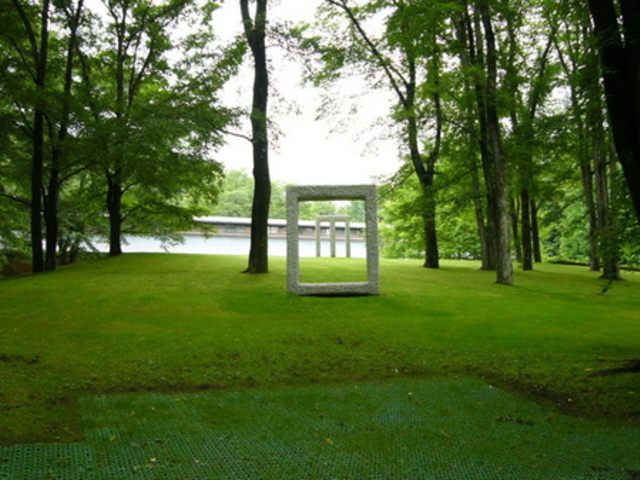
At the start of the hiking trail to Sengataki Falls, this museum shows works by world-famous contemporary artists. Its collection of more than 500 works includes Man Ray, Paul Klee and young artists of today, and there are three special exhibitions a year. Sculptures stand in the garden in front, along a walking path in harmony with nature. The organic cafe has terrace seats surrounded by green.
Stone Church (Uchimura Kanzo Memorial) Hoshino
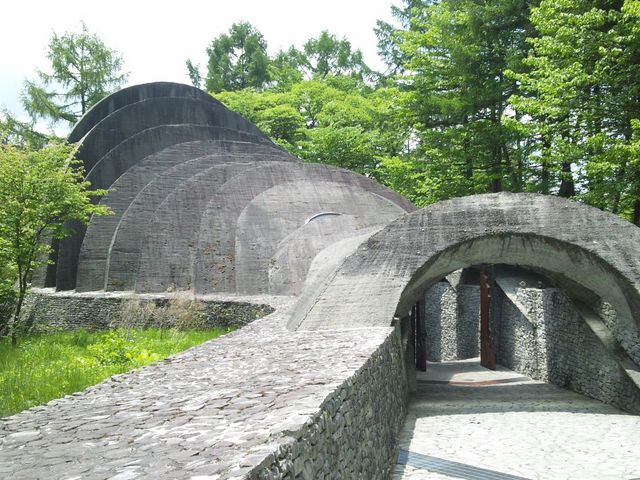
This church was built on the non-church movement of the Christian thinker Uchimura Kanzo, which was free of fixed forms and institutions. Designed by the American architect Kendrick Kellogg, its unusual exterior of overlapping stone and glass blends with the nature of Karuizawa. You can visit except during weddings. In the basement, an exhibition room shows Uchimura's own calligraphy and rare photos. It stands on the grounds of Hotel Bleston Court.
Karuizawa Kogen Church Hoshino
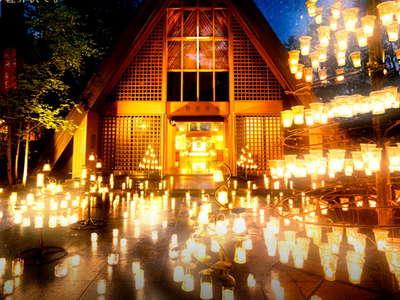
Also on the grounds of Hotel Bleston Court, this church was once a gathering place for writers such as Kitahara Hakushu and Shimazaki Toson. Its spirit of people meeting and talking freely lives on, and it is loved for Sunday services and weddings. The Candle Night held every summer and winter fills the church with soft light and is very romantic.
Harunire Terrace Hoshino
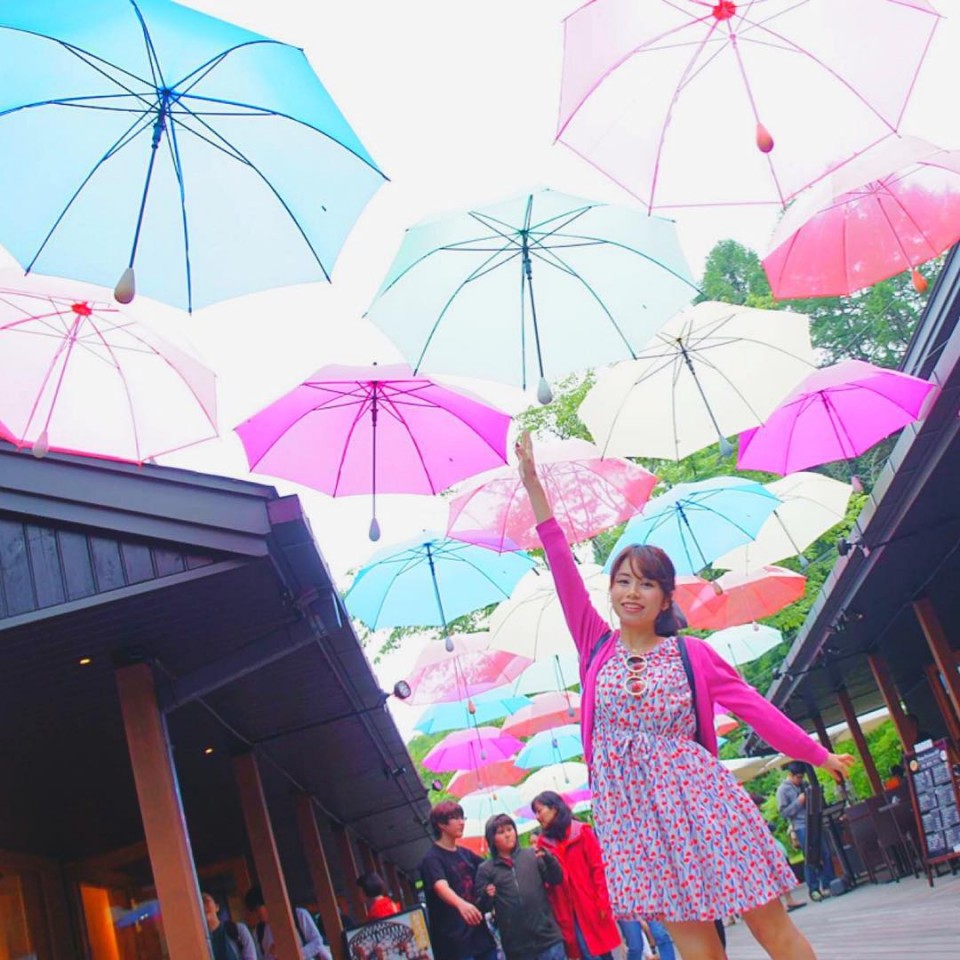
At the entrance to the Hoshino area, Harunire Terrace is a small village built among more than 100 harunire (Japanese elm) trees, about five minutes on foot along the Yukawa River from Tombo-no-yu. Its 15 stylish shops and restaurants follow the concept of everyday life in Karuizawa, including the popular Maruyama Coffee, the soba restaurant Kawakamian and the bakery restaurant Sawamura. Lifestyle shops with Nordic goods are worth a look too.
Hoshino Onsen Tombo-no-yu Hoshino
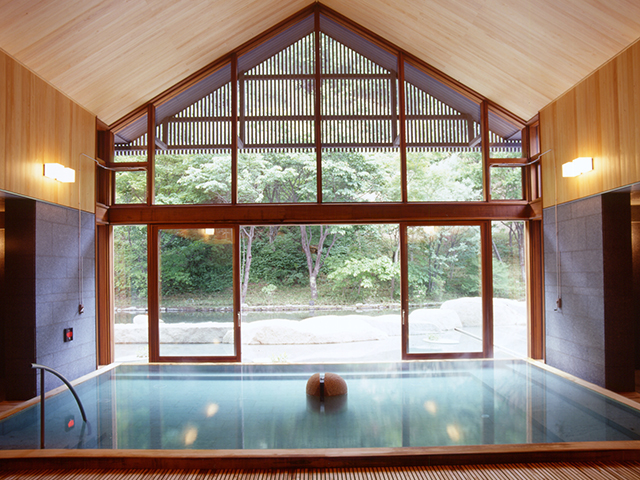
Hoshino Onsen opened in 1915 and has long been loved by writers such as Kitahara Hakushu and Yosano Akiko. Its smooth, gentle water is known as a bath for beautiful skin. The indoor bath, scented with cypress, has big windows that let in natural light and show the changing seasons, and the outdoor bath, set with granite rocks, makes you feel at one with nature.
Karuizawa Wild Bird Forest Hoshino
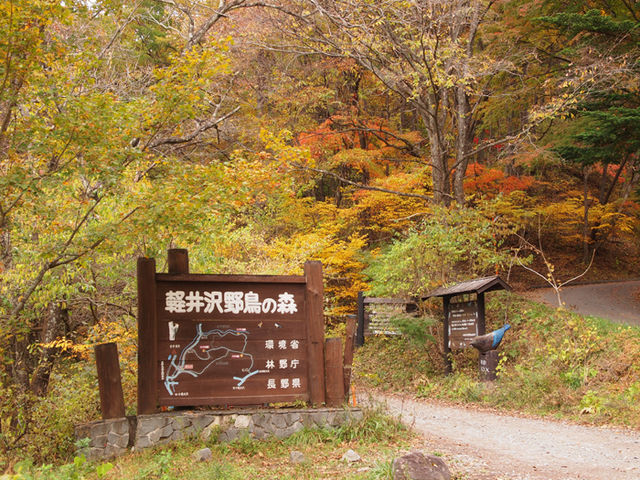
In the Hoshino area, between 950 and 1,100 meters above sea level, this forest covers about 100 hectares. About 3 kilometers of trails are free to walk, and some 80 kinds of wild birds and many other animals and plants live here, so it is great for bird watching. Guided tours by Picchio are recommended, and the visitor center hands out maps, shares the latest news from the forest and lends binoculars and bear bells.
Yukawa Furusato Park Naka-Karuizawa
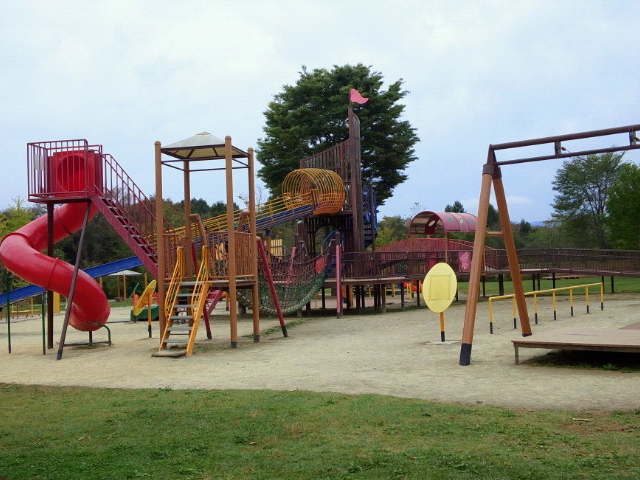
This park stretches about 2 kilometers north to south along the Yukawa River. On its wide lawn, large play structures such as jungle gyms and slides are linked by suspension bridges and covered walkways. There is also a place to play in the river, a sports field and a dog run, and the shinkansen runs on the viaduct right next to the park.
Museum of Modern Art, Karuizawa Naka-Karuizawa
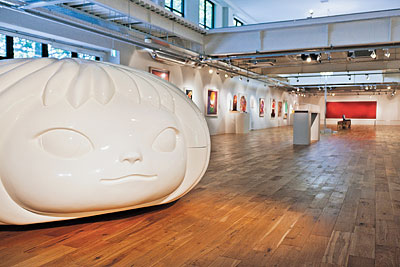
This museum focuses on artists who are highly regarded around the world, such as Yayoi Kusama, Yoshitomo Nara, Shusaku Arakawa and Ayako Rokkaku. A big sculpture by Yoshitomo Nara greets you at the entrance. Admission includes tea and a snack in the cafe corner: cookies with Mariage Freres tea or Shinshu apple juice.
Minami-Karuizawa
Karuizawa Taliesin and Lake Shiozawa Minami-Karuizawa
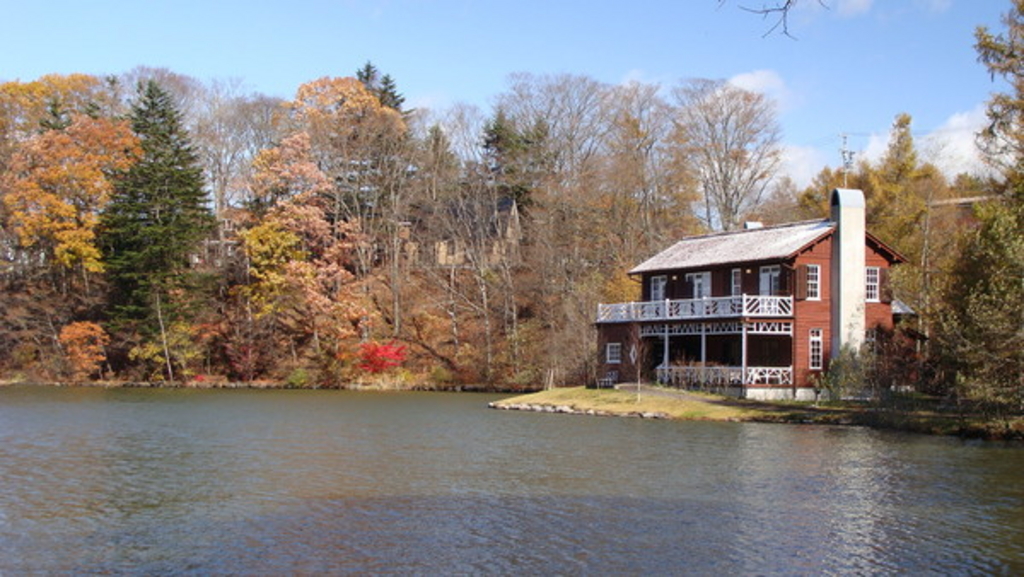
Karuizawa Taliesin is the largest leisure park in Minami-Karuizawa, set around Lake Shiozawa with a fine view of Mount Asama. Surrounded by green forest, it combines literature, art and outdoor fun: three museums, including the Peynet Museum, plus boats, go-karts, archery, tennis, putter golf, a cycle monorail and a children's playground. Each activity has its own fee in addition to admission.
Peynet Museum Minami-Karuizawa
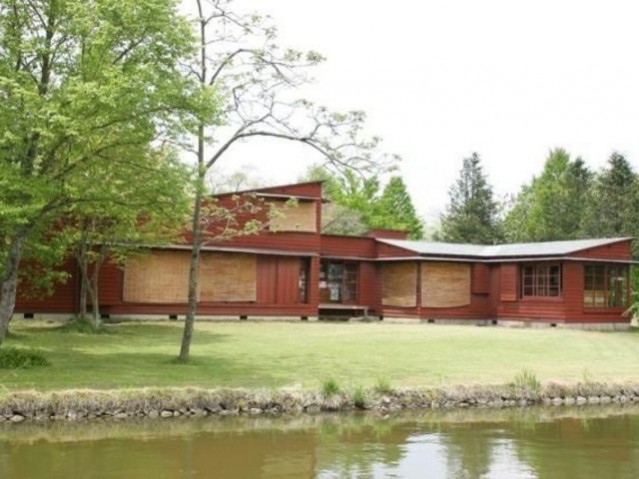
This museum in Taliesin holds the work of the French artist Raymond Peynet, famous for his gentle drawings of lovers, a boy in a bowler hat and a sweet girl. Original drawings, lithographs, posters and his own art supplies are on display. The building is itself a treasure: the Karuizawa Summer House, a villa built in 1933 by the architect Antonin Raymond and moved here.
Karuizawa Kogen Bunko Minami-Karuizawa
Karuizawa has long been loved by writers and poets as a summer retreat. This literary museum in Taliesin shows books, manuscripts and other materials of writers linked to the town, such as Hori Tatsuo and Muro Saisei. On the grounds, Hori Tatsuo's mountain cottage, Arishima Takeo's villa Jogetsuan and the study and tea room of Nogami Yaeko have been moved here and opened to visitors.
Karuizawa Le Vent Museum Minami-Karuizawa
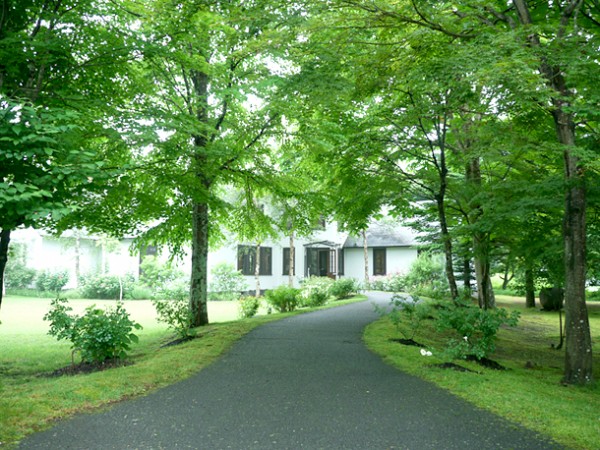
This museum with a modern exterior recreates the building of the Bunka Gakuin school in Tokyo as it was when founded in 1921. It shows paintings, pottery and architectural models by its founder Nishimura Isaku, along with calligraphy and paintings by Yosano Akiko, Ishii Hakutei and others linked to the school. There is a special exhibition every year, and the cafe with an open terrace is popular. You can use the cafe without a museum ticket.
Erz Toy Museum Minami-Karuizawa
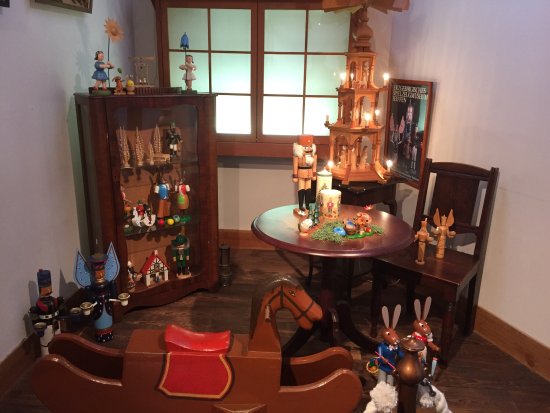
In the Muse no Mori museum park, this toy museum shows traditional toys from the Erz Mountains of Germany, such as wooden nutcrackers and smoking figures, along with educational toys mainly from Northern Europe. In the hands-on corner, children and adults alike can play. The Picture Book Museum is across the street, and a combined ticket for both is a good deal.
Karuizawa Picture Book Museum Minami-Karuizawa
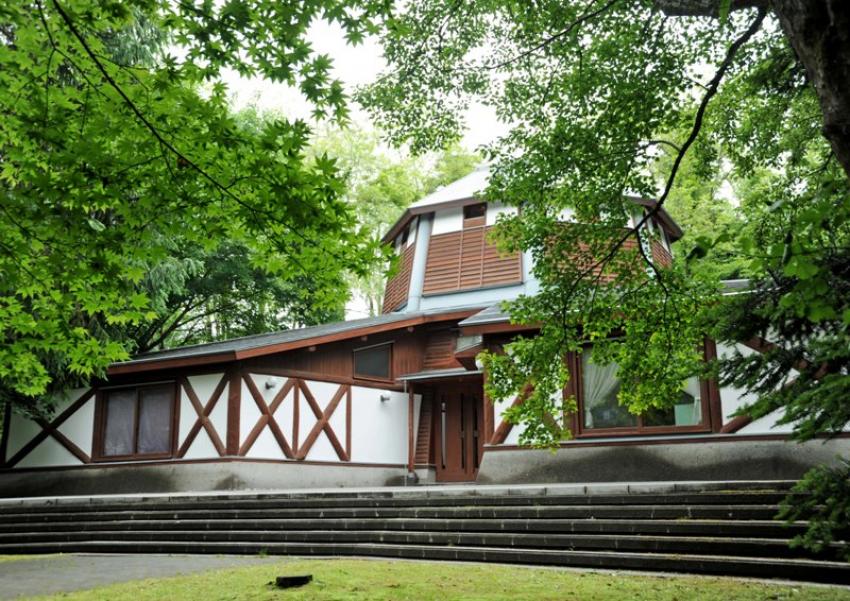
Fairy-tale buildings stand quietly in the forest at this museum of picture books from around the world, mainly Europe and America, and their original art. The 15,000-square-meter grounds hold two exhibition halls, a picture book library of more than 1,800 books, the Yoshida Shinichi collection, a museum shop and a tea room, so adults and children can lose themselves in picture books together.
Karuizawa Hiroshi Senju Museum Minami-Karuizawa
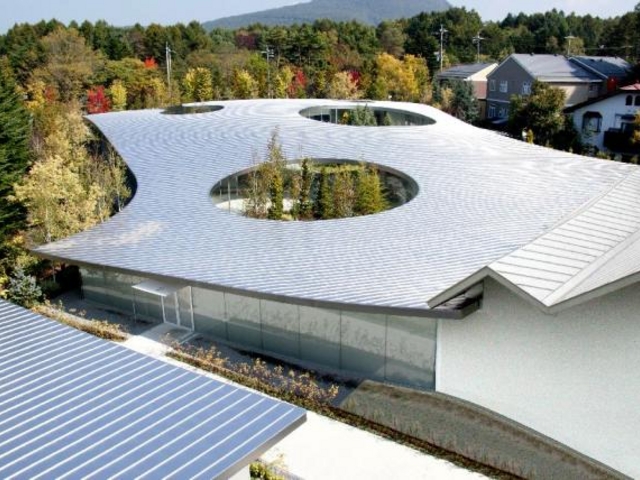
This museum shows about 50 works by the Japanese-style painter Hiroshi Senju, from his early pieces to his latest, including his Waterfall series of falling water. The bright, open galleries full of natural light were designed by Ryue Nishizawa, also known for the 21st Century Museum of Contemporary Art, Kanazawa. Outside, a color leaf garden of 60,000 trees and plants surrounds the building, and the bakery cafe Boulangerie Asanoya is on site.
Karuizawa Lake Garden Minami-Karuizawa
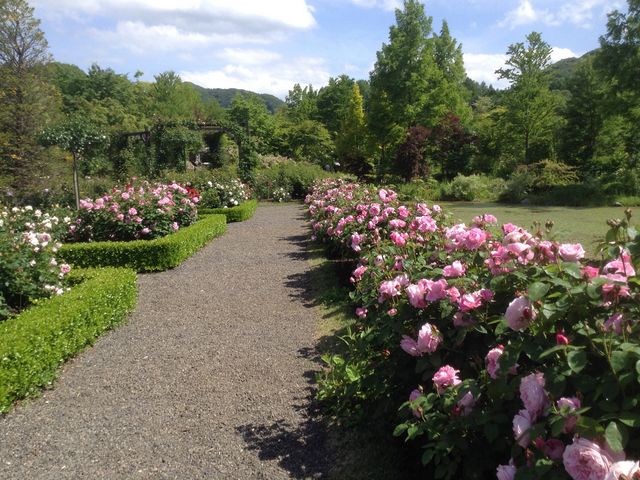
A natural garden set around a lake in the forest, with eight garden areas showing the flowers of each season. Do not miss the Rose Garden, at its best from mid-June, where colorful English roses fill the air with a sweet scent. You can also have a meal at the hotel or restaurant on the grounds while enjoying the classic atmosphere and the garden.
Karuizawa Botanical Garden Karuizawa
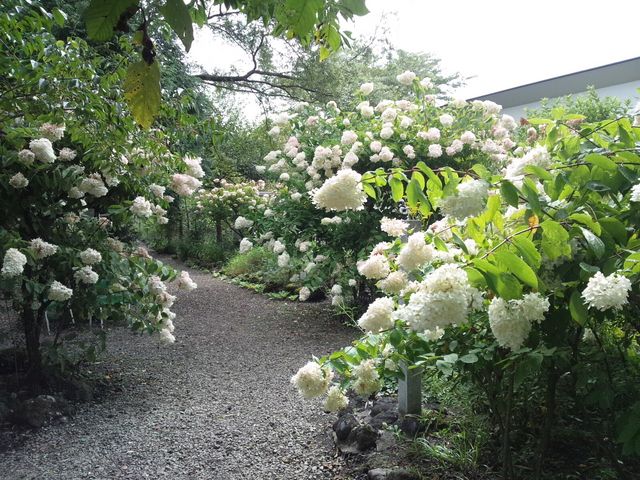
This 20,000-square-meter garden gathers about 1,600 kinds of trees and plants from some 145 families that grow wild in Karuizawa. Tens of thousands of primroses, the town flower, are planted here. With springs, wetlands and slopes, you can see plants growing naturally, and paths run through every corner, with a rest area for visitors.
Kita-Karuizawa
Karuizawa Snow Park Kita-Karuizawa
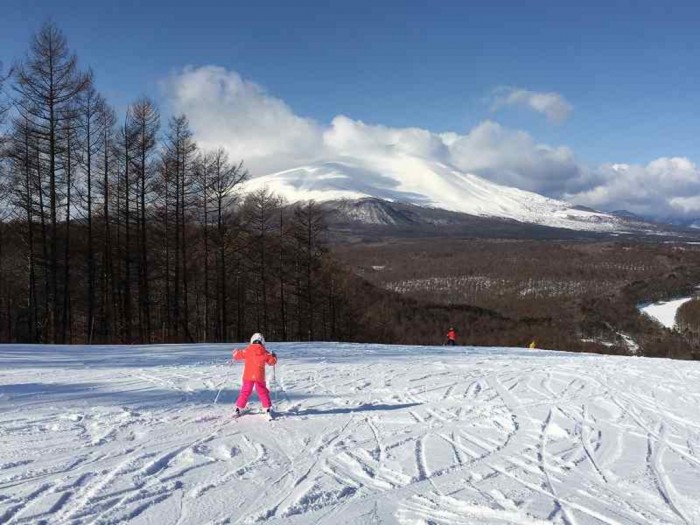
This ski area has a wide variety of runs, from a 32-degree mogul slope for experts to gentle beginner courses. Rental gear is plentiful, there is a nursery, and good ski and snowboard schools are held. On the kids' slope, children can slide down the snow on tubes.
Asama Bokujo Chaya Kita-Karuizawa
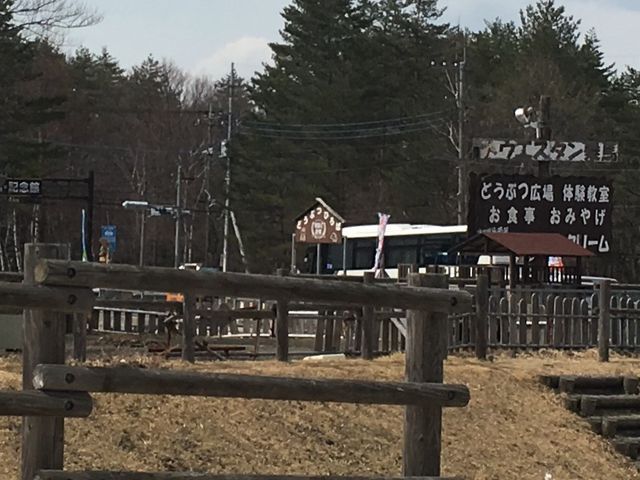
Asama Bokujo is an 800-hectare ranch at 1,200 meters, the place that inspired the song Oka wo Koete. Near its entrance, the Asama Bokujo Chaya serves ranch food. The popular roast beef bowl is piled with homemade roast beef, and there is rich soft-serve ice cream, fresh milk and soba, a specialty of Shinshu.
Oiwake
Oiwake-juku Oiwake
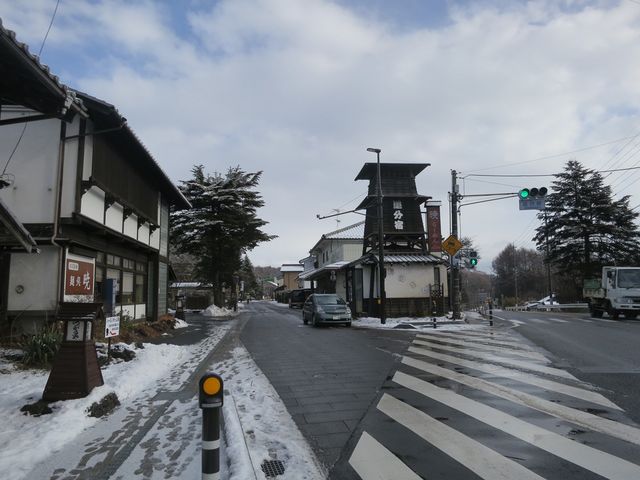
Oiwake thrived as a post town where the Nakasendo and Hokkoku Kaido roads met. It is known for the Wakihonjin Aburaya inn, where Hori Tatsuo and many other writers of the early Showa era came to write, and its five Japanese-style rooms on the second floor are still let as rooms without meals. Near the entrance to the town, the Oiwake-juku Local History Museum, built like an old inn, keeps the atmosphere of the post town.
Hori Tatsuo Memorial Museum of Literature Oiwake
This museum is devoted to the novelist Hori Tatsuo, known for The Wind Has Risen and Naoko. Besides manuscripts and first editions, you can see the house where he lived from 1944 until his death in 1953 and the library he built for his books. The grounds are small but quiet and charming. Even if you do not know his books, watching the Studio Ghibli film The Wind Rises before your visit will help.
The places on a map
Hours, prices and events change. Check each place's official website before you go.
More travel guides
 Tokyo Sightseeing by Area: 40 Classic Sights and Lesser-Known Spots from Asakusa to Odaiba40 placesTokyo has much more to see than Skytree, Tokyo Tower and Asakusa. This guide works through six of the city's main…
 Nagoya: 40 Best Places to Visit, from Nagoya Castle and Atsuta Jingu to Osu40 placesNagoya is one of Japan's biggest cities, yet many visitors don't know how much it has to see. Alongside its famous…
 Chichibu: 40 Best Places to Visit, from Nagatoro River Boats and Mitsumine Shrine to Moss Phlox and Icicles40 placesChichibu, the largest city in Saitama Prefecture, is about 90 minutes from central Tokyo. Most of the area is national…
 Niigata Prefecture: 40 Best Places to Visit, from Classic Sights to Hidden Gems40 placesNiigata Prefecture stretches a long way from north to south, and each area has its own scenery, climate and food. The…
 Nagasaki Prefecture: 40 Best Places to Visit, from Unzen Hot Springs to Hirado and Nagasaki City40 placesNagasaki grew up as a port open to the outside world, and the culture of those days still shapes its streets, churches…
 Fukuoka Prefecture: 40 Places to Visit in Kitakyushu, Chikuho and Around Fukuoka City40 placesFukuoka Prefecture is roughly divided into four areas, Kitakyushu, Chikuho, Fukuoka and Chikugo, and each has its own…