
Kumamoto: 40 Best Places to Visit, from Mount Aso and Hot Springs to Amakusa Churches and Hidden Waterfalls
40 places · Japanese version
Kumamoto, the Land of Fire in central Kyushu, has a little of everything: mountains and sea, a volcanic caldera, wide basins and many hot springs. This guide is a selection of 40 places, from classic sights to lesser-known spots that make great photos. They are grouped by area: Kumamoto City, the Aso and Oguni area, the north of the prefecture, the Uto Peninsula and Amakusa islands, and the mountains and river towns of the south. Most places outside the city are easiest to reach by car.
Kumamoto City
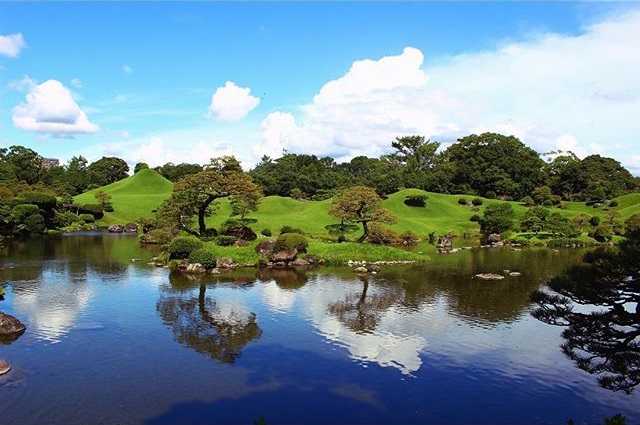
Suizenji Jojuen Garden Kumamoto City
A Momoyama-style stroll garden whose story begins around 1632, when Hosokawa Tadatoshi, the first Hosokawa lord of Higo, built a tea house here; the garden itself was laid out under the third lord. Its pond and gentle hills are said to recreate the 53 stations of the Tokaido road. Walk the loop to see colorful carp, the spring water called the Water of Longevity and Izumi Shrine, which honors the Hosokawa lords. Seasonal events include firelit noh and horseback archery, and on very cold winter mornings mist can cover the whole garden. From Karashimacho, take the tram to Suizenji Koen stop, then walk about 4 minutes.
Sakuranobaba Josaien Kumamoto City
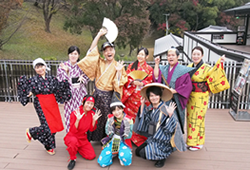
A visitor complex near Kumamoto Castle built to introduce the castle, its town and local food. At the Kumamoto Castle Museum Wakuwakuza you can watch a live camera of the castle, take a quiz in the Satsuma Rebellion corner, try stacking a castle stone wall, rent costumes and watch short plays. Then stroll Sakura no Koji, a street of Edo-style buildings with 23 shops and restaurants for food, snacks and souvenirs.
Aso and Oguni
Nabegataki Falls Oguni
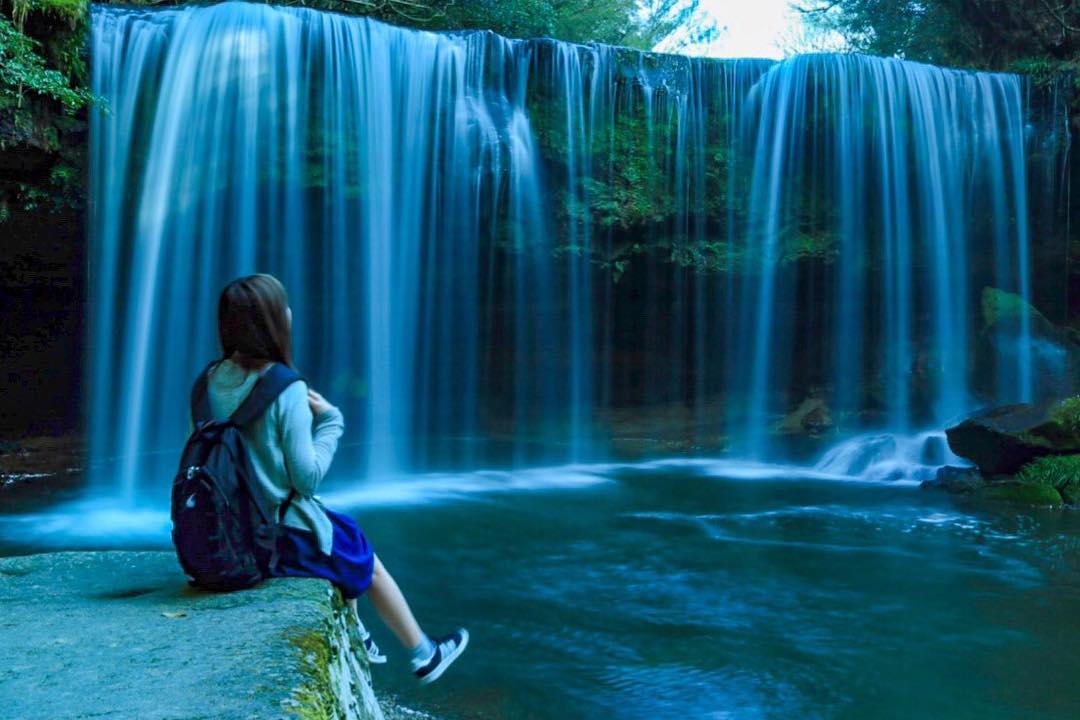
A waterfall made famous by a green tea commercial. It is only about 10 m high but about 20 m wide, and the rock behind it is hollowed out, so you can walk behind the falls and look out through a thin curtain of water at the green trees. From late March to early April the falls are lit up at night. The falls are about 500 m from the parking lot on a steep path, so wear good shoes, and take care on rainy days when the water rises and rocks can fall.
Mount Aso Aso
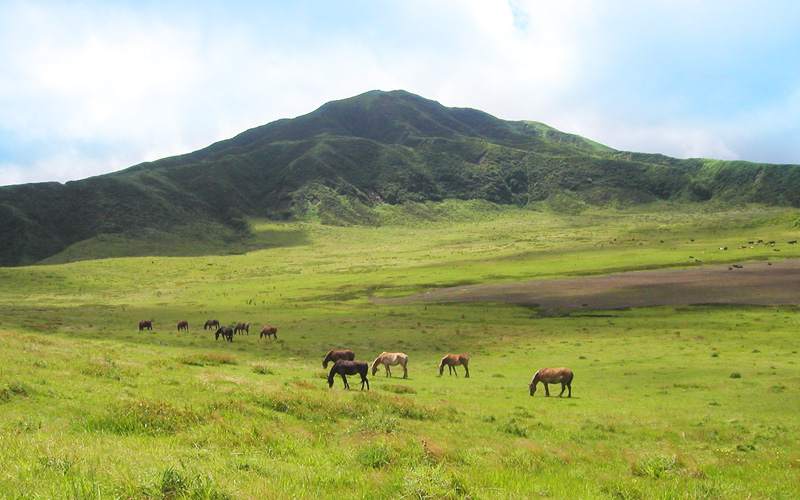
The active volcano at the heart of Kumamoto. Its five main peaks, Takadake, Nekodake, Nakadake, Eboshidake and Kishimadake, are called the Aso Gogaku. The highlight is the Nakadake crater: from the viewing area you can look into a raw, smoking crater. Hiking routes include an eastern route past exposed rock layers and farmland, and the Sunasenri route across a rocky, almost Martian landscape. Access near the crater and some routes can close because of volcanic activity, so check what is open before you go.
Kurokawa Onsen Minamioguni
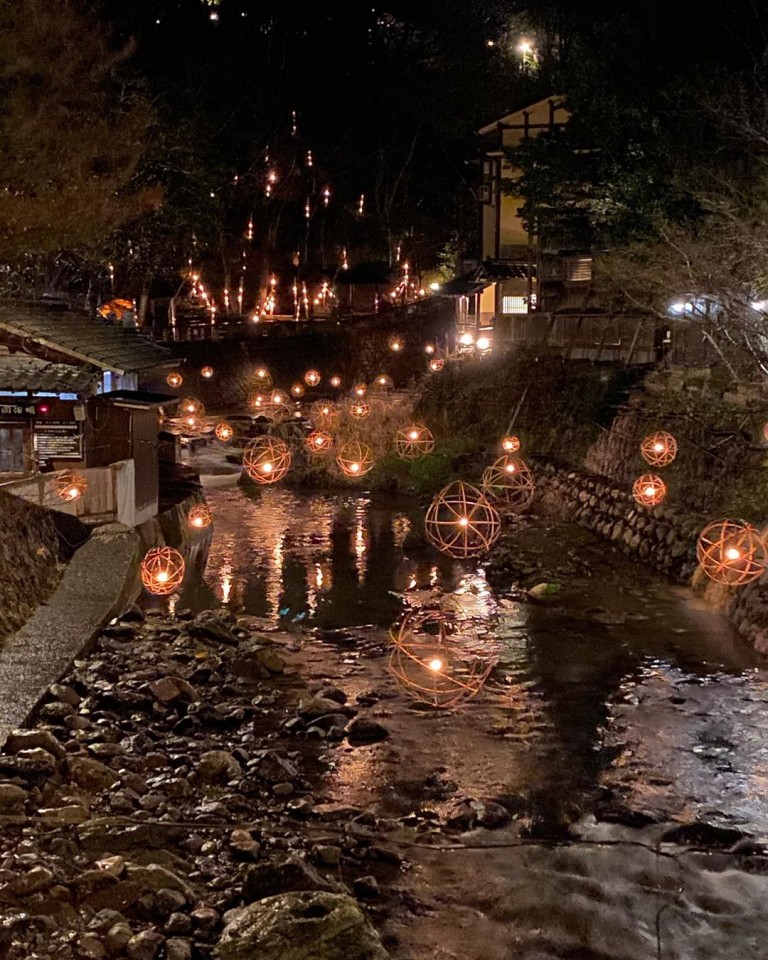
A hot spring town tucked deep in the mountains beyond Aso, far from expressways and train stations. City visitors love it because it feels like going back to a country home. It is worth staying a night: inns range from Ikoi Ryokan with 13 different baths to places with open-air baths set in nature. With a bathing pass you can hop from one inn's bath to the next. Buses run from Kumamoto Station in about 3 hours.
Aso Farm Land Minamiaso
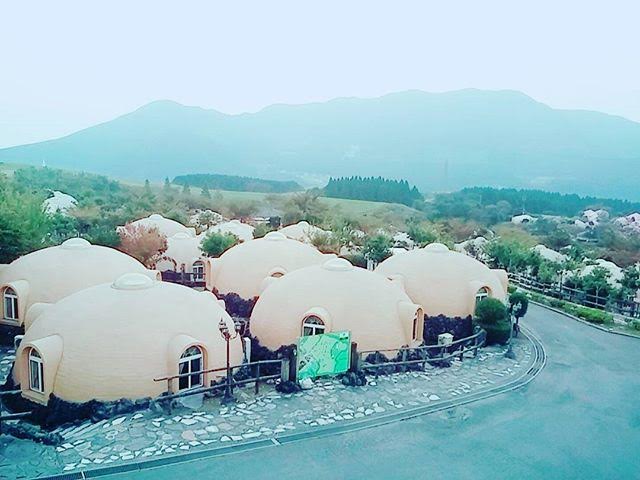
A health-themed park. In the Health Pavilion, about 10 kinds of machines check things like your brain age and bone health. The sports area has more than 70 activities, including a 1 km maze and long slides, plus a kids' area, and there is fishing, crafts, an animal petting area and a buffet restaurant. You can also stay overnight in round, dome-shaped cottages that look like something out of a fairy tale.
Shirakawa Suigen Minamiaso
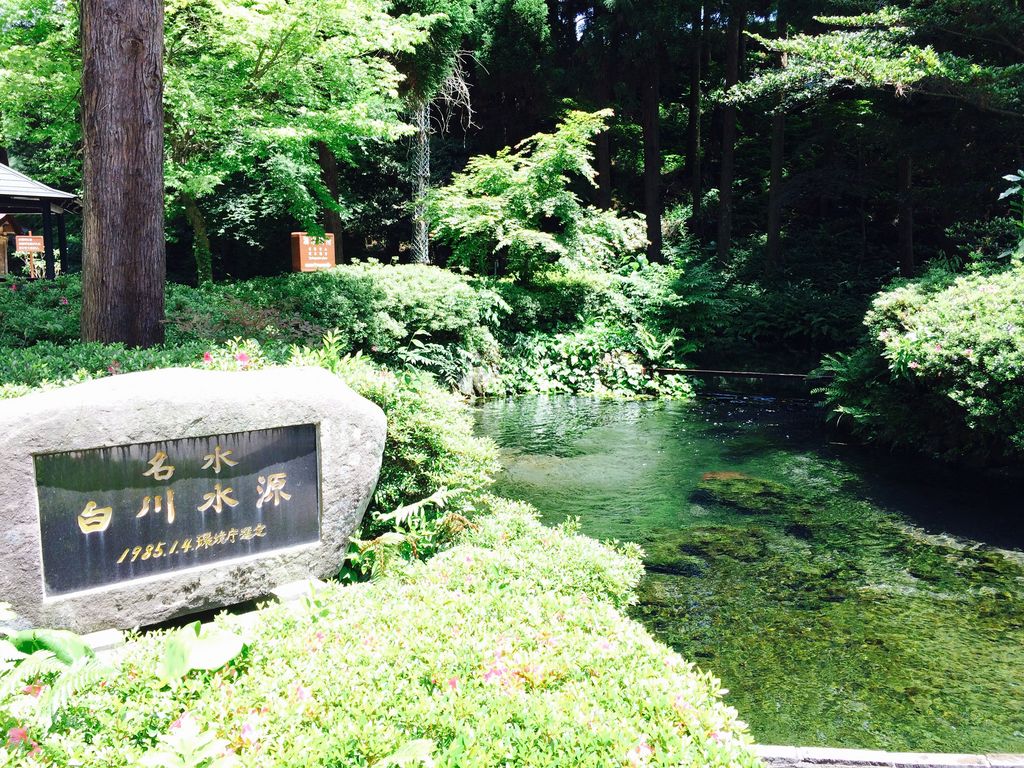
One of the largest springs in the area, in the grounds of Shirakawa Yoshimi Shrine, about 15 minutes on foot from Aso-Shirakawa Station. Around 90,000 tons of water rise here every day at about 14 degrees C all year, so clear you can see the bottom of the pool. Sunlight on the water in the daytime makes for beautiful photos. The soft water is said to be good for tea, and people come from far away to take some home. The spring is also known as a power spot.
Aso Cuddly Dominion Aso
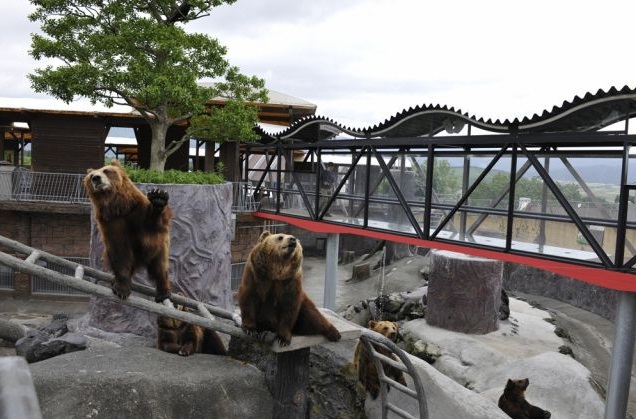
An animal park known for its comic animal shows starring monkeys, dogs and bears. Bear Valley is home to about 160 bears of several kinds, which beg for treats, and in the bear cub area you can hold a cub and take photos. A dog area has 44 dogs of 18 breeds, and there is also a cat house, mini pig races and a penguin waterfall. Helicopter sightseeing flights are offered too.
Tsuetate Onsen Oguni
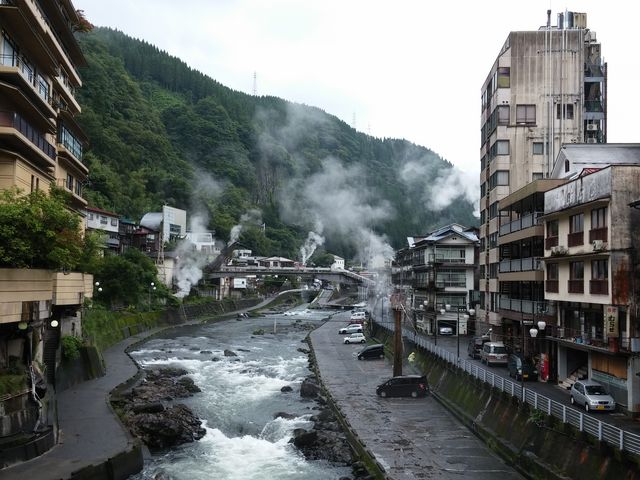
A lively hot spring town in Oguni whose streets reach over the border into Hita in Oita Prefecture. The water gushes out naturally at about 98 degrees C. It is clear, mildly alkaline and lightly salty, and feels soft on the skin. Most inns have a mushi-buro, a steam bath that works like a sauna. Steam rises all over town, and during the carp streamer festival many koinobori flutter above the river.
Takamori Yusui Tunnel Park Takamori
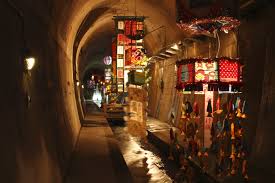
A park built around a railway tunnel that was never finished. While digging it, workers cut into an underground water source, and so much spring water poured out that the railway plan was dropped. Today you can walk inside, with a channel of water running down the middle and one-way paths on either side. The tunnel is about 2,055 m long; farther in there is projection mapping and a device that turns water drops into floating pearls. At Tanabata and Christmas it is decorated with lights. About 10 minutes on foot from Takamori Station on the Minamiaso Railway.
Isshingyo Cherry Tree Minamiaso
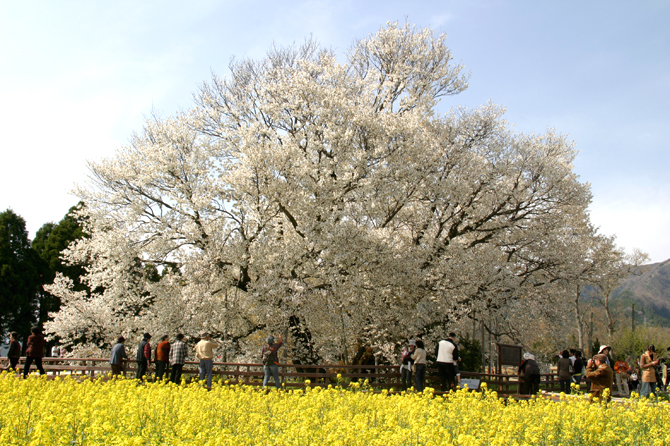
A huge lone mountain cherry tree, thought to be more than 400 years old. It stands about 14 m tall with a trunk 7.35 m around, and its branches spread about 21 m east to west and 26 m north to south. Time your visit with the rapeseed blossoms for pale pink against yellow. Minamiaso is higher than Kumamoto City, so it blooms a little later. At full bloom it is lit up at night, and parking and roads get crowded. It is about 15 minutes on foot from Nakamatsu Station.
Kamishikimi Kumanoimasu Shrine Takamori
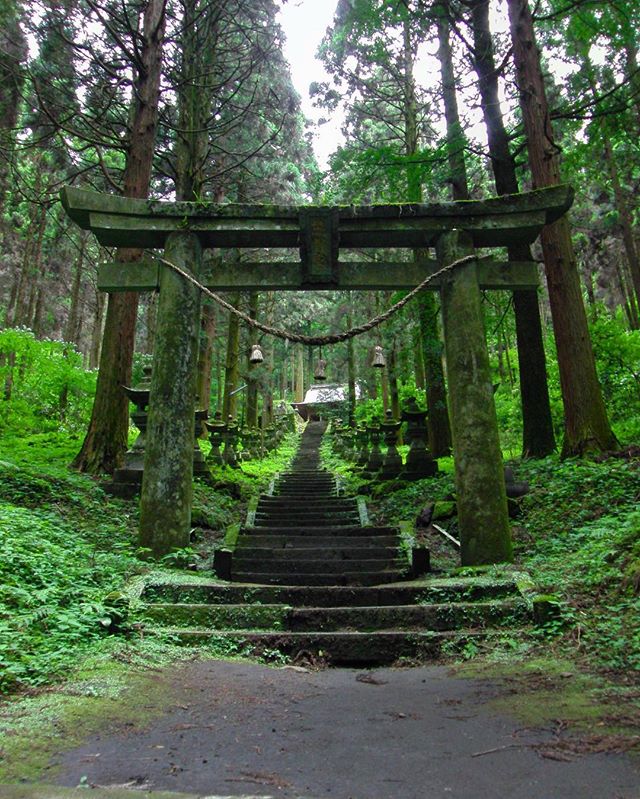
A shrine that looks like a scene from a fantasy game. It is said to have been the model for the anime film Hotarubi no Mori e, based on a manga by Yuki Midorikawa. Past the torii, mossy stone steps climb through a dark forest lined with about 100 stone lanterns. Behind the shrine is Ugeto Rock, with a hole about 10 m across that a legend says was kicked through by Kihachi. It is popular with students before exams and athletes. About 10 minutes by car from Takamori Station.
Mazeno Valley Minamioguni
A gorge on the upper Nakahara River, about 50 minutes by car from Aso Station. It lies inside private pastureland and opens to the public only in autumn leaf season, when it gets very busy. About 5 km of old-growth forest has been left almost untouched, and red and yellow leaves mix with very clear water flowing over the rocks. It takes effort to get there, but few places look like this.
Shiraito Falls Nishihara
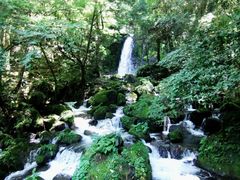
A graceful waterfall about 20 m high, whose water falls like white threads. It is also called Yorihime Falls, after a sad love story. A paved path with handrails leads through the forest to a spot right in front of the falls. Nearby are Myoken Shrine and the Takigawa stream, where people play in the water in summer. Early summer to summer, when everything is green, is the best time. Wear clothes that can get dirty and walking shoes. About 20 minutes by car from Kumamoto Airport.
Aso Nature Land Aso
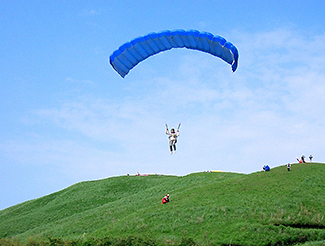
An outdoor activity center. On calm early mornings you can ride a tethered hot air balloon up to about 40 m and look out over Aso in the morning light. Paragliding comes in several forms, including half-day lessons, tandem flights and sunset flights with an instructor. Other activities include mountainboarding, yoga and night trekking.
El Patio Ranch Aso
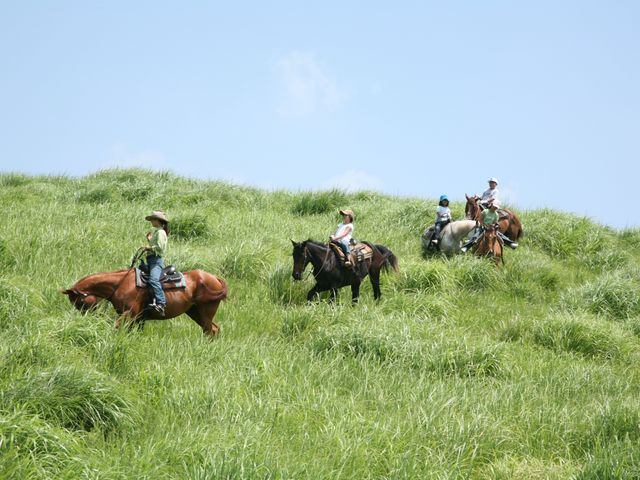
A horse ranch on the outer rim of the caldera, with wide views of the five peaks of Aso and the Kuju mountains. There are 8 riding courses, from an easy walk of about 1 km for beginners to rides up hills and across open grassland for experienced riders. The ranch also has a restaurant with a terrace and places to stay.
Men no Ishi Minamiaso
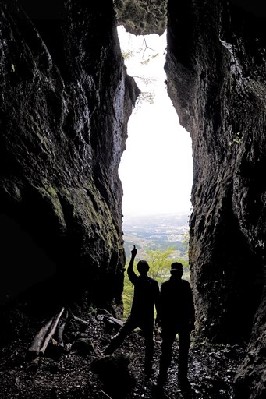
For a long time a big boulder sat wedged in a crack of a 40 m cliff here, looking as if it floated in the air. As the stone that never falls, it was a favorite of students before exams. In the 2016 earthquake the boulder dropped, and the hole it left is shaped like a cat sitting with its paws together. The route is mostly unmaintained and crosses private land, so join a guided trekking tour from the Minamiaso tourism association.
Northern Kumamoto: Yamaga, Kikuchi, Arao and Tamana
Yamaga Onsen Yamaga
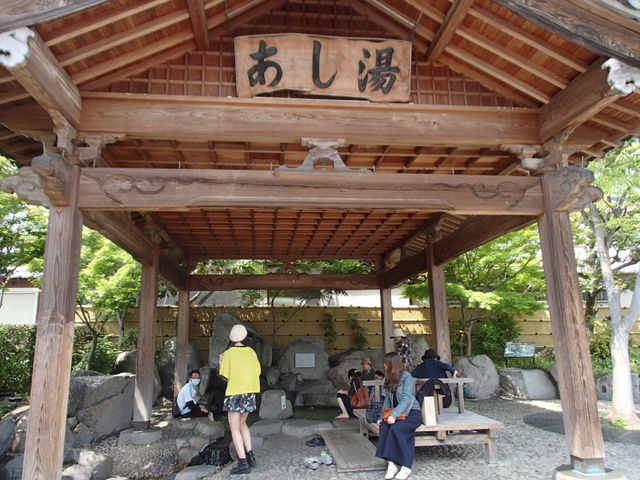
A well-known hot spring town with many traditional inns and day-use baths. The favorite is Sakura-yu, with a history of about 370 years. It began as a bath for the Hosokawa lords and later became a public bath for locals. It was once torn down, then rebuilt in wood using traditional Japanese methods. The spring is free-flowing and alkaline. Take time to walk the old streets too. Every August the Yamaga Toro Lantern Festival is held, and in February soft lanterns and Japanese umbrellas light up the streets.
Greenland Resort Arao
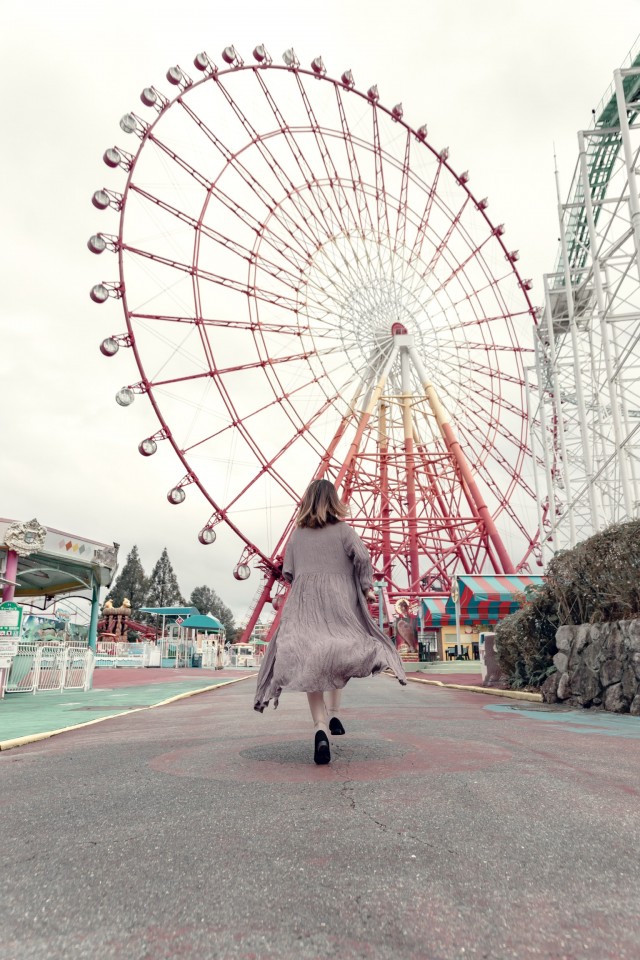
A big resort with an amusement park, golf courses and hotels; some visitors come from far away and stay overnight. The amusement park has more than 70 attractions, from roller coasters to a merry-go-round and a balloon tower, plus restaurants and shops. Its illumination event, with lights at more than 100 spots, is a highlight. Golfers can play three courses.
Kikuchi Gorge Kikuchi
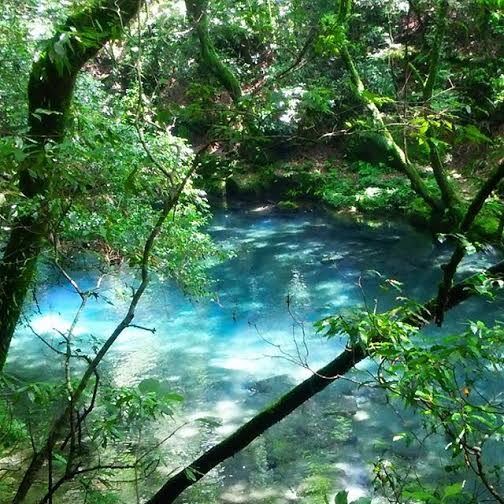
A large, green gorge on the northwest side of the Aso outer rim, about 17 km east of central Kikuchi. It is full of waterfalls: Kakemaku Falls, where the water falls like a curtain and a rainbow sometimes appears, the powerful Reimei Falls, and Momijigase, green with moss in summer and red with leaves in autumn. At Hirogawara, from late July into August, beams of sunlight shine through the trees onto the river, and many photographers gather.
Manda Coal Mine Arao
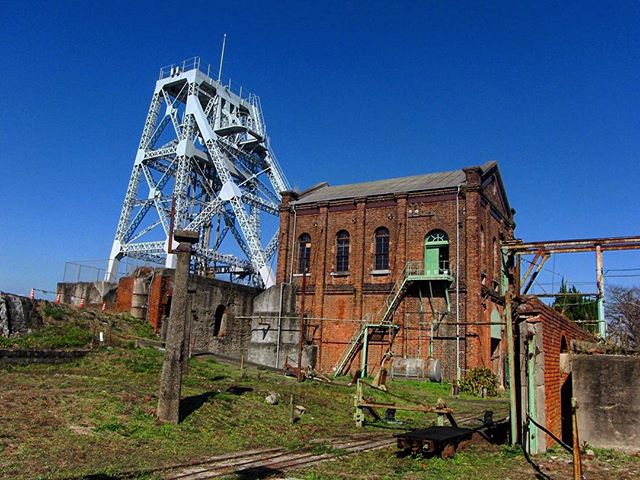
A former coal mine that is part of a World Cultural Heritage site. In its day it had two of the largest shafts in Japan. At the Manda Station visitor building, a diorama and objects show what the mine was like. Inside, you will see brick buildings, a headframe and a sealed shaft, a gritty scene that looks great on film. Photos for personal use are fine, but commercial shoots, cosplay and wedding photos need permission in advance.
Rengein Tanjoji Okunoin Tamana
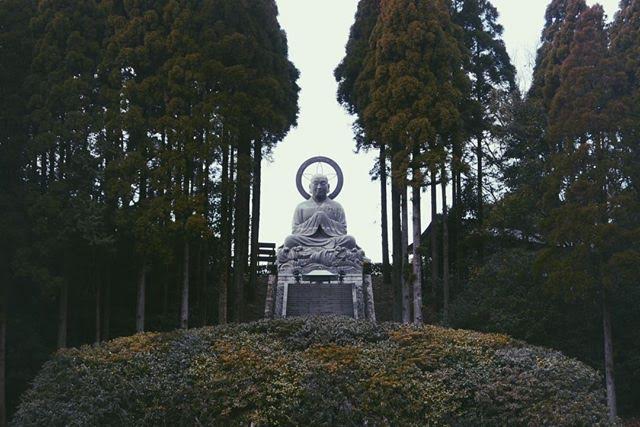
A Shingon Ritsu temple said to grant a single wish and ward off bad luck. The Okunoin, built for the 800th memorial of Koen Daibosatsu, was a place where monks trained to make people's wishes come true. Look for the round Shingyomon monument, a temple bell 2.88 m across said to be the largest in the world, and Nio statues 3.9 m tall. At the viewpoint you write a wish on a clay plate and throw it into the valley. About 10 minutes by taxi from Shin-Tamana or Tamana Station.
Uto Peninsula and Amakusa
Misumi West Port Uki
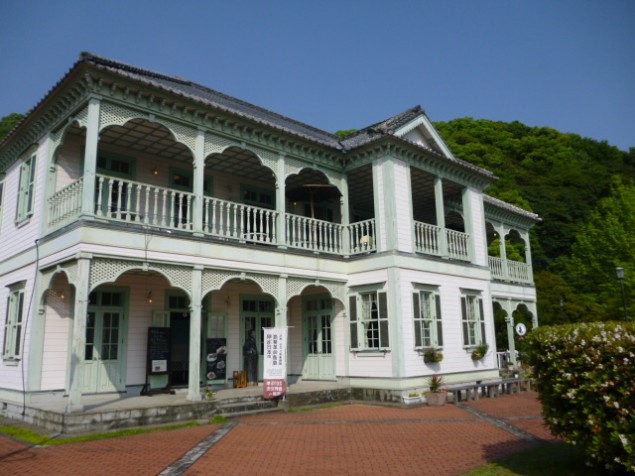
A World Heritage port completed in 1887 and counted among the three great ports of the Meiji era. It was designed by Dutch engineer Rouwenhorst Mulder and built by stonemasons from Amakusa. The old buildings have appeared in many works, including Lafcadio Hearn's The Dream of a Summer Day and the Rurouni Kenshin films. You can go inside the white Western-style inn Urashimaya, and see Ryujokan, the old Takada shipping office and the former Misumi courthouse. An observation point above the port is a fine place for sunrise and sunset.
Okoshiki Coast Uto
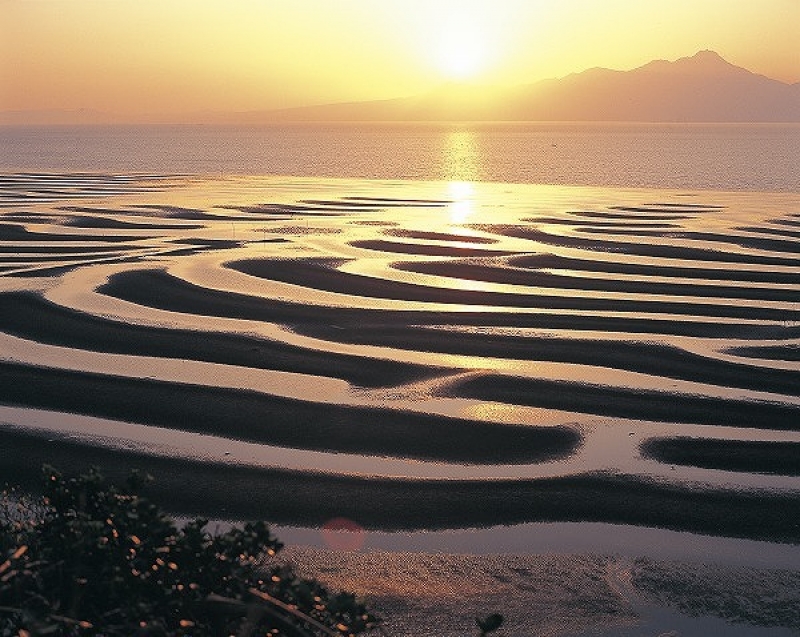
A beach on the north shore of the Uto Peninsula, chosen as one of Japan's 100 best beaches and 100 best sunsets. The tide range here is among the largest in Japan, and at low tide the sand shows clear ripple patterns that look like a desert. The best time is evening, when the ripples turn red and their shadows stand out. On clear days you can see Mount Unzen in Nagasaki across the Ariake Sea. Check the Uto tourism association's low tide and sunset calendar before you go. About 15 minutes on foot from Ouda Station on the JR Misumi Line.
Amakusa Five Bridges Kamiamakusa
Five bridges, completed in 1966, that link mainland Kyushu with the Amakusa Islands, also known as the Amakusa Pearl Line. Bridge 1, Tenmonkyo, is the tallest; Bridge 2 is a beige arch; Bridge 4, Maejima Bridge, is the longest at 510 m; and Bridge 5, Matsushima Bridge, is red. The best way to enjoy them is a drive, especially at sunset. About 3 km away, the Sengenzan Observatory is a famous viewpoint. The first bridge is about an hour by car from Kumamoto City.
Sakitsu Church Amakusa
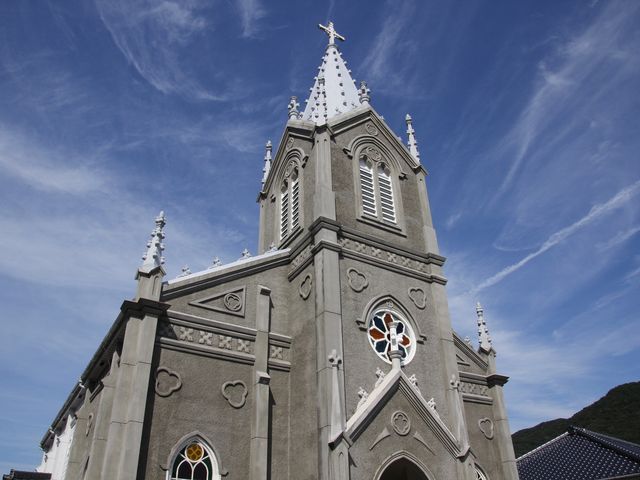
A Gothic church by the sea, also called the church of the sea, designed by Tetsukawa Yosuke, the Nagasaki builder behind most of that prefecture's churches. A large cross tops its spire, and unusually, the inside has tatami floors. For the classic view of the church and the sea, walk up to the Chapel Bell Observation Park on the hill. In the Christmas season the church is lit up. It is a place of worship, so take photos with respect.
Iruka Marine World Amakusa
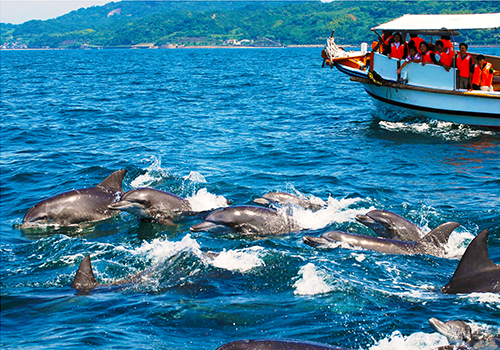
Dolphin watching off Itsuwa in Amakusa. The waters here are rich in fish, so wild Indo-Pacific bottlenose dolphins have long come to feed. Spring is calving season, when you may see babies, and you can see dolphins even in winter. You go out by cruiser or by a smaller fishing boat, and staff take you to the best spots. The chance of meeting dolphins is high, but they are wild, so it is never guaranteed.
Einoo Shrine Uki
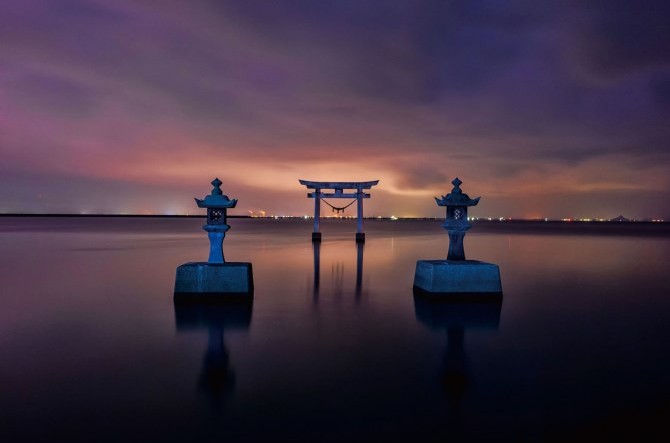
A shrine with a torii gate standing in the sea, which looks different at high and low tide. Legend says its god arrived riding on the back of a huge ray, so local parishioners do not eat ray, and the shrine is known for ray-shaped prayer plaques. It was founded in 713, and next to the main hall is a sumo ring for offering matches. The shrine is also a famous place to watch the shiranui, a fire-like mirage seen over the Yatsushiro Sea around the first day of the eighth month of the old lunar calendar. About 25 minutes by car from Matsubase IC.
Oe Church Amakusa
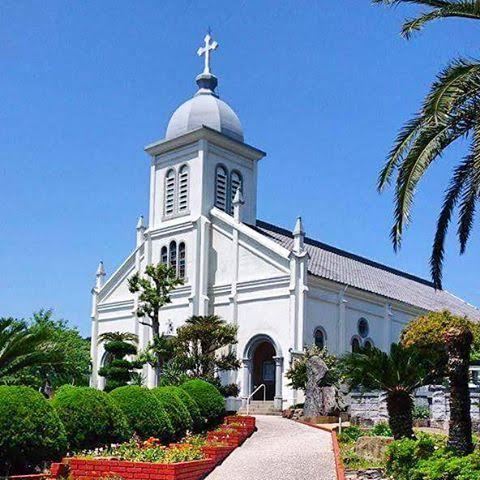
A pure white Romanesque church built in 1933 by Father Garnier, a beloved missionary, together with local people. It is one of the most beautiful of the many churches in Amakusa, and the morning or evening sun changes its look. On the grounds are statues of Father Garnier and of Our Lady of Lourdes. The five poets of the travelogue Gosoku no Kutsu visited here. For photos, try shooting it from the hill above. About 5 minutes on foot from the Tenshudo Iriguchi bus stop.
Kikaigaura Observatory Amakusa
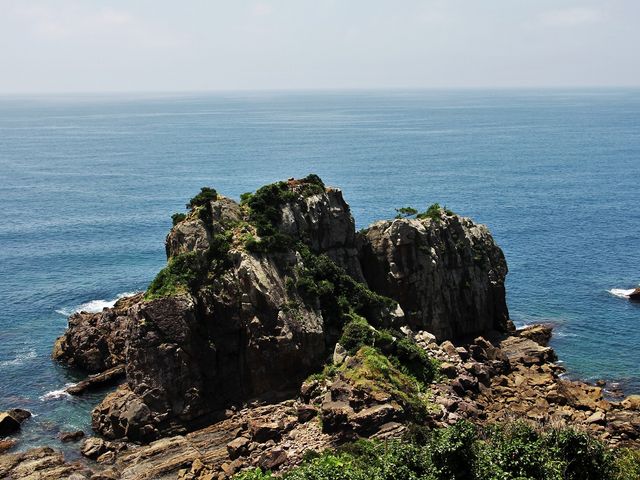
A viewpoint chosen as one of Japan's 100 best sunset spots, about 3 hours by car from Kumamoto City. The usual drive is along National Route 389, nicknamed the Sunset Line. From the observatory you look out over the sea and big rocks, and a walking path leads down to the shore. Summer is the best season: bright sea and white clouds by day, a red sun sinking into the sea at dusk, then the quiet blue hour.
Southern Kumamoto: Misato, Yatsushiro, Hitoyoshi and Minamata
Shakain Misaka Stone Steps Misato
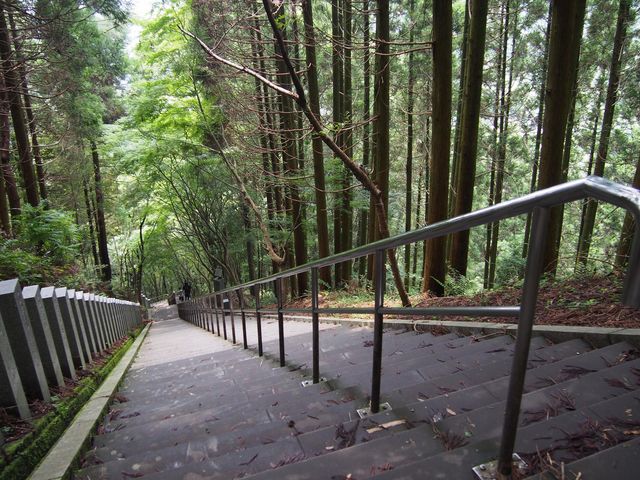
The approach to Shakain temple has 3,333 stone steps, said to be the most in Japan, over about 1.2 km. People come to test their legs, and an event called Attack the Japan No. 1 is held every year. Rest areas and a viewpoint along the way let you take it slowly, and there is a fine view from the top. Early summer greenery and autumn leaves are the best seasons; for photos from the bottom, come in the morning when light falls through the trees. About 40 minutes by taxi from Matsubase Station.
Kuma River Hitoyoshi
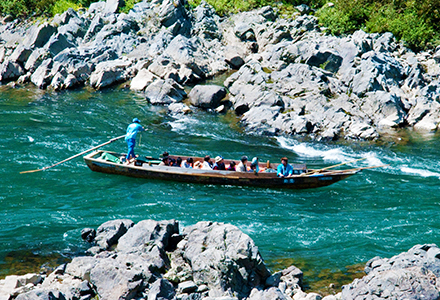
One of Japan's three fastest rivers, along with the Mogami and Fuji, and one of the largest rivers in Kumamoto, about 115 km long. People have ridden it in wooden boats for around 100 years. The water is calm in the Hitoyoshi basin, then narrows and speeds up downstream, like a natural roller coaster. The Kuma River boat ride offers two courses: a thrilling rapids course, and a gentler course with views of the town of Hitoyoshi. About 5 minutes on foot from Hitoyoshi Station.
Eco Park Minamata Rose Garden Minamata
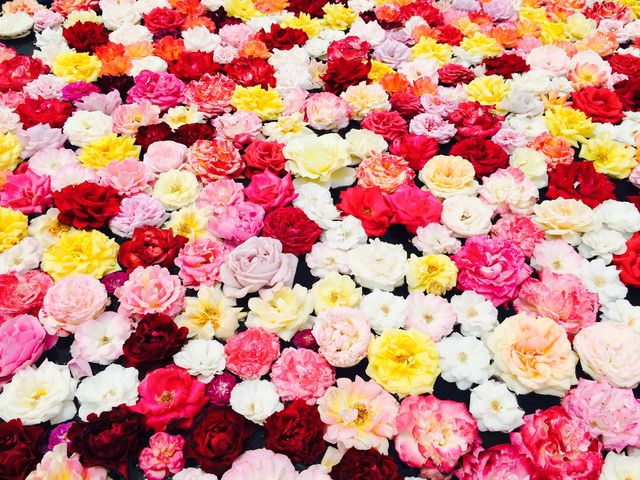
The best rose garden in Kumamoto, with about 6,500 bushes of 750 varieties. Highlights include rose arches, a 300 m wall of roses and a pond with floating petals. Spring roses bloom from early to late May, and autumn roses from mid-October to late November. Bring a macro lens for close-ups. The roadside station next door sells rose wine, rose jam and rose cream puffs, and there is a park nearby for children. About 15 minutes by taxi from Shin-Minamata Station.
Itsuki Bungee Jump Itsuki
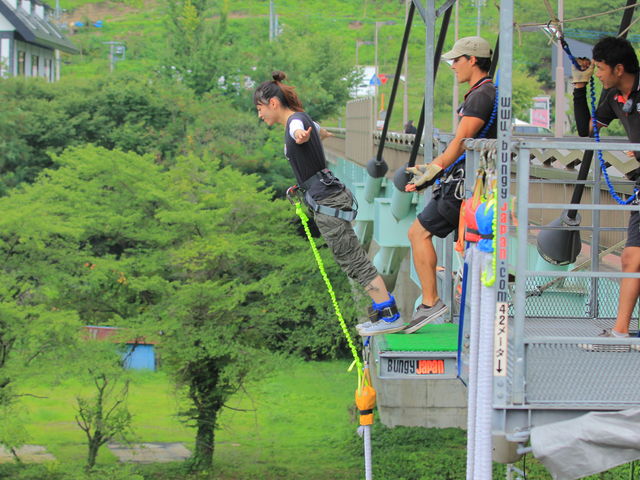
The only bridge bungee jump in a natural setting in western Japan. You jump 66 m from Kobae Bridge toward the clear Kawabe River, with mountain views all around as you fall; with luck you can touch the water with your fingertips. Jumpers must be 15 or older and weigh 40 to 105 kg. It is deep in the mountains, about 45 minutes from Hitoyoshi IC via Route 445.
Hakkaku Tunnel Misato
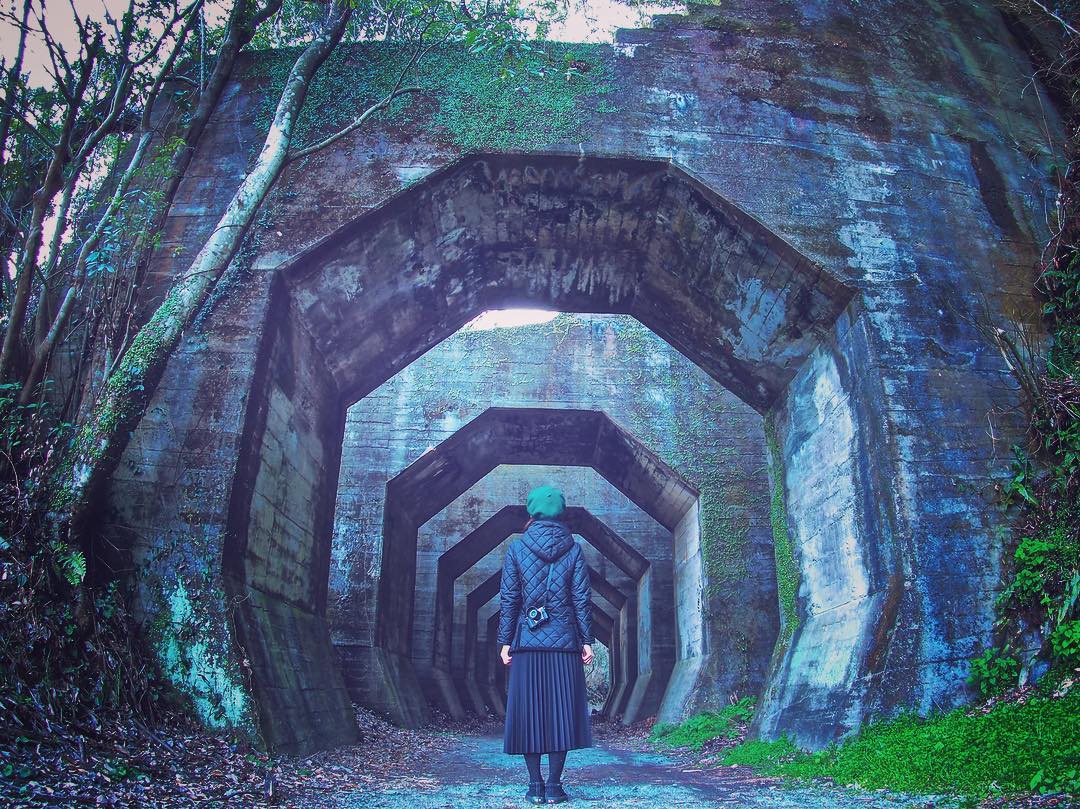
A relic of the Yuen Railway, which opened in 1915 and closed in 1964. The structure was built to stop rocks falling from the cuttings on both sides of the track. Seven octagonal frames stand in a row with a large opening down the middle, so it looks like a tunnel to another world, and sunlight falls through the gaps. Surrounded by forest, it has a retro feel that suits film photography.
Eikoku-ji Hitoyoshi
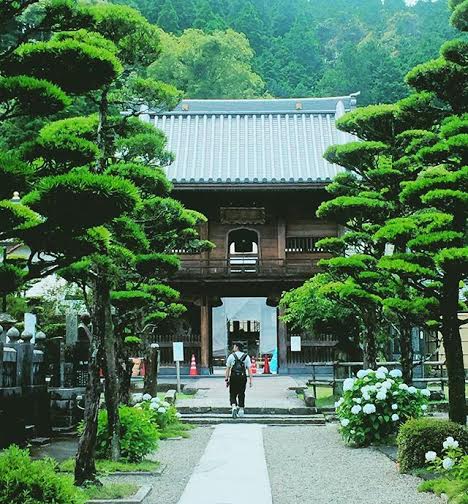
Known as the Ghost Temple for its ghost scroll. Legend says a jealous mistress drowned herself and haunted the man's wife, until the priest Jittei painted her so ugly that the shocked ghost asked him to release her. A replica of the scroll hangs to the left of the main hall, and the pond where the ghost appeared is to the right. The Nio gate holds wooden guardian statues about 2 m tall. Saigo Takamori is said to have used the temple as his headquarters in the Satsuma Rebellion. About 10 minutes on foot from JR Hitoyoshi Station.
Kyusendo Cave Kuma
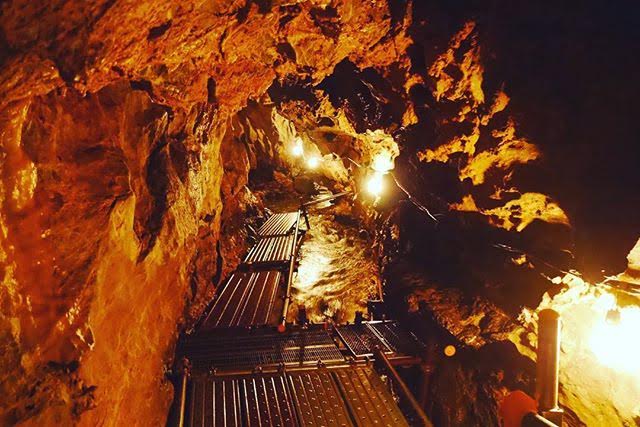
A limestone cave under Mount Gongen, found around 1973 and said to be the largest in Kyushu, at about 4.8 km. LED lights bathe parts of it in blue, like exploring ruins under the sea. Look for the Natural Bridge, curtain-like formations, rimstone pools and flowstone. Besides the regular route there is an exploration course with boots and helmets that goes down about 40 m of ladders; first-timers should take the regular route.
Momiki Suspension Bridges Yatsushiro
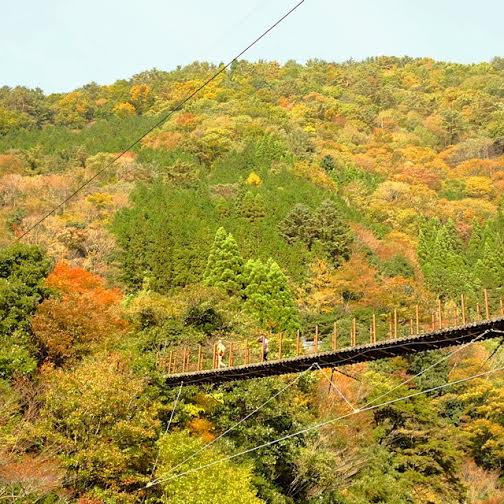
Two wooden bridges in the forest, a parent and child pair: Ayatori Bridge, 72 m long and 35 m high, and Shakunage Bridge, 59 m long and 17 m high. The first bridge here was woven from vines and used by locals and schoolchildren. Unlike most suspension bridges, these are held up by cables from below, but sturdy handrails make crossing safe. A walking path links them in a loop, and the autumn leaves around them are lovely.
Sendan Todoroki Falls Yatsushiro
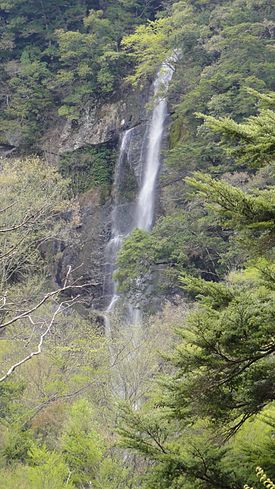
One of Japan's 100 best waterfalls, on the upper Kawabe River in the Kyushu Chuo Sanchi Quasi-National Park. The water drops about 70 m straight off a cliff with a roar you hear long before you arrive. You can see it from a viewpoint by the road, but the path from the parking lot leads to a bridge and then right to the basin. It is cool in summer, and autumn, when the leaves turn, is the best season. Do not get too close to the edge.
Aoi Aso Shrine Hitoyoshi
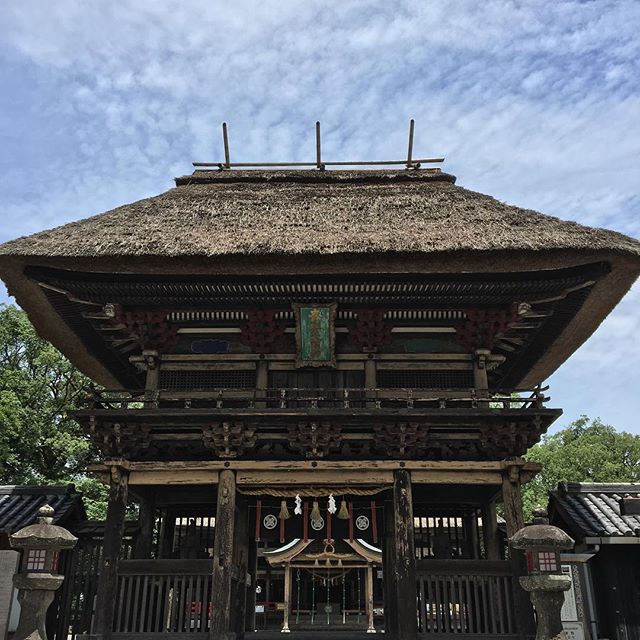
Its five connected buildings, from the main hall to the gate, were the first National Treasure in Kumamoto. They are lacquered black with red woodwork that sets off brightly colored carvings, and the worship hall has a rare thatched roof. There is a lotus pond and a row of cherry trees for spring. The shrine also holds seasonal festivals, including the Okunchi festival that celebrates its founding. About 5 minutes on foot from Hitoyoshi Station.
The places on a map
Hours, prices and events change. Check each place's official website before you go.
More travel guides
 Tokyo Sightseeing by Area: 40 Classic Sights and Lesser-Known Spots from Asakusa to Odaiba40 placesTokyo has much more to see than Skytree, Tokyo Tower and Asakusa. This guide works through six of the city's main…
 Nagoya: 40 Best Places to Visit, from Nagoya Castle and Atsuta Jingu to Osu40 placesNagoya is one of Japan's biggest cities, yet many visitors don't know how much it has to see. Alongside its famous…
 Chichibu: 40 Best Places to Visit, from Nagatoro River Boats and Mitsumine Shrine to Moss Phlox and Icicles40 placesChichibu, the largest city in Saitama Prefecture, is about 90 minutes from central Tokyo. Most of the area is national…
 Niigata Prefecture: 40 Best Places to Visit, from Classic Sights to Hidden Gems40 placesNiigata Prefecture stretches a long way from north to south, and each area has its own scenery, climate and food. The…
 Nagasaki Prefecture: 40 Best Places to Visit, from Unzen Hot Springs to Hirado and Nagasaki City40 placesNagasaki grew up as a port open to the outside world, and the culture of those days still shapes its streets, churches…
 Fukuoka Prefecture: 40 Places to Visit in Kitakyushu, Chikuho and Around Fukuoka City40 placesFukuoka Prefecture is roughly divided into four areas, Kitakyushu, Chikuho, Fukuoka and Chikugo, and each has its own…