
Kawagoe: 30 Things to Do in Little Edo, from Storehouse Streets to Old Temples and Shrines
30 places · Japanese version
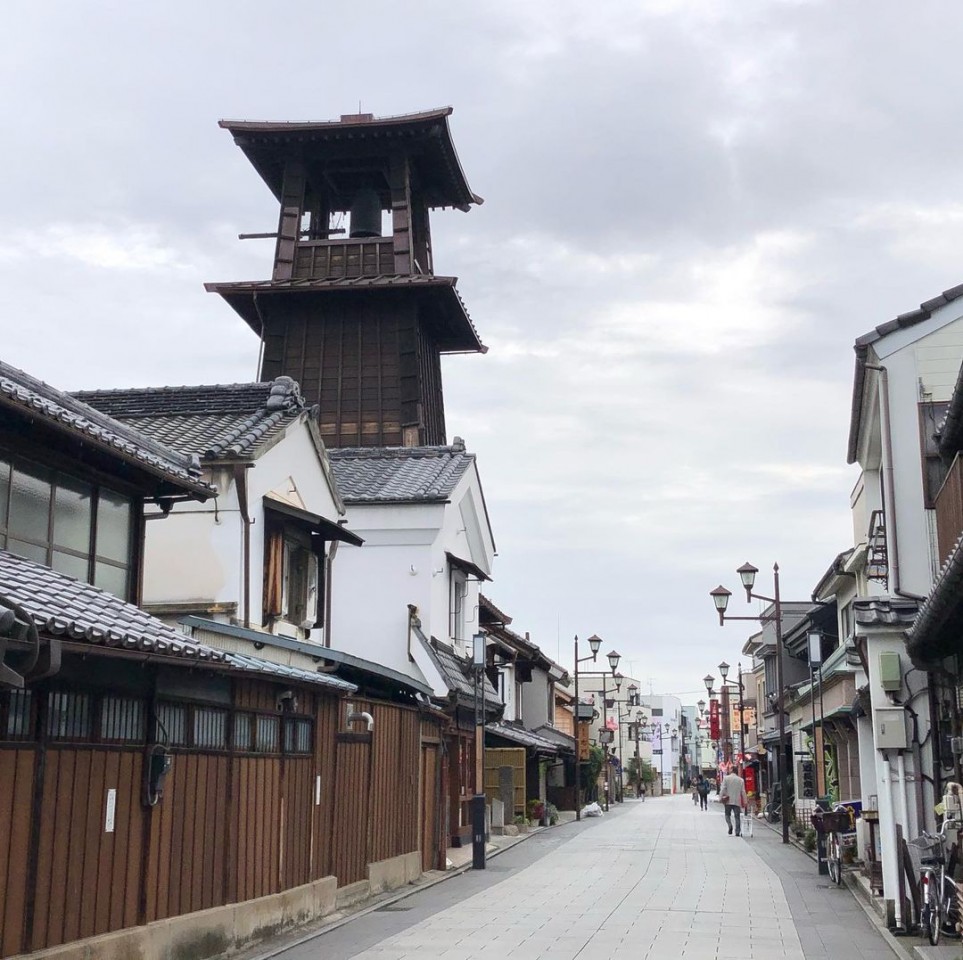
Kawagoe in Saitama grew as a castle town in the Edo period and is known as Koedo, or Little Edo. Its streets of clay-walled storehouses give it a nostalgic feel, and it is recognized by the national government as a historic city. Ota Dokan built Kawagoe Castle before he built Edo Castle, which is why the town is sometimes called the mother of Edo. The limited express Koedo takes about 45 minutes from Shinjuku. Here are 30 sights, grouped by area: the storehouse district, the castle and museum area, the Kita-in area and the area around Kawagoe Station.
The storehouse district: Ichibangai and around
This is the heart of Little Edo, with the Bell of Time, the storehouse streets of Ichibangai, Candy Alley and a cluster of small museums and old shrines, all within walking distance of each other.
Toki no Kane (Bell of Time) Ichibangai
Together with the storehouse streets, the Bell of Time is the symbol of Kawagoe. It is said to date back about 400 years, and the present tower, the fourth, was rebuilt after the great Kawagoe fire of 1893. At 16 meters it stands out above the low buildings around it. The bell, now rung by machine, still sounds four times a day, at 6:00, 12:00, 15:00 and 18:00.
Ichibangai storehouse streets Ichibangai
The rows of kura-zukuri storehouses are the main reason to visit Kawagoe. The great fire of 1893 burned two-thirds of the town, and in the years after it more than 200 merchant houses with black plaster walls went up, so most of them actually date from the Meiji era, not the Edo period. More than 30 still stand. Tokyo lost its own storehouse streets in the Great Kanto Earthquake, so Kawagoe keeps a rare picture of old Edo.
Kashiya Yokocho (Candy Alley) Motomachi
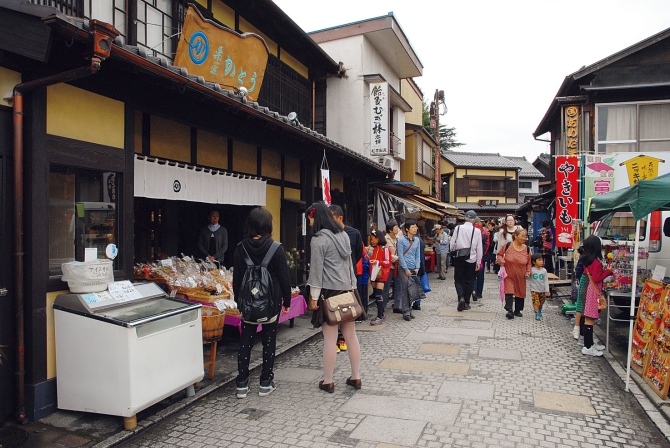
Candy Alley began in the early Meiji era, when a man named Suzuki Tozaemon started making and selling sweets here. After the Great Kanto Earthquake hit downtown Tokyo, the street took over making cheap traditional sweets, and by the early Showa era some 70 shops lined it. Today about 20 shops sell candies, rice crackers and other old-fashioned treats in a lane that feels nostalgic to almost everyone.
Saitama Resona Bank Kawagoe Branch Ichibangai
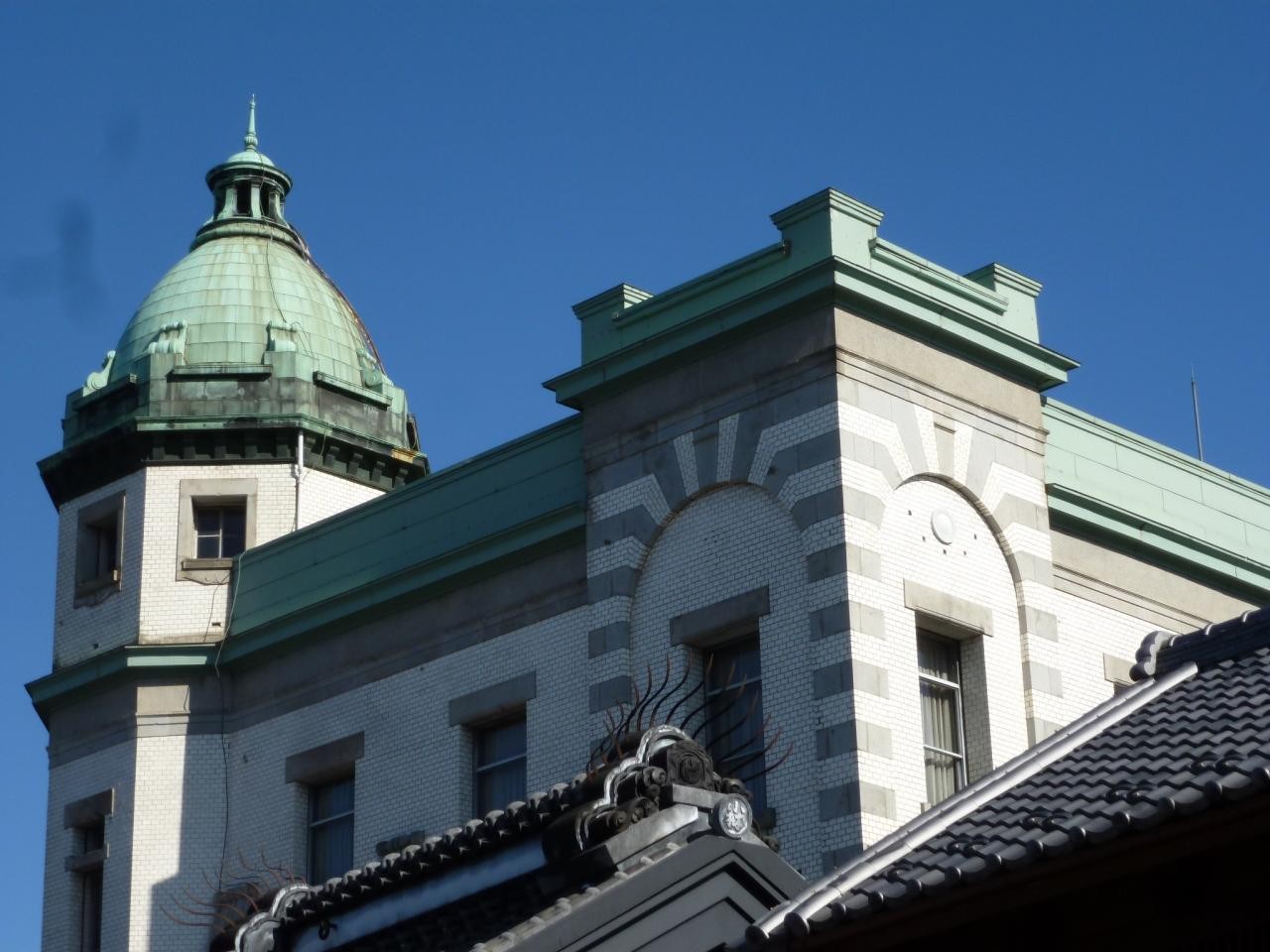
Among the dark storehouses of Ichibangai, this building stands out with its blue-green dome. It was built in 1918 as the head office of the former Eighty-fifth Bank and still works as a bank today. As a symbol of how Kawagoe grew in the modern era, it is a registered tangible cultural property of Japan. You can admire the outside at any time.
Renkei-ji Temple Renjakucho
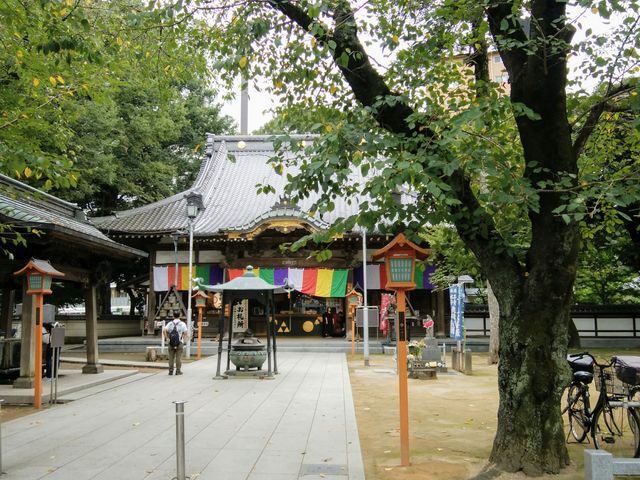
Renkei-ji was founded in 1549 by the mother of Daidoji Masashige, a senior retainer of the Odawara Hojo clan. In the Edo period it trained monks and could to display the Tokugawa hollyhock crest. In front of the Donryu-do hall sits a statue of Binzuru, a disciple of the Buddha: touch the part of the body that ails you, or his head to become wiser. A temple fair with a flea market is held on the 8th of every month.
Taisho Roman Yume-dori Renjakucho and Nakamachi
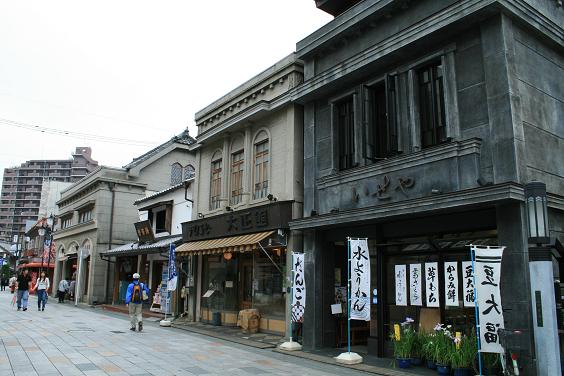
This shopping street is lined with buildings from the Taisho era to the early Showa era, a different look from the storehouses of Ichibangai. Long-established shops from the Edo period stand beside newer ones, all with a nostalgic, early 20th century mood. The well-preserved street has been used as a location for many TV dramas and films, and it has plenty of good places to eat.
Touho Yamawa Ichibangai
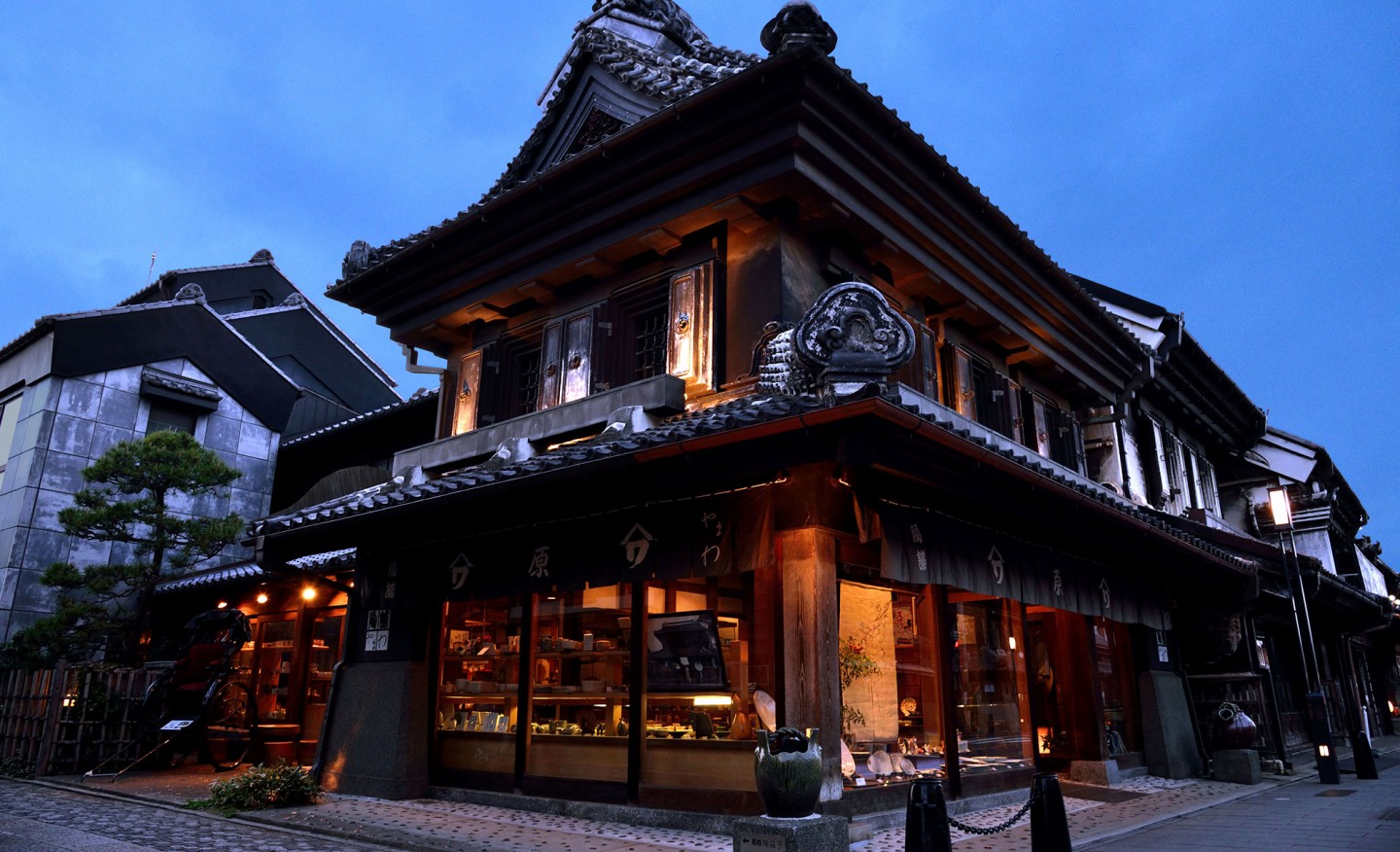
This pottery shop occupies the Hara family house, a cultural property and a fine example of Kawagoe storehouse architecture, with heavy ogre-face roof tiles and double doors. It appeared as the heroine's family home in the NHK morning drama Tsubasa. Inside, works by local potters fill the shelves. A small dining corner serves a mini kaiseki meal using Kawagoe sweet potatoes, plus sweet potato cake, coffee and matcha, so it makes a good rest stop.
Kawagoe Festival Museum Motomachi
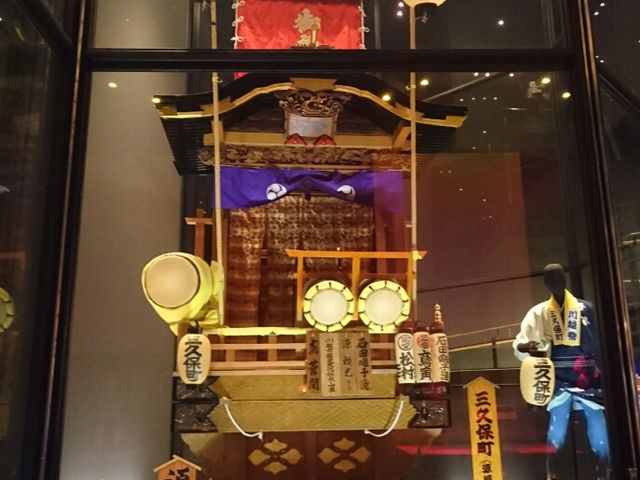
The Kawagoe Festival is held once a year, and this museum lets you feel its energy any day. Two real floats used in the festival are on display, rotated from time to time, and a large screen shows the festival and the work of the people behind it. On Sundays and holidays there are live performances of festival music. Upstairs, look into a fox or hyottoko mask to see the festival from a dancer's point of view.
Kawagoe Kumano Shrine Renjakucho
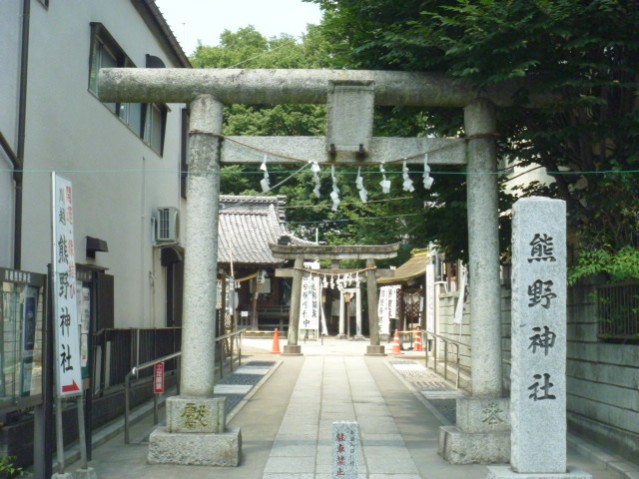
Founded in 1590 with a deity brought from Kumano Hongu Taisha in Wakayama, this shrine is known for good luck and matchmaking. Its crest is Yatagarasu, the three-legged crow that is also the symbol of the Japan Football Association, and it offers victory charms with the emblem of the national soccer team. Every year on December 3 the grounds hold a Tori-no-ichi fair, and weeping cherry trees bloom here in spring.
Kawagoe City Kurazukuri Museum Ichibangai
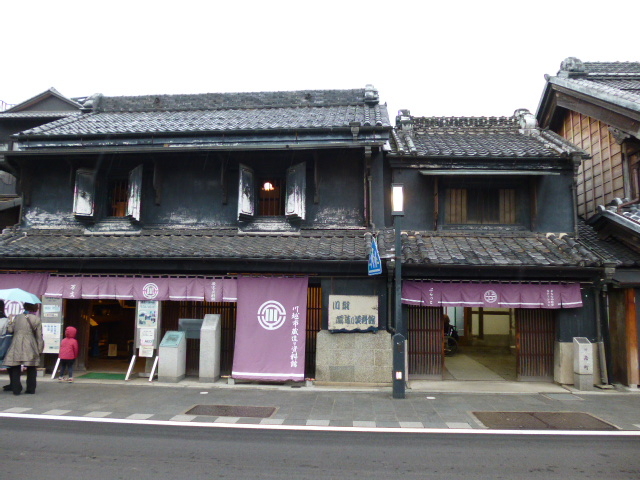
This museum occupies the former shop of Manbun, a wealthy tobacco wholesaler, built right after the 1893 fire. You can walk through the shop storehouse facing the street, the tobacco and document storehouses and the living quarters behind them. Exhibits cover tobacco, local firefighting and the life of Kawagoe merchants. Most of the buildings that survived the fire were storehouses, which is why the town rebuilt itself with them.
Osawa House Motomachi
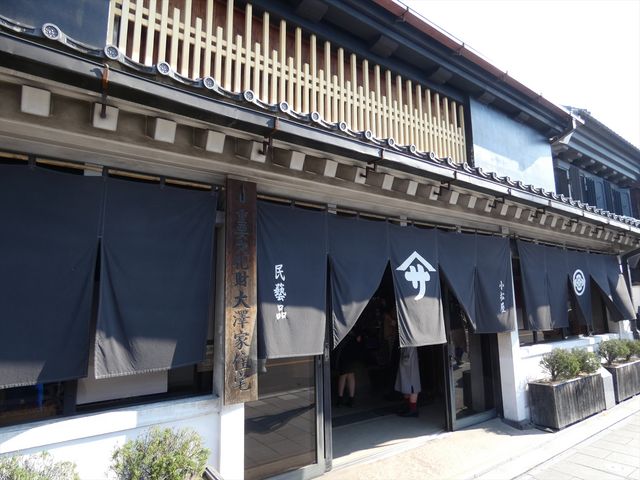
The Osawa House is the oldest storehouse-style building in Kawagoe and a national Important Cultural Property. Built in the Edo period by Komatsuya, a wealthy kimono merchant, it looks plain next to the later houses of Ichibangai, but its pillars, walls and fittings show the owner's wealth. It survived the great fire of 1893, and buildings like it are said to have changed how local merchants thought about fire safety.
Yamazaki Art Museum Nakamachi
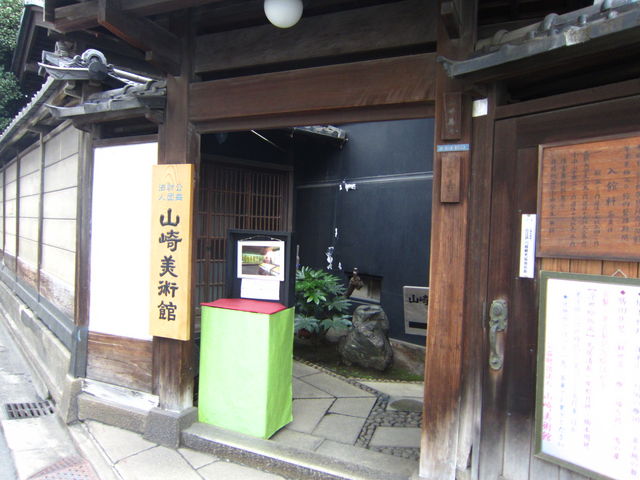
Kameya, a Japanese sweets shop founded in 1783, opened this museum in 1982 in one of its own storehouses. The collection centers on Hashimoto Gaho, a leading Meiji-era painter with ties to Kawagoe who taught Yokoyama Taikan and Shimomura Kanzan, and also includes wooden molds for making sweets. Admission comes with Kameya sweets and tea.
Yoju-in Temple Motomachi
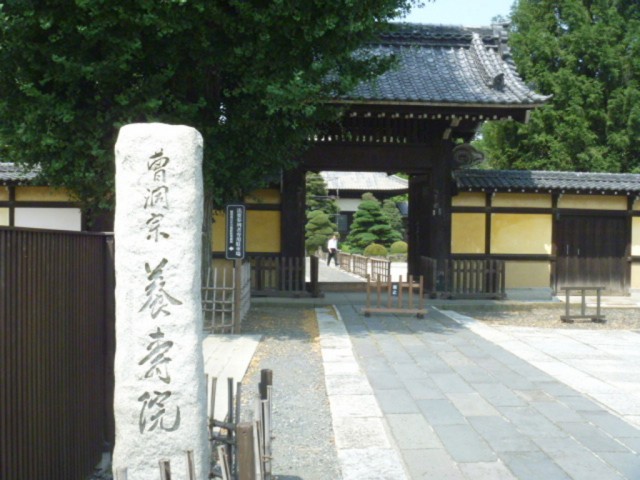
Yoju-in was founded in 1243 by Kawagoe Tsuneshige, a great-grandson of the warrior Kawagoe Taro Shigeyori, and became a Soto Zen temple in 1535. Under the protection of the castle lords it prospered in the Edo period, and the area that is now Candy Alley was once its temple town. It keeps a bronze bell that is a national Important Cultural Property and a stone pagoda said to mark Kawagoe Taro's grave.
Hattori Folk Museum Ichibangai
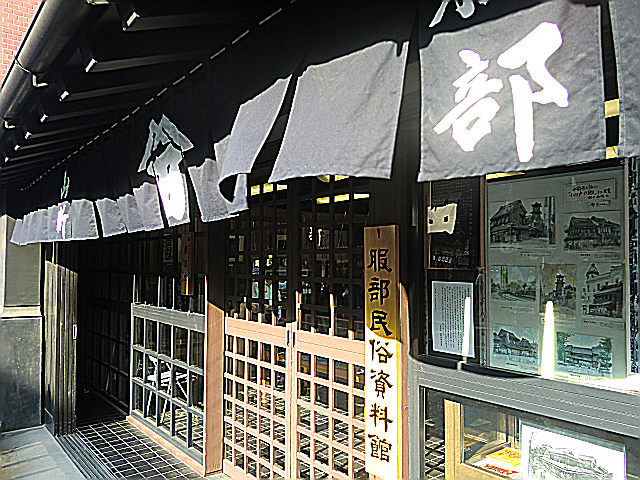
The Hattori family ran a shop called Yamashin that sold umbrellas and geta clogs and also dealt in medicines. Their house, which keeps the feel of an old Edo merchant home, opened as a folk museum. Inside you can see the family's tools and furniture handed down for generations, including real geta and sandals, old medicine signboards and the shop counter.
Sweet Potato Confectionery History Museum Ichibangai
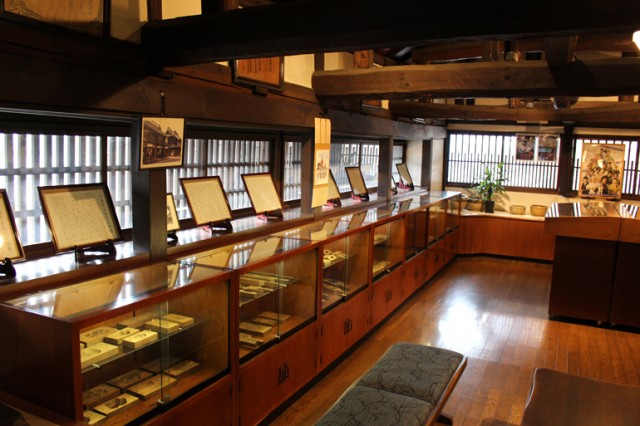
This small museum is on the second floor of Kameya Eisen, a sweet potato confectioner in the middle of Ichibangai that has made Kawagoe's famous sweet potato treats since the Meiji era. Kawagoe was 13 ri from Nihonbashi in Edo, and its sweet potatoes were praised as 13 ri, tastier than chestnuts. Tools and documents tell how sweet potato sweets became a Kawagoe specialty.
Castle and museum area
The site of Kawagoe Castle holds the surviving palace, the city's museums and Kawagoe Hikawa Shrine.
Kawagoe Castle Honmaru Goten Kuruwamachi
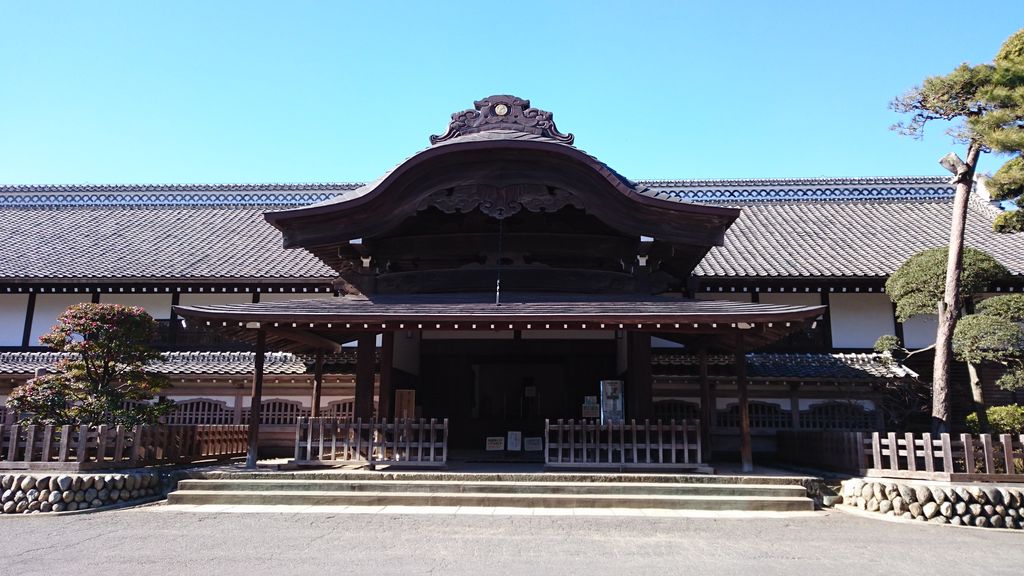
The Honmaru Goten, the castle's main palace, was rebuilt after a fire in 1846. It is one of the very few honmaru palaces left in Japan and gives a sense of how grand the residence of an Edo-period lord could be. It opens from 9:00 and is close to the Hakubutsukan Bijutsukan-mae stop of the Koedo loop bus. Plan one to two hours.
Kawagoe Hikawa Shrine Miyashitamachi
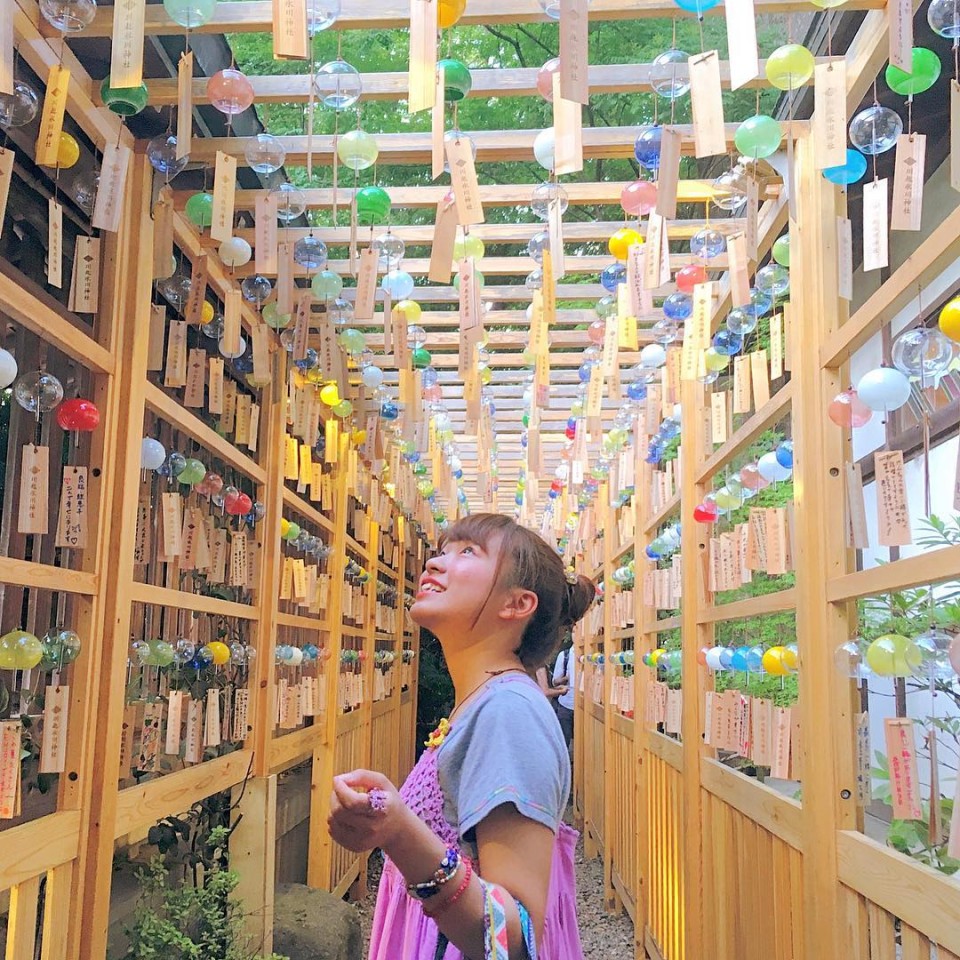
Said to have been founded in 541, about 1,500 years ago, this shrine became the guardian of the castle town after Ota Dosen and Ota Dokan built Kawagoe Castle in 1457. Its gods include two married couples, so it has long been visited for matchmaking. Instead of drawing a fortune, you fish one out: the ai-tai omikuji, shaped like sea bream, is meant to help you land a good match.
Kawagoe City Art Museum Kuruwamachi
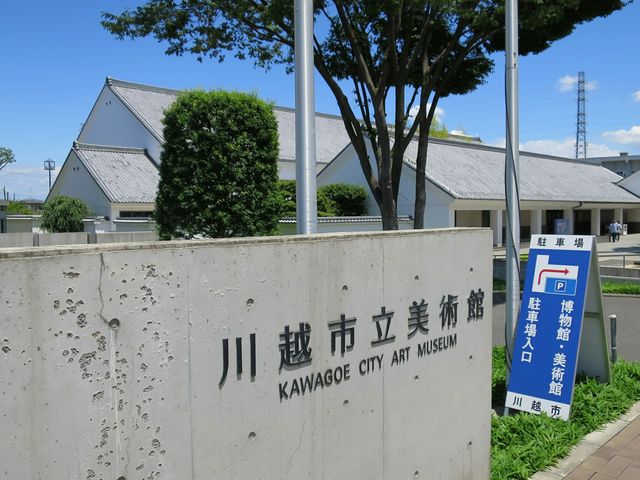
Opened in 2002, this museum holds about 2,000 works by artists from Kawagoe and nearby areas or with ties to the city. The collection includes Japanese-style painting by Hashimoto Gaho and his students, Western-style painting, prints and sculpture. A permanent room is dedicated to Aihara Kyuichiro, a Western-style painter who was born and worked in Kawagoe.
Kawagoe City Museum Kuruwamachi
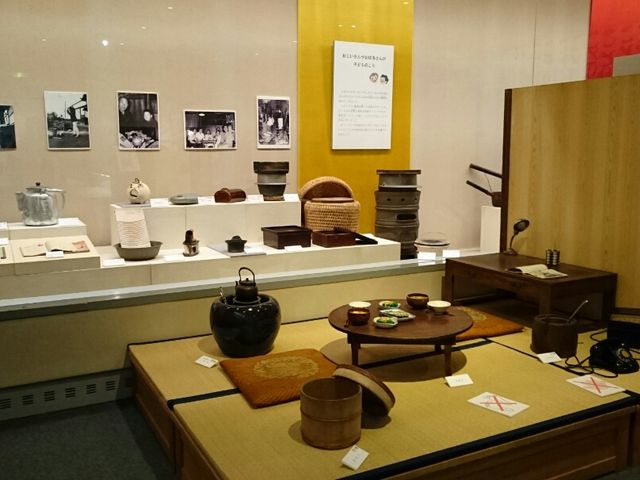
Standing on the site of the castle's second bailey, this museum tells the history, land and culture of Kawagoe from ancient times through its Little Edo years to the modern era of storehouse streets. One corner recreates the workshops of sweet potato cracker makers and roasted sweet potato sellers, two traditional local trades, and another introduces the festivals handed down in Kawagoe.
Miyoshino Shrine Kuruwamachi
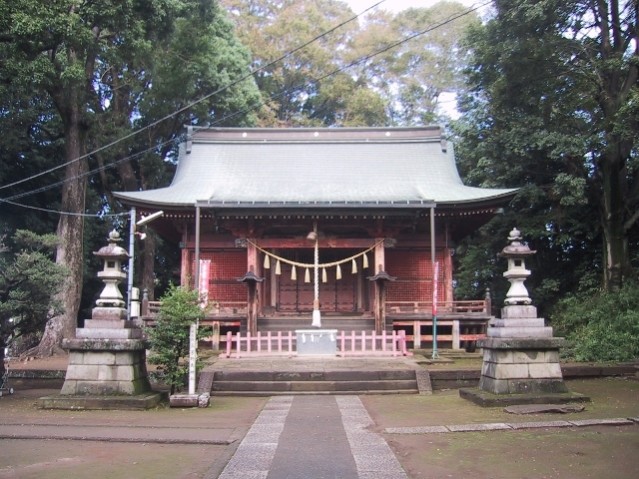
Said to have been founded in the early Heian period, Miyoshino Shrine ended up inside Kawagoe Castle when the castle was built, so people call it Oshiro no Tenjin-sama, the castle's Tenjin. Ordinary people could rarely visit, and those who did were said to be searched closely on the way out. That story is said to be the origin of the children's song Toryanse, set on the approach to this shrine.
Yaoko Kawagoe Museum Hikawacho
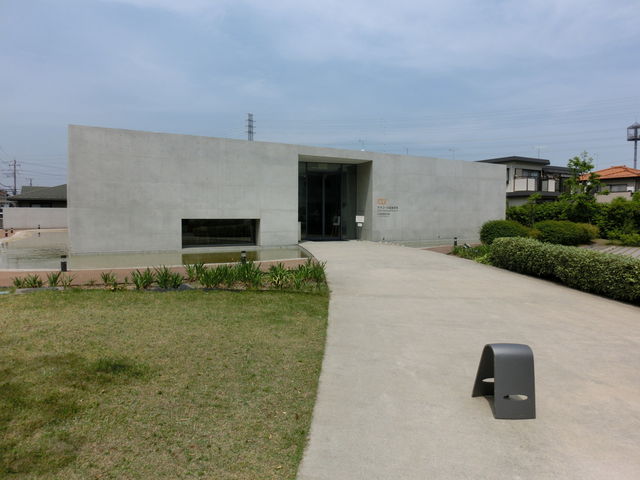
The supermarket chain Yaoko opened this museum to show its collection of paintings by Misu Yuji, a Western-style painter who kept his studio in Saitama. The building itself draws attention: it was designed by Toyo Ito, the architect of the Sendai Mediatheque and the Odate Jukai Dome.
Kita-in area
South of the castle area, Kita-in and the shrines around it have strong ties to the Tokugawa shoguns.
Kita-in Temple and the Five Hundred Rakan Kosenbamachi
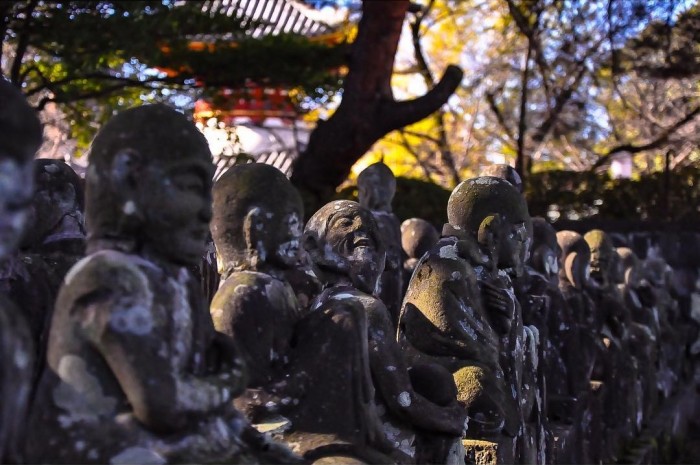
Kita-in dates back to a temple founded in 830 and flourished under the Tokugawa family. After a fire in 1638, the shogun Iemitsu had buildings moved here from Edo Castle, including the room where he was born.
Do not miss the Gohyaku Rakan, more than 500 stone statues of Buddhist disciples made between 1782 and 1825, no two alike. Legend says that if you touch their heads at night, one is always warm and looks like a parent you have lost.
Senba Toshogu Shrine Kosenbamachi
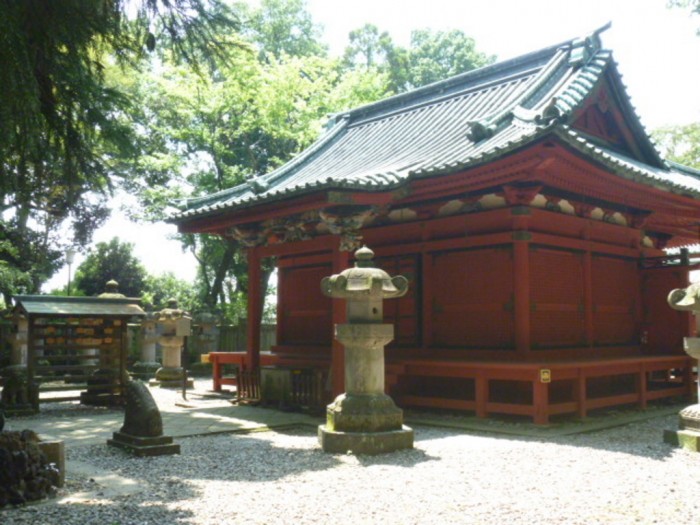
Senba Toshogu is counted with Nikko Toshogu and Kunozan Toshogu as one of the three great Toshogu shrines of Japan. The priest Tenkai built it in 1617, the year after Tokugawa Ieyasu died, and a wooden statue of Ieyasu sits in the main hall, a national Important Cultural Property. The water basin and guardian dogs came from Edo Castle. The inner grounds are usually closed and open at New Year and on festival days.
Shusse Inari Shrine Matsuecho
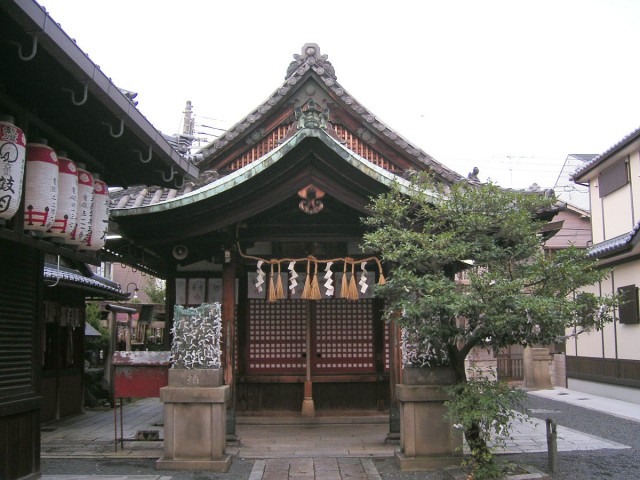
Brought from Fushimi Inari in 1832, this shrine is visited for career success as well as good harvests and business. Its main hall is built in the local storehouse style and escaped the Meiji-era fire. By the torii at the entrance stand two ginkgo trees, the tallest in Kawagoe and estimated to be more than 600 years old.
Hie Shrine, Kawagoe Kosenbamachi
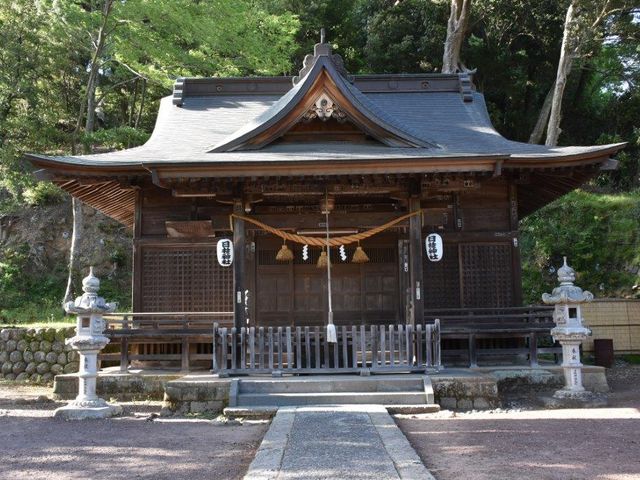
This shrine began in 830 as the guardian of the temple that became Kita-in, with a deity brought from Hiyoshi Sanno Shrine at the foot of Mount Hiei. The main hall, a national Important Cultural Property, stands on part of an ancient keyhole-shaped burial mound. The famous Hie Shrine in Akasaka, Tokyo, began in 1478 as a branch of this shrine, when Ota Dokan was building Edo Castle.
Kawagoe History Museum Kubomachi
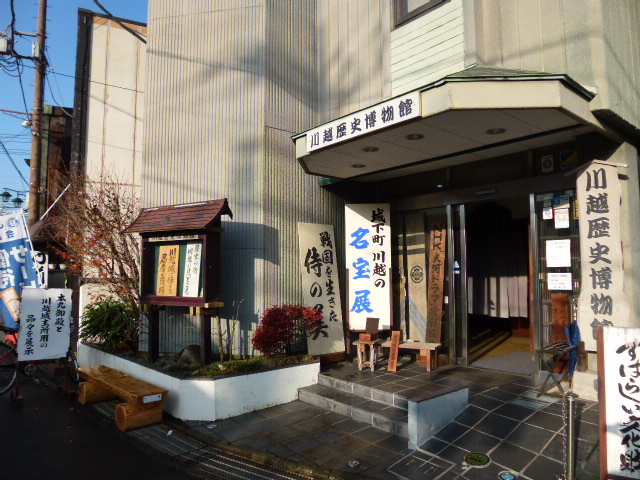
This private museum shows historical items collected over three generations of one family, and it opened in 1985 for the 530th anniversary of Kawagoe Castle. Pieces range from sword fittings of the Heian-era Kawagoe clan to the tools Edo-period officers used to catch criminals, including jitte truncheons and document boxes, all real objects you can see up close.
Around Kawagoe Station and beyond
Kawagoe Hachimangu Shrine Minamitoorimachi
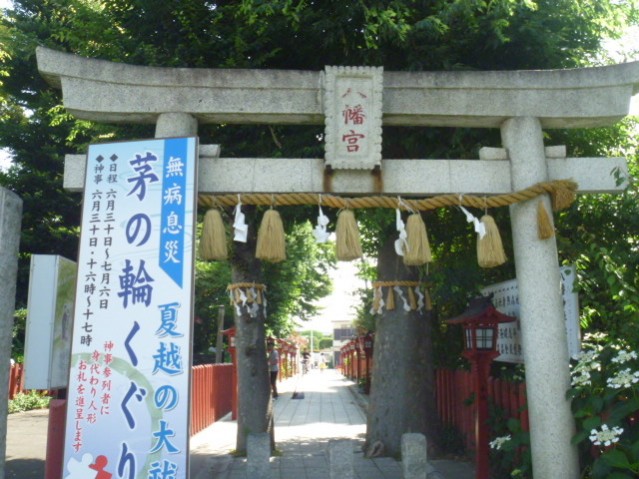
Minamoto no Yorinobu founded this shrine after praying here for victory when he was sent to put down a rebellion, which ended peacefully. It is visited for success in contests. A pair of male and female ginkgo trees grown together into one are said to bring good matches, and a small Inari shrine nicknamed Sumo Inari is visited for healthy legs. It is about 6 minutes on foot from the east exit of Kawagoe Station.
Koedo Kurari Shintomicho
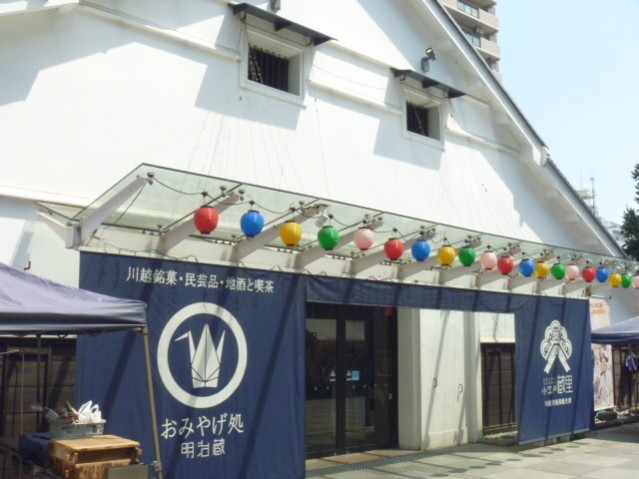
Three old sake brewery storehouses, registered tangible cultural properties, now hold a souvenir shop in the Meiji storehouse, a restaurant in the Taisho storehouse and a market in the Showa storehouse. When the local Kagamiyama sake was about to disappear, Kawagoe people stepped in and revived it at a new brewery nearby. It is about 3 minutes on foot from Hon-Kawagoe Station.
Chiisana Tabi Kawagoe Onsen Kaminodamachi
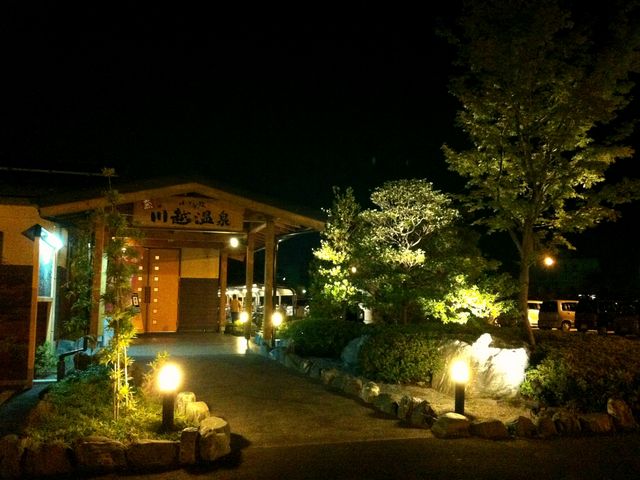
A day-use natural hot spring a little west of central Kawagoe, good for a soak after walking the old town. It has a wood bath area with cypress tubs and a stone bath area with an outdoor rock bath, each with nine kinds of baths. The two areas switch between men and women every day.
Kawagoe Suijo Park Outskirts of Kawagoe
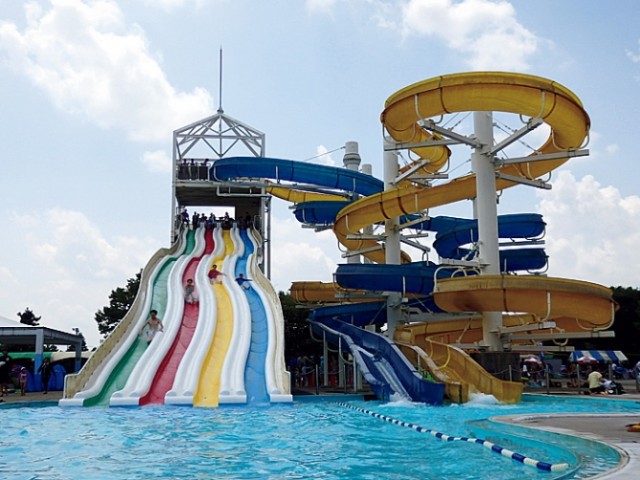
A large park on the right bank of the Iruma River on the edge of Kawagoe. In summer its pools open, with slides and a wave pool, and in autumn you can fish for trout and crucian carp. Tennis courts, a futsal court, a dog run and barbecue areas make it a place to enjoy all year. It is about 15 minutes on foot from Nishi-Kawagoe Station on the JR Kawagoe Line.
Getting around Kawagoe
Two sightseeing bus lines, the Koedo Meisho Meguri bus and the Koedo loop bus, stop close to most of the places above, and many sights are only a minute or a few minutes from a stop. The storehouse district, Candy Alley and the castle area are close enough to walk between. Plan one to two hours for each of the larger sights, such as the storehouse streets, Kita-in or the museums.
The places on a map
Hours, prices and events change. Check each place's official website before you go.
More travel guides
 Tokyo Sightseeing by Area: 40 Classic Sights and Lesser-Known Spots from Asakusa to Odaiba40 placesTokyo has much more to see than Skytree, Tokyo Tower and Asakusa. This guide works through six of the city's main…
 Nagoya: 40 Best Places to Visit, from Nagoya Castle and Atsuta Jingu to Osu40 placesNagoya is one of Japan's biggest cities, yet many visitors don't know how much it has to see. Alongside its famous…
 Chichibu: 40 Best Places to Visit, from Nagatoro River Boats and Mitsumine Shrine to Moss Phlox and Icicles40 placesChichibu, the largest city in Saitama Prefecture, is about 90 minutes from central Tokyo. Most of the area is national…
 Niigata Prefecture: 40 Best Places to Visit, from Classic Sights to Hidden Gems40 placesNiigata Prefecture stretches a long way from north to south, and each area has its own scenery, climate and food. The…
 Nagasaki Prefecture: 40 Best Places to Visit, from Unzen Hot Springs to Hirado and Nagasaki City40 placesNagasaki grew up as a port open to the outside world, and the culture of those days still shapes its streets, churches…
 Fukuoka Prefecture: 40 Places to Visit in Kitakyushu, Chikuho and Around Fukuoka City40 placesFukuoka Prefecture is roughly divided into four areas, Kitakyushu, Chikuho, Fukuoka and Chikugo, and each has its own…